Last updated: 2026-03-04
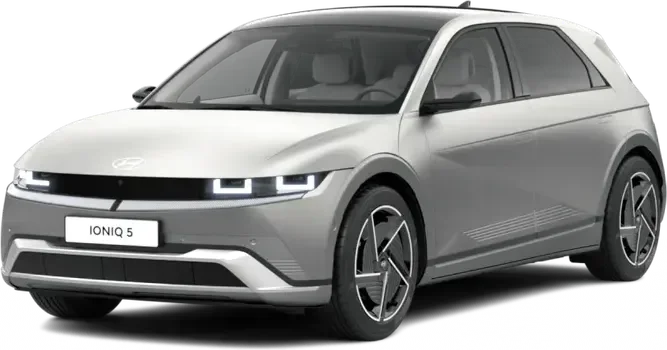
2023 Hyundai Ioniq 5 Reliability Report
The 2023 Hyundai Ioniq 5 scores 50/100 ("Mixed"). With 3 recalls and 311 owner complaints, buyers should proceed with caution.
Recalls
3
Complaints
311
Complaint Rate
91.7per 10,000 sold
Est. Repair Cost
N/A
Detailed Score Breakdown
Component-weighted complaints normalized by sales volume
Independent repair cost ratings
Recall count weighted by severity
Breadth of reported problem categories
The Verdict
Mixed reliability — proceed with caution and budget for repairs.
Top Issues to Watch
- ELECTRICAL SYSTEM (176)
- POWER TRAIN (57)
- VEHICLE SPEED CONTROL (8)
Generation & Refresh (US)
2023 is year 2 of the First generation (NE).
- Redesigned for the 2022 model year.
- A refresh arrives in 2024.
- 1st generation Ioniq 5 (US).
What this means for buyers
Year 2 is typically a safer pick than the first model year — early issues are more likely to be identified, but the platform is still new.
If you're comparing prices, check 2022 (redesign year) vs 2023+ pricing and recalls.
2022: First generation (NE) Launch
Generation start — new platform.
2023: This Model Year
2023 is year 2 of the First generation (NE).
2024: Mid-Cycle Refresh
Updated features and styling tweaks.
Should You Buy the 2023 Hyundai Ioniq 5?
A 50/100 score puts the 2023 Hyundai Ioniq 5 in the "Mixed" tier. Buyers should approach with eyes open. 2023 is year 2 of the First generation (NE).
Complaint volume sits above average at 311 owner complaints alongside 3 recalls. Issues in electrical system and electrical system (176) tend to be the costly ones.
Treat an extended warranty as non-negotiable and put electrical system and electrical system (176) at the top of the inspection checklist.
Compared to the 2024 Hyundai Ioniq 5, which scored 8 points higher. See also the 2022 Hyundai Ioniq 5 for an earlier comparison.
Pros
- +5-star NHTSA crash rating
- +Not a first-year model
Cons
- −Below-average reliability score
- −Moderate recall count
- −Above-average complaint rate for SUV
- −ELECTRICAL SYSTEM complaints dominate (57%)
- −1 fire incident reported in owner complaints
Compare 2023 Hyundai Ioniq 5 With
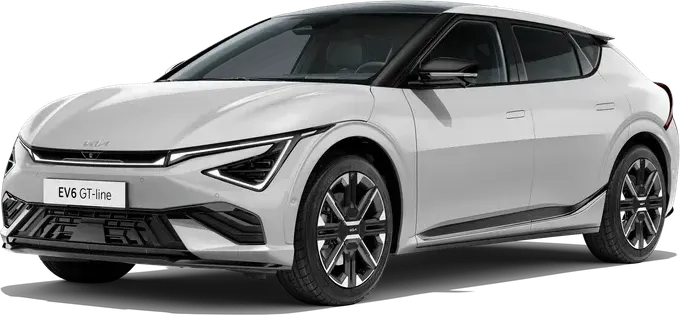
2023 KIA EV6
Reliability: 52/100
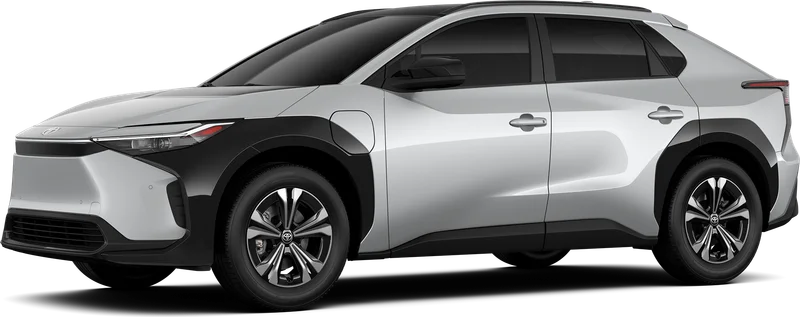
2023 Toyota bZ4X
Reliability: 73/100

2023 Tesla Model Y
Reliability: 53/100
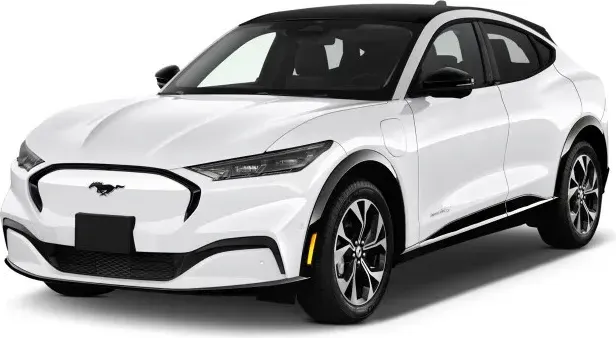
2023 Ford Mustang Mach-E
Reliability: 66/100
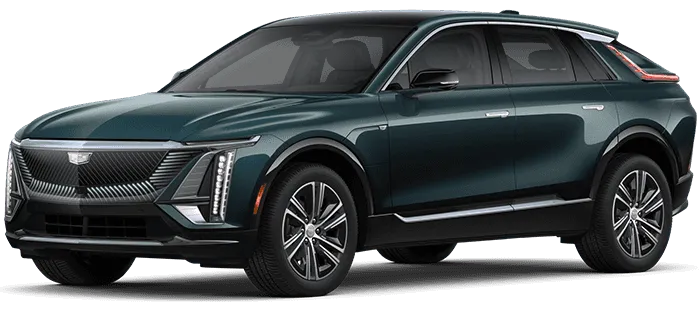
2023 Cadillac Lyriq
Reliability: 67/100
Common Problem Categories
Safety
LOW RISK- 3 manufacturer recalls issued
Other
HIGH RISK- ELECTRICAL SYSTEM (176)
- POWER TRAIN (57)
Recall Overview
3
recalls on record
A moderate 3 recalls are on file for the 2023 Hyundai Ioniq 5. Each one points to a specific safety or compliance issue identified by the manufacturer or NHTSA — check the list below before buying.
NHTSA.gov →Complaint Breakdown
91.7
per 10,000 soldSegment avg: 11.3
Safety Incidents
8
Crashes
1
Fires
2
Injuries
0
Deaths
NHTSA 5/5 Stars
Data sourced from NHTSA complaint filings and manufacturer recall notices. Complaint narratives are owner-reported.
2023 Hyundai Ioniq 5 Recall Details
3 recalls have been issued for the 2023 Hyundai Ioniq 5. All recall repairs are performed free of charge at authorized dealerships.
ELECTRICAL SYSTEM
Hyundai Motor America (Hyundai) is recalling certain 2022-2024 IONIQ 5, 2023-2025 IONIQ 6, Genesis GV60, Genesis GV70 "Electrified," and Genesis G80 "Electrified" vehicles. The Integrated Charging Control Unit (ICCU) may become damaged and stop charging the 12-volt battery, which can result in a loss of drive power.
Consequence
A loss of drive power increases the risk of a crash.
Remedy
Dealers will inspect and replace the ICCU and its fuse, as necessary. In addition, dealers will update the ICCU software. All repairs will be performed free of charge. Owner notification letters were mailed December 20, 2024. Owners may contact Hyundai customer service at 1-855-371-9460 or Genesis customer service at 1-844-340-9741. Hyundai's numbers for this recall are 272 (Hyundai) and 025G (Genesis). This recall expands and replaces previous recall number 24V-204. Vehicles previously repaired under recall 24V-204 will need to have the new remedy completed.
ELECTRICAL SYSTEM
Hyundai Motor America (Hyundai) is recalling certain 2022-2024 IONIQ 5, 2023-2024 IONIQ 6, Genesis GV60, Genesis GV70 "Electrified," and Genesis G80 "Electrified" vehicles. The Integrated Charging Control Unit (ICCU) may become damaged and stop charging the 12-Volt battery, which can result in a loss of drive power.
Consequence
A loss of drive power increases the risk of a crash.
Remedy
This recall is replaced by NHTSA recall number 24V-868. Vehicles already repaired under this recall will need to have the new remedy completed. Dealers will inspect and replace the ICCU and its fuse, as necessary. In addition, dealers will update the ICCU software. All repairs will be performed free of charge. Owner notification letters were mailed April 22, 2024. Owners may contact Hyundai customer service at 1-855-371-9460. Hyundai's number for this recall is 257/021G.
POWER TRAIN
Hyundai Motor America (Hyundai) is recalling certain 2023 IONIQ 5, IONIQ 6, and Genesis GV60 vehicles. The rear inner driveshaft may have been improperly heat-treated, allowing it to break under load and resulting in a loss of drive power.
Consequence
A loss of drive power increases the risk of a crash.
Remedy
Dealers will replace the rear inner driveshaft, free of charge. Owner notification letters were mailed March 29, 2024. Owners may contact Hyundai customer service at 1-855-371-9460. Hyundai's numbers for this recall are 253(H), 017G(G).
Buying a used 2023 Hyundai Ioniq 5? Check its history first
Every 2023 Hyundai Ioniq 5 has a different past. A VIN check reveals hidden accidents, title problems, odometer rollbacks, and open recalls that reliability scores can't show you.
- Accidents
- Open Recalls
- Title History
- Odometer Rollback
2023 Hyundai Ioniq 5 NHTSA Safety Ratings
Overall Safety Rating
Crash Test Results by Configuration (expand)
Gas Powertrain
Rollover risk: 8.3%
Safety Technologies
Hyundai Ioniq 5Repair Costs & Maintenance
Maintenance Rating
2Maintenance rating: 2 out of 5Based on NHTSA complaint patterns, recall severity, and publicly available cost benchmarks.
Category-level averages derived from publicly available industry reports (AAA, CarMD). Model-level estimates produced by Auto Reliability Index.
2023 Hyundai Ioniq 5 Example Repair Prices
National average price ranges for common repairs. These are not model-year-specific failure predictions.
| Repair | Estimated Cost |
|---|---|
| Tire Pressure Monitor Lamp Diagnosis | $98 – $143 |
| General Diagnosis | $122 – $179 |
| Noise Diagnosis | $122 – $179 |
| Vibration Diagnosis | $122 – $179 |
| No Start Diagnosis | $122 – $179 |
| Pre-Purchase Car Inspection | $183 – $269 |
| Engine Oil Light Diagnosis | $122 – $179 |
| Check Engine Light Diagnosis & Testing | $122 – $179 |
| AC Diagnosis | $122 – $179 |
| Air Conditioning System Leak Inspection | $122 – $179 |
Estimates based on national average repair costs. Actual costs may vary by location and shop.
Used Buying Checklist
Key things to inspect or verify before purchasing a 2023 Hyundai Ioniq 5.
Inspect ICCU for signs of failure or recent replacement
Check for active recalls related to ICCU and ensure completion
Test drive at highway speeds to check for tire vibrations
Verify 12V battery health and charging capability
Test infotainment and navigation systems for errors or malfunctions
Inspect forward collision and lane departure systems for proper function
2023 Hyundai Ioniq 5 Common Problems by Component
311 owner complaints grouped by vehicle system.
ELECTRICAL SYSTEM
176 complaintsSafety-relatedOwners report frequent failures of the Integrated Charging Control Unit (ICCU) in the 2023 Hyundai Ioniq-5, with symptoms including "turtle mode" activation, inability to charge, and complete vehicle inoperability. Complaints often describe warning messages to "check electrical system" and subsequent limping to a safe location, with some noting loud popping sounds associated with the issue. These failures typically occur within the first two years of ownership, and parts are frequently on backorder, leading to extended wait times for repairs. Safety implications are significant, as one report involves a crash, and another mentions a fire, with several owners describing being stranded in potentially dangerous situations. Buyers should be aware of the recurring ICCU failures and the potential for extended downtime due to part availability.
POWER TRAIN
57 complaintsSafety-relatedOwners report that the 2023 Hyundai Ioniq-5 frequently experiences failures related to the Integrated Charging Control Unit (ICCU), leading to sudden loss of propulsion power. Complaints commonly describe symptoms such as "Check Electrical System" warnings, the vehicle entering "limp mode," and complete immobility, often requiring towing. These issues are noted to occur without prior warning and have been associated with backordered parts, leaving vehicles inoperable for extended periods. Safety implications are significant, as some reports detail loss of power at highway speeds, creating a risk of crashes and stranding in traffic. Buyers should be aware that multiple owners have experienced repeated ICCU failures, sometimes even after recall repairs, indicating a potential ongoing reliability concern.
UNKNOWN OR OTHER
19 complaintsOwners of the 2023 Hyundai Ioniq 5 frequently report issues with the ICCU unit, leading to the car becoming completely inoperative. Symptoms include the vehicle failing to start, sudden power loss while driving, and the inability to shift gears. These incidents often occur even after recall repairs, with some owners indicating the car was rendered unusable for extended periods. Additionally, complaints highlight problems with the charging system, such as the charger not recognizing the vehicle or charging interruptions, and navigation system malfunctions that mislead drivers or trigger unexpected braking. Safety implications are noted, particularly in scenarios where power loss occurs on highways or when unexpected braking could lead to rear-end collisions. These issues are reported at varying mileages, and some owners express concern over the vehicle's reliability and safety during regular use.
VEHICLE SPEED CONTROL (8 complaints)
VEHICLE SPEED CONTROL
8 complaintsSafety-relatedOwners of the 2023 Hyundai Ioniq 5 frequently report issues related to the vehicle speed control, with several complaints highlighting unintended acceleration and deceleration. Symptoms include sudden and rapid acceleration when parking, as described in two crash incidents, and unexpected speed fluctuations on the highway where the car loses power and then jerks forward. These issues often occur after approximately 50 miles of highway driving or during specific maneuvers like parking. Safety implications are significant, with reports of crashes and loss of control, particularly when unintended acceleration occurs in parking situations. Potential buyers should be aware of these patterns, especially concerning the Auto Hold function, regenerative braking, and driver-assistance systems that may contribute to these experiences.
SERVICE BRAKES (7 complaints)
SERVICE BRAKES
7 complaintsSafety-relatedOwners report that the 2023 Hyundai Ioniq-5 frequently experiences issues with brake lights not activating during regenerative braking, particularly in I-Pedal and Level 3 modes. Complaints commonly describe scenarios where deceleration occurs without brake lights illuminating, potentially leading to near-collisions as other drivers are unaware the vehicle is slowing down. Two complaints involve crashes where the I-Pedal mode did not stop the car as expected, and the brake pedal failed to engage effectively, resulting in a collision with an electrical pole. The incidents highlight safety implications, especially when regenerative braking is used without clear indication to following drivers. These reports primarily emerge from vehicles equipped with the I-Pedal feature, which was installed via a software update in August 2023.
FORWARD COLLISION AVOIDANCE (6 complaints)
FORWARD COLLISION AVOIDANCE
6 complaintsOwners report several issues with the 2023 Hyundai Ioniq 5's forward collision avoidance and cruise control systems. Commonly noted problems include the cruise control not disengaging properly when the brake is applied, leading to unintended acceleration, and the system misreading speed limits, resulting in incorrect speed settings. Multiple owners describe sensor errors and misalignment, causing the cruise control to malfunction or become unusable. Complaints frequently mention failures of the automatic emergency braking system to activate in potential collision scenarios. These issues are reported at various mileages, with some occurring as early as 15,000 miles. Safety implications include sudden deceleration in traffic, unintended acceleration, and potential collision risks, which may concern prospective buyers.
FUEL/PROPULSION SYSTEM (6 complaints)
FUEL/PROPULSION SYSTEM
6 complaintsOwners report that the 2023 Hyundai Ioniq-5 experiences issues related to the Integrated Charging Control Unit (ICCU), with multiple complaints highlighting the vehicle suddenly entering "limp mode," limiting speed to 25 mph. This issue often follows a warning to check the power system and is sometimes associated with a discharged 12-volt battery. Several owners describe ICCU failures occurring even after recall repairs, with some vehicles remaining unrepaired for extended periods due to part unavailability. Additionally, there are reports of the charging port overheating, leading to thermal throttling, and these problems persist despite software updates. Safety implications include limited vehicle speed, which owners find unsafe, particularly when the vehicle becomes unusable during operation.
TIRES (6 complaints)
TIRES
6 complaintsOwners of the 2023 Hyundai Ioniq-5 frequently report issues with the sound-deadening foam inside the tires, specifically Michelin 235/55/R19 models. Complaints commonly describe the foam detaching and clumping inside the tire, leading to severe vibrations and steering wheel shaking, particularly at speeds over 45 mph. These issues typically emerge between 6,400 and 16,000 miles. Multiple owners note the inability to drive safely at highway speeds due to the imbalance, which poses a potential safety risk. Despite numerous service visits, owners often find solutions only through tire replacement or foam removal, as there appears to be limited guidance from manufacturers or dealerships.
EXTERIOR LIGHTING (5 complaints)
EXTERIOR LIGHTING
5 complaintsOwners report that the 2023 Hyundai Ioniq 5 exhibits issues with brake light activation during regenerative braking, particularly in one pedal driving or "iPedal" mode. Complaints frequently mention that the brake lights do not illuminate unless the accelerator pedal is fully released, even when the vehicle is decelerating rapidly. This behavior is common across various regenerative braking levels and can lead to situations where following drivers are not alerted to the vehicle's slowing, posing a potential safety risk. Multiple owners describe altering their driving habits due to this issue, although no specific mileage range is associated with the complaints. This information may be important for potential buyers to consider, especially if they plan to utilize the vehicle's regenerative braking features extensively.
STEERING (4 complaints)
STEERING
4 complaintsOwners of the 2023 Hyundai Ioniq-5 report issues primarily related to steering and control, with symptoms including uncontrollable shaking and vibrations at speeds over 40 mph, and steering wheel vibrations increasing with speed, particularly above 55 mph. These issues are noted at varying mileages, with one report at 10,800 miles. Complaints also describe electrical system warnings and auxiliary battery charging problems, which can result in the vehicle being undrivable and requiring towing. Safety implications include potential loss of control due to severe shaking and vibrations, as well as the risk of power and control loss at highway speeds. Used car buyers should be aware of these reported issues, especially considering the potential for unexpected downtime and repair delays.
When Do 2023 Hyundai Ioniq 5 Problems Start?
Based on owner complaint patterns, here's when common issues tend to appear.
Best & Worst Hyundai Ioniq 5 Years
Comprehensive reliability analysis based on NHTSA data, owner complaints, and historical performance.
Best Hyundai Ioniq 5 Years to Buy
Based on reliability index scoreThe best Hyundai Ioniq 5 year is 2026 with a reliability score of 63/100, rated good. Other strong picks include 2024 (58/100) and 2025 (53/100).
Hyundai Ioniq 5 Years to Avoid
The worst Hyundai Ioniq 5 year is 2022 with a score of 46/100, primarily due to electrical system (208) issues.
Hyundai Ioniq 5 Reliability Score Trend
Hyundai Ioniq 5 reliability has improved in recent years, with newer models scoring an average of 58/100 compared to 48/100 for older years.
Scores 0–100. Higher is better. Current year highlighted.
| Year | Score | Rating |
|---|---|---|
| 2022 | 46/100 | Mixed |
| 2023 | 50/100 | Mixed |
| 2024 | 58/100 | Mixed |
| 2025 | 53/100 | Mixed |
| 2026 | 63/100 | Good |
Hyundai Ioniq 5 Reliability Compared to Other Years
Frequently Asked Questions
Is the 2023 Hyundai Ioniq 5 reliable?
What are the most common problems with the 2023 Hyundai Ioniq 5?
How many recalls does the 2023 Hyundai Ioniq 5 have?
Is the 2023 Hyundai Ioniq 5 expensive to maintain?
Don’t buy a 2023 Hyundai Ioniq 5 without checking its VIN first — hidden accidents, title issues, and open recalls could cost you thousands.
How We Calculate Reliability Scores
Auto Reliability Index scores are calculated on a 0–100 scale using a weighted formula that combines multiple public data sources. Each factor is weighted based on its predictive value for real-world ownership experience.
Key Ranking Factors
Complaint Severity
NHTSA owner complaints weighted by component category (e.g., powertrain, safety systems, electronics, cosmetic) — safety-critical issues carry more weight than cosmetic ones. Adjusted for sales volume so high-volume models aren't unfairly penalized.
Repair Costs
Independent reliability ratings based on repair frequency, average repair costs, and severity of typical repairs for each model.
Recall Impact
Number of NHTSA recalls weighted by severity. “Stop driving” and fire-risk recalls are penalized more heavily than minor software or labeling recalls.
Issue Diversity
Measures how many major vehicle systems (engine, transmission, electrical, braking, etc.) have recorded complaints. A vehicle with issues spread across many systems may indicate systemic quality issues.
Scores are grouped into four tiers:
- 80–100: Excellent— Top-tier reliability, minimal issues
- 60–79: Good— Reliable with some minor concerns
- 40–59: Mixed— Notable issues, research before buying
- 0–39: Risky— Significant problems, proceed with caution
Data is sourced from NHTSA recall records, owner complaint filings, and independent repair databases via vehicles.dev. Scores are recalculated as new data becomes available. While the weighting model is proprietary, all underlying data sources are public and traceable.
Get notified when new recalls or reliability data is added for the Hyundai Ioniq 5.
No spam. Only data updates for this model.
Browse More Hyundai Models
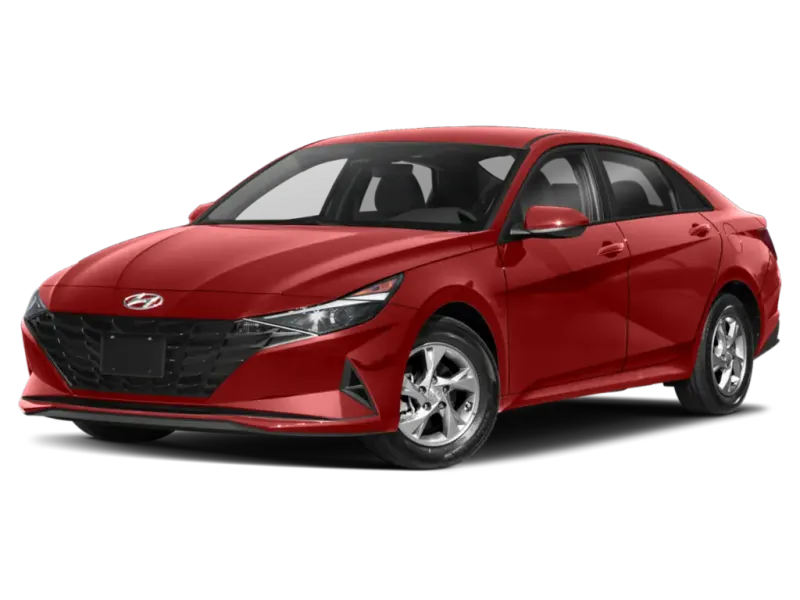
Hyundai Elantra
Score: 94/100
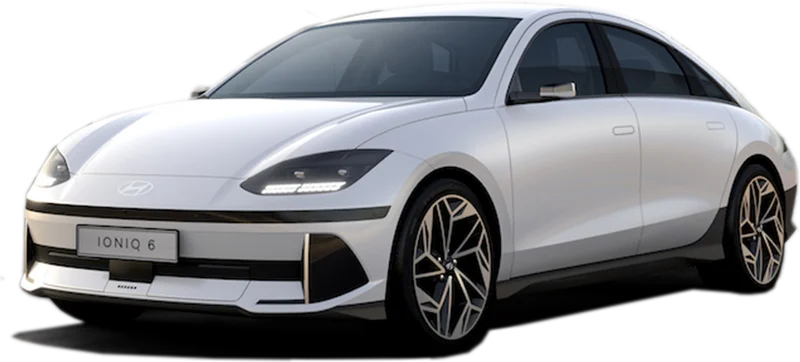
Hyundai Ioniq 6
Score: 82/100
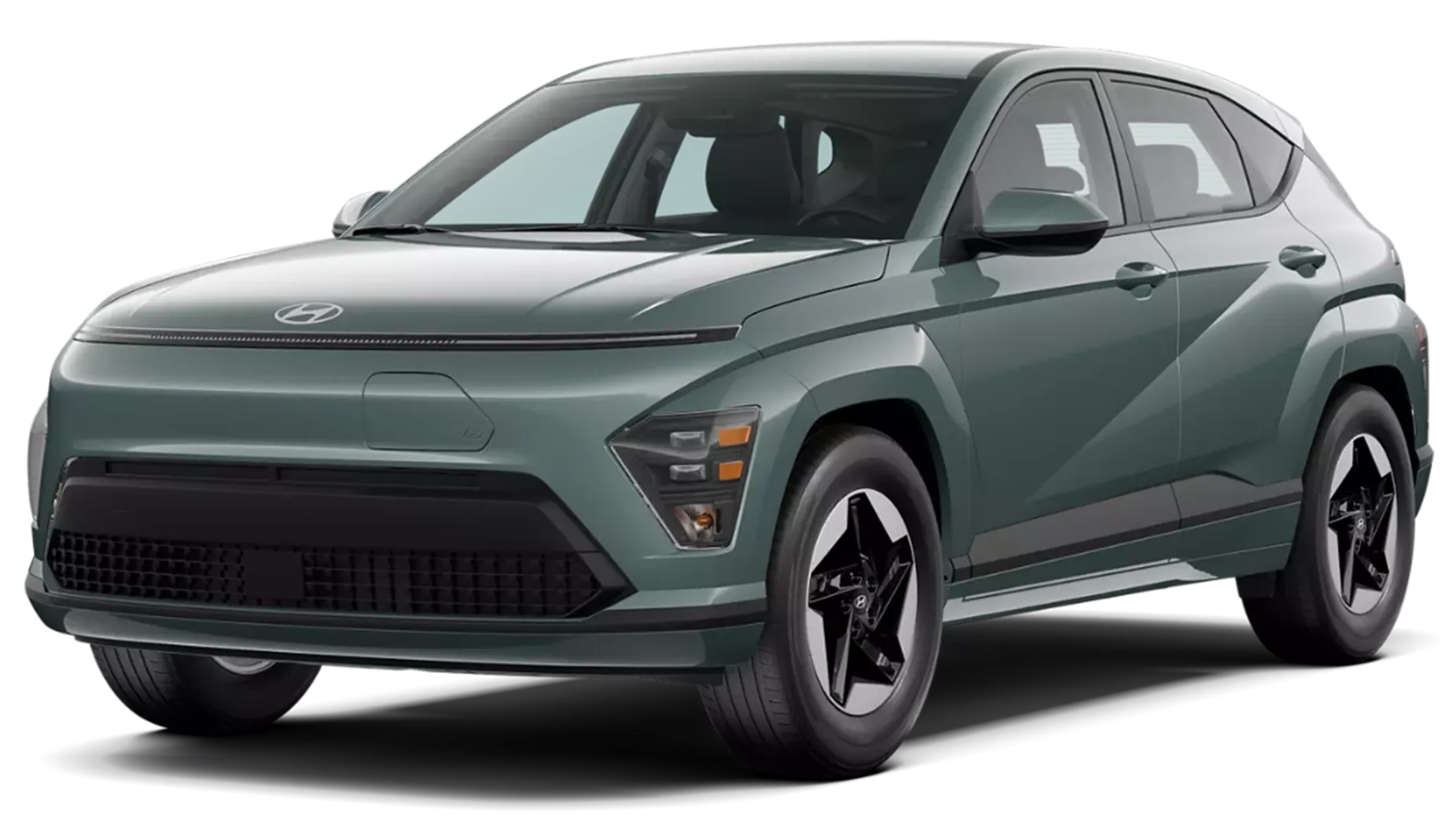
Hyundai Kona
Score: 67/100

Hyundai Palisade
Score: 72/100

Hyundai Santa-Cruz
Score: 74/100
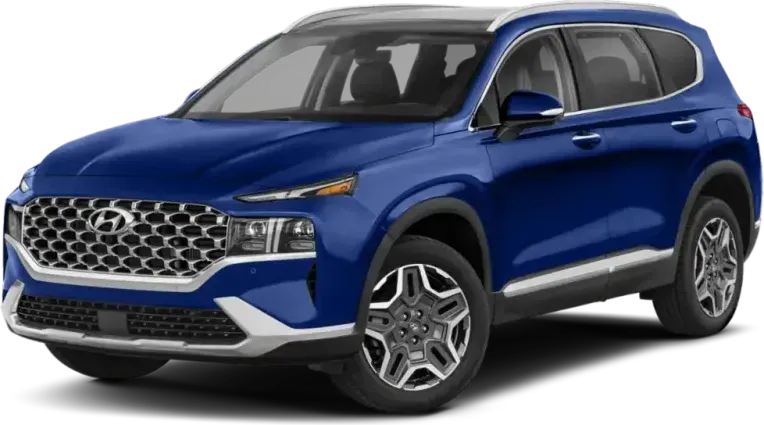
Hyundai Santa-FE
Score: 75/100
Browse More 2023 Vehicles
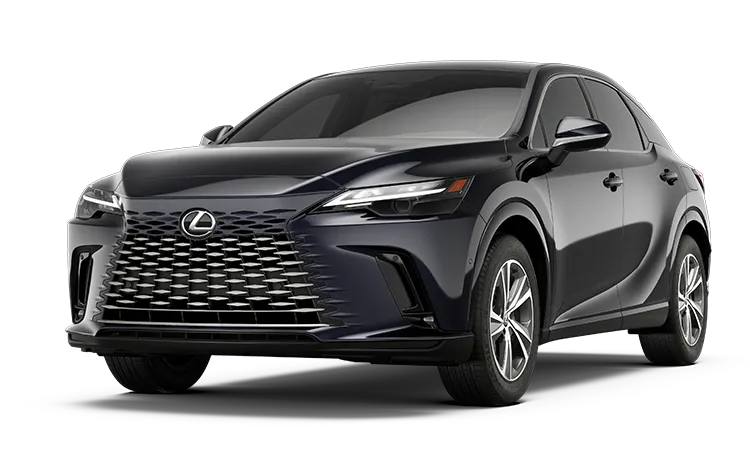
2023 Lexus RX
Score: 85/100

2023 Nissan Altima
Score: 84/100
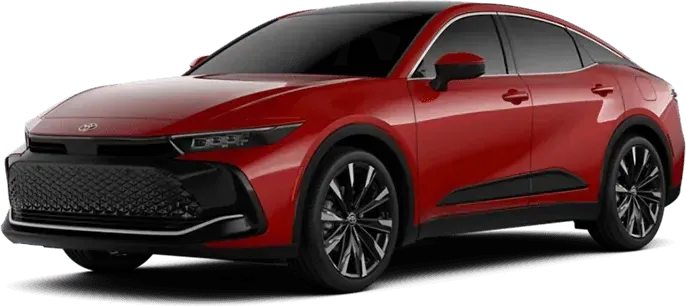
2023 Toyota Crown
Score: 84/100

2023 Lexus IS
Score: 83/100

2023 Toyota 4RUNNER
Score: 82/100

2023 Acura RDX
Score: 82/100
See incorrect data? Report an issue