Last updated: 2026-10-10
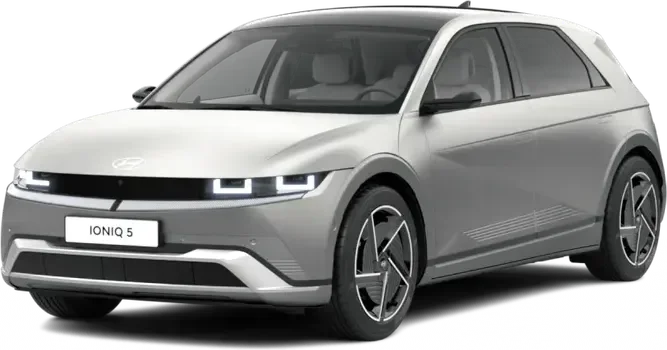
2026 Hyundai Ioniq 5 Reliability Report
The 2026 Hyundai Ioniq 5 has a good reliability standing and few complaints, but its two electrical recalls need checking before you buy.
Recalls
2
Complaints
3
Complaint Rate
14.1per 10,000 sold
Est. Repair Cost
N/A
EV Range
168–318 mi
Detailed Score Breakdown
Component-weighted complaints normalized by sales volume
Independent repair cost ratings
Recall count weighted by severity
Breadth of reported problem categories
The Verdict
Best standing of the five scored years, with just 3 complaints and 2 electrical recalls, though its short time on the road limits what that proves.
Top Issues to Watch
- VEHICLE SPEED CONTROL (1)
- ELECTRICAL SYSTEM (1)
- WHEELS (1)
Should You Buy the 2026 Hyundai Ioniq 5?
Owners have filed only 3 complaints so far, and this year's standing is good. It ranks first among the five scored Ioniq 5 years and its complaint rate is well below average among 2026 SUVs. Treat that with care. A model year this recent has had little time on the road to collect complaints, so the low count says less than a full record would.
Federal recall records list 2 recalls, both in the electrical system. The data gives no owner symptoms or mileage for this year, so it does not show how those electrical problems appear day to day. The 3 complaints do not add a clear pattern either.
The 2025 model year is a poor fallback. It is rated mixed, rates worse, and has 158 complaints and 8 recalls. If you shop a 2026, ask for proof that both electrical recalls were completed, and check the open recall status before you sign.
See also the 2025 Hyundai Ioniq 5 for an earlier comparison.
Pros
- +Acceptable reliability score
- +Low recall count
- +Only 3 complaints reported
Cons
- −Above-average complaint rate for SUV
- −VEHICLE SPEED CONTROL (1)
- −ELECTRICAL SYSTEM (1)
Compare 2026 Hyundai Ioniq 5 With
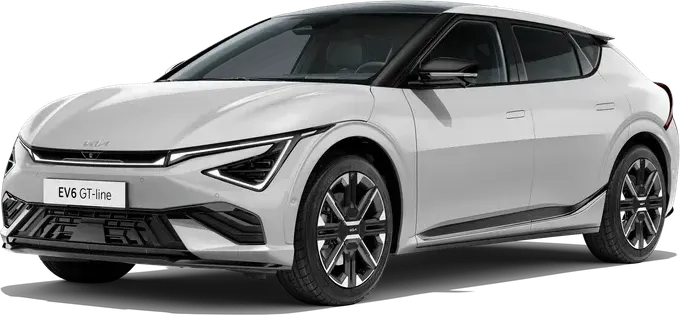
2026 Kia EV6
Reliability: 58/100
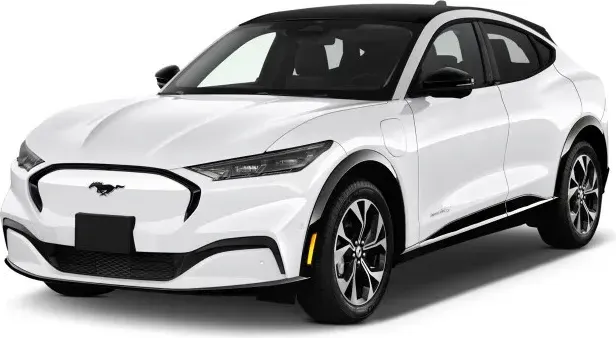
2026 Ford Mustang Mach-E
Reliability: 74/100

2026 Tesla Model 3
Reliability: 59/100

2026 Kia Sportage
Reliability: 83/100
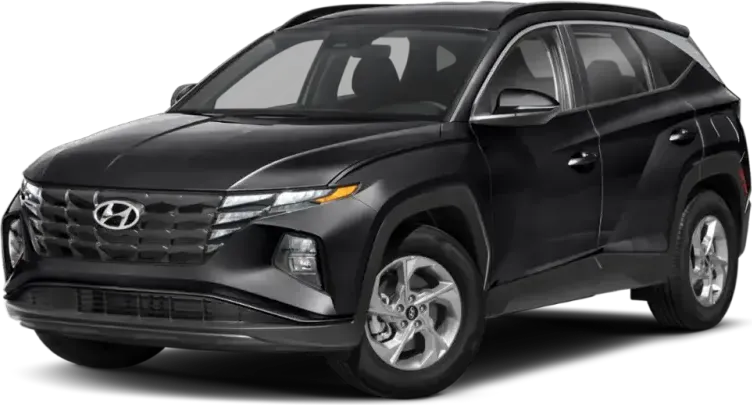
2026 Hyundai Tucson
Reliability: 80/100
Common Problem Categories
Safety
LOW RISK- 2 manufacturer recalls issued
Other
MODERATE- VEHICLE SPEED CONTROL (1)
- ELECTRICAL SYSTEM (1)
Recall Overview
2
recalls on record
The 2026 Hyundai Ioniq 5 carries 2 recalls — a low count. Authorized dealers repair any open recall free of charge, regardless of warranty status.
NHTSA.gov →Complaint Breakdown
14.1
per 10,000 soldSegment avg: 4.6
Safety Incidents
0
Crashes
0
Fires
0
Injuries
0
Deaths
Data sourced from NHTSA complaint filings and manufacturer recall notices. Complaint narratives are owner-reported.
2026 Hyundai Ioniq 5 Recall Details
2 recalls have been issued for the 2026 Hyundai Ioniq 5. All recall repairs are performed free of charge at authorized dealerships.
ELECTRICAL SYSTEM
Hyundai Motor America (Hyundai) is recalling certain 2025-2026 IONIQ 5 and 2026 IONIQ 9 vehicles. The high voltage battery system may contain an improperly tightened bus bar, which can cause a short-circuit.
Consequence
An electrical short in the high voltage battery system increases the risk of a fire.
Remedy
Dealers will inspect and tighten the bus bar retention bolts, as necessary, free of charge. Owner notification letters are expected to be mailed April 6, 2026. Owners may contact Hyundai customer service at 1-855-371-9460. Hyundai's number for this recall is 294. Vehicle Identification Numbers (VINs) involved in this recall became searchable on NHTSA.gov on February 7, 2026.
ELECTRICAL SYSTEM
Hyundai Motor America (Hyundai) is recalling certain 2025-2026 Tucson Hybrid, Tucson Plug-In Hybrid Electric (PHEV), 2026 IONIQ 5, Santa Cruz, Kona, Palisade, Palisade Hybrid, Santa Fe, Santa Fe Hybrid, Sonata, Sonata Hybrid, and Tucson vehicles. Due to a software error, the instrument panel display may fail. As such, these vehicles fail to comply with the requirements of Federal Motor Vehicle Safety Standard (FMVSS) number 101, "Controls and Displays."
Consequence
An instrument panel display that fails to show critical safety information, such as the speedometer or warning lights, increases the risk of a crash.
Remedy
The instrument panel display software will be updated over-the-air (OTA) or by a dealer, free of charge. Owner notification letters are expected to be mailed March 27, 2026. Owners may contact Hyundai's customer service at 855-371-9460. Hyundai's number for this recall is 293. Vehicle Identification Numbers (VINs) involved in this recall became searchable on NHTSA.gov on January 28, 2026.
Buying a used 2026 Hyundai Ioniq 5? Check its history first
Vehicle speed control problems lead owner complaints about the 2026 Hyundai Ioniq 5, and 2 recalls were issued for it. A VIN check shows whether this car's recall work was done, plus accident, title, and odometer history.
- Accidents
- Open Recalls
- Title History
- Odometer Rollback
2026 Hyundai Ioniq 5 NHTSA Safety Ratings
Crash Test Results by Configuration (expand)
BEV / Gas Powertrain
Rollover risk: 8.4%
Safety Technologies
BEV / HEV Powertrain
Rollover risk: 0.0%
Safety Technologies
Hyundai Ioniq 5Repair Costs & Maintenance
Maintenance Rating
2Maintenance rating: 2 out of 5Based on NHTSA complaint patterns, recall severity, and publicly available cost benchmarks.
Category-level averages derived from publicly available industry reports (AAA, CarMD). Model-level estimates produced by Auto Reliability Index.
2026 Hyundai Ioniq 5 Example Repair Prices
National average price ranges for common repairs. These are not model-year-specific failure predictions.
| Repair | Estimated Cost |
|---|---|
| Tire Pressure Monitor Lamp Diagnosis | $98 – $143 |
| General Diagnosis | $122 – $179 |
| Noise Diagnosis | $122 – $179 |
| Vibration Diagnosis | $122 – $179 |
| No Start Diagnosis | $122 – $179 |
| Pre-Purchase Car Inspection | $183 – $269 |
| Engine Oil Light Diagnosis | $122 – $179 |
| Check Engine Light Diagnosis & Testing | $122 – $179 |
| AC Diagnosis | $122 – $179 |
| Air Conditioning System Leak Inspection | $122 – $179 |
Estimates based on national average repair costs. Actual costs may vary by location and shop.
MPG & Annual Running Costs
Electric
168–318 mi range
Fuel cost: $650–$1,050/yr
Fuel only
29–47.527 kWh/100mi · 6.3–10.3 hrs @ 240V
Based on EPA fuel-cost estimates. Excludes routine maintenance, depreciation, and insurance. Data as of 2026 EPA label cycle.
Electric trims
| Trim | Drive | Trans. | Range | kWh/100mi | Fuel Cost |
|---|---|---|---|---|---|
| Ioniq 5 Standard range | Rear-Wheel Drive | Automatic (A1) | 245 mi | 29.0 | $650 |
| Ioniq 5 AWD (19inch Wheels) | All-Wheel Drive | Automatic (A1) | 290 mi | 31.7 | $700 |
| Ioniq 5 RWD | Rear-Wheel Drive | Automatic (A1) | 318 mi | 30.0 | $700 |
| Ioniq 5 AWD (20inch Wheels) | All-Wheel Drive | Automatic (A1) | 269 mi | 34.5 | $800 |
| Ioniq 5 AWD XRT | All-Wheel Drive | Automatic (A1) | 259 mi | 35.8 | $800 |
| Ioniq 5 N | All-Wheel Drive | Automatic (A1) | 221 mi | 43.0 | $950 |
| Ioniq 5 Robo taxi | Rear-Wheel Drive | Automatic (A1) | 168 mi | 47.5 | $1,050 |
Used Buying Checklist
Key things to inspect or verify before purchasing a 2026 Hyundai Ioniq 5.
Inspect Driver Monitoring System for false-positive warnings and unexpected braking
Test all charging modes (Level 1, Level 2, and Level 3 DC fast charging) for functionality
Check for persistent tire pressure sensor errors even when tires are properly inflated
Verify electrical system stability, especially screen functionality while driving
2026 Hyundai Ioniq 5 Common Problems by Component
3 owner complaints grouped by vehicle system.
VEHICLE SPEED CONTROL
1 complaintWhile driving at highway speeds (approximately 70 MPH) with the vehicle's Assistive Driving functions engaged, the Driver Monitoring System (DMS) malfunctioned. Despite maintaining constant visual attention on the road ahead, the system issued repeated, erroneous audio warnings claiming driver inattention. I attempted to adjust my head and eye position to satisfy the sensors, but the system failed to register my compliance and continued to cycle through warnings. Consequently, the vehicle initiated an unwarranted "fail-safe" maneuver and suddenly applied the brakes while traveling in the flow of traffic. This uncommanded, rapid deceleration created an immediate and severe risk of a high-speed rear-end collision with following vehicles. The failure appears to be a false-positive defect in the eye-tracking software logic and its integration with the braking system. The vehicle is available for inspection to analyze the system data logs.
ELECTRICAL SYSTEM
1 complaintIoniq 5 electrical problems across all model years
My BRAND NEW car is suffering an ICCU issue. I first noticed the screens going completely black while driving. I then noticed that I can’t charge at all on Lvl 1 and Lvl2 chargers (AC), but I went to the dealership and the helped me charge on lvl 3 DC fast charging. This is an incredibly dangerous problem, if this results in my 12V battery dying, I could be stranded while driving.
WHEELS
1 complaintThe right front tire pressure sensor (TPS) indicates low inflation when the tire is inflated properly. The sensor will not reset on its own even when the tire is filled to manufacturer standards. Social media forums discuss this as a reoccurring problem in previous and current models.
Best & Worst Hyundai Ioniq 5 Years
Best Hyundai Ioniq 5 Years to Buy
Based on reliability index scoreHyundai Ioniq 5 Years to Avoid
Hyundai Ioniq 5 Reliability Score Trend
Scores 0–100. Higher is better. Current year highlighted.
| Year | Score | Rating |
|---|---|---|
| 2022 | 46/100 | Mixed |
| 2023 | 50/100 | Mixed |
| 2024 | 58/100 | Mixed |
| 2025 | 53/100 | Mixed |
| 2026 | 63/100 | Good |
Hyundai Ioniq 5 Reliability Compared to Other Years
2026 Hyundai Ioniq 5 Reliability by Powertrain
The 2026 Hyundai Ioniq 5 is available with 2powertrain options. Here's how they compare on reliability.
| Powertrain | Complaints | Recalls | Incidents* | Crash Rating |
|---|---|---|---|---|
| BEV / Gas | 3 | 2 | 0 | N/T |
| BEV / HEV | 0 | 0 | 0 | N/T |
| Total | 3 | 2 | 0 |
NHTSA tracks complaints by vehicle configuration when that detail is available. Model-level reports that do not identify a specific powertrain are included in Total but not assigned to a row. A plus sign indicates a confirmed minimum; — means no complaints could be attributed to that specific powertrain. N/T = Not tested by NHTSA.
* Incidents = crash + fire reports. A single complaint can include multiple incident types.
Frequently Asked Questions
Is the 2026 Hyundai Ioniq 5 reliable?
What are the most common problems with the 2026 Hyundai Ioniq 5?
Does the 2026 Hyundai Ioniq 5 have electrical problems?
How does the 2026 Hyundai Ioniq 5 compare with the 2025?
How many recalls does the 2026 Hyundai Ioniq 5 have?
Don’t buy a 2026 Hyundai Ioniq 5 without checking its VIN first — hidden accidents, title issues, and open recalls could cost you thousands.
How we score the 2026 Hyundai Ioniq 5
Of the four inputs behind this score, the 2026 Hyundai Ioniq 5 does best on recall impact (80/100) and worst on repair costs (40/100). Scores weight complaint severity at 35%, repair costs at 30%, recall impact at 20%, and the spread of complaints across systems at 15%, with complaint counts adjusted for US sales. Read the full methodology.
Get notified when new recalls or reliability data is added for the Hyundai Ioniq 5.
No spam. Only data updates for this model.
Browse More Hyundai Models
Hyundai Elantra
Score: 94/100
Hyundai Ioniq 6
Score: 82/100
Hyundai Kona
Score: 67/100

Hyundai Palisade
Score: 72/100
Hyundai Santa Cruz
Score: 74/100
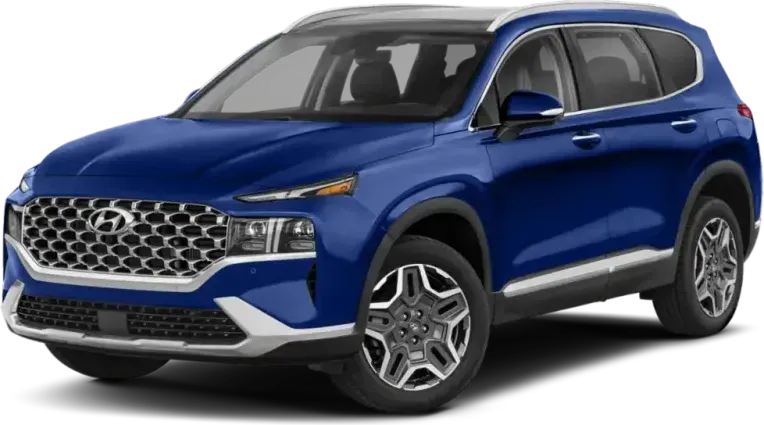
Hyundai Santa Fe
Score: 75/100
Browse More 2026 Vehicles

2026 Honda HR-V
Score: 100/100
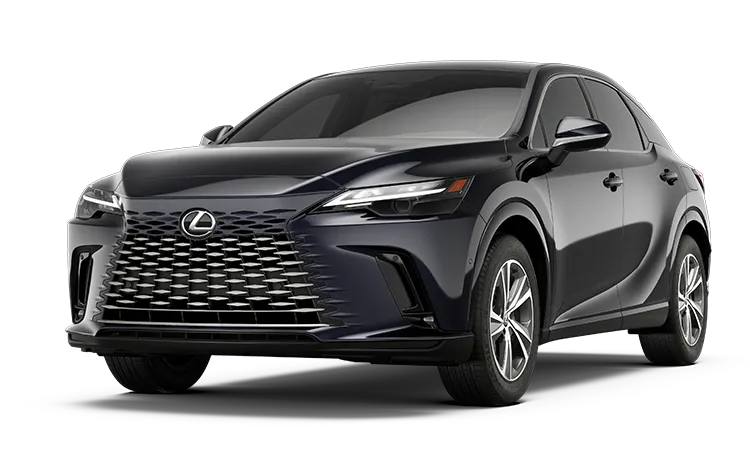
2026 Lexus RX
Score: 95/100
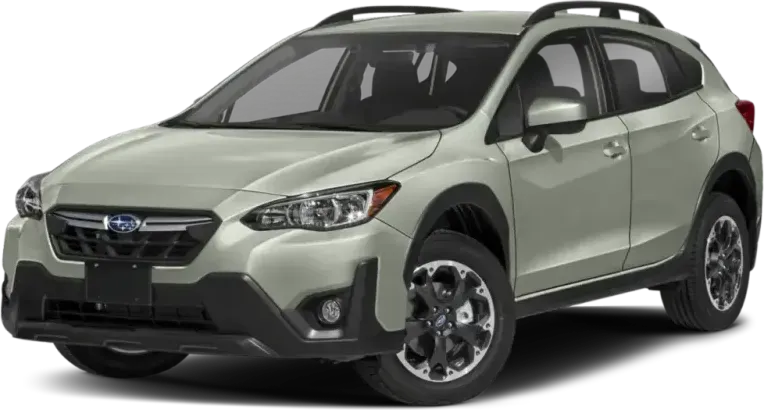
2026 Subaru Crosstrek
Score: 94/100

2026 Mazda CX-5
Score: 94/100

2026 Toyota Corolla Cross
Score: 94/100
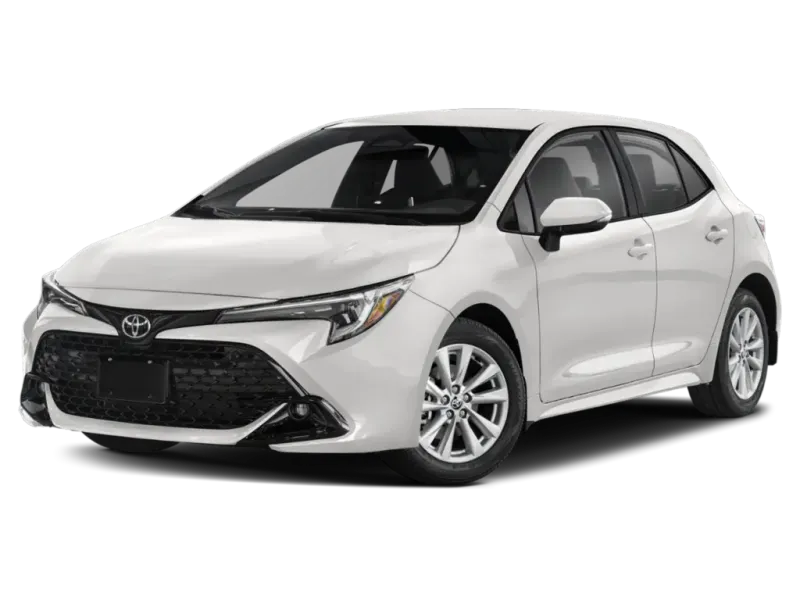
2026 Toyota Corolla
Score: 94/100
See incorrect data? Report an issue