Last updated: 2026-04-20

2025 Hyundai Palisade Reliability Report
The 2025 Hyundai Palisade scores 70/100 ("Good"). With 3 recalls and 139 owner complaints, reliability is acceptable but not class-leading.
Recalls
3
Complaints
139
Complaint Rate
12.2per 10,000 sold
Est. Repair Cost
$573
Annual Fuel Cost
$2,700–$2,850
Detailed Score Breakdown
Component-weighted complaints normalized by sales volume
Independent repair cost ratings
Recall count weighted by severity
Breadth of reported problem categories
The Verdict
Acceptable reliability — worth considering with a pre-purchase inspection.
Top Issues to Watch
- SERVICE BRAKES (70)
- SEAT BELTS (12)
- SUSPENSION (6)
Generation & Refresh (US)
2025 is 3 years after the facelift refresh.
- Year 6 in the First generation (LX2; 2018) (2020–present).
- Well-established in its generation — most early issues should be resolved.
- 1st generation Palisade (US).
What this means for buyers
Post-refresh years tend to be among the most refined — updates have been applied and early kinks worked out.
2020: First generation (LX2; 2018) Launch
Generation start — new platform.
2022: Mid-Cycle Refresh
Updated features and styling tweaks.
2025: This Model Year
2025 is 3 years after the facelift refresh.
Should You Buy the 2025 Hyundai Palisade?
At 70/100, the 2025 Hyundai Palisade lands in "Good" territory — acceptable, but not class-leading. 2025 is 3 years after the facelift refresh.
Its complaint rate of 12.2 per 10,000 vehicles sold runs above the SUV segment average of 3.5. The most common reports involve service brakes (67).
Get a pre-purchase inspection on any used example, with extra attention to service brakes (67). An extended warranty is worth pricing out.
Compared to the 2026 Hyundai Palisade, which scored 2 points higher. See also the 2024 Hyundai Palisade for an earlier comparison.
Pros
- +Acceptable reliability score
- +5-star NHTSA crash rating
- +Well-established generation
Cons
- −Moderate recall count
- −Above-average complaint rate for SUV
- −SERVICE BRAKES issues reported (70 complaints)
- −Safety recall: park-outside advisory issued
Compare 2025 Hyundai Palisade With

2025 KIA Telluride
Reliability: 78/100

2025 Mazda CX-90
Reliability: 63/100
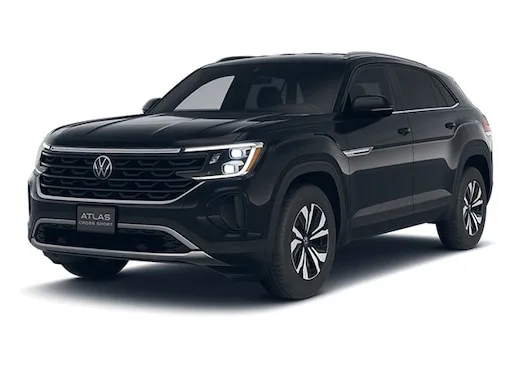
2025 Volkswagen Atlas
Reliability: 65/100

2025 Toyota Highlander
Reliability: 76/100

2025 Buick Enclave
Reliability: 77/100
Common Problem Categories
Safety
LOW RISK- 3 manufacturer recalls issued
Other
HIGH RISK- SERVICE BRAKES (70)
- UNKNOWN OR OTHER (15)
Recall Overview
3
recalls on record
A moderate 3 recalls are on file for the 2025 Hyundai Palisade. Each one points to a specific safety or compliance issue identified by the manufacturer or NHTSA — check the list below before buying.
NHTSA.gov →Complaint Breakdown
12.2
per 10,000 soldSegment avg: 3.5
Safety Incidents
6
Crashes
0
Fires
2
Injuries
0
Deaths
NHTSA 5/5 Stars
Data sourced from NHTSA complaint filings and manufacturer recall notices. Complaint narratives are owner-reported.
2025 Hyundai Palisade Recall Details
3 recalls have been issued for the 2025 Hyundai Palisade. All recall repairs are performed free of charge at authorized dealerships.
AIR BAGS
Hyundai Motor America (Hyundai) is recalling certain 2020-2025 Palisade vehicles. The side curtain air bags for third-row occupants may deploy improperly in a crash. As such, these vehicles fail to comply with the requirements of Federal Motor Vehicle Safety Standard (FMVSS) number 226, "Ejection Mitigation."
Consequence
Improper side curtain air bag deployment increases the risk of injury during a crash.
Remedy
The remedy is currently under development. Owner notification letters are expected to be mailed March 23, 2026. Owners may contact Hyundai customer service at 1-855-371-9460. Hyundai's number for this recall is 292. Vehicle Identification Numbers (VINs) involved in this recall became searchable on NHTSA.gov on January 24, 2026.
SEAT BELTS
Hyundai Motor America (Hyundai) is recalling certain 2020-2025 Palisade vehicles. The seat belt buckles in the driver, passenger, and second-row window seats may fail to latch.
Consequence
Seat belt buckles that fail to latch may not properly restrain occupants in a crash, increasing the risk of injury.
Remedy
Passengers are advised to insert the belt firmly into the buckle with a quick and direct motion, pulling on the belt to confirm the seat belt is fully secured, until the recall remedy is performed. Dealers will replace the seat belt buckle assemblies, free of charge. Interim notification letters, notifying owners of the safety risk, were mailed beginning October 23, 2025. Additional letters will be sent once the final remedy is available, anticipated February 2026. Owners may contact Hyundai customer service at 1-855-371-9460. Hyundai's number for this recall is 283. Vehicle Identification Numbers (VINs) involved in this recall became searchable on NHTSA.gov on September 13, 2025.
POWER TRAIN
Hyundai Motor America (Hyundai) is recalling certain 2025 Hyundai Palisade vehicles. An insufficient seal on the controller for the electric oil pump may allow moisture to accumulate in the printed circuit board, which can cause an electrical short and result in a fire.
Consequence
A fire while parked or driving can increase the risk of injury.
Remedy
Owners are advised to park their vehicles outside and away from structures until the recall remedy is completed. Dealers will replace the electric oil pump controller, free of charge. Owner notification letters were mailed June 11, 2025. Owners may contact Hyundai customer service at 1-855-371-9460. Hyundai's number for this recall is 278.
Buying a used 2025 Hyundai Palisade? Check its history first
Every 2025 Hyundai Palisade has a different past. A VIN check reveals hidden accidents, title problems, odometer rollbacks, and open recalls that reliability scores can't show you.
- Accidents
- Open Recalls
- Title History
- Odometer Rollback
2025 Hyundai Palisade NHTSA Safety Ratings
Overall Safety Rating
Crash Test Results by Configuration (expand)
Gas Powertrain
Rollover risk: 15.9%
Safety Technologies
Hyundai PalisadeRepair Costs & Maintenance
Maintenance Rating
3.5Maintenance rating: 3.5 out of 5Based on NHTSA complaint patterns, recall severity, and publicly available cost benchmarks.
Est. Annual Maintenance
$573
Repair Frequency
0.4
unscheduled repair visits per year
Category-level averages derived from publicly available industry reports (AAA, CarMD). Model-level estimates produced by Auto Reliability Index.
Hyundai Palisade Resale Value
The Hyundai Palisade is estimated to retain about 100% of its original value after 1 year, based on observed used-car listings.
This benchmark covers the Hyundai Palisade model overall and is not specific to the 2025 model year.
- Value Retained
- 100%
- Depreciation
- 0%
- Listings Analyzed
- 13
after 1 year
over the same period
U.S. used-car listings
Listings observed in . This is a historical market benchmark, not a current price quote.
Explore Hyundai Palisade depreciation and resale value on CarResaleValue.comMPG & Annual Running Costs
Gas
21–22 MPG
Running cost: $3,250–$3,400/yr
Fuel + repair
19 city / 24–26 hwy MPG
Running cost includes EPA fuel-cost estimate and independent repair-cost data (repair cost estimated at model level). Excludes routine maintenance, depreciation, and insurance. Data as of 2025 EPA label cycle.
Gas trims
| Trim | Drive | Trans. | City | Hwy | Comb | Fuel Cost |
|---|---|---|---|---|---|---|
| Palisade FWD 3.8L 6-cyl | Front-Wheel Drive | Automatic (S8) | 19 | 26 | 22 | $2,700 |
| Palisade AWD 3.8L 6-cyl | All-Wheel Drive | Automatic (S8) | 19 | 24 | 21 | $2,850 |
Used Buying Checklist
Key things to inspect or verify before purchasing a 2025 Hyundai Palisade.
Test brakes on uneven surfaces for unexpected ABS activation
Inspect seat belts for secure latching and proper function
Check windshield for chips and cracks
Verify suspension stability over bumps and potholes
Test for engine misfires, especially in cold weather
Ensure infotainment and dashboard systems operate without error
Inspect moonroof for stress cracks or spontaneous shattering
2025 Hyundai Palisade Common Problems by Component
139 owner complaints grouped by vehicle system.
SERVICE BRAKES
70 complaintsSafety-relatedOwners of the 2025 Hyundai Palisade frequently report issues with the anti-lock braking system (ABS), particularly on uneven or bumpy surfaces. Symptoms described include the ABS engaging unnecessarily, leading to increased stopping distances, vehicle shuddering, and in some cases, the vehicle failing to stop as expected. These problems are often noted in vehicles with low mileage, typically under 5,000 miles. Several complaints involve incidents where the vehicle unexpectedly stops or slides, with three reports of crashes and two injuries. Buyers should be aware of these potential braking issues, especially if driving on uneven terrain is common.
UNKNOWN OR OTHER
15 complaintsSafety-relatedOwners of the 2025 Hyundai Palisade frequently report issues with the vehicle's sunroof and braking system. Complaints describe sunroofs spontaneously shattering, sometimes while the vehicle is in motion, leading to potential safety hazards from falling glass. Additionally, multiple owners experience braking problems, especially on uneven surfaces, where the ABS engages unexpectedly, causing delayed stopping or skidding. This braking issue is associated with incidents of minor crashes and near-misses, often occurring at low speeds. These problems appear in vehicles with varying mileages, including those with as few as 310 miles, indicating they can occur early in the vehicle's lifecycle. Potential buyers should be aware of these issues, particularly the safety implications related to braking and sunroof integrity.
SEAT BELTS
12 complaintsSafety-relatedOwners report several issues with the seat belts in the 2025 Hyundai Palisade, with a common complaint being seat belts that fail to latch securely or spontaneously unlatch while driving. Typical symptoms include seat belts not clicking into place, randomly disengaging, or being inaccessible due to their positioning, especially when using car seats or booster seats. Complaints frequently mention these problems occurring within the first few months of ownership and at relatively low mileage, such as 2,500 to 3,000 miles. Safety implications are significant, with one reported crash where seat belts failed to restrain passengers, resulting in whiplash injuries. These patterns suggest potential safety concerns for buyers considering this model, particularly for families with young children.
SUSPENSION (6 complaints)
SUSPENSION
6 complaintsOwners of the 2025 Hyundai Palisade frequently report suspension-related issues, primarily involving rear shocks and struts. Common symptoms include loud rattling noises from the rear, bouncing and loss of traction when hauling, and a violent shaking or "death wobble" when braking over bumps. These issues are noted at low mileages, with some reports as early as 1,500 to 8,000 miles. Safety implications are significant, as several complaints describe loss of control or near-collisions due to these suspension failures. Buyers should be aware that some dealerships have difficulty reproducing these issues, and parts may be on backorder, complicating repairs.
POWER TRAIN (5 complaints)
POWER TRAIN
5 complaintsOwners of the 2025 Hyundai Palisade report frequent issues with the power train, particularly involving transmission and braking systems. Complaints often describe the transmission unexpectedly upshifting during deceleration and failing to respond appropriately when accelerating, with occurrences noted as early as 816 miles. Additionally, multiple owners experience ABS activation on uneven surfaces, leading to braking difficulties at low speeds, which poses a significant safety risk in crowded or high-traffic areas. Some reports include transmission fluid leaks and shifting problems at higher speeds, with safety implications noted during freeway acceleration or when entering intersections. These issues suggest potential reliability concerns for buyers considering this vehicle model.
ELECTRICAL SYSTEM (5 complaints)
ELECTRICAL SYSTEM
5 complaintsOwners report several electrical system issues with the 2025 Hyundai Palisade. A common problem involves the dashboard lighting up with multiple warning indicators and a loss of power steering, leaving vehicles at dealerships for extended periods without resolution. Another significant issue involves the ABS system engaging unnecessarily, causing the vehicle to slide forward even at low speeds, which poses a potential safety risk. Some owners also experience starting problems, where the vehicle fails to start using the push-button or BlueLink app, only responding to the key fob. These issues appear to occur in relatively new vehicles, with no specific mileage mentioned, and may affect the vehicle's safety and reliability.
VISIBILITY/WIPER (5 complaints)
VISIBILITY/WIPER
5 complaintsOwners of the 2025 Hyundai Palisade frequently report issues with windshield durability, specifically mentioning susceptibility to chips and cracks. Symptoms commonly described include abnormal scratches, chips, and cracks that impair visibility, with some owners noting large cracks appearing without any apparent impact. These issues are often noticed within the first few months of ownership, with mileage as low as 3,300 miles mentioned. Safety implications are noted, as cracks can create distractions and impair visibility, particularly when they occur within the driver's field of view. Potential buyers should be aware of these windshield concerns and consider inspecting for such damage when evaluating a used Palisade.
STEERING (5 complaints)
STEERING
5 complaintsOwners of the 2025 Hyundai Palisade frequently report issues with steering and braking when driving at low speeds, particularly over uneven surfaces such as bumps or potholes. Typical symptoms include violent shaking of the steering wheel and an apparent activation of the ABS, which can extend stopping distances and result in a temporary loss of control. These issues are reported even in brand new vehicles, with some complaints noting mileage as low as 1,200 miles. While no crashes are reported, the potential for loss of control is a significant safety concern. Buyers should be aware that these problems are difficult to reproduce consistently, which has led to challenges in diagnosis and repair by dealerships.
ENGINE (2 complaints)
ENGINE
2 complaintsOwners of the 2025 Hyundai Palisade report issues with engine misfires and unexpected engine shutdowns. Complaints frequently mention misfires due to faulty ignition coils, particularly on cylinders 3 and 4, with incidents occurring around 8,500 miles. Some owners indicate these misfires are acknowledged by dealerships but not proactively addressed by Hyundai unless they occur. Another reported issue involves the engine shutting off unexpectedly during deceleration, with dashboard lights illuminating and requiring a restart while in traffic, posing potential safety risks. These issues are reported within the first year of ownership and may impact driving safety and reliability.
VEHICLE SPEED CONTROL (2 complaints)
VEHICLE SPEED CONTROL
2 complaintsOwners report issues with the 2025 Hyundai Palisade's lane assist and braking systems. Complaints frequently mention the lane assist pulling the vehicle into other lanes, including into oncoming traffic, even when the vehicle is centered, particularly when cruise control is engaged. Another issue described is the vehicle's failure to brake while exiting a parking lot, nearly leading to a collision. These problems are noted by owners to occur at high speeds and during low-speed maneuvers, posing significant safety risks. Multiple owners have experienced these issues with different vehicles of the same model year, indicating a broader pattern rather than isolated incidents.
When Do 2025 Hyundai Palisade Problems Start?
Based on owner complaint patterns, here's when common issues tend to appear.
Best & Worst Hyundai Palisade Years
Comprehensive reliability analysis based on NHTSA data, owner complaints, and historical performance.
Best Hyundai Palisade Years to Buy
Based on reliability index scoreThe best Hyundai Palisade year is 2026 with a reliability score of 72/100, rated good. Other strong picks include 2025 (70/100) and 2022 (65/100).
2026
2025
(Current Model)
2022
Hyundai Palisade Years to Avoid
The worst Hyundai Palisade year is 2020 with a score of 59/100, primarily due to visibility wiper (100) issues.
Hyundai Palisade Reliability Score Trend
Hyundai Palisade reliability has remained consistent across model years, averaging 65/100.
Scores 0–100. Higher is better. Current year highlighted.
| Year | Score | Rating |
|---|---|---|
| 2020 | 59/100 | Mixed |
| 2021 | 61/100 | Good |
| 2022 | 65/100 | Good |
| 2023 | 62/100 | Good |
| 2024 | 63/100 | Good |
| 2025 | 70/100 | Good |
| 2026 | 72/100 | Good |
Hyundai Palisade Reliability Compared to Other Years
Frequently Asked Questions
Is the 2025 Hyundai Palisade reliable?
What are the most common problems with the 2025 Hyundai Palisade?
How many recalls does the 2025 Hyundai Palisade have?
Is the 2025 Hyundai Palisade expensive to maintain?
Don’t buy a 2025 Hyundai Palisade without checking its VIN first — hidden accidents, title issues, and open recalls could cost you thousands.
How We Calculate Reliability Scores
Auto Reliability Index scores are calculated on a 0–100 scale using a weighted formula that combines multiple public data sources. Each factor is weighted based on its predictive value for real-world ownership experience.
Key Ranking Factors
Complaint Severity
NHTSA owner complaints weighted by component category (e.g., powertrain, safety systems, electronics, cosmetic) — safety-critical issues carry more weight than cosmetic ones. Adjusted for sales volume so high-volume models aren't unfairly penalized.
Repair Costs
Independent reliability ratings based on repair frequency, average repair costs, and severity of typical repairs for each model.
Recall Impact
Number of NHTSA recalls weighted by severity. “Stop driving” and fire-risk recalls are penalized more heavily than minor software or labeling recalls.
Issue Diversity
Measures how many major vehicle systems (engine, transmission, electrical, braking, etc.) have recorded complaints. A vehicle with issues spread across many systems may indicate systemic quality issues.
Scores are grouped into four tiers:
- 80–100: Excellent— Top-tier reliability, minimal issues
- 60–79: Good— Reliable with some minor concerns
- 40–59: Mixed— Notable issues, research before buying
- 0–39: Risky— Significant problems, proceed with caution
Data is sourced from NHTSA recall records, owner complaint filings, and independent repair databases via vehicles.dev. Scores are recalculated as new data becomes available. While the weighting model is proprietary, all underlying data sources are public and traceable.
Get notified when new recalls or reliability data is added for the Hyundai Palisade.
No spam. Only data updates for this model.
Browse More Hyundai Models
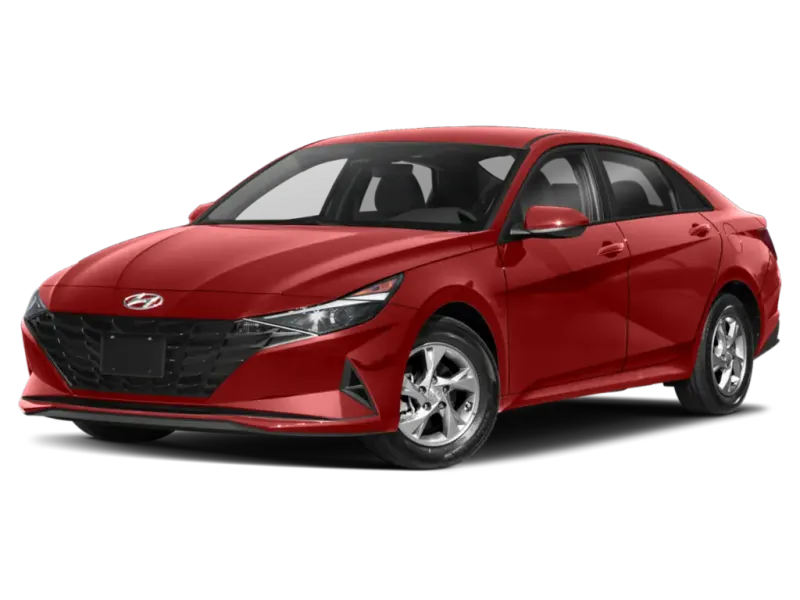
Hyundai Elantra
Score: 94/100

Hyundai Ioniq 5
Score: 63/100
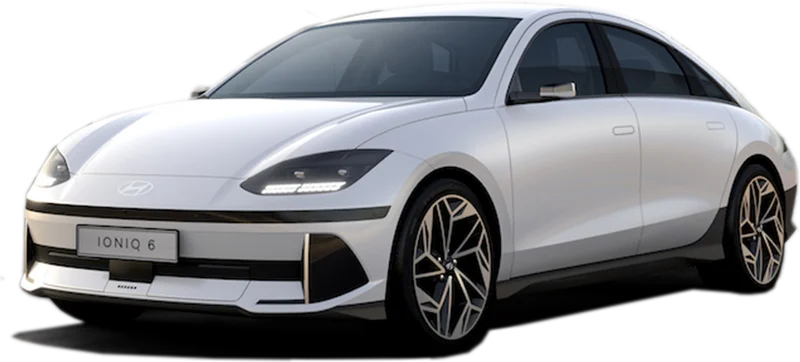
Hyundai Ioniq 6
Score: 82/100
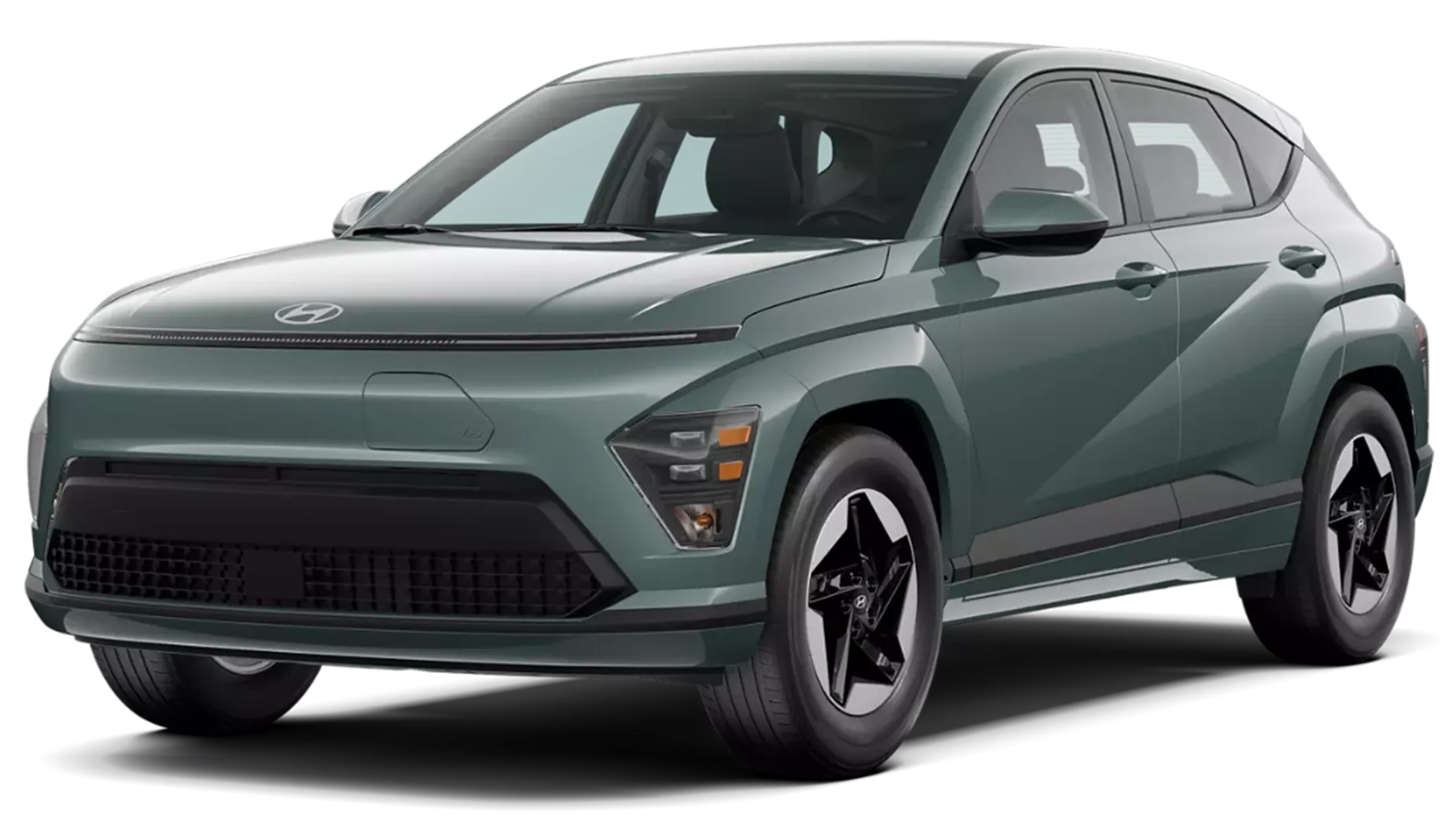
Hyundai Kona
Score: 67/100

Hyundai Santa-Cruz
Score: 74/100

Hyundai Santa-FE
Score: 75/100
Browse More 2025 Vehicles

2025 Acura ZDX
Score: 88/100

2025 Honda HR-V
Score: 88/100
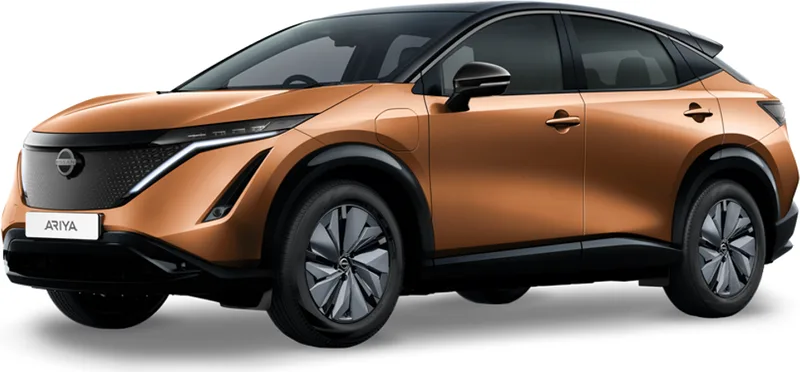
2025 Nissan Ariya
Score: 88/100

2025 KIA Carnival
Score: 88/100
2025 Hyundai Elantra
Score: 87/100

2025 Toyota Corolla Cross
Score: 86/100
See incorrect data? Report an issue