Last updated: 2026-10-10

2023 Hyundai Palisade Reliability Report
The 2023 Hyundai Palisade has a good reliability standing, but owners report ABS braking trouble over bumps and rough surfaces.
Recalls
5
Complaints
326
Complaint Rate
36.4per 10,000 sold
Est. Repair Cost
$573
Annual Fuel Cost
$2,700–$2,850
Detailed Score Breakdown
Component-weighted complaints normalized by sales volume
Independent repair cost ratings
Recall count weighted by severity
Breadth of reported problem categories
The Verdict
Middle of the pack among Palisade years, with ABS brake complaints and seat belt buckle problems leading its 326 owner complaints.
Top Issues to Watch
- SERVICE BRAKES (64)
- VISIBILITY/WIPER (45)
- SEAT BELTS (32)
Generation & Refresh (US)
2023 is 1 year after the facelift refresh.
- Year 4 in the First generation (LX2; 2018) (2020–present).
- Well-established in its generation — most early issues should be resolved.
- 1st generation Palisade (US).
What this means for buyers
Post-refresh years tend to be among the most refined — updates have been applied and early kinks worked out.
2020: First generation (LX2; 2018) Launch
Generation start — new platform.
2022: Mid-Cycle Refresh
Updated features and styling tweaks.
2023: This Model Year
2023 is 1 year after the facelift refresh.
Should You Buy the 2023 Hyundai Palisade?
Buy with care. This model year holds a good reliability standing, but it ranks below average among 2023 SUVs and lands in the middle of the seven scored Palisade years. The 2022 rates better. The 2024 rates about the same. Owners filed 326 complaints, and the federal crash-test rating is 5 of 5 stars.
Brakes lead the complaints. Owners say the ABS kicks in over bumps, rail crossings, gravel and even painted road markings. The pedal shakes or grinds and the car keeps rolling at low speeds, often with no warning light. Reports start around 23,000 to 35,000 miles, and dealers often find nothing wrong. Seat belt buckles are next. Some come undone while driving, and others will not latch. Owners report long waits for parts. Some engines stall or lose power, a few between 1,700 and 5,000 miles. One of the five recalls is a park-outside fire-risk recall.
Ask the seller for proof that every recall repair is done, including the seat belt and fire-risk work. Ask for any brake complaints on the service record. Compare a 2022 before you commit.
Compared to the 2024 Hyundai Palisade, which scored 1 points higher. See also the 2022 Hyundai Palisade for an earlier comparison.
Pros
- +Acceptable reliability score
- +5-star NHTSA crash rating
- +Well-established generation
Cons
- −Moderate recall count
- −Above-average complaint rate for SUV
- −SERVICE BRAKES: ABS kicks in when the car brakes over bumps, rail crossings, gravel, potholes... (64 complaints)
- −Safety recall: park-outside advisory issued
Compare 2023 Hyundai Palisade With
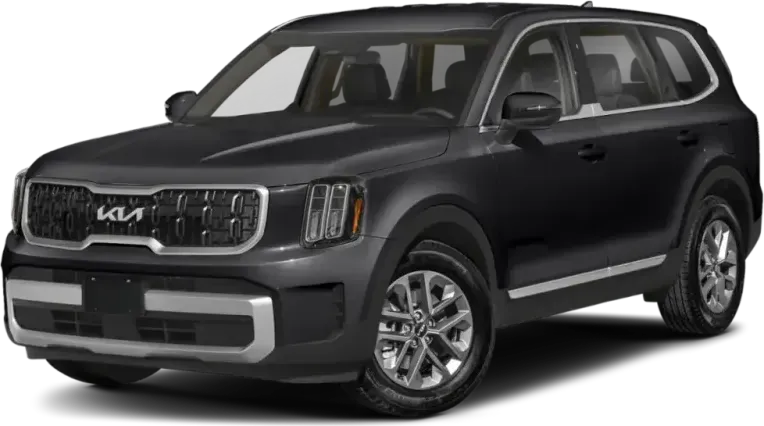
2023 Kia Telluride
Reliability: 68/100
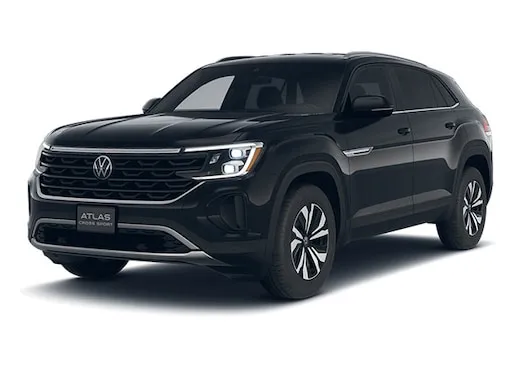
2023 Volkswagen Atlas
Reliability: 58/100
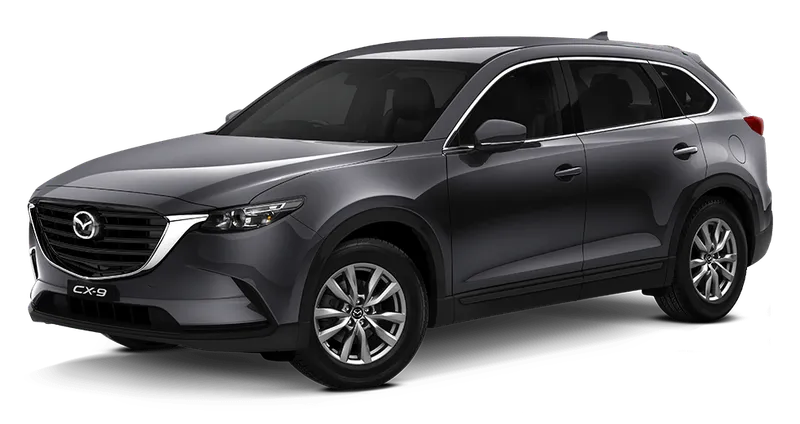
2023 Mazda CX-9
Reliability: 81/100
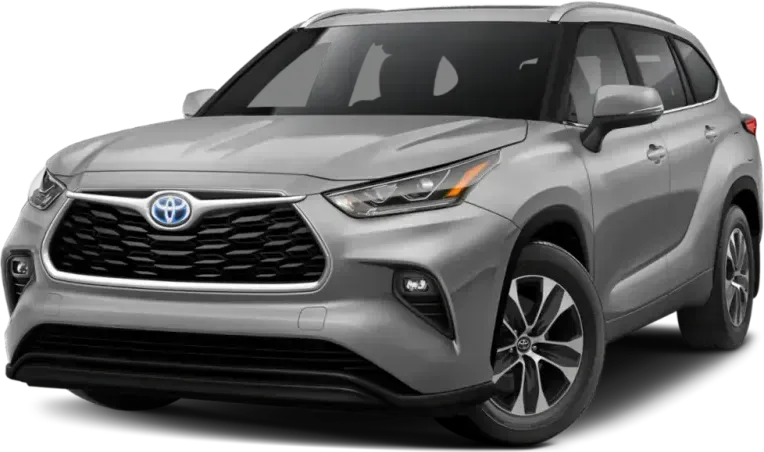
2023 Toyota Highlander
Reliability: 73/100
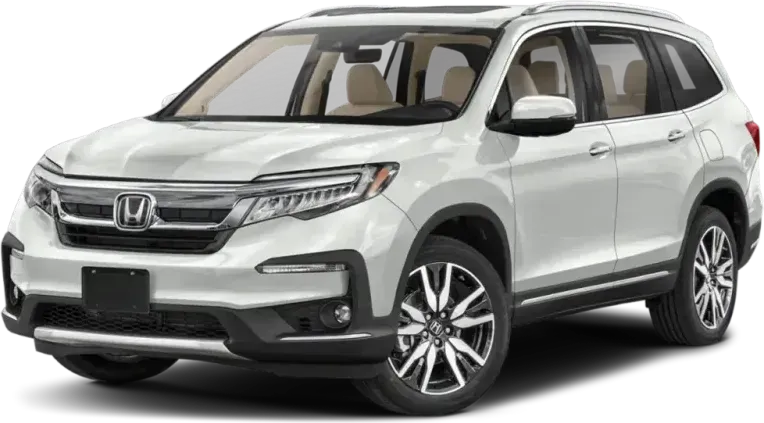
2023 Honda Pilot
Reliability: 72/100
Common Problem Categories
Safety
LOW RISK- 5 manufacturer recalls issued
Other
HIGH RISK- SERVICE BRAKES (64)
- UNKNOWN OR OTHER (46)
Recall Overview
5
recalls on record
A moderate 5 recalls are on file for the 2023 Hyundai Palisade. Each one points to a specific safety or compliance issue identified by the manufacturer or NHTSA — check the list below before buying.
NHTSA.gov →Complaint Breakdown
36.4
per 10,000 soldSegment avg: 11.3
Safety Incidents
6
Crashes
0
Fires
2
Injuries
0
Deaths
NHTSA 5/5 Stars
Data sourced from NHTSA complaint filings and manufacturer recall notices. Complaint narratives are owner-reported.
2023 Hyundai Palisade Recall Details
5 recalls have been issued for the 2023 Hyundai Palisade. All recall repairs are performed free of charge at authorized dealerships.
AIR BAGS
Hyundai Motor America (Hyundai) is recalling certain 2020-2025 Palisade vehicles. The side curtain air bags for third-row occupants may deploy improperly in a crash. As such, these vehicles fail to comply with the requirements of Federal Motor Vehicle Safety Standard (FMVSS) number 226, "Ejection Mitigation."
Consequence
Improper side curtain air bag deployment increases the risk of injury during a crash.
Remedy
The remedy is currently under development. Owner notification letters are expected to be mailed March 23, 2026. Owners may contact Hyundai customer service at 1-855-371-9460. Hyundai's number for this recall is 292. Vehicle Identification Numbers (VINs) involved in this recall became searchable on NHTSA.gov on January 24, 2026.
SEAT BELTS
Hyundai Motor America (Hyundai) is recalling certain 2020-2025 Palisade vehicles. The seat belt buckles in the driver, passenger, and second-row window seats may fail to latch.
Consequence
Seat belt buckles that fail to latch may not properly restrain occupants in a crash, increasing the risk of injury.
Remedy
Passengers are advised to insert the belt firmly into the buckle with a quick and direct motion, pulling on the belt to confirm the seat belt is fully secured, until the recall remedy is performed. Dealers will replace the seat belt buckle assemblies, free of charge. Interim notification letters, notifying owners of the safety risk, were mailed beginning October 23, 2025. Additional letters will be sent once the final remedy is available, anticipated February 2026. Owners may contact Hyundai customer service at 1-855-371-9460. Hyundai's number for this recall is 283. Vehicle Identification Numbers (VINs) involved in this recall became searchable on NHTSA.gov on September 13, 2025.
POWER TRAIN
Hyundai Motor America (Hyundai) is recalling certain 2023-2024 Palisade Tucson, 2023 Sonata, Elantra, and Kona vehicles. The electronic controller for the Idle Stop & Go oil pump assembly may contain damaged electrical components that can cause the pump controller to overheat.
Consequence
An electric oil pump assembly that overheats increases the risk of a vehicle fire.
Remedy
Owners are advised to park outside and away from structures until the recall repair is complete. Dealers will inspect and replace the electric oil pump controller, as necessary, free of charge. Owner notification letters were mailed starting September 7, 2023. Owners may contact Hyundai customer service at 1-855-371-9460. Hyundai's number for this recall is 246.
Buying a used 2023 Hyundai Palisade? Check its history first
Service brakes problems lead owner complaints about the 2023 Hyundai Palisade, and 5 recalls were issued for it. A VIN check shows whether this car's recall work was done, plus accident, title, and odometer history.
- Accidents
- Open Recalls
- Title History
- Odometer Rollback
2023 Hyundai Palisade NHTSA Safety Ratings
Overall Safety Rating
Crash Test Results by Configuration (expand)
Gas Powertrain
Rollover risk: 15.9%
Safety Technologies
Hyundai PalisadeRepair Costs & Maintenance
Maintenance Rating
3.5Maintenance rating: 3.5 out of 5Based on NHTSA complaint patterns, recall severity, and publicly available cost benchmarks.
Est. Annual Maintenance
$573
Repair Frequency
0.4
unscheduled repair visits per year
Category-level averages derived from publicly available industry reports (AAA, CarMD). Model-level estimates produced by Auto Reliability Index.
Hyundai Palisade Resale Value
The Hyundai Palisade is estimated to retain about 100% of its original value after 1 year, based on observed used-car listings.
This benchmark covers the Hyundai Palisade model overall and is not specific to the 2023 model year.
- Value Retained
- 100%
- Depreciation
- 0%
- Listings Analyzed
- 13
after 1 year
over the same period
U.S. used-car listings
Listings observed in . This is a historical market benchmark, not a current price quote.
Explore Hyundai Palisade depreciation and resale value on CarResaleValue.comMPG & Annual Running Costs
Gas
21–22 MPG
Running cost: $3,250–$3,400/yr
Fuel + repair
19 city / 25–27 hwy MPG
Running cost includes EPA fuel-cost estimate and independent repair-cost data (repair cost estimated at model level). Excludes routine maintenance, depreciation, and insurance. Data as of 2023 EPA label cycle.
Gas trims
| Trim | Drive | Trans. | City | Hwy | Comb | Fuel Cost |
|---|---|---|---|---|---|---|
| Palisade FWD 3.8L 6-cyl | Front-Wheel Drive | Automatic (S8) | 19 | 27 | 22 | $2,700 |
| Palisade AWD 3.8L 6-cyl | All-Wheel Drive | Automatic (S8) | 19 | 25 | 21 | $2,850 |
Used Buying Checklist
Key things to inspect or verify before purchasing a 2023 Hyundai Palisade.
Brake gently over speed bumps and rough pavement under 20 mph, and feel for ABS chatter or a longer stop.
Buckle and tug every front and second-row seat belt, and confirm that recall 25V607000 has been completed.
Look through the second-row side windows in direct sunlight for haze or cloudiness.
Drive over small bumps at low speed and listen for clunking or creaking from the rear shocks.
Ask for service records showing how many times the rear shocks or shock mounts have been replaced.
Check the sunroof glass for chips, and look for water stains on the headliner near the moonroof.
Leave Idle Stop and Go on, then turn from a stop and feel for steering lockup or a thud.
Pull away from a stop in Snow Mode and in a turn, and watch for hesitation or stalling.
2023 Hyundai Palisade Common Problems by Component
326 owner complaints grouped by vehicle system.
SERVICE BRAKES
64 complaintsSafety-relatedPalisade brake problems across all model years
The ABS kicks in when the car brakes over bumps, rail crossings, gravel, potholes or even painted road markings. The pedal shakes or grinds, and the car keeps rolling at low speeds, sometimes past stop signs or into intersections. Most reports describe speeds under 30 mph with no warning light. Dealers often cannot reproduce the problem and find nothing wrong. Three complaints involve crashes. One describes a stiff pedal with a "Radar blocked" warning in stop-and-go traffic. One owner noticed the problem at 23000 miles.
UNKNOWN OR OTHER
46 complaintsSafety-relatedThis catch-all category mixes several problems. Sunroof glass shatters outward at highway speed with nothing striking it, and some owners say the warranty did not cover it. Second-row windows look hazy, and windshields crack without impact. Others describe the same low-speed ABS problem, where the car will not stop after a bump. One crash report says the engine revved with the brake pressed and pushed the car into a garage wall. Other reports describe a moonroof leak traced to a drain tube and a sudden engine shutdown with every warning light on.
VISIBILITY/WIPER
45 complaintsSecond-row side windows look hazy or cloudy in direct sun, which blocks the view out to the side and backward. In one case, replacement glass from the dealer looked just as bad. The panoramic sunroof can shatter with a loud bang while driving with no impact, and dealers sometimes refuse warranty coverage. Wipers stop working after snow or ice builds up and may need an engine restart to move again. Some windshields crack and the cracks spread with no visible cause.
SEAT BELTS (32 complaints)
SEAT BELTS
32 complaintsBuckles in the front and second rows come undone while the car is moving, even after they were clicked in and tugged. Other buckles take several tries to latch, or will not latch at all, which makes it impossible to install some forward-facing child seats. Federal recall 25V607000 covers the problem, but many complaints say the parts are not available yet. Owners report waiting months, or leaving the car at the dealer for weeks. One failure happened at 44,000 miles.
POWER TRAIN (30 complaints)
POWER TRAIN
30 complaintsThe engine loses power or stalls without warning. Some cars do this at highway speed, and others will not move from a stop, especially in Snow Mode. Several cases happened very early, between 1700 and 5000 miles, sometimes with a misfire or an engine control warning. Some owners hear a clunk and feel hesitation when pulling away while turning. In one case, a rear coupling replacement at 17,000 miles did not stop the problem from coming back. One owner reports a shudder and delay on upshifts. Many complaints here also mention the ABS problem or seat belt recall parts delays.
ELECTRICAL SYSTEM (24 complaints)
ELECTRICAL SYSTEM
24 complaintsSafety-relatedFaults often appear in nearly new cars. Doors read as open, the push-button start fails, and cameras or parking sensors quit within the first few thousand miles. Batteries die without a low-voltage warning and show a "Check ESC" message instead. Some owners describe sudden brake application with the horn and headlights dead, plus false wrong-way alerts, and in one case cruise control jumped to 90mph. One injury crash says the car did not shift into Park and rolled into a tree. Bluelink and SOS button failures also appear.
SUSPENSION (17 complaints)
SUSPENSION
17 complaintsThe rear shocks fail, causing thumping, clunking, creaking and a bouncy, unstable ride, worst on small bumps and turns under 30 mph. Failures start as early as 4988 miles. Replacement shocks often fail again within 10,000 to 20,000 miles, and some owners are on their seventh or eighth shock. Owners point to the self-leveling shocks on upper trims. Dealers replace shocks and mounts under warranty, sometimes citing TSB 22-SS-001H, but parts are often back-ordered.
VISIBILITY (13 complaints)
VISIBILITY
13 complaintsMost complaints cover two problems. Second-row windows look cloudy and distorted in sunlight, and owners say they are much less clear than the third-row glass. The sunroof can also explode while driving, often at interstate speed and with a gunshot-like sound, sometimes sending glass into the cabin. One dealer blamed a rock. Another replaced the glass at no cost and cited a service bulletin. Smaller groups of complaints describe windshield specks or blur in low sun, cracked windshields, and wipers that act up in snow.
STEERING (11 complaints)
STEERING
11 complaintsThe wheel locks or thuds hard when Idle Stop and Go restarts the engine, which makes turning from a light difficult. Some cars shut down while driving, with every warning light on and power steering lost, then recover after a restart. Dealers often cannot find the cause, and one car sat at the dealer for weeks. A few owners report the wheel hitting a hard stop at low speed or the car pulling to the right. Several complaints filed here actually describe the ABS problem over bumps.
STRUCTURE (8 complaints)
STRUCTURE
8 complaintsThe sunroof glass shatters on its own while driving, sometimes at highway speed and with no sign of debris. In one case, fragments cut the driver's arm and struck a following car, and another owner had it happen twice. Wind noise is the other main complaint. It comes from the driver or passenger door above 40 mph and is loud enough to cause headaches. One owner reports a cracked door trim panel.
When Do 2023 Hyundai Palisade Problems Start?
Based on owner complaint patterns, here's when common issues tend to appear.
Best & Worst Hyundai Palisade Years
Best Hyundai Palisade Years to Buy
Based on reliability index score2022
2024
2023
(Current Model)
Hyundai Palisade Years to Avoid
Hyundai Palisade Reliability Score Trend
Scores 0–100. Higher is better. Current year highlighted.
| Year | Score | Rating |
|---|---|---|
| 2020 | 59/100 | Mixed |
| 2021 | 61/100 | Good |
| 2022 | 65/100 | Good |
| 2023 | 62/100 | Good |
| 2024 | 63/100 | Good |
| 2025 | 70/100 | Good |
| 2026 | 72/100 | Good |
Hyundai Palisade Reliability Compared to Other Years
Frequently Asked Questions
Is the 2023 Hyundai Palisade reliable?
What are the most common problems with the 2023 Hyundai Palisade?
Does the 2023 Hyundai Palisade have ABS brake problems?
Does the 2023 Hyundai Palisade have seat belt problems?
Is the 2023 Hyundai Palisade better than the 2022 or 2024?
Don’t buy a 2023 Hyundai Palisade without checking its VIN first — hidden accidents, title issues, and open recalls could cost you thousands.
How we score the 2023 Hyundai Palisade
Of the four inputs behind this score, the 2023 Hyundai Palisade does best on how many systems draw complaints (77/100) and worst on complaint severity (49/100). Scores weight complaint severity at 35%, repair costs at 30%, recall impact at 20%, and the spread of complaints across systems at 15%, with complaint counts adjusted for US sales. Read the full methodology.
Get notified when new recalls or reliability data is added for the Hyundai Palisade.
No spam. Only data updates for this model.
Browse More Hyundai Models
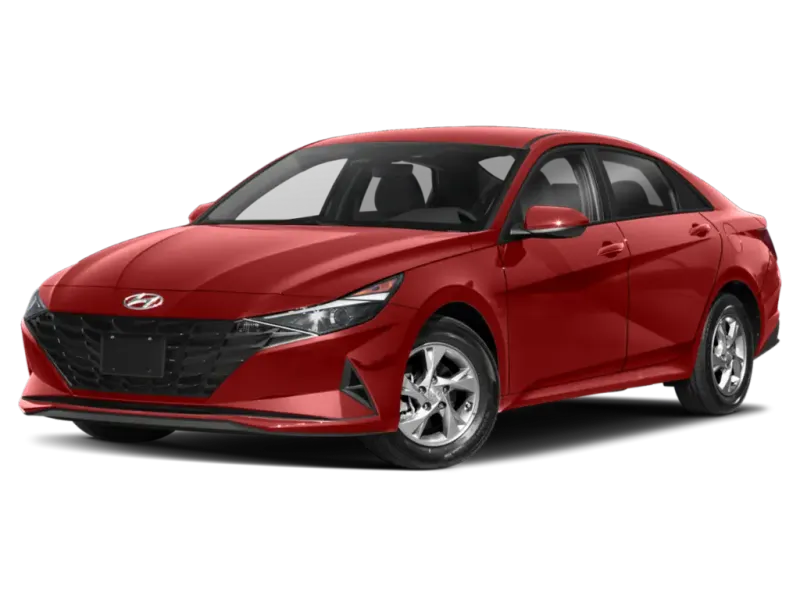
Hyundai Elantra
Score: 94/100
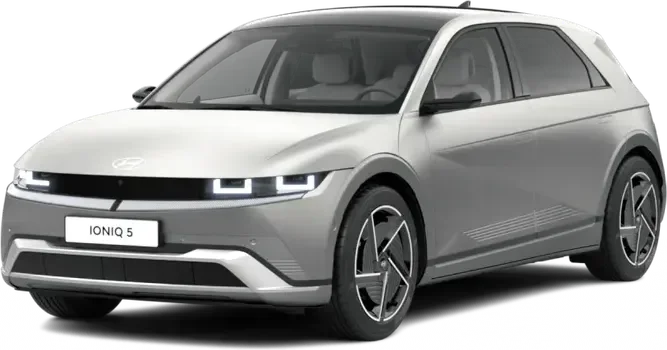
Hyundai Ioniq 5
Score: 63/100
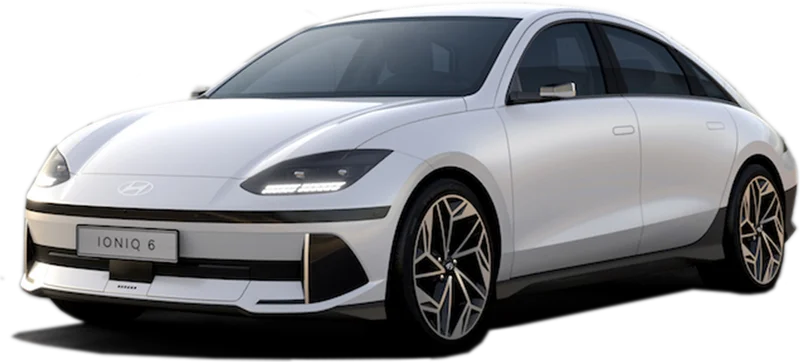
Hyundai Ioniq 6
Score: 82/100
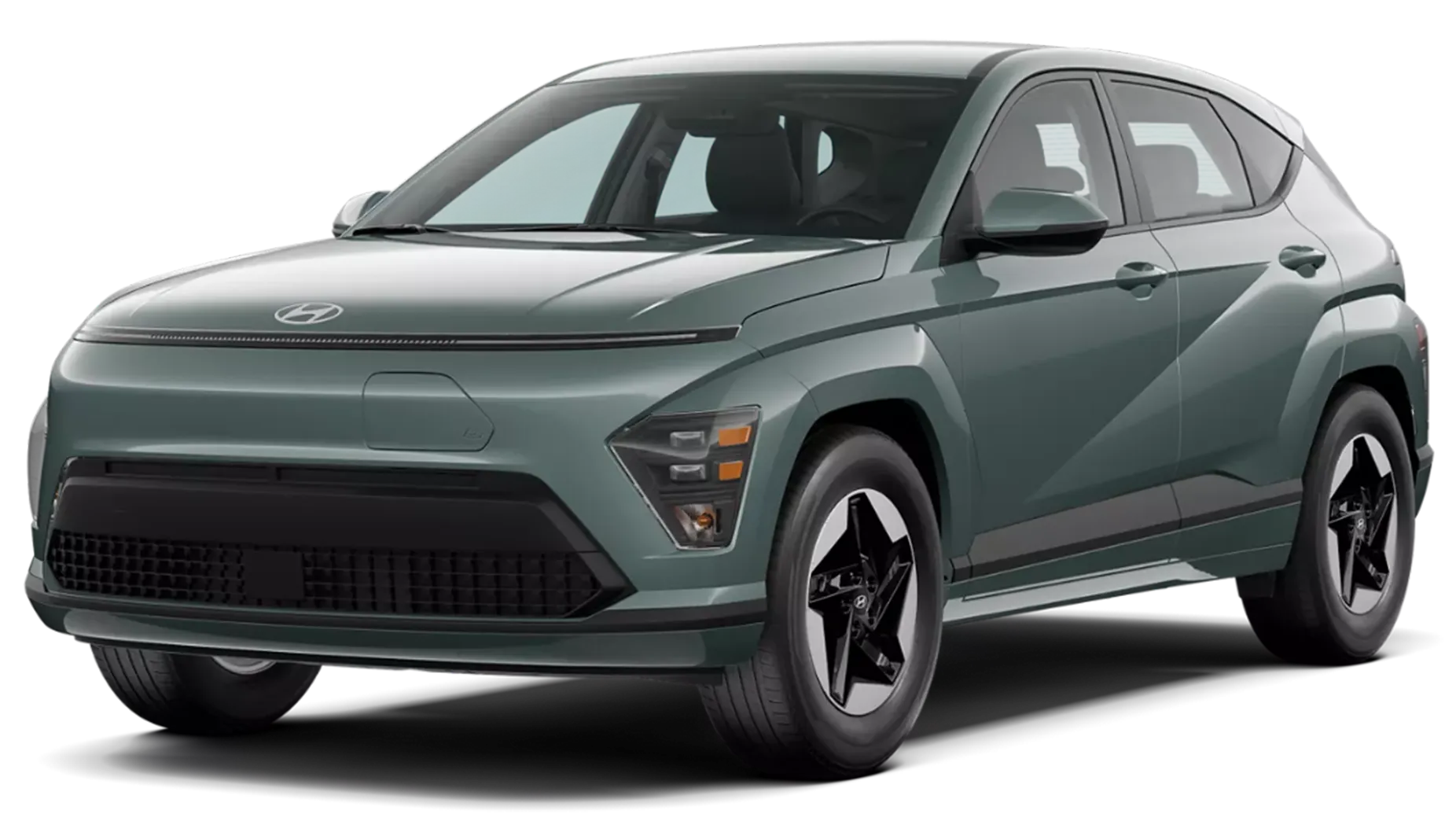
Hyundai Kona
Score: 67/100
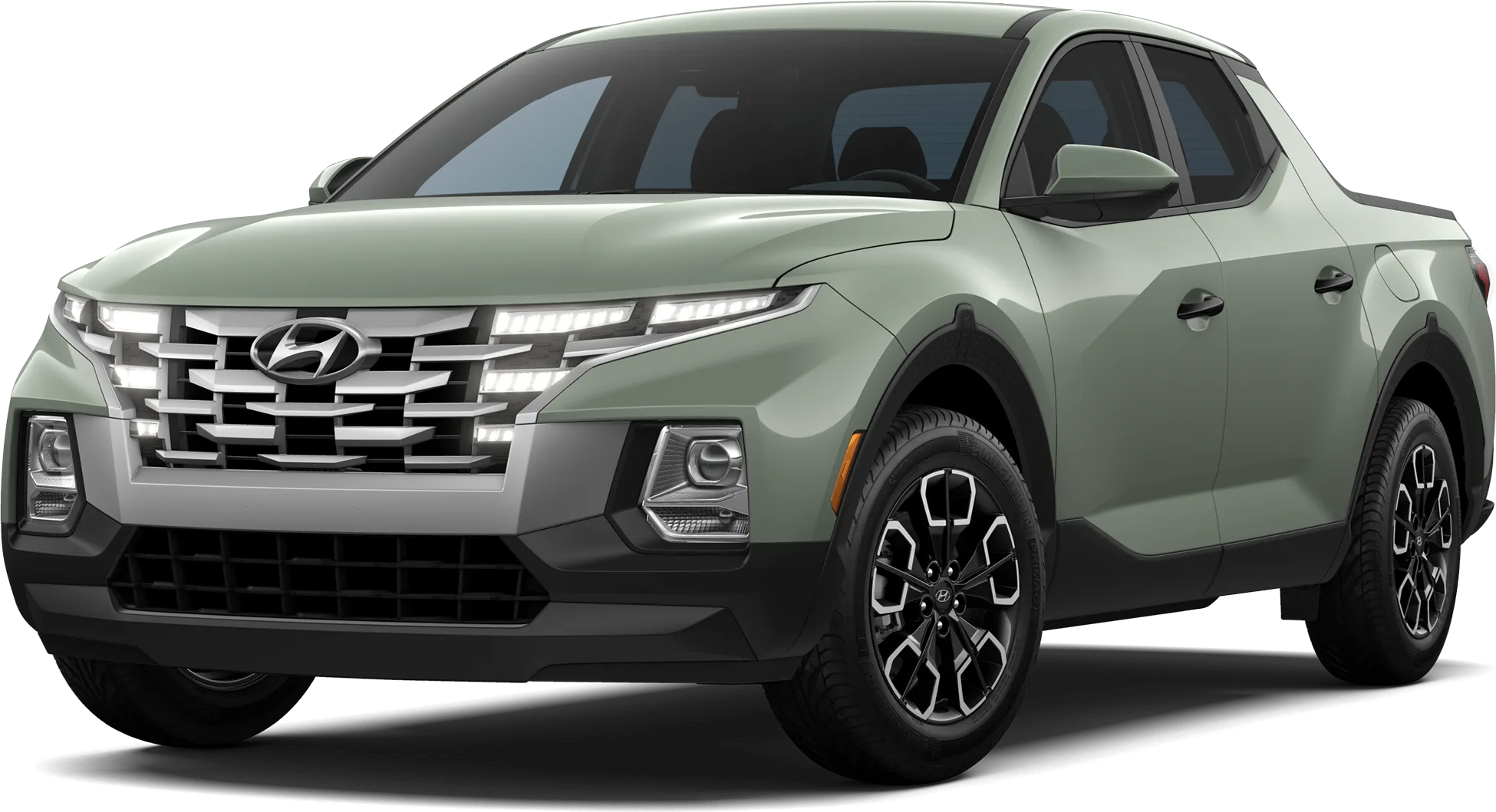
Hyundai Santa Cruz
Score: 74/100
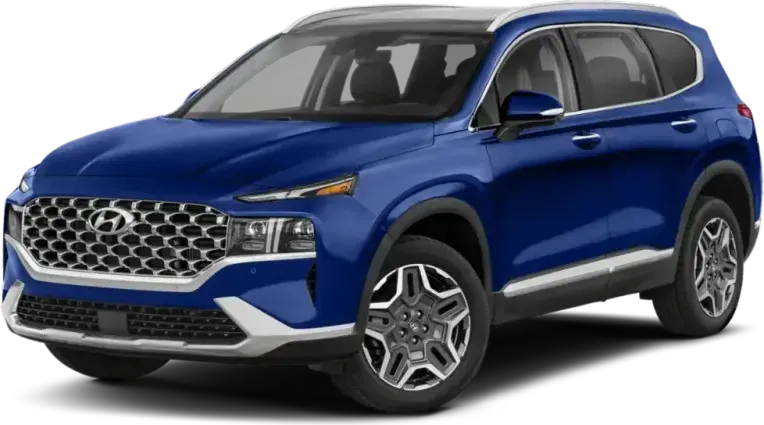
Hyundai Santa Fe
Score: 75/100
Browse More 2023 Vehicles
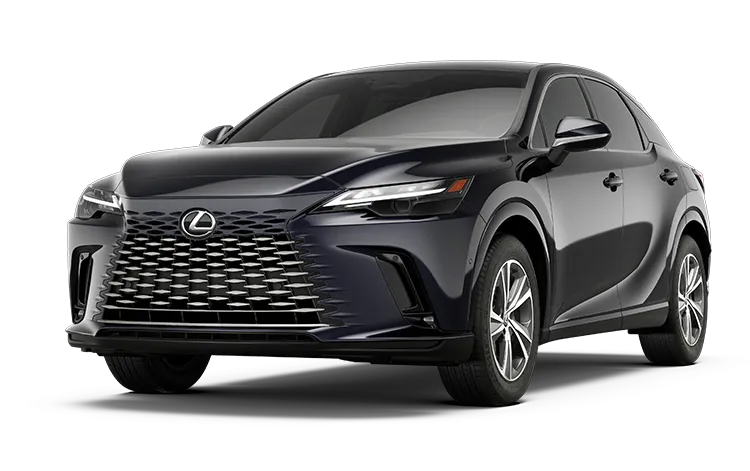
2023 Lexus RX
Score: 85/100
2023 Toyota Crown
Score: 84/100
2023 Nissan Altima
Score: 84/100
2023 Lexus IS
Score: 83/100

2023 Toyota 4Runner
Score: 82/100
2023 Acura RDX
Score: 82/100
See incorrect data? Report an issue