Last updated: 2026-10-10

2020 Hyundai Palisade Reliability Report
The 2020 Hyundai Palisade has mixed reliability, well below other 2020 SUVs, with windshields that crack early and rear shocks that keep failing.
Recalls
7
Complaints
521
Complaint Rate
63.6per 10,000 sold
Est. Repair Cost
$573
Annual Fuel Cost
$2,700–$2,850
Detailed Score Breakdown
Component-weighted complaints normalized by sales volume
Independent repair cost ratings
Recall count weighted by severity
Breadth of reported problem categories
The Verdict
Weakest of the seven scored Palisade years, with 521 owner complaints and seven recalls, led by early windshield cracks and failing rear shocks.
Top Issues to Watch
- VISIBILITY/WIPER (100)
- SUSPENSION (56)
- ENGINE (49)
Generation & Refresh (US)
2020 is the first model year of the First generation (LX2; 2018).
- First-year models may have unresolved issues from the new design.
- Redesigned for the 2020 model year.
- Refreshed in 2022.
- 1st generation Palisade (US).
What this means for buyers
First-year models carry more risk — early production issues are common. Consider waiting for the second year if reliability is a priority.
Compare 2020 pricing and recall counts against 2021+ before deciding.
2020: First generation (LX2; 2018) Launch
Generation start — new platform.
2022: Mid-Cycle Refresh
Updated features and styling tweaks.
Should You Buy the 2020 Hyundai Palisade?
Think twice. This model year has mixed reliability, sits well below average among 2020 SUVs, and is the weakest of the seven Palisade years we score. Owners filed 521 complaints. The 2021 model has fewer, 354, and a better standing. The crash-test rating is 5 of 5 stars, so the issue is durability, not protection.
Windshields are the most common complaint. They crack from small pebbles, often before 2,000 miles, and replacement glass often cracks again. The self-leveling rear shocks fail next, usually between 20,000 and 37,000 miles. You hear clunking from the rear, and no warning light comes on. The 3.8L V6 can burn oil with no low-oil warning, most often from 65,000 to 98,000 miles, and some engines have seized. Seat belt buckles that come unlatched while driving also show up. Federal recall records list seven recalls, one of them a park-outside fire risk.
If you still want one, ask for proof that every recall was completed. Ask for rear shock repair records and oil-level history. Compare it against a 2021.
Compared to the 2021 Hyundai Palisade, which scored 2 points higher.
Pros
- +5-star NHTSA crash rating
Cons
- −Below-average reliability score
- −Above-average recall count
- −Above-average complaint rate for SUV
- −VISIBILITY/WIPER: Windshields crack from small pebbles at ordinary speeds, often within the first... (100 complaints)
- −5 fire incidents reported in owner complaints
- −Safety recall: park-outside advisory issued
Compare 2020 Hyundai Palisade With
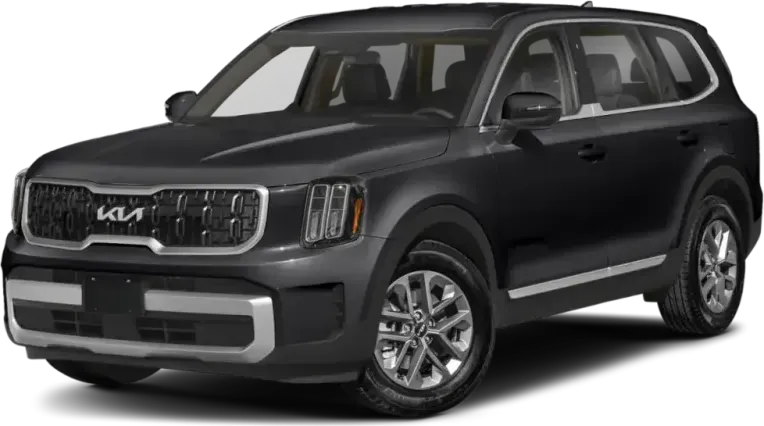
2020 Kia Telluride
Reliability: 55/100
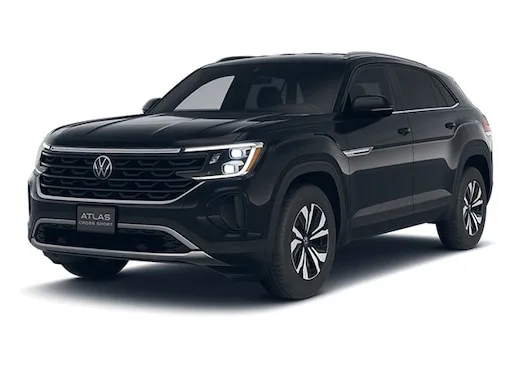
2020 Volkswagen Atlas
Reliability: 57/100

2020 Mazda CX-9
Reliability: 78/100
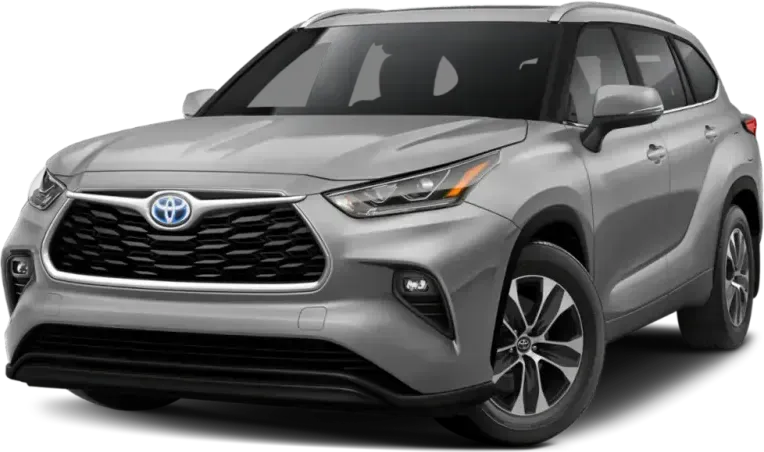
2020 Toyota Highlander
Reliability: 71/100
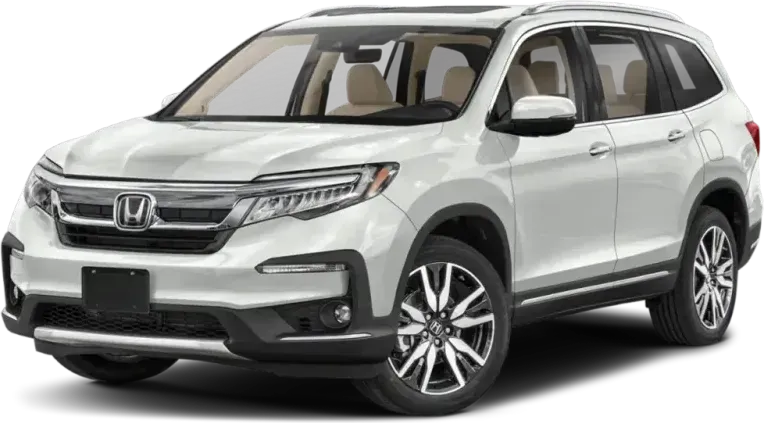
2020 Honda Pilot
Reliability: 60/100
Common Problem Categories
Safety
LOW RISK- 7 manufacturer recalls issued
Other
HIGH RISK- VISIBILITY/WIPER (100)
- UNKNOWN OR OTHER (57)
Recall Overview
7
recalls on record
The 2020 Hyundai Palisade has 7 recalls on record, which is above average. A high count can flag multiple component concerns, though it also shows the manufacturer is actively addressing known issues.
NHTSA.gov →Complaint Breakdown
63.6
per 10,000 soldSegment avg: 20.2
Safety Incidents
17
Crashes
5
Fires
23
Injuries
0
Deaths
NHTSA 5/5 Stars
Data sourced from NHTSA complaint filings and manufacturer recall notices. Complaint narratives are owner-reported.
2020 Hyundai Palisade Recall Details
7 recalls have been issued for the 2020 Hyundai Palisade. All recall repairs are performed free of charge at authorized dealerships.
AIR BAGS
Hyundai Motor America (Hyundai) is recalling certain 2020-2025 Palisade vehicles. The side curtain air bags for third-row occupants may deploy improperly in a crash. As such, these vehicles fail to comply with the requirements of Federal Motor Vehicle Safety Standard (FMVSS) number 226, "Ejection Mitigation."
Consequence
Improper side curtain air bag deployment increases the risk of injury during a crash.
Remedy
The remedy is currently under development. Owner notification letters are expected to be mailed March 23, 2026. Owners may contact Hyundai customer service at 1-855-371-9460. Hyundai's number for this recall is 292. Vehicle Identification Numbers (VINs) involved in this recall became searchable on NHTSA.gov on January 24, 2026.
SEAT BELTS
Hyundai Motor America (Hyundai) is recalling certain 2020-2025 Palisade vehicles. The seat belt buckles in the driver, passenger, and second-row window seats may fail to latch.
Consequence
Seat belt buckles that fail to latch may not properly restrain occupants in a crash, increasing the risk of injury.
Remedy
Passengers are advised to insert the belt firmly into the buckle with a quick and direct motion, pulling on the belt to confirm the seat belt is fully secured, until the recall remedy is performed. Dealers will replace the seat belt buckle assemblies, free of charge. Interim notification letters, notifying owners of the safety risk, were mailed beginning October 23, 2025. Additional letters will be sent once the final remedy is available, anticipated February 2026. Owners may contact Hyundai customer service at 1-855-371-9460. Hyundai's number for this recall is 283. Vehicle Identification Numbers (VINs) involved in this recall became searchable on NHTSA.gov on September 13, 2025.
TRAILER HITCHES
Hyundai Motor America (Hyundai) is recalling 2020-2022 Palisade vehicles potentially equipped with a tow hitch harness installed as original equipment, or purchased as an accessory through a Hyundai dealership. Debris and moisture accumulation on the tow hitch harness module printed circuit board (PCB) may cause an electrical short, which can result in a fire.
Consequence
A fire while parked or driving can increase the risk of injury.
Remedy
Owners are advised to park outside and away from structures until the recall repair is complete. Dealers will install a new fuse and wire extension kit, as necessary, free of charge. Owner notification letters were mailed May 18, 2023. Owners may contact Hyundai customer service at 1-855-371-9460. Hyundai's number for this recall is 235.
Buying a used 2020 Hyundai Palisade? Check its history first
Visibility/wiper problems lead owner complaints about the 2020 Hyundai Palisade, and 7 recalls were issued for it. A VIN check shows whether this car's recall work was done, plus accident, title, and odometer history.
- Accidents
- Open Recalls
- Title History
- Odometer Rollback
2020 Hyundai Palisade NHTSA Safety Ratings
Overall Safety Rating
Crash Test Results by Configuration (expand)
Gas Powertrain
Rollover risk: 15.9%
Safety Technologies
Hyundai PalisadeRepair Costs & Maintenance
Maintenance Rating
3.5Maintenance rating: 3.5 out of 5Based on NHTSA complaint patterns, recall severity, and publicly available cost benchmarks.
Est. Annual Maintenance
$573
Repair Frequency
0.4
unscheduled repair visits per year
Category-level averages derived from publicly available industry reports (AAA, CarMD). Model-level estimates produced by Auto Reliability Index.
Hyundai Palisade Resale Value
The Hyundai Palisade is estimated to retain about 100% of its original value after 1 year, based on observed used-car listings.
This benchmark covers the Hyundai Palisade model overall and is not specific to the 2020 model year.
- Value Retained
- 100%
- Depreciation
- 0%
- Listings Analyzed
- 13
after 1 year
over the same period
U.S. used-car listings
Listings observed in . This is a historical market benchmark, not a current price quote.
Explore Hyundai Palisade depreciation and resale value on CarResaleValue.comMPG & Annual Running Costs
Gas
21–22 MPG
Running cost: $3,250–$3,400/yr
Fuel + repair
19 city / 24–26 hwy MPG
Running cost includes EPA fuel-cost estimate and independent repair-cost data (repair cost estimated at model level). Excludes routine maintenance, depreciation, and insurance. Data as of 2020 EPA label cycle.
Gas trims
| Trim | Drive | Trans. | City | Hwy | Comb | Fuel Cost |
|---|---|---|---|---|---|---|
| Palisade FWD 3.8L 6-cyl | Front-Wheel Drive | Automatic (S8) | 19 | 26 | 22 | $2,700 |
| Palisade AWD 3.8L 6-cyl | All-Wheel Drive | Automatic (S8) | 19 | 24 | 21 | $2,850 |
Used Buying Checklist
Key things to inspect or verify before purchasing a 2020 Hyundai Palisade.
Inspect the windshield closely for chips and spreading cracks, and ask how many times the glass has been replaced.
Drive slowly over speed bumps and listen for clunking or knocking from the rear shocks.
Look for oil leaking from the rear shocks, and ask for records of any TSB 22-SS-001H shock replacement.
Check the dipstick, watch the exhaust for white smoke, and ask for oil consumption test or engine replacement records.
Buckle and tug every seat belt, power-fold the third row, and confirm recall 25V-607 was completed.
Confirm wiper recall 22V627000 is done, then run the wipers at every speed.
At parking-lot speed, turn the wheel to full lock both ways and feel for binding, thuds, or whining.
Drive above 50 mph listening for door whistle, and watch for blind spot errors or a blank speedometer.
2020 Hyundai Palisade Common Problems by Component
521 owner complaints grouped by vehicle system.
VISIBILITY/WIPER
100 complaintsWindshields crack from small pebbles at ordinary speeds, often within the first few thousand miles. Many reports put the first crack under 2,000 miles, some as early as 150. Small chips spread into long cracks within hours. Several cracks appear while parked, during a car wash, or with no impact at all. Replacement glass often cracks again. Glass shops reportedly decline to repair the chips because the cracks keep spreading, so most cases end in a full replacement, and some owners pay for several.
SUSPENSION
56 complaintsSelf-leveling rear shocks fail and keep failing. The usual signs are clunking, knocking, or rattling from the rear, a harsher ride over bumps, and instability on the highway. No warning light comes on. First failures cluster around 20,000 to 37,000 miles, and replacements often wear out again after about another 20,000. Some owners also report the rubber on the rear strut top insulator disintegrating. Repairs under TSB 22-SS-001H were covered under warranty, but owners past warranty are refused, with one quoted $6,000. Some can't find replacement parts.
ENGINE
49 complaintsSafety-relatedThe 3.8L V6 burns oil, and many owners find it nearly or completely empty well before the scheduled change. No low-oil warning comes on. Symptoms include knocking, rattling, rough idle, sputtering, stalling, and in some cases a seized engine. One engine caught fire and ended up with a hole in the block. Consumption most often starts between 65,000 and 98,000 miles, though some cars show it under 24,000. Dealers typically require repeated 1,000-mile oil consumption tests before a cleaning or engine replacement. Long waits and denials past the 100,000-mile powertrain warranty are common.
SEAT BELTS (32 complaints)
SEAT BELTS
32 complaintsBuckles come unlatched on their own while driving. Owners report it in the front seats, the captain's chairs, and the rear, and some belts won't latch at all. Many reports concern recall 25V-607 for the buckle assemblies, and owners say parts are on back order and dealers can't do the repair. Third-row buckles get crushed and cracked when the power-folding seats go down. A driver belt that won't retract also appears. Some dealers blame debris or deny warranty coverage.
POWER TRAIN (31 complaints)
POWER TRAIN
31 complaintsSafety-relatedHeavy oil consumption dominates here as well. Some engines burn 3 quarts in 1,000 miles and get replaced after failed consumption tests, sometimes after waits of months. Cars stall or lose all power, including while merging onto a highway. Transmission complaints include sticking in one gear, dropping out of gear, slipping, and metal shavings in the fluid, and some cars are on their third transmission. One crash involved a sudden surge while braking into a parking space. In one fire, popping, hissing, and a loss of power at 65 mph came first.
ELECTRICAL SYSTEM (30 complaints)
ELECTRICAL SYSTEM
30 complaintsSafety-relatedThe instrument cluster goes dark or reads wrong. The speedometer, tachometer, and fuel gauge stop working, sometimes as early as 2,100 miles and more often in hot weather. Blind spot warning gives false alerts or shuts itself off. Some owners report the emergency brakes engaging at highway speed with nothing ahead. A/C compressors fail despite a related service bulletin. Alternator failures and random shutoffs at idle leave cars stranded. One unintended acceleration crash injured 3 people, and one owner got a burn from an electrical shock at the liftgate.
STRUCTURE (23 complaints)
STRUCTURE
23 complaintsLoud whistling and wind noise come from the front door glass, mostly above 50 mph. Owners say a service bulletin for it was issued and later withdrawn. Liftgate struts crack or come apart, and one power liftgate fell and struck a person on the head. Other liftgates stop closing partway down. Sunroofs shatter, or the wind deflector breaks and jams the panel. Paint peels down to bare metal on the roof and liftgate, and exterior plastic trim degrades in the sun. One owner says a door cut their leg again after a recall repair.
STEERING (14 complaints)
STEERING
14 complaintsSafety-relatedThe wheel binds or locks during low-speed turns, sometimes with a loud noise, then frees up. Dealers often can't reproduce it. Other reports describe a whirring or whining noise when turning that returns after a gear replacement, a thud at full lock blamed on voltage, and a car that pulls hard to the right. Some lockups follow a burst of driver-assist error messages. Of the 3 crash reports, one involved a locked wheel, one a sudden surge, and one a steering column that sheared in a minor rear impact.
VISIBILITY (13 complaints)
VISIBILITY
13 complaintsSafety-relatedWipers freeze up in snow and cold, and in one crash the wipers seized in a snowstorm and 2 people were hurt. Many reports concern recall 22V627000, and owners say the repair parts are not available. Sunroof glass shatters suddenly with a loud bang while driving, or comes off its track. Windshields crack from minor impacts or with no impact at all, around 10,000 to 12,000 miles in these reports, and some owners replace them repeatedly.
AIR BAGS (8 complaints)
AIR BAGS
8 complaintsSafety-relatedIn 3 crashes, front or side airbags did not deploy despite heavy impacts, and 6 people were injured. A recurring airbag warning light and the passenger airbag shutting off with someone in the seat persist after repeated sensor repairs. One car caught fire in a closed garage within 10 minutes of being parked, with no prior warning. Some owners are confused by recall notices that dealers and federal records describe differently.
When Do 2020 Hyundai Palisade Problems Start?
Based on owner complaint patterns, here's when common issues tend to appear.
Best & Worst Hyundai Palisade Years
Best Hyundai Palisade Years to Buy
Based on reliability index scoreHyundai Palisade Years to Avoid
2020
(Current Model)
Hyundai Palisade Reliability Score Trend
Scores 0–100. Higher is better. Current year highlighted.
| Year | Score | Rating |
|---|---|---|
| 2020 | 59/100 | Mixed |
| 2021 | 61/100 | Good |
| 2022 | 65/100 | Good |
| 2023 | 62/100 | Good |
| 2024 | 63/100 | Good |
| 2025 | 70/100 | Good |
| 2026 | 72/100 | Good |
Hyundai Palisade Reliability Compared to Other Years
Frequently Asked Questions
Is the 2020 Hyundai Palisade reliable?
What are the most common problems with the 2020 Hyundai Palisade?
Does the 2020 Hyundai Palisade have engine oil consumption problems?
Why do the rear shocks fail on the 2020 Hyundai Palisade?
Is the 2021 Hyundai Palisade more reliable than the 2020?
Don’t buy a 2020 Hyundai Palisade without checking its VIN first — hidden accidents, title issues, and open recalls could cost you thousands.
How we score the 2020 Hyundai Palisade
Of the four inputs behind this score, the 2020 Hyundai Palisade does best on how many systems draw complaints (71/100) and worst on complaint severity (42/100). Scores weight complaint severity at 35%, repair costs at 30%, recall impact at 20%, and the spread of complaints across systems at 15%, with complaint counts adjusted for US sales. Read the full methodology.
Get notified when new recalls or reliability data is added for the Hyundai Palisade.
No spam. Only data updates for this model.
Browse More Hyundai Models
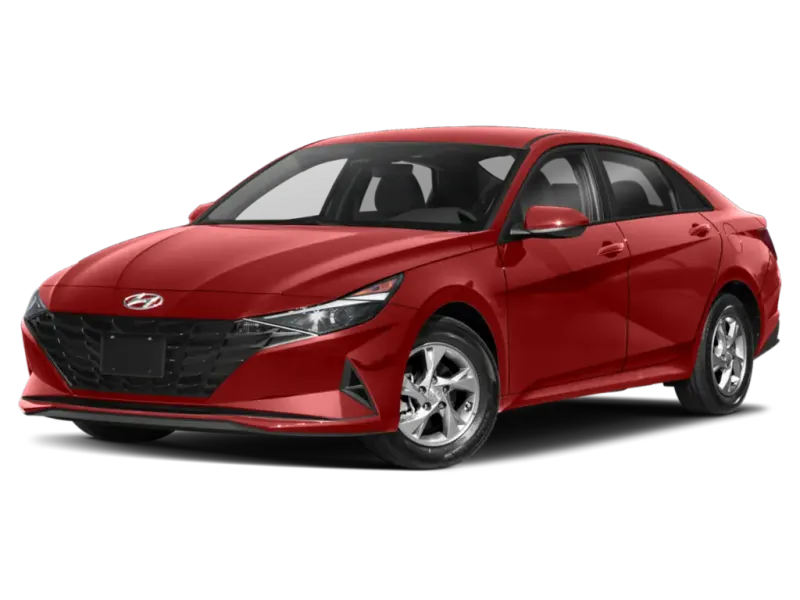
Hyundai Elantra
Score: 94/100

Hyundai Ioniq 5
Score: 63/100
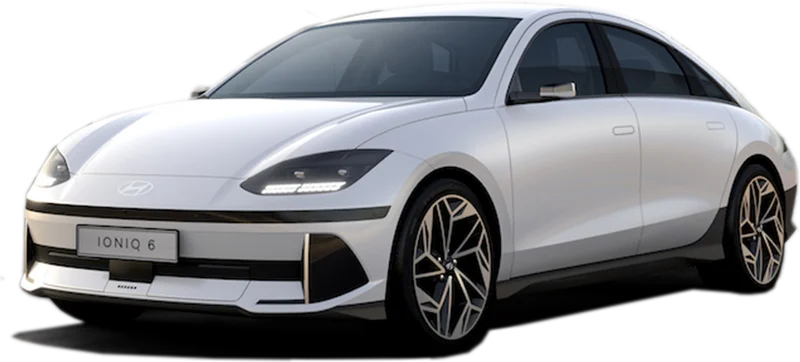
Hyundai Ioniq 6
Score: 82/100
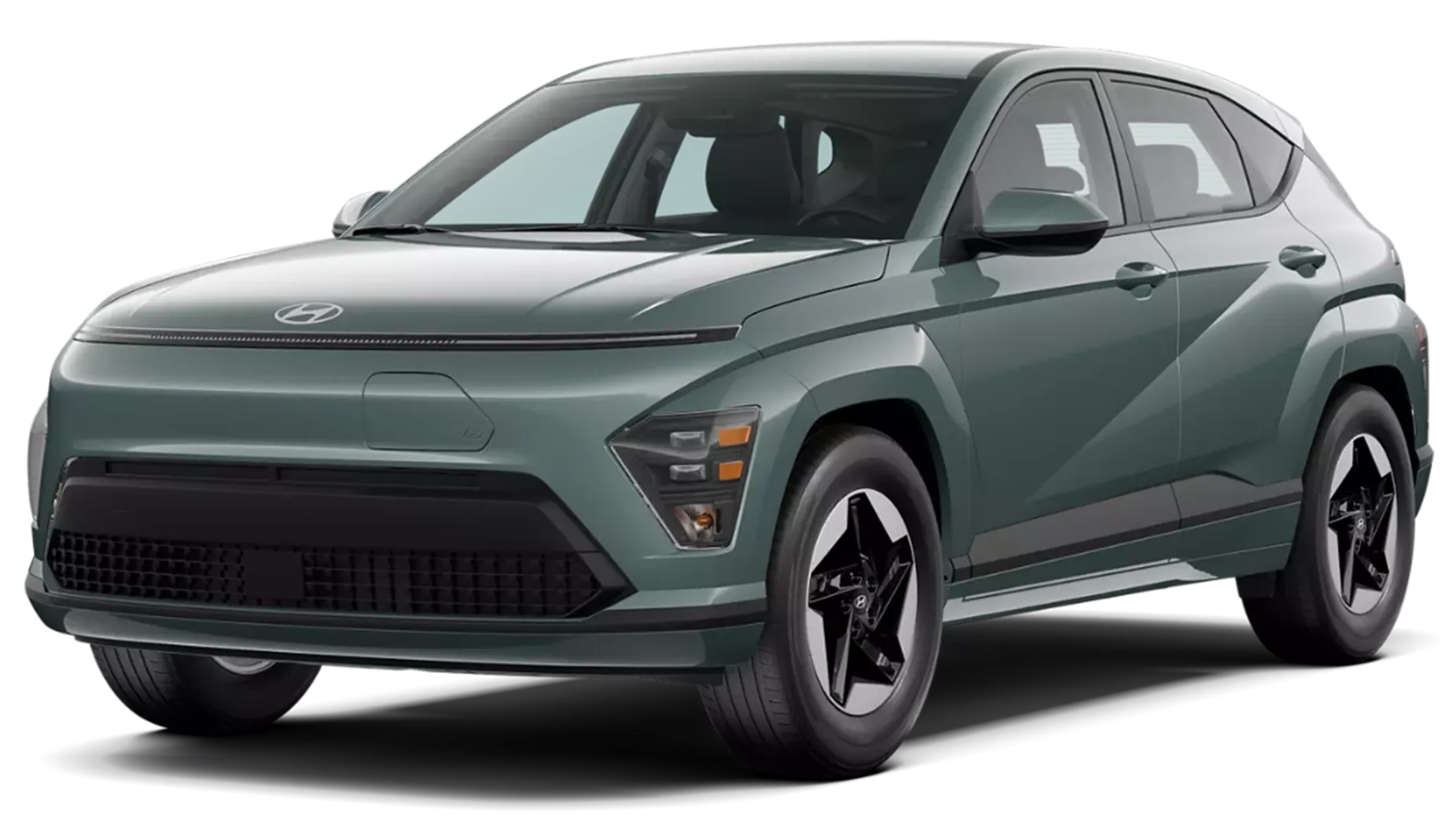
Hyundai Kona
Score: 67/100
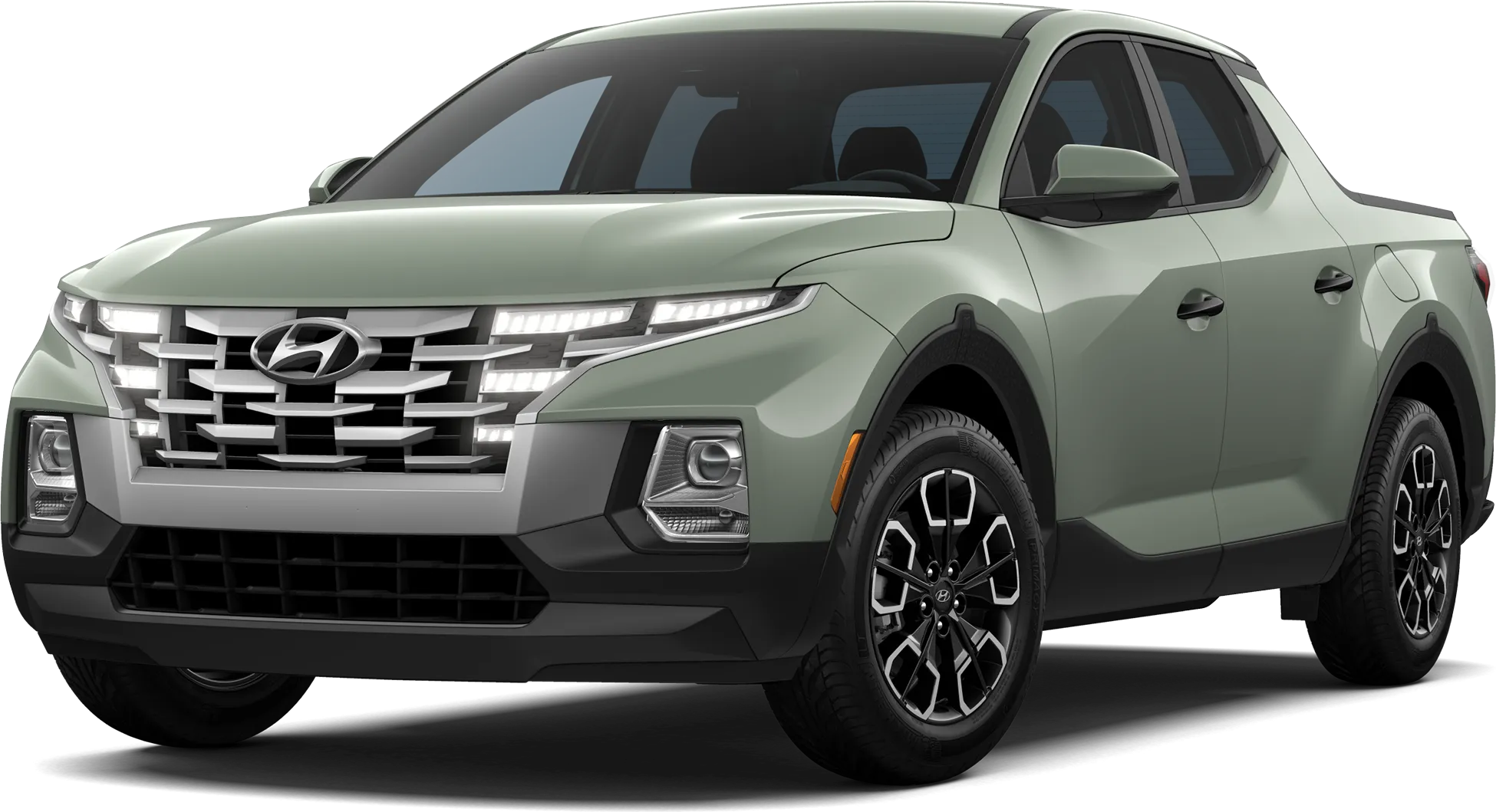
Hyundai Santa Cruz
Score: 74/100
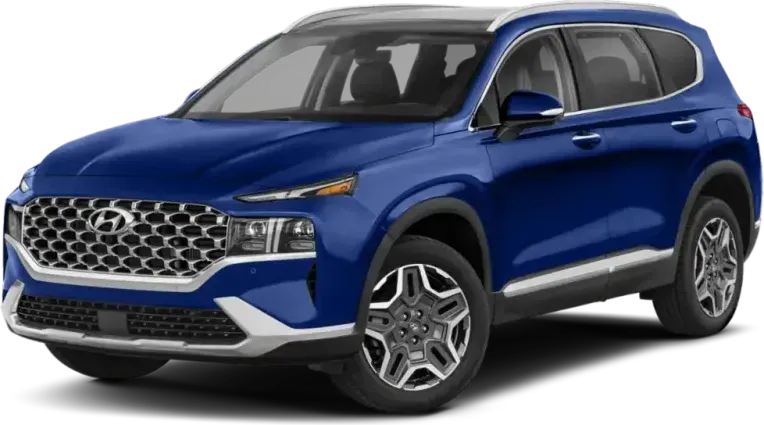
Hyundai Santa Fe
Score: 75/100
Browse More 2020 Vehicles
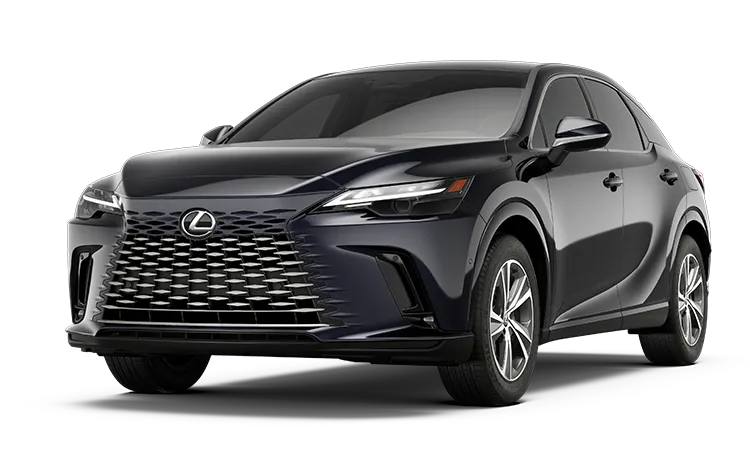
2020 Lexus RX
Score: 86/100

2020 Mazda CX-5
Score: 86/100
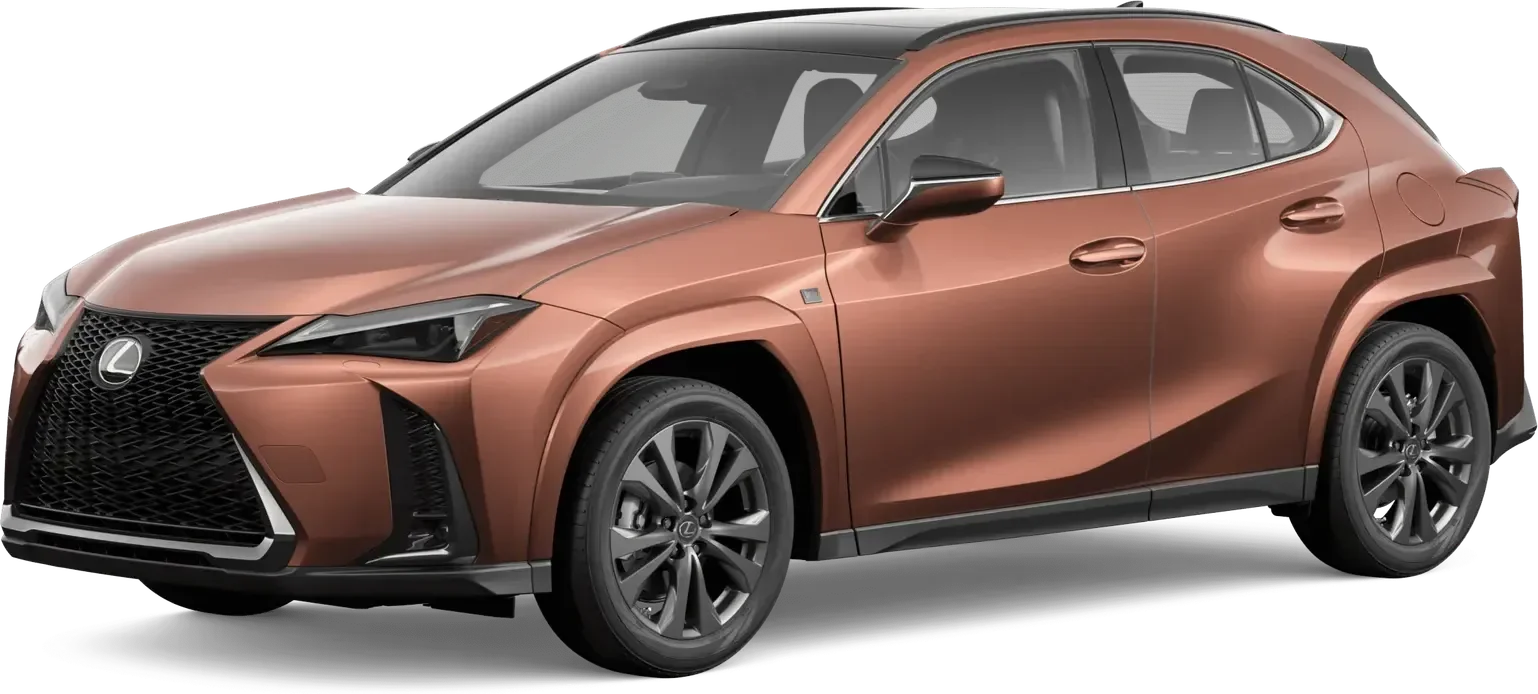
2020 Lexus UX
Score: 84/100

2020 Kia Sedona
Score: 83/100

2020 Lexus IS
Score: 83/100
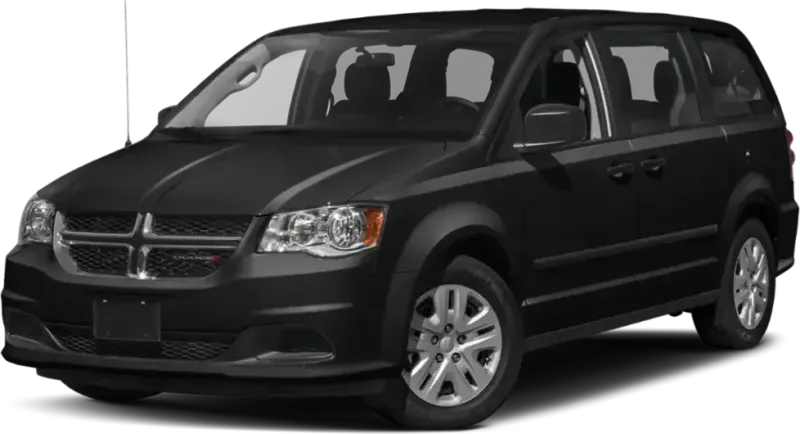
2020 Dodge Grand Caravan
Score: 83/100
See incorrect data? Report an issue