Last updated: 2026-10-10
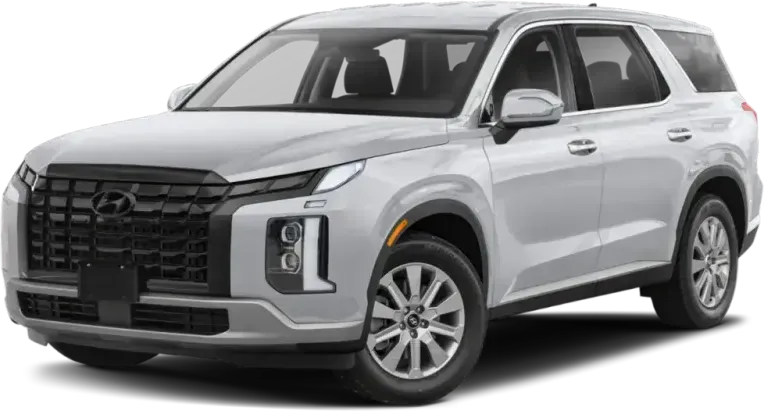
2021 Hyundai Palisade Reliability Report
The 2021 Hyundai Palisade rates good for reliability, but seat belt buckles that release while driving make it one of the weaker Palisade years.
Recalls
6
Complaints
354
Complaint Rate
41per 10,000 sold
Est. Repair Cost
$573
Annual Fuel Cost
$2,700–$2,850
Detailed Score Breakdown
Component-weighted complaints normalized by sales volume
Independent repair cost ratings
Recall count weighted by severity
Breadth of reported problem categories
The Verdict
Seat belt buckles that unlatch while driving, plus a buckle recall owners say has no remedy yet, set this year apart, and it trails the 2022.
Top Issues to Watch
- SEAT BELTS (90)
- VISIBILITY/WIPER (39)
- ELECTRICAL SYSTEM (33)
Generation & Refresh (US)
2021 is year 2 of the First generation (LX2; 2018).
- Redesigned for the 2020 model year.
- A refresh arrives in 2022.
- 1st generation Palisade (US).
What this means for buyers
Year 2 is typically a safer pick than the first model year — early issues are more likely to be identified, but the platform is still new.
If you're comparing prices, check 2020 (redesign year) vs 2021+ pricing and recalls.
2020: First generation (LX2; 2018) Launch
Generation start — new platform.
2021: This Model Year
2021 is year 2 of the First generation (LX2; 2018).
2022: Mid-Cycle Refresh
Updated features and styling tweaks.
Should You Buy the 2021 Hyundai Palisade?
Good, with caveats. This is one of the weaker Palisade years, and it sits below average among 2021 SUVs. The 2022 rates better, with fewer complaints (241 against 354) and five recalls instead of six. The 2020 rates about the same and has more complaints. The federal crash-test rating is 5 of 5 stars, and independent repair-cost data puts model-wide repairs at about $573 a year.
Seat belts lead the complaints. Buckles release on their own while the car is moving, usually with a click and then the chime, mostly in the second-row captain's chairs. Federal recall 25V607000 covers the buckle, but owners say the fix is not yet available. Windshields crack from small chips, sometimes in the first few thousand miles. In snow, the wipers can shut off mid-drive when the wiper well packs up. Rear shocks wear out between roughly 33,000 and 84,000 miles, and one dealer quoted $2000. One recall carries a park-outside warning.
Check that every recall is closed or has a written remedy date, especially the buckle recall. Ask for rear shock records. If the 2022 fits your budget, it is the better pick.
Compared to the 2022 Hyundai Palisade, which scored 4 points higher. See also the 2020 Hyundai Palisade for an earlier comparison.
Pros
- +Acceptable reliability score
- +5-star NHTSA crash rating
- +Not a first-year model
Cons
- −Above-average recall count
- −Above-average complaint rate for SUV
- −SEAT BELTS: Buckles release on their own while the car is moving, often with a click... (90 complaints)
- −1 fire incident reported in owner complaints
- −Safety recall: park-outside advisory issued
Compare 2021 Hyundai Palisade With
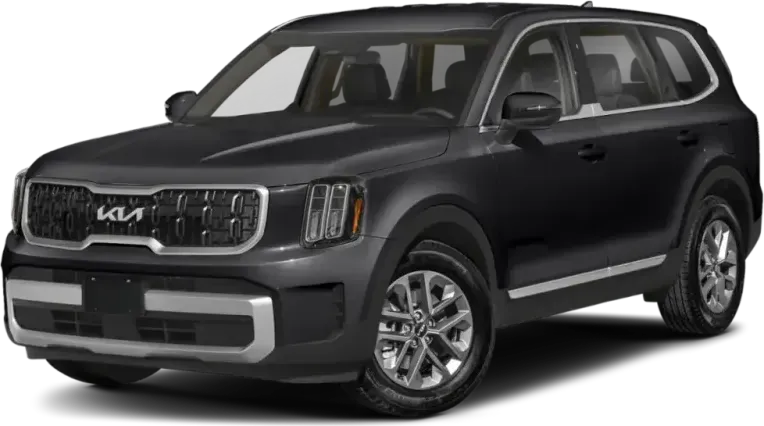
2021 Kia Telluride
Reliability: 63/100
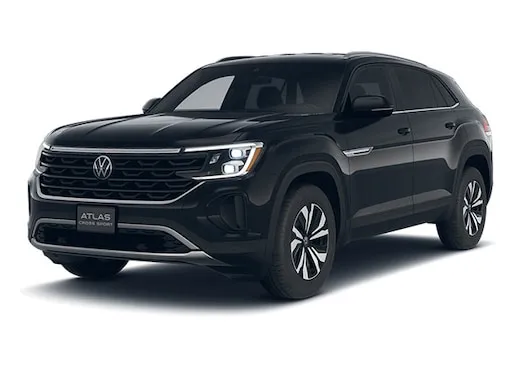
2021 Volkswagen Atlas
Reliability: 44/100
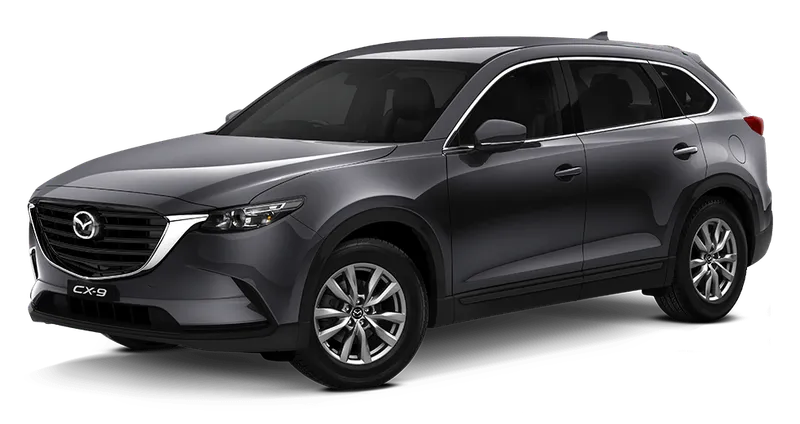
2021 Mazda CX-9
Reliability: 77/100
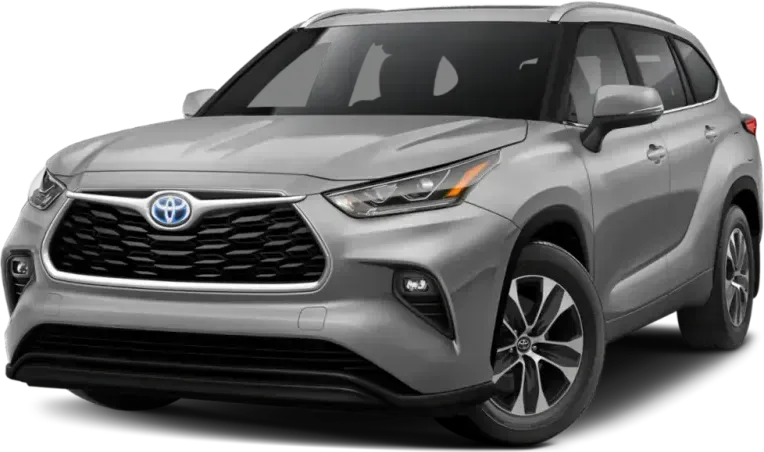
2021 Toyota Highlander
Reliability: 70/100
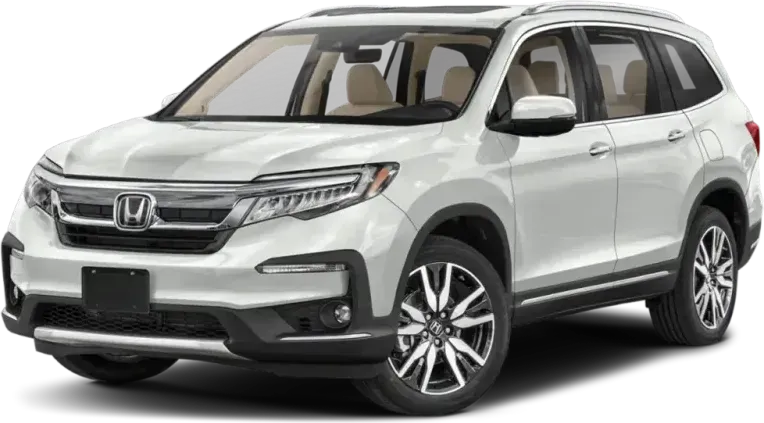
2021 Honda Pilot
Reliability: 63/100
Common Problem Categories
Safety
LOW RISK- 6 manufacturer recalls issued
Other
HIGH RISK- SEAT BELTS (90)
- UNKNOWN OR OTHER (49)
Recall Overview
6
recalls on record
The 2021 Hyundai Palisade has 6 recalls on record, which is above average. A high count can flag multiple component concerns, though it also shows the manufacturer is actively addressing known issues.
NHTSA.gov →Complaint Breakdown
41
per 10,000 soldSegment avg: 16.7
Safety Incidents
4
Crashes
1
Fires
7
Injuries
0
Deaths
NHTSA 5/5 Stars
Data sourced from NHTSA complaint filings and manufacturer recall notices. Complaint narratives are owner-reported.
2021 Hyundai Palisade Recall Details
6 recalls have been issued for the 2021 Hyundai Palisade. All recall repairs are performed free of charge at authorized dealerships.
VISIBILITY
Hyundai Motor America (Hyundai) is recalling certain 2020-2021 Palisade vehicles. The windshield wiper motor may become inoperative, causing the wipers to fail.
Consequence
Windshield wiper failure can reduce visibility, increasing the risk of a crash.
Remedy
Dealers will replace the driver-side windshield wiper arm, free of charge. Owner notification letters were mailed December 13, 2022. Owners may contact Hyundai customer service at 1-855-371-9460. Hyundai's number for this recall is 233.
AIR BAGS
Hyundai Motor America (Hyundai) is recalling certain 2020-2025 Palisade vehicles. The side curtain air bags for third-row occupants may deploy improperly in a crash. As such, these vehicles fail to comply with the requirements of Federal Motor Vehicle Safety Standard (FMVSS) number 226, "Ejection Mitigation."
Consequence
Improper side curtain air bag deployment increases the risk of injury during a crash.
Remedy
The remedy is currently under development. Owner notification letters are expected to be mailed March 23, 2026. Owners may contact Hyundai customer service at 1-855-371-9460. Hyundai's number for this recall is 292. Vehicle Identification Numbers (VINs) involved in this recall became searchable on NHTSA.gov on January 24, 2026.
SERVICE BRAKES, HYDRAULIC
Hyundai Motor America (Hyundai) is recalling certain 2021 Palisade vehicles. The brake fluid may be contaminated, which can cause the brake master cylinder inner-cup seals to swell, and reduce braking performance.
Consequence
Reduced braking performance can extend the distance required to stop the vehicle, increasing the risk of a crash.
Remedy
Dealers will replace the brake master cylinder, and flush the brake fluid, free of charge. Owner notification letters were mailed on December 24, 2021. Owners may contact Hyundai customer service at 1-855-371-9460. Hyundai's number for this recall is 212.
Buying a used 2021 Hyundai Palisade? Check its history first
Seat belts problems lead owner complaints about the 2021 Hyundai Palisade, and 6 recalls were issued for it. A VIN check shows whether this car's recall work was done, plus accident, title, and odometer history.
- Accidents
- Open Recalls
- Title History
- Odometer Rollback
2021 Hyundai Palisade NHTSA Safety Ratings
Overall Safety Rating
Crash Test Results by Configuration (expand)
Gas Powertrain
Rollover risk: 14.3%
Safety Technologies
Hyundai PalisadeRepair Costs & Maintenance
Maintenance Rating
3.5Maintenance rating: 3.5 out of 5Based on NHTSA complaint patterns, recall severity, and publicly available cost benchmarks.
Est. Annual Maintenance
$573
Repair Frequency
0.4
unscheduled repair visits per year
Category-level averages derived from publicly available industry reports (AAA, CarMD). Model-level estimates produced by Auto Reliability Index.
Hyundai Palisade Resale Value
The Hyundai Palisade is estimated to retain about 100% of its original value after 1 year, based on observed used-car listings.
This benchmark covers the Hyundai Palisade model overall and is not specific to the 2021 model year.
- Value Retained
- 100%
- Depreciation
- 0%
- Listings Analyzed
- 13
after 1 year
over the same period
U.S. used-car listings
Listings observed in . This is a historical market benchmark, not a current price quote.
Explore Hyundai Palisade depreciation and resale value on CarResaleValue.comMPG & Annual Running Costs
Gas
21–22 MPG
Running cost: $3,250–$3,400/yr
Fuel + repair
19 city / 24–26 hwy MPG
Running cost includes EPA fuel-cost estimate and independent repair-cost data (repair cost estimated at model level). Excludes routine maintenance, depreciation, and insurance. Data as of 2021 EPA label cycle.
Gas trims
| Trim | Drive | Trans. | City | Hwy | Comb | Fuel Cost |
|---|---|---|---|---|---|---|
| Palisade FWD 3.8L 6-cyl | Front-Wheel Drive | Automatic (S8) | 19 | 26 | 22 | $2,700 |
| Palisade AWD 3.8L 6-cyl | All-Wheel Drive | Automatic (S8) | 19 | 24 | 21 | $2,850 |
Used Buying Checklist
Key things to inspect or verify before purchasing a 2021 Hyundai Palisade.
Buckle every seat belt, especially the second-row captain's chairs, then tug hard several times to confirm each one stays latched.
Run the VIN for open recalls, including seat belt 25V607000, trailer hitch 22V633000, and wiper 23V180000.
Pull the dipstick and ask for oil consumption test records; a low level between changes is a warning sign.
Drive over speed bumps and through tight turns, listening for popping or clunking from the rear suspension.
Check the windshield closely for chips or cracks, especially along the lower edge and corners.
Turn on the child safety lock and listen for repeated door-lock clicking or a failure message.
Open and close the sunroof fully, inspect the glass for damage, and watch for binding or clicking.
Cruise at 62 to 73 mph, feel for vibration, and watch for an HTRAC warning or hesitation pulling away.
2021 Hyundai Palisade Common Problems by Component
354 owner complaints grouped by vehicle system.
SEAT BELTS
90 complaintsBuckles release on their own while the car is moving, often with a click followed by the seat belt chime. Most reports involve the second-row captain's chairs, but some describe the front seats too. Many owners also say the second-row receivers sit so deep in the seat that buckling is a struggle, especially around booster seats, and a belt can click without actually latching. One injury is reported. A federal recall (25V607000) covers the buckle, but owners say the remedy is not yet available and some were never notified.
UNKNOWN OR OTHER
49 complaintsSafety-relatedWindshields crack easily. A tiny chip, or no visible impact at all, can spread across the glass within days, and some owners report it within the first few thousand miles. Sunroof glass shatters at highway speed with no debris around, and in one case glass fell on the occupants, causing an injury. Other sunroofs pop off their tracks when opened. Owners cite a service bulletin for this, but repairs outside warranty are costly. Isolated reports include a failed tachometer, stalling, and a crash where lane assist fought a turn.
VISIBILITY/WIPER
39 complaintsWindshield cracking dominates this category. Small rock chips turn into long cracks, sometimes overnight or after a cold snap, and several owners report it in the first few thousand miles. A second pattern shows up in snow. Snow packs into the recessed wiper well, the wipers sense resistance and shut off mid-drive, and they stay off until someone clears the well by hand. Drivers describe losing visibility in traffic and having to stop on the roadside. One report describes sudden sunroof failure at speed.
ELECTRICAL SYSTEM (33 complaints)
ELECTRICAL SYSTEM
33 complaintsSafety-relatedChild safety locks fail repeatedly. The rear doors click through lock cycles over and over, then a "Child safety lock failure" message appears and the rear doors and windows stay usable by children. One owner reports onset around 11,000 miles, and dealers often cannot reproduce the fault. Other reports cover wiper motors binding in snow despite a recall, trailer hitch fuse removal tied to a fire-risk recall, engine shutdowns at highway speed, and doors that won't unlock. One side-impact crash ended in an immediate fire.
SUSPENSION (28 complaints)
SUSPENSION
28 complaintsRear shocks and their upper insulators wear out early. Owners describe popping or clunking from the rear over bumps and in turns, plus a bouncy, unstable ride, and some note leaking shocks. Failures cluster between roughly 33,000 and 84,000 miles, and several owners have had the rear shocks replaced more than once. Owners point to service bulletin 22-SS-001H, though one dealer called it rescinded. Many repairs land just past warranty, and one dealer quoted $2000. Some drivers report reduced control over bumps at speed.
ENGINE (19 complaints)
ENGINE
19 complaintsOil disappears fast, sometimes a quart or more every few hundred miles. Owners find the dipstick nearly dry well before the next oil change, often with no low-oil warning first. Once oil runs low, the motor runs rough, stutters, loses power, or stalls in traffic, and some have needed replacement. Reports cluster around 90,000 miles. Dealers often require repeated oil consumption tests before acting, and some second owners report being denied coverage. Oil filter housing leaks and coolant leaks with cabin fumes also appear.
POWER TRAIN (15 complaints)
POWER TRAIN
15 complaintsHeavy oil consumption leads to misfires, knocking, and sudden loss of power, with internal engine failure reported around 86,000 miles and beyond. AWD complaints are the other major thread. The AWD coupler fails with clunking and hesitation when pulling out, sometimes more than once, and an HTRAC warning can leave the car running in front-wheel drive only. Some owners report a vibration between 62 and 73 mph that driveshaft and differential replacements did not cure. Transmission jerking, hesitation, and full replacement also appear.
STRUCTURE (13 complaints)
STRUCTURE
13 complaintsSunroof glass shatters without warning, usually at highway speed with no impact. A closed shade typically keeps the glass out of the cabin, but the debris can scratch the roof. Other sunroofs come off their tracks, stick open, and need taping down, and some VINs are left out of the coverage the dealer describes. One owner reports a deep cut from a sharp lower door edge. Scattered reports cover loose door trim, a cracked side window, a lingering chemical odor, and push-button shifter confusion.
TRAILER HITCHES (12 complaints)
TRAILER HITCHES
12 complaintsAlmost all of these complaints are about recall 22V633000, not hitch failures on the road. Owners got the recall notice, but the repair parts were unavailable for a long time. As an interim fix, dealers pulled the tow hitch module fuse, which disables towing, and some dealers declined even that. Owners say the wait has run too long and the manufacturer offers little help. In one case, pulling the fuse also knocked out the exterior lights. None of these owners reports a hitch fire.
AIR BAGS (2 complaints)
AIR BAGS
2 complaintsSafety-relatedBoth reports come from crashes, with four injuries between them. In one frontal collision, the passenger airbag appears to deploy upward into the windshield instead of toward the passenger, and the windshield shatters into the cabin. In the other, a severe driver-side impact totals the vehicle, but no airbags deploy, side airbags included. That is too few reports to show a pattern, but both describe the restraint system not protecting occupants the way it should.
When Do 2021 Hyundai Palisade Problems Start?
Based on owner complaint patterns, here's when common issues tend to appear.
Best & Worst Hyundai Palisade Years
Best Hyundai Palisade Years to Buy
Based on reliability index scoreHyundai Palisade Years to Avoid
Hyundai Palisade Reliability Score Trend
Scores 0–100. Higher is better. Current year highlighted.
| Year | Score | Rating |
|---|---|---|
| 2020 | 59/100 | Mixed |
| 2021 | 61/100 | Good |
| 2022 | 65/100 | Good |
| 2023 | 62/100 | Good |
| 2024 | 63/100 | Good |
| 2025 | 70/100 | Good |
| 2026 | 72/100 | Good |
Hyundai Palisade Reliability Compared to Other Years
Frequently Asked Questions
Is the 2021 Hyundai Palisade reliable?
What are the most common problems with the 2021 Hyundai Palisade?
Does the 2021 Hyundai Palisade have seat belt problems?
When do the rear shocks fail on the 2021 Hyundai Palisade?
Is the 2022 Hyundai Palisade better than the 2021?
Don’t buy a 2021 Hyundai Palisade without checking its VIN first — hidden accidents, title issues, and open recalls could cost you thousands.
How we score the 2021 Hyundai Palisade
Of the four inputs behind this score, the 2021 Hyundai Palisade does best on how many systems draw complaints (72/100) and worst on complaint severity (50/100). Scores weight complaint severity at 35%, repair costs at 30%, recall impact at 20%, and the spread of complaints across systems at 15%, with complaint counts adjusted for US sales. Read the full methodology.
Get notified when new recalls or reliability data is added for the Hyundai Palisade.
No spam. Only data updates for this model.
Browse More Hyundai Models
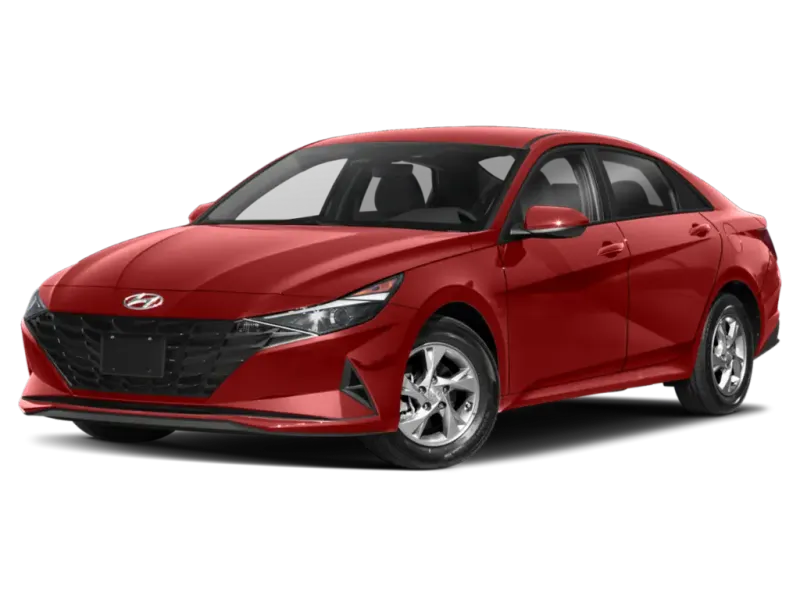
Hyundai Elantra
Score: 94/100
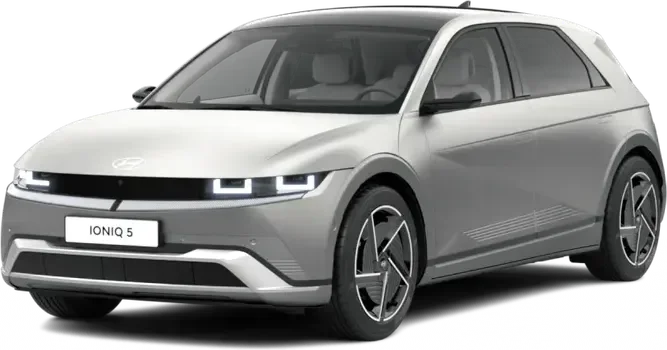
Hyundai Ioniq 5
Score: 63/100
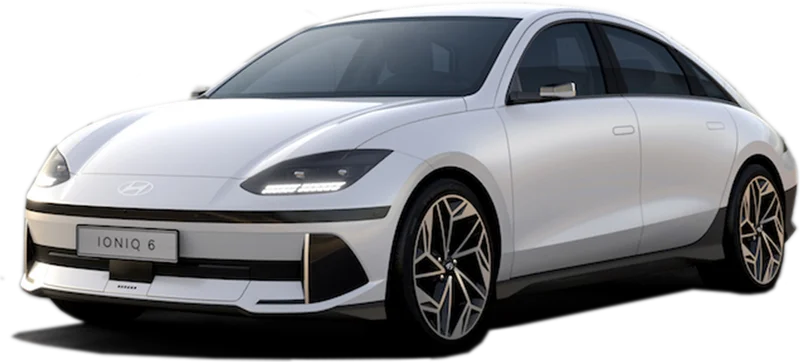
Hyundai Ioniq 6
Score: 82/100
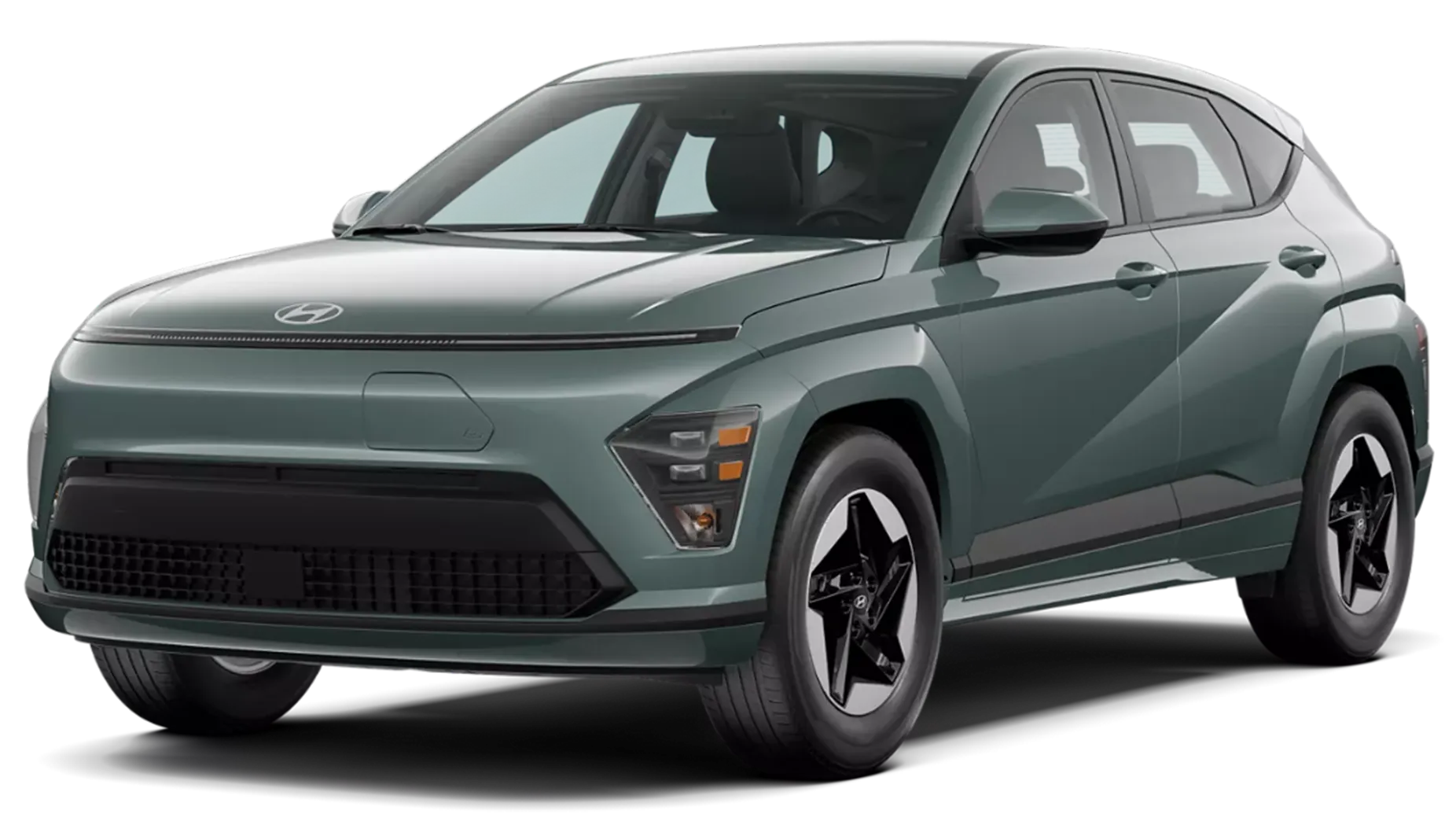
Hyundai Kona
Score: 67/100
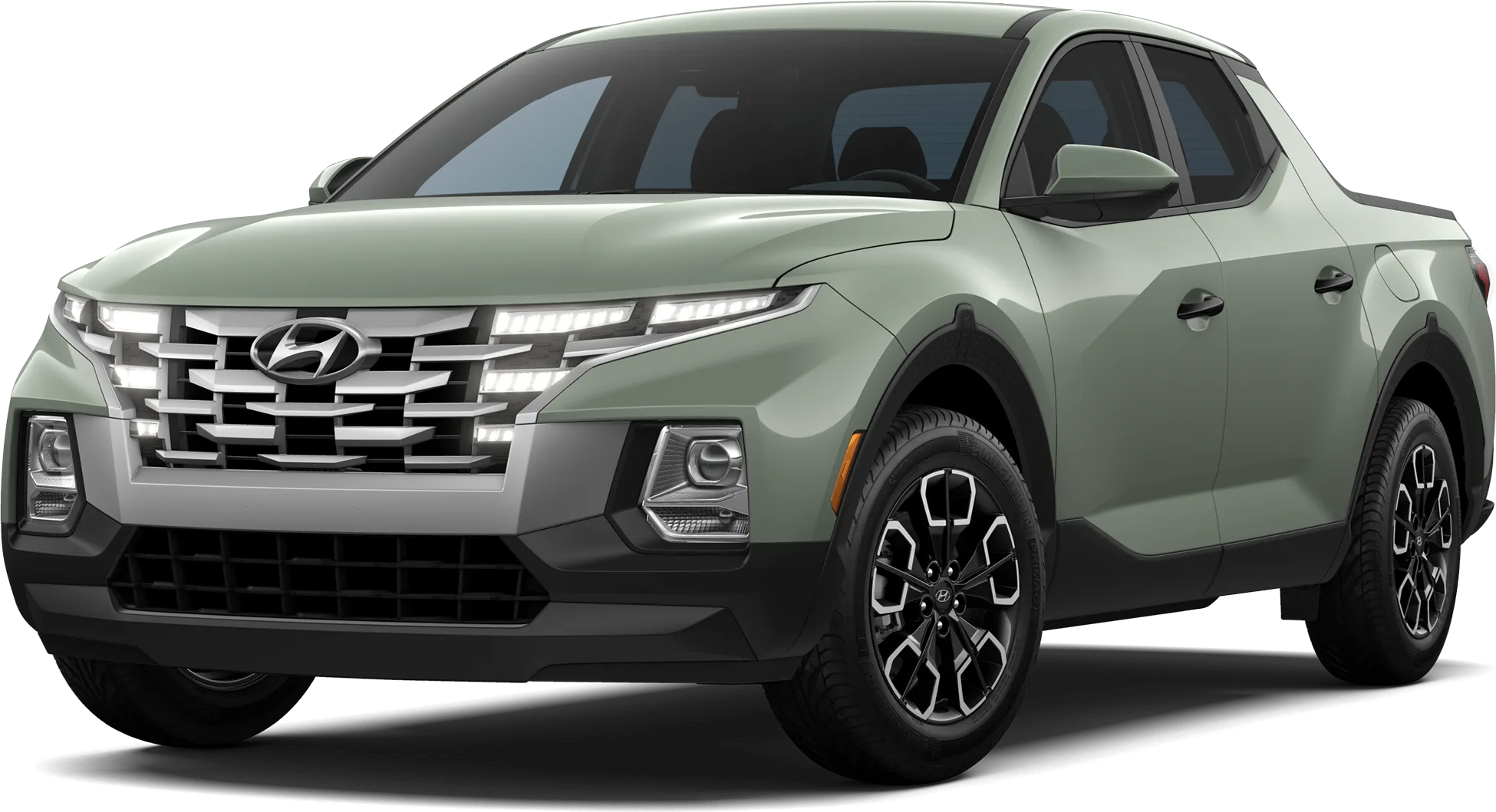
Hyundai Santa Cruz
Score: 74/100
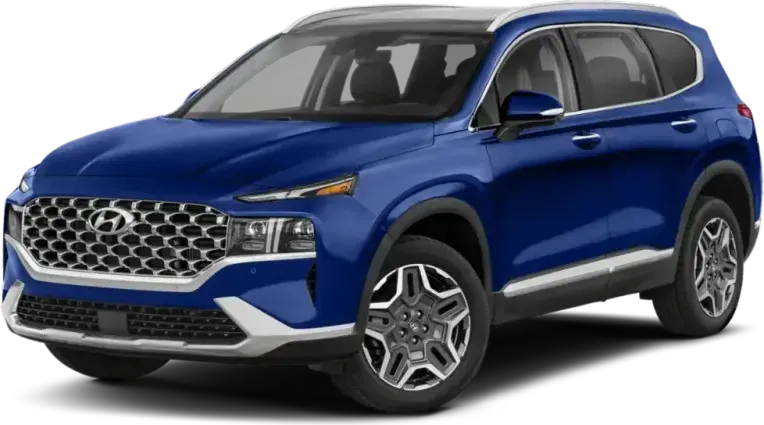
Hyundai Santa Fe
Score: 75/100
Browse More 2021 Vehicles
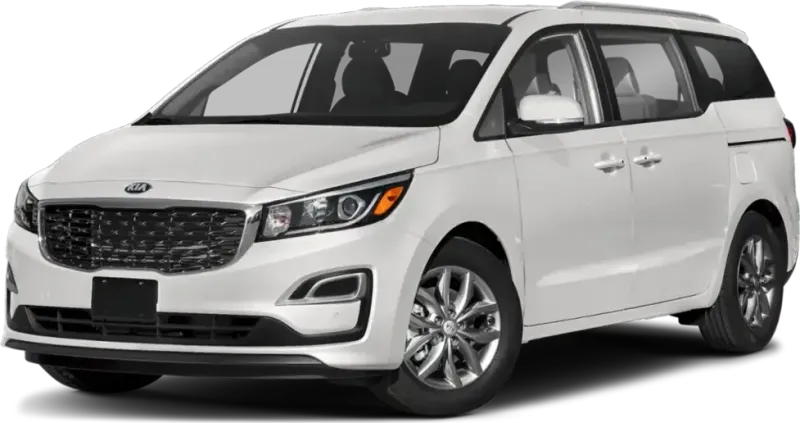
2021 Kia Sedona
Score: 88/100
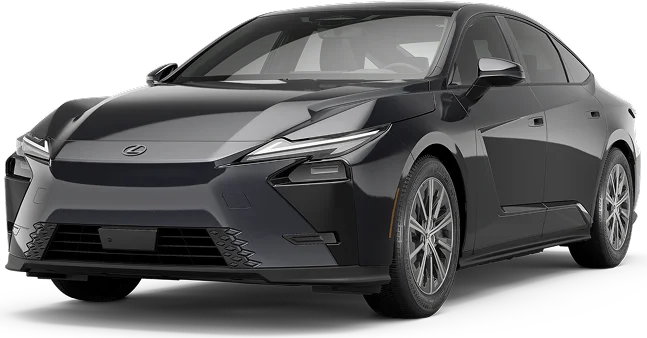
2021 Lexus ES
Score: 88/100
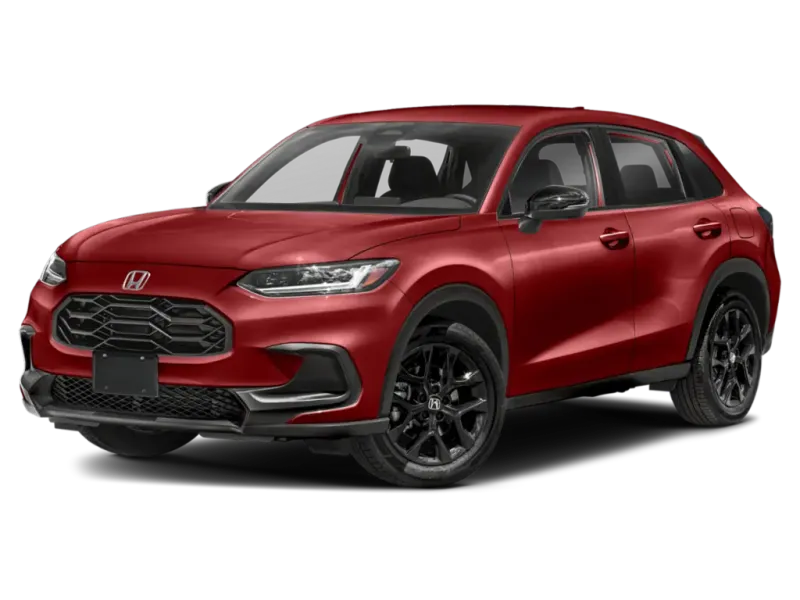
2021 Honda HR-V
Score: 86/100
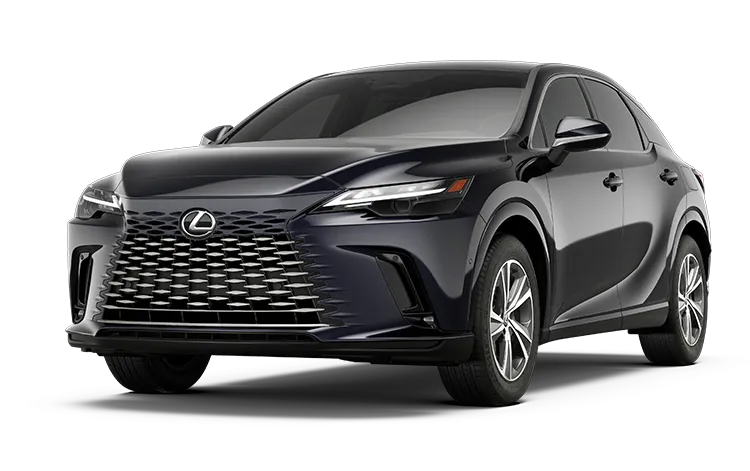
2021 Lexus RX
Score: 86/100
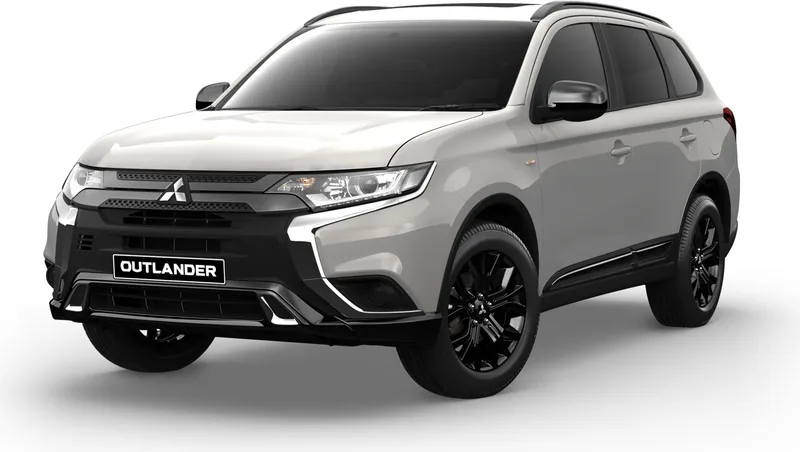
2021 Mitsubishi Outlander
Score: 84/100
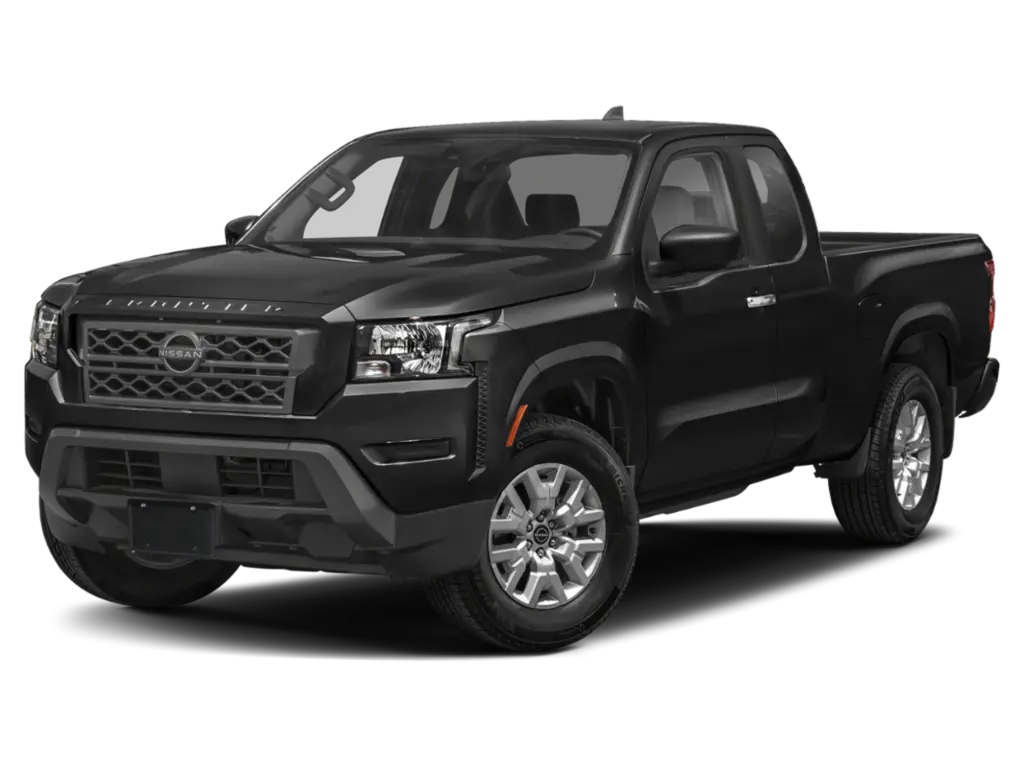
2021 Nissan Frontier
Score: 84/100
See incorrect data? Report an issue