Last updated: 2026-10-10

2026 Hyundai Palisade Reliability Report
The 2026 Hyundai Palisade has a good reliability standing, but owners report digital instrument clusters that go black while driving.
Recalls
2
Complaints
23
Complaint Rate
26.7per 10,000 sold
Est. Repair Cost
$573
Annual Fuel Cost
$2,850–$3,150
Detailed Score Breakdown
Component-weighted complaints normalized by sales volume
Independent repair cost ratings
Recall count weighted by severity
Breadth of reported problem categories
The Verdict
Ranks first of seven scored Palisade years, though its short time on the road explains some of the low complaint count; electrical faults lead.
Top Issues to Watch
- ELECTRICAL SYSTEM (7)
- VEHICLE SPEED CONTROL (4)
- SEATS (3)
Generation & Refresh (US)
2026 is 4 years after the facelift refresh.
- Year 7 in the First generation (LX2; 2018) (2020–present).
- Well-established in its generation — most early issues should be resolved.
- 1st generation Palisade (US).
What this means for buyers
Post-refresh years tend to be among the most refined — updates have been applied and early kinks worked out.
2020: First generation (LX2; 2018) Launch
Generation start — new platform.
2022: Mid-Cycle Refresh
Updated features and styling tweaks.
2026: This Model Year
2026 is 4 years after the facelift refresh.
Should You Buy the 2026 Hyundai Palisade?
Reliability standing is good, but this year sits below average against other 2026 SUVs. Within the Palisade lineup it ranks first of seven scored years, though its 23 owner complaints are few partly because it has had little time on the road. The 2025 model rates about the same, with 139 complaints and 3 recalls.
Electrical faults lead the complaints. The digital instrument cluster goes black or restarts while driving, taking the speedometer, tachometer and turn signal indicators with it. Some owners report a battery that dies without warning on a new vehicle, at 225 to 500 miles. Dealers often find nothing wrong. Two recalls cover the electrical system. Owners also describe the power-folding second-row seats continuing to move when they hit a person, with two injuries reported, and cruise control that shuts off and slows the car sharply at highway speed.
Ask the seller for proof that both electrical recalls were completed. Test the second-row seat button with the area clear, and keep children away from it. A 2025 is worth comparing, since it rates about the same.
See also the 2025 Hyundai Palisade for an earlier comparison.
Pros
- +Acceptable reliability score
- +Low recall count
- +Well-established generation
- +Only 23 complaints reported
Cons
- −Above-average complaint rate for SUV
- −ELECTRICAL SYSTEM: Digital instrument cluster goes black or restarts while driving (7 complaints)
- −VEHICLE SPEED CONTROL: After startup, the speedometer can lag 7-10 seconds and read zero while the car... (4 complaints)
Compare 2026 Hyundai Palisade With
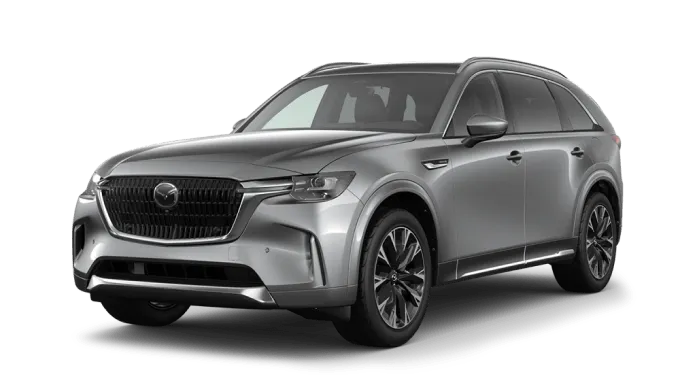
2026 Mazda CX-90
Reliability: 72/100
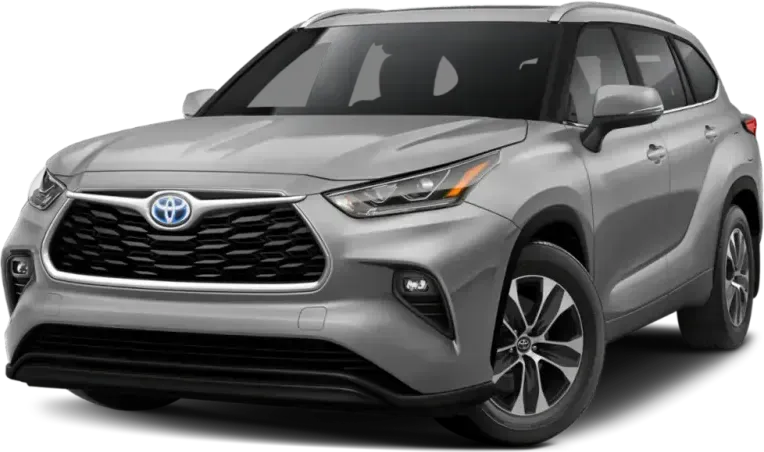
2026 Toyota Highlander
Reliability: 84/100
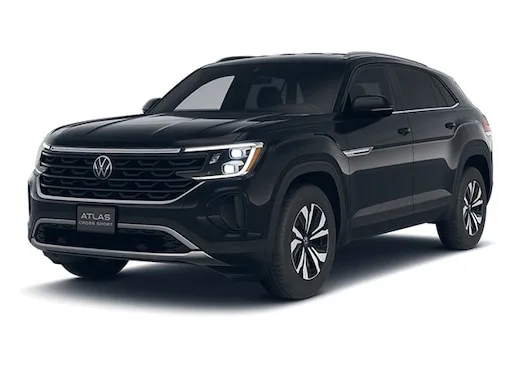
2026 Volkswagen Atlas
Reliability: 64/100
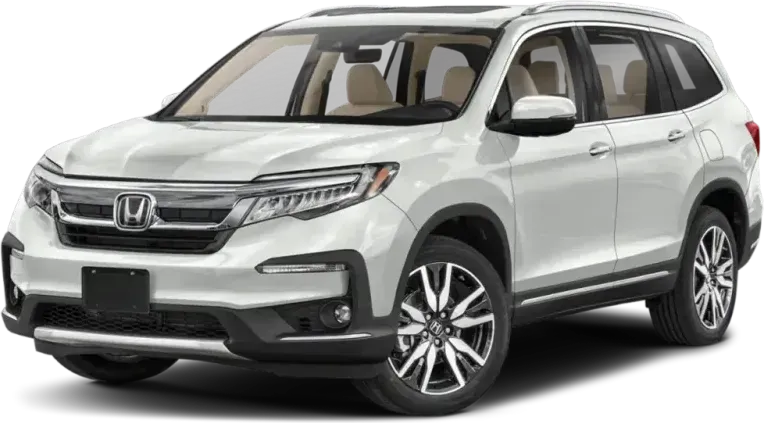
2026 Honda Pilot
Reliability: 81/100

2026 Buick Enclave
Reliability: 81/100
Common Problem Categories
Safety
LOW RISK- 2 manufacturer recalls issued
Other
HIGH RISK- ELECTRICAL SYSTEM (7)
- VEHICLE SPEED CONTROL (4)
Recall Overview
2
recalls on record
The 2026 Hyundai Palisade carries 2 recalls — a low count. Authorized dealers repair any open recall free of charge, regardless of warranty status.
NHTSA.gov →Complaint Breakdown
26.7
per 10,000 soldSegment avg: 4.6
Safety Incidents
1
Crashes
0
Fires
2
Injuries
0
Deaths
Data sourced from NHTSA complaint filings and manufacturer recall notices. Complaint narratives are owner-reported.
2026 Hyundai Palisade Recall Details
2 recalls have been issued for the 2026 Hyundai Palisade. All recall repairs are performed free of charge at authorized dealerships.
ELECTRICAL SYSTEM
Hyundai Motor America (Hyundai) is recalling certain 2025-2026 Tucson Hybrid, Tucson Plug-In Hybrid Electric (PHEV), 2026 IONIQ 5, Santa Cruz, Kona, Palisade, Palisade Hybrid, Santa Fe, Santa Fe Hybrid, Sonata, Sonata Hybrid, and Tucson vehicles. Due to a software error, the instrument panel display may fail. As such, these vehicles fail to comply with the requirements of Federal Motor Vehicle Safety Standard (FMVSS) number 101, "Controls and Displays."
Consequence
An instrument panel display that fails to show critical safety information, such as the speedometer or warning lights, increases the risk of a crash.
Remedy
The instrument panel display software will be updated over-the-air (OTA) or by a dealer, free of charge. Owner notification letters are expected to be mailed March 27, 2026. Owners may contact Hyundai's customer service at 855-371-9460. Hyundai's number for this recall is 293. Vehicle Identification Numbers (VINs) involved in this recall became searchable on NHTSA.gov on January 28, 2026.
Buying a used 2026 Hyundai Palisade? Check its history first
Electrical system problems lead owner complaints about the 2026 Hyundai Palisade, and 2 recalls were issued for it. A VIN check shows whether this car's recall work was done, plus accident, title, and odometer history.
- Accidents
- Open Recalls
- Title History
- Odometer Rollback
2026 Hyundai Palisade NHTSA Safety Ratings
Crash Test Results by Configuration (expand)
BEV / Gas Powertrain
Rollover risk: 0.0%
Safety Technologies
HEV Powertrain
Rollover risk: 0.0%
Safety Technologies
Hyundai PalisadeRepair Costs & Maintenance
Maintenance Rating
3.5Maintenance rating: 3.5 out of 5Based on NHTSA complaint patterns, recall severity, and publicly available cost benchmarks.
Est. Annual Maintenance
$573
Repair Frequency
0.4
unscheduled repair visits per year
Category-level averages derived from publicly available industry reports (AAA, CarMD). Model-level estimates produced by Auto Reliability Index.
Hyundai Palisade Resale Value
The Hyundai Palisade is estimated to retain about 100% of its original value after 1 year, based on observed used-car listings.
This benchmark covers the Hyundai Palisade model overall and is not specific to the 2026 model year.
- Value Retained
- 100%
- Depreciation
- 0%
- Listings Analyzed
- 13
after 1 year
over the same period
U.S. used-car listings
Listings observed in . This is a historical market benchmark, not a current price quote.
Explore Hyundai Palisade depreciation and resale value on CarResaleValue.comMPG & Annual Running Costs
Gas
19–21 MPG
Running cost: $3,400–$3,700/yr
Fuel + repair
16–19 city / 22–25 hwy MPG
Hybrid
29–34 MPG
Running cost: $2,300–$2,600/yr
Fuel + repair
29–33 city / 30–35 hwy MPG
Running cost includes EPA fuel-cost estimate and independent repair-cost data (repair cost estimated at model level). Excludes routine maintenance, depreciation, and insurance. Data as of 2026 EPA label cycle.
Gas trims
| Trim | Drive | Trans. | City | Hwy | Comb | Fuel Cost |
|---|---|---|---|---|---|---|
| Palisade FWD 3.5L 6-cyl | Front-Wheel Drive | Automatic (S8) | 19 | 25 | 21 | $2,850 |
| Palisade AWD 3.5L 6-cyl | All-Wheel Drive | Automatic (S8) | 18 | 24 | 20 | $3,000 |
| Palisade XRT Pro 3.5L 6-cyl | All-Wheel Drive | Automatic (S8) | 16 | 22 | 19 | $3,150 |
Hybrid trims
| Trim | Drive | Trans. | City | Hwy | Comb | Fuel Cost |
|---|---|---|---|---|---|---|
| Palisade Hybrid FWD Blue 2.5L 4-cyl | Front-Wheel Drive | Automatic (AM-S6) | 33 | 35 | 34 | $1,750 |
| Palisade Hybrid FWD 2.5L 4-cyl | Front-Wheel Drive | Automatic (AM-S6) | 31 | 32 | 31 | $1,950 |
| Palisade Hybrid AWD 2.5L 4-cyl | All-Wheel Drive | Automatic (AM-S6) | 29 | 30 | 29 | $2,050 |
Used Buying Checklist
Key things to inspect or verify before purchasing a 2026 Hyundai Palisade.
Ask whether the car has ever needed a jump start, and check how the battery and digital key behave after it sits several days.
On a long test drive, watch the instrument cluster and center screen for blackouts, restarts or wrong speed readings.
Pull away right after a cold start and confirm the speedometer responds at once, not seconds later.
Run cruise control on the highway and note whether attention alerts keep repeating and switch cruise off.
Fold and slide the second-row power seats against a firm cushion to see whether they stop, and practice stopping them with the button.
Accelerate gently from a stop and through low speeds, feeling for bucking, jolting or hesitation.
On hybrids, compare the trip fuel economy display with the expected 29 to 30 mpg.
Ask for repair orders covering cluster blackouts, battery tests or drivability complaints.
2026 Hyundai Palisade Common Problems by Component
23 owner complaints grouped by vehicle system.
ELECTRICAL SYSTEM
7 complaintsThe digital instrument cluster goes black or restarts while driving. It takes the speedometer, tachometer, turn signal indicators and sometimes the head-up display with it. Some reports describe wrong speed and RPM readings, and the center screen can also black out and reset. Separately, the battery dies without warning on new vehicles under 500 miles, and some owners blame the digital key. Dealers often test the battery and find nothing, or say they can't fix the cluster unless it fails in the shop. One report describes the sunroof glass shattering while driving.
VEHICLE SPEED CONTROL
4 complaintsSafety-relatedAfter startup, the speedometer can lag 7-10 seconds and read zero while the car is moving at highway speed. Driver attention alerts fire every few seconds to minutes while cruise control is on. After repeated warnings, cruise control shuts off and the car slows sharply at highway speed. One crash report describes unintended acceleration while parking at about 6,100 miles, with no warning light, ending in a collision with a parked car. One filing in this group actually describes a 2025 Tucson Hybrid.
SEATS
3 complaintsPower-folding second-row seats keep moving when they hit a person. Both injury reports describe passengers getting pinned, one against the back of the front seat and one against the door frame while climbing out of the third row. A dealer confirmed there is no sensor to stop the seat. The only way to halt it is to press the button again, and a bumped fold button can start the motion. Owners flag children as especially at risk.
POWER TRAIN (3 complaints)
POWER TRAIN
3 complaintsHesitation, bucking and jolting at different speeds start almost as soon as the car is delivered and get worse over the first month. Dealers have blamed this on the car still learning the driver's habits. Hybrid fuel economy can fall to about 15 mpg against an expected 29 to 30 after a dead-battery episode. A strange noise and a failed dash cam were also reported. These problems show up at very low mileage, including 225 miles. One filing gives no details.
FORWARD COLLISION AVOIDANCE (1 complaints)
FORWARD COLLISION AVOIDANCE
1 complaintWhile driving, the vehicle displays a warning of "Eyes on Road, Hands on Wheel". It has happened 6x since vehicle purchase, most recent on 10 Jan 26. The most recent occurrence was 10 Jan 26. Hyundai has issued a bulletin that this could occur when wearing sunglasses. The most recent time it was raining, no sun, no sunglasses and hands were on wheel at 10/2. Warning message displayed for several seconds (eyes on road/hands on wheel) and then went into stop mode on the highway. Tapping the brakes broke the lock and are continued without stopping. Been to dealership 3x. Hyundai says it can be caused due to sunglasses. Most recent time, no sunglasses.
SEAT BELTS (1 complaints)
SEAT BELTS
1 complaintDear Public Safety office, I am writing to request clarification regarding the proper operation of seat belt retractors. I want to ensure that I fully understand how seat belt mechanisms are intended to function during normal adult use. The reason for my inquiry is that I am experiencing inconsistent behavior between the driver side and passenger side seat belts in my new vehicle (Hyundai Palisade Calligraphy 2026). I have taken the car to the dealership and they informed me that it's working as expected by Hyundai but I am still unclear. I want to confirm whether the behavior I am seeing aligns with safety requirements. Here is what I am observing: •The driver side seat belt behaves as I would expect: if pulled fully and released quickly, it locks momentarily, but it releases normally on the next pull. •The passenger side seat belt, however, locks and remains locked, preventing the occupant from pulling the belt out again and moving even a quarter of an inch. This only unlocks when they completely unlatch and relatch it. This occurs even when the belt has not been fully extended. My questions are: 1.Should a seat belt ever remain locked to the point where an adult passenger cannot pull the belt out again without unlatching it and not even move a bit? 2.Is it expected for the driver and passenger retractors to behave differently under normal use? I want to ensure that I understand the federal requirements correctly before pursuing further inspection or repair. Any guidance or clarification you can provide would be greatly appreciated. Thank you for your time and assistance. Sincerely, [XXX] INFORMATION REDACTED PURSUANT TO THE FREEDOM OF INFORMATION ACT (FOIA), 5 U.S.C. 552(B)(6)
UNKNOWN OR OTHER (1 complaints)
UNKNOWN OR OTHER
1 complaintThe front grille on my 2026 Hyundai Palisade Calligraphy has developed visible deformation that appears consistent with heat damage or melting. The plastic behind and around the grille slats shows wavy, rippled distortion and texture changes. There is no evidence of impact damage, road debris, or external chemical exposure. The vehicle has approximately 2,000 miles and is only about 42 days old. The vehicle is unmodified and has been used under normal driving conditions. This damage appears to be a material or manufacturing defect, as automotive grille plastics should not deform under normal operating temperatures. I took the vehicle to an authorized Hyundai service center. The dealer acknowledged the condition but stated it would not be covered under warranty, claiming there is nothing mechanical wrong and that it is not a defect. No alternative explanation was provided for the heat-related deformation. I am concerned this may be related to excessive heat buildup behind the grille, material failure, or a design issue involving airflow, active grille shutters, or reflective trim. This condition should not occur on a new vehicle and may affect vehicle safety, cooling performance, or long-term durability. Photos of the affected grille areas are attached for reference.
ENGINE (1 complaints)
ENGINE
1 complaintI have been continuously receiving check engine notifications that show the engine cylinders misfiring. This seems to only happen at highway speeds which could cause a safety hazard should the driver need to accelerate for merging/passing/etc. I have brought this issue into the dealership once so far and they said they couldn't do anything since they were unable to replicate the issue while driving it. From what I've seen online, many other owners of this vehicle are having similar problems with the same responses from their local dealerships.
SERVICE BRAKES (1 complaints)
SERVICE BRAKES
1 complaintPalisade brake problems across all model years
Driving around 30mph pressing brakes to slow down and brakes felt softer than normal. Noticed when around 7 mph car continues to not come to full stop but continued to move. This happened 3 times during the same drive. Once on my street I attempted to slow down to turn into my driveway. Car reduced to 5mph but jersey and accelerated. Had to slam brakes to stop. Was not detected by dash cam which is programed to record driving events. Bought a sante fe car in Sept 2026. Had same incident. Swapped it for 2026 palisade calligraphy, had same incident. Swapped for this one..dealership says could not duplicate. Obvious it is not an isolated problem. What can be done?
FUEL/PROPULSION SYSTEM (1 complaints)
FUEL/PROPULSION SYSTEM
1 complaintWhile driving we suddenly lost acceleration and the pedal all the way to the floor made no difference. It came back fairly quick, but this has happened several times. We contacted Hyundai Corporate Reference # XXXon 11/15/25 We then went to the local dealership Invoice number XXXwhere we were told they didn’t know the cause and couldn’t duplicate it. That was anlso on 11/15/25. Since then it happened a couple more times. I feel this is very dangerous. We lost all acceleration on the highway in traffic. Date we took the car in was November 15. It happened the third time Nov 14, 2025 It also happened again on December 1. INFORMATION REDACTED PURSUANT TO THE FREEDOM OF INFORMATION ACT (FOIA), 5 U.S.C. 552(B)(6)
When Do 2026 Hyundai Palisade Problems Start?
Based on owner complaint patterns, here's when common issues tend to appear.
Best & Worst Hyundai Palisade Years
Best Hyundai Palisade Years to Buy
Based on reliability index scoreHyundai Palisade Years to Avoid
Hyundai Palisade Reliability Score Trend
Scores 0–100. Higher is better. Current year highlighted.
| Year | Score | Rating |
|---|---|---|
| 2020 | 59/100 | Mixed |
| 2021 | 61/100 | Good |
| 2022 | 65/100 | Good |
| 2023 | 62/100 | Good |
| 2024 | 63/100 | Good |
| 2025 | 70/100 | Good |
| 2026 | 72/100 | Good |
Hyundai Palisade Reliability Compared to Other Years
2026 Hyundai Palisade Reliability by Powertrain
The 2026 Hyundai Palisade is available with 2powertrain options. Here's how they compare on reliability.
| Powertrain | Complaints | Recalls | Incidents* | Crash Rating |
|---|---|---|---|---|
| BEV / Gas | 23 | 1 | 1 | N/T |
| HEV | 0 | 1 | 0 | N/T |
| Total | 23 | 2 | 1 |
NHTSA tracks complaints by vehicle configuration when that detail is available. Model-level reports that do not identify a specific powertrain are included in Total but not assigned to a row. A plus sign indicates a confirmed minimum; — means no complaints could be attributed to that specific powertrain. N/T = Not tested by NHTSA.
* Incidents = crash + fire reports. A single complaint can include multiple incident types.
Frequently Asked Questions
Is the 2026 Hyundai Palisade reliable?
What are the most common problems with the 2026 Hyundai Palisade?
Does the 2026 Hyundai Palisade have instrument cluster problems?
Are the second-row seats on the 2026 Hyundai Palisade safe?
Does the 2026 Hyundai Palisade have any recalls?
Don’t buy a 2026 Hyundai Palisade without checking its VIN first — hidden accidents, title issues, and open recalls could cost you thousands.
How we score the 2026 Hyundai Palisade
Of the four inputs behind this score, the 2026 Hyundai Palisade does best on recall impact (88/100) and worst on complaint severity (60/100). Scores weight complaint severity at 35%, repair costs at 30%, recall impact at 20%, and the spread of complaints across systems at 15%, with complaint counts adjusted for US sales. Read the full methodology.
Get notified when new recalls or reliability data is added for the Hyundai Palisade.
No spam. Only data updates for this model.
Browse More Hyundai Models
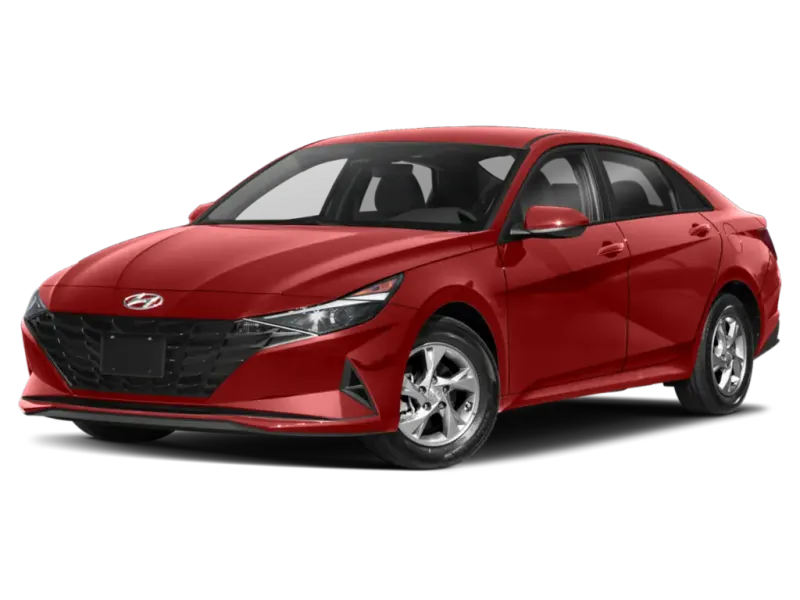
Hyundai Elantra
Score: 94/100
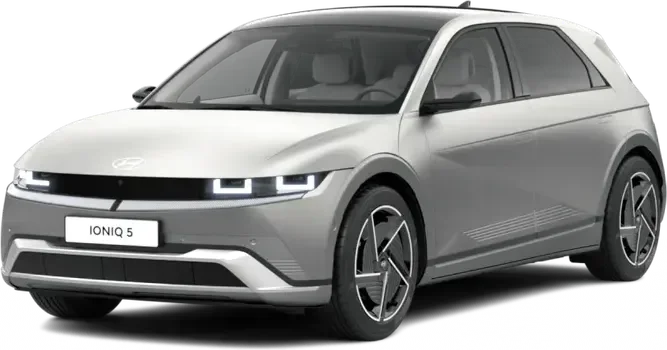
Hyundai Ioniq 5
Score: 63/100
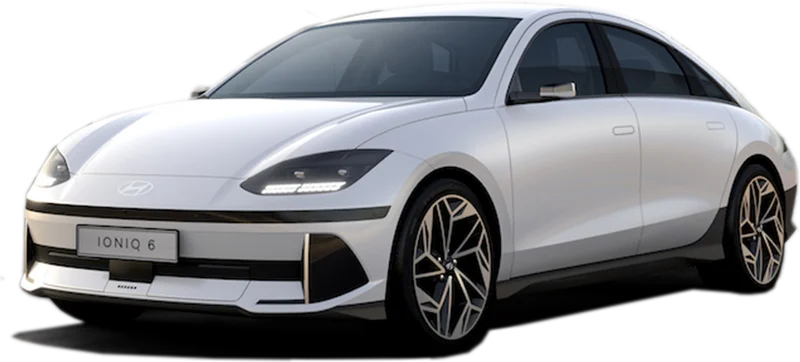
Hyundai Ioniq 6
Score: 82/100
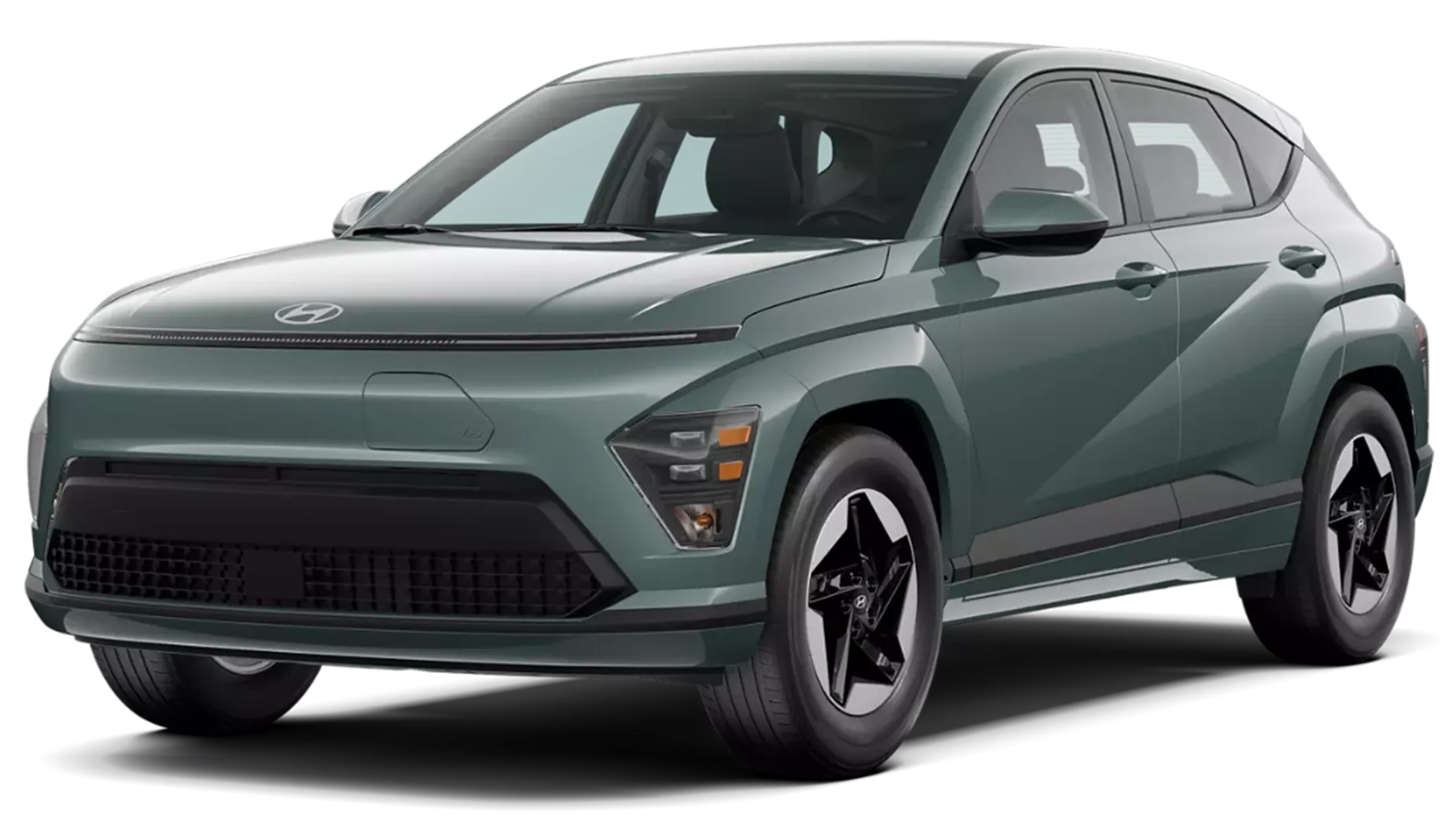
Hyundai Kona
Score: 67/100
Hyundai Santa Cruz
Score: 74/100
Hyundai Santa Fe
Score: 75/100
Browse More 2026 Vehicles

2026 Honda HR-V
Score: 100/100
2026 Lexus RX
Score: 95/100
2026 Subaru Crosstrek
Score: 94/100

2026 Mazda CX-5
Score: 94/100

2026 Toyota Corolla Cross
Score: 94/100
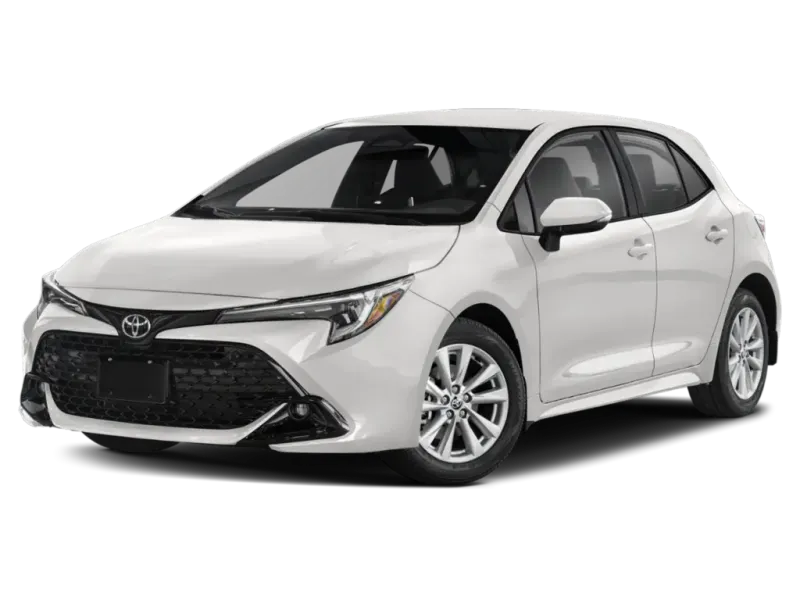
2026 Toyota Corolla
Score: 94/100
See incorrect data? Report an issue