Last updated: 2026-10-10
Hyundai Palisade vs Volkswagen Atlas: Reliability Compared
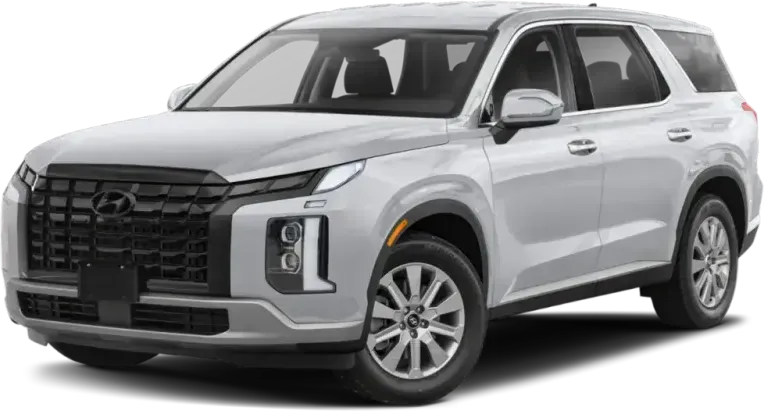
Hyundai Palisade
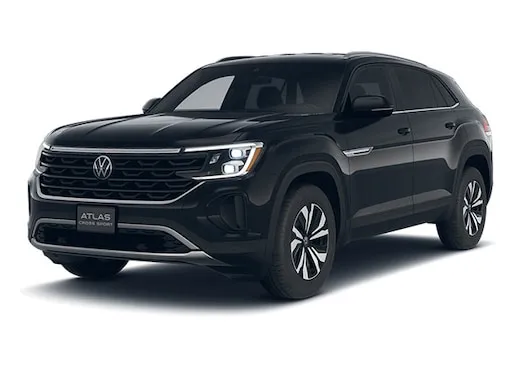
Volkswagen Atlas
The Hyundai Palisade comes out well ahead of the Volkswagen Atlas on reliability. It has far fewer federal recalls, while the Atlas has more complaints per vehicle sold and a long list of stalling and electrical faults. Both have brake problems worth checking.
How Do the Hyundai Palisade and Volkswagen Atlas Generations Compare?
Verdict
The Hyundai Palisade is more reliable than the Volkswagen Atlas, scoring 65/100 vs 54/100.
The more reliable choice is the Palisade, and the gap is large. It has far fewer recalls across its model years, fewer owner complaints per vehicle sold, and low repair costs. The Atlas has a standing that is only mixed. Its stalling, start-stop failures, and an air bag sensor recall with parts reportedly unavailable weigh on it. The Palisade has real faults too, mainly brake and windshield complaints, but they are less widespread.
Key Differences
- 1Hyundai Palisade has 86 fewer total recalls
- 2Hyundai Palisade scores 11 points higher in reliability
- 3Hyundai Palisade has 5.1 fewer complaints per 10k sold
Category Scoreboard
Hyundai Palisade vs Volkswagen Atlas: Which Is More Reliable?
| Metric | Hyundai Palisade | Volkswagen Atlas |
|---|---|---|
| Reliability Score | 65/100 | 54/100 |
| Years Tracked | 7 | 9 |
| Total Recalls | 33 | 119 |
| Complaints per 10k Sold | 31.7 | 36.8 |
| Year Wins | 7 | 0 |
What Are the Common Problems With the Hyundai Palisade and Volkswagen Atlas?
Different failures define each one. Palisade owners describe ABS that grabs on bumps and rail crossings, rear shocks that fail around 20,000 to 37,000 miles, and windshields that crack within the first few thousand miles. Atlas owners describe engines that stall at low speed, start-stop systems that will not restart the car, and dash screens that go black. The Atlas also has the heavier crash record in its air bag area, with 20 crash-linked complaints, including air bags that did not deploy or deployed late. The Palisade's most crash-linked area is service brakes, at 15.
| Component | Hyundai Palisade | Volkswagen Atlas |
|---|---|---|
| ELECTRICAL SYSTEM | 2.1Low | 8.9Above Avg |
| SERVICE BRAKES | 5.3Average | 3.8Average |
| AIR BAGS | 0.2Very Low | 6.4Average |
| UNKNOWN OR OTHER | 2.2Low | 3.8Average |
| ENGINE | 1.4Low | 3.1Average |
| VISIBILITY/WIPER | 3.7Average | 0.2Very Low |
| SEAT BELTS | 3.9Average | —None |
| POWER TRAIN | 1.6Low | 1.5Low |
| SUSPENSION | 2.3Low | —None |
| STEERING | 0.9Very Low | 1.3Low |
| FORWARD COLLISION AVOIDANCE | —None | 1.6Low |
| STRUCTURE | 1Very Low | 0.1Very Low |
| EXTERIOR LIGHTING | —None | 1.1Low |
| VISIBILITY | 0.7Very Low | —None |
| TRAILER HITCHES | 0.4Very Low | —None |
| VEHICLE SPEED CONTROL | 0.2Very Low | 0.2Very Low |
| SEATS | —None | 0.4Very Low |
| LANE DEPARTURE | —None | 0.1Very Low |
| BACK OVER PREVENTION | —None | 0.1Very Low |
| FUEL/PROPULSION SYSTEM | —None | 0.1Very Low |
| ENGINE AND ENGINE COOLING | —None | 0.1Very Low |
Complaints per 10,000 units sold, aggregated across all tracked model years from NHTSA owner reports.
How Does Hyundai Palisade vs Volkswagen Atlas Reliability Compare by Year?
| Year | Hyundai Palisade | Volkswagen Atlas | Edge |
|---|---|---|---|
| 2026 | 72/1002R / 23C | 64/1000R / 0C | Hyundai Palisade |
| 2025 | 70/1003R / 139C | 65/1008R / 30C | Hyundai Palisade |
| 2024 | 63/1005R / 304C | 54/10014R / 209C | Hyundai Palisade |
| 2023 | 62/1005R / 326C | 58/10011R / 114C | Hyundai Palisade |
| 2022 | 65/1005R / 241C | 50/10014R / 217C | Hyundai Palisade |
| 2021 | 61/1006R / 354C | 44/10030R / 540C | Hyundai Palisade |
| 2020 | 59/1007R / 521C | 57/10015R / 116C | Hyundai Palisade |
Best years to cross-shop: The 2022 Hyundai Palisade scored 65/100 and the 2023 Volkswagen Atlas scored 58/100 — the strongest shared model years that have been on the road for at least two years, where available.
Who Should Buy the Hyundai Palisade vs the Volkswagen Atlas?
Hyundai Palisade vs Volkswagen Atlas: Common Questions
- Is the Hyundai Palisade more reliable than the Volkswagen Atlas?
- Yes, by a large margin. The Palisade's standing is good, while the Atlas is only mixed. The Palisade has far fewer recalls and fewer owner complaints per vehicle sold. Atlas owners report stalling, start-stop failures, and air bag sensor problems that the Palisade's complaint list does not show.
- Which has more recalls, the Palisade or the Atlas?
- The Atlas has more. Federal recall records show 119 recalls across nine Atlas model years, against 33 across seven Palisade model years. Even allowing for the Atlas being on the road two years longer, the gap is wide.
- What are the most common Volkswagen Atlas problems?
- Electrical faults lead, with 512 complaints. Typical reports are the engine shutting off at stops and the start-stop system not restarting it, plus dash and infotainment screens going black. Air bag complaints come next, mostly about a recalled passenger sensor. Brake noise and unexpected engine stalling follow.
- Are there serious safety complaints about the Hyundai Palisade?
- Yes, mainly with brakes. Owners report the ABS kicking in over bumps and rail crossings at low speed, and 15 of the brake complaints are crash-linked. Seat belt buckles unlatching and windshields cracking early are also common. Check these areas before buying.
- Which Palisade and Atlas years should I avoid?
- For the Palisade, avoid 2020 and 2021, its weakest years. For the Atlas, avoid 2018 and 2021. Both models rate best in 2025 and 2026, but those years are newer and have had less time to collect complaints, so do not treat them as proven.
Related Reliability Comparisons
More Hyundai Palisade comparisons
Decided between Hyundai Palisade and Volkswagen Atlas? Run a VIN check before you buy — uncover hidden accidents, title issues, and open recalls.
How we score the Hyundai Palisade and Volkswagen Atlas
Scores weight complaint severity at 35%, repair costs at 30%, recall impact at 20%, and the spread of complaints across systems at 15%, with complaint counts adjusted for US sales. Read the full methodology.
See incorrect data? Report an issue