Last updated: 2026-10-10
Hyundai Palisade vs Mazda CX-90: Reliability Compared

Hyundai Palisade
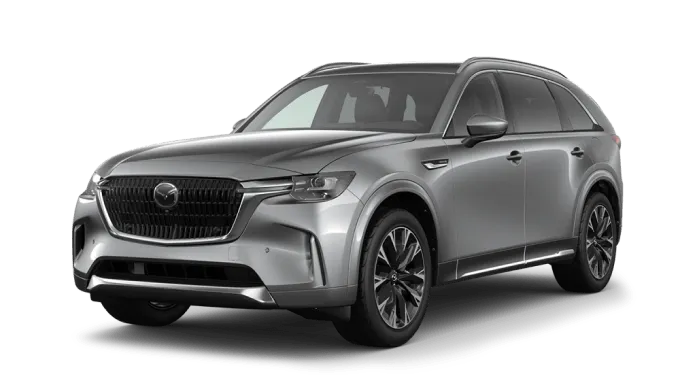
Mazda CX-90
Reliability favors the Hyundai Palisade over the Mazda CX-90, and the edge is clear. Owners report problems with the CX-90 at a much higher rate, and its worst reports involve hybrid shutdowns and steering that binds, while the Palisade's top complaints are mostly less disabling.
How Do the Hyundai Palisade and Mazda CX-90 Generations Compare?
Verdict
The Hyundai Palisade is more reliable than the Mazda CX-90, scoring 65/100 vs 58/100.
Reliability favors the Palisade, and the edge is clear. Owners file far fewer complaints per vehicle sold, and its worst problems, like windshield cracks and worn rear shocks, usually leave the car drivable. The CX-90's worst reports involve a hybrid system that shuts the car down, sometimes within days of purchase, and steering that binds in turns. Dealers often could not find the cause. The Palisade has more recalls in total, but it also covers seven model years against three.
Key Differences
- 1Hyundai Palisade has 79.5 fewer complaints per 10k sold
- 2Mazda CX-90 has 20 fewer total recalls
- 3Hyundai Palisade scores 7 points higher in reliability
Category Scoreboard
Hyundai Palisade vs Mazda CX-90: Which Is More Reliable?
| Metric | Hyundai Palisade | Mazda CX-90 |
|---|---|---|
| Reliability Score | 65/100 | 58/100 |
| Years Tracked | 7 | 3 |
| Total Recalls | 33 | 13 |
| Complaints per 10k Sold | 31.7 | 111.2 |
| Year Wins | 2 (1 tied) | 0 (1 tied) |
What Are the Common Problems With the Hyundai Palisade and Mazda CX-90?
Brakes, seat belts, glass, and rear shocks drive the Palisade's complaints. Its ABS can kick in over bumps and let the car roll past stops at low speed, and 15 of those brake complaints are crash-linked. Seat belt buckles also unlatch while driving. The CX-90's problems hit drivability. The hybrid system shuts down with "electrical leakage detected" warnings, and the car then will not shift out of park. Steering binds or sticks in turns, with 5 crash-linked reports. Driver-assist shutoffs and stalls in traffic round out its list. Both models have crash-linked electrical complaints.
| Component | Hyundai Palisade | Mazda CX-90 |
|---|---|---|
| STEERING | 0.9Very Low | 31.8High |
| ELECTRICAL SYSTEM | 2.1Low | 17.5High |
| FORWARD COLLISION AVOIDANCE | —None | 11.5Above Avg |
| UNKNOWN OR OTHER | 2.2Low | 8.7Above Avg |
| POWER TRAIN | 1.6Low | 8.3Above Avg |
| ENGINE | 1.4Low | 6.8Average |
| SERVICE BRAKES | 5.3Average | 2.8Low |
| VISIBILITY/WIPER | 3.7Average | 4Average |
| VEHICLE SPEED CONTROL | 0.2Very Low | 6.4Average |
| SEAT BELTS | 3.9Average | —None |
| STRUCTURE | 1Very Low | 1.6Low |
| SUSPENSION | 2.3Low | —None |
| VISIBILITY | 0.7Very Low | —None |
| TRAILER HITCHES | 0.4Very Low | —None |
| AIR BAGS | 0.2Very Low | —None |
| SEATS | —None | —None |
| LANE DEPARTURE | —None | —None |
| BACK OVER PREVENTION | —None | —None |
Complaints per 10,000 units sold, aggregated across all tracked model years from NHTSA owner reports.
How Does Hyundai Palisade vs Mazda CX-90 Reliability Compare by Year?
| Year | Hyundai Palisade | Mazda CX-90 | Edge |
|---|---|---|---|
| 2026 | 72/1002R / 23C | 72/1000R / 0C | Tie |
| 2025 | 70/1003R / 139C | 63/1002R / 21C | Hyundai Palisade |
| 2024 | 63/1005R / 304C | 38/10011R / 259C | Hyundai Palisade |
Best years to cross-shop: The 2024 Hyundai Palisade scored 63/100 and the 2024 Mazda CX-90 scored 38/100 — the strongest shared model years that have been on the road for at least two years, where available.
Who Should Buy the Hyundai Palisade vs the Mazda CX-90?
Hyundai Palisade vs Mazda CX-90: Common Questions
- Is the Hyundai Palisade more reliable than the Mazda CX-90?
- Yes, the Palisade has a clear edge. It draws 31.7 complaints per 10,000 sold, against 111.2 for the CX-90. The CX-90's main reports involve hybrid shutdowns, binding steering, and stalls, while the Palisade's top issues are brakes, seat belts, glass, and rear shocks.
- Which has more recalls, the Palisade or the CX-90?
- The Palisade has more in total: 33 across seven model years, versus 13 across three for the CX-90. The Palisade has been on sale longer, so its count had more time to grow. Spread across the years, the two are closer than the totals suggest.
- What is the most serious problem with the Mazda CX-90?
- Steering is the largest area, with 80 complaints and 5 crash-linked. Owners say the wheel sticks or binds in turns, or pulls toward the road edge. None of the reports mention a confirmed fix. Hybrid shutdowns that need a tow are also common.
- What goes wrong most often on the Hyundai Palisade?
- Service brakes lead with 317 complaints. The ABS can activate over bumps or gravel, and the car keeps rolling at low speed. Seat belt buckles that unlatch, cracking windshields, and failing rear self-leveling shocks follow. The 2020 and 2021 model years are the weakest.
- Should I buy a 2024 CX-90 or a used Palisade?
- The Palisade is the safer pick. The 2024 CX-90 is among the weakest CX-90 years, and the model is young with a high complaint rate. If you choose a Palisade, avoid 2020 and 2021 where you can, and check seat belt recall status.
Related Reliability Comparisons
More Hyundai Palisade comparisons
Decided between Hyundai Palisade and Mazda CX-90? Run a VIN check before you buy — uncover hidden accidents, title issues, and open recalls.
How we score the Hyundai Palisade and Mazda CX-90
Scores weight complaint severity at 35%, repair costs at 30%, recall impact at 20%, and the spread of complaints across systems at 15%, with complaint counts adjusted for US sales. Read the full methodology.
See incorrect data? Report an issue