Last updated: 2026-10-10
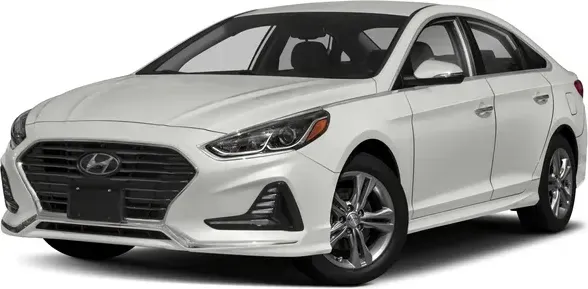
2018 Hyundai Sonata Reliability Report
The 2018 Hyundai Sonata has a good reliability standing but is the weakest of nine Sonata years, mainly because of engines that burn oil.
Recalls
3
Complaints
353
Complaint Rate
33.6per 10,000 sold
Est. Repair Cost
N/A
Annual Fuel Cost
$1,950–$2,300
Detailed Score Breakdown
Component-weighted complaints normalized by sales volume
Independent repair cost ratings
Recall count weighted by severity
Breadth of reported problem categories
The Verdict
Weakest of the nine scored Sonata years, with heavy engine oil burning, three recalls and far more complaints than the 2019 model.
Top Issues to Watch
- ENGINE (116)
- ELECTRICAL SYSTEM (52)
- POWER TRAIN (30)
Generation & Refresh (US)
2018 is 1 year after the facelift 2017 refresh.
- Year 4 in the Seventh generation (LF) (2015–2020).
- Well-established in its generation — most early issues should be resolved.
- 7th generation Sonata (US).
What this means for buyers
Post-refresh years tend to be among the most refined — updates have been applied and early kinks worked out.
2015: Seventh generation (LF) Launch
Generation start — new platform.
2017: Mid-Cycle Refresh
Updated features and styling tweaks.
2018: This Model Year
2018 is 1 year after the facelift 2017 refresh.
Should You Buy the 2018 Hyundai Sonata?
This Sonata holds a good standing, yet it is the weakest of the nine scored Sonata years and falls below average among 2018 sedans. Owners filed 353 complaints, and federal recall records list three recalls. The 2019 also stands as good and rates better, with far fewer complaints and no recalls. Crash protection is not the concern, with a federal rating of 5 of 5 stars.
Engine trouble leads the list. Owners describe heavy oil burning with no visible leak, sometimes a quart every 750 to 1,000 miles. Low-oil warnings, knocking and misfires follow, and some cars go into limp mode or seize. Most reports fall between about 65,000 and 118,000 miles. Many owners say warranty claims were denied after a 1,000-mile oil consumption test. Others report sudden power loss at highway speed. Recalls cover latches, locks and linkages, and the hybrid propulsion system.
If you consider one, ask for service records that show oil checks and any engine work, and confirm recall work was done. Test the headlights at night, since owners report a short low-beam reach. Look at a 2019 first.
Compared to the 2019 Hyundai Sonata, which scored 10 points higher.
Pros
- +Acceptable reliability score
- +5-star NHTSA crash rating
- +Well-established generation
Cons
- −Moderate recall count
- −Above-average complaint rate for Sedan
- −ENGINE: Heavy oil burning with no visible leak is the dominant complaint, sometimes a... (116 complaints)
- −1 fatality report in owner complaints
- −12 fire incidents reported in owner complaints
Compare 2018 Hyundai Sonata With
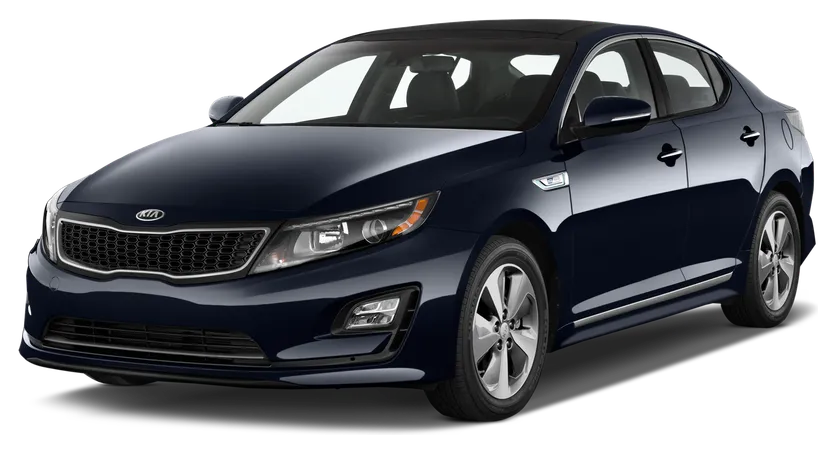
2018 Kia Optima
Reliability: 70/100
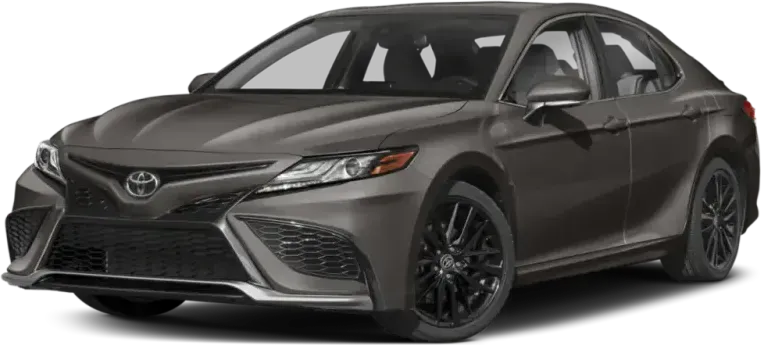
2018 Toyota Camry
Reliability: 65/100
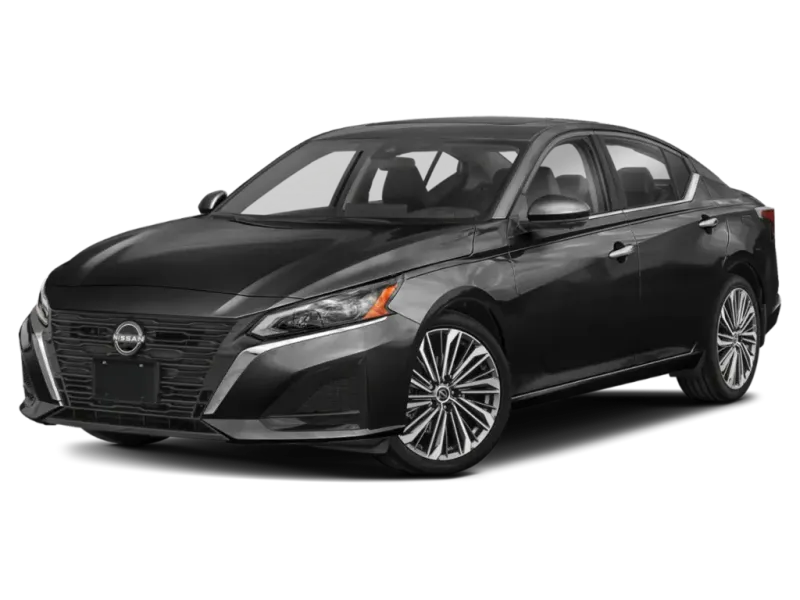
2018 Nissan Altima
Reliability: 76/100
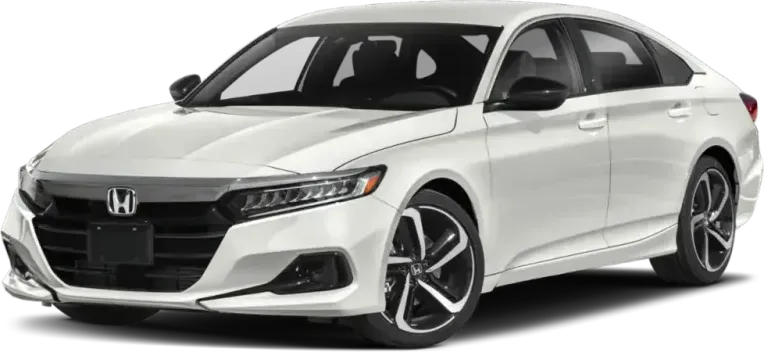
2018 Honda Accord
Reliability: 63/100
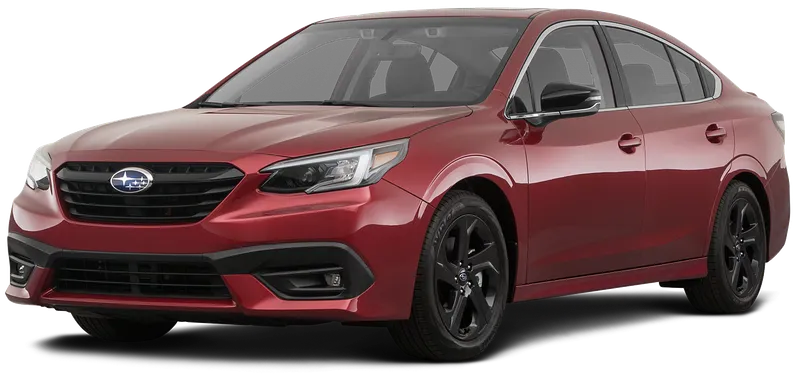
2018 Subaru Legacy
Reliability: 70/100
Common Problem Categories
Safety
LOW RISK- 3 manufacturer recalls issued
Other
HIGH RISK- ENGINE (116)
- ELECTRICAL SYSTEM (52)
Recall Overview
3
recalls on record
A moderate 3 recalls are on file for the 2018 Hyundai Sonata. Each one points to a specific safety or compliance issue identified by the manufacturer or NHTSA — check the list below before buying.
NHTSA.gov →Complaint Breakdown
33.6
per 10,000 soldSegment avg: 25.7
Safety Incidents
17
Crashes
12
Fires
21
Injuries
1
Deaths
NHTSA 5/5 Stars
Data sourced from NHTSA complaint filings and manufacturer recall notices. Complaint narratives are owner-reported.
2018 Hyundai Sonata Recall Details
3 recalls have been issued for the 2018 Hyundai Sonata. All recall repairs are performed free of charge at authorized dealerships.
LATCHES/LOCKS/LINKAGES
Hyundai Motor America (Hyundai) is recalling certain 2017-2018 Sonata, 2016-2018 Sonata Hybrid, 2018-2020 Accent, and 2016-2017 Azera vehicles. The trunk latch may become damaged, preventing the opening of the trunk from the inside. As such, these vehicles fail to comply with the requirements of Federal Motor Vehicle Safety Standard number 401, "Internal Trunk Release."
Consequence
A person inside the trunk compartment may become trapped, increasing their risk of injury.
Remedy
Dealers will replace the trunk latch base, free of charge. Owner notification letters were mailed December 4, 2021. Owners may contact Hyundai customer service at 1-855-371-9460. Hyundai's number for this recall is 208.
HYBRID PROPULSION SYSTEM
Hyundai Motor America (Hyundai) is recalling certain 2016-2018 Hyundai Sonata Plug-In Hybrid vehicles. These vehicles are equipped with a Voltage Protection Device (VPD), designed to protect the high voltage battery module, that may activate inadvertently.
Consequence
If the VPD activates while the vehicle is being operated in Electric Vehicle (EV) mode, there may be a loss of power, increasing the risk of a crash.
Remedy
Hyundai will notify owners, and dealers will remove the VPD switch and install a new Battery Management System (BMS) that contains an Overvoltage Protection Device (OPD). The recall is expected to begin May 2018. Owners may contact Hyundai customer service at 1-855-371-9460. Hyundai's number for this recall is 175.
Buying a used 2018 Hyundai Sonata? Check its history first
Engine problems lead owner complaints about the 2018 Hyundai Sonata, and 3 recalls were issued for it. A VIN check shows whether this car's recall work was done, plus accident, title, and odometer history.
- Accidents
- Open Recalls
- Title History
- Odometer Rollback
2018 Hyundai Sonata NHTSA Safety Ratings
Overall Safety Rating
Crash Test Results by Configuration (expand)
Gas Powertrain
Rollover risk: 10.5%
Safety Technologies
HEV Powertrain
Rollover risk: 10.5%
Safety Technologies
PHEV Powertrain
Rollover risk: 0.0%
Safety Technologies
Hyundai SonataRepair Costs & Maintenance
Maintenance Rating
3Maintenance rating: 3 out of 5Based on NHTSA complaint patterns, recall severity, and publicly available cost benchmarks.
Category-level averages derived from publicly available industry reports (AAA, CarMD). Model-level estimates produced by Auto Reliability Index.
Hyundai Sonata Resale Value
The Hyundai Sonata is estimated to retain about 56% of its original value after 5 years, based on observed used-car listings.
This benchmark covers the Hyundai Sonata model overall and is not specific to the 2018 model year.
- Value Retained
- 56%
- Depreciation
- 44%
- Listings Analyzed
- 359
after 5 years
over the same period
U.S. used-car listings
Listings observed in . This is a historical market benchmark, not a current price quote.
Explore Hyundai Sonata depreciation and resale value on CarResaleValue.comMPG & Annual Running Costs
Gas
26–31 MPG
Fuel cost: $1,950–$2,300/yr
Fuel only
23–28 city / 32–37 hwy MPG
Plug-in Hybrid
39–42 MPG
Fuel cost: $1,400–$1,550/yr
Fuel only
37–40 city / 42–46 hwy MPG
Based on EPA fuel-cost estimates. Excludes routine maintenance, depreciation, and insurance. Data as of 2018 EPA label cycle.
Gas trims
| Trim | Drive | Trans. | City | Hwy | Comb | Fuel Cost |
|---|---|---|---|---|---|---|
| Sonata 1.6L 4-cyl | Front-Wheel Drive | Automatic (AM7) | 28 | 37 | 31 | $1,950 |
| Sonata SE 2.4L 4-cyl | Front-Wheel Drive | Automatic (S6) | 25 | 36 | 29 | $2,050 |
| Sonata 2.4L 4-cyl | Front-Wheel Drive | Automatic (S6) | 25 | 35 | 28 | $2,150 |
| Sonata 2.0L 4-cyl | Front-Wheel Drive | Automatic (S8) | 23 | 32 | 26 | $2,300 |
Plug-in Hybrid trims
| Trim | Drive | Trans. | City | Hwy | Comb | Fuel Cost |
|---|---|---|---|---|---|---|
| Sonata Plug-in Hybrid 2.0L 4-cyl | Front-Wheel Drive | Automatic (AM6) | 37 | 42 | 39 | $1,550 |
Used Buying Checklist
Key things to inspect or verify before purchasing a 2018 Hyundai Sonata.
Pull the dipstick and ask for oil consumption test results, engine replacement records, and receipts showing regular oil changes.
Confirm through a Hyundai dealer that Campaign 953 and all engine recalls are done on this VIN.
Scan for stored codes such as P1326 and check that the check engine, ABS and HEV lights stay off.
Accelerate hard on a highway ramp and watch for jerking, a flashing check engine light or limp mode.
Start the car cold several times and walk away if it cranks slowly or fails to start.
On hybrids, ask for records of electric water pump repairs and any "Check hybrid system" warnings.
Drive a dark road on low beams to judge headlight reach and the dark notches in the beam pattern.
Pull every seat belt fully, buckle it, lean forward, and confirm it latches, releases and retracts normally.
2018 Hyundai Sonata Common Problems by Component
353 owner complaints grouped by vehicle system.
ENGINE
116 complaintsSafety-relatedHeavy oil burning with no visible leak is the dominant complaint, sometimes a quart every 750 to 1,000 miles or faster. Low-oil warnings, dry dipsticks, misfires, knocking, blue smoke and fouled spark plugs follow. Some cars go into limp mode, cap speed at 40 mph or seize. Most reports fall between about 65,000 and 118,000 miles. Dealers usually order a 1,000-mile oil consumption test, and many owners report denied warranty claims, though some received a new engine. Four complaints involve fire, including cars that ignited while parked.
ELECTRICAL SYSTEM
52 complaintsSafety-relatedSudden power loss at highway speed is the main pattern. A flashing check engine light, jerking and a refusal to accelerate come with it. Several cars failed soon after a recall software update at low mileage, and dealers replaced wiring harnesses or sensors. Hybrids show a "Check hybrid system" warning and shut down, sometimes traced to the electric water pump. Other reports describe no-start conditions and failed starters, heavy oil use, and radio static. Three complaints involve fire, and one describes a crash in which neither the brakes nor automatic emergency braking slowed the car.
UNKNOWN OR OTHER
44 complaintsSafety-relatedThese reports cover a mix of problems. Heavy oil consumption without leaks comes up most, with low-oil alerts appearing before the next oil change is due. Hybrid owners describe repeated HEV warning lights followed by jerking, sputtering and stalling, even after dealer visits. Other reports include early starter failure, slow starts, peeling hood paint, a plastic trunk latch arm that breaks and disables the emergency release, and ABS and crash-warning lights traced to an ABS module connector. One fire followed sudden deceleration, and one crash involved reported unintended acceleration.
POWER TRAIN (30 complaints)
POWER TRAIN
30 complaintsSafety-relatedCars drop into limp mode with a flashing check engine light, shake, and will not accelerate. Some stall outright at highway speed. Several owners report limp mode shortly after the Campaign 953 software update on cars with only 5,400 to 5,560 miles, and dealers then pointed to engine or wiring harness replacement. Later reports describe knock sensor codes, rod bearing failure, a cracked piston and heavy oil use. One complaint involves fire while driving, one a crash after stalling, and one a back injury from a sudden jerk.
EXTERIOR LIGHTING (20 complaints)
EXTERIOR LIGHTING
20 complaintsLow-beam headlights light only a short distance ahead, often described as 15 to 20 feet or one to two car lengths. Each beam also casts dark notches or a half-moon shadow that shifts during turns. Drivers report the problem from new and say they rely on high beams on dark roads. Dealers and the manufacturer describe the pattern as an anti-glare design and decline to replace the headlamps. A separate report describes backup bulbs burning out and damaging the bulb holder.
ENGINE AND ENGINE COOLING (14 complaints)
ENGINE AND ENGINE COOLING
14 complaintsLow-oil warning lights and empty dipsticks are the most common report, usually with no leak found. Dealers respond with oil consumption tests and sometimes call the result normal. Reported failure mileages run from about 57,000 to 118,000. Some cars misfire, vibrate, lose power and stall at speeds up to 70 MPH, and one dealer called for an engine replacement. Separate reports describe oil leaking at the drain bolt from a cracked oil pan, which one dealer called a weld crack.
VEHICLE SPEED CONTROL (11 complaints)
VEHICLE SPEED CONTROL
11 complaintsSafety-relatedThe car accelerates on its own at low speed while parking or reversing, and the brakes reportedly fail to stop it. Five of the 11 complaints involve crashes into poles, walls, trees or posts, several at very low mileage. Dealers often cannot reproduce the problem. Other reports describe limp mode with no response to the pedal, highway stalls with racing RPM, and automatic emergency braking that fails to stop for vehicles ahead. Some owners worry about sudden power reduction after the Campaign 953 update.
SERVICE BRAKES (9 complaints)
SERVICE BRAKES
9 complaintsSafety-relatedThese reports describe failures that leave the driver unable to stop. Pedals sink to the floor or go stiff, and four complaints involve crashes, including one fire crash with 11 injuries. ABS faults also appear. A failed ABS module or HECU can disable ABS, traction control, forward collision prevention, auto hold and cruise control at once, and one repair estimate came to about $3800. Other owners report brakes that pulsate and lock up, or automatic emergency braking that engages for no reason and nearly causes rear-end collisions.
SEAT BELTS (8 complaints)
SEAT BELTS
8 complaintsSafety-relatedBelts fail to retract, lock up and keep tightening during normal driving, or refuse to latch in the buckle. Passenger-side lockups return even after the dealer replaces the unit. Two complaints describe crashes in which the driver's belt reportedly did not hold, with injuries including bruising and a heart contusion. One buckle failure appeared at 45,000 miles, and the dealer confirmed the fault without repairing it.
AIR BAGS (4 complaints)
AIR BAGS
4 complaintsSafety-relatedAirbags failing to deploy in hard impacts is the main concern in this small group of four complaints. One driver ran under a semi truck and another took a hard front-right hit at about 45 miles per hour, and no bags deployed in either case. A police investigator reports a fatal crash in which the steering wheel airbag detached and struck the driver. One owner reports three airbags deploying with no impact while driving at 50 miles per hour.
When Do 2018 Hyundai Sonata Problems Start?
Based on owner complaint patterns, here's when common issues tend to appear.
Best & Worst Hyundai Sonata Years
Best Hyundai Sonata Years to Buy
Based on reliability index scoreHyundai Sonata Years to Avoid
2018
(Current Model)
2023
Hyundai Sonata Reliability Score Trend
Scores 0–100. Higher is better. Current year highlighted.
| Year | Score | Rating |
|---|---|---|
| 2018 | 61/100 | Good |
| 2019 | 71/100 | Good |
| 2020 | 62/100 | Good |
| 2021 | 64/100 | Good |
| 2022 | 65/100 | Good |
| 2023 | 62/100 | Good |
| 2024 | 73/100 | Good |
| 2025 | 76/100 | Good |
| 2026 | 75/100 | Good |
Hyundai Sonata Reliability Compared to Other Years
2018 Hyundai Sonata Reliability by Powertrain
The 2018 Hyundai Sonata is available with 3powertrain options. Here's how they compare on reliability.
| Powertrain | Complaints | Recalls | Incidents* | Crash Rating |
|---|---|---|---|---|
| Gas | 344 | 1 | 29 | 5 out of 5 |
| HEV | 9 | 1 | 0 | 5 out of 5 |
| PHEV | 0 | 1 | 0 | N/T |
| Total | 353 | 3 | 29 |
NHTSA tracks complaints by vehicle configuration when that detail is available. Model-level reports that do not identify a specific powertrain are included in Total but not assigned to a row. A plus sign indicates a confirmed minimum; — means no complaints could be attributed to that specific powertrain. N/T = Not tested by NHTSA.
* Incidents = crash + fire reports. A single complaint can include multiple incident types.
Frequently Asked Questions
Is the 2018 Hyundai Sonata reliable?
What are the most common problems with the 2018 Hyundai Sonata?
Does the 2018 Hyundai Sonata burn oil?
Is the 2018 Hyundai Sonata covered by warranty for oil consumption?
Is the 2019 Hyundai Sonata better than the 2018?
Don’t buy a 2018 Hyundai Sonata without checking its VIN first — hidden accidents, title issues, and open recalls could cost you thousands.
How we score the 2018 Hyundai Sonata
Of the four inputs behind this score, the 2018 Hyundai Sonata does best on recall impact (80/100) and worst on complaint severity (45/100). Scores weight complaint severity at 35%, repair costs at 30%, recall impact at 20%, and the spread of complaints across systems at 15%, with complaint counts adjusted for US sales. Read the full methodology.
Get notified when new recalls or reliability data is added for the Hyundai Sonata.
No spam. Only data updates for this model.
Browse More Hyundai Models
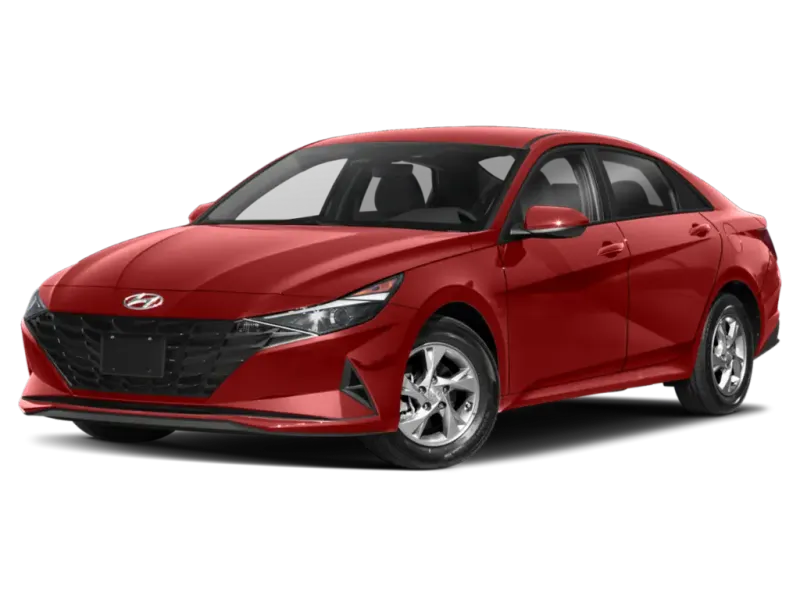
Hyundai Elantra
Score: 94/100
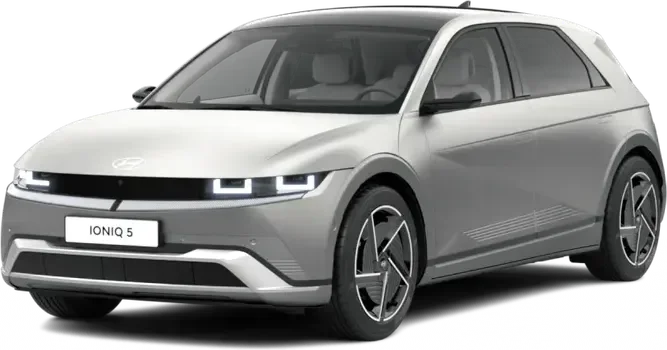
Hyundai Ioniq 5
Score: 63/100
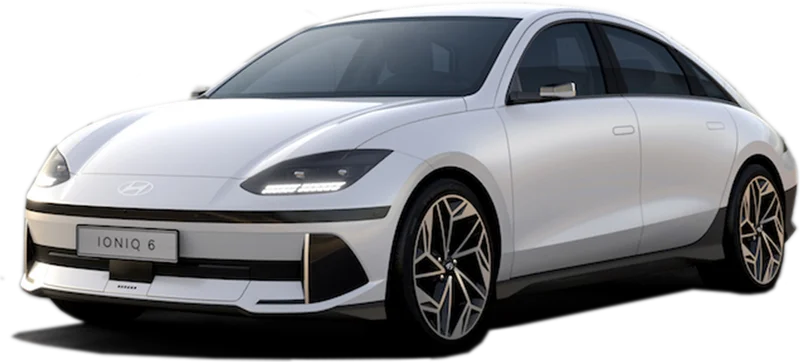
Hyundai Ioniq 6
Score: 82/100
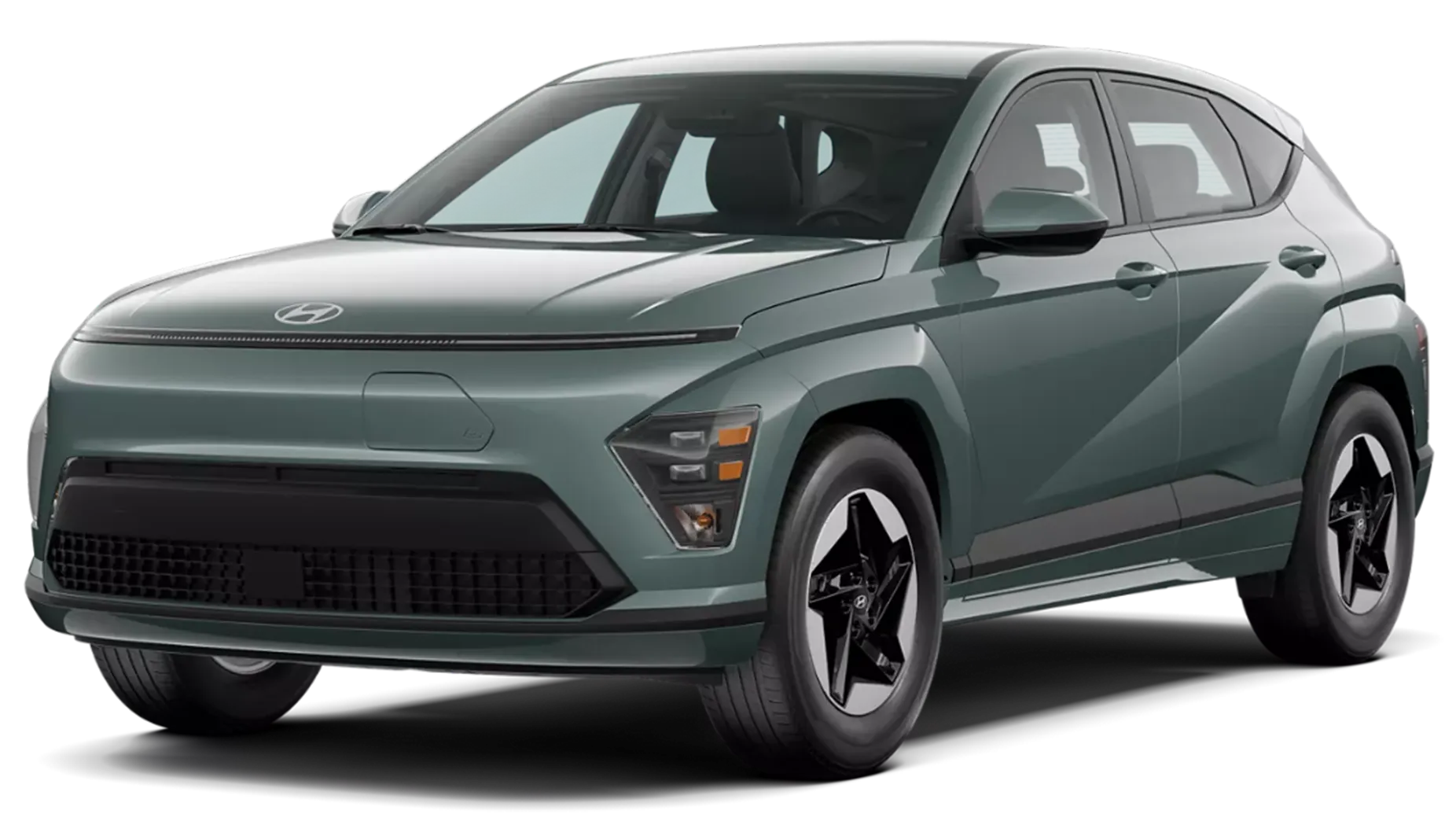
Hyundai Kona
Score: 67/100
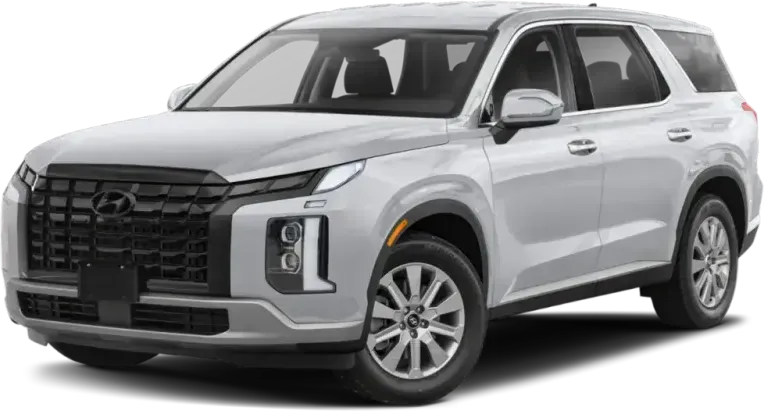
Hyundai Palisade
Score: 72/100
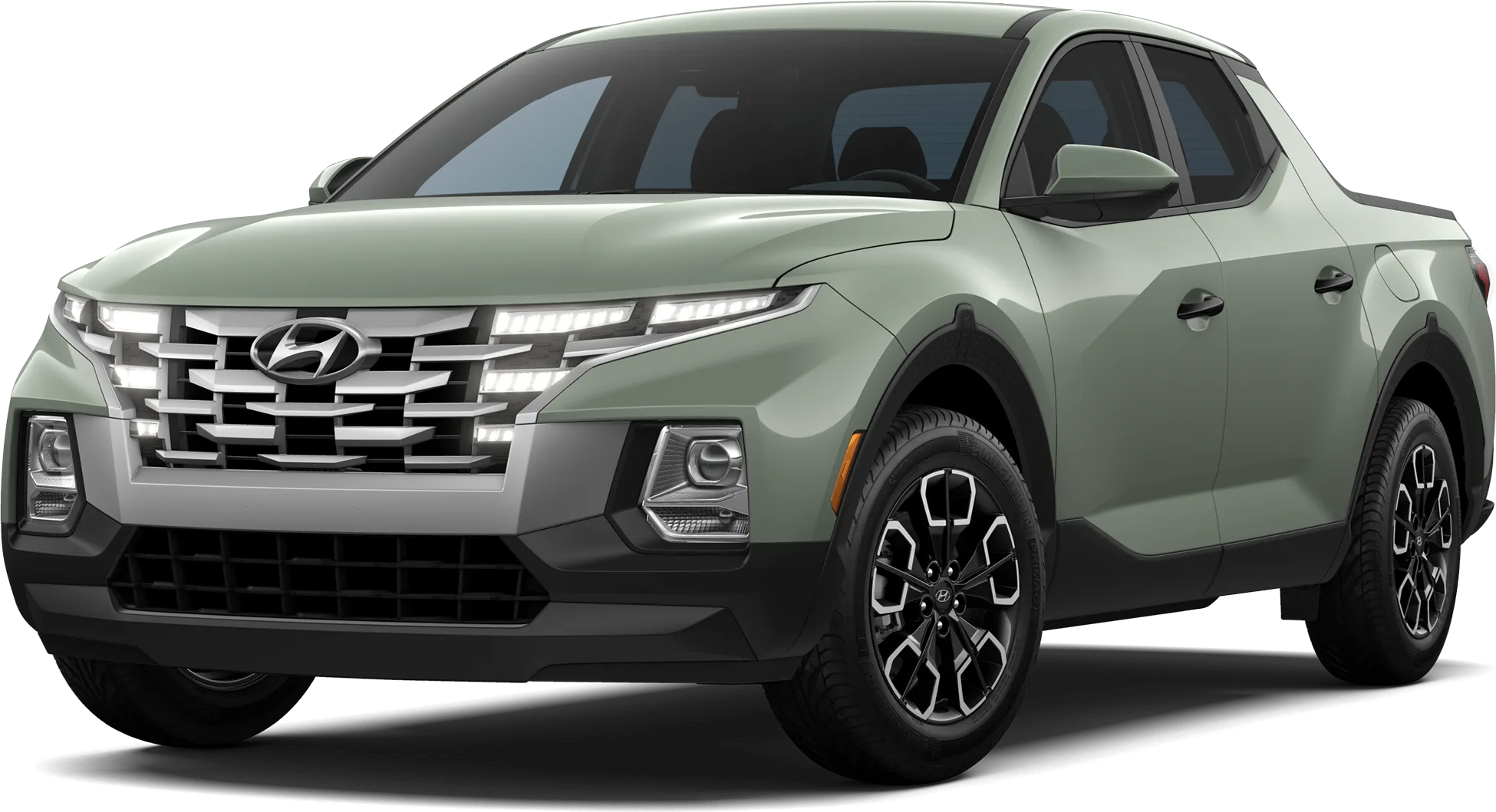
Hyundai Santa Cruz
Score: 74/100
Browse More 2018 Vehicles
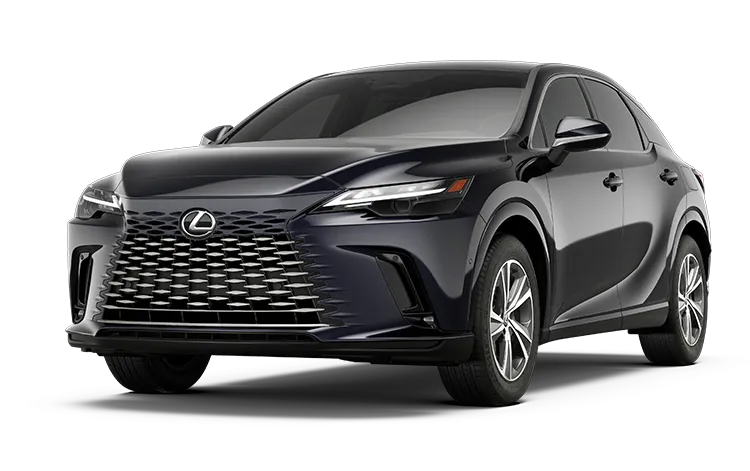
2018 Lexus RX
Score: 85/100
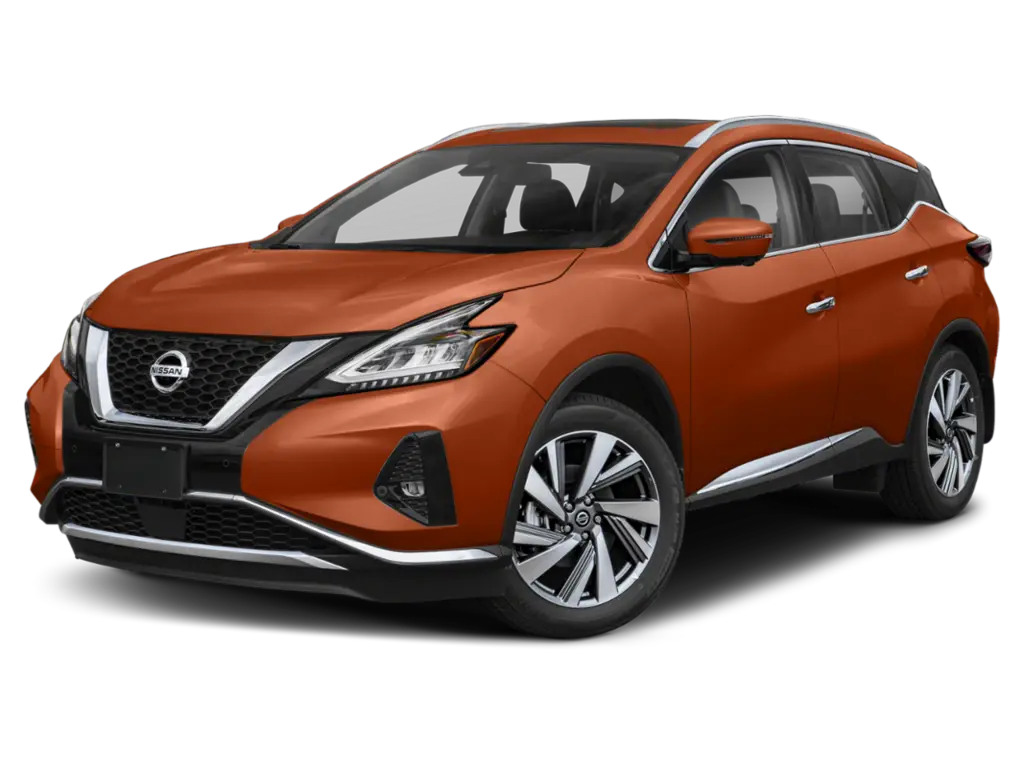
2018 Nissan Murano
Score: 82/100
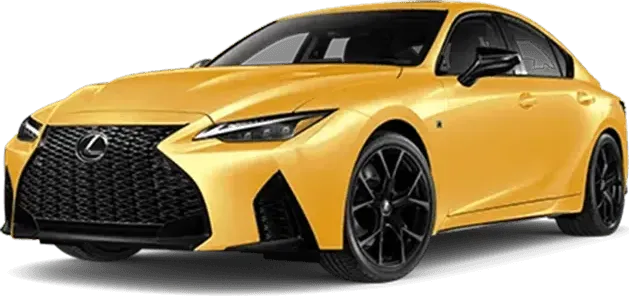
2018 Lexus IS
Score: 81/100
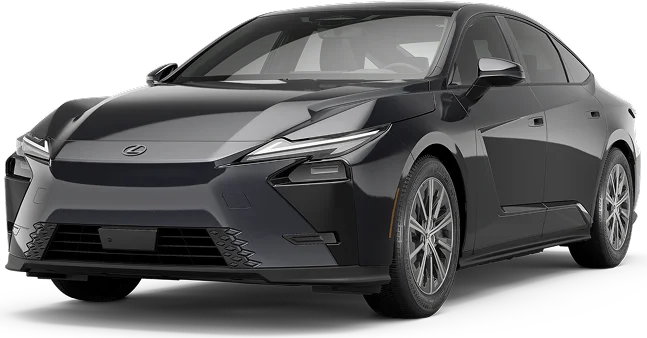
2018 Lexus ES
Score: 80/100
2018 Toyota Corolla
Score: 80/100
2018 Buick Encore
Score: 80/100
See incorrect data? Report an issue