Last updated: 2026-10-10
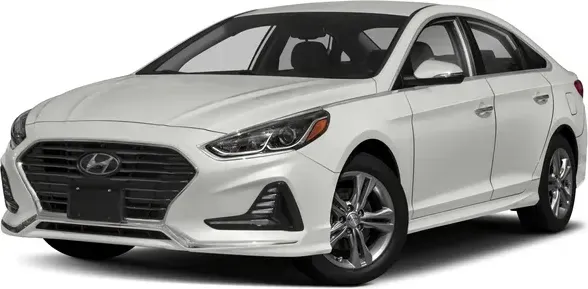
2019 Hyundai Sonata Reliability Report
The 2019 Hyundai Sonata has a good reliability standing and no recalls, but engine oil consumption after about 70,000 miles is the main risk.
Recalls
0
Complaints
144
Complaint Rate
16.5per 10,000 sold
Est. Repair Cost
N/A
Annual Fuel Cost
$1,950–$2,300
Detailed Score Breakdown
Component-weighted complaints normalized by sales volume
Independent repair cost ratings
Recall count weighted by severity
Breadth of reported problem categories
The Verdict
The middle-ranked Sonata year with no recalls, unlike 2018 and 2020, though oil use and weak low-beam headlights draw most owner complaints.
Top Issues to Watch
- ENGINE (58)
- EXTERIOR LIGHTING (18)
- ELECTRICAL SYSTEM (10)
Generation & Refresh (US)
2019 is 2 years after the facelift 2017 refresh.
- Year 5 in the Seventh generation (LF) (2015–2020).
- Well-established in its generation — most early issues should be resolved.
- 7th generation Sonata (US).
What this means for buyers
Post-refresh years tend to be among the most refined — updates have been applied and early kinks worked out.
2015: Seventh generation (LF) Launch
Generation start — new platform.
2017: Mid-Cycle Refresh
Updated features and styling tweaks.
2019: This Model Year
2019 is 2 years after the facelift 2017 refresh.
Should You Buy the 2019 Hyundai Sonata?
Among 2019 sedans, this Sonata rates above average, and its reliability standing is good. Within the Sonata's scored years it sits in the middle of nine. The neighboring 2018 and 2020 models both rate worse. Federal recall records list no recalls for 2019, against three for 2018 and five for 2020. It also earned 5 of 5 stars in the federal crash test.
Engine oil use is the problem to watch. Owners report losing a quart every 600 to 1,000 miles with no visible leak, usually between 70,000 and 90,000 miles. Some engines run nearly dry and trigger the low oil light or limp mode. Second owners say claims were denied because the powertrain warranty does not transfer. Headlights are the other common complaint. Low beams leave dark gaps on the road, and dealer adjustments rarely fix them.
Ask for oil consumption test results and any engine repair records. Drive the car at night before you buy.
Compared to the 2020 Hyundai Sonata, which scored 9 points lower. See also the 2018 Hyundai Sonata for an earlier comparison.
Pros
- +Acceptable reliability score
- +No recalls issued
- +Below-average complaint rate for Sedan
Cons
- −ENGINE: Excessive oil consumption dominates, with engines losing a quart every 600 to... (58 complaints)
- −EXTERIOR LIGHTING: Low-beam headlights cast dark voids on the road, usually two half-circle... (18 complaints)
Compare 2019 Hyundai Sonata With
2019 Kia Optima
Reliability: 72/100
2019 Toyota Camry
Reliability: 70/100
2019 Nissan Altima
Reliability: 72/100
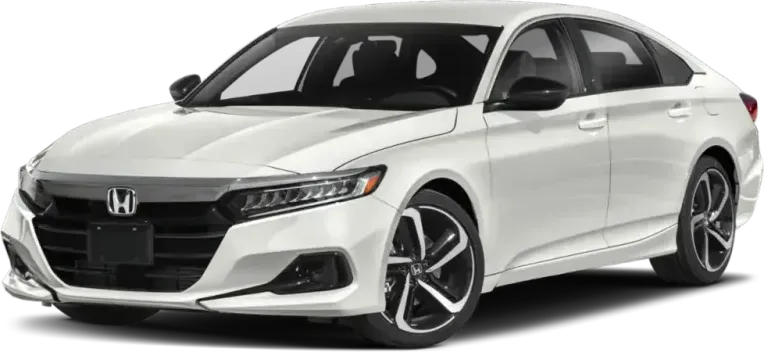
2019 Honda Accord
Reliability: 70/100
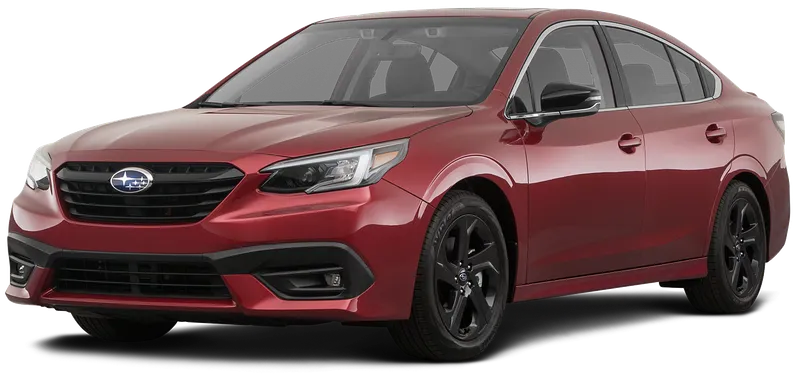
2019 Subaru Legacy
Reliability: 69/100
Common Problem Categories
Other
HIGH RISK- ENGINE (58)
- EXTERIOR LIGHTING (18)
Recall Overview
0
recalls on record
No recalls are on record for the 2019 Hyundai Sonata — uncommon, and a strong signal of manufacturing quality.
NHTSA.gov →Complaint Breakdown
16.5
per 10,000 soldSegment avg: 19.1
Safety Incidents
9
Crashes
4
Fires
7
Injuries
0
Deaths
NHTSA 5/5 Stars
Data sourced from NHTSA complaint filings and manufacturer recall notices. Complaint narratives are owner-reported.
Buying a used 2019 Hyundai Sonata? Check its history first
Engine problems lead owner complaints about the 2019 Hyundai Sonata, and 0 recalls were issued for it. A VIN check shows whether this car's recall work was done, plus accident, title, and odometer history.
- Accidents
- Open Recalls
- Title History
- Odometer Rollback
2019 Hyundai Sonata NHTSA Safety Ratings
Overall Safety Rating
Crash Test Results by Configuration (expand)
Gas Powertrain
Rollover risk: 10.5%
Safety Technologies
HEV Powertrain
Rollover risk: 10.5%
Safety Technologies
PHEV Powertrain
Rollover risk: 0.0%
Safety Technologies
Hyundai SonataRepair Costs & Maintenance
Maintenance Rating
3Maintenance rating: 3 out of 5Based on NHTSA complaint patterns, recall severity, and publicly available cost benchmarks.
Category-level averages derived from publicly available industry reports (AAA, CarMD). Model-level estimates produced by Auto Reliability Index.
Hyundai Sonata Resale Value
The Hyundai Sonata is estimated to retain about 56% of its original value after 5 years, based on observed used-car listings.
This benchmark covers the Hyundai Sonata model overall and is not specific to the 2019 model year.
- Value Retained
- 56%
- Depreciation
- 44%
- Listings Analyzed
- 359
after 5 years
over the same period
U.S. used-car listings
Listings observed in . This is a historical market benchmark, not a current price quote.
Explore Hyundai Sonata depreciation and resale value on CarResaleValue.comMPG & Annual Running Costs
Gas
26–31 MPG
Fuel cost: $1,950–$2,300/yr
Fuel only
23–28 city / 32–37 hwy MPG
Plug-in Hybrid
39–42 MPG
Fuel cost: $1,400–$1,550/yr
Fuel only
37–40 city / 42–46 hwy MPG
Based on EPA fuel-cost estimates. Excludes routine maintenance, depreciation, and insurance. Data as of 2019 EPA label cycle.
Gas trims
| Trim | Drive | Trans. | City | Hwy | Comb | Fuel Cost |
|---|---|---|---|---|---|---|
| Sonata 1.6L 4-cyl | Front-Wheel Drive | Automatic (AM7) | 28 | 37 | 31 | $1,950 |
| Sonata SE 2.4L 4-cyl | Front-Wheel Drive | Automatic (S6) | 26 | 35 | 29 | $2,050 |
| Sonata 2.4L 4-cyl | Front-Wheel Drive | Automatic (S6) | 25 | 33 | 28 | $2,150 |
| Sonata 2.0L 4-cyl | Front-Wheel Drive | Automatic (S8) | 23 | 32 | 26 | $2,300 |
Plug-in Hybrid trims
| Trim | Drive | Trans. | City | Hwy | Comb | Fuel Cost |
|---|---|---|---|---|---|---|
| Sonata Plug-in Hybrid 2.0L 4-cyl | Front-Wheel Drive | Automatic (AM6) | 37 | 42 | 39 | $1,550 |
Used Buying Checklist
Key things to inspect or verify before purchasing a 2019 Hyundai Sonata.
Check the dipstick and ask for oil change records. Oil running low between changes points to consumption.
Ask whether an oil consumption test, combustion cleaning, or engine replacement was done, and confirm warranty coverage for a second owner.
Drive after dark on low beams and look for dark spots or a hard cutoff line on the road.
Inspect white paint on the hood, roof, and trunk for peeling, bubbling, or flaking.
Look over the steering column and ignition area for damage from a past theft.
Confirm the airbag warning light turns off after startup and stays off during the drive.
Pull the driver seat belt all the way out and confirm it retracts fully and latches firmly.
On hybrids, drive at highway speed and watch for hybrid system warnings, lurching, or power loss.
2019 Hyundai Sonata Common Problems by Component
144 owner complaints grouped by vehicle system.
ENGINE
58 complaintsSafety-relatedExcessive oil consumption dominates, with engines losing a quart every 600 to 1,000 miles and no visible leaks. Some run nearly dry, which triggers the low oil light or limp mode. Most cases surface between 75,000 and 90,000 miles, though some start earlier. Dealers require paid oil consumption tests and combustion cleanings before approving a new engine. Second owners report denied claims because the powertrain warranty does not transfer. Two complaints describe fires in the engine compartment, and one describes burns from the rear exhaust tip.
EXTERIOR LIGHTING
18 complaintsSafety-relatedLow-beam headlights cast dark voids on the road, usually two half-circle blackout spots below a sharp cutoff line. Pedestrians and lane edges can disappear inside these gaps. Other drivers say the low beams are dim and too short for highway speeds. The problem shows up on the first night drive. Dealer adjustments rarely help, raising the aim blinds oncoming drivers, and dealers often say the lights meet specification. Several drivers describe near misses with pedestrians or swerving at shadows.
UNKNOWN OR OTHER
17 complaintsSafety-relatedPeeling and bubbling white paint is the most common report here, showing up on the hood, roof, and doors. Some owners get coverage under a warranty extension, while others are denied. Shops also disagree on how to match the color. Other complaints cover thefts, hesitation and power loss when accelerating, a wheel bearing failure at 56,000 miles, and automatic emergency braking or blind-spot warnings that stop working. One crash report describes sudden acceleration while backing out of a parking space.
ELECTRICAL SYSTEM (10 complaints)
ELECTRICAL SYSTEM
10 complaintsSafety-relatedThe hybrid system shuts down while driving. Power steering and throttle cut out, every warning light comes on, and the car drops into limp mode. Other reports describe no-start mornings with a hard brake pedal, a car that locks itself in park with a frozen steering wheel, an airbag light traced to a short, and a blind-spot warning that stops working. Dealers often cannot reproduce the faults. One fire report describes flames after pressing the start button. Thefts using a USB cable also appear.
AIR BAGS (8 complaints)
AIR BAGS
8 complaintsSafety-relatedAirbags fail to deploy in serious front and side collisions, including crashes that totaled the car. Drivers report broken ribs, a concussion, and neck injuries. Four complaints are crash-related, with three injuries. The opposite failure also appears: driver front and side airbags firing over a speed bump at low speed. Other reports describe an airbag warning light that flickers with seat belt movement or reacts to a cushion on the passenger seat.
POWER TRAIN (7 complaints)
POWER TRAIN
7 complaintsOil consumption shows up again here, with owners adding a quart every 500 to 700 miles. Engines need replacement after sludge, a burnt valve, or a snapped piston. Symptoms include hesitation from a stop and at highway speed, stalling, violent shaking, and rod knock. Dealers require repeated oil consumption tests before approving repairs. Hybrid cars report a sudden system warning, lurching, and power loss on the highway. A transmission whine at 35 to 40 mph also persists through 3 replacements.
ENGINE AND ENGINE COOLING (6 complaints)
ENGINE AND ENGINE COOLING
6 complaintsSafety-relatedExcessive oil consumption appears again, with oil needed as often as every 10 days. Owners also report knocking or rattling from the front and an intermittent check engine light. Combustion cleaning does not always stop the loss. Dealers point to leaking gaskets or an internal leak. A gasket replacement fixed a hard-start problem at 23,000 miles. One fire report describes smoke, a burning oil smell, and flames from under the hood before the car stalled and burned at 60,000 miles.
STRUCTURE (6 complaints)
STRUCTURE
6 complaintsPaint peels, bubbles, and flakes off the hood, roof, and trunk, mostly on white cars. Peeling can start within 2 months of purchase. Owners point to a warranty extension that covered the same problem on 2017 and 2018 models but leaves out 2019. Second owners report being denied coverage. One complaint pairs the paint failure with heavy oil consumption. These failures are cosmetic, and none of these reports involve a crash or injury.
STEERING (4 complaints)
STEERING
4 complaintsSafety-relatedPower steering cuts out at highway speed, making the car hard to steer. Repeated repairs to the steering control unit, sensors, and wiring harness do not always fix it. Other reports describe the wheel sticking off center, a dead spot, uneven tire wear, and a grinding noise when turning. The single crash-flagged complaint describes a theft in which the steering column was broken to start the car. With only 4 complaints the pattern is thin, though losing assist at speed is a real control risk.
SEAT BELTS (2 complaints)
SEAT BELTS
2 complaintsSafety-relatedThe driver seat belt fails to retract, and the latch can pop loose. In one crash the belt did not hold, and the driver hit the dashboard and suffered whiplash and leg injuries. The replacement belt still did not latch properly. On a car past 60,000 miles, the dealer quoted about $1,800 to $2,000 to replace the pretensioners and latch. There are only 2 complaints, and both involve the driver side belt.
When Do 2019 Hyundai Sonata Problems Start?
Based on owner complaint patterns, here's when common issues tend to appear.
Best & Worst Hyundai Sonata Years
Best Hyundai Sonata Years to Buy
Based on reliability index score2024
2019
(Current Model)
2022
Hyundai Sonata Years to Avoid
Hyundai Sonata Reliability Score Trend
Scores 0–100. Higher is better. Current year highlighted.
| Year | Score | Rating |
|---|---|---|
| 2018 | 61/100 | Good |
| 2019 | 71/100 | Good |
| 2020 | 62/100 | Good |
| 2021 | 64/100 | Good |
| 2022 | 65/100 | Good |
| 2023 | 62/100 | Good |
| 2024 | 73/100 | Good |
| 2025 | 76/100 | Good |
| 2026 | 75/100 | Good |
Hyundai Sonata Reliability Compared to Other Years
2019 Hyundai Sonata Reliability by Powertrain
The 2019 Hyundai Sonata is available with 3powertrain options. Here's how they compare on reliability.
| Powertrain | Complaints | Recalls | Incidents* | Crash Rating |
|---|---|---|---|---|
| Gas | 137 | 0 | 12 | 5 out of 5 |
| HEV | 3 | 0 | 1 | 5 out of 5 |
| PHEV | 4 | 0 | 0 | N/T |
| Total | 144 | 0 | 13 |
NHTSA tracks complaints by vehicle configuration when that detail is available. Model-level reports that do not identify a specific powertrain are included in Total but not assigned to a row. A plus sign indicates a confirmed minimum; — means no complaints could be attributed to that specific powertrain. N/T = Not tested by NHTSA.
* Incidents = crash + fire reports. A single complaint can include multiple incident types.
Frequently Asked Questions
Is the 2019 Hyundai Sonata reliable?
What are the most common problems with the 2019 Hyundai Sonata?
Does the 2019 Hyundai Sonata have oil consumption problems?
Does the 2019 Hyundai Sonata have any recalls?
Is the 2019 Hyundai Sonata better than the 2018 or 2020?
Don’t buy a 2019 Hyundai Sonata without checking its VIN first — hidden accidents, title issues, and open recalls could cost you thousands.
How we score the 2019 Hyundai Sonata
Of the four inputs behind this score, the 2019 Hyundai Sonata does best on recall impact (100/100) and worst on complaint severity (56/100). Scores weight complaint severity at 35%, repair costs at 30%, recall impact at 20%, and the spread of complaints across systems at 15%, with complaint counts adjusted for US sales. Read the full methodology.
Get notified when new recalls or reliability data is added for the Hyundai Sonata.
No spam. Only data updates for this model.
Browse More Hyundai Models
Hyundai Elantra
Score: 94/100
Hyundai Ioniq 5
Score: 63/100
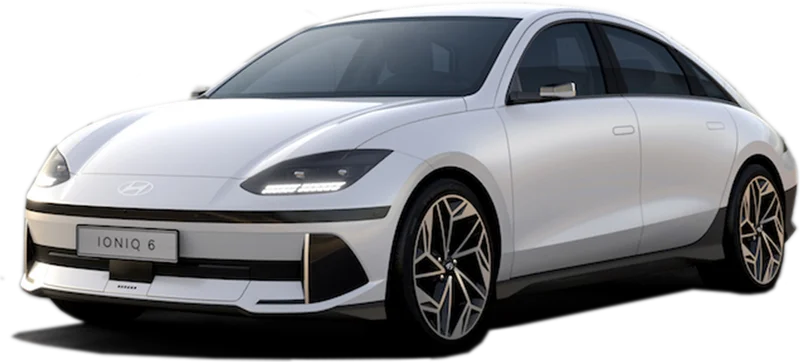
Hyundai Ioniq 6
Score: 82/100
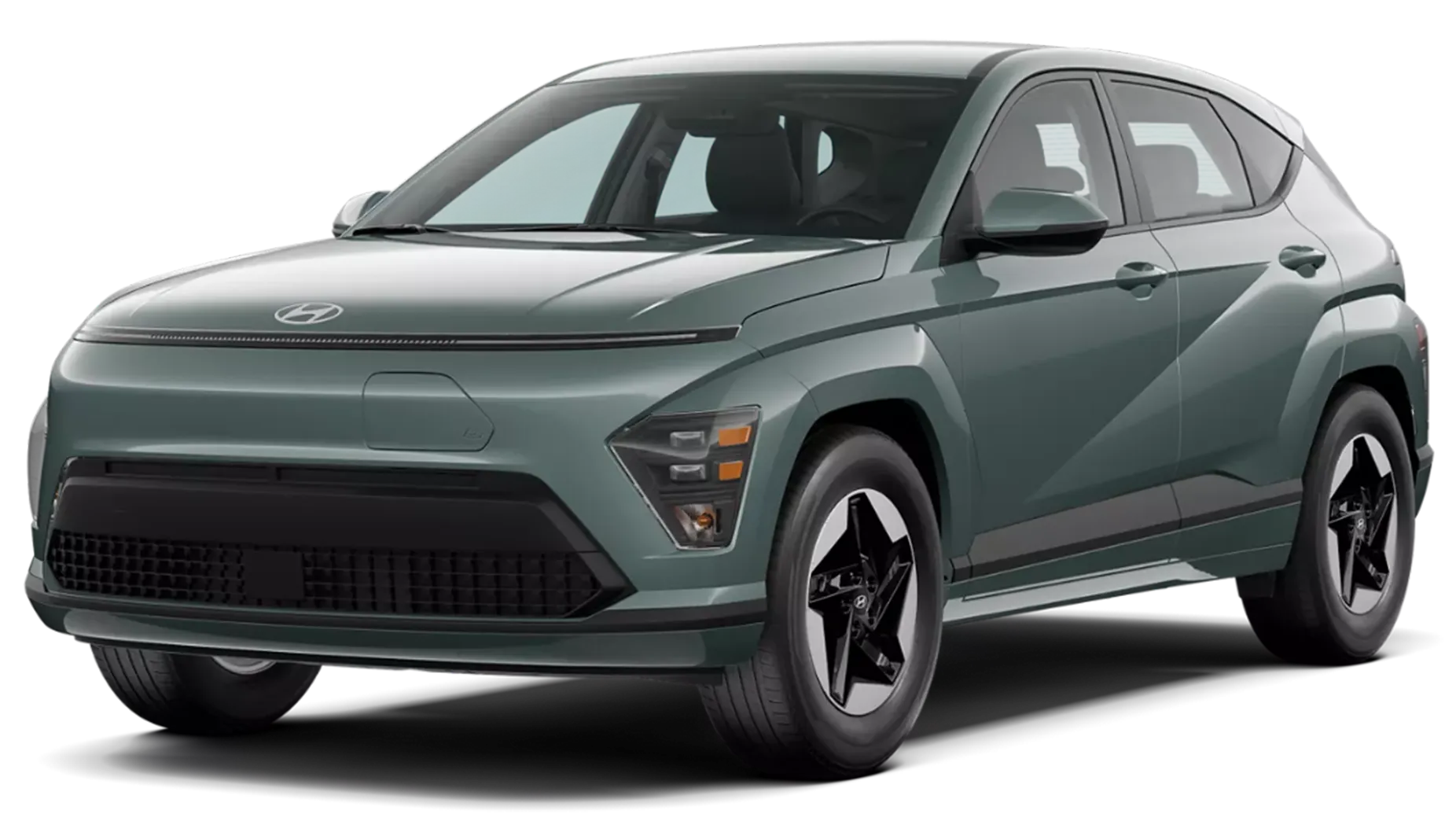
Hyundai Kona
Score: 67/100
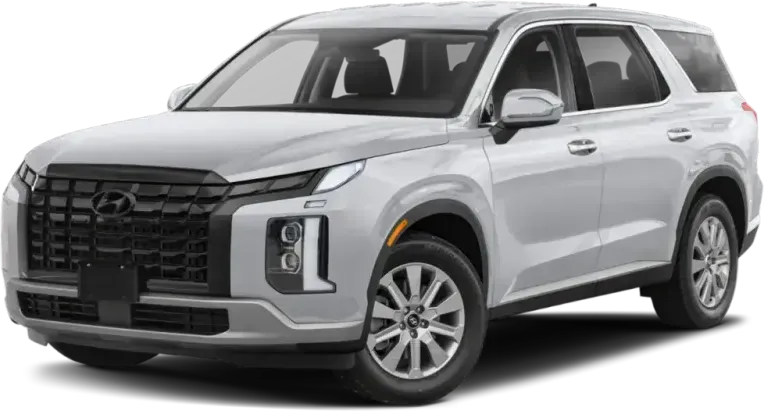
Hyundai Palisade
Score: 72/100
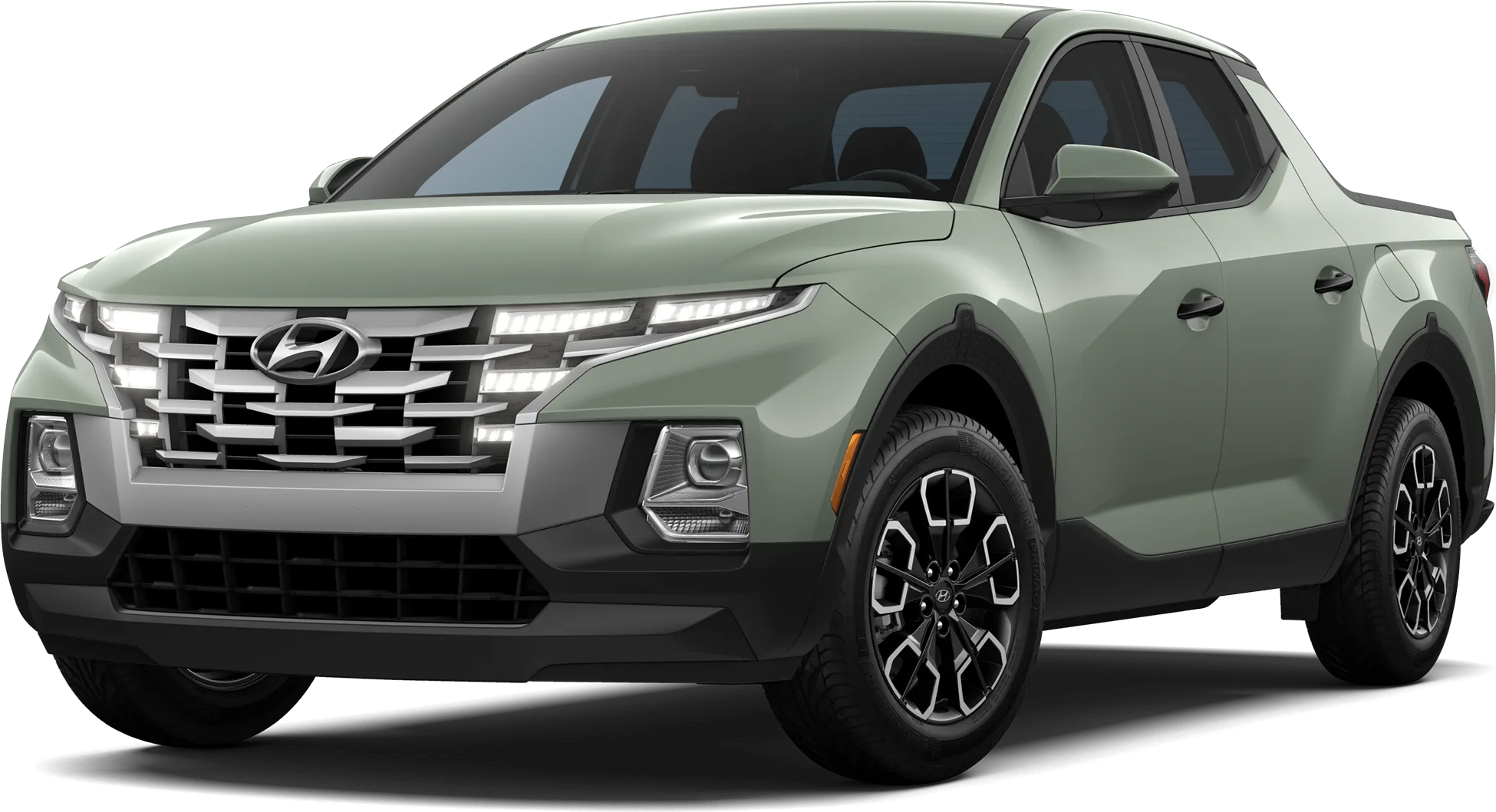
Hyundai Santa Cruz
Score: 74/100
Browse More 2019 Vehicles
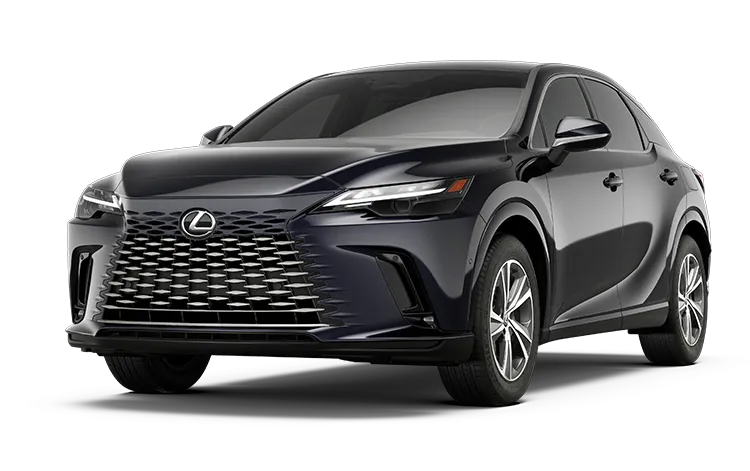
2019 Lexus RX
Score: 82/100
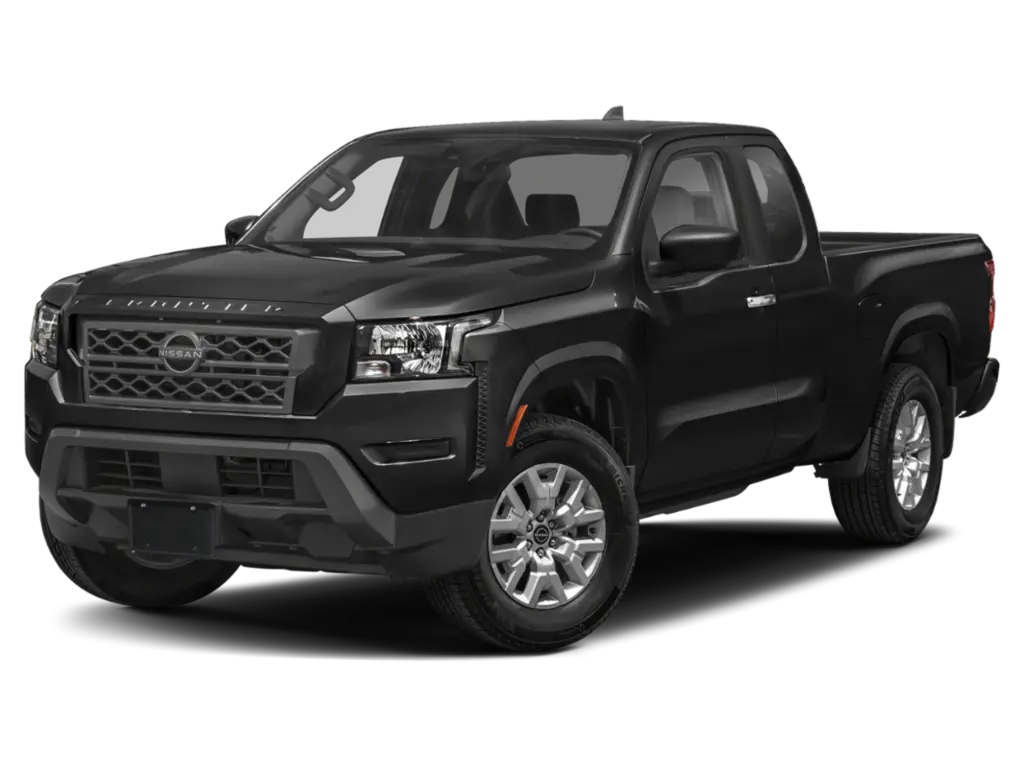
2019 Nissan Frontier
Score: 80/100
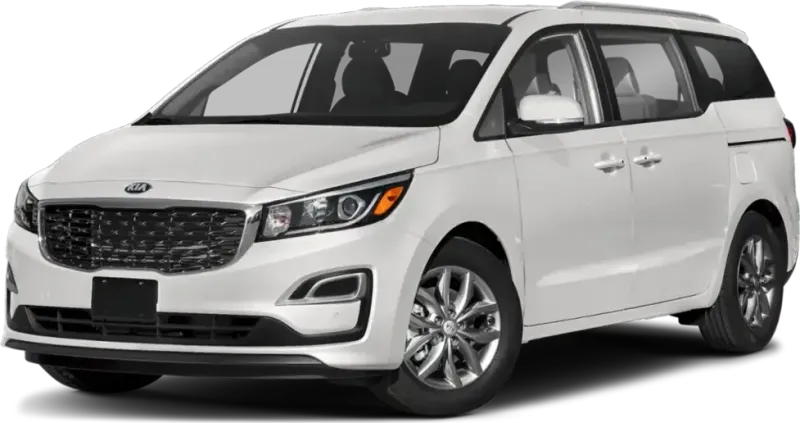
2019 Kia Sedona
Score: 80/100
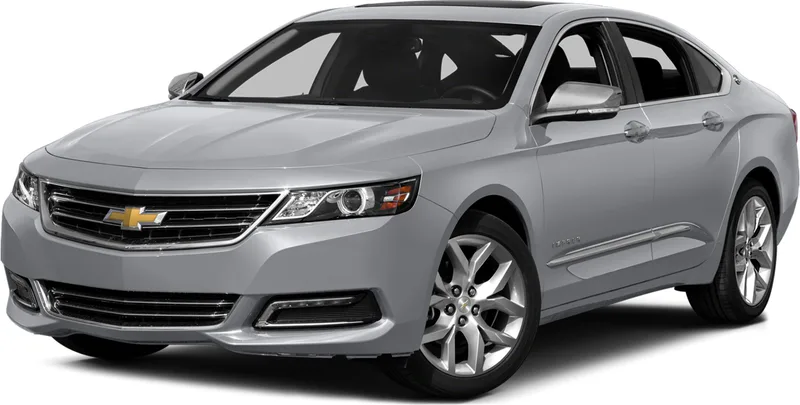
2019 Chevrolet Impala
Score: 79/100
2019 Lexus IS
Score: 79/100
2019 Lexus ES
Score: 78/100
See incorrect data? Report an issue