Last updated: 2026-04-20
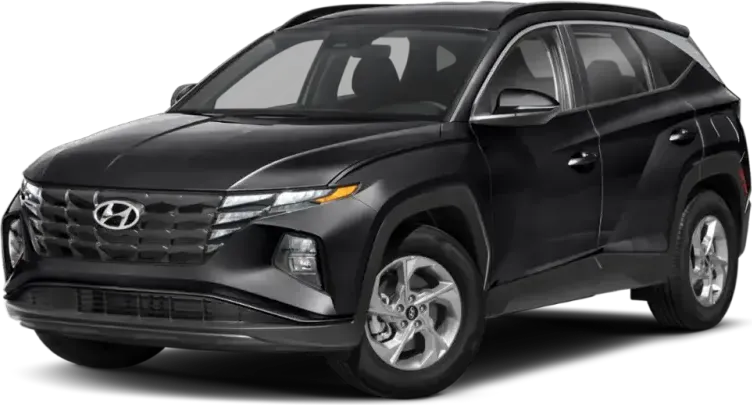
2021 Hyundai Tucson Reliability Report
The 2021 Hyundai Tucson scores 78/100 ("Good"). With 1 recall and 58 owner complaints, reliability is acceptable but not class-leading.
Recalls
1
Complaints
58
Complaint Rate
4.1per 10,000 sold
Est. Repair Cost
$426
Annual Fuel Cost
$2,400–$2,600
Detailed Score Breakdown
Component-weighted complaints normalized by sales volume
Independent repair cost ratings
Recall count weighted by severity
Breadth of reported problem categories
The Verdict
Acceptable reliability — worth considering with a pre-purchase inspection.
Top Issues to Watch
- ENGINE (20)
- SERVICE BRAKES (9)
- ELECTRICAL SYSTEM (7)
Should You Buy the 2021 Hyundai Tucson?
At 78/100, the 2021 Hyundai Tucson lands in "Good" territory — acceptable, but not class-leading.
Owners log 58 complaints on this model year — enough to suggest attention is needed, but no single failure mode dominates yet.
Get a pre-purchase inspection on any used example, with extra attention to engine (20). An extended warranty is worth pricing out.
Compared to the 2022 Hyundai Tucson, which scored 12 points lower. See also the 2020 Hyundai Tucson for an earlier comparison.
Pros
- +Acceptable reliability score
- +$95 cheaper to maintain than avg compact SUVs
- +Infrequent unscheduled repairs
- +Low major repair risk (10%)
Cons
- −ENGINE: Rod bearing failures and excessive oil consumption (20 complaints)
- −SERVICE BRAKES issues reported (9 complaints)
Compare 2021 Hyundai Tucson With
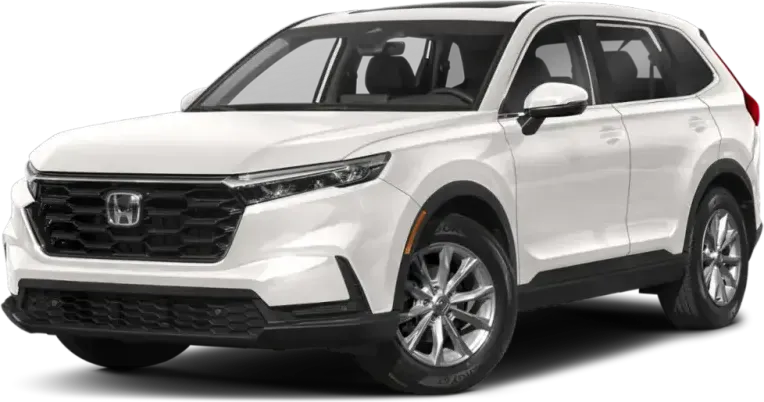
2021 Honda CR-V
Reliability: 77/100
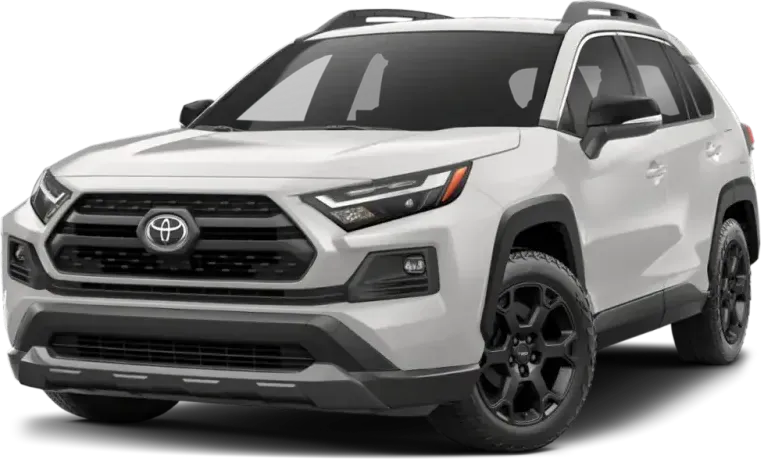
2021 Toyota RAV4
Reliability: 73/100

2021 KIA Sportage
Reliability: 76/100
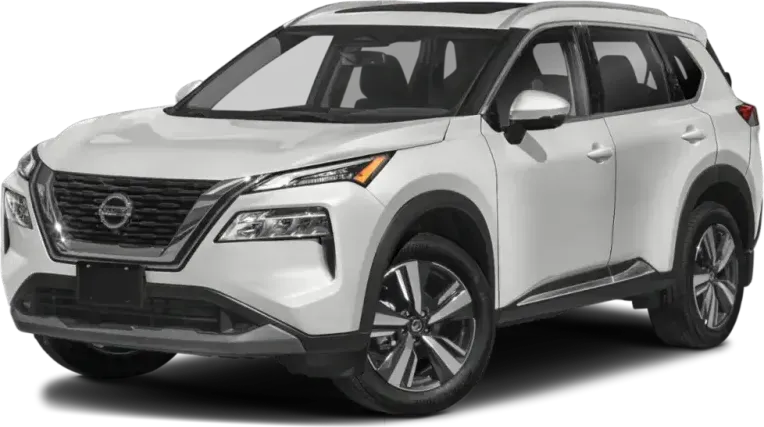
2021 Nissan Rogue
Reliability: 70/100
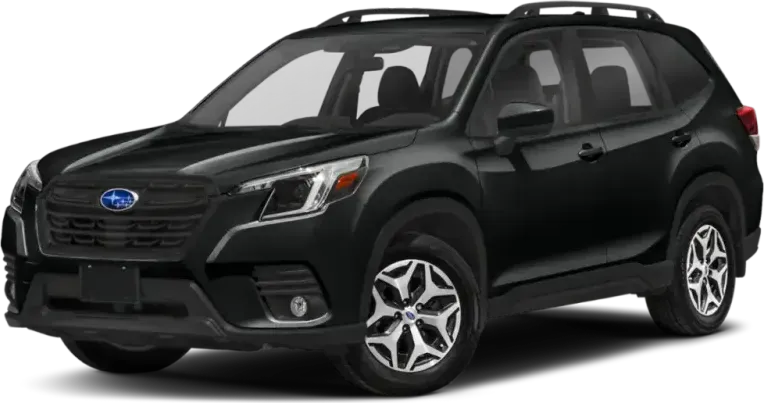
2021 Subaru Forester
Reliability: 76/100
Common Problem Categories
Safety
LOW RISK- 1 manufacturer recall issued
Other
HIGH RISK- ENGINE (20)
- SERVICE BRAKES (9)
Recall Overview
1
recall on record
The 2021 Hyundai Tucson carries 1 recall — a low count. Authorized dealers repair any open recall free of charge, regardless of warranty status.
NHTSA.gov →Complaint Breakdown
4.1
per 10,000 soldSegment avg: 16.7
Safety Incidents
2
Crashes
3
Fires
7
Injuries
0
Deaths
NHTSA 5/5 Stars
Data sourced from NHTSA complaint filings and manufacturer recall notices. Complaint narratives are owner-reported.
2021 Hyundai Tucson Recall Details
1 recall has been issued for the 2021 Hyundai Tucson. All recall repairs are performed free of charge at authorized dealerships.
SERVICE BRAKES, HYDRAULIC
Hyundai Motor America (Hyundai) recalled certain 2019-2021 Tucson vehicles on September 4, 2020. On December 30, 2020, Hyundai expanded the recall population, and added certain 2016-2018 Tucson vehicles. The Anti-lock Brake Hydraulic Electronic Control Unit (HECU) could corrode internally and cause an electrical short, possibly resulting in an engine compartment fire.
Consequence
An engine compartment fire can increase the risk of injury or crash.
Remedy
Hyundai will notify owners, and dealers will replace the HECU fuse. For 2019-2021 model years, the Electronic Stability Control (ESC) software will also be updated. Recall repairs will be performed free of charge. Owners are advised to park outside and away from structures as a precaution until the recall repair is complete. The recall began November 2, 2020. Owners may contact Hyundai customer service at 1-855-371-9460. Hyundai's number for this recall is 195.
Buying a used 2021 Hyundai Tucson? Check its history first
Every 2021 Hyundai Tucson has a different past. A VIN check reveals hidden accidents, title problems, odometer rollbacks, and open recalls that reliability scores can't show you.
- Accidents
- Open Recalls
- Title History
- Odometer Rollback
2021 Hyundai Tucson NHTSA Safety Ratings
Overall Safety Rating
Crash Test Results by Configuration (expand)
Gas Powertrain
Rollover risk: 15.5%
Safety Technologies
Hyundai TucsonRepair Costs & Maintenance
Maintenance Rating
4Maintenance rating: 4 out of 5Based on NHTSA complaint patterns, recall severity, and publicly available cost benchmarks.
Est. Annual Maintenance
$426
vs $521 avg for compact SUVs
vs $652 avg for all vehicles
Repair Frequency
0.3
unscheduled repair visits per year
Severe Repair Probability
10%
chance of a major repair
Annual Cost Comparison
Category-level averages derived from publicly available industry reports (AAA, CarMD). Model-level estimates produced by Auto Reliability Index.
Hyundai Tucson Resale Value
The Hyundai Tucson is estimated to retain about 65.2% of its original value after 5 years, based on observed used-car listings.
This benchmark covers the Hyundai Tucson model overall and is not specific to the 2021 model year.
- Value Retained
- 65.2%
- Depreciation
- 34.8%
- Listings Analyzed
- 720
after 5 years
over the same period
U.S. used-car listings
Listings observed in . Actual resale value varies by trim, mileage, condition, and location.
Explore Hyundai Tucson depreciation and resale value on CarResaleValue.comMPG & Annual Running Costs
Gas
23–25 MPG
Running cost: $2,850–$3,050/yr
Fuel + repair
21–23 city / 25–28 hwy MPG
Running cost includes EPA fuel-cost estimate and independent repair-cost data (repair cost estimated at model level). Excludes routine maintenance, depreciation, and insurance. Data as of 2021 EPA label cycle.
Gas trims
| Trim | Drive | Trans. | City | Hwy | Comb | Fuel Cost |
|---|---|---|---|---|---|---|
| Tucson FWD 2.0L 4-cyl | Front-Wheel Drive | Automatic (S6) | 23 | 28 | 25 | $2,400 |
| Tucson FWD 2.4L 4-cyl | Front-Wheel Drive | Automatic (S6) | 22 | 28 | 25 | $2,400 |
| Tucson AWD 2.0L 4-cyl | All-Wheel Drive | Automatic (S6) | 22 | 25 | 23 | $2,600 |
| Tucson AWD 2.4L 4-cyl | All-Wheel Drive | Automatic (S6) | 21 | 26 | 23 | $2,600 |
Used Buying Checklist
Key things to inspect or verify before purchasing a 2021 Hyundai Tucson.
Inspect engine for knocking sounds or excessive oil consumption
Test brakes for soft pedal or excessive pressure needed
Check air conditioning system for functionality
Verify recall repairs, especially for ABS module and engine issues
Inspect panoramic sunroof for signs of stress or damage
Test rear view camera visibility at night
2021 Hyundai Tucson Common Problems by Component
58 owner complaints grouped by vehicle system.
ENGINE
20 complaintsSafety-relatedOwners report frequent engine issues with the 2021 Hyundai Tucson, often involving rod bearing failures and excessive oil consumption. Complaints frequently mention symptoms such as illuminated check engine lights, reduced acceleration, and vehicles entering "limp mode," limiting speed and RPMs. These issues are typically reported around 25,000 to 65,000 miles, with some owners experiencing complete engine failure. Safety concerns are significant, with two reports of engine fires, one of which resulted in injuries, and several instances of vehicles stalling on highways, posing risks of accidents. Buyers should be aware of these recurring problems when considering a used 2021 Tucson.
SERVICE BRAKES
9 complaintsOwners of the 2021 Hyundai Tucson frequently report issues with the service brakes, particularly involving an electrical short in the ABS module that poses a risk of engine compartment fires, as highlighted in multiple recall-related complaints. Several owners describe a lack of availability of parts needed for recall repairs, resulting in extended wait times and concerns over safety due to the potential fire hazard. Additionally, some owners mention problems with the brake pedal becoming soft and requiring excessive pressure, often linked to a suspected vacuum assist issue, with one owner noting resolution after replacing a check valve themselves. These issues are reported across various mileage ranges, with some problems appearing as early as within the first year of ownership. Safety implications include increased stopping distances and potential loss of brake power, although no crashes are explicitly reported. This information is pertinent for used car buyers to consider, given the potential for unresolved recall repairs and brake system concerns.
ELECTRICAL SYSTEM
7 complaintsOwners of the 2021 Hyundai Tucson frequently report issues with the electrical system, particularly concerning the air conditioning and rear view camera. Multiple complaints describe the air conditioning system failing at under 55,000 miles, with extensive parts replacements not resolving the issue. Additionally, the rear view camera is noted to be ineffective at night. Some owners experience repeated knock sensor failures leading to limp mode, significantly impacting vehicle performance and posing a safety risk due to sudden deceleration. There are also reports of poor vehicle performance and reduced fuel efficiency following a dealership software update, with no resolution from the manufacturer. Safety concerns are highlighted in complaints about potential fire risks related to the ABS module, with suggestions to park vehicles outside. These issues suggest potential reliability concerns for prospective buyers, especially those considering vehicles with higher mileage or those produced before November 2020.
UNKNOWN OR OTHER (6 complaints)
UNKNOWN OR OTHER
6 complaintsSafety-relatedOwners of the 2021 Hyundai Tucson report several issues, with a focus on rear window implosions and engine problems. Multiple complaints describe the rear hatch window shattering unexpectedly, sometimes accompanied by a popping noise. Engine-related issues include knocking sounds, self-acceleration and deceleration, and sudden shutdowns, often leading to engine replacement recommendations. One complaint involves a fire originating in the trunk area, highlighting a significant safety risk. These issues occur at varying mileages, with some owners mentioning vehicle service history and ongoing difficulties in obtaining timely dealer repairs.
POWER TRAIN (5 complaints)
POWER TRAIN
5 complaintsOwners report that the 2021 Hyundai Tucson frequently experiences hesitation and stalling issues, particularly when accelerating from a stop or during lane changes and highway merging. Complaints commonly describe delayed throttle response, where the vehicle fails to move despite pressing the accelerator, sometimes requiring multiple attempts to engage the engine. These issues are often accompanied by additional symptoms like engine stalling, power loss, rough idling, and the illumination of the check engine light. The reported problems occur at various mileage levels, with some owners noting issues as early as 9,000 miles and others experiencing them beyond 36,000 miles. Safety implications are significant, as several owners mention near collisions due to the vehicle's unresponsiveness, particularly in traffic or while merging at higher speeds.
STRUCTURE (2 complaints)
STRUCTURE
2 complaintsOwners report that the panoramic sunroof on the 2021 Hyundai Tucson can spontaneously explode while driving, with no prior warning. Complaints frequently mention a loud noise, likened to a bomb or gunshot, followed by shattered glass dispersing into the vehicle's cabin. Both incidents occurred while driving on the freeway, suggesting potential safety implications, including injury risk from the glass and the need for sudden stops on highways. These reports do not specify exact mileage, and no external factors like temperature or impact are noted. Prospective buyers should be aware of this issue due to its potential for driver distraction and injury.
AIR BAGS (2 complaints)
AIR BAGS
2 complaintsSafety-relatedOwners report issues with the airbag system in the 2021 Hyundai Tucson, particularly the non-deployment of the driver's side airbag during crashes. Complaints frequently mention incidents where the airbag fails to deploy, resulting in injuries, including neck injuries and severe internal injuries to passengers. Both reported complaints involve crashes, with one highlighting a multi-impact accident where the airbag did not deploy and the seatbelt caused internal injuries. These incidents suggest potential safety implications, especially in terms of airbag reliability during collisions. Buyers should be aware of these reported issues when considering a used 2021 Hyundai Tucson.
STEERING (2 complaints)
STEERING
2 complaintsOwners report issues with the steering column of the 2021 Hyundai Tucson, where it occasionally fails to disengage, leading to a locked steering wheel even when the vehicle is in gear. Complaints frequently mention the presence of a yellow warning light with a car and key symbol during these incidents. Multiple owners describe near-collisions due to this malfunction, particularly when starting the vehicle or backing out of parking spots. Additional symptoms include problems with the electronic e-brake, such as delayed release or unexpected engagement, and a loss of power during acceleration. These issues often occur with passengers in the vehicle, raising safety concerns, although no specific mileage range is consistently reported.
SEAT BELTS (1 complaints)
SEAT BELTS
1 complaintThe driver side and center seat belts in the back seat don’t secure. The buckle just slides back out. They’ve apparently been like that since I bought the car in 2020 and just recently had a passenger in one of those seats.
VEHICLE SPEED CONTROL (1 complaints)
VEHICLE SPEED CONTROL
1 complaintWhile driving on a major highway, my car went into limp mode topping out at 60 mph then decreasing before going back to 60. My check engine light was also blinking, not solid.
When Do 2021 Hyundai Tucson Problems Start?
Based on owner complaint patterns, here's when common issues tend to appear.
Best & Worst Hyundai Tucson Years
Comprehensive reliability analysis based on NHTSA data, owner complaints, and historical performance.
Best Hyundai Tucson Years to Buy
Based on reliability index scoreThe best Hyundai Tucson year is 2026 with a reliability score of 80/100, rated excellent. Other strong picks include 2021 (78/100) and 2024 (77/100).
2026
2021
(Current Model)
2024
Hyundai Tucson Years to Avoid
The worst Hyundai Tucson year is 2022 with a score of 66/100, primarily due to power train (82) issues. Also avoid 2019 (68/100).
Hyundai Tucson Reliability Score Trend
Hyundai Tucson reliability has remained consistent across model years, averaging 73/100.
Scores 0–100. Higher is better. Current year highlighted.
| Year | Score | Rating |
|---|---|---|
| 2018 | 68/100 | Good |
| 2019 | 68/100 | Good |
| 2020 | 73/100 | Good |
| 2021 | 78/100 | Good |
| 2022 | 66/100 | Good |
| 2023 | 75/100 | Good |
| 2024 | 77/100 | Good |
| 2025 | 75/100 | Good |
| 2026 | 80/100 | Excellent |
Hyundai Tucson Reliability Compared to Other Years
Frequently Asked Questions
Is the 2021 Hyundai Tucson reliable?
What are the most common problems with the 2021 Hyundai Tucson?
How many recalls does the 2021 Hyundai Tucson have?
Is the 2021 Hyundai Tucson expensive to maintain?
Don’t buy a 2021 Hyundai Tucson without checking its VIN first — hidden accidents, title issues, and open recalls could cost you thousands.
How We Calculate Reliability Scores
Auto Reliability Index scores are calculated on a 0–100 scale using a weighted formula that combines multiple public data sources. Each factor is weighted based on its predictive value for real-world ownership experience.
Key Ranking Factors
Complaint Severity
NHTSA owner complaints weighted by component category (e.g., powertrain, safety systems, electronics, cosmetic) — safety-critical issues carry more weight than cosmetic ones. Adjusted for sales volume so high-volume models aren't unfairly penalized.
Repair Costs
Independent reliability ratings based on repair frequency, average repair costs, and severity of typical repairs for each model.
Recall Impact
Number of NHTSA recalls weighted by severity. “Stop driving” and fire-risk recalls are penalized more heavily than minor software or labeling recalls.
Issue Diversity
Measures how many major vehicle systems (engine, transmission, electrical, braking, etc.) have recorded complaints. A vehicle with issues spread across many systems may indicate systemic quality issues.
Scores are grouped into four tiers:
- 80–100: Excellent— Top-tier reliability, minimal issues
- 60–79: Good— Reliable with some minor concerns
- 40–59: Mixed— Notable issues, research before buying
- 0–39: Risky— Significant problems, proceed with caution
Data is sourced from NHTSA recall records, owner complaint filings, and independent repair databases via vehicles.dev. Scores are recalculated as new data becomes available. While the weighting model is proprietary, all underlying data sources are public and traceable.
Get notified when new recalls or reliability data is added for the Hyundai Tucson.
No spam. Only data updates for this model.
Browse More Hyundai Models
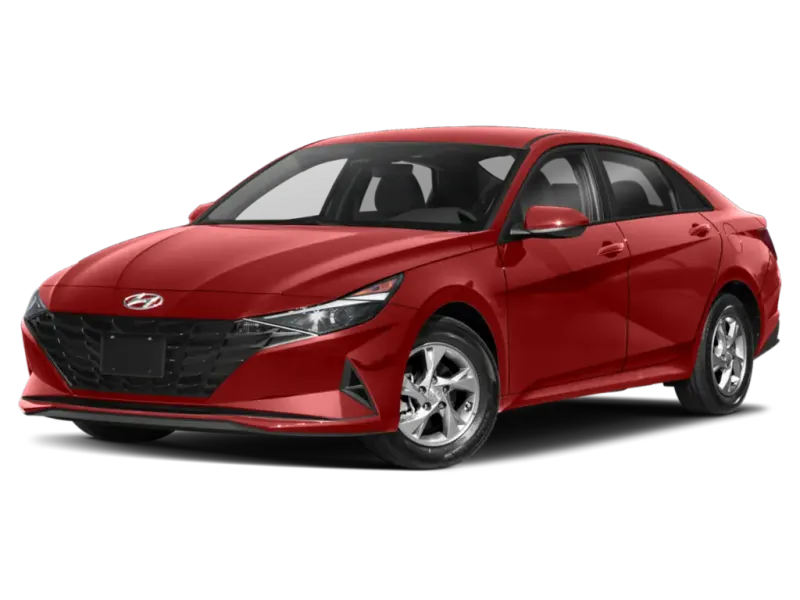
Hyundai Elantra
Score: 94/100
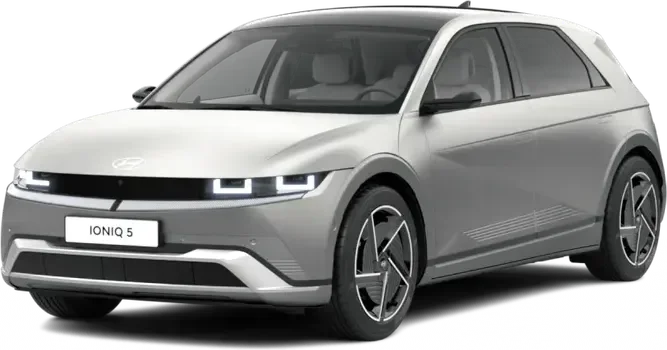
Hyundai Ioniq 5
Score: 63/100
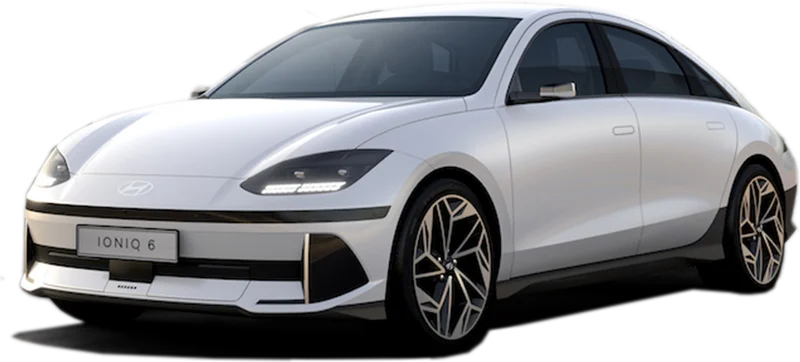
Hyundai Ioniq 6
Score: 82/100
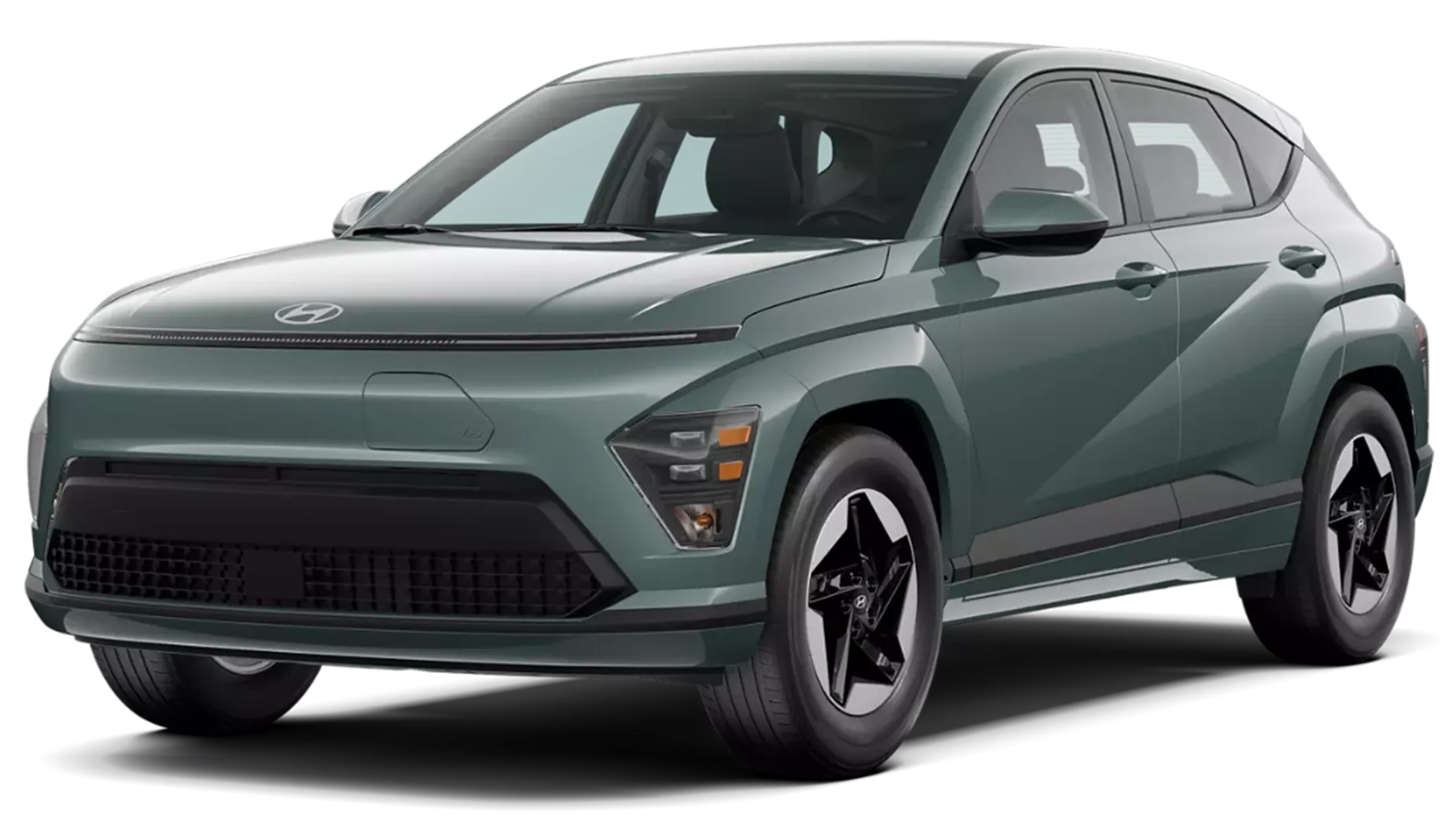
Hyundai Kona
Score: 67/100

Hyundai Palisade
Score: 72/100
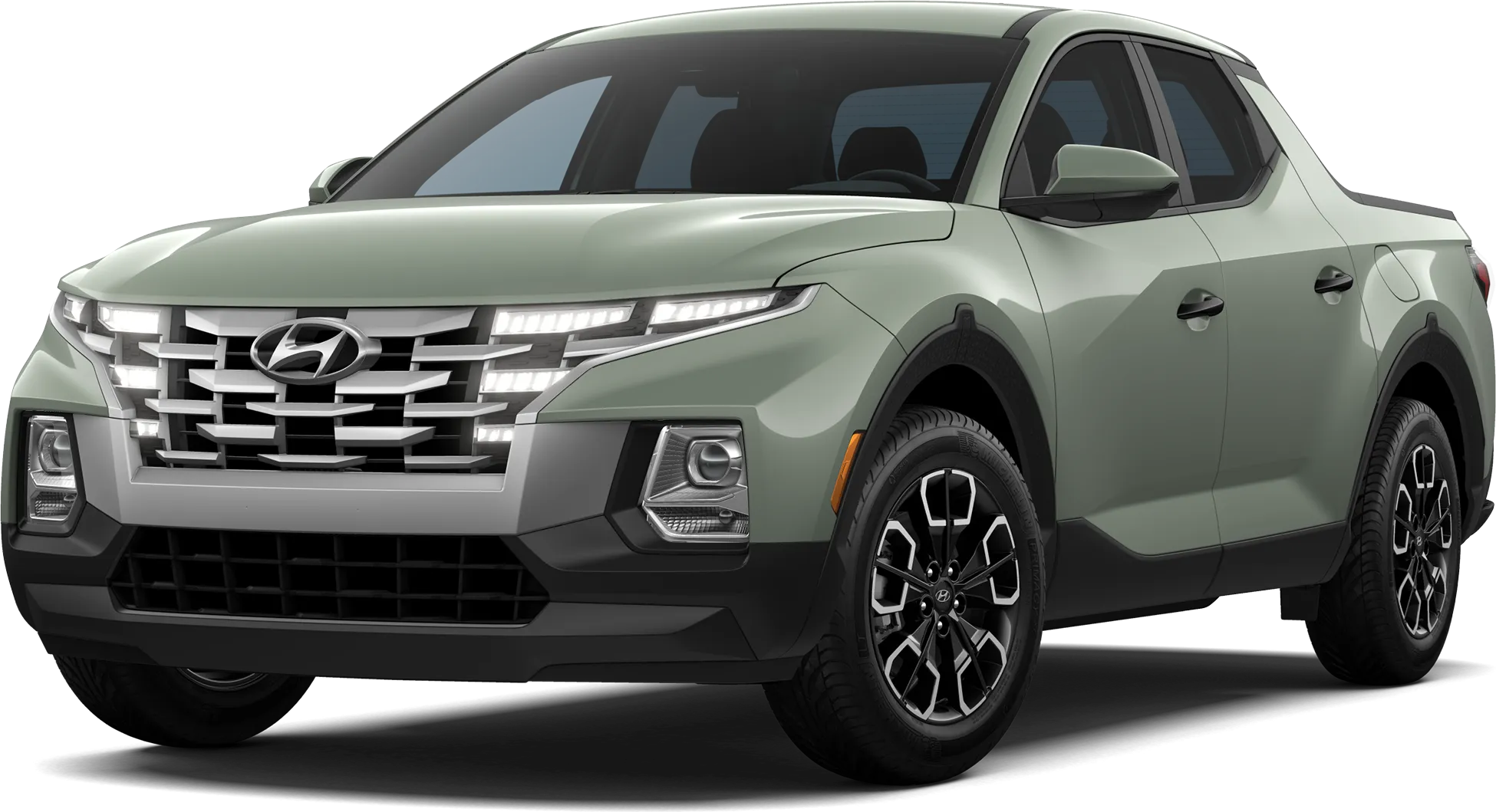
Hyundai Santa-Cruz
Score: 74/100
Browse More 2021 Vehicles

2021 KIA Sedona
Score: 88/100
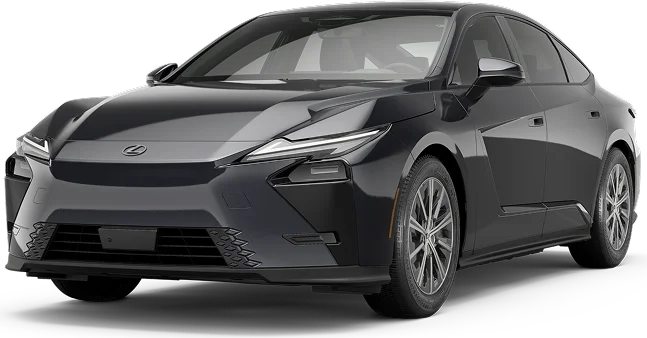
2021 Lexus ES
Score: 88/100
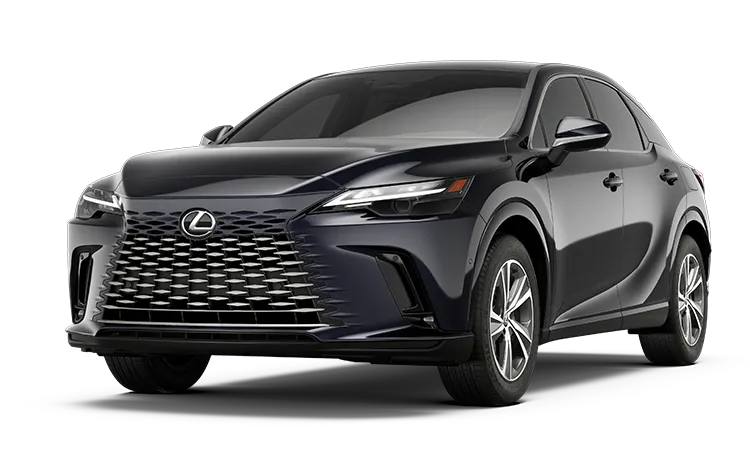
2021 Lexus RX
Score: 86/100
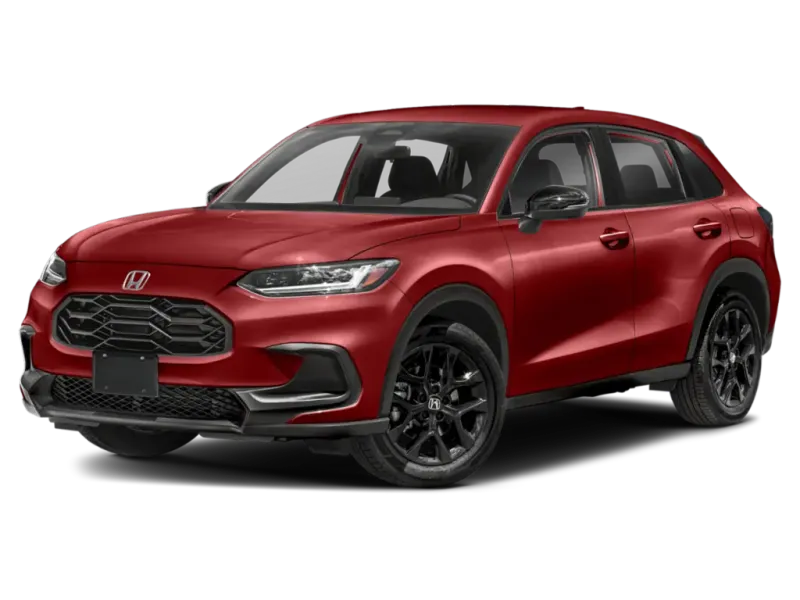
2021 Honda HR-V
Score: 86/100
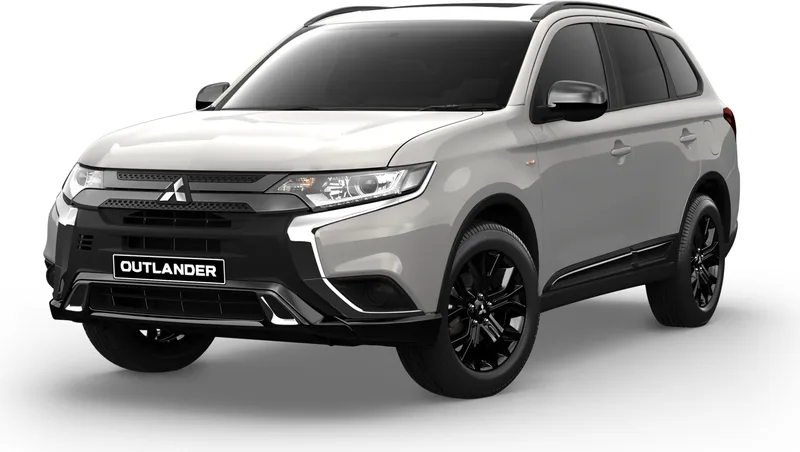
2021 Mitsubishi Outlander
Score: 84/100
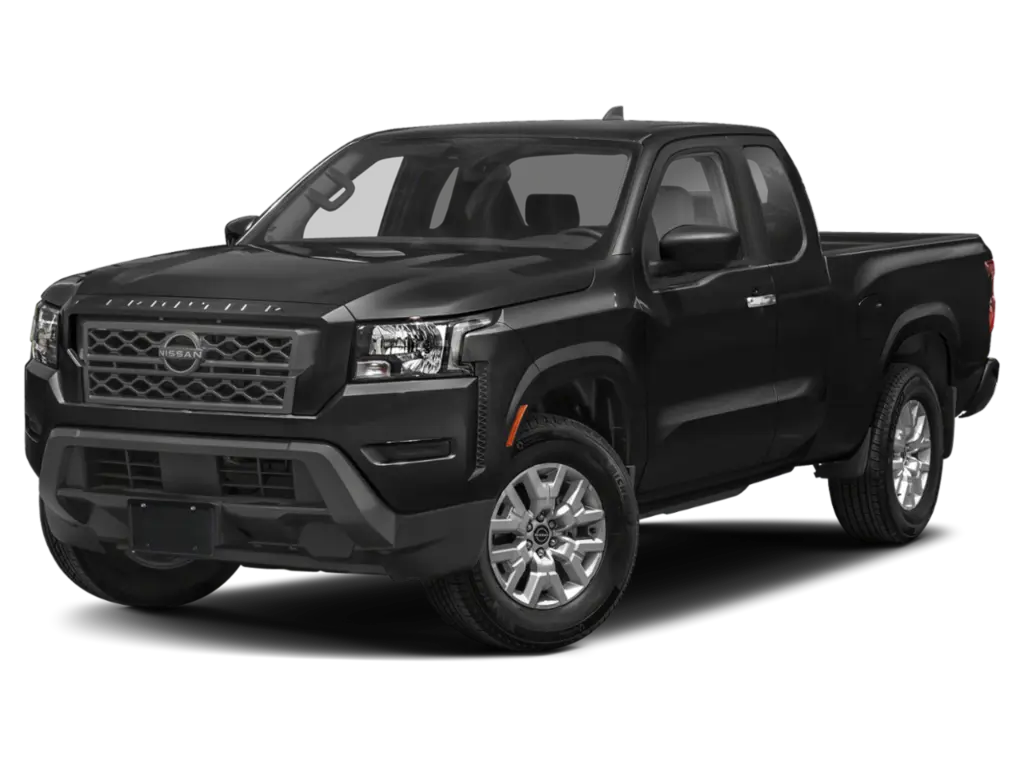
2021 Nissan Frontier
Score: 84/100
See incorrect data? Report an issue