Last updated: 2026-10-10
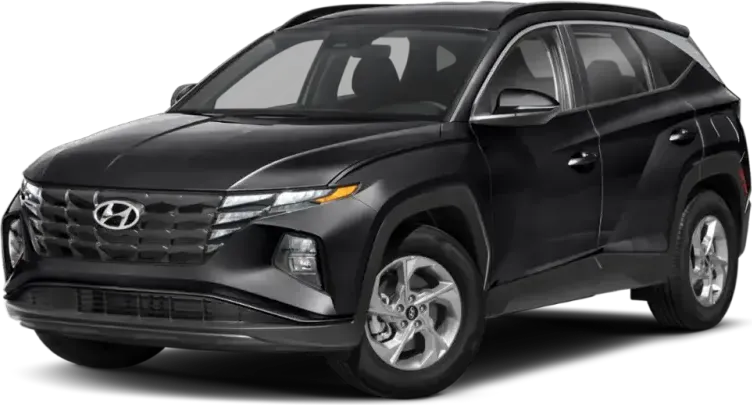
2025 Hyundai Tucson Reliability Report
The 2025 Hyundai Tucson has good reliability, but owners report false emergency braking and dashboard blackouts in the first few thousand miles.
Recalls
6
Complaints
251
Complaint Rate
10.7per 10,000 sold
Est. Repair Cost
$426
Annual Fuel Cost
$2,150–$2,300
Detailed Score Breakdown
Component-weighted complaints normalized by sales volume
Independent repair cost ratings
Recall count weighted by severity
Breadth of reported problem categories
The Verdict
Rated good and middle of the pack among Tucson years, with false automatic emergency braking and instrument cluster blackouts as the main owner complaints.
Top Issues to Watch
- FORWARD COLLISION AVOIDANCE (72)
- ELECTRICAL SYSTEM (67)
- VEHICLE SPEED CONTROL (19)
Should You Buy the 2025 Hyundai Tucson?
Reliability is good, and close to average against other 2025 SUVs. Among the nine scored Tucson years, this one sits in the middle. Independent repair-cost data puts yearly repairs at $426, under the $521 for its class, and the federal crash-test rating is 5 of 5 stars. The 2024 rates about the same. The 2026 rates better, but with only 3 complaints it has simply had less time to collect them.
Most complaints involve driver-assist and electronics. Automatic emergency braking stops the car with no real hazard, often while the driver is already slowing, and 11 of those 72 complaints involve crashes, mostly rear-end hits. Instrument cluster and head-up display blackouts can last over 30 seconds, often within the first 1,000 miles. Some transmission and hybrid drive failures leave the car unable to move, starting around 1,541 to 2,000 miles. Federal records list 6 recalls, including two for the electrical system.
Ask for the recall history and any cluster, module or transmission repair records. On a test drive, check that the dash stays lit and the cruise control stays on.
Compared to the 2026 Hyundai Tucson, which scored 5 points higher. See also the 2024 Hyundai Tucson for an earlier comparison.
Pros
- +Acceptable reliability score
- +$95 cheaper to maintain than avg compact SUVs
- +Infrequent unscheduled repairs
- +Low major repair risk (10%)
Cons
- −Above-average recall count
- −Above-average complaint rate for SUV
- −FORWARD COLLISION AVOIDANCE issues reported (72 complaints)
Compare 2025 Hyundai Tucson With
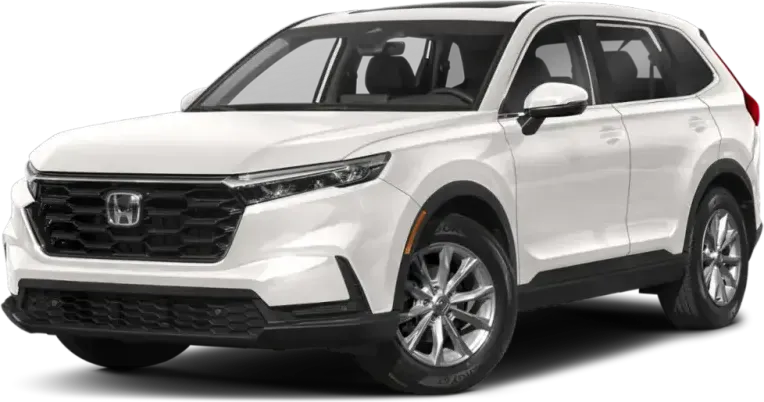
2025 Honda CR-V
Reliability: 80/100
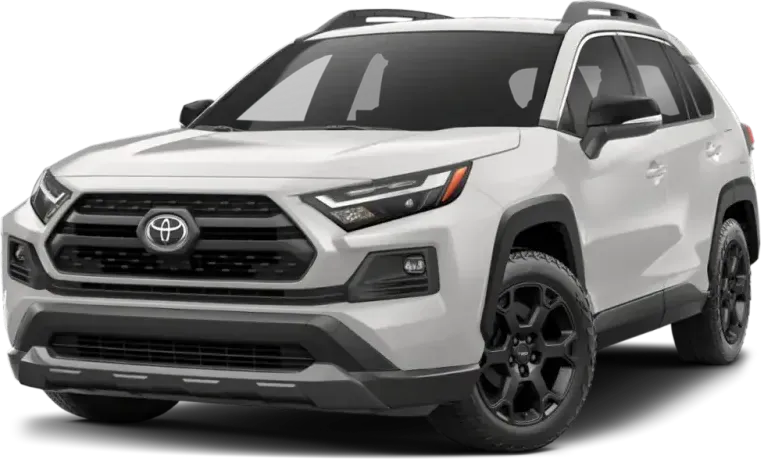
2025 Toyota RAV4
Reliability: 84/100
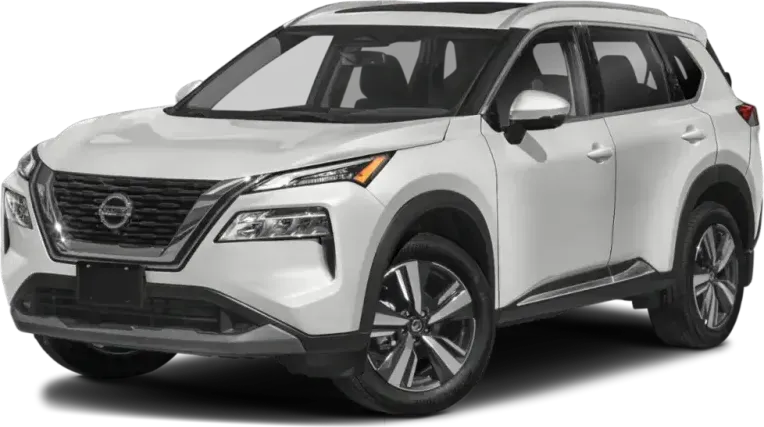
2025 Nissan Rogue
Reliability: 84/100
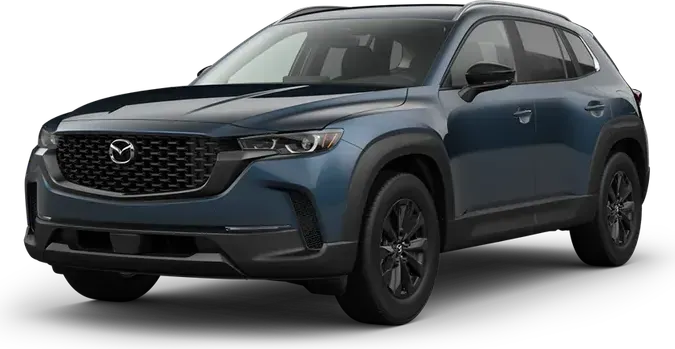
2025 Mazda CX-50
Reliability: 66/100
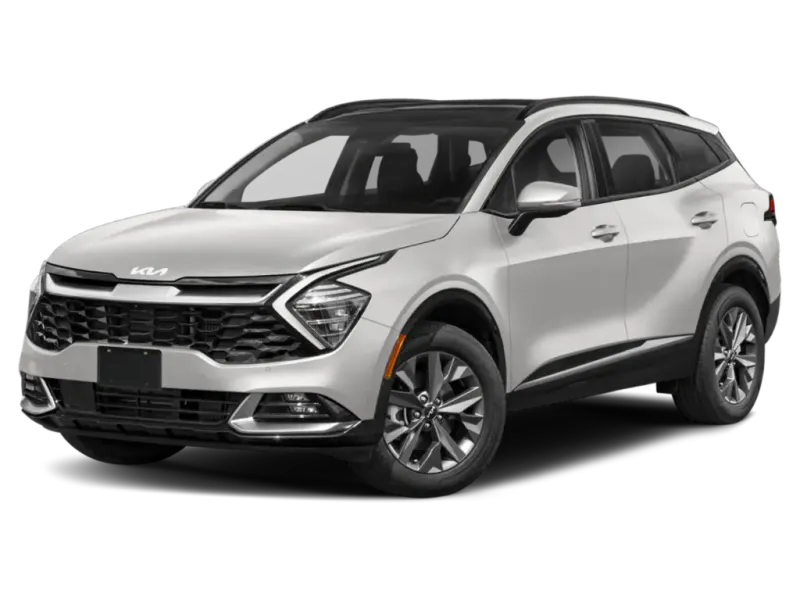
2025 Kia Sportage
Reliability: 82/100
Common Problem Categories
Safety
LOW RISK- 6 manufacturer recalls issued
Other
HIGH RISK- FORWARD COLLISION AVOIDANCE (72)
- ELECTRICAL SYSTEM (67)
Recall Overview
6
recalls on record
The 2025 Hyundai Tucson has 6 recalls on record, which is above average. A high count can flag multiple component concerns, though it also shows the manufacturer is actively addressing known issues.
NHTSA.gov →Complaint Breakdown
10.7
per 10,000 soldSegment avg: 3.5
Safety Incidents
20
Crashes
2
Fires
15
Injuries
0
Deaths
NHTSA 5/5 Stars
Data sourced from NHTSA complaint filings and manufacturer recall notices. Complaint narratives are owner-reported.
2025 Hyundai Tucson Recall Details
6 recalls have been issued for the 2025 Hyundai Tucson. All recall repairs are performed free of charge at authorized dealerships.
ELECTRICAL SYSTEM
Hyundai Motor America (Hyundai) is recalling certain 2025-2026 Tucson Hybrid, Tucson Plug-In Hybrid Electric (PHEV), 2026 IONIQ 5, Santa Cruz, Kona, Palisade, Palisade Hybrid, Santa Fe, Santa Fe Hybrid, Sonata, Sonata Hybrid, and Tucson vehicles. Due to a software error, the instrument panel display may fail. As such, these vehicles fail to comply with the requirements of Federal Motor Vehicle Safety Standard (FMVSS) number 101, "Controls and Displays."
Consequence
An instrument panel display that fails to show critical safety information, such as the speedometer or warning lights, increases the risk of a crash.
Remedy
The instrument panel display software will be updated over-the-air (OTA) or by a dealer, free of charge. Owner notification letters are expected to be mailed March 27, 2026. Owners may contact Hyundai's customer service at 855-371-9460. Hyundai's number for this recall is 293. Vehicle Identification Numbers (VINs) involved in this recall became searchable on NHTSA.gov on January 28, 2026.
AIR BAGS
Hyundai Motor America (Hyundai) is recalling certain 2025 Tucson, 2025-2026 Santa Cruz, Santa Fe, Santa Fe Hybrid, and 2026 Genesis GV70 vehicles. The side curtain air bags may not have been installed properly, which can cause the air bags not to deploy as intended.
Consequence
Side curtain air bags that do not deploy as intended increase the risk of injury in a crash.
Remedy
Dealers will reinstall the side curtain air bags, free of charge. Owner notification letters were mailed beginning December 29, 2025. Owners may contact Hyundai customer service at 1-855-371-9460. Hyundai's numbers for this recall are 289 and 029G. Vehicle Identification Numbers (VINs) involved in this recall became searchable on NHTSA.gov on November 22, 2025.
ENGINE AND ENGINE COOLING
Hyundai Motor America (Hyundai) is recalling certain 2025-2026 Tucson and Santa Fe vehicles. The connecting rod bolts in the engine may have been improperly tightened, which can cause a loss of drive power and engine damage, possibly resulting in an oil leak.
Consequence
A loss of drive power increases the risk of a crash. An oil leak in the presence of hot engine components can increase the risk of an engine compartment fire.
Remedy
Dealers will replace the engine, free of charge. Owner notification letters were mailed October 23, 2025. Owners may contact Hyundai customer service at 1-855-371-9460. Hyundai's number for this recall is 281.
Buying a used 2025 Hyundai Tucson? Check its history first
Forward collision avoidance problems lead owner complaints about the 2025 Hyundai Tucson, and 6 recalls were issued for it. A VIN check shows whether this car's recall work was done, plus accident, title, and odometer history.
- Accidents
- Open Recalls
- Title History
- Odometer Rollback
2025 Hyundai Tucson NHTSA Safety Ratings
Overall Safety Rating
Crash Test Results by Configuration (expand)
Gas Powertrain
Rollover risk: 15.9%
Safety Technologies
HEV Powertrain
Rollover risk: 17.4%
Safety Technologies
PHEV Powertrain
Rollover risk: 0.0%
Safety Technologies
Hyundai TucsonRepair Costs & Maintenance
Maintenance Rating
4Maintenance rating: 4 out of 5Based on NHTSA complaint patterns, recall severity, and publicly available cost benchmarks.
Est. Annual Maintenance
$426
vs $521 avg for compact SUVs
vs $652 avg for all vehicles
Repair Frequency
0.3
unscheduled repair visits per year
Severe Repair Probability
10%
chance of a major repair
Annual Cost Comparison
Category-level averages derived from publicly available industry reports (AAA, CarMD). Model-level estimates produced by Auto Reliability Index.
Hyundai Tucson Resale Value
The Hyundai Tucson is estimated to retain about 65.2% of its original value after 5 years, based on observed used-car listings.
This benchmark covers the Hyundai Tucson model overall and is not specific to the 2025 model year.
- Value Retained
- 65.2%
- Depreciation
- 34.8%
- Listings Analyzed
- 720
after 5 years
over the same period
U.S. used-car listings
Listings observed in . Actual resale value varies by trim, mileage, condition, and location.
Explore Hyundai Tucson depreciation and resale value on CarResaleValue.comMPG & Annual Running Costs
Gas
26–28 MPG
Running cost: $2,600–$2,750/yr
Fuel + repair
24–25 city / 30–33 hwy MPG
Plug-in Hybrid
35–38 MPG
Running cost: $2,050–$2,150/yr
Fuel + repair
35–38 city / 35–38 hwy MPG
Running cost includes EPA fuel-cost estimate and independent repair-cost data (repair cost estimated at model level). Excludes routine maintenance, depreciation, and insurance. Data as of 2025 EPA label cycle.
Gas trims
| Trim | Drive | Trans. | City | Hwy | Comb | Fuel Cost |
|---|---|---|---|---|---|---|
| Tucson FWD 2.5L 4-cyl | Front-Wheel Drive | Automatic (S8) | 25 | 33 | 28 | $2,150 |
| Tucson AWD 2.5L 4-cyl | All-Wheel Drive | Automatic (S8) | 24 | 30 | 26 | $2,300 |
Plug-in Hybrid trims
| Trim | Drive | Trans. | City | Hwy | Comb | Fuel Cost |
|---|---|---|---|---|---|---|
| Tucson Plug-in Hybrid 1.6L 4-cyl | All-Wheel Drive | Automatic (AM-S6) | 35 | 35 | 35 | $1,700 |
Used Buying Checklist
Key things to inspect or verify before purchasing a 2025 Hyundai Tucson.
Drive in stop-and-go traffic and change lanes on a highway, watching for automatic braking with no hazard ahead.
Take a long drive over bumpy roads and watch whether the instrument cluster or head-up display goes blank.
Ask for service records showing transmission, transmission control module, or hybrid system replacement, and for any open repair orders.
Use adaptive cruise control while wearing sunglasses and see whether it shuts off or the car slows unexpectedly.
Press the horn several times and have a scan checked for code C2A23.
Confirm the air bag warning light goes out after startup and stays off.
Inspect the panoramic sunroof glass for cracks or replacement, and check that the power hatch stops when it meets an obstruction.
Have a dealer confirm that all recall work on this VIN has been completed.
2025 Hyundai Tucson Common Problems by Component
251 owner complaints grouped by vehicle system.
FORWARD COLLISION AVOIDANCE
72 complaintsSafety-relatedAutomatic emergency braking engages when there is no real hazard and brings the car to a full stop, at city speeds and on the highway. Owners report it firing while they are already slowing for a light, turning, changing lanes, or after the car ahead has moved away. Of 72 complaints, 11 involve crashes, mostly rear-end hits from following drivers, and 4 involve injuries such as whiplash and neck pain. Dealers often cannot reproduce it. Reported responses include clearing a front camera blockage code or switching the system off, which resets at every restart.
ELECTRICAL SYSTEM
67 complaintsSafety-relatedThe instrument cluster and head-up display go dark while driving. The blackouts last from a few seconds to over 30 seconds and leave the driver with no speed or fuel reading. Some cars light every warning lamp at once. It often starts within the first 1000 miles. Dealers have replaced cluster modules, head units and wire harnesses, sometimes without fixing it, and some parts were back-ordered. Other reports describe hybrid system failures, a car that would not move after a failed over-the-air update, and brake and steering warnings. One parked car burned, and the cause was found to be a lithium battery failure.
UNKNOWN OR OTHER
40 complaintsSafety-relatedSudden loss of power shows up here. The car will not go faster than 5 mph, or the accelerator stops responding at 65 mph on the highway. Other reports repeat the false emergency braking and the blank cluster and head-up display seen in other categories. Owners also cite a Driver Attention Warning that goes off erratically, a horn failure that took 34 days to repair, a panoramic sunroof that shattered while driving, and a power hatch that closed on a person. Of 40 complaints, 1 is crash-related and 1 describes a fire that started inside a parked car.
VEHICLE SPEED CONTROL (19 complaints)
VEHICLE SPEED CONTROL
19 complaintsSafety-relatedAdaptive cruise control shuts off without warning at highway speed, and the car starts slowing in traffic. Most reports trace this to the driver-facing camera of the attention warning system. Sunglasses, even light lenses, or an arm resting on top of the wheel can block its view of the driver's eyes. The alert is a long text message that is hard to read in time. Separate reports describe cars that will not go faster than 25 mph or 4 mph until they are restarted, and one crash blamed on unintended acceleration. Dealers often find nothing wrong.
POWER TRAIN (13 complaints)
POWER TRAIN
13 complaintsTransmission and hybrid drive failures leave the car unable to move or losing power on the highway, often within the first 2,000 miles. Hybrid system, powertrain and check engine warnings come on. Dealers have replaced transmissions and a transmission control module. One back-ordered transmission kept a car out of service for at least 10 weeks. Other reports describe harsh, bucking shifts when the engine is cold, shuddering, engine misses, surging without throttle input, and a car limited to 25 mph until restarted. Auto stop/start can be slow to restart the engine at a light.
SERVICE BRAKES (9 complaints)
SERVICE BRAKES
9 complaintsSafety-relatedAll four wheels lock and the car skids to a stop with no hazard ahead. Owners link this to the forward collision avoidance system. It happens at low speed in roundabouts and turns, and on the highway when the car ahead changes lanes. One rear-end crash caused $12,500 in damage, and drivers describe being thrown toward the windshield. Setting the warning to late does not stop it, and dealer scans find no codes. Because the system cannot be shut off permanently, several owners turn it off every time they start the car.
STEERING (6 complaints)
STEERING
6 complaintsSafety-relatedIn a rear-end crash with 2 injuries, the steering wheel came loose in the driver's hands and no airbag deployed. Other reports describe a loose steering wheel connection that made the car sway at 40 mph. Some owners report heavy steering when the screens go blank and the car stops accelerating, and this continued after a recall repair. Horn failures set code C2A23, which points to the horn switch or clock spring. Owners worry this could also affect the airbag. Lane-keeping steering also shuts off when the driver wears sunglasses.
EXTERIOR LIGHTING (4 complaints)
EXTERIOR LIGHTING
4 complaintsSafety-relatedThe rear turn signals sit low in the bumper, and owners say following drivers cannot see them in bright sun or heavy traffic. One crash during a highway lane change is blamed on this placement, and owners report several near rear-end collisions. Dealers say the lights work as designed and cannot be moved. A separate complaint describes a dark spot in the driver-side low beam that a dealer also found on another Tucson of the same trim. One report filed here actually concerns the cluster and head-up display blacking out.
AIR BAGS (2 complaints)
AIR BAGS
2 complaintsSafety-relatedJust 2 complaints are filed here, and neither describes an airbag failing in a crash. One, about a rental car, reports the engine stopping and restarting on its own while driving. In the same car, reverse sometimes failed to engage, the car once accelerated unintentionally, and the brake pedal felt stiff, in an incident with 2 injuries. The other reports an air bag warning light that stays on. These complaints show no clear pattern.
STRUCTURE (2 complaints)
STRUCTURE
2 complaintsSafety-relatedA front airbag failed to open in an intersection crash that totaled the car, even though the other vehicle's airbag deployed. The second complaint describes a driver who cut his leg on the edge of the front door while getting out, at about 13,000 miles. Both reports involve injuries, but with only 2 complaints on file they are isolated cases. Neither describes a recurring structural defect such as rust or broken body parts.
When Do 2025 Hyundai Tucson Problems Start?
Based on owner complaint patterns, here's when common issues tend to appear.
Best & Worst Hyundai Tucson Years
Best Hyundai Tucson Years to Buy
Based on reliability index scoreHyundai Tucson Years to Avoid
Hyundai Tucson Reliability Score Trend
Scores 0–100. Higher is better. Current year highlighted.
| Year | Score | Rating |
|---|---|---|
| 2018 | 68/100 | Good |
| 2019 | 68/100 | Good |
| 2020 | 73/100 | Good |
| 2021 | 78/100 | Good |
| 2022 | 66/100 | Good |
| 2023 | 75/100 | Good |
| 2024 | 77/100 | Good |
| 2025 | 75/100 | Good |
| 2026 | 80/100 | Excellent |
Hyundai Tucson Reliability Compared to Other Years
2025 Hyundai Tucson Reliability by Powertrain
The 2025 Hyundai Tucson is available with 3powertrain options. Here's how they compare on reliability.
| Powertrain | Complaints | Recalls | Incidents* | Crash Rating |
|---|---|---|---|---|
| Gas | 161 | 4 | 17 | 5 out of 5 |
| HEV | 88 | 1 | 5 | 5 out of 5 |
| PHEV | 2 | 1 | 0 | N/T |
| Total | 251 | 6 | 22 |
NHTSA tracks complaints by vehicle configuration when that detail is available. Model-level reports that do not identify a specific powertrain are included in Total but not assigned to a row. A plus sign indicates a confirmed minimum; — means no complaints could be attributed to that specific powertrain. N/T = Not tested by NHTSA.
* Incidents = crash + fire reports. A single complaint can include multiple incident types.
Frequently Asked Questions
Is the 2025 Hyundai Tucson reliable?
What are the most common problems with the 2025 Hyundai Tucson?
Does the 2025 Hyundai Tucson have automatic emergency braking problems?
Does the 2025 Hyundai Tucson have instrument cluster problems?
How many recalls does the 2025 Hyundai Tucson have?
Don’t buy a 2025 Hyundai Tucson without checking its VIN first — hidden accidents, title issues, and open recalls could cost you thousands.
How we score the 2025 Hyundai Tucson
Of the four inputs behind this score, the 2025 Hyundai Tucson does best on how many systems draw complaints (87/100) and worst on recall impact (68/100). Scores weight complaint severity at 35%, repair costs at 30%, recall impact at 20%, and the spread of complaints across systems at 15%, with complaint counts adjusted for US sales. Read the full methodology.
Get notified when new recalls or reliability data is added for the Hyundai Tucson.
No spam. Only data updates for this model.
Browse More Hyundai Models
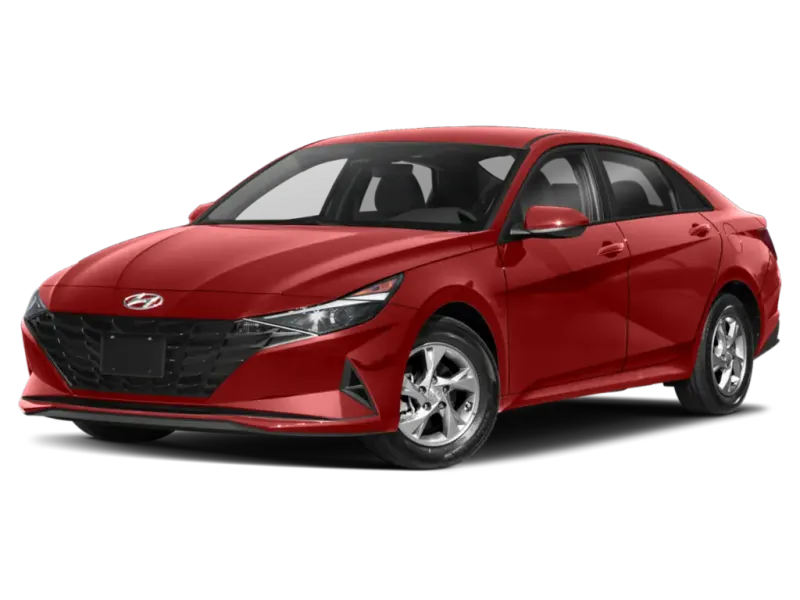
Hyundai Elantra
Score: 94/100
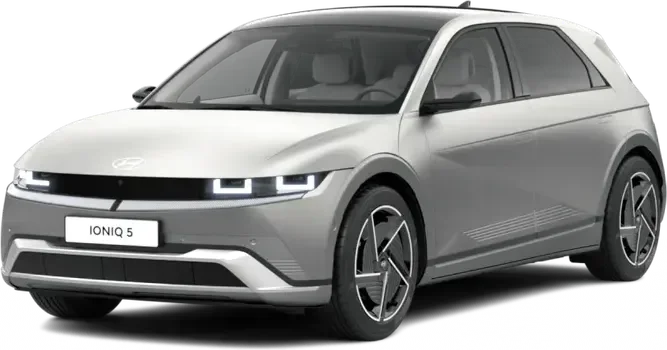
Hyundai Ioniq 5
Score: 63/100
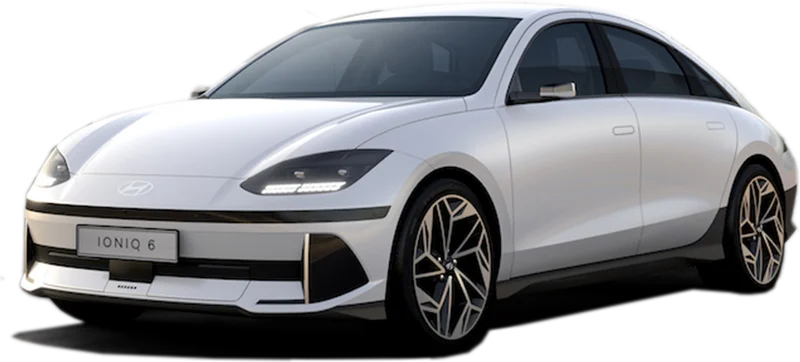
Hyundai Ioniq 6
Score: 82/100
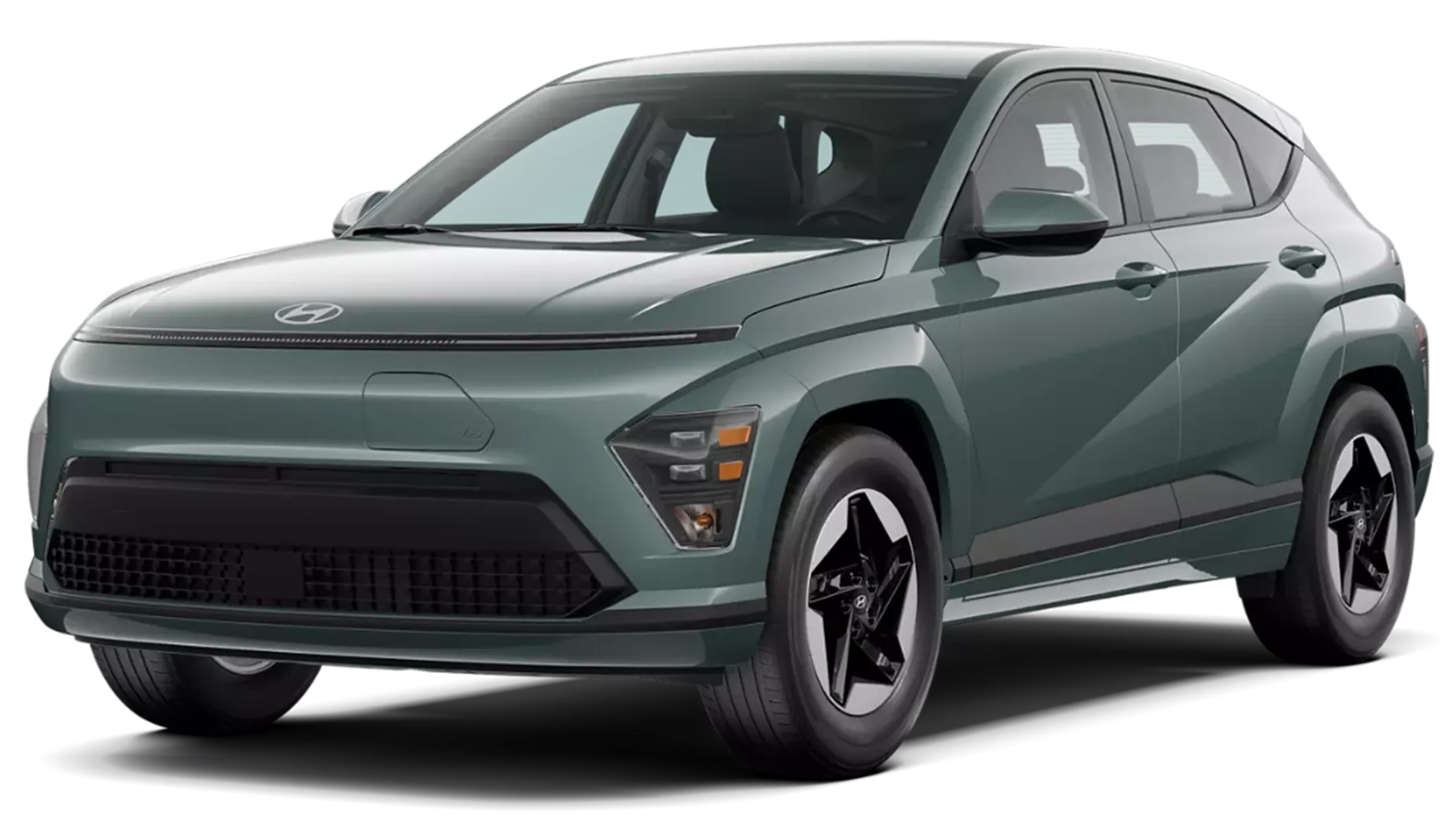
Hyundai Kona
Score: 67/100

Hyundai Palisade
Score: 72/100
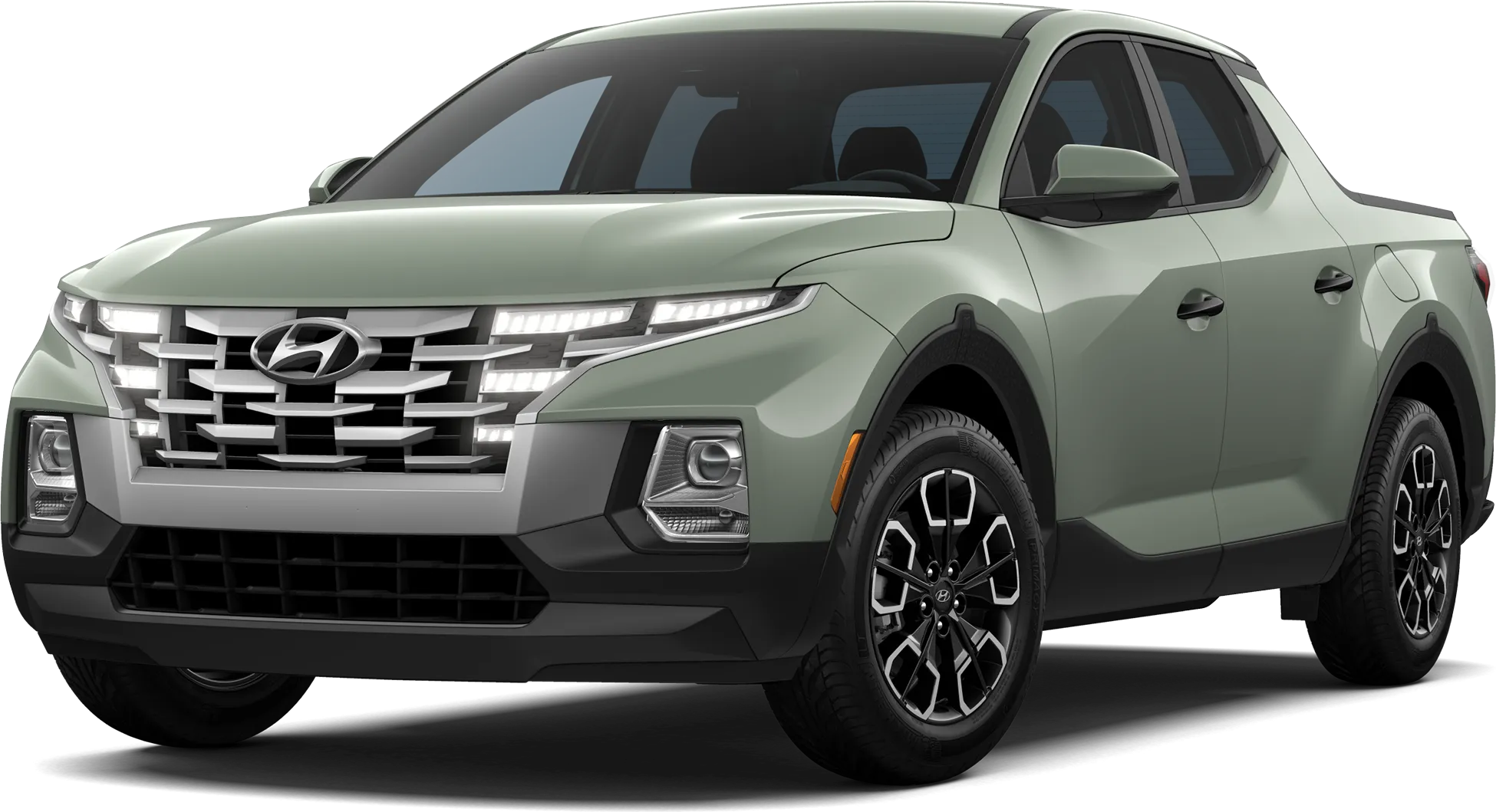
Hyundai Santa Cruz
Score: 74/100
Browse More 2025 Vehicles
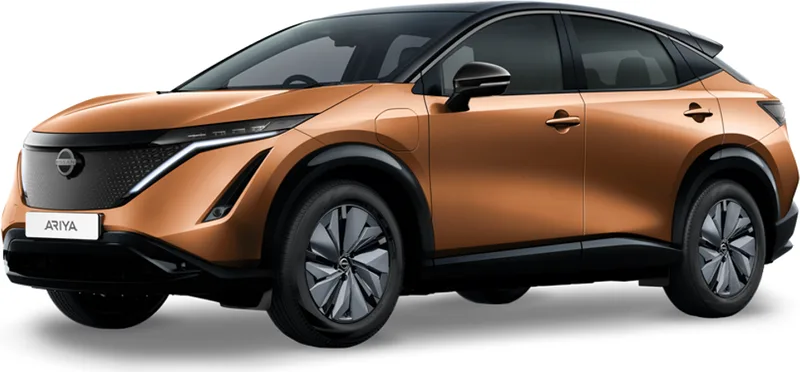
2025 Nissan Ariya
Score: 88/100
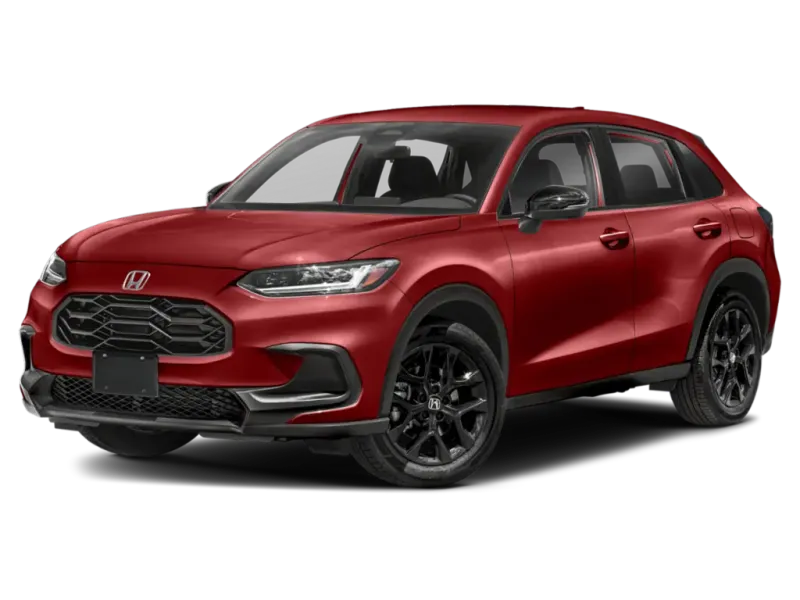
2025 Honda HR-V
Score: 88/100
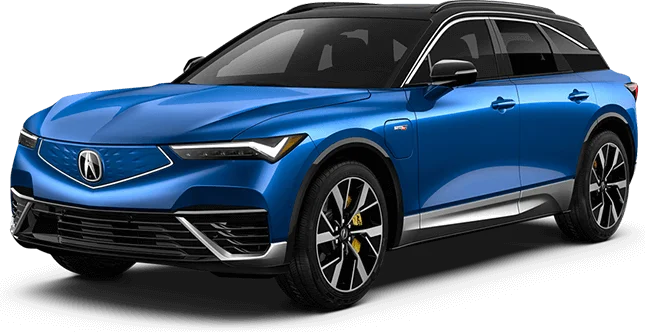
2025 Acura ZDX
Score: 88/100
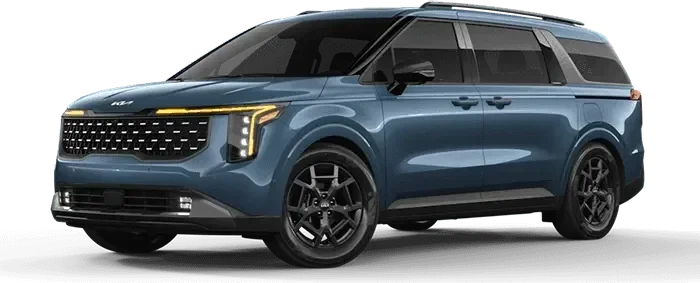
2025 Kia Carnival
Score: 88/100
2025 Hyundai Elantra
Score: 87/100
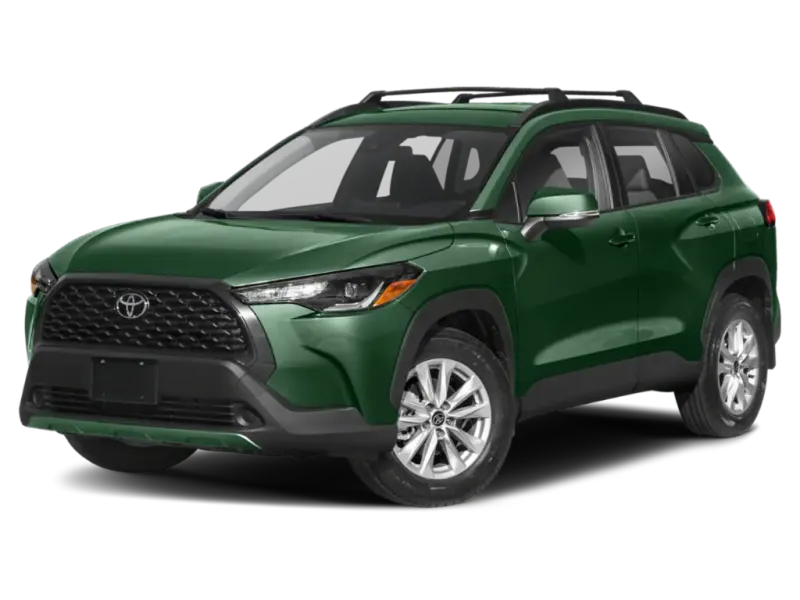
2025 Toyota Corolla Cross
Score: 86/100
See incorrect data? Report an issue