Last updated: 2026-10-10
Hyundai Tucson vs Mazda CX-50: Reliability Compared
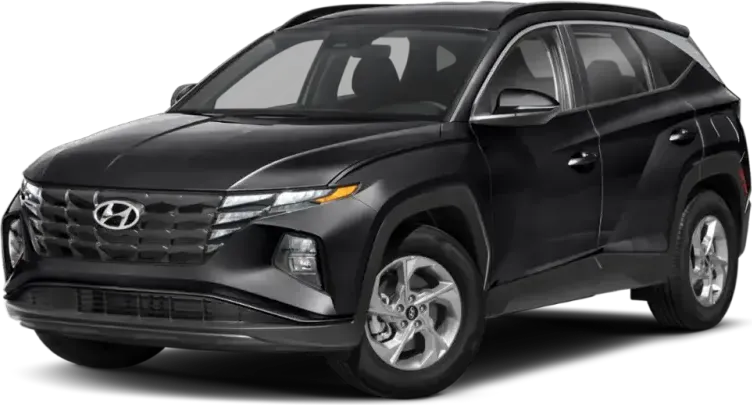
Hyundai Tucson
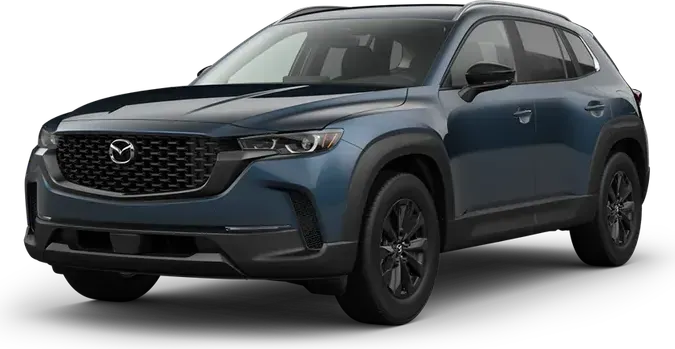
Mazda CX-50
The Hyundai Tucson comes out slightly ahead of the Mazda CX-50 on reliability. Its long record and low repair costs decide it. The CX-50 stands well too, but it is newer, with fewer years of owner history and a higher complaint rate per car sold.
How Do the Hyundai Tucson and Mazda CX-50 Generations Compare?
Verdict
The Hyundai Tucson is more reliable than the Mazda CX-50, scoring 73/100 vs 70/100.
Reliability favors the Tucson by a slight margin. It has a much longer record, and independent repair-cost data puts it at a low annual cost and few unscheduled shop visits. The CX-50 also stands well, but owners file complaints at a higher rate per car sold, and it has only four model years of history. The Tucson's engine oil loss and recall backlog are real risks, so the edge is small. Neither car is a clear winner.
Key Differences
- 1Hyundai Tucson has 18.5 fewer complaints per 10k sold
- 2Mazda CX-50 has 17 fewer total recalls
- 3Hyundai Tucson scores 3 points higher in reliability
Category Scoreboard
Hyundai Tucson vs Mazda CX-50: Which Is More Reliable?
| Metric | Hyundai Tucson | Mazda CX-50 |
|---|---|---|
| Reliability Score | 73/100 | 70/100 |
| Years Tracked | 9 | 4 |
| Total Recalls | 23 | 6 |
| Complaints per 10k Sold | 8.9 | 27.4 |
| Safety RatingNHTSA overall | 2026 NHTSA | 2026 NHTSA |
| Frontal | ||
| Side | ||
| Rollover | ||
| Year Wins | 4 | 0 |
What Are the Common Problems With the Hyundai Tucson and Mazda CX-50?
Engine and drivetrain failures dominate the Tucson list: oil that disappears between changes, clogged catalytic converters, limp mode while merging, and stalling at highway speed. Its ABS fire recall left owners waiting months for parts. The CX-50 list is milder and spread thin. False emergency braking is the top report, followed by ball joint and control arm failures, dead batteries, and a liftgate that opened by itself. Crash-linked reports are heavier on the Tucson, including 11 in the power train, while the CX-50 has none there. Its crash-linked reports are single cases in brakes, electrical, and suspension.
| Component | Hyundai Tucson | Mazda CX-50 |
|---|---|---|
| POWER TRAIN | 1.3Low | 2.9Low |
| SERVICE BRAKES | 1.1Low | 3.1Average |
| ELECTRICAL SYSTEM | 1.1Low | 2.3Low |
| STRUCTURE | 0.1Very Low | 2.9Low |
| UNKNOWN OR OTHER | 1Very Low | 1.4Low |
| FORWARD COLLISION AVOIDANCE | 0.5Very Low | 1.7Low |
| STEERING | 0.1Very Low | 2Low |
| SUSPENSION | —None | 2Low |
| ENGINE | 1.9Low | —None |
| SEATS | —None | 1.1Low |
| AIR BAGS | 0.1Very Low | 0.6Very Low |
| VISIBILITY/WIPER | —None | 0.6Very Low |
| LANE DEPARTURE | —None | 0.6Very Low |
| WHEELS | —None | 0.6Very Low |
| FUEL/PROPULSION SYSTEM | 0.4Very Low | —None |
| VEHICLE SPEED CONTROL | 0.3Very Low | —None |
| EXTERIOR LIGHTING | 0.1Very Low | —None |
| ENGINE AND ENGINE COOLING | 0.1Very Low | —None |
Complaints per 10,000 units sold, aggregated across all tracked model years from NHTSA owner reports.
How Does Hyundai Tucson vs Mazda CX-50 Reliability Compare by Year?
| Year | Hyundai Tucson | Mazda CX-50 | Edge |
|---|---|---|---|
| 2026 | 80/1004R / 3C | 76/1000R / 0C | Hyundai Tucson |
| 2025 | 75/1006R / 251C | 66/1003R / 21C | Hyundai Tucson |
| 2024 | 77/1004R / 87C | 71/1001R / 26C | Hyundai Tucson |
| 2023 | 75/1002R / 142C | 65/1002R / 49C | Hyundai Tucson |
Best years to cross-shop: The 2024 Hyundai Tucson scored 77/100 and the 2024 Mazda CX-50 scored 71/100 — the strongest shared model years that have been on the road for at least two years, where available.
Who Should Buy the Hyundai Tucson vs the Mazda CX-50?
Hyundai Tucson vs Mazda CX-50: Common Questions
- Is the Hyundai Tucson more reliable than the Mazda CX-50?
- Slightly, yes. The Tucson has a longer record and low annual repair costs in independent data. Both rate as good. The CX-50 draws more complaints per car sold, but it has only four model years, so its history is short. The gap is small, not decisive.
- Which has more recalls, the Tucson or the CX-50?
- The Tucson has more. Federal recall records show 23 recalls across its 9 model years, against 6 across the CX-50's 4 model years. The Tucson has been sold longer, so more recalls are expected. Owners reported long waits for parts on its ABS fire recall.
- What is the biggest problem with the Hyundai Tucson?
- Engine trouble. Owners report oil disappearing between changes, often around 70,000 to 85,000 miles, plus clogged catalytic converters and some engines failing outright. Dealers typically run an oil test and carbon cleaning first, so keep service records and check the oil level often.
- Does the Mazda CX-50 have braking problems?
- Some owners report them. False automatic emergency braking is the most common complaint. One car dropped from 70 to 35 mph on a highway with nothing ahead, and in stop-and-go traffic it stalled the engine. The Tucson's forward collision system has similar reports, so test either car in traffic.
- Which CX-50 model year should I avoid?
- Be most careful with 2023 and 2025, which are its weakest years. The 2024 is among its strongest and has a fuller record. The 2026 also ranks well, but it has had little time to collect complaints, so do not treat it as proven.
Related Reliability Comparisons
More Hyundai Tucson comparisons
Decided between Hyundai Tucson and Mazda CX-50? Run a VIN check before you buy — uncover hidden accidents, title issues, and open recalls.
How we score the Hyundai Tucson and Mazda CX-50
Scores weight complaint severity at 35%, repair costs at 30%, recall impact at 20%, and the spread of complaints across systems at 15%, with complaint counts adjusted for US sales. Read the full methodology.
See incorrect data? Report an issue