Last updated: 2026-04-20
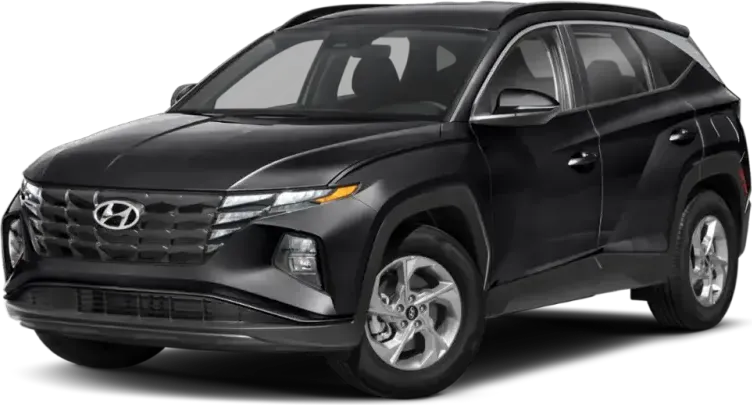
2026 Hyundai Tucson Reliability Report
The 2026 Hyundai Tucson scores 80/100 ("Excellent") with a complaint rate below the segment average. Data shows a dependable ownership experience across 4 recalls and 3 owner complaints.
Recalls
4
Complaints
3
Complaint Rate
N/A
Est. Repair Cost
$426
Annual Fuel Cost
$2,150–$2,300
Detailed Score Breakdown
Component-weighted complaints normalized by sales volume
Independent repair cost ratings
Recall count weighted by severity
Breadth of reported problem categories
The Verdict
Strong reliability record — a solid choice for buyers.
Top Issues to Watch
- FUEL SYSTEM (1)
- LANE DEPARTURE (1)
- FORWARD COLLISION AVOIDANCE (1)
Should You Buy the 2026 Hyundai Tucson?
The 2026 Hyundai Tucson earns an Excellent 80/100 reliability score.
Across 4 recalls and 3 owner complaints, the ownership picture is dependable.
A solid choice for buyers prioritizing dependability, new or used.
See also the 2025 Hyundai Tucson for an earlier comparison.
Pros
- +Strong reliability score
- +$95 cheaper to maintain than avg compact SUVs
- +Infrequent unscheduled repairs
- +Low major repair risk (10%)
- +Low complaint frequency
Cons
- −Moderate recall count
- −FUEL SYSTEM (1)
Compare 2026 Hyundai Tucson With

2026 Honda CR-V
Reliability: 83/100
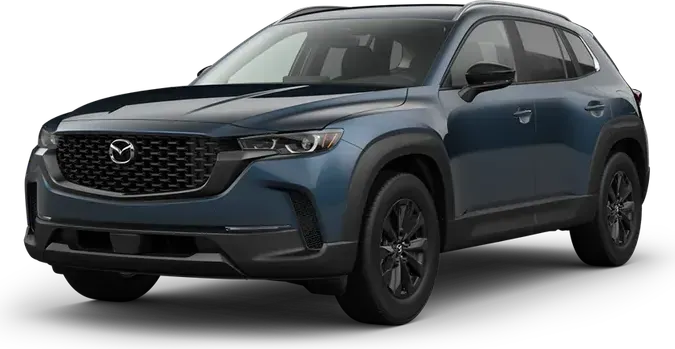
2026 Mazda CX-50
Reliability: 76/100
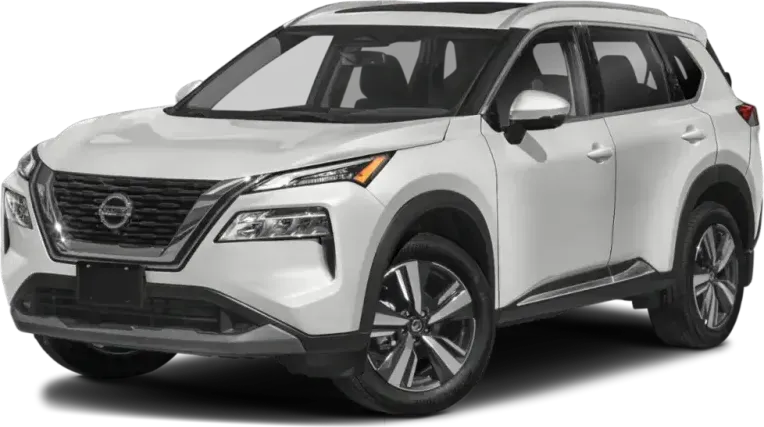
2026 Nissan Rogue
Reliability: 83/100
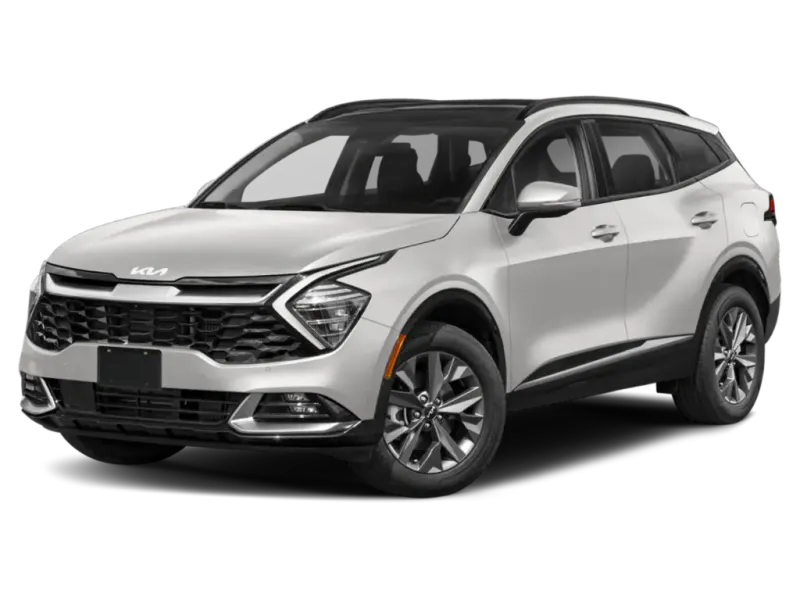
2026 KIA Sportage
Reliability: 83/100
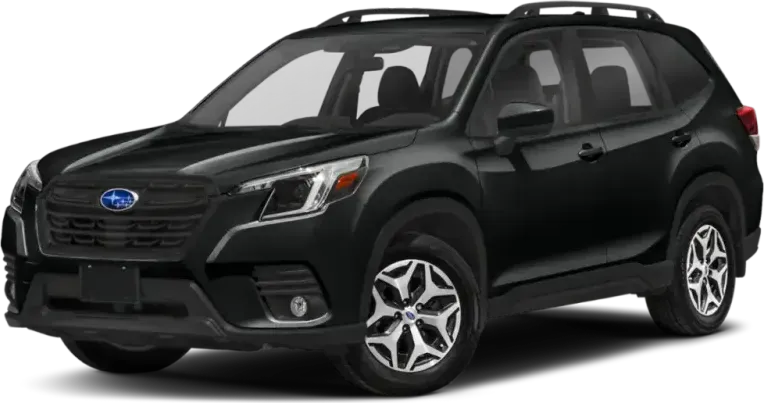
2026 Subaru Forester
Reliability: 77/100
Common Problem Categories
Safety
LOW RISK- 4 manufacturer recalls issued
Other
MODERATE- FUEL SYSTEM (1)
- LANE DEPARTURE (1)
Recall Overview
4
recalls on record
A moderate 4 recalls are on file for the 2026 Hyundai Tucson. Each one points to a specific safety or compliance issue identified by the manufacturer or NHTSA — check the list below before buying.
NHTSA.gov →Complaint Breakdown
3
complaintsSafety Incidents
0
Crashes
0
Fires
0
Injuries
0
Deaths
NHTSA 5/5 Stars
Data sourced from NHTSA complaint filings and manufacturer recall notices. Complaint narratives are owner-reported.
2026 Hyundai Tucson Recall Details
4 recalls have been issued for the 2026 Hyundai Tucson. All recall repairs are performed free of charge at authorized dealerships.
ELECTRICAL SYSTEM
Hyundai Motor America (Hyundai) is recalling certain 2025-2026 Tucson Hybrid, Tucson Plug-In Hybrid Electric (PHEV), 2026 IONIQ 5, Santa Cruz, Kona, Palisade, Palisade Hybrid, Santa Fe, Santa Fe Hybrid, Sonata, Sonata Hybrid, and Tucson vehicles. Due to a software error, the instrument panel display may fail. As such, these vehicles fail to comply with the requirements of Federal Motor Vehicle Safety Standard (FMVSS) number 101, "Controls and Displays."
Consequence
An instrument panel display that fails to show critical safety information, such as the speedometer or warning lights, increases the risk of a crash.
Remedy
The instrument panel display software will be updated over-the-air (OTA) or by a dealer, free of charge. Owner notification letters are expected to be mailed March 27, 2026. Owners may contact Hyundai's customer service at 855-371-9460. Hyundai's number for this recall is 293. Vehicle Identification Numbers (VINs) involved in this recall became searchable on NHTSA.gov on January 28, 2026.
ENGINE AND ENGINE COOLING
Hyundai Motor America (Hyundai) is recalling certain 2025-2026 Tucson and Santa Fe vehicles. The connecting rod bolts in the engine may have been improperly tightened, which can cause a loss of drive power and engine damage, possibly resulting in an oil leak.
Consequence
A loss of drive power increases the risk of a crash. An oil leak in the presence of hot engine components can increase the risk of an engine compartment fire.
Remedy
Dealers will replace the engine, free of charge. Owner notification letters were mailed October 23, 2025. Owners may contact Hyundai customer service at 1-855-371-9460. Hyundai's number for this recall is 281.
Buying a used 2026 Hyundai Tucson? Check its history first
Every 2026 Hyundai Tucson has a different past. A VIN check reveals hidden accidents, title problems, odometer rollbacks, and open recalls that reliability scores can't show you.
- Accidents
- Open Recalls
- Title History
- Odometer Rollback
2026 Hyundai Tucson NHTSA Safety Ratings
Overall Safety Rating
Crash Test Results by Configuration (expand)
Gas Powertrain
Rollover risk: 15.9%
Safety Technologies
HEV Powertrain
Rollover risk: 17.4%
Safety Technologies
PHEV Powertrain
Rollover risk: 0.0%
Safety Technologies
Hyundai TucsonRepair Costs & Maintenance
Maintenance Rating
4Maintenance rating: 4 out of 5Based on NHTSA complaint patterns, recall severity, and publicly available cost benchmarks.
Est. Annual Maintenance
$426
vs $521 avg for compact SUVs
vs $652 avg for all vehicles
Repair Frequency
0.3
unscheduled repair visits per year
Severe Repair Probability
10%
chance of a major repair
Annual Cost Comparison
Category-level averages derived from publicly available industry reports (AAA, CarMD). Model-level estimates produced by Auto Reliability Index.
Hyundai Tucson Resale Value
The Hyundai Tucson is estimated to retain about 65.2% of its original value after 5 years, based on observed used-car listings.
This benchmark covers the Hyundai Tucson model overall and is not specific to the 2026 model year.
- Value Retained
- 65.2%
- Depreciation
- 34.8%
- Listings Analyzed
- 720
after 5 years
over the same period
U.S. used-car listings
Listings observed in . Actual resale value varies by trim, mileage, condition, and location.
Explore Hyundai Tucson depreciation and resale value on CarResaleValue.comMPG & Annual Running Costs
Gas
26–28 MPG
Running cost: $2,600–$2,750/yr
Fuel + repair
24–25 city / 30–33 hwy MPG
Plug-in Hybrid
35–38 MPG
Running cost: $2,050–$2,150/yr
Fuel + repair
35–38 city / 35–38 hwy MPG
Running cost includes EPA fuel-cost estimate and independent repair-cost data (repair cost estimated at model level). Excludes routine maintenance, depreciation, and insurance. Data as of 2026 EPA label cycle.
Gas trims
| Trim | Drive | Trans. | City | Hwy | Comb | Fuel Cost |
|---|---|---|---|---|---|---|
| Tucson FWD 2.5L 4-cyl | Front-Wheel Drive | Automatic (S8) | 25 | 33 | 28 | $2,150 |
| Tucson AWD 2.5L 4-cyl | All-Wheel Drive | Automatic (S8) | 24 | 30 | 26 | $2,300 |
Plug-in Hybrid trims
| Trim | Drive | Trans. | City | Hwy | Comb | Fuel Cost |
|---|---|---|---|---|---|---|
| Tucson Plug-in Hybrid 1.6L 4-cyl | All-Wheel Drive | Automatic (AM-S6) | 35 | 35 | 35 | $1,700 |
Used Buying Checklist
Key things to inspect or verify before purchasing a 2026 Hyundai Tucson.
Verify fuel economy matches advertised MPG during test drive
Check if forward collision avoidance system can be disabled or adjusted
Test lane departure warning system for any non-disableable alerts
Inspect brake system for responsiveness and sensitivity
2026 Hyundai Tucson Common Problems by Component
3 owner complaints grouped by vehicle system.
FUEL SYSTEM
1 complaintThe contact owns a 2026 Hyundai Tucson. The contact stated that while driving at various speeds, the contact became aware that the fuel economy was poor and failed to meet the standard. The contact stated that while tracking the fuel consumption, the contact discovered that the vehicle's fuel economy was 26 MPG instead of 36 MPG. The defect was brought to the attention of the dealer, and the vehicle was test driven; however, the dealer stated that the vehicle was performing as designed and that there were no issues found with the fuel consumption. The contact was informed that the issue might be related to the way the vehicle was driven, and the contact disputed the claim. The manufacturer was not notified of the failure. The vehicle was not repaired. The failure mileage was approximately 500.
LANE DEPARTURE
1 complaintThe Hyundai Tucson has a warning "Consider taking a coffee break" which cannot be disabled. This is a distraction which can cause an accident. Driver should be allowed to disable it.
FORWARD COLLISION AVOIDANCE
1 complaintI have had my car for a few weeks and have almost been rear ended 2 times. The first time I had the forward safety timing set at standard and the second time it was set at late. In both instances I was fully at a safe distance from the car in front of me and was applying the break myself. Upon investigating it seems like this is a common problem. Like it is too sensitive to the break of the car ahead and too harsh on its own breaks. I would like to be able to keep this feature turned off and not have to reset each time I start my car. I feel unsafe that the safety feature will actually cause an accident.
Best & Worst Hyundai Tucson Years
Comprehensive reliability analysis based on NHTSA data, owner complaints, and historical performance.
Best Hyundai Tucson Years to Buy
Based on reliability index scoreThe best Hyundai Tucson year is 2026 with a reliability score of 80/100, rated excellent. Other strong picks include 2021 (78/100) and 2024 (77/100).
2026
(Current Model)
2021
2024
Hyundai Tucson Years to Avoid
The worst Hyundai Tucson year is 2022 with a score of 66/100, primarily due to power train (82) issues. Also avoid 2019 (68/100).
Hyundai Tucson Reliability Score Trend
Hyundai Tucson reliability has remained consistent across model years, averaging 73/100.
Scores 0–100. Higher is better. Current year highlighted.
| Year | Score | Rating |
|---|---|---|
| 2018 | 68/100 | Good |
| 2019 | 68/100 | Good |
| 2020 | 73/100 | Good |
| 2021 | 78/100 | Good |
| 2022 | 66/100 | Good |
| 2023 | 75/100 | Good |
| 2024 | 77/100 | Good |
| 2025 | 75/100 | Good |
| 2026 | 80/100 | Excellent |
Hyundai Tucson Reliability Compared to Other Years
2026 Hyundai Tucson Reliability by Powertrain
The 2026 Hyundai Tucson is available with 3powertrain options. Here's how they compare on reliability.
| Powertrain | Complaints | Recalls | Incidents* | Crash Rating |
|---|---|---|---|---|
| Gas | 3 | 2 | 0 | 5 out of 5 |
| HEV | 0 | 1 | 0 | 5 out of 5 |
| PHEV | 0 | 1 | 0 | N/T |
| Total | 3 | 4 | 0 |
NHTSA tracks complaints by vehicle configuration when that detail is available. Model-level reports that do not identify a specific powertrain are included in Total but not assigned to a row. A plus sign indicates a confirmed minimum; — means no complaints could be attributed to that specific powertrain. N/T = Not tested by NHTSA.
* Incidents = crash + fire reports. A single complaint can include multiple incident types.
Frequently Asked Questions
Is the 2026 Hyundai Tucson reliable?
What are the most common problems with the 2026 Hyundai Tucson?
How many recalls does the 2026 Hyundai Tucson have?
Is the 2026 Hyundai Tucson expensive to maintain?
Don’t buy a 2026 Hyundai Tucson without checking its VIN first — hidden accidents, title issues, and open recalls could cost you thousands.
How We Calculate Reliability Scores
Auto Reliability Index scores are calculated on a 0–100 scale using a weighted formula that combines multiple public data sources. Each factor is weighted based on its predictive value for real-world ownership experience.
Key Ranking Factors
Complaint Severity
NHTSA owner complaints weighted by component category (e.g., powertrain, safety systems, electronics, cosmetic) — safety-critical issues carry more weight than cosmetic ones. Adjusted for sales volume so high-volume models aren't unfairly penalized.
Repair Costs
Independent reliability ratings based on repair frequency, average repair costs, and severity of typical repairs for each model.
Recall Impact
Number of NHTSA recalls weighted by severity. “Stop driving” and fire-risk recalls are penalized more heavily than minor software or labeling recalls.
Issue Diversity
Measures how many major vehicle systems (engine, transmission, electrical, braking, etc.) have recorded complaints. A vehicle with issues spread across many systems may indicate systemic quality issues.
Scores are grouped into four tiers:
- 80–100: Excellent— Top-tier reliability, minimal issues
- 60–79: Good— Reliable with some minor concerns
- 40–59: Mixed— Notable issues, research before buying
- 0–39: Risky— Significant problems, proceed with caution
Data is sourced from NHTSA recall records, owner complaint filings, and independent repair databases via vehicles.dev. Scores are recalculated as new data becomes available. While the weighting model is proprietary, all underlying data sources are public and traceable.
Get notified when new recalls or reliability data is added for the Hyundai Tucson.
No spam. Only data updates for this model.
Browse More Hyundai Models
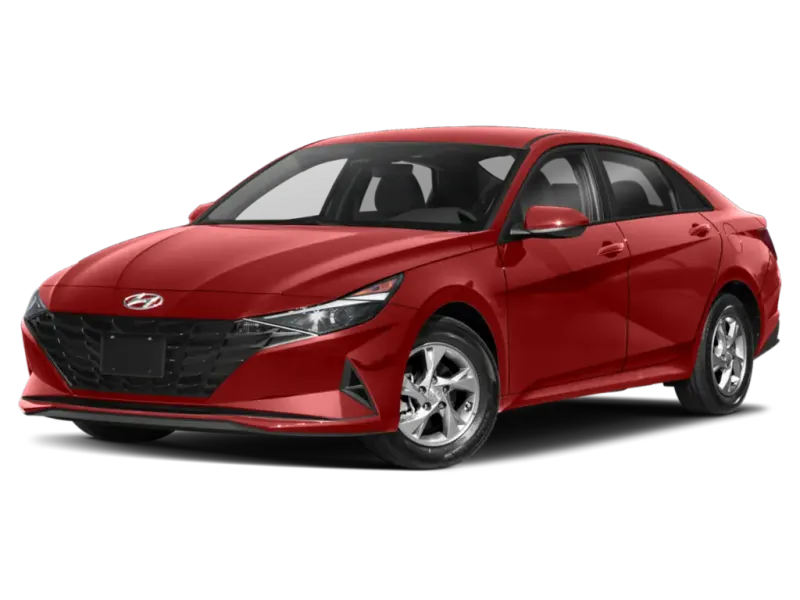
Hyundai Elantra
Score: 94/100
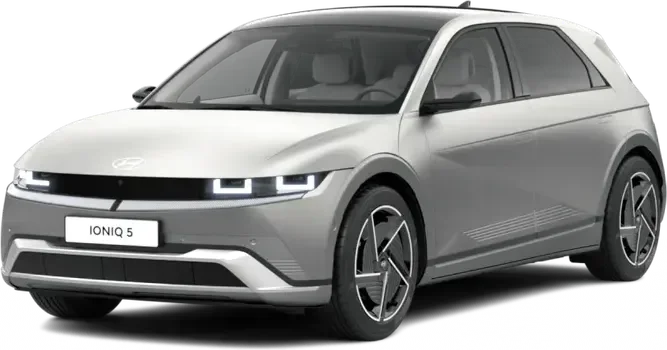
Hyundai Ioniq 5
Score: 63/100
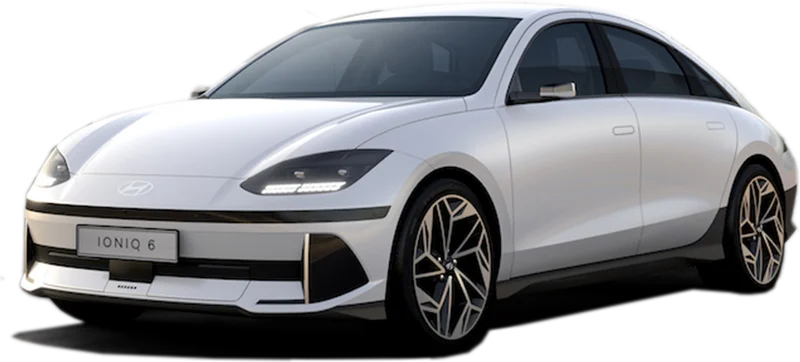
Hyundai Ioniq 6
Score: 82/100
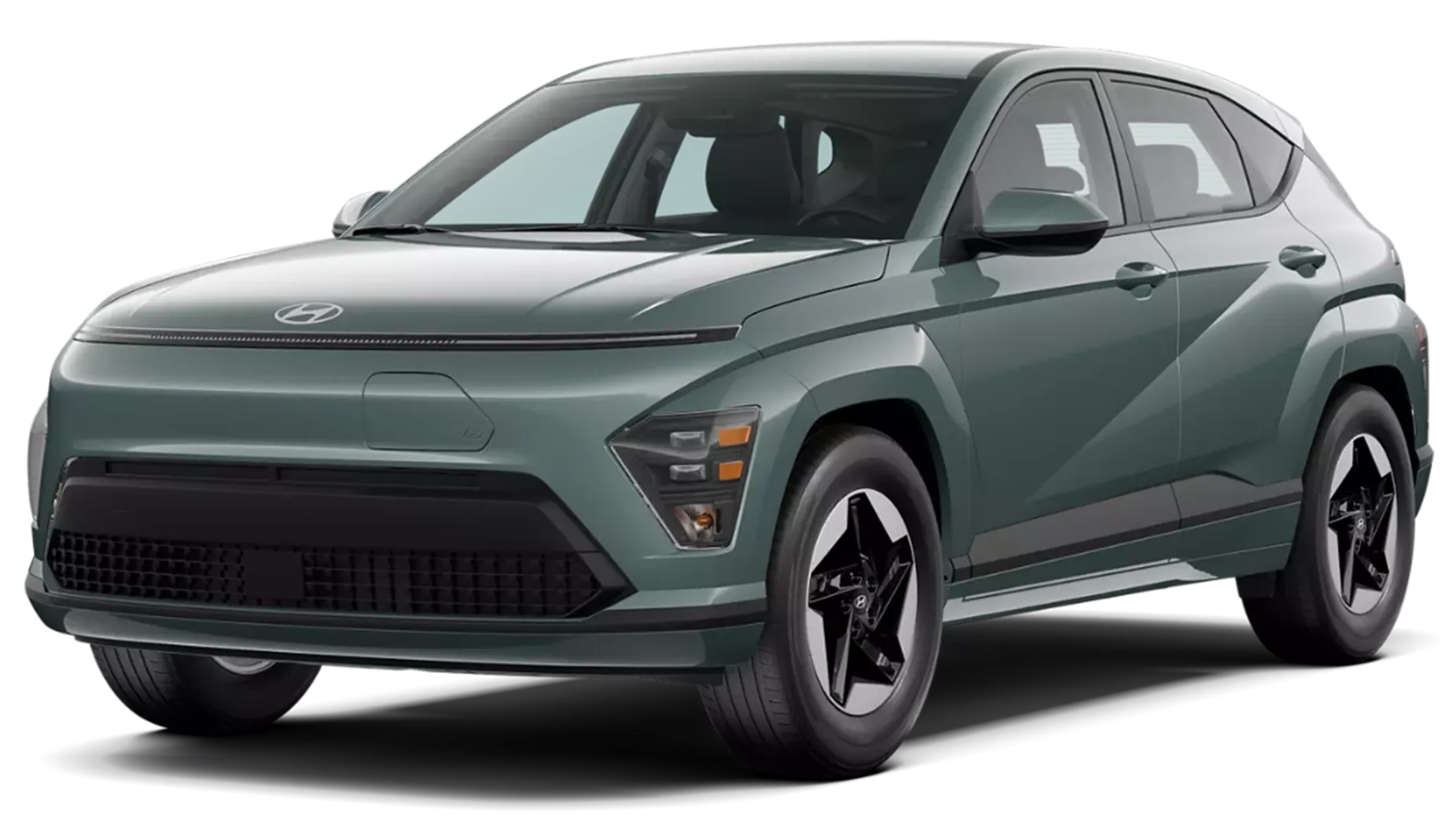
Hyundai Kona
Score: 67/100

Hyundai Palisade
Score: 72/100
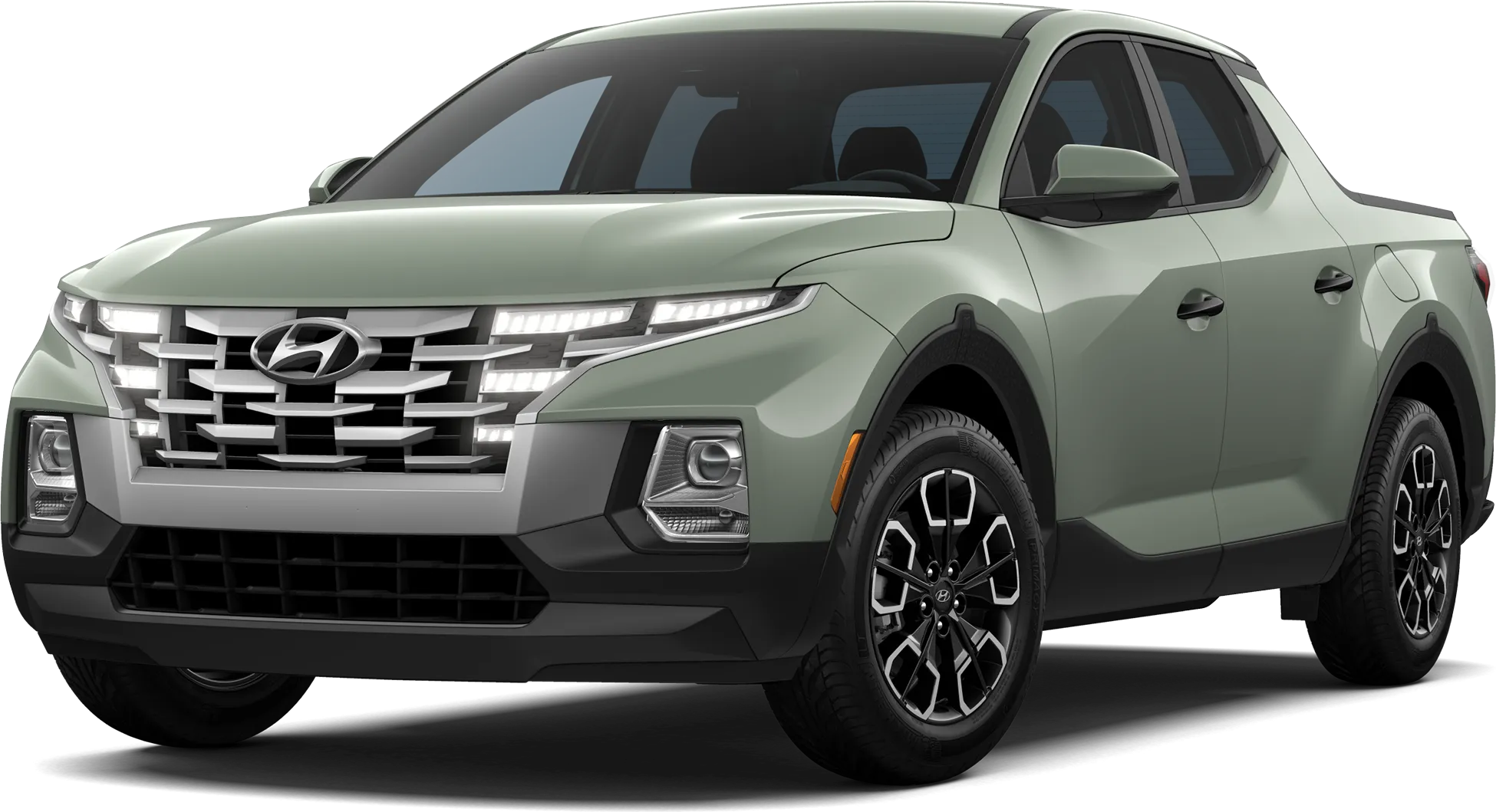
Hyundai Santa-Cruz
Score: 74/100
Browse More 2026 Vehicles
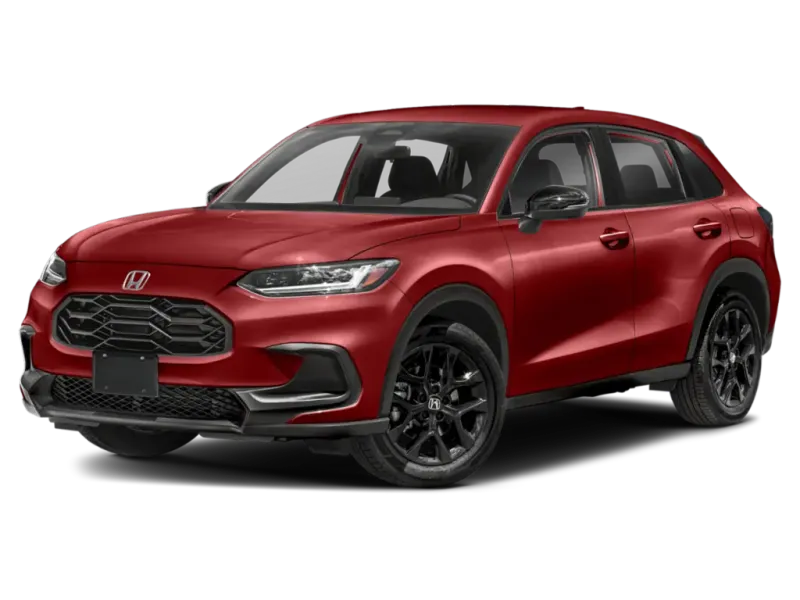
2026 Honda HR-V
Score: 100/100
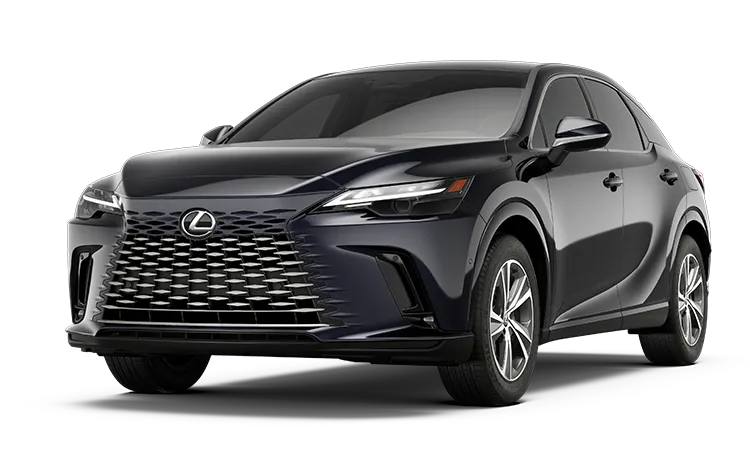
2026 Lexus RX
Score: 95/100
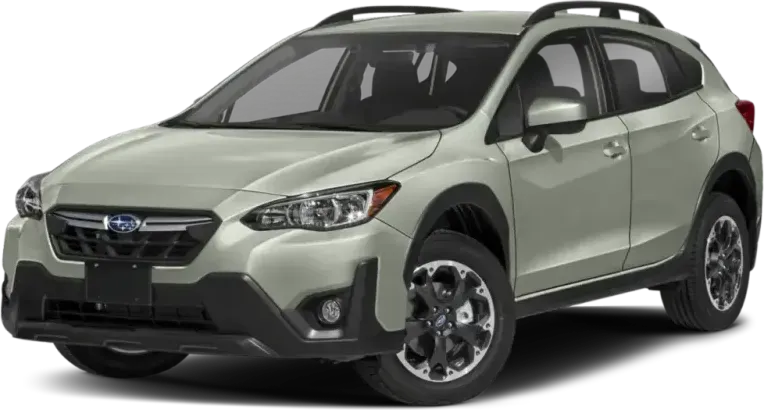
2026 Subaru Crosstrek
Score: 94/100
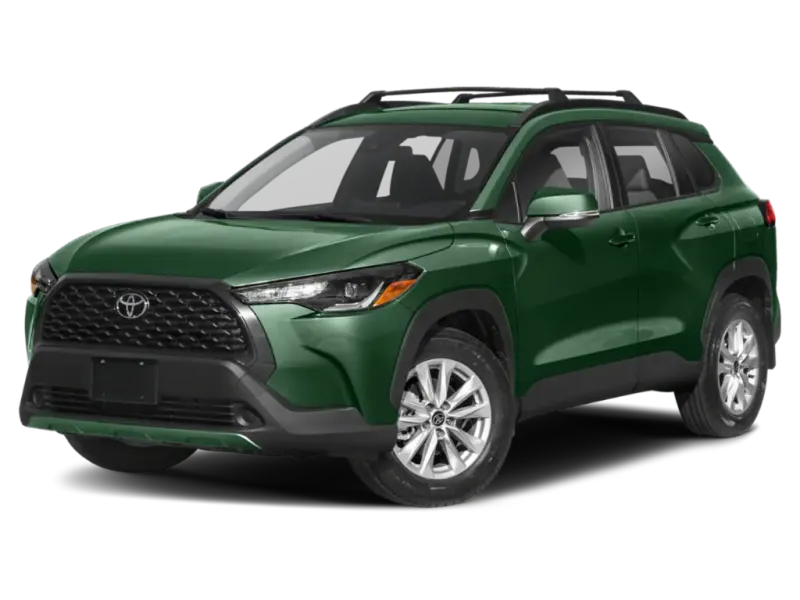
2026 Toyota Corolla Cross
Score: 94/100
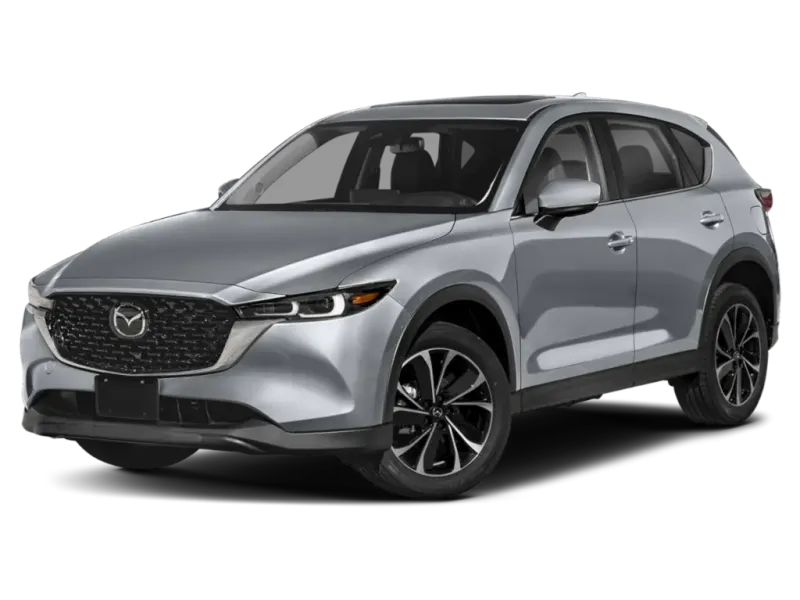
2026 Mazda CX-5
Score: 94/100
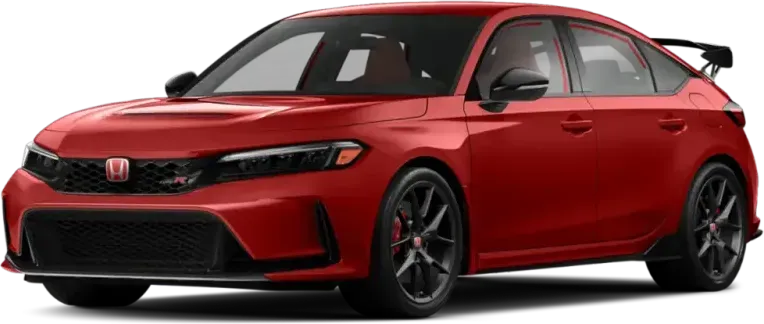
2026 Honda Civic
Score: 94/100
See incorrect data? Report an issue