Last updated: 2026-10-10
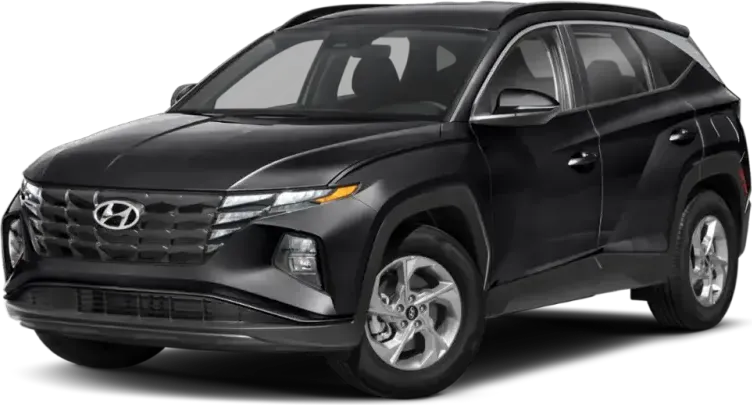
2020 Hyundai Tucson Reliability Report
The 2020 Hyundai Tucson has good reliability, but engine oil loss and a park-outside brake recall are the issues to check before buying.
Recalls
1
Complaints
153
Complaint Rate
12.4per 10,000 sold
Est. Repair Cost
$426
Annual Fuel Cost
$2,400–$2,600
Detailed Score Breakdown
Component-weighted complaints normalized by sales volume
Independent repair cost ratings
Recall count weighted by severity
Breadth of reported problem categories
The Verdict
Mid-pack among Tucson years, with engine oil consumption and a park-outside brake recall; the 2021 rates better while the 2019 rates worse.
Top Issues to Watch
- ENGINE (43)
- SERVICE BRAKES (33)
- ELECTRICAL SYSTEM (15)
Should You Buy the 2020 Hyundai Tucson?
Buy it with checks. This model year has good reliability, sits above average among 2020 SUVs, and lands in the middle of the nine scored Tucson years. Owners filed 153 complaints, and the federal crash rating is 5 of 5 stars. Estimated yearly repair cost is $426, against $521 for the class. The 2019 rates worse and the 2021 rates better.
The engine is the main worry. Oil disappears between changes, often a quart every 1,000 miles, usually from about 70,000 to 85,000 miles. A low-oil light that flickers in turns or hard braking may be the only warning. Some engines fail with power loss and a shutdown at highway speed. Catalytic converters also clog, with failures reported between 52,000 and 77,181 miles. A federal recall in the service brakes carries a park-outside fire warning, and owners reported long waits for parts.
Ask for proof the recall repair was done. Request service records showing oil level checks, any oil consumption test, and any engine or catalytic converter work. If the history looks thin, the 2021 is worth a look.
Compared to the 2021 Hyundai Tucson, which scored 5 points higher. See also the 2019 Hyundai Tucson for an earlier comparison.
Pros
- +Acceptable reliability score
- +$95 cheaper to maintain than avg compact SUVs
- +Infrequent unscheduled repairs
- +Low major repair risk (10%)
Cons
- −ENGINE: Oil disappears between changes, often a quart every 1,000 miles or worse, with... (43 complaints)
- −SERVICE BRAKES issues reported (33 complaints)
Compare 2020 Hyundai Tucson With

2020 Honda CR-V
Reliability: 74/100
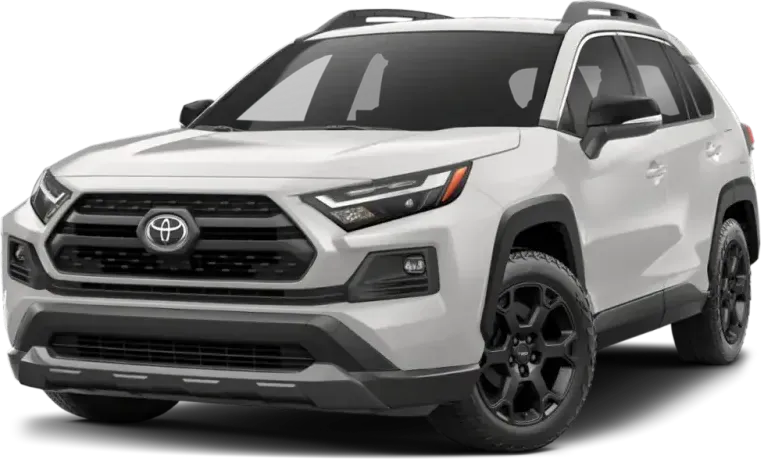
2020 Toyota RAV4
Reliability: 70/100
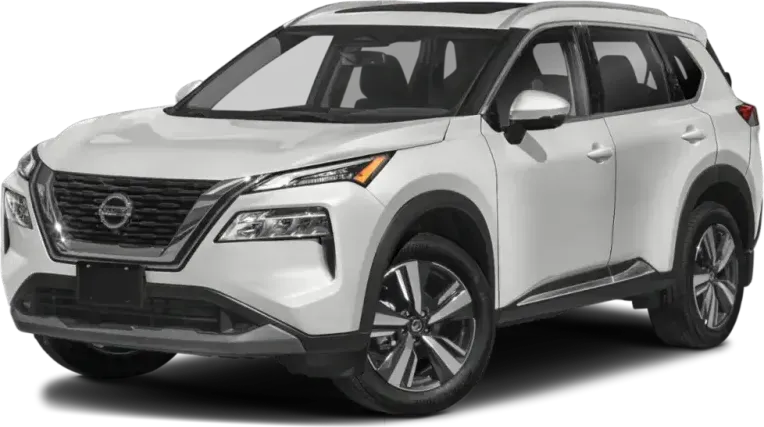
2020 Nissan Rogue
Reliability: 79/100
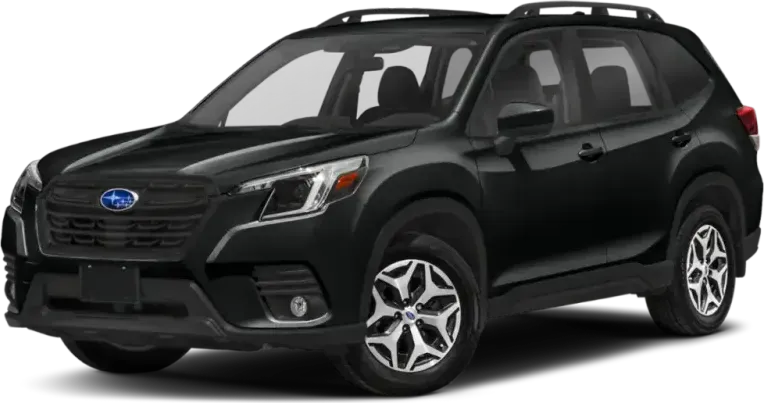
2020 Subaru Forester
Reliability: 71/100
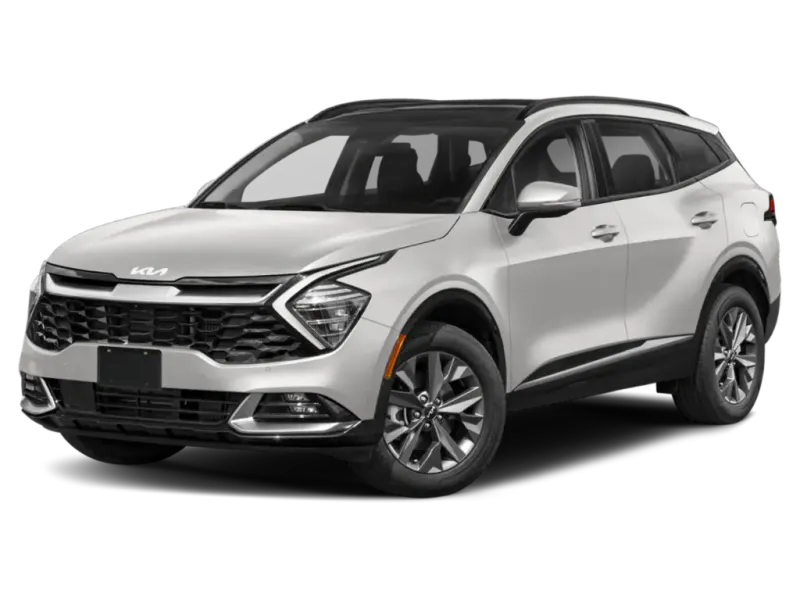
2020 Kia Sportage
Reliability: 69/100
Common Problem Categories
Safety
LOW RISK- 1 manufacturer recall issued
Other
HIGH RISK- ENGINE (43)
- SERVICE BRAKES (33)
Recall Overview
1
recall on record
The 2020 Hyundai Tucson carries 1 recall — a low count. Authorized dealers repair any open recall free of charge, regardless of warranty status.
NHTSA.gov →Complaint Breakdown
12.4
per 10,000 soldSegment avg: 20.2
Safety Incidents
4
Crashes
2
Fires
4
Injuries
0
Deaths
NHTSA 5/5 Stars
Data sourced from NHTSA complaint filings and manufacturer recall notices. Complaint narratives are owner-reported.
2020 Hyundai Tucson Recall Details
1 recall has been issued for the 2020 Hyundai Tucson. All recall repairs are performed free of charge at authorized dealerships.
SERVICE BRAKES, HYDRAULIC
Hyundai Motor America (Hyundai) recalled certain 2019-2021 Tucson vehicles on September 4, 2020. On December 30, 2020, Hyundai expanded the recall population, and added certain 2016-2018 Tucson vehicles. The Anti-lock Brake Hydraulic Electronic Control Unit (HECU) could corrode internally and cause an electrical short, possibly resulting in an engine compartment fire.
Consequence
An engine compartment fire can increase the risk of injury or crash.
Remedy
Hyundai will notify owners, and dealers will replace the HECU fuse. For 2019-2021 model years, the Electronic Stability Control (ESC) software will also be updated. Recall repairs will be performed free of charge. Owners are advised to park outside and away from structures as a precaution until the recall repair is complete. The recall began November 2, 2020. Owners may contact Hyundai customer service at 1-855-371-9460. Hyundai's number for this recall is 195.
Buying a used 2020 Hyundai Tucson? Check its history first
Engine problems lead owner complaints about the 2020 Hyundai Tucson, and 1 recall was issued for it. A VIN check shows whether this car's recall work was done, plus accident, title, and odometer history.
- Accidents
- Open Recalls
- Title History
- Odometer Rollback
2020 Hyundai Tucson NHTSA Safety Ratings
Overall Safety Rating
Crash Test Results by Configuration (expand)
Gas Powertrain
Rollover risk: 16.2%
Safety Technologies
Hyundai TucsonRepair Costs & Maintenance
Maintenance Rating
4Maintenance rating: 4 out of 5Based on NHTSA complaint patterns, recall severity, and publicly available cost benchmarks.
Est. Annual Maintenance
$426
vs $521 avg for compact SUVs
vs $652 avg for all vehicles
Repair Frequency
0.3
unscheduled repair visits per year
Severe Repair Probability
10%
chance of a major repair
Annual Cost Comparison
Category-level averages derived from publicly available industry reports (AAA, CarMD). Model-level estimates produced by Auto Reliability Index.
Hyundai Tucson Resale Value
The Hyundai Tucson is estimated to retain about 65.2% of its original value after 5 years, based on observed used-car listings.
This benchmark covers the Hyundai Tucson model overall and is not specific to the 2020 model year.
- Value Retained
- 65.2%
- Depreciation
- 34.8%
- Listings Analyzed
- 720
after 5 years
over the same period
U.S. used-car listings
Listings observed in . Actual resale value varies by trim, mileage, condition, and location.
Explore Hyundai Tucson depreciation and resale value on CarResaleValue.comMPG & Annual Running Costs
Gas
23–25 MPG
Running cost: $2,850–$3,050/yr
Fuel + repair
21–23 city / 25–28 hwy MPG
Running cost includes EPA fuel-cost estimate and independent repair-cost data (repair cost estimated at model level). Excludes routine maintenance, depreciation, and insurance. Data as of 2020 EPA label cycle.
Gas trims
| Trim | Drive | Trans. | City | Hwy | Comb | Fuel Cost |
|---|---|---|---|---|---|---|
| Tucson FWD 2.0L 4-cyl | Front-Wheel Drive | Automatic (S6) | 23 | 28 | 25 | $2,400 |
| Tucson FWD 2.4L 4-cyl | Front-Wheel Drive | Automatic (S6) | 22 | 28 | 25 | $2,400 |
| Tucson AWD 2.0L 4-cyl | All-Wheel Drive | Automatic (S6) | 22 | 25 | 23 | $2,600 |
| Tucson AWD 2.4L 4-cyl | All-Wheel Drive | Automatic (S6) | 21 | 26 | 23 | $2,600 |
Used Buying Checklist
Key things to inspect or verify before purchasing a 2020 Hyundai Tucson.
Pull the dipstick before the test drive; a low reading on a recently serviced car points to oil burning.
Ask for oil change records and any dealer oil consumption test or carbon cleaning paperwork.
Scan for codes P1326 and P0420, and ask whether the catalytic converter has been replaced.
Run the VIN for open recalls and confirm the ABS module recall 20V543000 was completed.
Confirm the anti-theft software update was installed and check that your insurer will cover the car.
Have a helper watch both rear brake lights while you press and release the pedal with headlights on.
Check the backup camera image in daylight and dark; blurry video is a known complaint.
Drive on the highway and watch for false forward collision braking and lane keeping or airbag warning lights.
2020 Hyundai Tucson Common Problems by Component
153 owner complaints grouped by vehicle system.
ENGINE
43 complaintsTucson engine problems across all model years
Oil disappears between changes, often a quart every 1,000 miles or worse, with some cars running the dipstick dry. Consumption usually shows up around 70,000 to 85,000 miles. A brief low-oil light that flickers in turns or hard braking is often the only warning. Catalytic converters clog and get replaced, sometimes twice. Several engines fail outright, with power loss, lurching, and a full shutdown at highway speed. Dealers typically run a 1,000-mile oil test and a carbon cleaning before considering a new engine.
SERVICE BRAKES
33 complaintsMost of these filings concern recall 20V543000, which covers an ABS electrical short that can start a fire even when the car is parked. Owners were told to park away from buildings, then waited weeks or months because dealers had no parts. Separate reports describe the emergency braking system blocking the car from moving when a door or seat belt is not latched, rear brake lights cutting out on and off, and a brake pedal that drops to the floor without slowing the car.
UNKNOWN OR OTHER
26 complaintsSafety-relatedFire is the most serious theme here. Reports include smoke and flames under the hood while driving and a fire that started while the car sat parked in a garage. One crash with injuries followed a blacked-out dashboard and a loss of steering control. Other reports cover sudden engine shutdowns in traffic, limp mode with code P1326, repeated catalytic converter replacements, and blurry backup cameras that dealers confirm but Hyundai will not replace. Theft, cracked windshields, and starters that only click also appear.
ELECTRICAL SYSTEM (15 complaints)
ELECTRICAL SYSTEM
15 complaintsEngines stall, sputter, or shut off while driving, sometimes around 70,000 miles, and dealers often cannot reproduce it. A cluster of warnings for ABS, auto hold, lane keeping, blind spot, and forward collision can light up at once and stay on. Misfires and limp mode with code P1326 persist after parts are swapped. Brake lights stick on with the headlights. Cars without an engine immobilizer get stolen, and some insurers refuse coverage. Many early filings complain about waiting for ABS fire recall parts.
POWER TRAIN (6 complaints)
POWER TRAIN
6 complaintsSafety-relatedA flashing check engine light and sudden limp mode are the main complaint, sometimes while merging onto a freeway. Code P1326 ties to engine bearing failure that needs a full engine replacement. Catalytic converter failure with code P0420 appears as early as 19k miles and can return. Low-mileage cars also lurch while stopped in drive or stall briefly under throttle, and dealers cannot find a cause. One crash report with injuries describes a car stuck in drive and airbags that did not deploy.
AIR BAGS (5 complaints)
AIR BAGS
5 complaintsSafety-relatedThe airbag warning light comes on intermittently, stays lit for a few minutes, and then goes out. It returns even after a dealer clears codes or replaces the unit under the passenger seat, around 50,000 miles in one report. One owner paid $175 for a reset that lasted only a few hours. The most serious filing describes a head-on crash where the airbag did not deploy and the driver was injured.
LANE DEPARTURE (4 complaints)
LANE DEPARTURE
4 complaintsThe forward camera stops working without any impact, which sets off lane keeping and forward collision warnings together. Out of warranty, dealers quote roughly $1586 to $1700 to replace it, and one repair order lists a software error. The blind spot system can also shut itself off partway through a drive, and dealers have not found the cause. The sudden alarms can startle a driver into pulling over.
EXTERIOR LIGHTING (3 complaints)
EXTERIOR LIGHTING
3 complaintsRear brake lights fail repeatedly and trigger a Check Brake Light message. Replacement bulbs, including genuine Hyundai bulbs, fail again soon after. One mechanic found a melted brake light housing, and the problem continued after it was replaced at about 100,000 miles. Other cars have a brake light that stays on when the pedal is not pressed, which confuses drivers behind.
FORWARD COLLISION AVOIDANCE (3 complaints)
FORWARD COLLISION AVOIDANCE
3 complaintsThe forward collision system triggers on the highway with nothing ahead. It sounds a loud alarm and brakes the car hard, which risks a rear-end crash. Dealers often find nothing, and in one case the needed sensor was on backorder. Cruise control can also fail to resume after braking, so the car slows and will not respond to the gas pedal.
SUSPENSION (2 complaints)
SUSPENSION
2 complaintsTwo reports, both about ride and control. Worn rear self-leveling shocks make the car bounce badly and hurt control, and they give no warning before they fail. The other report describes the front end shaking under braking. The dealer blamed normal ABS behavior, and the problem continued.
When Do 2020 Hyundai Tucson Problems Start?
Based on owner complaint patterns, here's when common issues tend to appear.
Best & Worst Hyundai Tucson Years
Best Hyundai Tucson Years to Buy
Based on reliability index scoreHyundai Tucson Years to Avoid
Hyundai Tucson Reliability Score Trend
Scores 0–100. Higher is better. Current year highlighted.
| Year | Score | Rating |
|---|---|---|
| 2018 | 68/100 | Good |
| 2019 | 68/100 | Good |
| 2020 | 73/100 | Good |
| 2021 | 78/100 | Good |
| 2022 | 66/100 | Good |
| 2023 | 75/100 | Good |
| 2024 | 77/100 | Good |
| 2025 | 75/100 | Good |
| 2026 | 80/100 | Excellent |
Hyundai Tucson Reliability Compared to Other Years
Frequently Asked Questions
Is the 2020 Hyundai Tucson reliable?
What are the most common problems with the 2020 Hyundai Tucson?
Does the 2020 Hyundai Tucson have oil consumption problems?
Does the 2020 Hyundai Tucson have a recall?
Is the 2020 Hyundai Tucson better than the 2019 or 2021?
Don’t buy a 2020 Hyundai Tucson without checking its VIN first — hidden accidents, title issues, and open recalls could cost you thousands.
How we score the 2020 Hyundai Tucson
Of the four inputs behind this score, the 2020 Hyundai Tucson does best on how many systems draw complaints (84/100) and worst on complaint severity (61/100). Scores weight complaint severity at 35%, repair costs at 30%, recall impact at 20%, and the spread of complaints across systems at 15%, with complaint counts adjusted for US sales. Read the full methodology.
Get notified when new recalls or reliability data is added for the Hyundai Tucson.
No spam. Only data updates for this model.
Browse More Hyundai Models
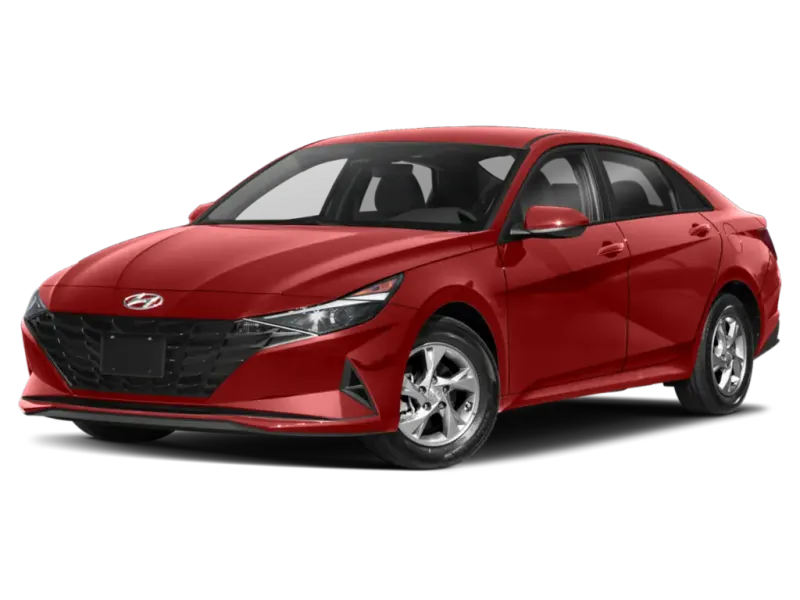
Hyundai Elantra
Score: 94/100
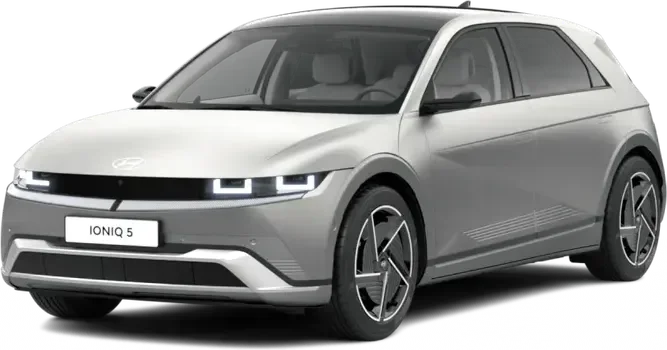
Hyundai Ioniq 5
Score: 63/100
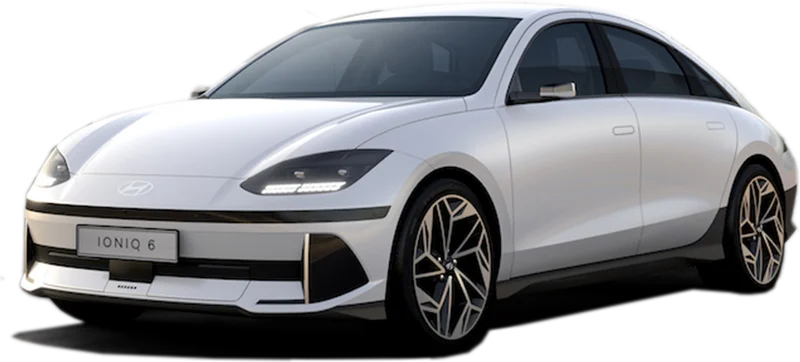
Hyundai Ioniq 6
Score: 82/100
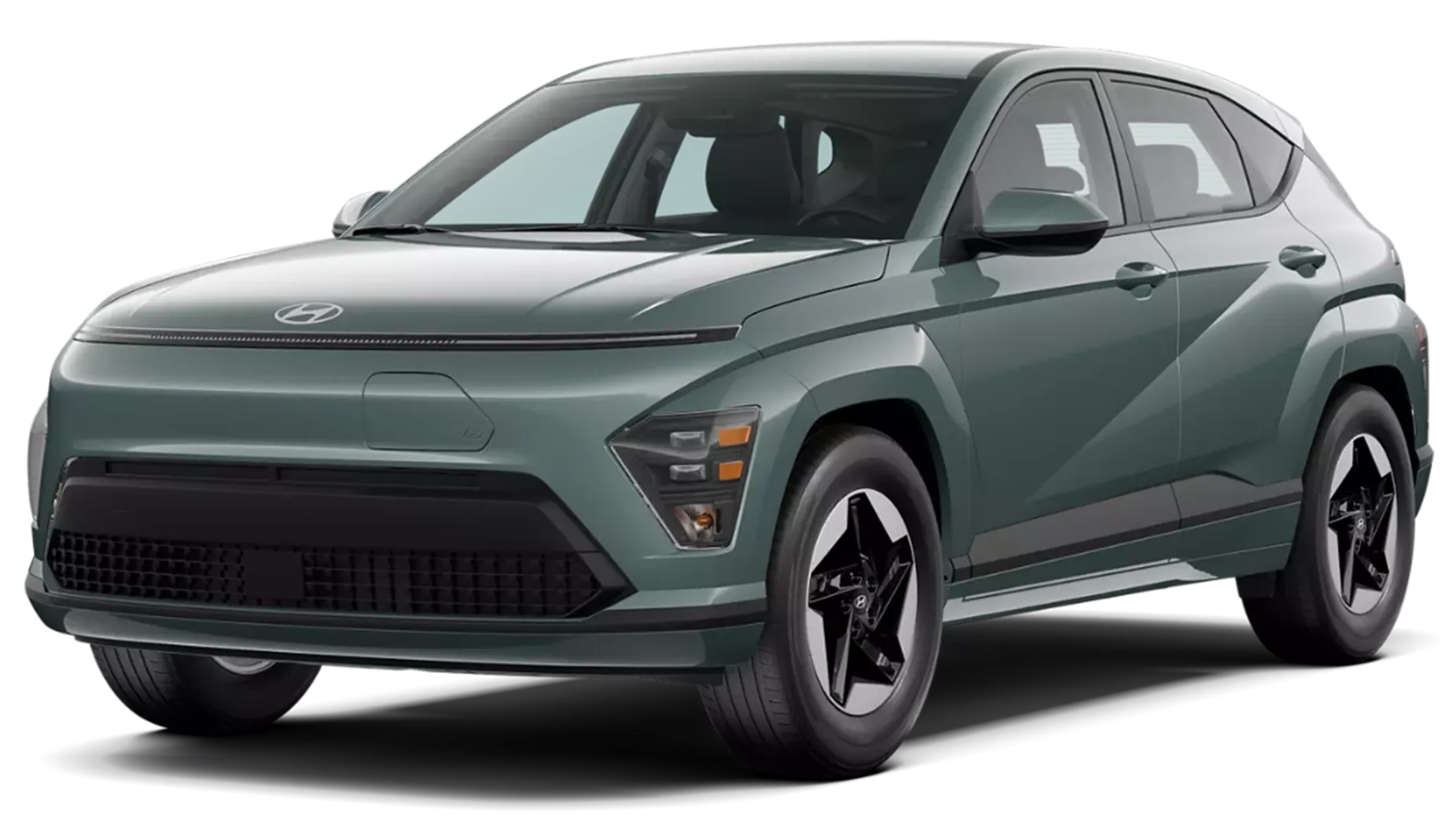
Hyundai Kona
Score: 67/100

Hyundai Palisade
Score: 72/100
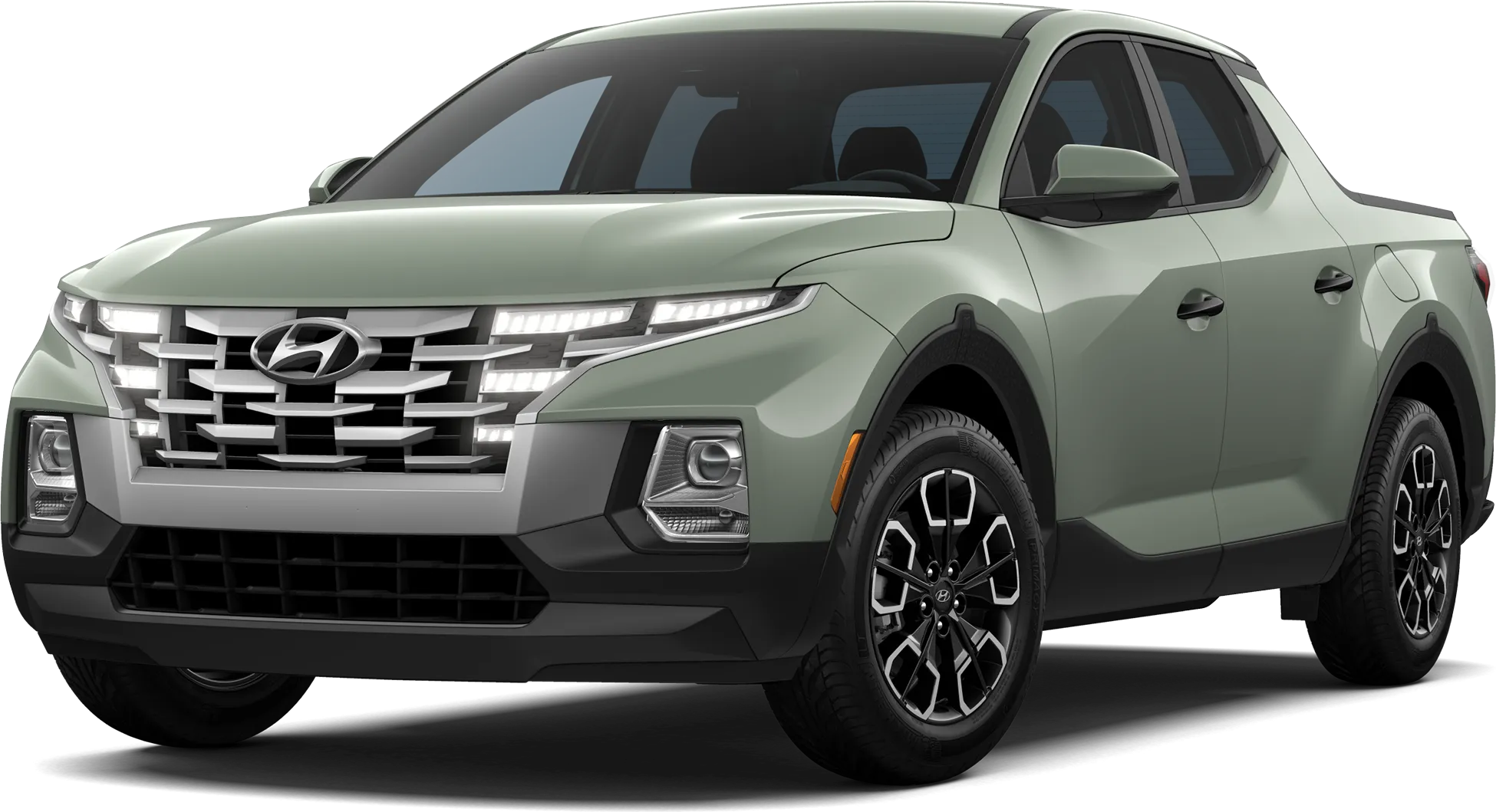
Hyundai Santa Cruz
Score: 74/100
Browse More 2020 Vehicles
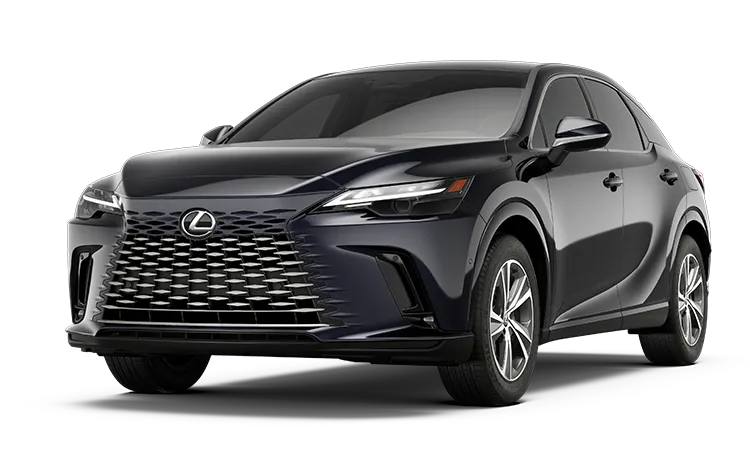
2020 Lexus RX
Score: 86/100
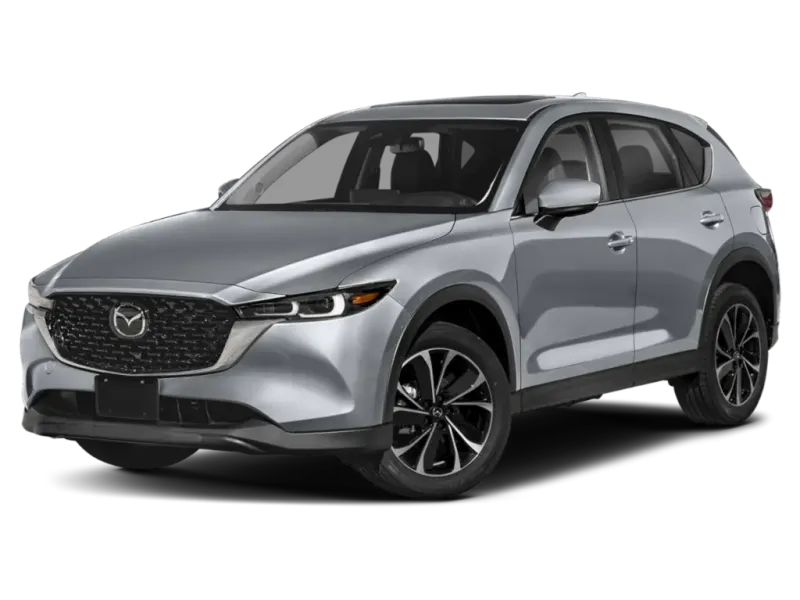
2020 Mazda CX-5
Score: 86/100
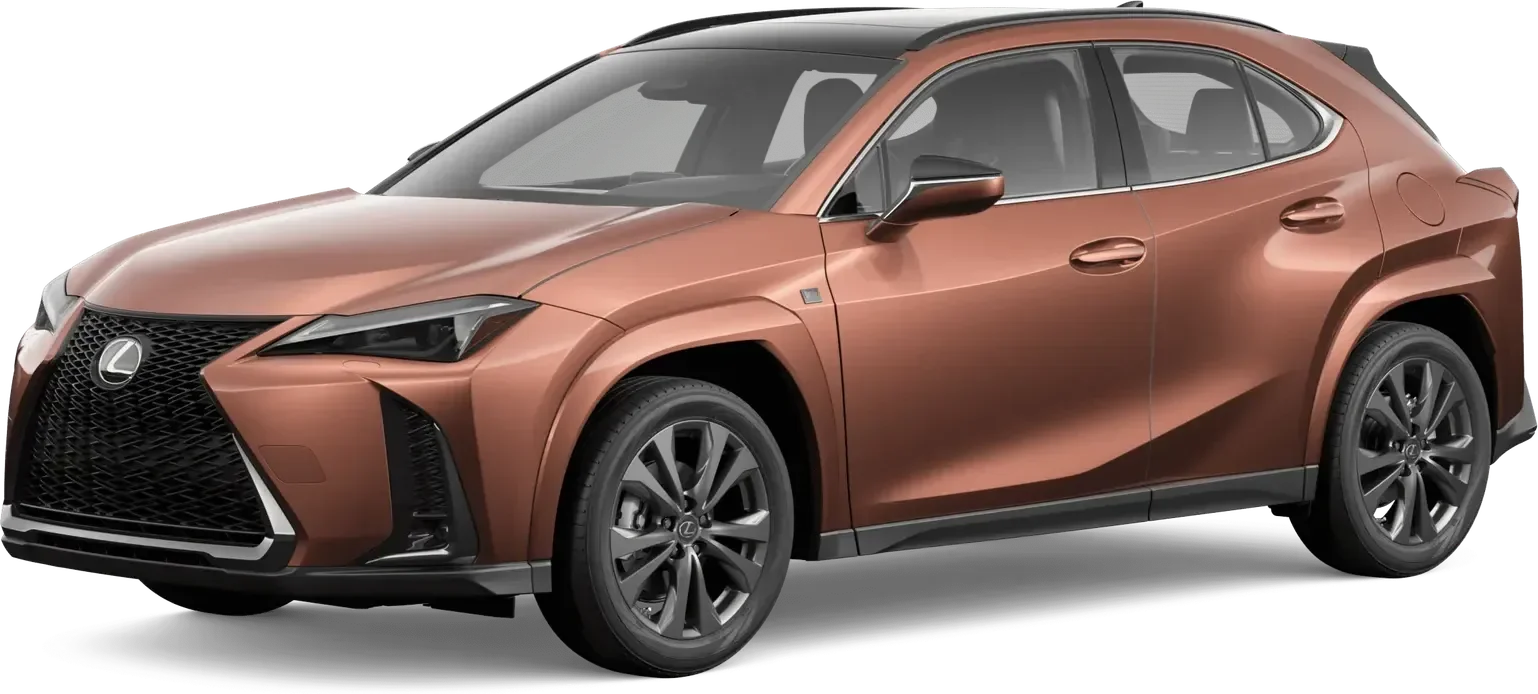
2020 Lexus UX
Score: 84/100

2020 Kia Sedona
Score: 83/100

2020 Lexus IS
Score: 83/100
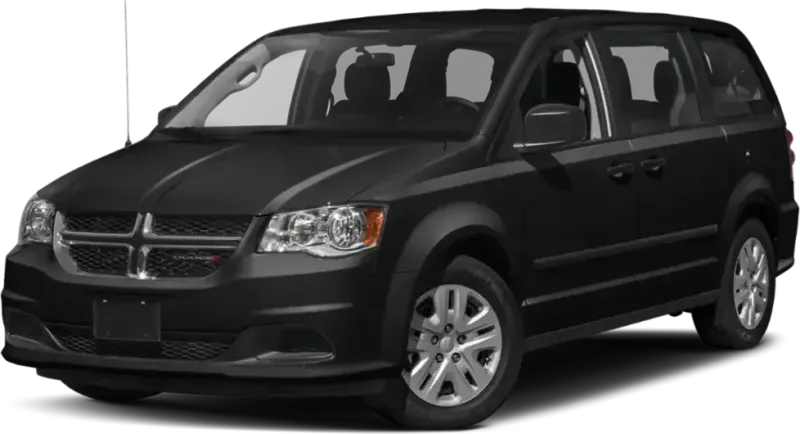
2020 Dodge Grand Caravan
Score: 83/100
See incorrect data? Report an issue