Last updated: 2026-10-10
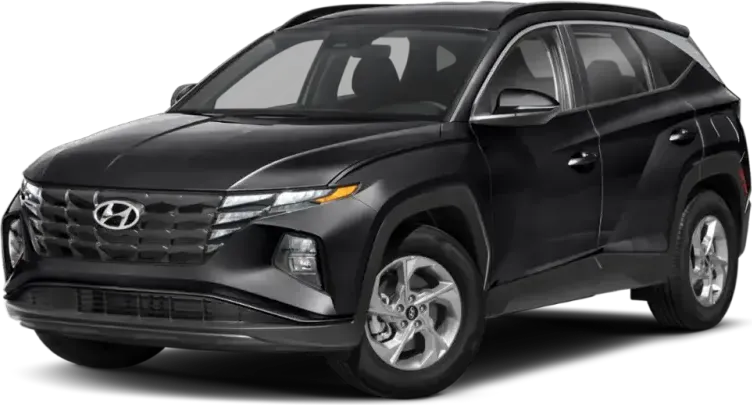
2023 Hyundai Tucson Reliability Report
The 2023 Hyundai Tucson has good reliability and beats most 2023 SUVs, but sudden power loss and failing horns are the problems to check.
Recalls
2
Complaints
142
Complaint Rate
6.8per 10,000 sold
Est. Repair Cost
$426
Annual Fuel Cost
$2,150–$2,400
Detailed Score Breakdown
Component-weighted complaints normalized by sales volume
Independent repair cost ratings
Recall count weighted by severity
Breadth of reported problem categories
The Verdict
Mid-pack among Tucson years, with far fewer complaints than 2022 but recurring power loss, horn failures, and two park-outside recalls.
Top Issues to Watch
- ELECTRICAL SYSTEM (23)
- POWER TRAIN (21)
- SERVICE BRAKES (13)
Should You Buy the 2023 Hyundai Tucson?
Yes, with checks. Reliability is good, above average for 2023 SUVs, and in the middle of the nine scored Tucson years. Owners filed 142 complaints, well below the 433 on the 2022, which rates worse. The 2024 rates about the same. Repair costs run $426 a year against $521 for the class, and the federal crash-test rating is 5 of 5 stars.
Sudden loss of acceleration is the biggest worry. Some cars show a "Limited to 20 MPH" message, and restarting usually clears it. Horns short out, mostly between 35,000 and 41,000 miles. Automatic emergency braking has fired on open highways, as early as 500 to 2,500 miles. Fuel injector failures and misfires appear from 8,000 to 31,000 miles. Two recalls cover trailer hitches and the power train, and both are park-outside (fire risk) recalls.
Check the VIN for open recalls and ask for proof both were completed. Ask for any horn, brake, or injector repair history.
Compared to the 2024 Hyundai Tucson, which scored 2 points higher. See also the 2022 Hyundai Tucson for an earlier comparison.
Pros
- +Acceptable reliability score
- +$95 cheaper to maintain than avg compact SUVs
- +Infrequent unscheduled repairs
- +Low major repair risk (10%)
Cons
- −ELECTRICAL SYSTEM: Horns that short out and stop working are the most repeated problem (23 complaints)
- −POWER TRAIN: Sudden loss of acceleration is the main pattern (21 complaints)
Compare 2023 Hyundai Tucson With
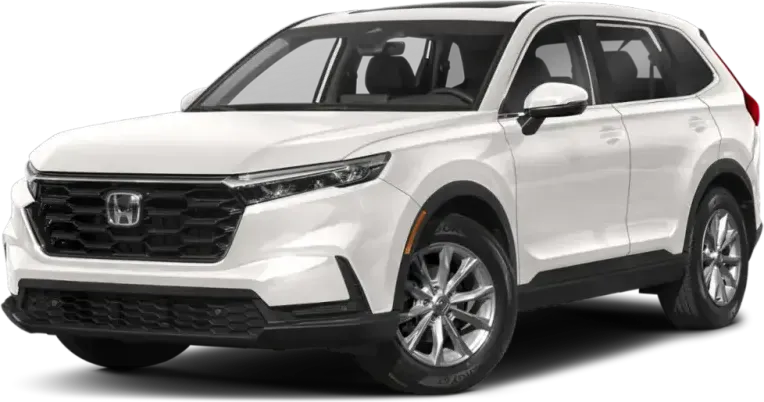
2023 Honda CR-V
Reliability: 72/100
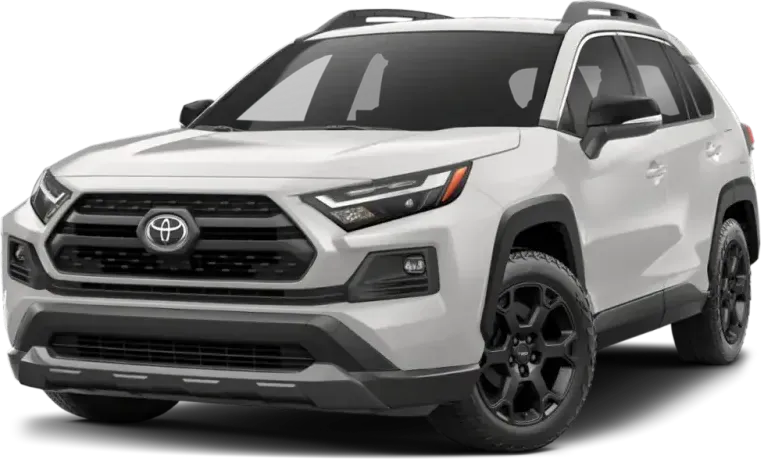
2023 Toyota RAV4
Reliability: 80/100
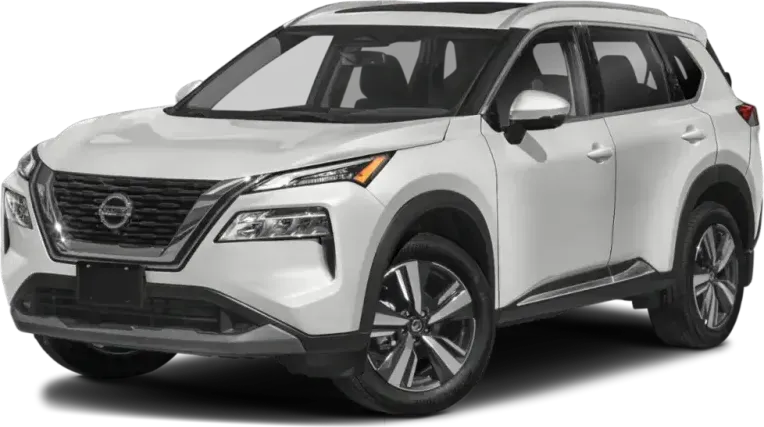
2023 Nissan Rogue
Reliability: 68/100
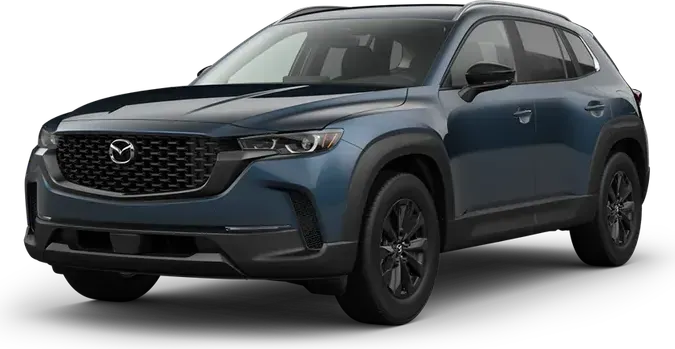
2023 Mazda CX-50
Reliability: 65/100

2023 Kia Sportage
Reliability: 67/100
Common Problem Categories
Safety
LOW RISK- 2 manufacturer recalls issued
Other
HIGH RISK- ELECTRICAL SYSTEM (23)
- POWER TRAIN (21)
Recall Overview
2
recalls on record
The 2023 Hyundai Tucson carries 2 recalls — a low count. Authorized dealers repair any open recall free of charge, regardless of warranty status.
NHTSA.gov →Complaint Breakdown
6.8
per 10,000 soldSegment avg: 11.3
Safety Incidents
12
Crashes
1
Fires
5
Injuries
0
Deaths
NHTSA 5/5 Stars
Data sourced from NHTSA complaint filings and manufacturer recall notices. Complaint narratives are owner-reported.
2023 Hyundai Tucson Recall Details
2 recalls have been issued for the 2023 Hyundai Tucson. All recall repairs are performed free of charge at authorized dealerships.
TRAILER HITCHES
Hyundai Motor America (Hyundai) is recalling certain 2022-2024 Tucson vehicles equipped with an optional Mobis tow hitch wiring harness. The wiring harness may have been installed incorrectly, allowing water into the control module. Moisture accumulation may cause the trailer lighting to fail or an electrical short circuit.
Consequence
Nonfunctioning trailer lights can increase the risk of a crash. A short circuit can increase the risk of a fire.
Remedy
Owners are advised to park outside and away from structures until the recall repair is complete. Dealers will replace the trailer wiring harness, free of charge. Owner notification letters are expected to be mailed February 16, 2026. Owners may contact Hyundai customer service at 1-855-371-9460. Hyundai's number for this recall is 290. Vehicle Identification Numbers (VINs) involved in this recall became searchable on NHTSA.gov on December 20, 2025.
POWER TRAIN
Hyundai Motor America (Hyundai) is recalling certain 2023-2024 Palisade Tucson, 2023 Sonata, Elantra, and Kona vehicles. The electronic controller for the Idle Stop & Go oil pump assembly may contain damaged electrical components that can cause the pump controller to overheat.
Consequence
An electric oil pump assembly that overheats increases the risk of a vehicle fire.
Remedy
Owners are advised to park outside and away from structures until the recall repair is complete. Dealers will inspect and replace the electric oil pump controller, as necessary, free of charge. Owner notification letters were mailed starting September 7, 2023. Owners may contact Hyundai customer service at 1-855-371-9460. Hyundai's number for this recall is 246.
Buying a used 2023 Hyundai Tucson? Check its history first
Electrical system problems lead owner complaints about the 2023 Hyundai Tucson, and 2 recalls were issued for it. A VIN check shows whether this car's recall work was done, plus accident, title, and odometer history.
- Accidents
- Open Recalls
- Title History
- Odometer Rollback
2023 Hyundai Tucson NHTSA Safety Ratings
Overall Safety Rating
Crash Test Results by Configuration (expand)
Gas Powertrain
Rollover risk: 15.9%
Safety Technologies
HEV Powertrain
Rollover risk: 17.4%
Safety Technologies
PHEV Powertrain
Rollover risk: 0.0%
Safety Technologies
Hyundai TucsonRepair Costs & Maintenance
Maintenance Rating
4Maintenance rating: 4 out of 5Based on NHTSA complaint patterns, recall severity, and publicly available cost benchmarks.
Est. Annual Maintenance
$426
vs $521 avg for compact SUVs
vs $652 avg for all vehicles
Repair Frequency
0.3
unscheduled repair visits per year
Severe Repair Probability
10%
chance of a major repair
Annual Cost Comparison
Category-level averages derived from publicly available industry reports (AAA, CarMD). Model-level estimates produced by Auto Reliability Index.
Hyundai Tucson Resale Value
The Hyundai Tucson is estimated to retain about 65.2% of its original value after 5 years, based on observed used-car listings.
This benchmark covers the Hyundai Tucson model overall and is not specific to the 2023 model year.
- Value Retained
- 65.2%
- Depreciation
- 34.8%
- Listings Analyzed
- 720
after 5 years
over the same period
U.S. used-car listings
Listings observed in . Actual resale value varies by trim, mileage, condition, and location.
Explore Hyundai Tucson depreciation and resale value on CarResaleValue.comMPG & Annual Running Costs
Gas
25–28 MPG
Running cost: $2,600–$2,850/yr
Fuel + repair
23–25 city / 28–32 hwy MPG
Plug-in Hybrid
35–38 MPG
Running cost: $2,050–$2,150/yr
Fuel + repair
35–38 city / 35–38 hwy MPG
Running cost includes EPA fuel-cost estimate and independent repair-cost data (repair cost estimated at model level). Excludes routine maintenance, depreciation, and insurance. Data as of 2023 EPA label cycle.
Gas trims
| Trim | Drive | Trans. | City | Hwy | Comb | Fuel Cost |
|---|---|---|---|---|---|---|
| Tucson FWD 2.5L 4-cyl | Front-Wheel Drive | Automatic (S8) | 25 | 32 | 28 | $2,150 |
| Tucson AWD 2.5L 4-cyl | All-Wheel Drive | Automatic (S8) | 23 | 28 | 25 | $2,400 |
Plug-in Hybrid trims
| Trim | Drive | Trans. | City | Hwy | Comb | Fuel Cost |
|---|---|---|---|---|---|---|
| Tucson Plug-in Hybrid 1.6L 4-cyl | All-Wheel Drive | Automatic (AM-S6) | 35 | 35 | 35 | $1,700 |
Used Buying Checklist
Key things to inspect or verify before purchasing a 2023 Hyundai Tucson.
Press the horn several times, and ask whether the horn has been replaced under warranty.
Check service records for fuel injector, misfire, or cylinder repairs, and ask which injectors were replaced.
Drive on an open highway at 55 to 75 mph with cruise on and watch for false automatic braking.
Accelerate firmly from a stop and out of a slow turn, and watch for hesitation, lost power, or a "Limit 20 MPH" message.
Check the oil level and look for oil on the underbody cover and the oil pan.
Brake firmly from highway speed and feel for shaking in the steering wheel or pedal.
Inspect the panoramic sunroof and windshield for cracks, chips, or sparkle in the glass when the sun is low.
Have a Hyundai dealer confirm that recall 23V526000 has been completed.
2023 Hyundai Tucson Common Problems by Component
142 owner complaints grouped by vehicle system.
ELECTRICAL SYSTEM
23 complaintsSafety-relatedHorns that short out and stop working are the most repeated problem. Drivers often find out only when they need the horn to warn another car. Dealers call it a known issue tied to where the horn sits and its exposure to water. Some cars have had the horn replaced three times. Other reports describe several warning lights coming on together, the car shutting off while driving, and drivers left stranded. One complaint involves an engine fire. Another describes the car surging forward and crashing while parking.
POWER TRAIN
21 complaintsSafety-relatedSudden loss of acceleration is the main pattern. The engine revs or the gas pedal goes dead and speed drops. Some cars show a "Limited to 20 MPH" message, and restarting usually clears it. Hybrid owners describe a delay of several seconds while the gas engine restarts from EV mode. Transmission shudder and missed shifts also appear, and one transmission was replaced at 23,600 miles. Three complaints involve crashes, including unintended acceleration where the brakes did not stop the car. One owner reports waiting on parts for a recall repair.
UNKNOWN OR OTHER
19 complaintsSafety-relatedThis mixed category is led by panoramic sunroofs that shatter without warning, sometimes at highway speed and once when a door was closed. Failed horns show up here too, often after rain. Other reports describe the car accelerating on its own while stopped or parking, including one crash, and failing to accelerate while merging. Owners also describe false emergency braking, a rear hatch that opens by itself or shows false "trunk open" warnings, a heavily pitted windshield, and trim coming off on the highway. Dealers often cannot reproduce these faults.
SERVICE BRAKES (13 complaints)
SERVICE BRAKES
13 complaintsSafety-relatedThe most common complaint is automatic emergency braking that activates on an open highway. Drivers have to swerve or risk being hit from behind, and in one case passengers were thrown forward. A second pattern is warped front rotors that cause shaking under braking. Repeated pad and rotor work does not last. Single reports describe a brake pedal sinking to the floor, the car rolling away in park, and brakes that failed to stop the car, including one crash. Dealers often cannot diagnose these intermittent faults.
ENGINE (12 complaints)
ENGINE
12 complaintsSafety-relatedTucson engine problems across all model years
Misfires and failed fuel injectors cause stalling, loss of power, and a fuel smell, sometimes leaving the driver stranded with little warning. Dealers replace parts one cylinder at a time, and reported failures fall around 8,000 to 15,000 miles. Oil loss is a second pattern. Owners get low-oil alerts soon after purchase, one engine was found empty of oil at 49,000 miles, and others report oil pan leaks. Some hybrids hesitate to deliver power at low speed when leaving EV mode. One crash involved the car lurching backward.
VEHICLE SPEED CONTROL (10 complaints)
VEHICLE SPEED CONTROL
10 complaintsSafety-relatedThe most serious pattern is unintended acceleration while parking or slowing down. Owners report engines revving to 8,000 RPM, and two crashes are on file, one with an injury and airbag deployment. Other reports describe a sudden "Limit 20 MPH" limp mode that clears after a restart, the car slipping into neutral at a green light, and cruise control going past the set speed. Some cars also show forward radar "blocked" warnings that switch off adaptive cruise. Dealers usually cannot reproduce these faults.
FUEL/PROPULSION SYSTEM (10 complaints)
FUEL/PROPULSION SYSTEM
10 complaintsSafety-relatedFailed fuel injectors are the main problem. The engine shakes, loses power, or dies, often on the highway, and some cars will not restart for several minutes. Owners report repeat injector repairs, some on a third or fourth visit, because dealers replace only the injector that failed. Failures cluster between about 14,568 and 31,000 miles. Tows and days without a car are common. Dealers describe the injector problem as known, though one owner notes there is no recall. One crash involved sudden acceleration into a garage.
FORWARD COLLISION AVOIDANCE (8 complaints)
FORWARD COLLISION AVOIDANCE
8 complaintsAutomatic emergency braking activates with no vehicle or object ahead, usually at 55 to 75 mph and often with cruise control on. The sudden slowdown nearly causes rear-end collisions, and one driver felt the car start to skid. Reports begin early, around 2,000 to 2,500 miles, and the problem tends to come back. Dealers recalibrate the sensors or cannot duplicate the fault. One dealer turned the system off while waiting on a diagnosis, and some owners switch off the braking function themselves.
VISIBILITY/WIPER (6 complaints)
VISIBILITY/WIPER
6 complaintsPanoramic sunroofs shatter on their own with a bang like a gunshot, sometimes at highway speed. Glass falls into the cabin and gets trapped in the headliner. Windshields are the other complaint. Owners report repeated cracks from small rocks, small chips that spread into large cracks, a crack from a light tap, and a sparkle inside the glass that blocks vision in low sun. One car went through three windshields in seven months. Hyundai declined warranty coverage in at least one windshield case.
STEERING (4 complaints)
STEERING
4 complaintsThe main concern is power steering failing while driving, which makes the wheel very hard to turn. In one case this followed a string of warning lights, and the car would not restart. One report, with an injury listed, describes the steering wheel coming off the column while driving. Another describes a grinding sound from inside the car when turning. With only 4 complaints on file, there is no mileage pattern.
When Do 2023 Hyundai Tucson Problems Start?
Based on owner complaint patterns, here's when common issues tend to appear.
Best & Worst Hyundai Tucson Years
Best Hyundai Tucson Years to Buy
Based on reliability index score2021
2024
2023
(Current Model)
Hyundai Tucson Years to Avoid
Hyundai Tucson Reliability Score Trend
Scores 0–100. Higher is better. Current year highlighted.
| Year | Score | Rating |
|---|---|---|
| 2018 | 68/100 | Good |
| 2019 | 68/100 | Good |
| 2020 | 73/100 | Good |
| 2021 | 78/100 | Good |
| 2022 | 66/100 | Good |
| 2023 | 75/100 | Good |
| 2024 | 77/100 | Good |
| 2025 | 75/100 | Good |
| 2026 | 80/100 | Excellent |
Hyundai Tucson Reliability Compared to Other Years
2023 Hyundai Tucson Reliability by Powertrain
The 2023 Hyundai Tucson is available with 3powertrain options. Here's how they compare on reliability.
| Powertrain | Complaints | Recalls | Incidents* | Crash Rating |
|---|---|---|---|---|
| Gas | 103 | 2 | 11 | 5 out of 5 |
| HEV | 31 | 0 | 2 | 4 out of 5 |
| PHEV | 8 | 0 | 0 | N/T |
| Total | 142 | 2 | 13 |
NHTSA tracks complaints by vehicle configuration when that detail is available. Model-level reports that do not identify a specific powertrain are included in Total but not assigned to a row. A plus sign indicates a confirmed minimum; — means no complaints could be attributed to that specific powertrain. N/T = Not tested by NHTSA.
* Incidents = crash + fire reports. A single complaint can include multiple incident types.
Frequently Asked Questions
Is the 2023 Hyundai Tucson reliable?
What are the most common problems with the 2023 Hyundai Tucson?
Does the 2023 Hyundai Tucson have horn problems?
Does the 2023 Hyundai Tucson have recalls?
Is the 2023 Hyundai Tucson better than the 2022 or 2024?
Don’t buy a 2023 Hyundai Tucson without checking its VIN first — hidden accidents, title issues, and open recalls could cost you thousands.
How we score the 2023 Hyundai Tucson
Of the four inputs behind this score, the 2023 Hyundai Tucson does best on how many systems draw complaints (87/100) and worst on recall impact (65/100). Scores weight complaint severity at 35%, repair costs at 30%, recall impact at 20%, and the spread of complaints across systems at 15%, with complaint counts adjusted for US sales. Read the full methodology.
Get notified when new recalls or reliability data is added for the Hyundai Tucson.
No spam. Only data updates for this model.
Browse More Hyundai Models
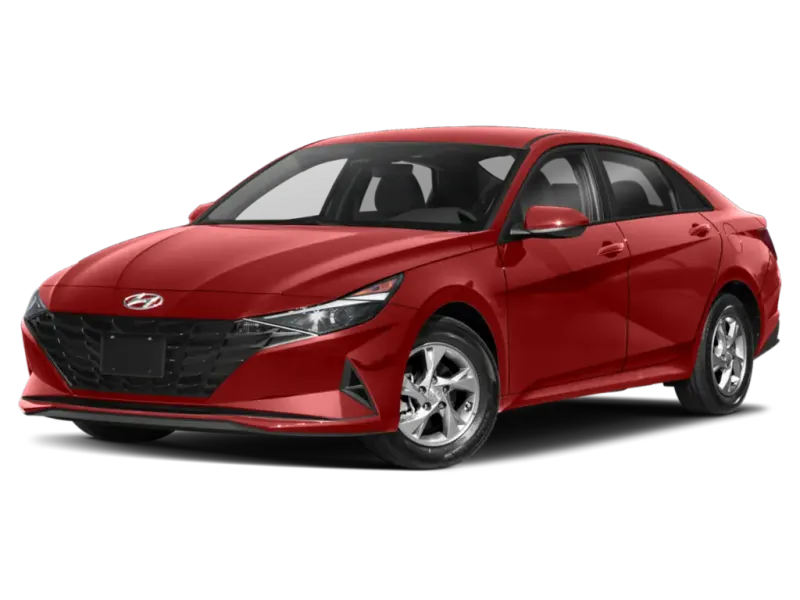
Hyundai Elantra
Score: 94/100
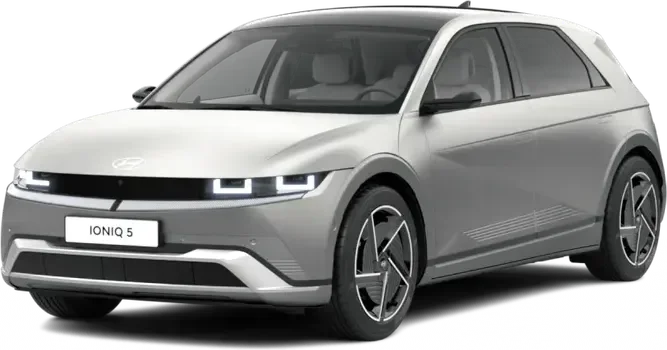
Hyundai Ioniq 5
Score: 63/100
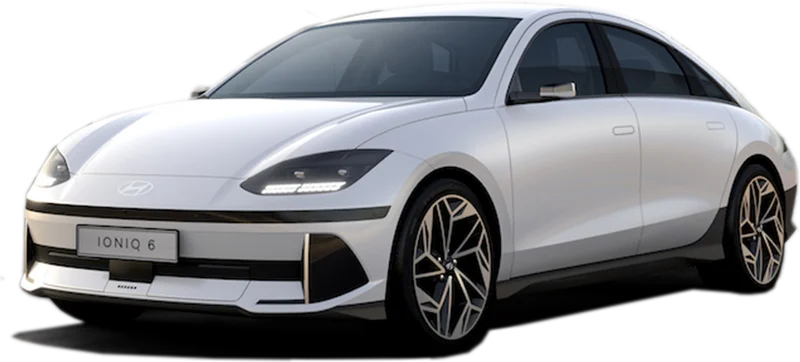
Hyundai Ioniq 6
Score: 82/100
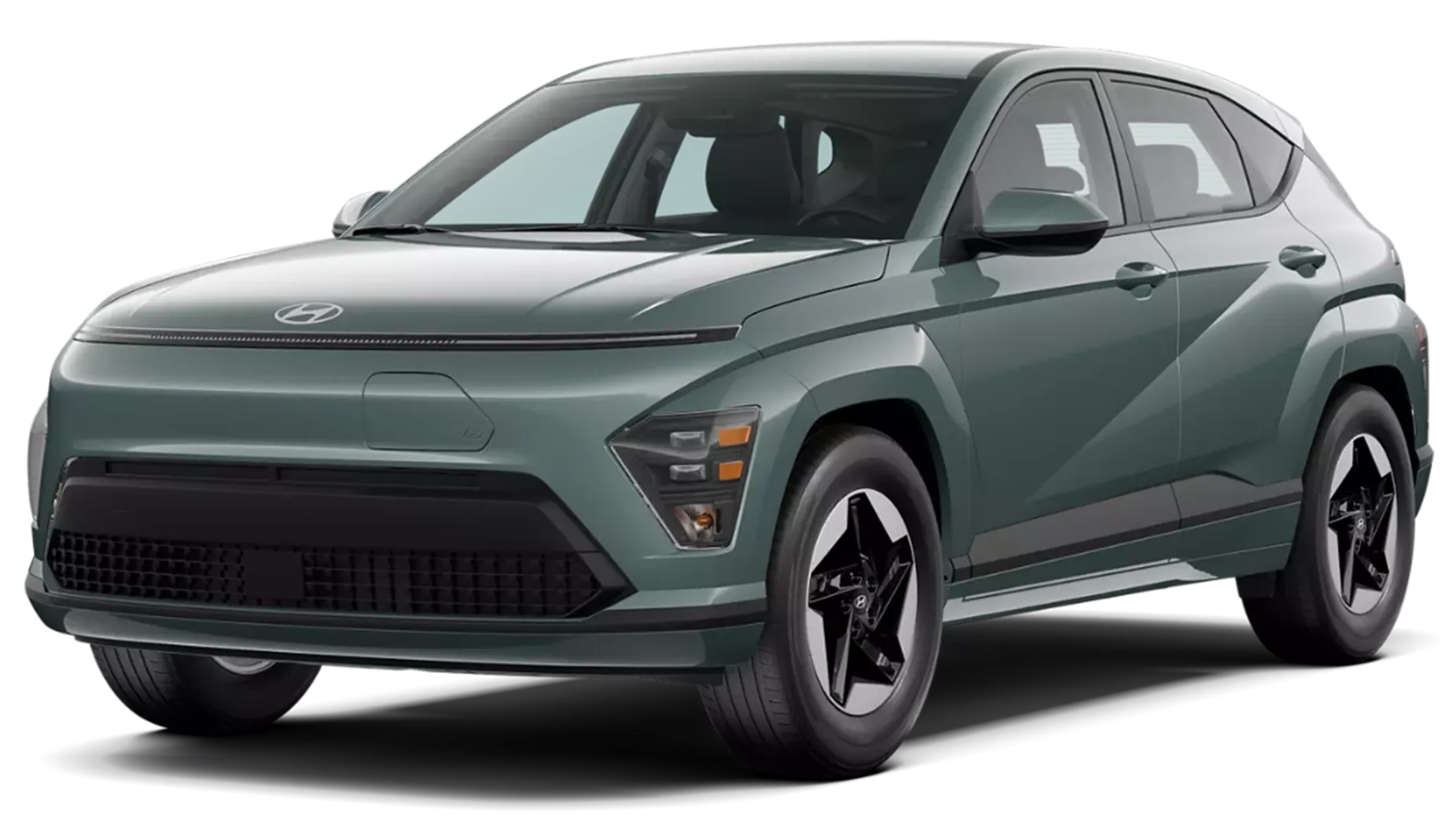
Hyundai Kona
Score: 67/100

Hyundai Palisade
Score: 72/100
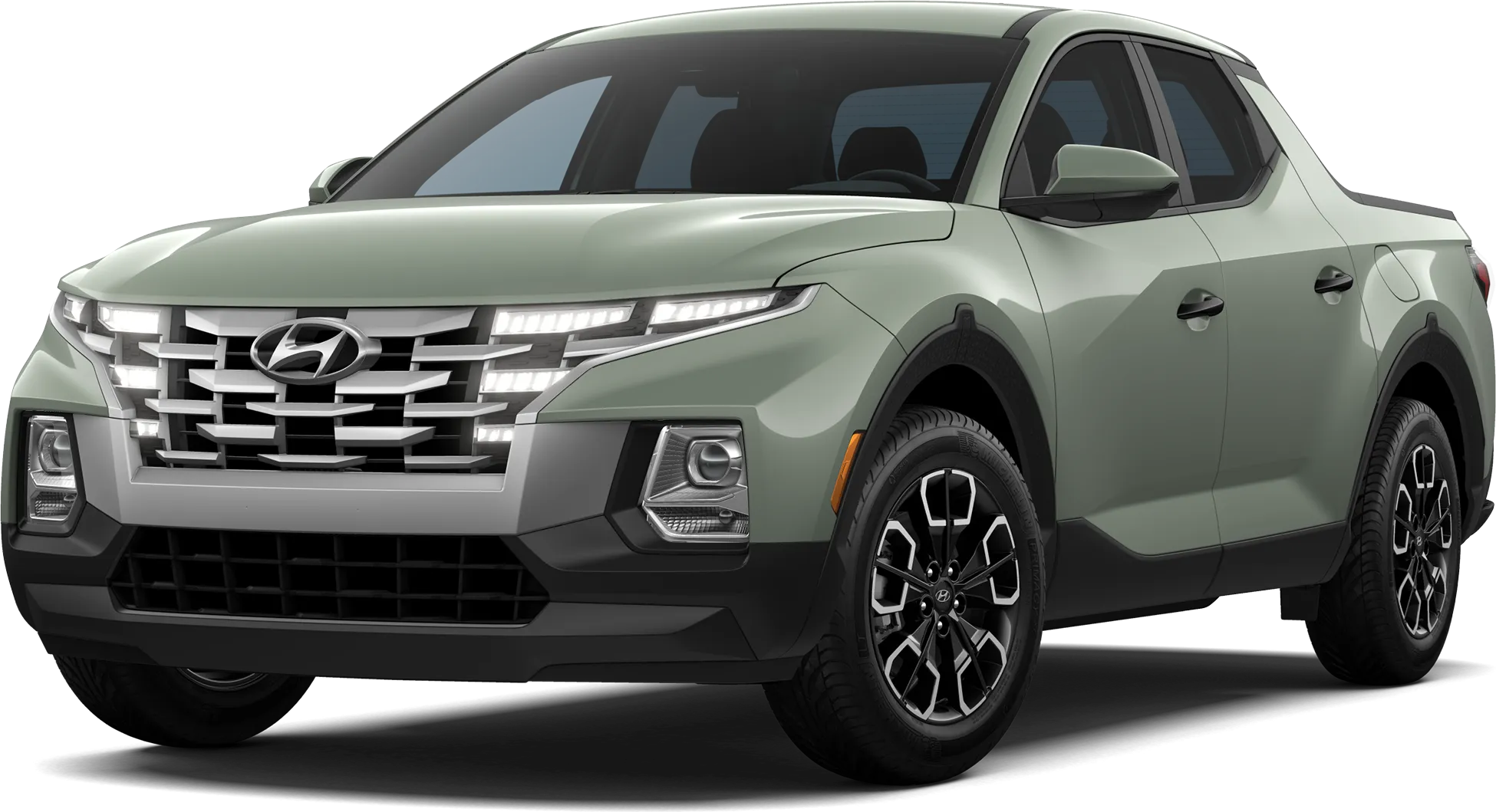
Hyundai Santa Cruz
Score: 74/100
Browse More 2023 Vehicles
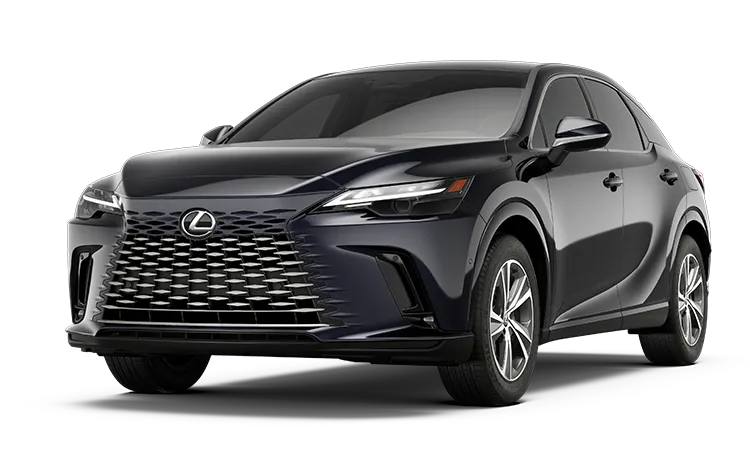
2023 Lexus RX
Score: 85/100
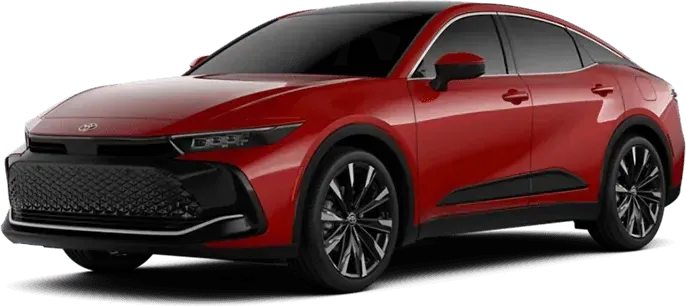
2023 Toyota Crown
Score: 84/100
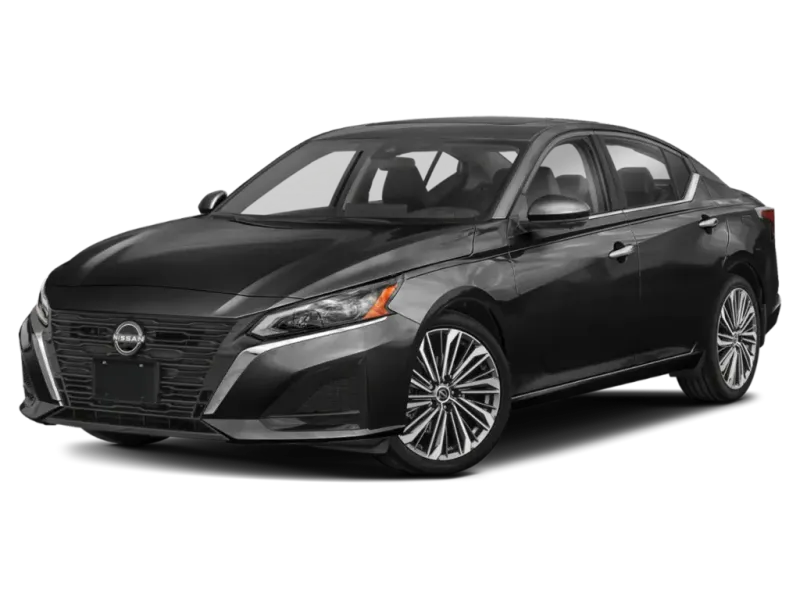
2023 Nissan Altima
Score: 84/100
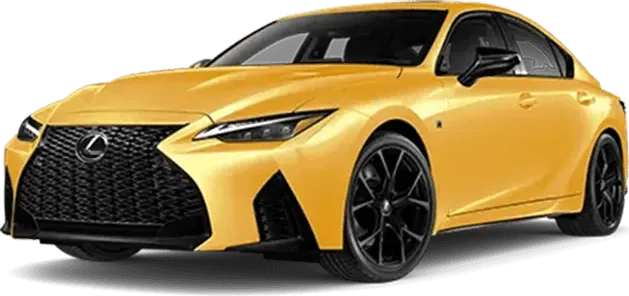
2023 Lexus IS
Score: 83/100

2023 Toyota 4Runner
Score: 82/100
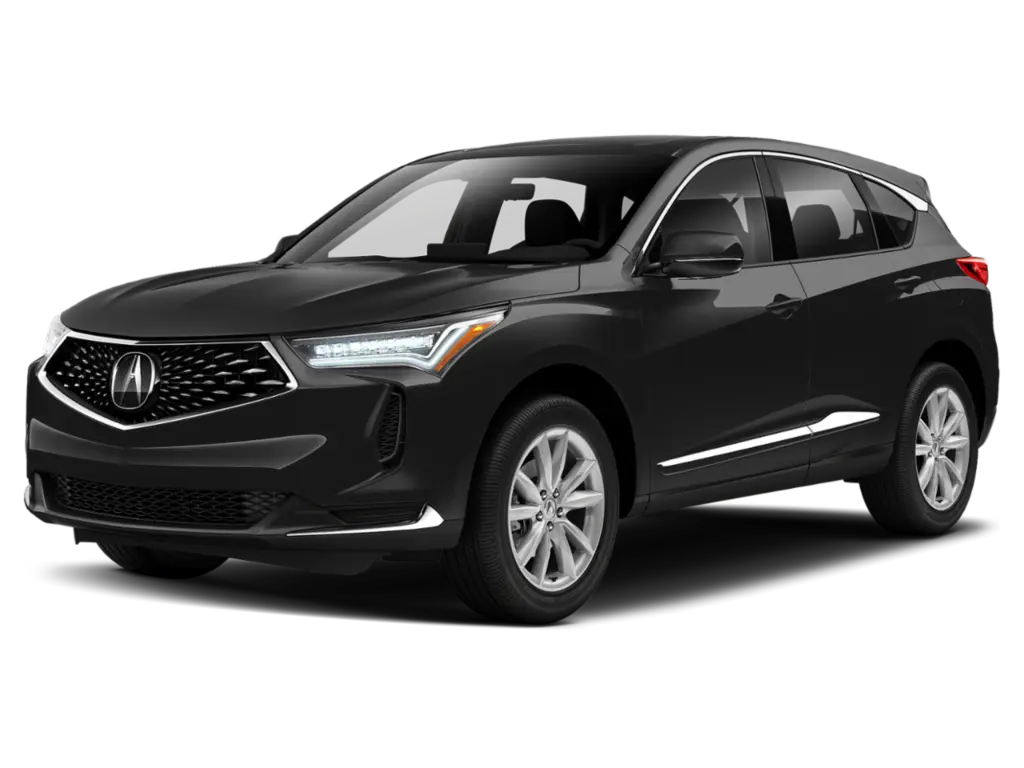
2023 Acura RDX
Score: 82/100
See incorrect data? Report an issue