Last updated: 2026-10-10
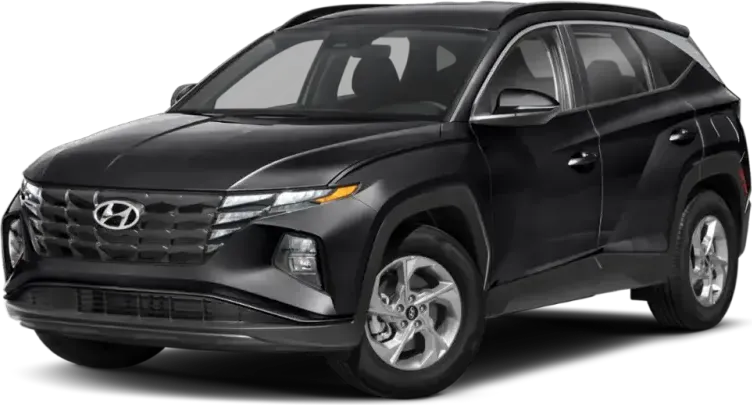
2022 Hyundai Tucson Reliability Report
The 2022 Hyundai Tucson has good reliability, but sudden power loss from failed fuel injectors makes it the weakest Tucson year.
Recalls
3
Complaints
433
Complaint Rate
24.7per 10,000 sold
Est. Repair Cost
$426
Annual Fuel Cost
$2,050–$2,300
Detailed Score Breakdown
Component-weighted complaints normalized by sales volume
Independent repair cost ratings
Recall count weighted by severity
Breadth of reported problem categories
The Verdict
Weakest of the nine scored Tucson years, with fuel injector failures that cause stalling and far more complaints than the 2021 and 2023 models.
Top Issues to Watch
- POWER TRAIN (82)
- FUEL/PROPULSION SYSTEM (78)
- ENGINE (59)
Should You Buy the 2022 Hyundai Tucson?
Reliability is good, but this is the weakest of the nine scored Tucson years. Against other 2022 SUVs it sits close to average. The 2021 and 2023 models both rate better. Owners filed 433 complaints, and the federal crash-test rating is 5 of 5 stars. Independent repair-cost data puts yearly repairs at $426, under the $521 for its class.
The main problem is sudden power loss. Owners describe revs climbing while the car slows, often on highways or while merging, and some cars stall. Some reports start within the first few hundred miles, and dealers often find nothing. When a cause turns up, it is usually a failed fuel injector or a misfire. Injector failures cluster between 16,000 and 48,500 miles. Federal records list 3 recalls covering structure, trailer hitches, and electrical and exterior lighting. One is a park-outside fire-risk recall.
Consider a 2021 or 2023 first. If you buy a 2022, ask for injector repair records, including whether a full injector kit was installed, since owners report repeat failures after single-injector fixes. Confirm every recall was completed.
Compared to the 2023 Hyundai Tucson, which scored 9 points higher. See also the 2021 Hyundai Tucson for an earlier comparison.
Pros
- +Acceptable reliability score
- +$95 cheaper to maintain than avg compact SUVs
- +Infrequent unscheduled repairs
- +Low major repair risk (10%)
Cons
- −Moderate recall count
- −Above-average complaint rate for SUV
- −POWER TRAIN: Engine suddenly loses power while driving, often on highways or while merging (82 complaints)
Compare 2022 Hyundai Tucson With
2022 Honda CR-V
Reliability: 76/100
2022 Toyota RAV4
Reliability: 80/100
2022 Nissan Rogue
Reliability: 70/100
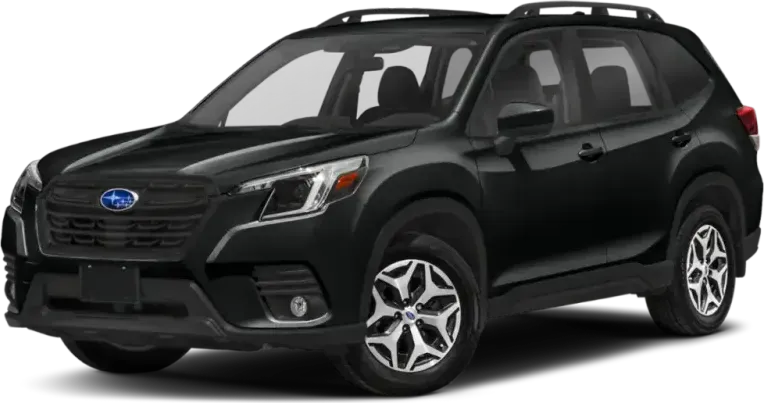
2022 Subaru Forester
Reliability: 77/100

2022 Kia Sportage
Reliability: 79/100
Common Problem Categories
Safety
LOW RISK- 3 manufacturer recalls issued
Other
HIGH RISK- POWER TRAIN (82)
- FUEL/PROPULSION SYSTEM (78)
Recall Overview
3
recalls on record
A moderate 3 recalls are on file for the 2022 Hyundai Tucson. Each one points to a specific safety or compliance issue identified by the manufacturer or NHTSA — check the list below before buying.
NHTSA.gov →Complaint Breakdown
24.7
per 10,000 soldSegment avg: 13.5
Safety Incidents
28
Crashes
5
Fires
56
Injuries
0
Deaths
NHTSA 5/5 Stars
Data sourced from NHTSA complaint filings and manufacturer recall notices. Complaint narratives are owner-reported.
2022 Hyundai Tucson Recall Details
3 recalls have been issued for the 2022 Hyundai Tucson. All recall repairs are performed free of charge at authorized dealerships.
STRUCTURE
Hyundai Motor America (Hyundai) is recalling certain 2022 Tucson and 2022-2023 Santa Cruz vehicles. The roof moldings may detach.
Consequence
A detached roof molding could become a road hazard, increasing the risk of a crash.
Remedy
Dealers will inspect and replace, or secure the roof moldings, as necessary, free of charge. Owner notification letters were mailed March 30, 2023. Owners may contact Hyundai customer service at 1-855-371-9460. Hyundai's number for this recall is 241.
TRAILER HITCHES
Hyundai Motor America (Hyundai) is recalling certain 2022-2024 Tucson vehicles equipped with an optional Mobis tow hitch wiring harness. The wiring harness may have been installed incorrectly, allowing water into the control module. Moisture accumulation may cause the trailer lighting to fail or an electrical short circuit.
Consequence
Nonfunctioning trailer lights can increase the risk of a crash. A short circuit can increase the risk of a fire.
Remedy
Owners are advised to park outside and away from structures until the recall repair is complete. Dealers will replace the trailer wiring harness, free of charge. Owner notification letters are expected to be mailed February 16, 2026. Owners may contact Hyundai customer service at 1-855-371-9460. Hyundai's number for this recall is 290. Vehicle Identification Numbers (VINs) involved in this recall became searchable on NHTSA.gov on December 20, 2025.
ELECTRICAL SYSTEM, EXTERIOR LIGHTING
Hyundai Motor America (Hyundai) is recalling certain 2022 Tucson vehicles. The software installed in the Integrated Central Control Unit (ICU) may be incompatible with the vehicle, which could result in inoperative headlights and/or taillights.
Consequence
Inoperative headlights or taillights can decrease visibility for both the driver and surrounding traffic, increasing the risk of a crash.
Remedy
Dealers updated the ICU software, free of charge. All affected vehicles have been repaired and therefore no owner notification letters will be mailed. Owners may contact Hyundai customer service at 1-855-371-9460. Hyundai's number for this recall is 214.
Buying a used 2022 Hyundai Tucson? Check its history first
Power train problems lead owner complaints about the 2022 Hyundai Tucson, and 3 recalls were issued for it. A VIN check shows whether this car's recall work was done, plus accident, title, and odometer history.
- Accidents
- Open Recalls
- Title History
- Odometer Rollback
2022 Hyundai Tucson NHTSA Safety Ratings
Overall Safety Rating
Crash Test Results by Configuration (expand)
Gas Powertrain
Rollover risk: 15.9%
Safety Technologies
Gas / HEV Powertrain
Rollover risk: 15.9%
Safety Technologies
HEV Powertrain
Rollover risk: 15.9%
Safety Technologies
PHEV Powertrain
Rollover risk: 0.0%
Safety Technologies
Hyundai TucsonRepair Costs & Maintenance
Maintenance Rating
4Maintenance rating: 4 out of 5Based on NHTSA complaint patterns, recall severity, and publicly available cost benchmarks.
Est. Annual Maintenance
$426
vs $521 avg for compact SUVs
vs $652 avg for all vehicles
Repair Frequency
0.3
unscheduled repair visits per year
Severe Repair Probability
10%
chance of a major repair
Annual Cost Comparison
Category-level averages derived from publicly available industry reports (AAA, CarMD). Model-level estimates produced by Auto Reliability Index.
Hyundai Tucson Resale Value
The Hyundai Tucson is estimated to retain about 65.2% of its original value after 5 years, based on observed used-car listings.
This benchmark covers the Hyundai Tucson model overall and is not specific to the 2022 model year.
- Value Retained
- 65.2%
- Depreciation
- 34.8%
- Listings Analyzed
- 720
after 5 years
over the same period
U.S. used-car listings
Listings observed in . Actual resale value varies by trim, mileage, condition, and location.
Explore Hyundai Tucson depreciation and resale value on CarResaleValue.comMPG & Annual Running Costs
Gas
26–29 MPG
Running cost: $2,500–$2,750/yr
Fuel + repair
24–26 city / 29–33 hwy MPG
Plug-in Hybrid
35–38 MPG
Running cost: $2,050–$2,150/yr
Fuel + repair
35–38 city / 35–38 hwy MPG
Running cost includes EPA fuel-cost estimate and independent repair-cost data (repair cost estimated at model level). Excludes routine maintenance, depreciation, and insurance. Data as of 2022 EPA label cycle.
Gas trims
| Trim | Drive | Trans. | City | Hwy | Comb | Fuel Cost |
|---|---|---|---|---|---|---|
| Tucson FWD 2.5L 4-cyl | Front-Wheel Drive | Automatic (S8) | 26 | 33 | 29 | $2,050 |
| Tucson AWD 2.5L 4-cyl | All-Wheel Drive | Automatic (S8) | 24 | 29 | 26 | $2,300 |
Plug-in Hybrid trims
| Trim | Drive | Trans. | City | Hwy | Comb | Fuel Cost |
|---|---|---|---|---|---|---|
| Tucson Plug-in Hybrid 1.6L 4-cyl | All-Wheel Drive | Automatic (AM-S6) | 35 | 35 | 35 | $1,700 |
Used Buying Checklist
Key things to inspect or verify before purchasing a 2022 Hyundai Tucson.
Ask for service records showing fuel injector replacements, and whether all four were replaced with the updated kit.
Scan for stored misfire codes and watch for shaking or rough idle after a cold start.
Accelerate hard up a highway on-ramp and watch for power loss, flaring revs, or limp mode.
Drive on a highway with collision avoidance on and watch for false braking or a blocked radar warning.
Press the horn several times and confirm it sounds strong and full, not weak or high-pitched.
With a helper, test the turn signals, rear brake lights, hazards, side cameras, and audio chimes.
Inspect the panoramic sunroof and front glass panel for cracks, chips, or replacement glass.
Open the fuel door several times with the car unlocked and confirm it releases every time.
2022 Hyundai Tucson Common Problems by Component
433 owner complaints grouped by vehicle system.
POWER TRAIN
82 complaintsSafety-relatedThe engine suddenly loses power while driving, often on highways or while merging. Revs climb without the car speeding up, speed drops sharply, and some cars stall completely. Restarting usually clears it until the next time. Many reports start very early, some within the first few hundred miles, and dealers often find nothing. When a cause is found, it is usually a misfire or a failed fuel injector. Other complaints describe jerky low-speed shifts and warnings to park immediately. One crash followed an unintended surge while parking. In another, a parked car rolled into a vehicle after a child pressed the drive button.
FUEL/PROPULSION SYSTEM
78 complaintsSafety-relatedFuel injector failure is the dominant pattern. A check engine light comes on, the engine shakes and misfires, power drops, and some cars stall at highway speed. In one case a stalled car was rear-ended. Dealers often replace only the failed injector, and another fails weeks or a few thousand miles later. Some later repairs use a full injector kit under a service bulletin. Back-ordered parts and missing loaners leave owners stranded for days. Owners with failures past warranty report paying out of pocket. A few complaints describe a fuel door that will not release.
ENGINE
59 complaintsTucson engine problems across all model years
Stalling and misfires are the most common reports, usually traced to failed high-pressure fuel injectors and sometimes spark plugs. Cars quit at highway speed or crawl along unable to pass walking pace, often with little or no warning. Repeat failures on different cylinders are common because dealers replace one injector at a time. A smaller group reports engine knocking or cylinder scuffing that calls for a full engine replacement, some at low mileage. One owner was told the problem was carbon buildup and was asked to pay for a decarbonizing service.
ELECTRICAL SYSTEM (57 complaints)
ELECTRICAL SYSTEM
57 complaintsSafety-relatedHorns stop working, sometimes losing one tone first, and some cars need them replaced three or more times. Audio cuts out across all speakers, which also silences safety chimes. A service bulletin exists, but external amplifiers have been back-ordered. Other cars lose several systems at once, including turn signals, side cameras, driver aids, and the dash display, until restarted. Rear brake lights and turn signals failing is tied to an open recall that had no remedy yet. Complaints also include a parked-car fire and crashes blamed on sudden acceleration, with 2 injuries.
UNKNOWN OR OTHER (50 complaints)
UNKNOWN OR OTHER
50 complaintsSafety-relatedPanoramic sunroof glass shatters at highway speed with a loud bang and no apparent impact. Two parked cars caught fire, and one fire damaged about a third of a house. Several crashes describe sudden surges while parking or creeping forward with auto hold on. Automatic emergency braking also brought one car to a full stop on a freeway with nothing ahead. The fuel door actuator can fail, and opening it means taking apart a trunk panel. Other reports describe limp mode that caps speed at 25 mph and repeat injector failures.
SERVICE BRAKES (19 complaints)
SERVICE BRAKES
19 complaintsSafety-relatedTwo main problems show up here. Automatic emergency braking slams on at highway speed with no traffic ahead, sometimes several times in one drive. The brake pedal can also go soft or stop responding, and several low-speed crashes are blamed on brakes that did not engage. A few owners describe brake system warnings with the car creeping at stops, fixed by replacing the IEB module and the brake pedal module. A master cylinder failure and a garage fire also appear, along with 3 crashes and 2 injuries.
AIR BAGS (11 complaints)
AIR BAGS
11 complaintsSafety-relatedAirbags fail to deploy in serious collisions, including head-on, side, and high-speed rear impacts. Several of these cars were totaled. Nine of the 11 complaints involve crashes, and occupants report concussions, head injuries, and bruising. One crash with an elk ended in an engine fire with no airbag deployment. Outside of crashes, an airbag warning light can point to a failed control unit. One owner was quoted $2100 for the repair and told that the airbags and seatbelt locking would not work while the light was on.
FORWARD COLLISION AVOIDANCE (11 complaints)
FORWARD COLLISION AVOIDANCE
11 complaintsSafety-relatedPhantom braking dominates. The car brakes hard with nothing ahead on highways, off-ramps, parking lots, and even in reverse, which risks rear-end collisions. Owners link it to vehicles slowing in adjacent lanes, low sun throwing the car's own shadow ahead, and a blocked radar warning on sunny highway trips that also shuts off cruise control. Turning the feature off does not always stick, because it reactivates on its own. Dealers often cannot reproduce the problem, and one reportedly said no fix was available. One crash complaint says the system failed to brake at all.
VEHICLE SPEED CONTROL (10 complaints)
VEHICLE SPEED CONTROL
10 complaintsSafety-relatedAcceleration problems go both ways. Some cars hesitate badly from a stop or will not go faster than about 40 mph until the pedal is floored, often in the first few thousand miles. Others surge unexpectedly while parking or reversing, and two crashes resulted, one with an injury. Cruise control has jumped to a much higher set speed on its own. Speed sign recognition has slowed cars to 25 mph in faster zones. Dealers frequently do not diagnose or repair these problems.
STEERING (6 complaints)
STEERING
6 complaintsSafety-relatedWithout warning, the wheel locks up or turns very heavy, usually mid-turn, while the dash fills with driver-assist warnings. Some owners had to force the wheel to get off the road, and one car was towed. Dealers log fault codes but often cannot find the cause. One repair replaced a multi-fuse and the steering wheel wiring. Another report describes brakes and power steering failing together at very low mileage. Cruise control buttons on the wheel can stop responding or come loose.
When Do 2022 Hyundai Tucson Problems Start?
Based on owner complaint patterns, here's when common issues tend to appear.
Best & Worst Hyundai Tucson Years
Best Hyundai Tucson Years to Buy
Based on reliability index scoreHyundai Tucson Years to Avoid
2022
(Current Model)
2019
Hyundai Tucson Reliability Score Trend
Scores 0–100. Higher is better. Current year highlighted.
| Year | Score | Rating |
|---|---|---|
| 2018 | 68/100 | Good |
| 2019 | 68/100 | Good |
| 2020 | 73/100 | Good |
| 2021 | 78/100 | Good |
| 2022 | 66/100 | Good |
| 2023 | 75/100 | Good |
| 2024 | 77/100 | Good |
| 2025 | 75/100 | Good |
| 2026 | 80/100 | Excellent |
Hyundai Tucson Reliability Compared to Other Years
2022 Hyundai Tucson Reliability by Powertrain
The 2022 Hyundai Tucson is available with 4powertrain options. Here's how they compare on reliability.
| Powertrain | Complaints | Recalls | Incidents* | Crash Rating |
|---|---|---|---|---|
| Gas | 325 | 3 | 26 | 4 out of 5 |
| Gas / HEV | 0 | 0 | 0 | 5 out of 5 |
| HEV | 101 | 0 | 6 | 4 out of 5 |
| PHEV | 7 | 0 | 1 | N/T |
| Total | 433 | 3 | 33 |
NHTSA tracks complaints by vehicle configuration when that detail is available. Model-level reports that do not identify a specific powertrain are included in Total but not assigned to a row. A plus sign indicates a confirmed minimum; — means no complaints could be attributed to that specific powertrain. N/T = Not tested by NHTSA.
* Incidents = crash + fire reports. A single complaint can include multiple incident types.
Frequently Asked Questions
Is the 2022 Hyundai Tucson reliable?
What are the most common problems with the 2022 Hyundai Tucson?
Does the 2022 Hyundai Tucson have fuel injector problems?
Does the 2022 Hyundai Tucson have recalls?
Is the 2022 Hyundai Tucson expensive to repair?
Don’t buy a 2022 Hyundai Tucson without checking its VIN first — hidden accidents, title issues, and open recalls could cost you thousands.
How we score the 2022 Hyundai Tucson
Of the four inputs behind this score, the 2022 Hyundai Tucson does best on repair costs (80/100) and worst on complaint severity (49/100). Scores weight complaint severity at 35%, repair costs at 30%, recall impact at 20%, and the spread of complaints across systems at 15%, with complaint counts adjusted for US sales. Read the full methodology.
Get notified when new recalls or reliability data is added for the Hyundai Tucson.
No spam. Only data updates for this model.
Browse More Hyundai Models
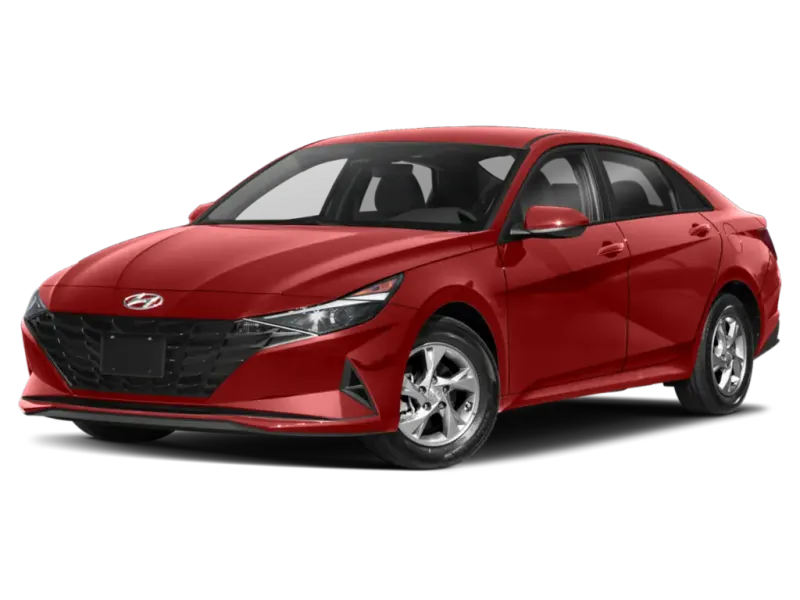
Hyundai Elantra
Score: 94/100
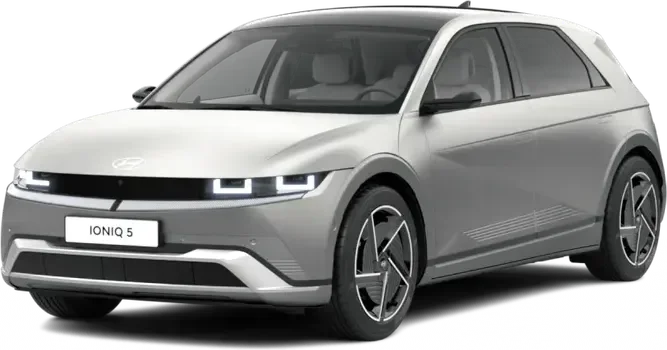
Hyundai Ioniq 5
Score: 63/100
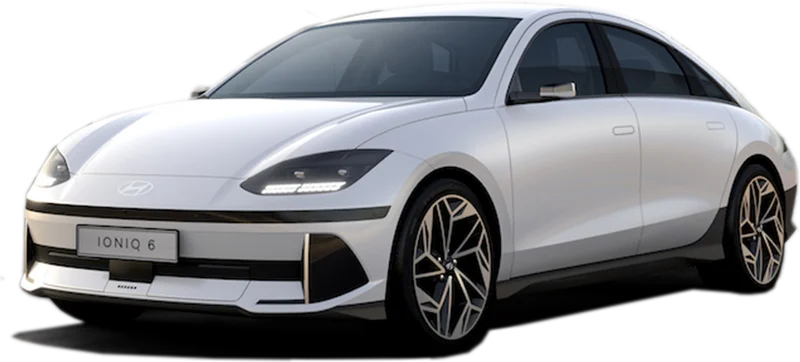
Hyundai Ioniq 6
Score: 82/100
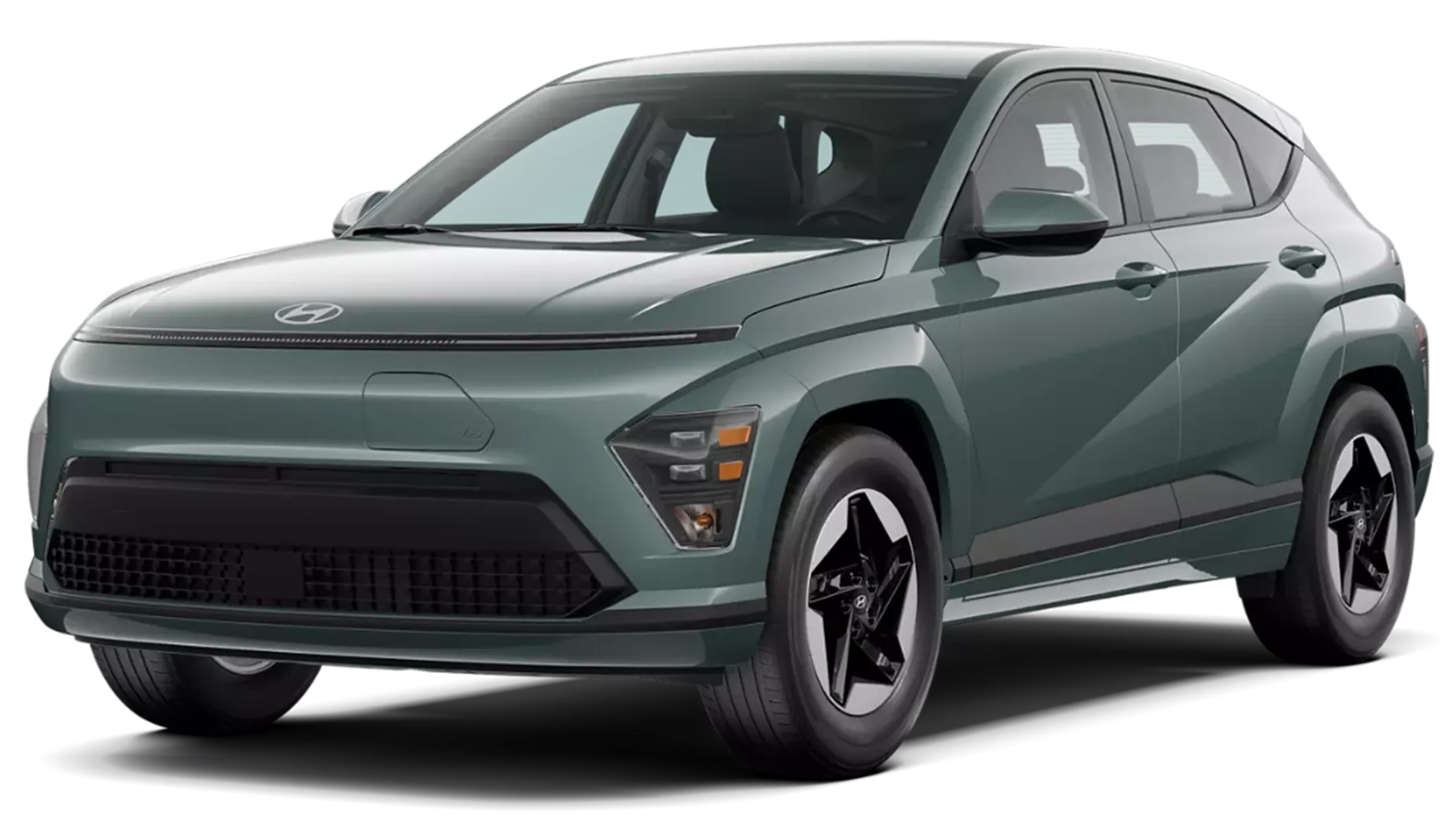
Hyundai Kona
Score: 67/100

Hyundai Palisade
Score: 72/100
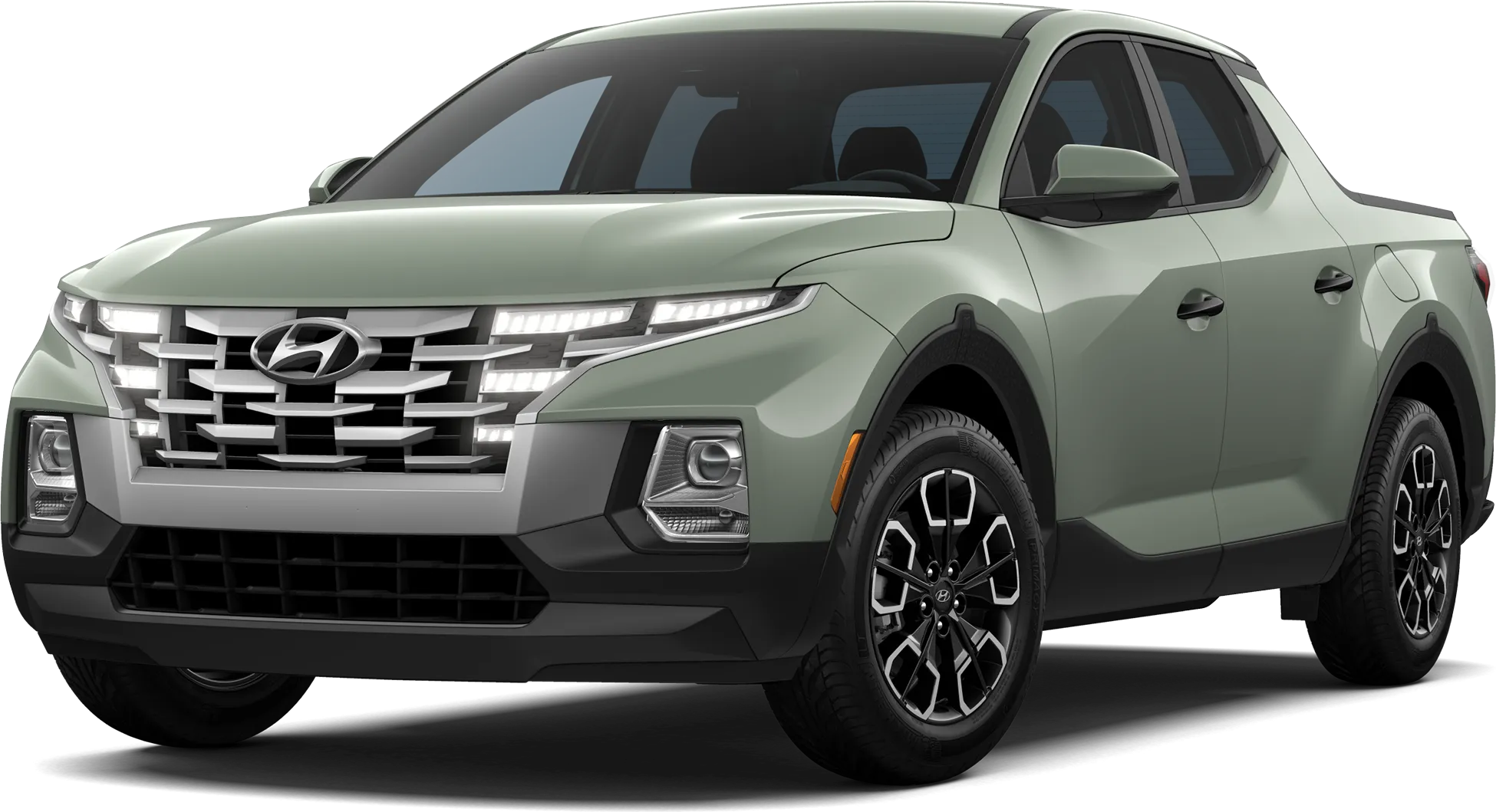
Hyundai Santa Cruz
Score: 74/100
Browse More 2022 Vehicles
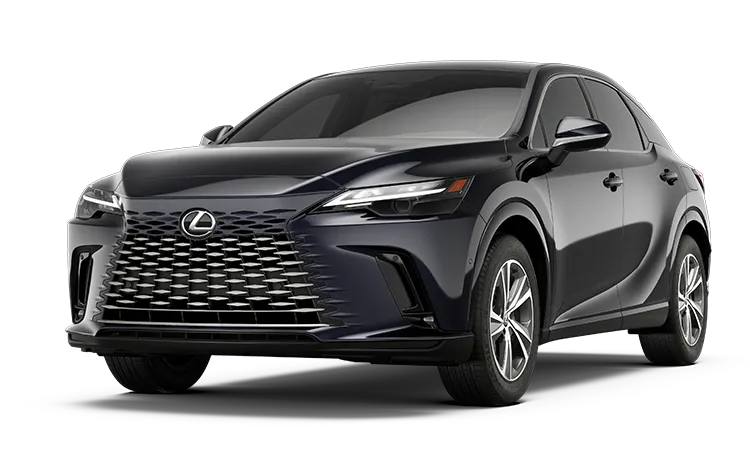
2022 Lexus RX
Score: 90/100
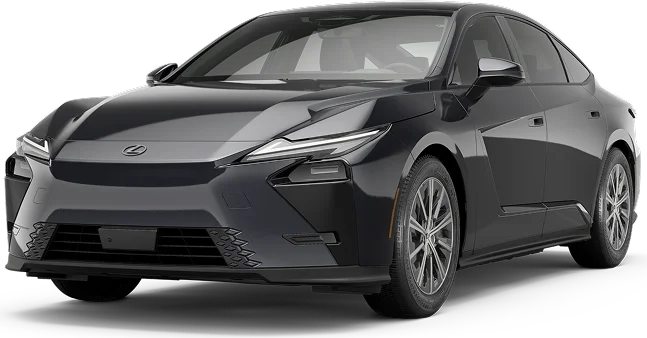
2022 Lexus ES
Score: 88/100
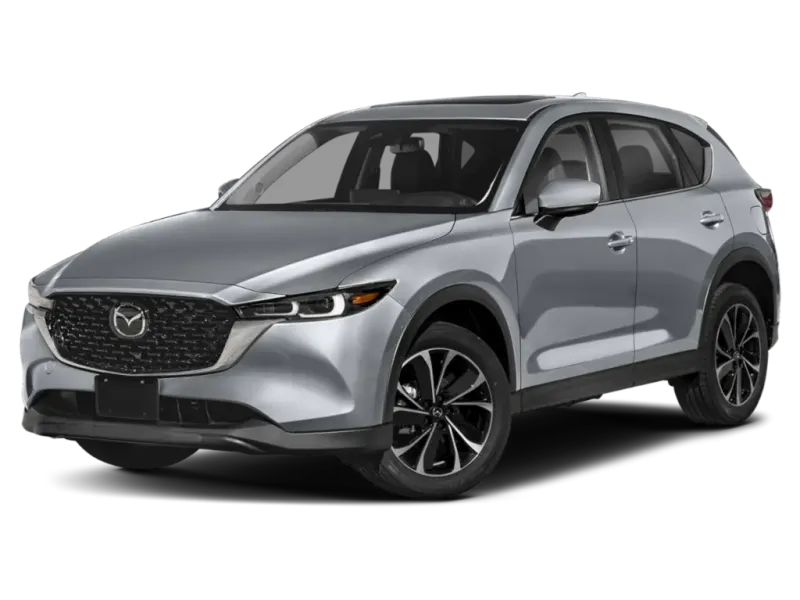
2022 Mazda CX-5
Score: 87/100
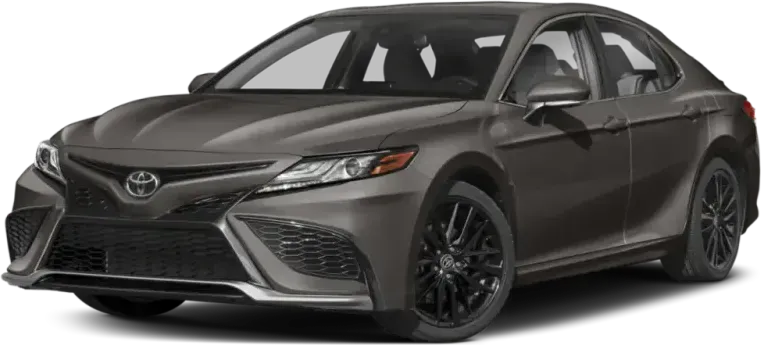
2022 Toyota Camry
Score: 84/100
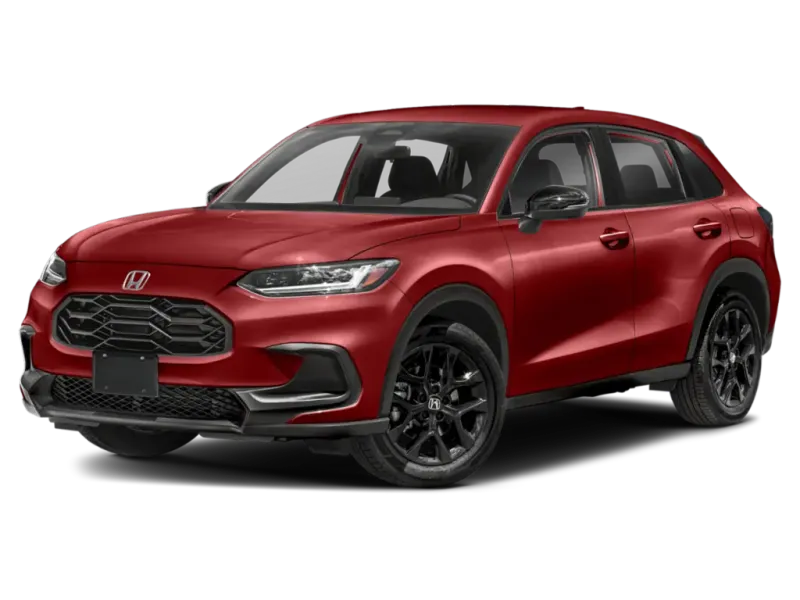
2022 Honda HR-V
Score: 83/100
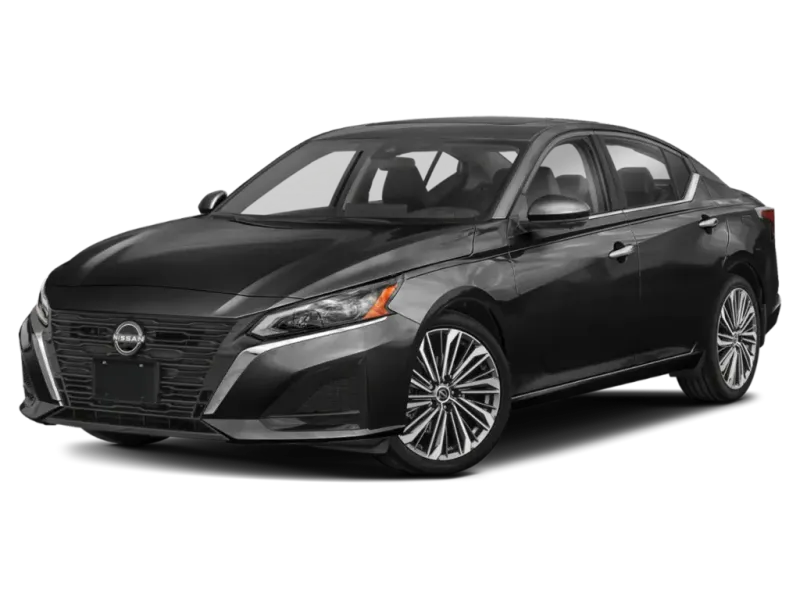
2022 Nissan Altima
Score: 83/100
See incorrect data? Report an issue