Last updated: 2026-10-10
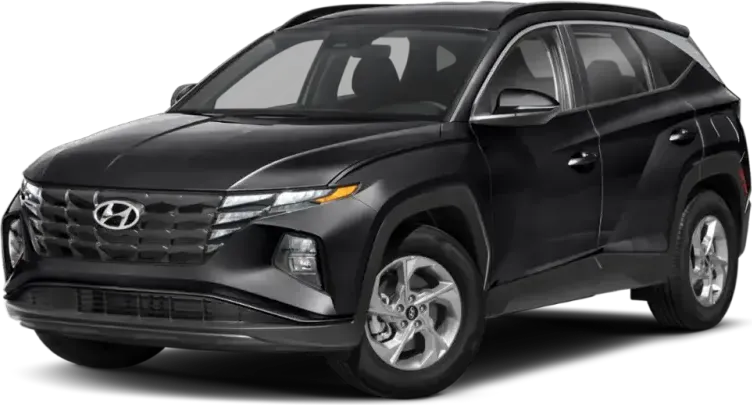
2018 Hyundai Tucson Reliability Report
The 2018 Hyundai Tucson rates good, but engines that burn oil and fail early make it one of the weaker Tucson years.
Recalls
1
Complaints
362
Complaint Rate
23.5per 10,000 sold
Est. Repair Cost
$426
Annual Fuel Cost
$2,200–$2,700
Detailed Score Breakdown
Component-weighted complaints normalized by sales volume
Independent repair cost ratings
Recall count weighted by severity
Breadth of reported problem categories
The Verdict
Rates good but sits among the weaker Tucson years, with oil-burning engines that can knock or seize and a hydraulic brake recall.
Top Issues to Watch
- ENGINE (141)
- POWER TRAIN (92)
- SERVICE BRAKES (34)
Should You Buy the 2018 Hyundai Tucson?
This year rates good and lands close to average among 2018 SUVs, yet it is among the weaker of the nine Tucson years we score. The 2019 rates about the same. The 2018 earns 5 of 5 federal crash-test stars, and independent repair-cost data puts yearly upkeep below the class figure.
The trouble is the engine. Owners report burning a quart or more of oil every 1,000 miles, often starting between 51,000 and 59,000 miles. Knocking, bearing failure, stalls, and limp mode follow, sometimes with no warning light until power is gone. Burned oil also ruins catalytic converters. Federal records list one recall, for the hydraulic service brakes, with a park-outside fire warning. Owners say the repair part was hard to get.
Ask for proof that the brake recall was completed. Ask for oil-consumption checks and any engine or catalytic converter work. Several second owners say dealers refused engine coverage, so get any coverage terms in writing before you pay.
Compared to the 2019 Hyundai Tucson, which scored the same.
Pros
- +Acceptable reliability score
- +$95 cheaper to maintain than avg compact SUVs
- +Infrequent unscheduled repairs
- +Low major repair risk (10%)
Cons
- −ENGINE issues reported (141 complaints)
- −POWER TRAIN: Sudden engine failure is the main pattern (92 complaints)
Compare 2018 Hyundai Tucson With
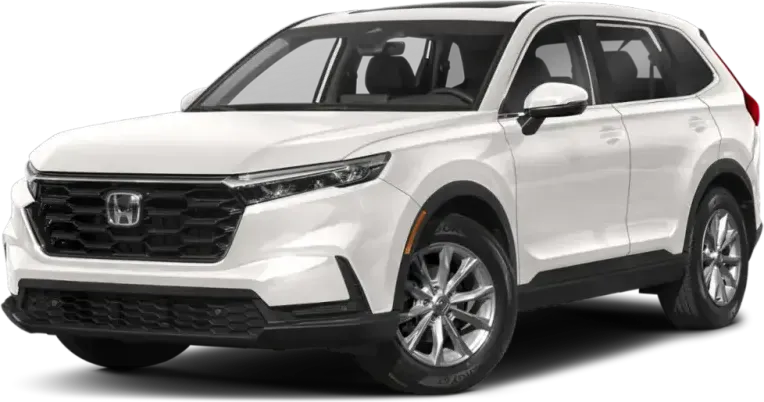
2018 Honda CR-V
Reliability: 65/100
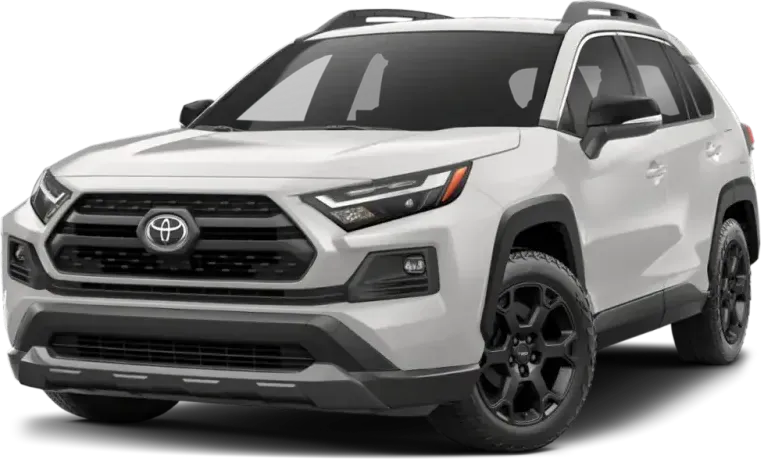
2018 Toyota RAV4
Reliability: 76/100
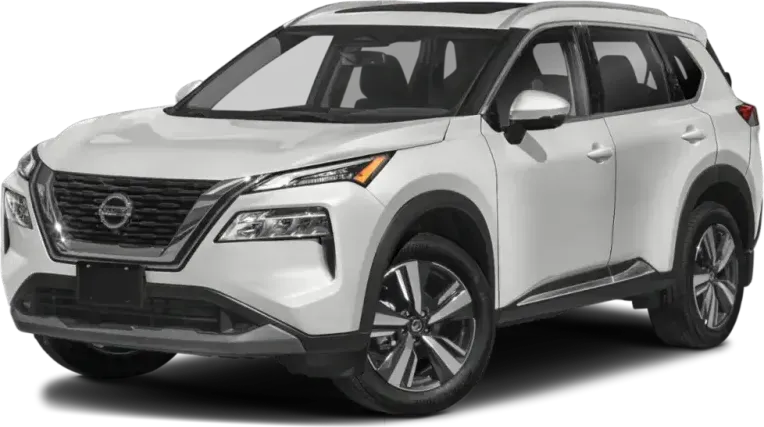
2018 Nissan Rogue
Reliability: 70/100
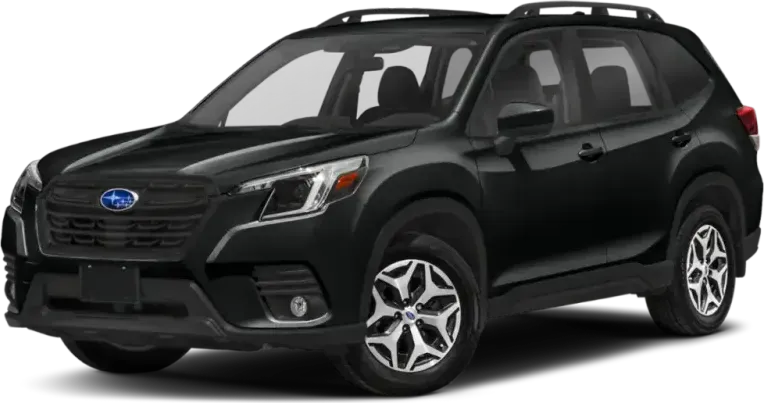
2018 Subaru Forester
Reliability: 66/100
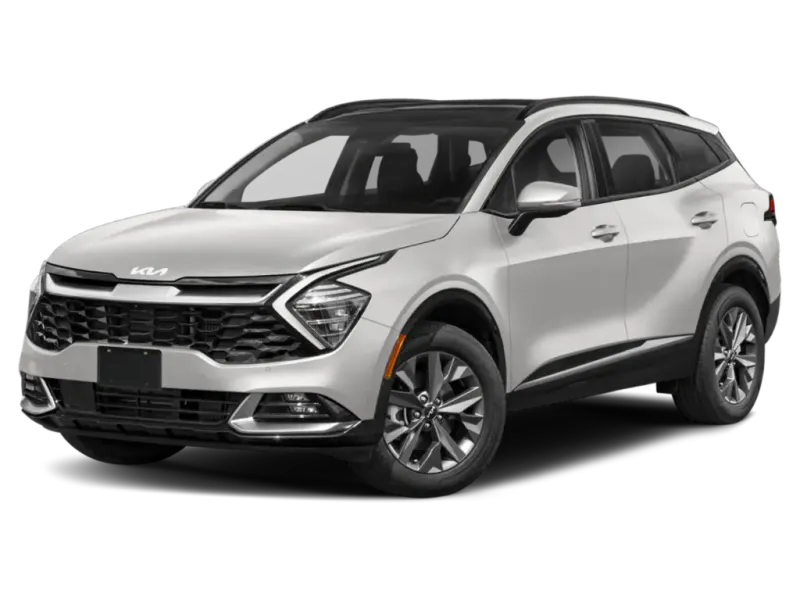
2018 Kia Sportage
Reliability: 68/100
Common Problem Categories
Safety
LOW RISK- 1 manufacturer recall issued
Other
HIGH RISK- ENGINE (141)
- POWER TRAIN (92)
Recall Overview
1
recall on record
The 2018 Hyundai Tucson carries 1 recall — a low count. Authorized dealers repair any open recall free of charge, regardless of warranty status.
NHTSA.gov →Complaint Breakdown
23.5
per 10,000 soldSegment avg: 27.1
Safety Incidents
13
Crashes
8
Fires
10
Injuries
0
Deaths
NHTSA 5/5 Stars
Data sourced from NHTSA complaint filings and manufacturer recall notices. Complaint narratives are owner-reported.
2018 Hyundai Tucson Recall Details
1 recall has been issued for the 2018 Hyundai Tucson. All recall repairs are performed free of charge at authorized dealerships.
SERVICE BRAKES, HYDRAULIC
Hyundai Motor America (Hyundai) recalled certain 2019-2021 Tucson vehicles on September 4, 2020. On December 30, 2020, Hyundai expanded the recall population, and added certain 2016-2018 Tucson vehicles. The Anti-lock Brake Hydraulic Electronic Control Unit (HECU) could corrode internally and cause an electrical short, possibly resulting in an engine compartment fire.
Consequence
An engine compartment fire can increase the risk of injury or crash.
Remedy
Hyundai will notify owners, and dealers will replace the HECU fuse. For 2019-2021 model years, the Electronic Stability Control (ESC) software will also be updated. Recall repairs will be performed free of charge. Owners are advised to park outside and away from structures as a precaution until the recall repair is complete. The recall began November 2, 2020. Owners may contact Hyundai customer service at 1-855-371-9460. Hyundai's number for this recall is 195.
Buying a used 2018 Hyundai Tucson? Check its history first
Engine problems lead owner complaints about the 2018 Hyundai Tucson, and 1 recall was issued for it. A VIN check shows whether this car's recall work was done, plus accident, title, and odometer history.
- Accidents
- Open Recalls
- Title History
- Odometer Rollback
2018 Hyundai Tucson NHTSA Safety Ratings
Overall Safety Rating
Crash Test Results by Configuration (expand)
Gas Powertrain
Rollover risk: 16.2%
Safety Technologies
Hyundai TucsonRepair Costs & Maintenance
Maintenance Rating
4Maintenance rating: 4 out of 5Based on NHTSA complaint patterns, recall severity, and publicly available cost benchmarks.
Est. Annual Maintenance
$426
vs $521 avg for compact SUVs
vs $652 avg for all vehicles
Repair Frequency
0.3
unscheduled repair visits per year
Severe Repair Probability
10%
chance of a major repair
Annual Cost Comparison
Category-level averages derived from publicly available industry reports (AAA, CarMD). Model-level estimates produced by Auto Reliability Index.
Hyundai Tucson Resale Value
The Hyundai Tucson is estimated to retain about 65.2% of its original value after 5 years, based on observed used-car listings.
This benchmark covers the Hyundai Tucson model overall and is not specific to the 2018 model year.
- Value Retained
- 65.2%
- Depreciation
- 34.8%
- Listings Analyzed
- 720
after 5 years
over the same period
U.S. used-car listings
Listings observed in . Actual resale value varies by trim, mileage, condition, and location.
Explore Hyundai Tucson depreciation and resale value on CarResaleValue.comMPG & Annual Running Costs
Gas
22–27 MPG
Running cost: $2,650–$3,150/yr
Fuel + repair
21–25 city / 25–30 hwy MPG
Running cost includes EPA fuel-cost estimate and independent repair-cost data (repair cost estimated at model level). Excludes routine maintenance, depreciation, and insurance. Data as of 2018 EPA label cycle.
Gas trims
| Trim | Drive | Trans. | City | Hwy | Comb | Fuel Cost |
|---|---|---|---|---|---|---|
| Tucson FWD 1.6L 4-cyl | Front-Wheel Drive | Automatic (AM7) | 25 | 30 | 27 | $2,200 |
| Tucson FWD 2.0L 4-cyl | Front-Wheel Drive | Automatic (S6) | 23 | 30 | 26 | $2,300 |
| Tucson AWD 1.6L 4-cyl | All-Wheel Drive | Automatic (AM7) | 24 | 28 | 25 | $2,400 |
| Tucson FWD 2.4L 4-cyl | Front-Wheel Drive | Automatic (S6) | 21 | 28 | 24 | $2,500 |
| Tucson AWD 2.0L 4-cyl | All-Wheel Drive | Automatic (S6) | 21 | 26 | 23 | $2,600 |
| Tucson AWD 2.4L 4-cyl | All-Wheel Drive | Automatic (S6) | 21 | 25 | 22 | $2,700 |
Used Buying Checklist
Key things to inspect or verify before purchasing a 2018 Hyundai Tucson.
Check the dipstick and oil change records. A low oil level or frequent top-ups point to oil consumption.
Run the VIN for open recalls and confirm the knock sensor update and brake recall 20V543 are done.
Ask a Hyundai dealer what engine warranty coverage transfers to you as a later owner.
Listen at startup and under acceleration for knocking or ticking from the engine.
Accelerate hard from a stop and up a hill. Walk away if it hesitates, lurches, or will not pass 50 mph.
Shift into drive and reverse several times and note any delayed engagement, sputtering, or rough shifts.
Test every headlight, taillight, and brake light, and look for melted sockets or wiring.
Inspect the hood, roof, mirrors, and antenna for peeling, flaking, or bubbling paint.
2018 Hyundai Tucson Common Problems by Component
362 owner complaints grouped by vehicle system.
ENGINE
141 complaintsSafety-relatedTucson engine problems across all model years
Excessive oil consumption leads the reports, with engines burning a quart or more every 1,000 miles despite regular oil changes. The burned oil then ruins catalytic converters, and some owners have replaced them more than once. Many engines go on to knock, stall, or seize, often after the oil light flickers. One report describes a spun bearing at 32,000 miles. Five complaints describe engine fires, several of them after a loud knock and sudden power loss. Second owners report that Hyundai denied engine replacement.
POWER TRAIN
92 complaintsSafety-relatedSudden engine failure is the main pattern. Owners describe knocking, rod bearing failure, limp mode at highway speed, and stalls in traffic, often with no warning light until after power is gone. Heavy oil consumption shows up alongside these failures. Transmission complaints describe rough or delayed shifts, sputtering, and hesitation from a stop on the dual-clutch gearbox. Two reports involve fires and three involve crashes, including one alleged case of sudden acceleration in a garage. Several owners say dealers refused extended engine coverage because they were not the original owner.
SERVICE BRAKES
34 complaintsSafety-relatedMany of these complaints are about a hydraulic brake recall, not a brake failure. Owners report that the repair part was unavailable and that dealers could not schedule the work for months. When the brakes do act up, the pedal sinks low, hard stops slide farther than expected, or the car fails to stop at low speed. Four reports involve crashes and three involve injuries, including one where the car rolled out of park. Several filings here actually describe engine stalls and engine replacements.
UNKNOWN OR OTHER (29 complaints)
UNKNOWN OR OTHER
29 complaintsSafety-relatedMost of this catch-all group is about oil consumption and the damage that follows. Clogged catalytic converters cut power so the car cannot get above 50 mph, and engines stall at speed. One stall led to a rear-end crash. One report describes a fire after the oil and battery lights came on. Other reports cite repeated turbo replacements, hesitation and lurching when pulling out from a stop, a sunroof that will not close, and a door lock forced open in seconds without the alarm sounding.
ELECTRICAL SYSTEM (19 complaints)
ELECTRICAL SYSTEM
19 complaintsSafety-relatedHeadlights and taillights burn out again and again, and owners find melted sockets or wiring, sometimes needing a full headlamp assembly. Other reports describe the car shutting off on the highway. One case was traced to a bad ground wire and others to a seized engine. Two crash reports involve deer strikes, one with air bags that failed to deploy. Smaller complaints cover a turn signal that cuts out mid-turn, a dead media screen, a failed seat recliner motor, and a recall left open for 5 months.
EXTERIOR LIGHTING (10 complaints)
EXTERIOR LIGHTING
10 complaintsHeadlights fail intermittently. Owners report bulb-out warnings, bulbs working loose from their sockets, and melted contacts or wiring harnesses. Some say they replace bulbs every 90 days or keep returning to the dealer. A second pattern on new cars involves the headlight beam itself: low beams that reach only about 30 feet, a dark band ahead of the car with the bending-light HID system, and high beams that glare off road signs. Failures appear as early as 16,000 miles. Two filings here actually describe oil consumption and a knock sensor.
VEHICLE SPEED CONTROL (8 complaints)
VEHICLE SPEED CONTROL
8 complaintsThe car hesitates or refuses to accelerate, both from a stop and at speed, and sometimes slows on its own as the driver presses harder on the gas. Owners describe pumping the pedal during left turns before the car responds, and losing power on highway hills. Causes cited include oil-clogged catalytic converters, a faulty sensor, and limp mode after the knock sensor recall. Dealers often cannot reproduce the problem. One report alleges sudden acceleration with the brake pressed on a nearly new car. Onset ranges from 7,000 to 100,000 miles.
ENGINE AND ENGINE COOLING (7 complaints)
ENGINE AND ENGINE COOLING
7 complaintsTucson engine problems across all model years
Power loss and stalling make up most of these reports, usually with the check engine light on. Owners describe jerking, a vibrating floorboard, and no response to the gas pedal, sometimes at 65 mph on the highway. Many repairs do not last. Repeated catalytic converter replacements, new fuel injectors, and an engine software update all failed to stop the problem. Oil consumption appears again, with oil running very low between changes. One misfire diagnosis ended with advice to replace the engine.
STRUCTURE (7 complaints)
STRUCTURE
7 complaintsPaint peels, flakes, and bubbles, most often on the hood, roof, side mirrors, and shark-fin antenna. Dealers decline to help once the warranty has expired. Two other problems stand out. In one report, the sunroof glass shattered while the car was being driven. In another, the rear hatch opens by itself both when parked and when moving, and the dealer could not reproduce it.
AIR BAGS (3 complaints)
AIR BAGS
3 complaintsSafety-relatedBags stay stowed during serious crashes in all three reports. The cases include a rear impact that pushed the car into the vehicle ahead, a rear strike that spun the car into a semi-truck, and a side impact where everything deployed except the driver-side curtain. Drivers hit their heads on the steering wheel. One report also cites a seat belt that did not retract. Four injuries are reported, including broken bones and head trauma.
When Do 2018 Hyundai Tucson Problems Start?
Based on owner complaint patterns, here's when common issues tend to appear.
Best & Worst Hyundai Tucson Years
Best Hyundai Tucson Years to Buy
Based on reliability index scoreHyundai Tucson Years to Avoid
Hyundai Tucson Reliability Score Trend
Scores 0–100. Higher is better. Current year highlighted.
| Year | Score | Rating |
|---|---|---|
| 2018 | 68/100 | Good |
| 2019 | 68/100 | Good |
| 2020 | 73/100 | Good |
| 2021 | 78/100 | Good |
| 2022 | 66/100 | Good |
| 2023 | 75/100 | Good |
| 2024 | 77/100 | Good |
| 2025 | 75/100 | Good |
| 2026 | 80/100 | Excellent |
Hyundai Tucson Reliability Compared to Other Years
Frequently Asked Questions
Is the 2018 Hyundai Tucson reliable?
What are the most common problems with the 2018 Hyundai Tucson?
Does the 2018 Hyundai Tucson have oil consumption problems?
Does the 2018 Hyundai Tucson have any recalls?
Is the 2019 Tucson more reliable than the 2018?
Don’t buy a 2018 Hyundai Tucson without checking its VIN first — hidden accidents, title issues, and open recalls could cost you thousands.
How we score the 2018 Hyundai Tucson
Of the four inputs behind this score, the 2018 Hyundai Tucson does best on repair costs (80/100) and worst on complaint severity (48/100). Scores weight complaint severity at 35%, repair costs at 30%, recall impact at 20%, and the spread of complaints across systems at 15%, with complaint counts adjusted for US sales. Read the full methodology.
Get notified when new recalls or reliability data is added for the Hyundai Tucson.
No spam. Only data updates for this model.
Browse More Hyundai Models
Hyundai Elantra
Score: 94/100
Hyundai Ioniq 5
Score: 63/100
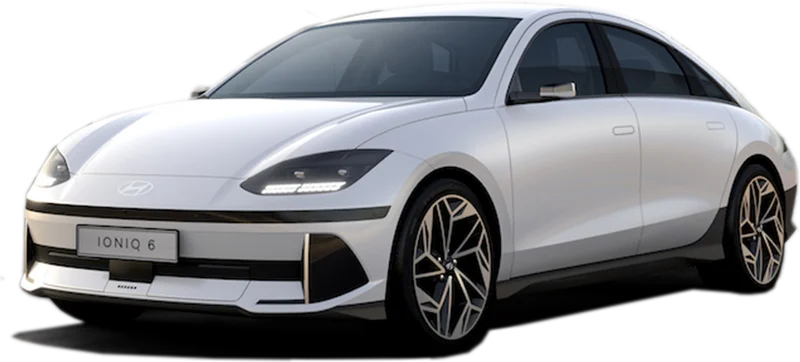
Hyundai Ioniq 6
Score: 82/100
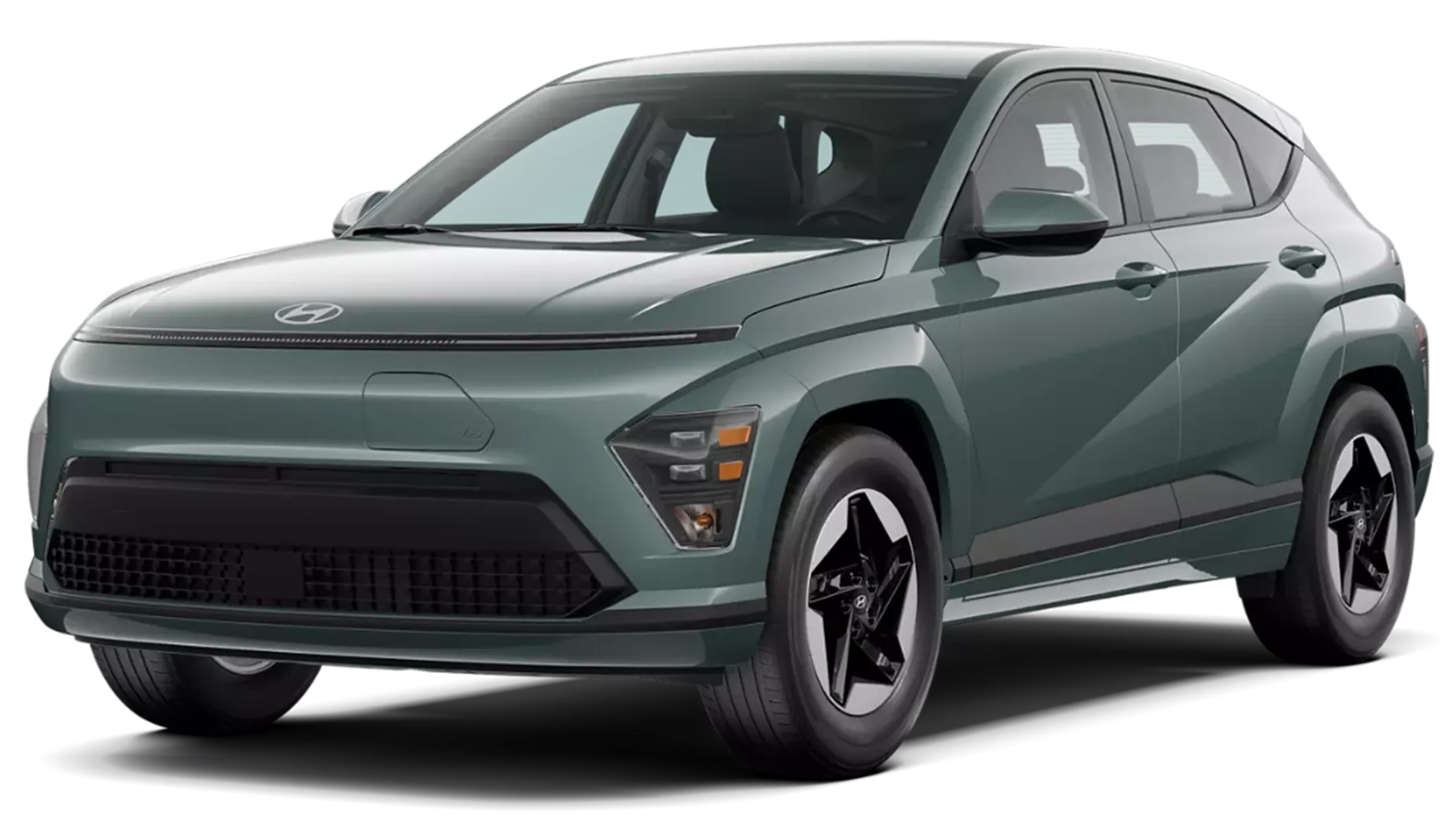
Hyundai Kona
Score: 67/100
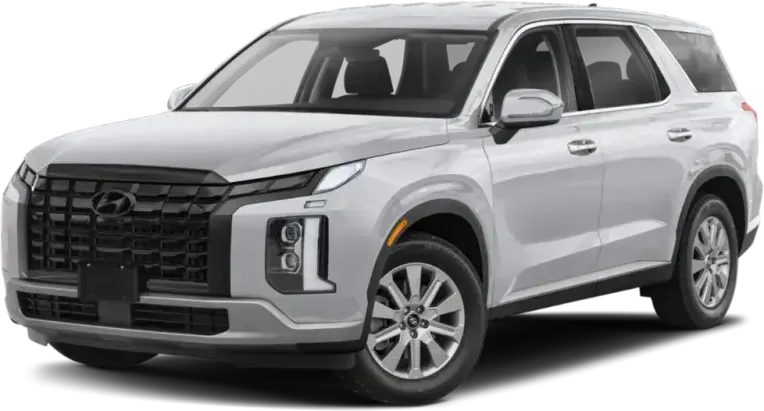
Hyundai Palisade
Score: 72/100
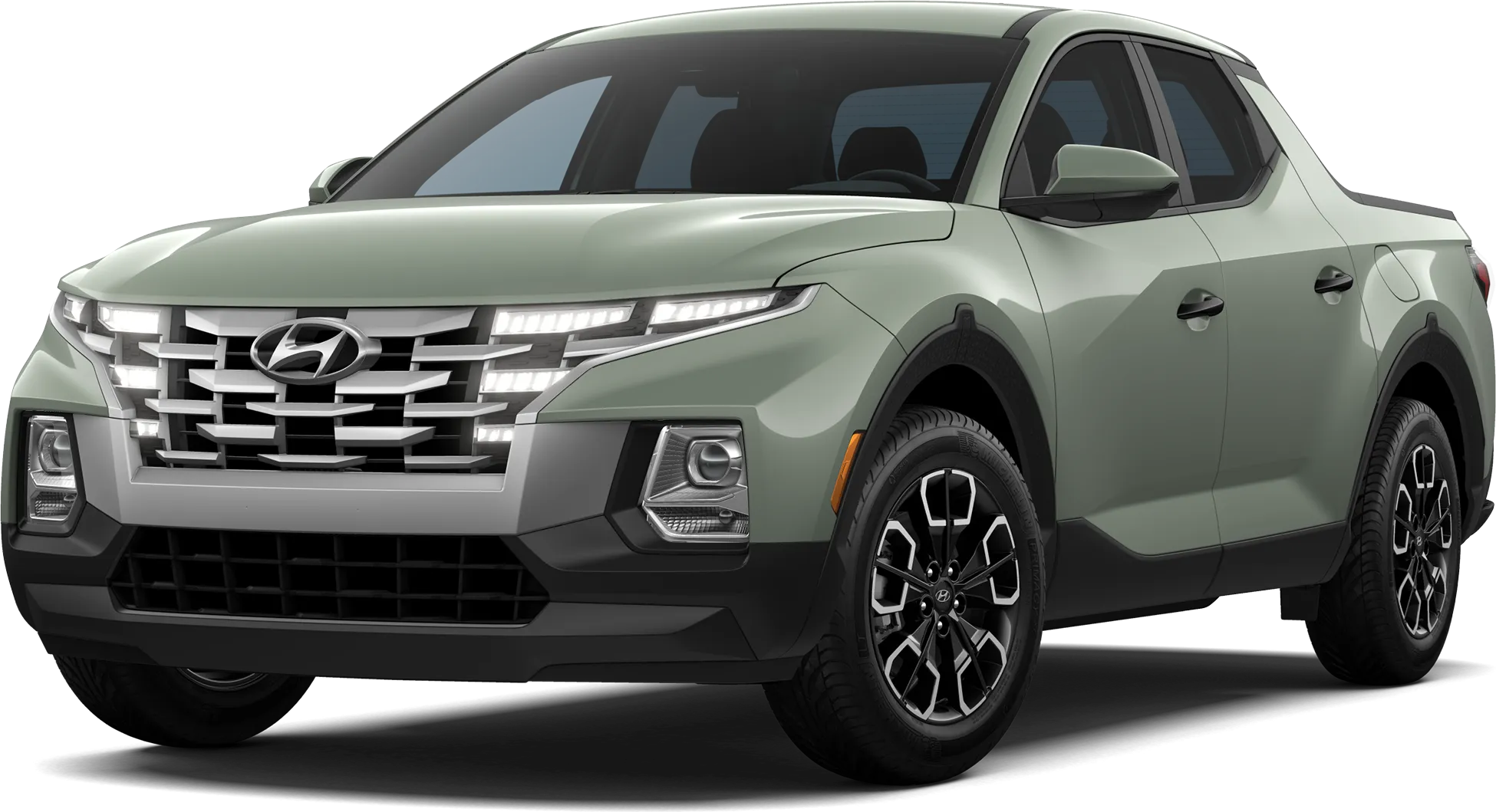
Hyundai Santa Cruz
Score: 74/100
Browse More 2018 Vehicles
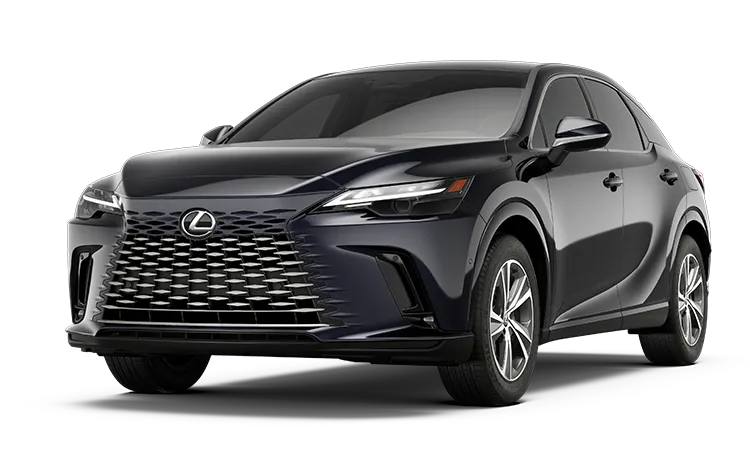
2018 Lexus RX
Score: 85/100
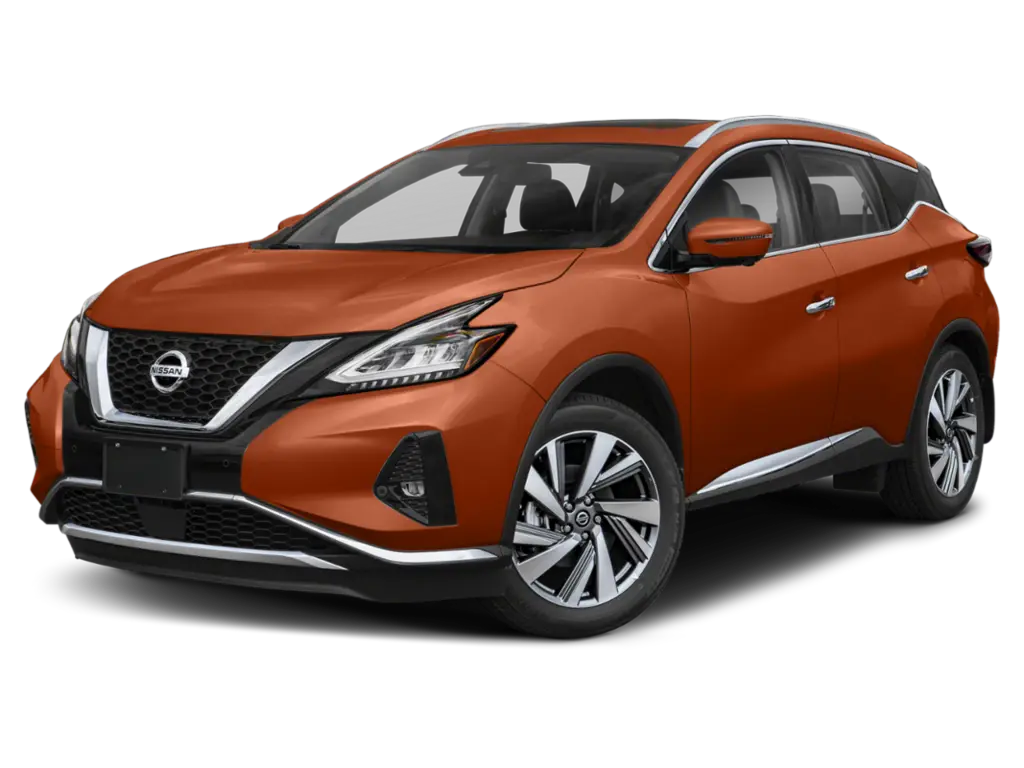
2018 Nissan Murano
Score: 82/100
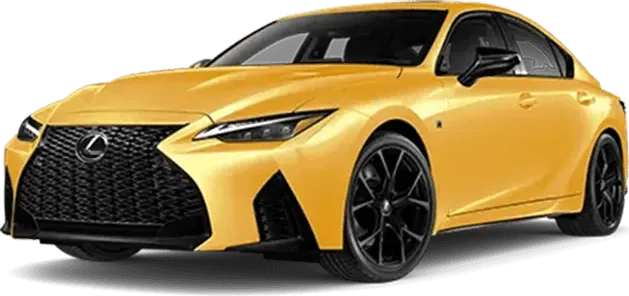
2018 Lexus IS
Score: 81/100
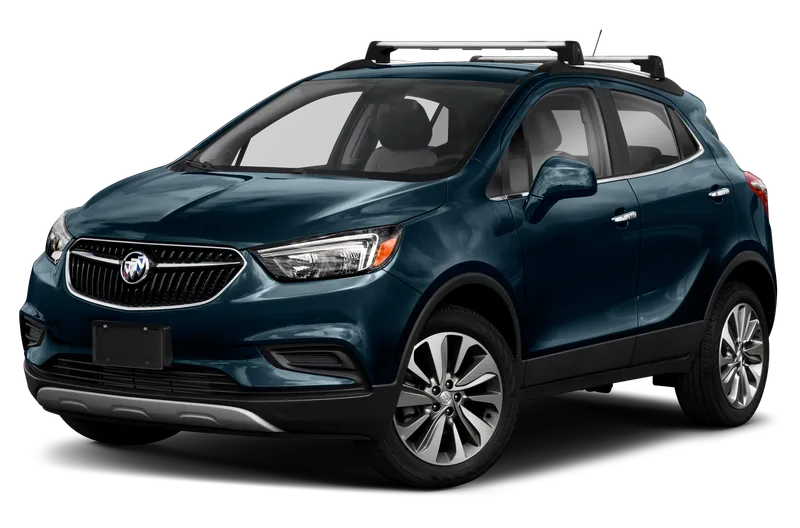
2018 Buick Encore
Score: 80/100
2018 Toyota Corolla
Score: 80/100
2018 Lexus ES
Score: 80/100
See incorrect data? Report an issue