Last updated: 2026-11-19
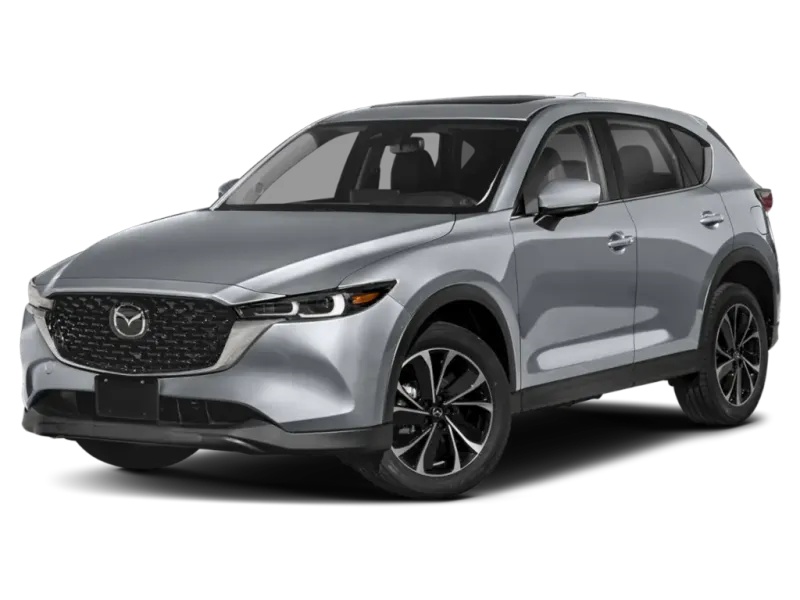
Reliability score
Excellent · #7 of 9 scored CX-5 years
2021 Mazda CX-5 Reliability Report
The 2021 Mazda CX-5 rates excellent for reliability, but owners report engine oil use between changes, mostly on the turbo. No recalls.
Recalls
0
Complaints
150
Complaint Rate
9.1per 10,000 sold
Est. Repair Cost
$447
Annual Fuel Cost
$2,150–2,500
Detailed Score Breakdown
Component-weighted complaints normalized by sales volume
Independent repair cost ratings
Recall count weighted by severity
Breadth of reported problem categories
The verdict
Buy
Rates excellent but sits among the weaker CX-5 years, with turbo oil consumption complaints and no recalls, while 2020 and 2022 both rate better.
Top issues to watch
Looking at a used 2021 Mazda CX‑5? Check that exact car
A VIN check shows the accident, title and odometer history of the car you found, and any open recalls.
Generation & Refresh (US)
2021 is year 5 of the Second generation (KF; 2016).
- Redesigned for the 2017 model year.
- Well-established in its generation — most early issues should be resolved.
- A refresh arrives in 2022.
- 2nd generation CX-5 (US).
What this means for buyers
Well into the generation cycle — most design and manufacturing issues should be resolved by now.
2017: Second generation (KF; 2016) Launch
Generation start — new platform.
2021: This Model Year
2021 is year 5 of the Second generation (KF; 2016).
2022: Mid-Cycle Refresh
Updated features and styling tweaks.
Should You Buy the 2021 Mazda CX-5?
Worth buying, with one caveat about oil. Owner complaints and independent repair-cost data put this year well above average among 2021 SUVs, and it earns 5 of 5 federal crash-test stars. Within the CX-5 lineup, though, it is among the weaker years, and both 2020 and 2022 rate better. Estimated repair cost is $447 a year, against $573 for the class.
Oil use is the problem to know about. Owners report the low-oil light coming on 3,000 to 4,000 miles after a change, with no visible leak, mostly on the turbo engine. Some cases start before 4,000 miles. Early brake wear also shows up: rusted rotors and worn pads around 15,000 to 16,000 miles, with steering wheel shake. A few owners describe a rear differential replaced at about 24,000 miles. Federal recall records list no recalls for this year.
Ask the seller for oil change and top-off history, any dealer oil consumption test, and brake service records. Look at a 2020 or 2022 as well, since both rate better.
Compared to the 2022 Mazda CX-5, which scored 5 points higher. See also the 2020 Mazda CX-5 for an earlier comparison.
Pros
- Strong reliability score
- $126 cheaper to maintain than avg midsize SUVs
- Infrequent unscheduled repairs
- Low major repair risk8%
- No recalls issued
Cons
- EngineOil disappears between changes, usually with no visible leak73 complaints
- 10 crash incidents reported in owner complaints
Compare 2021 Mazda CX-5 With
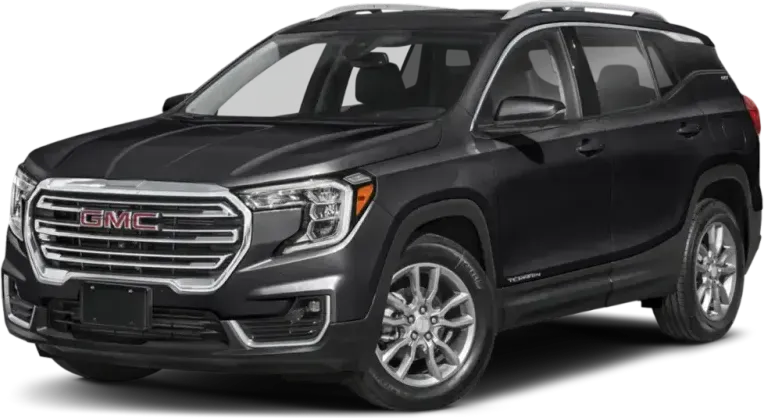
2021 GMC Terrain
Reliability: 74/100
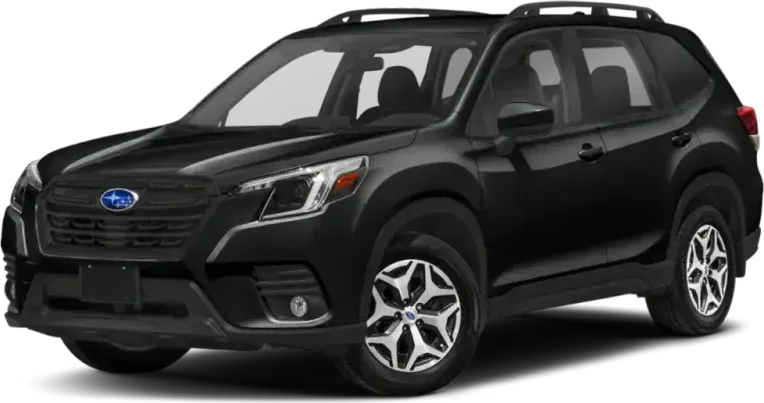
2021 Subaru Forester
Reliability: 76/100

2021 Kia Sportage
Reliability: 75/100
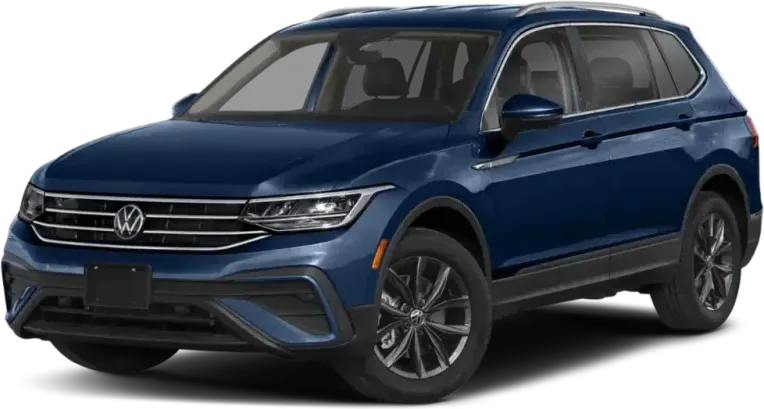
2021 Volkswagen Tiguan
Reliability: 65/100
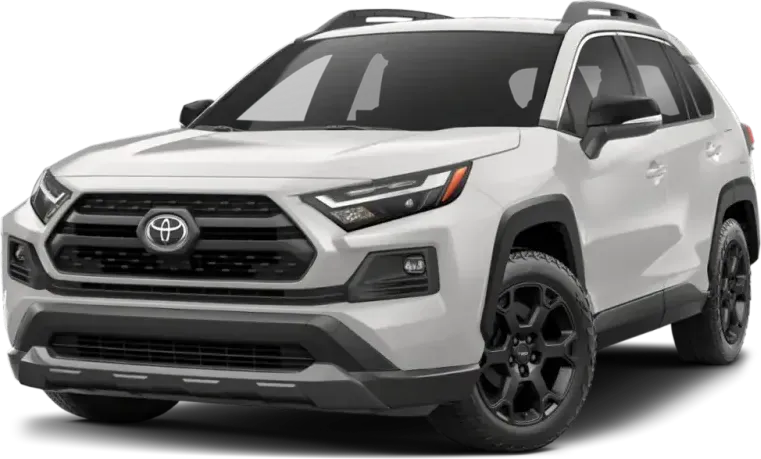
2021 Toyota RAV4
Reliability: 72/100
Top 2021 Mazda CX-5 Problems
The problem areas with the most owner complaints for this model year, out of 150 filed with NHTSA.
- EngineEngine & powertrain7550% of complaintsCX-5 engine problems, all years →
- ElectricalElectrical & lighting107% of complaintsCX-5 electrical problems, all years →
- BrakesBrakes, steering & tires107% of complaintsSee owner reports below →
- TransmissionEngine & powertrain96% of complaintsSee owner reports below →
- Wipers and visibilityBody & interior75% of complaintsSee owner reports below →
- AirbagsAirbags & seat belts53% of complaintsSee owner reports below →
Recall Overview
0
recalls on record
No recalls are on record for the 2021 Mazda CX-5 — uncommon, and a strong signal of manufacturing quality.
NHTSA.gov →Complaint Breakdown
9.1
per 10,000 soldSegment avg: 21.7
Safety Incidents
10
Crashes
0
Fires
8
Injuries
0
Deaths
NHTSA 5/5 Stars
Data sourced from NHTSA complaint filings and manufacturer recall notices. Complaint narratives are owner-reported.
Buying a used 2021 Mazda CX-5? Check its history first
Engine problems lead owner complaints about the 2021 Mazda CX-5, and 0 recalls were issued for it. A VIN check shows whether this car's recall work was done, plus accident, title, and odometer history.
- Accidents
- Open Recalls
- Title History
- Odometer Rollback
2021 Mazda CX-5 NHTSA Safety Ratings
Overall Safety Rating
Crash Test Results by Configuration (expand)
Gas Powertrain
Rollover risk: 17.4%
Safety Technologies
Mazda CX-5 Repair Costs & Maintenance
Maintenance Rating
4.5Maintenance rating: 4.5 out of 5Based on NHTSA complaint patterns, recall severity, and publicly available cost benchmarks.
Est. Annual Maintenance
$447
vs $573 avg for midsize SUVs
vs $652 avg for all vehicles
Repair Frequency
0.3
unscheduled repair visits per year
Severe Repair Probability
8%
chance of a major repair
Annual Cost Comparison
Category-level averages derived from publicly available industry reports (AAA, CarMD). Model-level estimates produced by Auto Reliability Index.
Mazda CX-5 Resale Value
The Mazda CX-5 is estimated to retain about 70.4% of its original value after 5 years, based on observed used-car listings.
This benchmark covers the Mazda CX-5 model overall and is not specific to the 2021 model year.
- Value Retained
- 70.4%
- Depreciation
- 29.6%
- Listings Analyzed
- 720
after 5 years
over the same period
U.S. used-car listings
Listings observed in . Actual resale value varies by trim, mileage, condition, and location.
Explore Mazda CX-5 depreciation and resale value on CarResaleValue.comMPG & Annual Running Costs
Gas
24–28 MPG
Running cost: $2,600–$2,950/yr
Fuel + repair
22–25 city / 27–31 hwy MPG
Running cost includes EPA fuel-cost estimate and independent repair-cost data (repair cost estimated at model level). Excludes routine maintenance, depreciation, and insurance. Data as of 2021 EPA label cycle.
Gas trims
| Trim | Drive | Trans. | City | Hwy | Comb | Fuel Cost |
|---|---|---|---|---|---|---|
| CX-5 2WD 2.5L 4-cyl | Front-Wheel Drive | Automatic (S6) | 25 | 31 | 28 | $2,150 |
| CX-5 4WD 2.5L 4-cyl | 4-Wheel Drive | Automatic (S6) | 24 | 30 | 26 | $2,300 |
| CX-5 2WD 2.5L 4-cyl | Front-Wheel Drive | Automatic (S6) | 23 | 28 | 25 | $2,400 |
| CX-5 4WD 2.5L 4-cyl | 4-Wheel Drive | Automatic (S6) | 22 | 27 | 24 | $2,500 |
Used Buying Checklist
Key things to inspect or verify before purchasing a 2021 Mazda CX-5.
Check the dipstick and oil change records; a level near the add mark soon after a change points to oil consumption.
Look through the wheels for rusted or chipped rotors, and feel for steering wheel shake when braking.
Listen for new noise from the rear above 15 mph and check the rear differential for leaks.
Drive on the highway with adaptive cruise on and watch for false braking and missed blind spot alerts.
Restart the car several times and confirm the infotainment screen, backup camera, and radio audio all work.
Press the key fob buttons lightly and confirm the rear hatch and doors do not open unintentionally.
Run the A/C and check for a chemical smell in the cabin.
Confirm the airbag warning light goes out after startup and no malfunction warnings appear on the dash.
Going to see one? Take the printable 2021 Mazda CX-5 inspection checklist with you.
2021 Mazda CX-5 Common Problems by Component
150 owner complaints grouped by vehicle system.
ENGINE
73 complaintsCX-5 engine problems across all model years
Oil disappears between changes, usually with no visible leak. The low-oil light often comes on 3,000 to 4,000 miles after a change, so many owners add a quart well before the 7,500-mile service interval. Most reports involve the turbo engine and start in the first year, some before 4,000 miles on the odometer. A few cars use a quart every 1,500 miles by 20,000 miles. Dealers range from calling it break-in to running oil consumption tests. No crashes are reported, but owners fear damage to sensors, the catalytic converter, and the engine itself.
UNKNOWN OR OTHER
11 complaintsSafety-relatedThe power rear hatch opens on its own or from light presses on the key fob, sometimes while the car is locked or backing up. Walk-away locking sometimes fails, leaving the car unlocked. Other reports describe repeated Critical Vehicle Malfunction warnings that required towing, an A/C evaporator leak near 25,000 miles that put a chemical smell in the cabin, and a leaking rear differential at about 26,000 miles. Owners also cite paint that scratches easily and a brief loss of acceleration when pulling into traffic. One crash involves a parked car rolling down a steep driveway.
ELECTRICAL SYSTEM
10 complaintsSafety-relatedCX-5 electrical problems across all model years
The infotainment screen goes black, taking the backup camera with it, and radio audio cuts out until the car sits off for a while. Restarts and the usual reset tricks often fail to fix it. Other reports describe a dead battery or total power loss with no warning, a keyless ignition fault that left the car unable to shut off or restart, and an engine stall while exiting a highway that killed power steering and brakes. One crash report blames blind spot monitoring for missing a car while backing out.
SERVICE BRAKES (10 complaints)
SERVICE BRAKES
10 complaintsSafety-relatedThe car surges forward while the brake is pressed during low-speed parking, according to two crash reports with three injuries. More common is early brake wear: rusted, chipped rotors and worn pads around 15,000 to 16,000 miles, with steering wheel shake and noise when braking. Dealers often charge for the replacement. Other reports describe ABS warnings, wheels locking after the ABS cuts out during hard stops, and sudden hard braking at highway speed with adaptive cruise on. Several of these failures carry clear loss-of-control risk.
POWER TRAIN (9 complaints)
POWER TRAIN
9 complaintsOil consumption dominates here too. The low-oil warning appears roughly 3,000 to 4,500 miles after each change, with no outside leaks, and reports include the 2.5-liter turbo engine. One dealer told an owner these models are known to consume oil. Separate failures include a rear differential needing replacement at about 24,000 miles after a new noise, a broken trailing link at the right rear wheel at 16,500 miles, and a timing cover oil leak that returned after two warranty repairs, with a burning smell.
AIR BAGS (5 complaints)
AIR BAGS
5 complaintsSafety-relatedAirbags deploy when they should not, or fail when they should. Reports describe passenger airbags firing at about 25 mph with no impact, and side curtain and seat airbags deploying after a light curb bump at 10 mph or less. In one rear-end crash at 40 to 50 mph, the airbags did not deploy, the driver's seat reclined, and the head restraint came loose, and the driver was injured. Another owner reports a persistent airbag warning. One filing here actually concerns a windshield and A-pillar rattle.
LANE DEPARTURE (4 complaints)
LANE DEPARTURE
4 complaintsSafety-relatedBlind spot monitoring misses some vehicles, especially at freeway speeds, and works inconsistently. Dealers often find no fault codes and decline to repair it, even after repeat visits and video evidence. One failure appears at about 95,000 miles. In a crash report, the car shut down during an emergency lane change on the interstate and was rear-ended by the vehicle behind.
FORWARD COLLISION AVOIDANCE (4 complaints)
FORWARD COLLISION AVOIDANCE
4 complaintsSafety-relatedAutomatic emergency braking engages with nothing ahead, including during highway lane changes and on open city streets, creating rear-end collision risk. In other reports the car lurches forward while the driver holds the brake, once at a stoplight, striking the car ahead twice, and once while parking, in a crash that injured two people. No collision warnings appeared in those events. A front camera failure within 36 months disabled emergency braking, traction control, and lane keeping features at once.
VEHICLE SPEED CONTROL (3 complaints)
VEHICLE SPEED CONTROL
3 complaintsSafety-relatedAdaptive cruise control accelerates toward slowing traffic instead of braking, in one case ending in a rear-end crash with an injury. Another crash report describes sudden acceleration while stopped on a sloped driveway with the brake held, sending the car into a garage door, and the dealer found no codes. Snow buildup on the front emblem, where the radar sits, can block the sensor and shut off adaptive cruise in winter.
STRUCTURE (2 complaints)
STRUCTURE
2 complaintsSafety-relatedOnly two reports sit here, and neither describes a structural failure. One reports repeated sudden acceleration on at least 5 occasions, the last ending in a tree crash at about 35 to 40 mph that broke the driver's ribs and totaled the car. Dealers found no explanation because the problem was intermittent. The other reports heavy paint chipping on the hood and driver door of a red car with under 5K miles.
When Do 2021 Mazda CX-5 Problems Start?
Based on owner complaint patterns, here’s when common issues tend to appear.
Best & Worst Mazda CX-5 Years
Best Mazda CX-5 years to buy
- 2024Top pick0 recalls · 47 complaints87ExcellentReliability score: 87 out of 100, rated Excellent
- 20220 recalls · 66 complaints87ExcellentReliability score: 87 out of 100, rated Excellent
- 20230 recalls · 67 complaints86ExcellentReliability score: 86 out of 100, rated Excellent
Top pick: the highest score among years with at least two years on the road; the newest wins a tie.
Mazda CX-5 years to avoid
Still rated good overall, but well below the other Mazda CX-5 years.
Full Mazda CX-5 years-to-avoid analysis →Mazda CX-5 reliability score trend
Scores 0–100, higher is better. Best and worst years are ringed. This year is highlighted.
| Year | Score | Rating |
|---|---|---|
| 2018 | 70/100 | Good |
| 2019 | 74/100 | Good |
| 2020 | 85/100 | Excellent |
| 2021 | 82/100 | Excellent |
| 2022 | 87/100 | Excellent |
| 2023 | 86/100 | Excellent |
| 2024 | 87/100 | Excellent |
| 2025 | 87/100 | Excellent |
| 2026 | 94/100 | Excellent |
Mazda CX-5 Reliability Compared to Other Years
| Year | Score | vs Prior Year | Rating | Recalls | Complaints |
|---|---|---|---|---|---|
| 2026 | 94/100 | +7 | Excellent | 0 | 20 |
| 2025 | 87/100 | 0 | Excellent | 0 | 29 |
| 2024 | 87/100 | +1 | Excellent | 0 | 47 |
| 2023 | 86/100 | -1 | Excellent | 0 | 67 |
| 2022 | 87/100 | +5 | Excellent | 0 | 66 |
| 2021(selected) | 82/100 | -3 | Excellent | 0 | 150 |
| 2020 | 85/100 | +11 | Excellent | 0 | 110 |
| 2019 | 74/100 | +4 | Good | 2 | 277 |
| 2018 | 70/100 | — | Good | 3 | 357 |
Frequently Asked Questions
Is the 2021 Mazda CX-5 reliable?
What are the most common problems with the 2021 Mazda CX-5?
Does the 2021 Mazda CX-5 have oil consumption problems?
Does the 2021 Mazda CX-5 have brake problems?
Is the 2021 Mazda CX-5 cheaper to repair than other SUVs?
Don’t buy a 2021 Mazda CX-5 without checking its VIN first — hidden accidents, title issues, and open recalls could cost you thousands.
How we score the 2021 Mazda CX-5
Of the four inputs behind this score, the 2021 Mazda CX-5 does best on recall impact (100/100) and worst on complaint severity (63/100). Scores weight complaint severity at 35%, repair costs at 30%, recall impact at 20%, and the spread of complaints across systems at 15%, with complaint counts adjusted for US sales. Read the full methodology.
Get notified when new recalls or reliability data is added for the Mazda CX-5.
No spam. Only data updates for this model.
Browse More Mazda Models
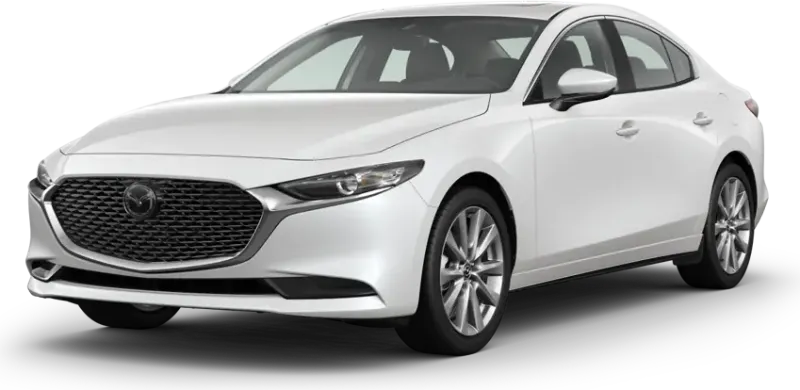
Mazda 3
Score: 79/100
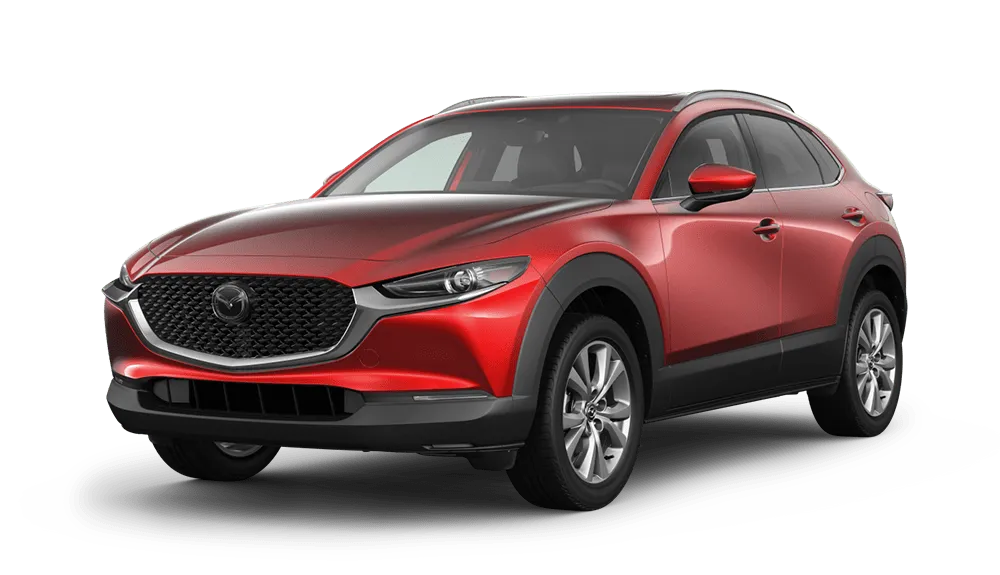
Mazda CX-30
Score: 67/100
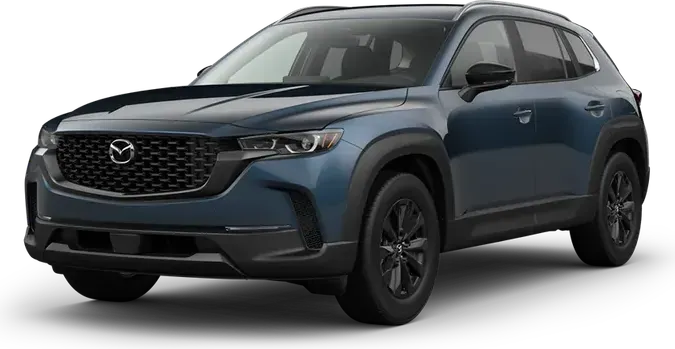
Mazda CX-50
Score: 76/100
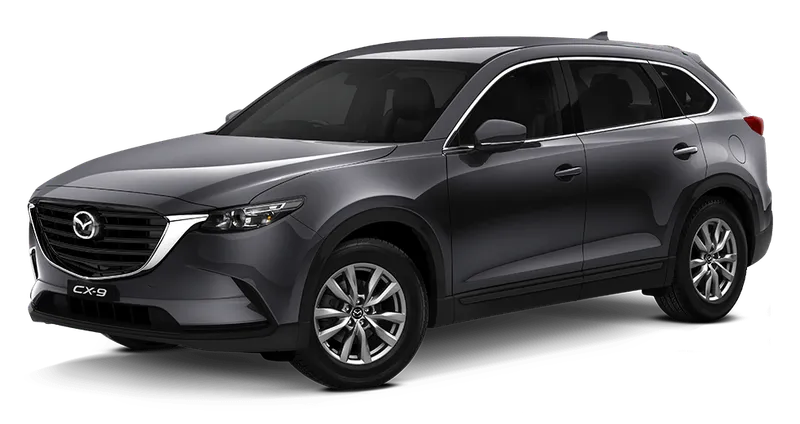
Mazda CX-9
Score: 81/100
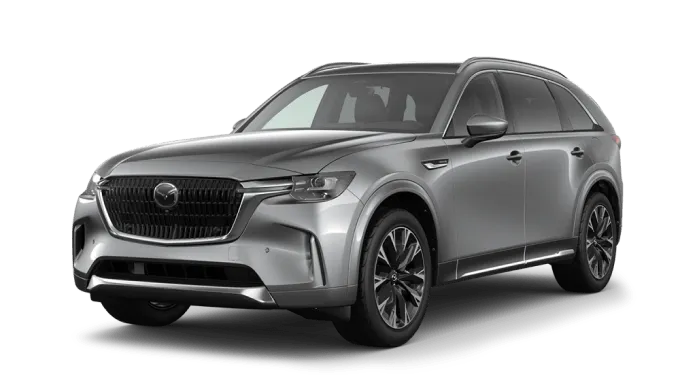
Mazda CX-90
Score: 64/100
Browse More 2021 Vehicles
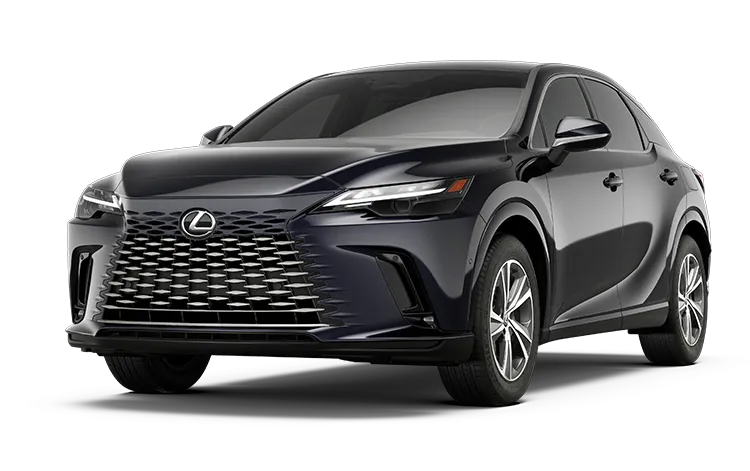
2021 Lexus RX
Score: 86/100
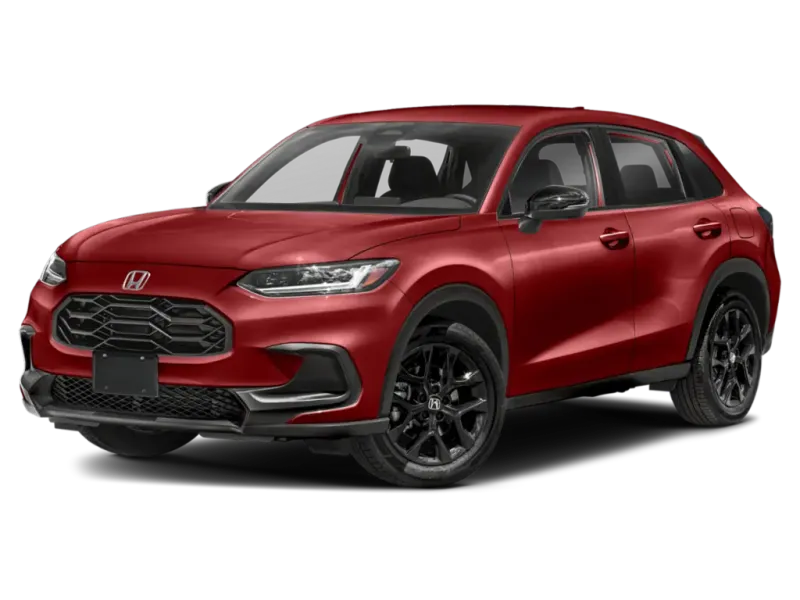
2021 Honda HR-V
Score: 85/100
2021 Mitsubishi Outlander
Score: 84/100
2021 Lexus IS
Score: 83/100

2021 Toyota 4Runner
Score: 82/100
2021 Lexus NX
Score: 82/100
See incorrect data? Report an issue