Last updated: 2026-10-10
Mazda CX-5 vs Subaru Forester: Reliability Compared
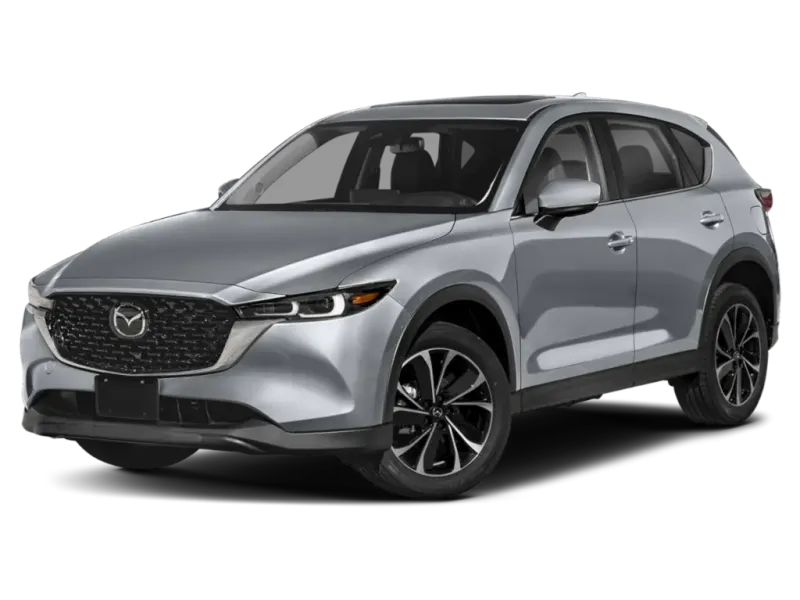
Mazda CX-5
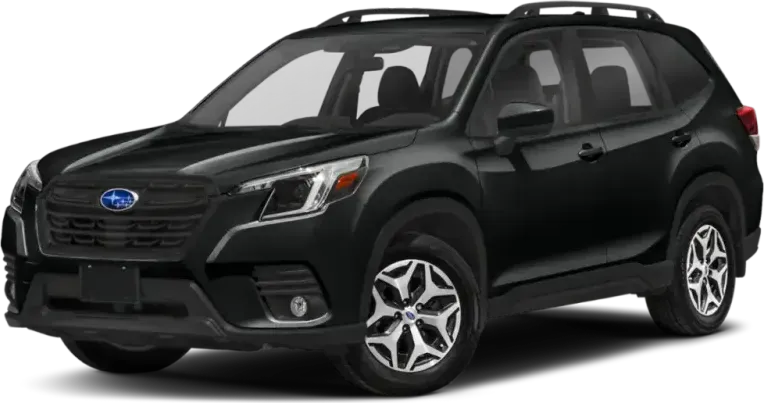
Subaru Forester
Reliability favors the Mazda CX-5 over the Subaru Forester, with fewer owner complaints per car sold and lower repair bills. The Forester still rates well, but cracking windshields and start/stop stalls hold it back. The CX-5's main risk is cracked cylinder heads.
How Do the Mazda CX-5 and Subaru Forester Generations Compare?
Verdict
The Mazda CX-5 is more reliable than the Subaru Forester, scoring 83/100 vs 74/100.
A clear edge goes to the Mazda CX-5. Owners filed fewer complaints per car sold, and independent repair-cost data shows lower yearly bills, fewer shop visits, and a smaller chance that a repair is major. The Forester still stands well, and its biggest problem, cracking windshields, is more irritating than catastrophic. Cracked cylinder heads are the one failure that can erase the CX-5's lead, so mileage and service history matter on that car.
Key Differences
- 1Mazda CX-5 costs $185 less per year to repair
- 2Mazda CX-5 scores 9 points higher in reliability
- 3Mazda CX-5 has 5% lower major repair risk
Category Scoreboard
Mazda CX-5 vs Subaru Forester: Which Is More Reliable?
| Metric | Mazda CX-5 | Subaru Forester |
|---|---|---|
| Reliability Score | 83/100 | 74/100 |
| Years Tracked | 9 | 9 |
| Total Recalls | 11 | 13 |
| Complaints per 10k Sold | 5.6 | 8.7 |
| Annual Repair Cost | $447/yr | $632/yr |
| Repair Frequency | 0.3/yr | 0.4/yr |
| Major Repair Risk | 8% | 13% |
| Safety RatingNHTSA overall | 2026 NHTSA | 2026 NHTSA |
| Frontal | ||
| Side | ||
| Rollover | ||
| Year Wins | 9 | 0 |
What Are the Common Problems With the Mazda CX-5 and Subaru Forester?
Glass and stalling define the Forester's complaints. Windshields crack with no impact, sometimes while parked, and a cracked one can knock out EyeSight. Auto start/stop also fails to restart the engine at intersections. The CX-5's complaints center on cracked cylinder heads that leak oil onto the hot exhaust, plus a touchscreen that registers phantom inputs. Crash-linked reports differ. The CX-5 has crash-linked service brake reports tied to its smart brake and radar system, while brakes are not among the Forester's main problem areas. One Forester air bag crash report describes unintended acceleration, not an air bag fault.
| Component | Mazda CX-5 | Subaru Forester |
|---|---|---|
| VISIBILITY/WIPER | 0.1Very Low | 3.1Average |
| ENGINE | 1.5Low | 0.4Very Low |
| ELECTRICAL SYSTEM | 0.7Very Low | 1.2Low |
| UNKNOWN OR OTHER | 0.7Very Low | 1.2Low |
| POWER TRAIN | 0.6Very Low | 0.4Very Low |
| AIR BAGS | 0.2Very Low | 0.5Very Low |
| VISIBILITY | —None | 0.5Very Low |
| SERVICE BRAKES | 0.3Very Low | 0.1Very Low |
| VEHICLE SPEED CONTROL | 0.2Very Low | 0.2Very Low |
| STRUCTURE | 0.2Very Low | 0.1Very Low |
| FORWARD COLLISION AVOIDANCE | 0.1Very Low | 0.1Very Low |
| EXTERIOR LIGHTING | 0.1Very Low | 0.1Very Low |
| STEERING | 0.1Very Low | 0.1Very Low |
| FUEL SYSTEM | 0.1Very Low | —None |
| SUSPENSION | —None | —None |
| TIRES | —None | —None |
| SEATS | —None | —None |
| LANE DEPARTURE | —None | —None |
Complaints per 10,000 units sold, aggregated across all tracked model years from NHTSA owner reports.
Which Is Cheaper to Maintain: Mazda CX-5 or Subaru Forester?
How Does Mazda CX-5 vs Subaru Forester Reliability Compare by Year?
| Year | Mazda CX-5 | Subaru Forester | Edge |
|---|---|---|---|
| 2026 | 94/1000R / 0C | 77/1001R / 0C | Mazda CX-5 |
| 2025 | 82/1003R / 25C | 79/1002R / 48C | Mazda CX-5 |
| 2024 | 84/1001R / 53C | 78/1002R / 26C | Mazda CX-5 |
| 2023 | 81/1002R / 96C | 79/1001R / 61C | Mazda CX-5 |
| 2022 | 87/1000R / 50C | 77/1001R / 86C | Mazda CX-5 |
| 2021 | 83/1000R / 129C | 76/1000R / 196C | Mazda CX-5 |
| 2020 | 86/1000R / 94C | 71/1000R / 584C | Mazda CX-5 |
| 2019 | 75/1002R / 229C | 63/1003R / 825C | Mazda CX-5 |
| 2018 | 71/1003R / 310C | 66/1003R / 475C | Mazda CX-5 |
Best years to cross-shop: The 2022 Mazda CX-5 scored 87/100 and the 2023 Subaru Forester scored 79/100 — the strongest shared model years that have been on the road for at least two years, where available.
Who Should Buy the Mazda CX-5 vs the Subaru Forester?
Mazda CX-5 vs Subaru Forester: Common Questions
- Is the Subaru Forester more reliable than the Mazda CX-5?
- No, the CX-5 is more reliable, with a clear edge. Owners filed 5.6 complaints per 10,000 sold for the CX-5 against 8.7 for the Forester. The CX-5 also has lower yearly repair costs and a smaller chance of a major repair. The Forester still stands well overall.
- Which has more recalls, the Forester or the CX-5?
- The Forester has slightly more. Federal recall records show 13 recalls across nine model years for the Forester and 11 for the CX-5. The gap is small, so recalls should not decide your choice. Check any specific car's VIN for open recalls before you buy.
- Which is cheaper to repair, the Forester or the CX-5?
- The CX-5 is cheaper. Independent repair-cost data estimates $447 a year for the CX-5 and $632 for the Forester. Over five years that is roughly $925 saved. The CX-5 also has fewer unscheduled shop visits, though a cracked cylinder head can cost far more.
- What is the biggest problem with the Mazda CX-5?
- Cracked cylinder heads are the biggest. They leak oil onto the hot exhaust side, giving a burning smell or white smoke, often with no warning light until oil runs low. Failures cluster between about 30,000 and 80,000 miles, and quotes reach $8,000. Ghost touch on the screen is the next most common complaint.
- Why do Forester windshields crack so often?
- Owner complaints do not give a cause. They describe cracks appearing with no impact, sometimes while parked and often within the first few thousand miles. Some start near the wiper rest area or ahead of the EyeSight camera. A cracked windshield can disable EyeSight, and replacement is quoted at over $1000.
Related Reliability Comparisons
More Mazda CX-5 comparisons
Decided between Mazda CX-5 and Subaru Forester? Run a VIN check before you buy — uncover hidden accidents, title issues, and open recalls.
How we score the Mazda CX-5 and Subaru Forester
Scores weight complaint severity at 35%, repair costs at 30%, recall impact at 20%, and the spread of complaints across systems at 15%, with complaint counts adjusted for US sales. Read the full methodology.
See incorrect data? Report an issue