Last updated: 2026-10-10
Honda CR-V vs Subaru Forester: Reliability Compared
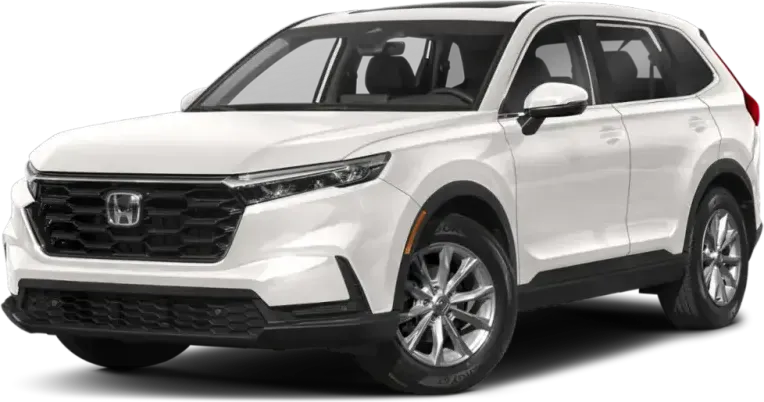
Honda CR-V
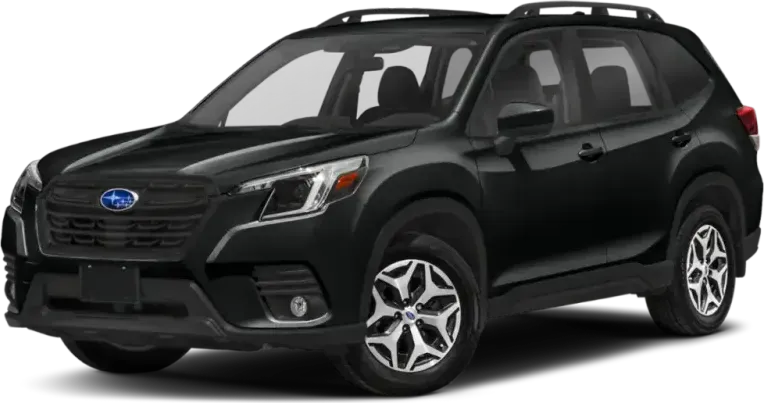
Subaru Forester
The Honda CR-V and Subaru Forester are effectively tied on reliability. Owner complaints arrive at nearly the same rate per vehicle sold. Repair cost is the clearest difference. The CR-V averages about $407 a year in repairs against $632 for the Forester, but the Honda has far more recalls on record.
How Do the Honda CR-V and Subaru Forester Generations Compare?
Verdict
The Honda CR-V is more reliable than the Subaru Forester, scoring 75/100 vs 74/100.
Effectively tied. Owner complaints come in at almost the same rate, 8 per 10,000 sold for the CR-V and 8.7 for the Forester, and both hold a good reliability standing. What separates them is the kind of trouble. The Honda's worst reports involve steering that sticks and then lets go, and emergency braking that triggers with nothing ahead. Both are linked to crashes. The Subaru's largest pile of complaints is about cracked windshields, which cost money to replace, but none of those reports are crash-linked. The CR-V is cheaper to keep running, and the Forester has far fewer recalls. Neither edge decides the matter.
Key Differences
- 1Honda CR-V costs $225 less per year to repair
- 2Subaru Forester has 33 fewer total recalls
- 3Honda CR-V has 4% lower major repair risk
Category Scoreboard
Honda CR-V vs Subaru Forester: Which Is More Reliable?
| Metric | Honda CR-V | Subaru Forester |
|---|---|---|
| Reliability Score | 75/100 | 74/100 |
| Years Tracked | 9 | 9 |
| Total Recalls | 46 | 13 |
| Complaints per 10k Sold | 8 | 8.7 |
| Annual Repair Cost | $407/yr | $632/yr |
| Repair Frequency | 0.3/yr | 0.4/yr |
| Major Repair Risk | 9% | 13% |
| Safety RatingNHTSA overall | 2026 NHTSA | 2026 NHTSA |
| Frontal | ||
| Side | ||
| Rollover | ||
| Year Wins | 5 | 4 |
What Are the Common Problems With the Honda CR-V and Subaru Forester?
Steering and phantom braking dominate the Honda's complaints. Owners describe a wheel that catches near center and then releases suddenly, with reports clustering around 47,000 to 53,000 miles and dealers quoting a new rack or gearbox. Others say the car brakes hard on its own, which risks a rear-end hit. Highway power loss with a flashing check engine light and fuel injector failures come next. On the Forester, the top issue is windshields cracking with little or no impact, sometimes more than once. Dead batteries from parasitic drains follow. Each model has a crash-linked area missing from the other's main problems: steering and collision avoidance on the CR-V, and a passenger airbag that switches itself off on the Forester.
| Component | Honda CR-V | Subaru Forester |
|---|---|---|
| VISIBILITY/WIPER | 0.2Very Low | 3.1Average |
| ELECTRICAL SYSTEM | 0.9Very Low | 1.2Low |
| STEERING | 1.8Low | 0.1Very Low |
| UNKNOWN OR OTHER | 0.3Very Low | 1.2Low |
| FORWARD COLLISION AVOIDANCE | 1Very Low | 0.1Very Low |
| ENGINE | 0.7Very Low | 0.4Very Low |
| AIR BAGS | 0.2Very Low | 0.5Very Low |
| POWER TRAIN | 0.2Very Low | 0.4Very Low |
| FUEL SYSTEM | 0.6Very Low | —None |
| SERVICE BRAKES | 0.4Very Low | 0.1Very Low |
| VISIBILITY | —None | 0.5Very Low |
| FUEL/PROPULSION SYSTEM | 0.4Very Low | —None |
| VEHICLE SPEED CONTROL | 0.1Very Low | 0.2Very Low |
| STRUCTURE | 0.1Very Low | 0.1Very Low |
| EXTERIOR LIGHTING | —None | 0.1Very Low |
| SEAT BELTS | —None | —None |
| SEATS | —None | —None |
| LANE DEPARTURE | —None | —None |
| SUSPENSION | —None | —None |
Complaints per 10,000 units sold, aggregated across all tracked model years from NHTSA owner reports.
Which Is Cheaper to Maintain: Honda CR-V or Subaru Forester?
How Does Honda CR-V vs Subaru Forester Reliability Compare by Year?
| Year | Honda CR-V | Subaru Forester | Edge |
|---|---|---|---|
| 2026 | 83/1000R / 35C | 77/1001R / 0C | Honda CR-V |
| 2025 | 80/1006R / 201C | 79/1002R / 48C | Honda CR-V |
| 2024 | 77/1004R / 406C | 78/1002R / 26C | Subaru Forester |
| 2023 | 72/1007R / 578C | 79/1001R / 61C | Subaru Forester |
| 2022 | 76/1005R / 242C | 77/1001R / 86C | Subaru Forester |
| 2021 | 77/1003R / 241C | 76/1000R / 196C | Honda CR-V |
| 2020 | 74/10010R / 358C | 71/1000R / 584C | Honda CR-V |
| 2019 | 69/1007R / 996C | 63/1003R / 825C | Honda CR-V |
| 2018 | 65/1004R / 1960C | 66/1003R / 475C | Subaru Forester |
Best years to cross-shop: The 2024 Honda CR-V scored 77/100 and the 2023 Subaru Forester scored 79/100 — the strongest shared model years that have been on the road for at least two years, where available.
Who Should Buy the Honda CR-V vs the Subaru Forester?
Honda CR-V vs Subaru Forester: Common Questions
- Is the Honda CR-V more reliable than the Subaru Forester?
- No. The two are effectively tied. The CR-V draws 8 owner complaints per 10,000 sold and the Forester 8.7, and both hold a good reliability standing. The Honda costs less to repair each year. The Subaru has a much shorter recall list. Their problem areas differ more than their overall reliability does.
- Which has more recalls, the CR-V or the Forester?
- The Honda CR-V has far more. Federal recall records list 46 recalls across the 2018 to 2026 model years, compared with 13 for the Subaru Forester over the same years. Whichever you buy, look up the VIN to confirm that every open recall has been completed.
- Do Subaru Forester windshields crack easily?
- Many owners say yes. The Forester's largest complaint category, with 819 filings, centers on cracks that formed with little or no impact, for example overnight in a parked car, after a hard frost, or from a tiny pebble. A small crack can spread across the driver's view within hours. Some replacement glass cracked again, and most owners paid out of pocket or through insurance.
- What is the Honda CR-V steering problem?
- Owners report the steering wheel sticking near center or at the start of a turn and then letting go suddenly, which leads to overcorrecting. Clicking, creaking, or popping often comes with it. Reports cluster around 47,000 to 53,000 miles. Dealers usually diagnose a failing rack or gearbox and quote $3,500 to $4,478. Twenty-four of these complaints are crash-linked.
- Does the Honda CR-V brake by itself?
- Some owners say it does. Complaints describe the car braking hard with nothing ahead while it flashes a BRAKE warning and beeps, at speeds from under 15 mph up to highway speed. Several reports involve adaptive cruise control or curves. Thirteen of these reports are crash-linked, the main danger is being rear-ended, and dealers often cannot recreate the problem.
Related Reliability Comparisons
More Honda CR-V comparisons
Decided between Honda CR-V and Subaru Forester? Run a VIN check before you buy — uncover hidden accidents, title issues, and open recalls.
How we score the Honda CR-V and Subaru Forester
Scores weight complaint severity at 35%, repair costs at 30%, recall impact at 20%, and the spread of complaints across systems at 15%, with complaint counts adjusted for US sales. Read the full methodology.
See incorrect data? Report an issue