Last updated: 2026-10-10

2019 Honda CR-V Reliability Report
The 2019 Honda CR-V has a good reliability standing, but owners report sudden false braking, sticky steering and fuel pump stalling.
Recalls
7
Complaints
996
Complaint Rate
25.9per 10,000 sold
Est. Repair Cost
$407
Annual Fuel Cost
$2,000–$2,200
Detailed Score Breakdown
Component-weighted complaints normalized by sales volume
Independent repair cost ratings
Recall count weighted by severity
Breadth of reported problem categories
The Verdict
Good standing, but among the weaker CR-V years, with false automatic braking, sticky steering and fuel system recalls leading owner complaints.
Top Issues to Watch
- FORWARD COLLISION AVOIDANCE (202)
- STEERING (154)
- ELECTRICAL SYSTEM (133)
Generation & Refresh (US)
2019 is year 3 of the Fifth generation.
- Redesigned for the 2017 model year.
- Well-established in its generation — most early issues should be resolved.
- A refresh arrives in 2020.
- 5th generation CR-V (US).
What this means for buyers
Well into the generation cycle — most design and manufacturing issues should be resolved by now.
2017: Fifth generation Launch
Generation start — new platform.
2019: This Model Year
2019 is year 3 of the Fifth generation.
2020: Mid-Cycle Refresh
Updated features and styling tweaks.
Should You Buy the 2019 Honda CR-V?
Good, but not among the best CR-V years. Reliability standing is good and close to average for 2019 SUVs, yet this year ranks among the weaker of nine scored CR-V model years. The 2018 rates worse. The 2020 rates better and has far fewer complaints, though it has had less time to collect them. Independent repair-cost data puts yearly repairs at $407 for the CR-V, against $521 for its class. The federal crash-test rating is 5 of 5 stars.
Owners most often describe hard automatic braking with nothing ahead, at 25 to 55 mph. Dealers often cannot reproduce it. Steering is next: a wheel that catches and needs force to leave a turn, often between 16,000 and 37,000 miles, with dealer quotes of $3,770 to $5,800. Federal recall records list three fuel system recalls. Fuel pump failure and stalling show up between 37,000 and 65,000 miles, and some owners say trouble began right after the recall repair.
Ask the seller for proof that every fuel system recall was completed, and for any dealer work on steering or braking. On a test drive, turn the wheel through tight corners and listen for catching. If you want fewer complaints on record, price a 2020 as well.
Compared to the 2020 Honda CR-V, which scored 5 points higher. See also the 2018 Honda CR-V for an earlier comparison.
Pros
- +Acceptable reliability score
- +$114 cheaper to maintain than avg compact SUVs
- +Infrequent unscheduled repairs
- +Low major repair risk (9%)
Cons
- −Above-average recall count
- −FORWARD COLLISION AVOIDANCE: Hard automatic braking with nothing ahead is the dominant complaint (202 complaints)
- −STEERING: Sticky, notchy steering is the main complaint (154 complaints)
Compare 2019 Honda CR-V With

2019 Toyota RAV4
Reliability: 66/100

2019 Kia Sportage
Reliability: 74/100

2019 Hyundai Tucson
Reliability: 68/100

2019 Subaru Forester
Reliability: 63/100
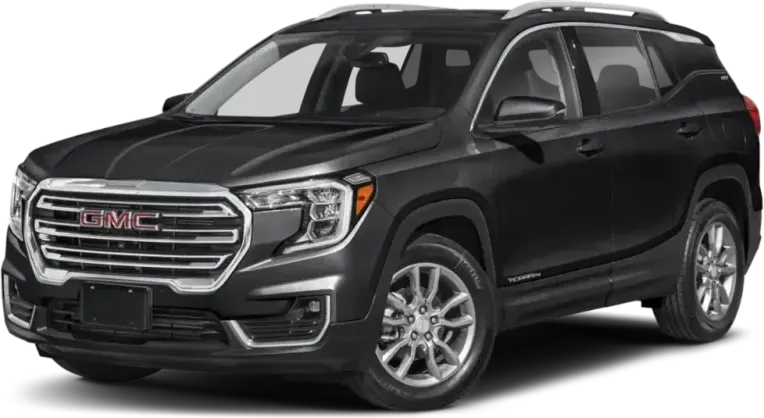
2019 GMC Terrain
Reliability: 68/100
Common Problem Categories
Safety
LOW RISK- 7 manufacturer recalls issued
Other
HIGH RISK- FORWARD COLLISION AVOIDANCE (202)
- STEERING (154)
Recall Overview
7
recalls on record
The 2019 Honda CR-V has 7 recalls on record, which is above average. A high count can flag multiple component concerns, though it also shows the manufacturer is actively addressing known issues.
NHTSA.gov →Complaint Breakdown
25.9
per 10,000 soldSegment avg: 21.2
Safety Incidents
29
Crashes
2
Fires
34
Injuries
1
Deaths
NHTSA 5/5 Stars
Data sourced from NHTSA complaint filings and manufacturer recall notices. Complaint narratives are owner-reported.
2019 Honda CR-V Recall Details
7 recalls have been issued for the 2019 Honda CR-V. All recall repairs are performed free of charge at authorized dealerships.
FUEL SYSTEM, GASOLINE
Honda (American Honda Motor Co.) is recalling certain 2013-2023 Honda Accord, Civic Coupe, Civic Sedan, Civic Hatchback, Civic Type R, CR-V, HR-V, Ridgeline, Odyssey, Acura ILX, MDX, MDX Hybrid, RDX, RLX, TLX, 2019-2022 Honda Insight, Passport, 2020 Honda CR-V Hybrid, 2018-2019 Honda Clarity PHEV, Fit, and 2015-2020 Honda Accord Hybrid, Pilot, Acura NSX vehicles. The fuel pump inside the fuel tank may fail.
Consequence
Fuel pump failure can cause an engine stall while driving, increasing the risk of a crash.
Remedy
Dealers will replace the fuel pump module, free of charge. Owner letters were mailed September 6, 2024. Owners may contact Honda customer service at 1-888-234-2138. Honda's numbers for this recall are KGC and KGD. This recall is an expansion of NHTSA recall numbers 21V-215 and 20V-314.
SEAT BELTS
Honda (American Honda Motor Co.) is recalling certain 2017-2020 CR-V, 2018-2019 Accord and Accord Hybrid, 2018-2020 Odyssey, 2019 Insight, and 2019-2020 Acura RDX vehicles. A manufacturing issue with the front seat belts may cause the seat belt buckle channel to interfere with the release button, preventing the seat belt buckle from latching.
Consequence
An unlatched seat belt cannot properly restrain the seat occupant during a crash, increasing their risk of injury.
Remedy
Dealers will replace the driver and front passenger seat belt buckle release buttons or the buckle assemblies as necessary, free of charge. Owner notification letters were mailed April 18, 2023. Owners may contact Honda customer service at 1-888-234-2138. Honda's numbers for this recall are NDA, QDB, BDC, MDD, LD9. TDF, FDG, ODH, YDI, ZDE.
FUEL SYSTEM, GASOLINE
Honda (American Honda Motor Co.) is recalling certain 2019-2020 Acura MDX, MDX Sport Hybrid, RDX, TLX, Honda Accord, Civic Hatchback, Insight, 2019 Acura ILX, Honda Accord Hybrid, Civic Coupe, Civic Coupe Si, Civic Sedan, Civic Sedan Si, Civic Type R, Fit, HR-V, Odyssey, Passport, Pilot and Ridgeline, and 2018-2019 CR-V vehicles. The low-pressure fuel pump inside the fuel tank may fail.
Consequence
Fuel pump failure can cause an engine stall while driving, increasing the risk of a crash.
Remedy
Honda will notify owners, and dealers will replace the fuel pump assembly, free of charge. Owner letters were mailed May 18, 2021. Owners may contact Honda customer service at 1-888-234-2138. Note: This recall is an expansion of recall 20V-314.
Buying a used 2019 Honda CR-V? Check its history first
Forward collision avoidance problems lead owner complaints about the 2019 Honda CR-V, and 7 recalls were issued for it. A VIN check shows whether this car's recall work was done, plus accident, title, and odometer history.
- Accidents
- Open Recalls
- Title History
- Odometer Rollback
2019 Honda CR-V NHTSA Safety Ratings
Overall Safety Rating
Crash Test Results by Configuration (expand)
Gas Powertrain
Rollover risk: 16.4%
Safety Technologies
Honda CR-VRepair Costs & Maintenance
Maintenance Rating
4.5Maintenance rating: 4.5 out of 5Based on NHTSA complaint patterns, recall severity, and publicly available cost benchmarks.
Est. Annual Maintenance
$407
vs $521 avg for compact SUVs
vs $652 avg for all vehicles
Repair Frequency
0.3
unscheduled repair visits per year
Severe Repair Probability
9%
chance of a major repair
Annual Cost Comparison
Category-level averages derived from publicly available industry reports (AAA, CarMD). Model-level estimates produced by Auto Reliability Index.
Honda CR-V Resale Value
The Honda CR-V is estimated to retain about 76.4% of its original value after 5 years, based on observed used-car listings.
This benchmark covers the Honda CR-V model overall and is not specific to the 2019 model year.
- Value Retained
- 76.4%
- Depreciation
- 23.6%
- Listings Analyzed
- 720
after 5 years
over the same period
U.S. used-car listings
Listings observed in . Actual resale value varies by trim, mileage, condition, and location.
Explore Honda CR-V depreciation and resale value on CarResaleValue.comMPG & Annual Running Costs
Gas
27–30 MPG
Running cost: $2,400–$2,600/yr
Fuel + repair
25–28 city / 31–34 hwy MPG
Running cost includes EPA fuel-cost estimate and independent repair-cost data (repair cost estimated at model level). Excludes routine maintenance, depreciation, and insurance. Data as of 2019 EPA label cycle.
Gas trims
| Trim | Drive | Trans. | City | Hwy | Comb | Fuel Cost |
|---|---|---|---|---|---|---|
| CR-V FWD 1.5L 4-cyl | Front-Wheel Drive | Automatic (variable gear ratios) | 28 | 34 | 30 | $2,000 |
| CR-V AWD 1.5L 4-cyl | All-Wheel Drive | Automatic (variable gear ratios) | 27 | 33 | 29 | $2,050 |
| CR-V FWD 2.4L 4-cyl | Front-Wheel Drive | Automatic (variable gear ratios) | 26 | 32 | 28 | $2,150 |
| CR-V AWD 2.4L 4-cyl | All-Wheel Drive | Automatic (variable gear ratios) | 25 | 31 | 27 | $2,200 |
Used Buying Checklist
Key things to inspect or verify before purchasing a 2019 Honda CR-V.
Drive at 30 to 55 mph on open roads and watch for automatic braking or a flashing BRAKE warning with nothing ahead.
Steer gently through small corrections at speed and feel for sticky, notchy steering or drift that needs constant correction.
Run the VIN for open recalls, including fuel pump campaign 23V858000, and get proof the repair was completed.
Pull the dipstick and reject a car with oil above the full mark or a gasoline smell.
Ask for service records showing fuel injector or steering rack replacement, and scan for misfire or rich-mixture codes.
Cold-start the car and watch for all dashboard warnings lighting at once, flickering lights, or slow cranking.
Inspect the top edge under the rear hatch for paint loss or rust, and look underneath for loose skid plates.
Seat an adult in the front passenger seat and confirm the passenger air bag off light stays off.
2019 Honda CR-V Common Problems by Component
996 owner complaints grouped by vehicle system.
FORWARD COLLISION AVOIDANCE
202 complaintsSafety-relatedCR-V automatic emergency braking problems across all model years
Hard automatic braking with nothing ahead is the dominant complaint. Reports describe the car slamming to a stop at 25 to 55 mph on empty streets, highway ramps, and intersections, with the BRAKE warning flashing only as it happens. Metal road plates and windshield cracks are mentioned as triggers. Occupants report neck, back, and chest injuries, and following drivers often swerve or brake hard to avoid a rear-end crash. Some cars also show every dashboard warning at once. Dealers frequently cannot reproduce the fault, so many owners leave with no repair.
STEERING
154 complaintsSafety-relatedCR-V steering problems across all model years
Sticky, notchy steering is the main complaint. The wheel catches in one position and needs force to come out of turns. Some cars drift and need constant correction, and a few owners notice it right after using lane keeping assist. Dealers typically blame the electric power steering rack or gearbox and quote roughly $3,770 to $5,800 for replacement, often out of warranty. Many cases appear between 16,000 and 37,000 miles, though some show up much later. Owners note that older CR-Vs were recalled for steering and the 2019 was not. Other reports involve recall repairs delayed by missing parts.
ELECTRICAL SYSTEM
133 complaintsSafety-relatedCR-V electrical problems across all model years
Every warning light on the dashboard comes on at once, sometimes followed by sudden loss of power or unwanted braking. Dealers often trace these episodes to failing fuel injectors, with reported repairs over $2,300. A second pattern is repeated dead batteries and parasitic drain in low-mileage cars, leading to tows and no-starts. Other reports include a failed body control module, windows and sunroof opening on their own, and a parking brake that sets itself. One crash is tied to a split wiring harness that affected braking.
FUEL SYSTEM (114 complaints)
FUEL SYSTEM
114 complaintsCR-V fuel system problems across all model years
Most reports involve the fuel pump recall, campaign 23V858000. Owners describe long waits for recall parts, and several say problems began right after the recall repair: hard starts, stalling, and no-starts. Unrepaired pumps cause stalling in traffic, a firm steering wheel after the engine dies, limp mode, and low fuel pressure code P0087. Fuel injector failures with multiple warning lights also appear, around 70,000 to 80,000 miles. One report describes a detached fuel feed hose spilling fuel under the hood, a fire risk.
FUEL/PROPULSION SYSTEM (77 complaints)
FUEL/PROPULSION SYSTEM
77 complaintsSafety-relatedCR-V fuel system problems across all model years
Failed fuel injectors cause misfires, hesitation, rough running, and loss of power, often announced by every dashboard warning lighting up. Leaking injectors also dilute the engine oil with fuel. Repairs run from about $1,788 to over $2,500, and many fall between 51,400 and 78,000 miles. Gas fumes in the cabin, a rising oil level, and lightheadedness are reported in early cars. Stalling on highways and in intersections ties back to the fuel pump recall, with back-ordered parts and repeat failures after repair.
ENGINE (60 complaints)
ENGINE
60 complaintsCR-V engine problems across all model years
Gasoline gets into the engine oil on the 1.5-liter turbo. Owners find the dipstick reading above full, oil that smells strongly of fuel, and gas odors in the garage or cabin, often within the first few thousand miles. One case ends in limp mode on the highway with fouled plugs. Dealers often say the problem was fixed for 2019 or tell owners to keep checking the oil. Later reports describe turbo failure, a spun bearing, a broken rod, and head gasket failure between roughly 59,930 and 90,000 miles, with bills of $4,500 to $6,000.
SERVICE BRAKES (59 complaints)
SERVICE BRAKES
59 complaintsSafety-relatedPhantom emergency braking dominates this category too. The collision mitigation system brakes hard with no obstacle at speeds up to 70 mph, sometimes to a full stop, causing whiplash, bruising, and near rear-end collisions. Dealer inspections often find nothing wrong. Other reports describe the pedal failing to slow the car before a crash, the parking brake or brake hold engaging by itself at stops, and a loud pumping noise from the front at about 35,000 miles. Three complaints involve crashes and five report injuries.
AIR BAGS (21 complaints)
AIR BAGS
21 complaintsSafety-relatedFailure to deploy in serious frontal crashes, side impacts, and highway deer strikes is the most alarming pattern, and several of these crashes cause major injuries. One report describes the driver air bag deploying with no impact, leading to a crash, and another involves a fire after a collision. A separate pattern is a faulty passenger seat weight sensor that switches the passenger air bag off, with SRS warnings appearing in nearly new cars. Some owners also wait on recall parts that are not available.
STRUCTURE (18 complaints)
STRUCTURE
18 complaintsSafety-relatedUnderbody skid plates and the oil shield come loose and drag on the highway, sometimes more than once after repair. Rust appears under the paint at the top of the rear hatch with no prior damage, and Honda often declines help. Rear glass and the sunroof shatter on their own while driving or parked. The driver sun visor stiffens and will not stay up, blocking the view, with replacements back-ordered. Misaligned doors that chip paint are also reported.
POWER TRAIN (16 complaints)
POWER TRAIN
16 complaintsSafety-relatedUnintended movement drives the crash reports here. Vehicles roll away while in park with the engine off, and engines surge while parking with the driver's foot on the brake, sending cars over parking blocks into walls. AWD system warnings point to a failed rear differential pump motor, and one rear axle snaps at highway speed. Other reports cover misfires and stalling linked to leaking fuel injectors, a transmission bearing failure at 78,000 miles, and sudden loss of power with all warning lights on.
When Do 2019 Honda CR-V Problems Start?
Based on owner complaint patterns, here's when common issues tend to appear.
Best & Worst Honda CR-V Years
Best Honda CR-V Years to Buy
Based on reliability index scoreHonda CR-V Years to Avoid
Honda CR-V Reliability Score Trend
Scores 0–100. Higher is better. Current year highlighted.
| Year | Score | Rating |
|---|---|---|
| 2018 | 65/100 | Good |
| 2019 | 69/100 | Good |
| 2020 | 74/100 | Good |
| 2021 | 77/100 | Good |
| 2022 | 76/100 | Good |
| 2023 | 72/100 | Good |
| 2024 | 77/100 | Good |
| 2025 | 80/100 | Excellent |
| 2026 | 83/100 | Excellent |
Honda CR-V Reliability Compared to Other Years
Frequently Asked Questions
Is the 2019 Honda CR-V reliable?
What are the most common problems with the 2019 Honda CR-V?
Does the 2019 Honda CR-V brake by itself for no reason?
How much does it cost to fix the 2019 Honda CR-V steering?
Is the 2019 Honda CR-V better than the 2018 or 2020?
Don’t buy a 2019 Honda CR-V without checking its VIN first — hidden accidents, title issues, and open recalls could cost you thousands.
How we score the 2019 Honda CR-V
Of the four inputs behind this score, the 2019 Honda CR-V does best on repair costs (90/100) and worst on complaint severity (52/100). Scores weight complaint severity at 35%, repair costs at 30%, recall impact at 20%, and the spread of complaints across systems at 15%, with complaint counts adjusted for US sales. Read the full methodology.
Get notified when new recalls or reliability data is added for the Honda CR-V.
No spam. Only data updates for this model.
Browse More Honda Models
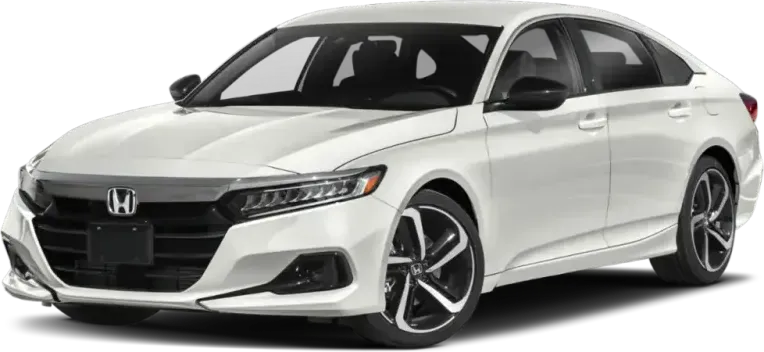
Honda Accord
Score: 87/100
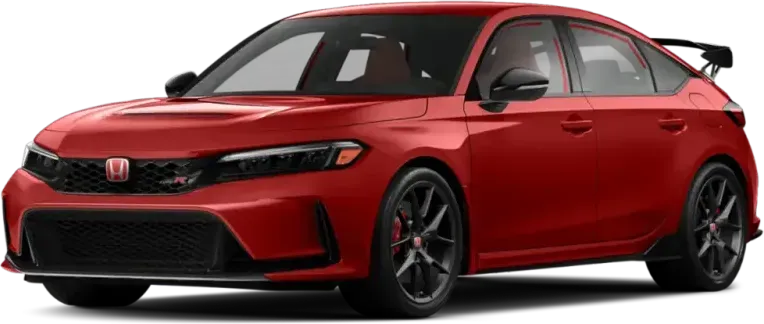
Honda Civic
Score: 94/100

Honda HR-V
Score: 100/100
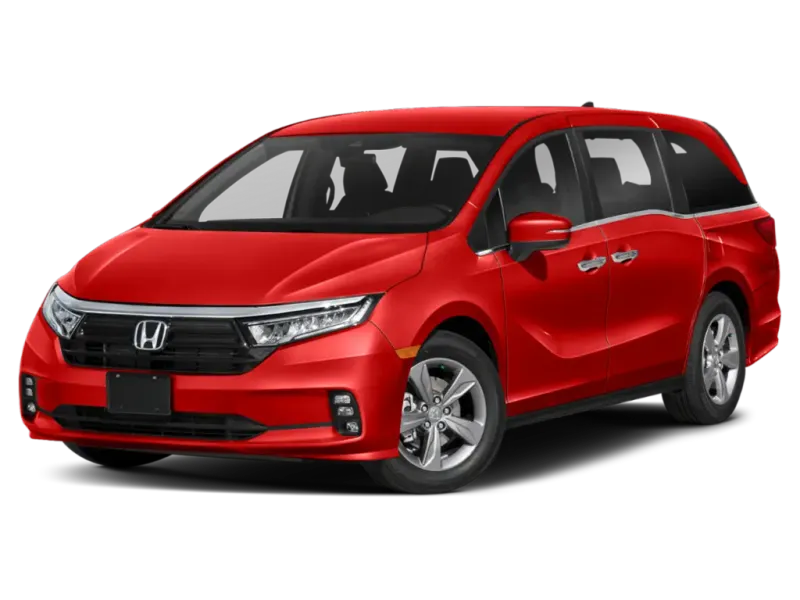
Honda Odyssey
Score: 74/100

Honda Passport
Score: 84/100
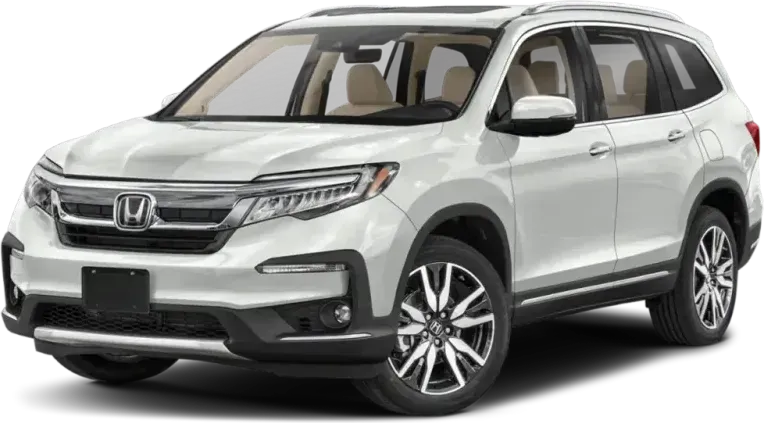
Honda Pilot
Score: 81/100
Browse More 2019 Vehicles
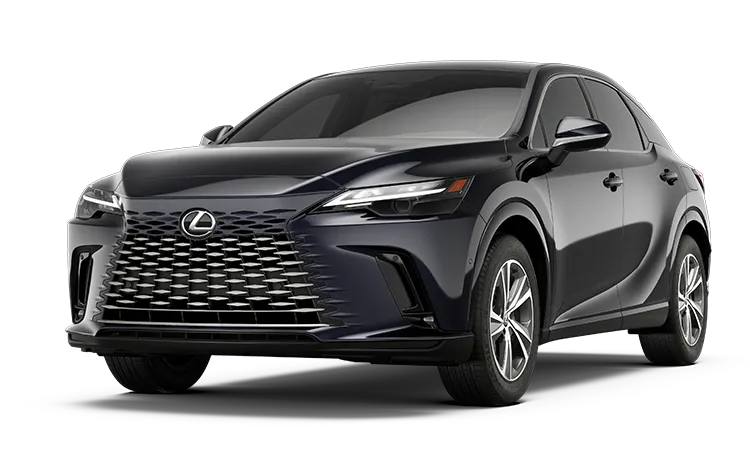
2019 Lexus RX
Score: 82/100

2019 Kia Sedona
Score: 80/100
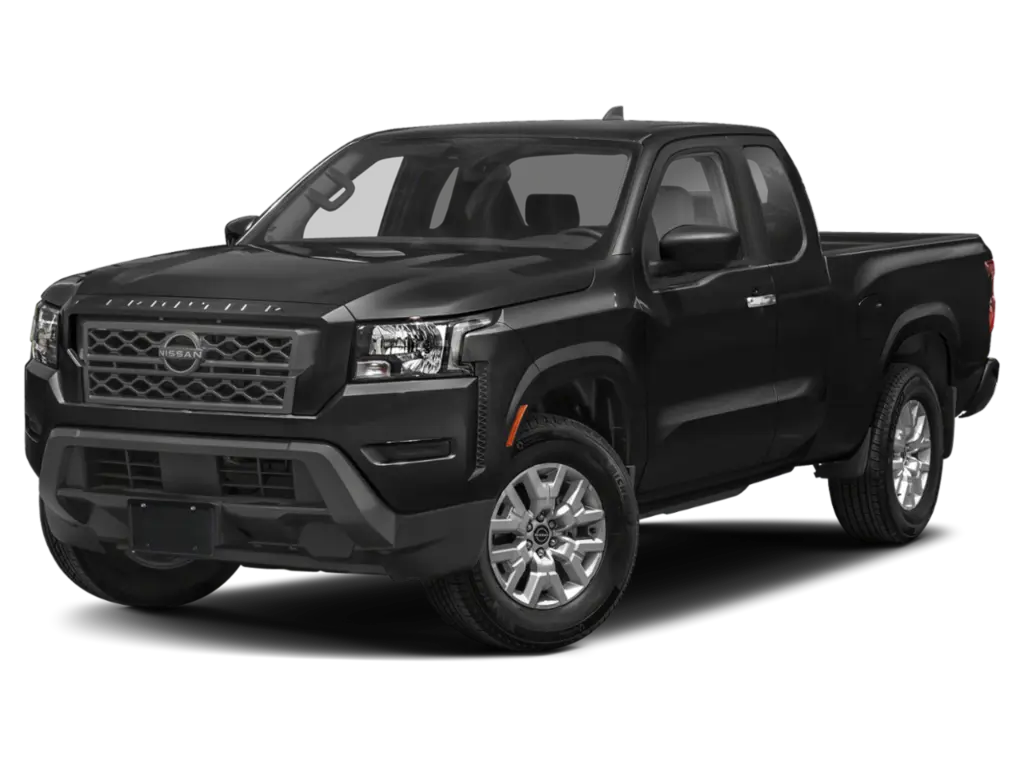
2019 Nissan Frontier
Score: 80/100

2019 Lexus IS
Score: 79/100
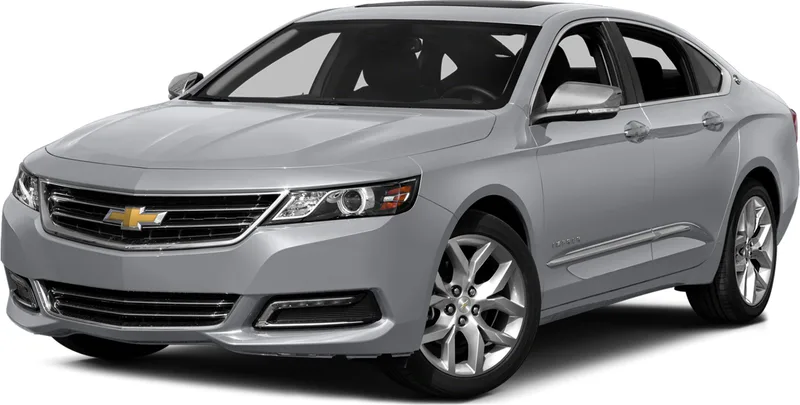
2019 Chevrolet Impala
Score: 79/100

2019 Lexus GX
Score: 78/100
See incorrect data? Report an issue