Last updated: 2026-04-20
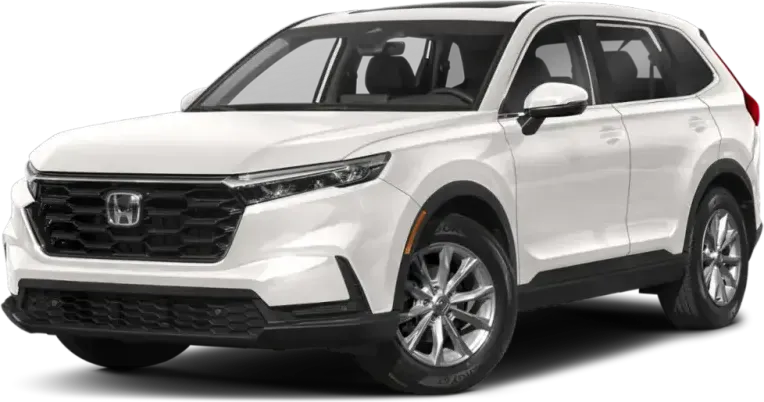
2025 Honda CR-V Reliability Report
The 2025 Honda CR-V scores 80/100 ("Excellent"), but its complaint rate of 5 per 10,000 vehicles sold runs above the 2025 SUV segment average of 3.5.
Recalls
6
Complaints
201
Complaint Rate
5per 10,000 sold
Est. Repair Cost
$407
Annual Fuel Cost
$2,000–$2,150
Detailed Score Breakdown
Component-weighted complaints normalized by sales volume
Independent repair cost ratings
Recall count weighted by severity
Breadth of reported problem categories
The Verdict
Strong reliability record — a solid choice for buyers.
Top Issues to Watch
- STEERING (46)
- VISIBILITY/WIPER (24)
- SERVICE BRAKES (18)
Generation & Refresh (US)
2025 is year 3 of the Sixth generation.
- Redesigned for the 2023 model year.
- Well-established in its generation — most early issues should be resolved.
- 6th generation CR-V (US).
What this means for buyers
Well into the generation cycle — most design and manufacturing issues should be resolved by now.
2023: Sixth generation Launch
Generation start — new platform.
2025: This Model Year
2025 is year 3 of the Sixth generation.
Should You Buy the 2025 Honda CR-V?
The 2025 Honda CR-V earns an Excellent 80/100 reliability score. 2025 is year 3 of the Sixth generation.
However, its complaint rate of 5 per 10,000 vehicles sold runs above the SUV segment average of 3.5, driven largely by steering (46) reports.
If buying used, confirm recall repairs are complete and inspect steering (46) carefully on the test drive.
Compared to the 2026 Honda CR-V, which scored 3 points higher. See also the 2024 Honda CR-V for an earlier comparison.
Pros
- +Strong reliability score
- +$114 cheaper to maintain than avg compact SUVs
- +Infrequent unscheduled repairs
- +Low major repair risk (9%)
- +5-star NHTSA crash rating
Cons
- −Above-average recall count
- −Above-average complaint rate for SUV
- −3 fire incidents reported in owner complaints
Compare 2025 Honda CR-V With
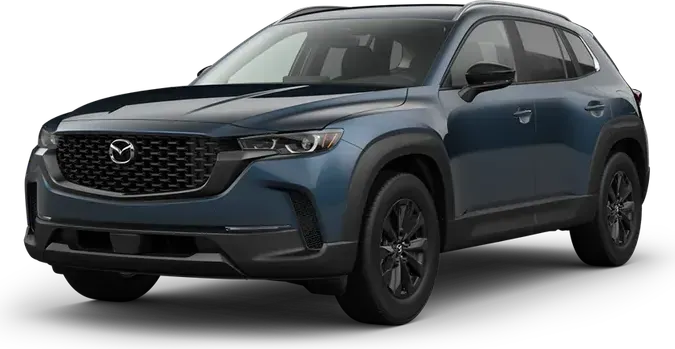
2025 Mazda CX-50
Reliability: 66/100
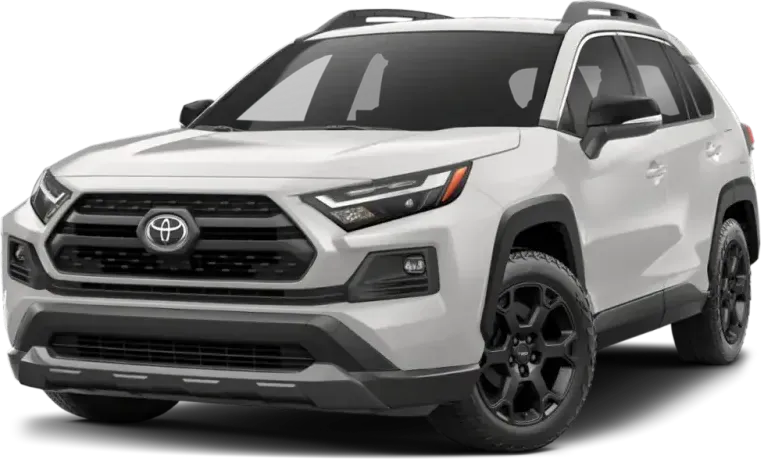
2025 Toyota RAV4
Reliability: 84/100
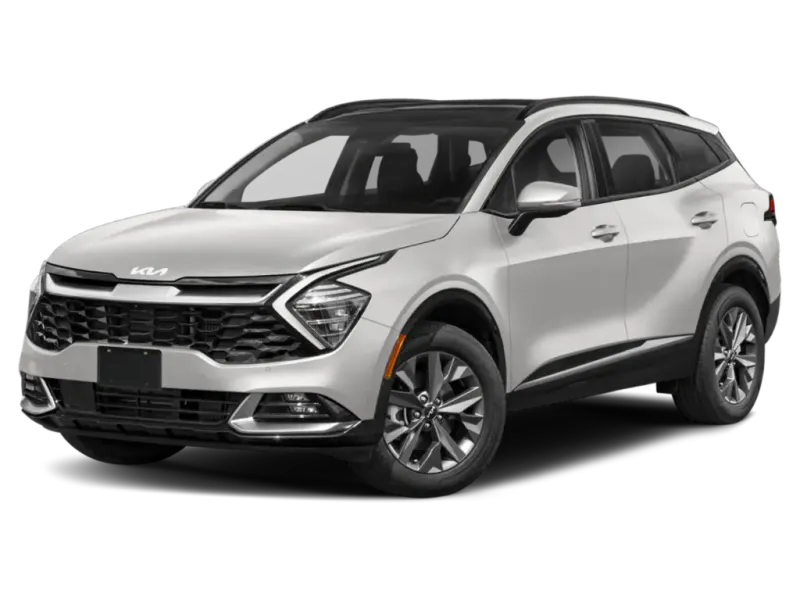
2025 KIA Sportage
Reliability: 82/100
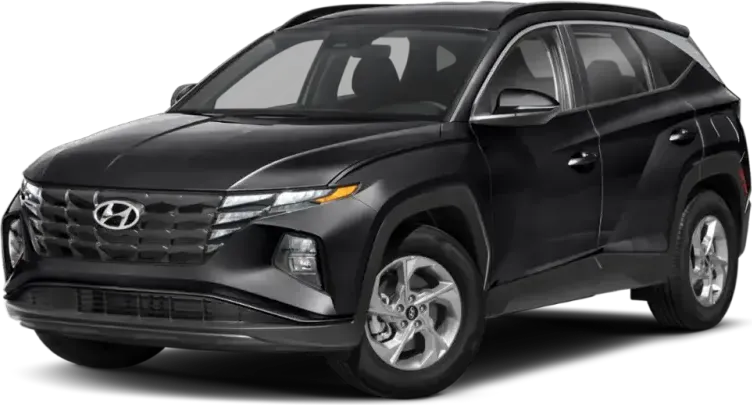
2025 Hyundai Tucson
Reliability: 75/100
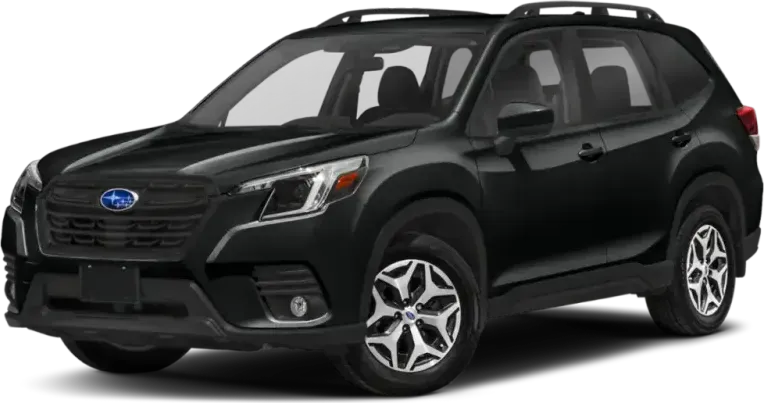
2025 Subaru Forester
Reliability: 79/100
Common Problem Categories
Safety
LOW RISK- 6 manufacturer recalls issued
Other
HIGH RISK- STEERING (46)
- UNKNOWN OR OTHER (37)
Recall Overview
6
recalls on record
The 2025 Honda CR-V has 6 recalls on record, which is above average. A high count can flag multiple component concerns, though it also shows the manufacturer is actively addressing known issues.
NHTSA.gov →Complaint Breakdown
5
per 10,000 soldSegment avg: 3.5
Safety Incidents
23
Crashes
3
Fires
19
Injuries
0
Deaths
NHTSA 5/5 Stars
Data sourced from NHTSA complaint filings and manufacturer recall notices. Complaint narratives are owner-reported.
2025 Honda CR-V Recall Details
6 recalls have been issued for the 2025 Honda CR-V. All recall repairs are performed free of charge at authorized dealerships.
STEERING
Honda (American Honda Motor Co.) is recalling certain 2023-2025 Acura Integra, Civic Type R, CR-V Hybrid, CR-V, HR-V, 2022-2025 Civic, Civic Hatchback, 2024-2025 Acura Integra Type S, 2025 CR-V Fuel Cell EV, Civic Hybrid, and Civic Hatchback Hybrid vehicles. The steering gearbox assembly may have been manufactured incorrectly, which can cause excessive internal friction and lead to difficulty steering the vehicle.
Consequence
Difficulty steering can increase the risk of a crash.
Remedy
Dealers will replace the worm gear spring and redistribute or add grease as necessary, free of charge. Owner notification letters were mailed November 18, 2024. Owners may contact Honda Customer Service at 1-888-234-2138. Honda's numbers for this recall are SJS, MJU, QJT and VJV.
FUEL SYSTEM, GASOLINE
Honda (American Honda Motor Co.) is recalling certain 2025 Honda CR-V Hybrid vehicles. The fuel feed hose may have been improperly installed, allowing fuel to leak. As such, these vehicles fail to comply with the requirements of Federal Motor Vehicle Safety Standard number 301, "Fuel System Integrity."
Consequence
A fuel leak in the presence of an ignition source increases the risk of a fire.
Remedy
Dealers will install a new fuel feed hose and connector cover, free of charge. Owners may contact Honda's customer service at 1-888-234-2138. Honda's number for this recall is TLS.
FUEL SYSTEM, GASOLINE
Honda (American Honda Motor Co.) is recalling certain 2023-2024 Honda Accord, Accord Hybrid, 2023-2025 Honda CR-V Hybrid, and 2025 Honda Civic and Civic Hybrid vehicles. The high-pressure fuel pump may crack and leak fuel.
Consequence
A fuel leak in the presence of an ignition source can increase the risk of a fire.
Remedy
Dealers will inspect and replace the high-pressure fuel pump as necessary, free of charge. Owner letters were mailed February 20, 2025. Owners may contact Honda customer service at 1-888-234-2138. Honda's number for this recall is PJW.
Buying a used 2025 Honda CR-V? Check its history first
Every 2025 Honda CR-V has a different past. A VIN check reveals hidden accidents, title problems, odometer rollbacks, and open recalls that reliability scores can't show you.
- Accidents
- Open Recalls
- Title History
- Odometer Rollback
2025 Honda CR-V NHTSA Safety Ratings
Overall Safety Rating
Crash Test Results by Configuration (expand)
Gas Powertrain
Rollover risk: 15.5%
Safety Technologies
HEV Powertrain
Rollover risk: 15.5%
Safety Technologies
Honda CR-VRepair Costs & Maintenance
Maintenance Rating
4.5Maintenance rating: 4.5 out of 5Based on NHTSA complaint patterns, recall severity, and publicly available cost benchmarks.
Est. Annual Maintenance
$407
vs $521 avg for compact SUVs
vs $652 avg for all vehicles
Repair Frequency
0.3
unscheduled repair visits per year
Severe Repair Probability
9%
chance of a major repair
Annual Cost Comparison
Category-level averages derived from publicly available industry reports (AAA, CarMD). Model-level estimates produced by Auto Reliability Index.
Honda CR-V Resale Value
The Honda CR-V is estimated to retain about 76.4% of its original value after 5 years, based on observed used-car listings.
This benchmark covers the Honda CR-V model overall and is not specific to the 2025 model year.
- Value Retained
- 76.4%
- Depreciation
- 23.6%
- Listings Analyzed
- 720
after 5 years
over the same period
U.S. used-car listings
Listings observed in . Actual resale value varies by trim, mileage, condition, and location.
Explore Honda CR-V depreciation and resale value on CarResaleValue.comMPG & Annual Running Costs
Gas
28–30 MPG
Running cost: $2,400–$2,550/yr
Fuel + repair
26–28 city / 31–34 hwy MPG
Hybrid
37–40 MPG
Running cost: $1,900–$2,000/yr
Fuel + repair
40–43 city / 34–36 hwy MPG
Running cost includes EPA fuel-cost estimate and independent repair-cost data (repair cost estimated at model level). Excludes routine maintenance, depreciation, and insurance. Data as of 2025 EPA label cycle.
Gas trims
| Trim | Drive | Trans. | City | Hwy | Comb | Fuel Cost |
|---|---|---|---|---|---|---|
| CR-V FWD 1.5L 4-cyl | Front-Wheel Drive | Automatic (variable gear ratios) | 28 | 34 | 30 | $2,000 |
| CR-V AWD 1.5L 4-cyl | All-Wheel Drive | Automatic (variable gear ratios) | 26 | 31 | 28 | $2,150 |
Hybrid trims
| Trim | Drive | Trans. | City | Hwy | Comb | Fuel Cost |
|---|---|---|---|---|---|---|
| CR-V FWD 2.0L 4-cyl | Front-Wheel Drive | Automatic (variable gear ratios) | 43 | 36 | 40 | $1,500 |
| CR-V AWD 2.0L 4-cyl | All-Wheel Drive | Automatic (variable gear ratios) | 40 | 34 | 37 | $1,600 |
Used Buying Checklist
Key things to inspect or verify before purchasing a 2025 Honda CR-V.
Test steering for stiffness and locking at speeds over 40 MPH
Inspect sunroof for cracks or signs of stress
Check for fuel injector issues, especially if mileage is under 6,000
Verify proper operation of forward collision avoidance system
Test brakes for responsiveness, especially during low-speed maneuvers
Ensure infotainment system does not overheat or freeze during use
Inspect for any oil leaks around the engine area
2025 Honda CR-V Common Problems by Component
201 owner complaints grouped by vehicle system.
STEERING
46 complaintsSafety-relatedOwners report several steering-related issues with the 2025 Honda CR-V, including stiffness and difficulty steering, particularly at speeds over 40 MPH. Complaints frequently mention steering wheel locking, unusual noises such as clicking or creaking, and a "sticky, notchy" steering sensation that makes lane corrections challenging. These issues often emerge after extended driving or around 21,000 to 49,000 miles. Safety implications are significant, with two reported crashes and four injuries, including incidents where the steering system failed to respond or made unexpected corrections, leading to loss of control. Buyers should be aware of these potential steering problems, particularly those related to a recall for steering gear issues, which some owners report as unresolved due to part availability.
UNKNOWN OR OTHER
37 complaintsSafety-relatedOwners report several issues with the 2025 Honda CR-V, with a notable pattern of sunroof glass shattering spontaneously while driving at highway speeds, often described as occurring without any impact from debris. This issue is frequently mentioned at mileages ranging from 2,000 to 16,000 miles. Another reported problem involves windshield and side mirror cracks that owners believe occur due to stress or temperature changes rather than impact. Safety concerns include one reported crash due to the vehicle rolling when the engine is shut off in drive, and one instance of a vehicle fire occurring while driving. These complaints highlight potential safety risks and mechanical concerns that should be considered by prospective buyers.
VISIBILITY/WIPER
24 complaintsOwners report that the 2025 Honda CR-V experiences several visibility-related issues, primarily involving the driver's side mirror and windshield wipers. Common complaints include the driver's side mirror vibrating excessively at highway speeds, leading to distorted and impaired visibility, and in some cases, spontaneous cracking potentially linked to temperature changes. Several owners describe the windshield wipers as ineffective, with the wiper fluid spraying inadequately and failing to clean the windshield properly, leaving grime and reducing visibility, especially in rain. These issues are noted across various mileages and can create significant safety concerns, such as difficulty in lane changes and impaired vision in adverse weather conditions. These patterns suggest potential design or quality control issues that prospective buyers should consider.
SERVICE BRAKES (18 complaints)
SERVICE BRAKES
18 complaintsSafety-relatedOwners report issues with the 2025 Honda CR-V's braking system that include unexpected acceleration and ineffective braking, often during low-speed maneuvers such as parking. Complaints frequently mention the brakes failing to engage despite firm pedal application, leading to crashes in some cases. Symptoms described include loud grinding noises, unresponsive brake pedals, and sudden vehicle lurching. These issues are reported across various mileages, with some vehicles having less than 10,000 miles. Safety concerns are highlighted by several incidents resulting in crashes, one involving injuries, and a few instances of the vehicle accelerating independently after brake failure. This information is crucial for potential buyers to consider, especially regarding the vehicle's performance in low-speed and parking scenarios.
ELECTRICAL SYSTEM (13 complaints)
ELECTRICAL SYSTEM
13 complaintsSafety-relatedOwners of the 2025 Honda CR-V frequently report issues related to the vehicle's electrical system, with several complaints highlighting a complete loss of power while driving, often requiring towing and repeated dealership visits for unresolved repairs. Incidents of sudden unintended acceleration during parking maneuvers have been reported, resulting in crashes, though no warning lights or error messages were present at the time. Problems with the wireless phone charger overheating and failing to charge devices consistently are also noted. Additionally, a persistent high-pitched noise at highway speeds is described, which has been confirmed by dealerships but deemed "normal" by the manufacturer. These issues appear across a range of mileages, with some occurring in vehicles with fewer than 1,000 miles, and present significant safety implications, including loss of control and potential collisions.
FORWARD COLLISION AVOIDANCE (11 complaints)
FORWARD COLLISION AVOIDANCE
11 complaintsOwners report frequent unexpected activations of the automatic emergency braking system in the 2025 Honda CR-V, often without any apparent obstacles, causing sudden deceleration. Typical symptoms include abrupt braking that can reduce speed significantly, sometimes from highway speeds to as low as 10-20 MPH, which several owners note could lead to rear-end collisions if other vehicles are nearby. Some complaints describe these issues occurring shortly after purchase, with one owner noting the problem at approximately 100 miles. Additionally, there are reports of radar sensor theft due to insecure placement, which could disable critical safety features. These issues collectively highlight potential safety risks related to the forward collision avoidance system.
FUEL/PROPULSION SYSTEM (10 complaints)
FUEL/PROPULSION SYSTEM
10 complaintsOwners report frequent issues with the fuel injection system of the 2025 Honda CR-V, often occurring at low mileages around 3,000 to 5,100 miles. Common symptoms include engine hesitation, sputtering, and power loss, sometimes accompanied by burning odors or a dashboard engine light. Several complaints mention a lack of error codes or warnings prior to failure, and some describe a noticeable discrepancy between actual and displayed fuel economy. While no crashes or fires are reported, the sudden power loss and potential for fuel leaks present safety concerns, especially on highways. Potential buyers should be aware of these issues, as they may impact the vehicle's reliability and safety.
VEHICLE SPEED CONTROL (6 complaints)
VEHICLE SPEED CONTROL
6 complaintsSafety-relatedOwners report issues with unintended acceleration in the 2025 Honda CR-V, often occurring without driver input, which has led to five crashes and three injuries. Complaints frequently mention the vehicle accelerating on its own, even when parked or at low speeds, with some incidents resulting in collisions with stationary objects like walls or gates. One owner also describes a related problem with the forward collision warning system, which disables the cruise control and remains unresolved despite dealer acknowledgment. These issues are noted at various mileages, including one report at approximately 12,500 miles. The safety implications are significant, as these malfunctions have resulted in loss of control and vehicle damage.
AIR BAGS (4 complaints)
AIR BAGS
4 complaintsSafety-relatedOwners of the 2025 Honda CR-V report several issues with air bag deployment during crashes. Commonly, they describe situations where air bags fail to deploy in front-end collisions, even when significant damage occurs, as in three of the four reported accidents. Complaints frequently mention injuries related to these failures, with six injuries reported across the incidents. In one case, an owner notes that only some air bags deployed, specifically highlighting the non-deployment of the driver's side window airbag. Another owner describes a burn from the steering wheel emblem during a collision, suggesting potential safety implications. These reports do not specify mileage or timelines, making it unclear if the issues occur at specific points in the vehicle's lifespan.
ENGINE (4 complaints)
ENGINE
4 complaintsSafety-relatedOwners of the 2025 Honda CR-V report several engine-related issues, with oil leaks being a common theme. Multiple complaints mention oil leaking into the engine air filter, and one report describes an oil leak causing a fire due to engine area damage. Symptoms include shuddering of the vehicle's front end and warning lights indicating emission system problems, leading to power loss. These issues appear at varying mileages, with one instance occurring around 60,000 miles. Safety implications are noted, particularly regarding the fire and the potential for power loss while driving. Buyers should be aware of these recurring problems when considering this model.
When Do 2025 Honda CR-V Problems Start?
Based on owner complaint patterns, here's when common issues tend to appear.
Best & Worst Honda CR-V Years
Comprehensive reliability analysis based on NHTSA data, owner complaints, and historical performance.
Best Honda CR-V Years to Buy
Based on reliability index scoreThe best Honda CR-V year is 2026 with a reliability score of 83/100, rated excellent. Other strong picks include 2025 (80/100) and 2024 (77/100).
2026
2025
(Current Model)
2024
Honda CR-V Years to Avoid
The worst Honda CR-V year is 2018 with a score of 65/100, primarily due to engine (361) issues.
Honda CR-V Reliability Score Trend
Honda CR-V reliability has improved in recent years, with newer models scoring an average of 78/100 compared to 71/100 for older years.
Scores 0–100. Higher is better. Current year highlighted.
| Year | Score | Rating |
|---|---|---|
| 2018 | 65/100 | Good |
| 2019 | 69/100 | Good |
| 2020 | 74/100 | Good |
| 2021 | 77/100 | Good |
| 2022 | 76/100 | Good |
| 2023 | 72/100 | Good |
| 2024 | 77/100 | Good |
| 2025 | 80/100 | Excellent |
| 2026 | 83/100 | Excellent |
Honda CR-V Reliability Compared to Other Years
2025 Honda CR-V Reliability by Powertrain
The 2025 Honda CR-V is available with 2powertrain options. Here's how they compare on reliability.
| Powertrain | Complaints | Recalls | Incidents* | Crash Rating |
|---|---|---|---|---|
| Gas | 175 | 3 | 21 | 5 out of 5 |
| HEV | 26 | 3 | 5 | 5 out of 5 |
| Total | 201 | 6 | 26 |
NHTSA tracks complaints by vehicle configuration when that detail is available. Model-level reports that do not identify a specific powertrain are included in Total but not assigned to a row. A plus sign indicates a confirmed minimum; — means no complaints could be attributed to that specific powertrain. N/T = Not tested by NHTSA.
* Incidents = crash + fire reports. A single complaint can include multiple incident types.
Frequently Asked Questions
Is the 2025 Honda CR-V reliable?
What are the most common problems with the 2025 Honda CR-V?
How many recalls does the 2025 Honda CR-V have?
Is the 2025 Honda CR-V expensive to maintain?
Don’t buy a 2025 Honda CR-V without checking its VIN first — hidden accidents, title issues, and open recalls could cost you thousands.
How We Calculate Reliability Scores
Auto Reliability Index scores are calculated on a 0–100 scale using a weighted formula that combines multiple public data sources. Each factor is weighted based on its predictive value for real-world ownership experience.
Key Ranking Factors
Complaint Severity
NHTSA owner complaints weighted by component category (e.g., powertrain, safety systems, electronics, cosmetic) — safety-critical issues carry more weight than cosmetic ones. Adjusted for sales volume so high-volume models aren't unfairly penalized.
Repair Costs
Independent reliability ratings based on repair frequency, average repair costs, and severity of typical repairs for each model.
Recall Impact
Number of NHTSA recalls weighted by severity. “Stop driving” and fire-risk recalls are penalized more heavily than minor software or labeling recalls.
Issue Diversity
Measures how many major vehicle systems (engine, transmission, electrical, braking, etc.) have recorded complaints. A vehicle with issues spread across many systems may indicate systemic quality issues.
Scores are grouped into four tiers:
- 80–100: Excellent— Top-tier reliability, minimal issues
- 60–79: Good— Reliable with some minor concerns
- 40–59: Mixed— Notable issues, research before buying
- 0–39: Risky— Significant problems, proceed with caution
Data is sourced from NHTSA recall records, owner complaint filings, and independent repair databases via vehicles.dev. Scores are recalculated as new data becomes available. While the weighting model is proprietary, all underlying data sources are public and traceable.
Get notified when new recalls or reliability data is added for the Honda CR-V.
No spam. Only data updates for this model.
Browse More Honda Models
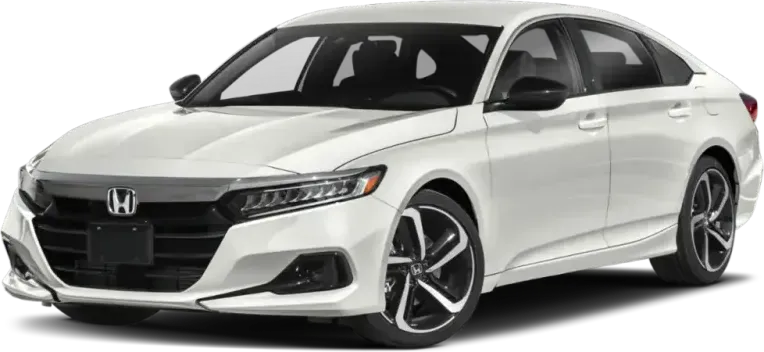
Honda Accord
Score: 87/100
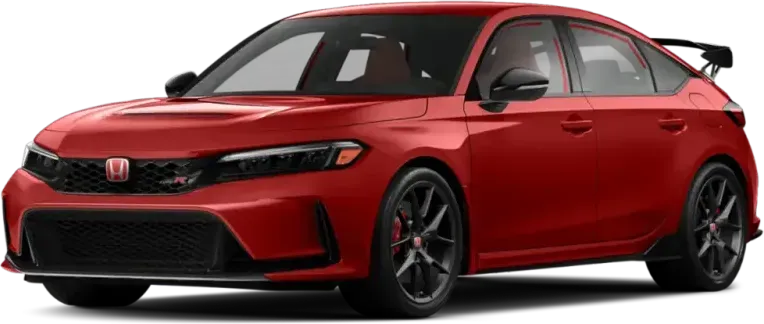
Honda Civic
Score: 94/100
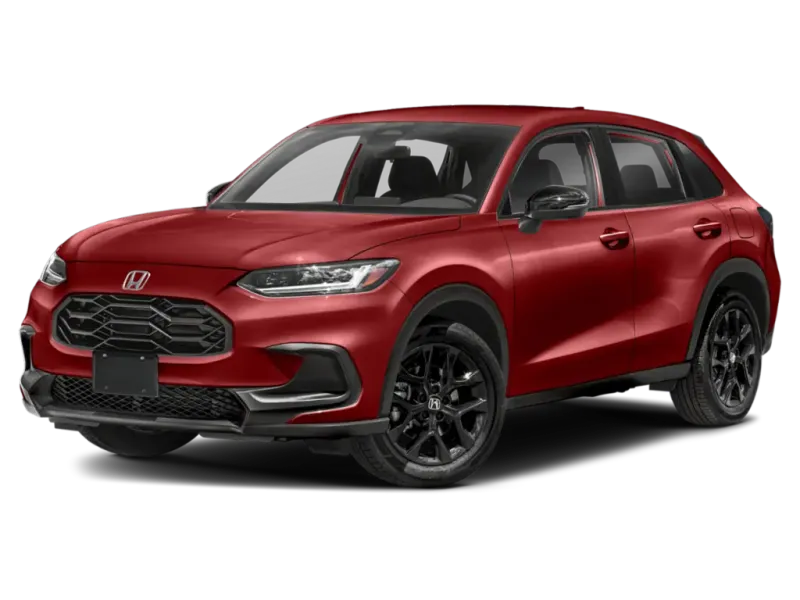
Honda HR-V
Score: 100/100
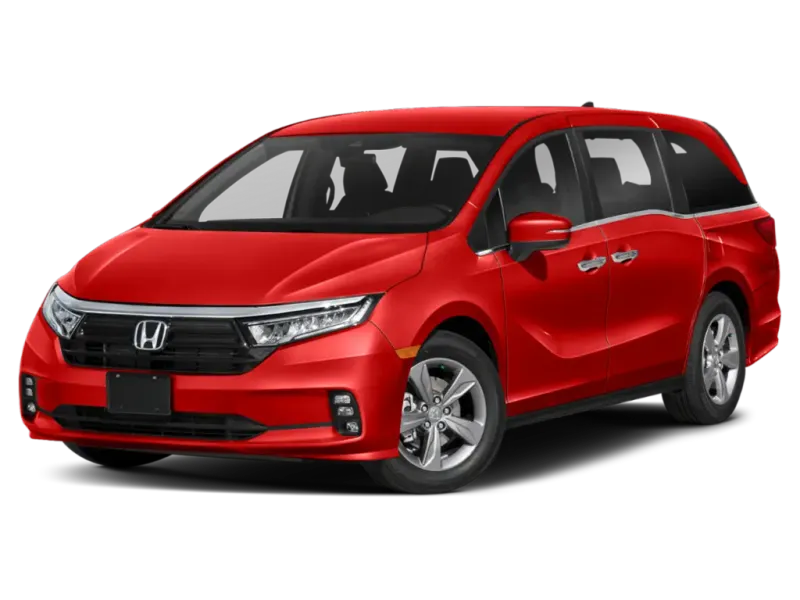
Honda Odyssey
Score: 74/100
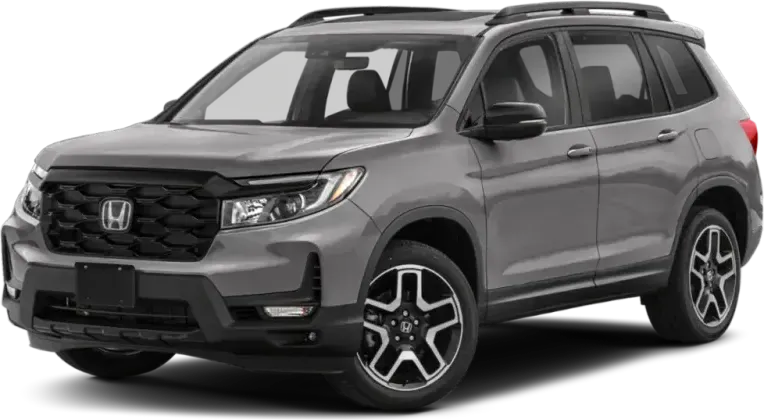
Honda Passport
Score: 84/100
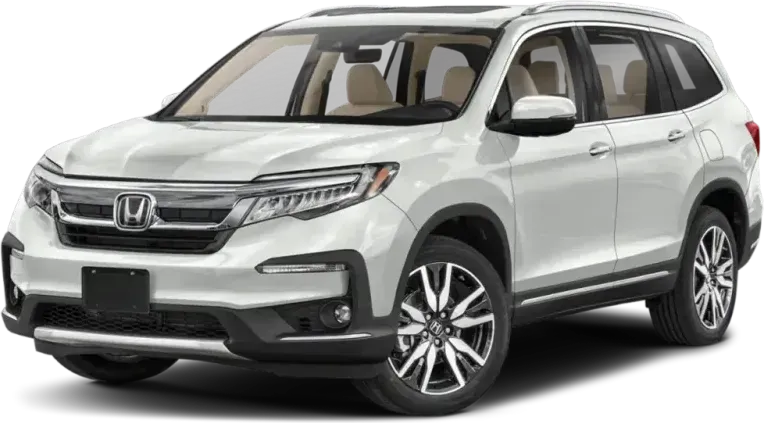
Honda Pilot
Score: 81/100
Browse More 2025 Vehicles
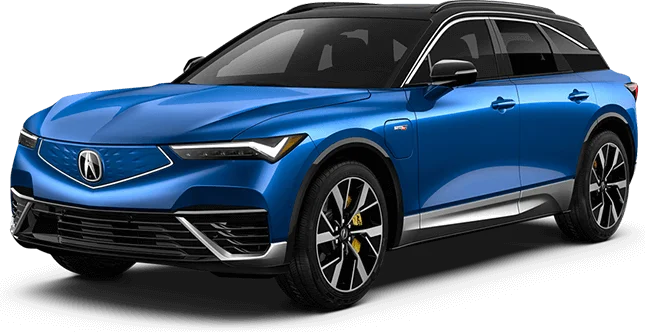
2025 Acura ZDX
Score: 88/100
2025 Honda HR-V
Score: 88/100
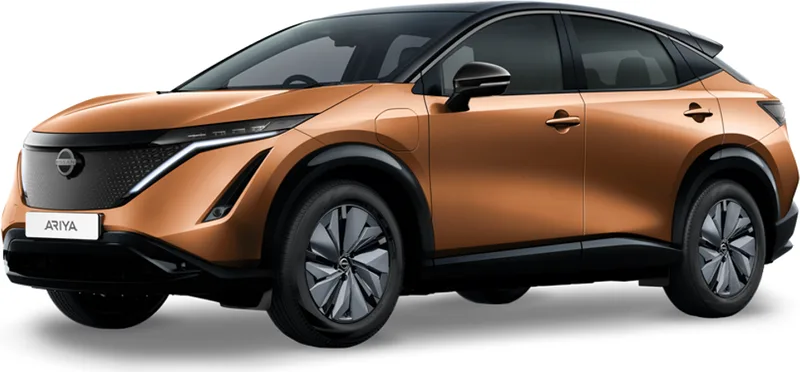
2025 Nissan Ariya
Score: 88/100
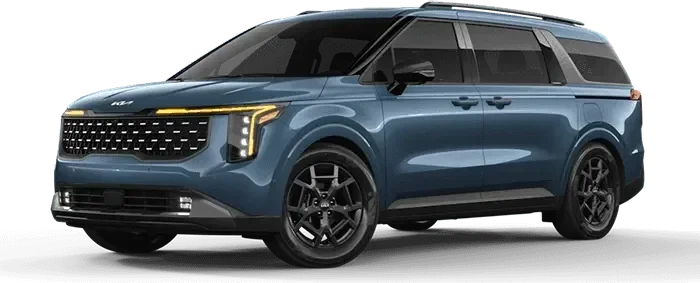
2025 KIA Carnival
Score: 88/100
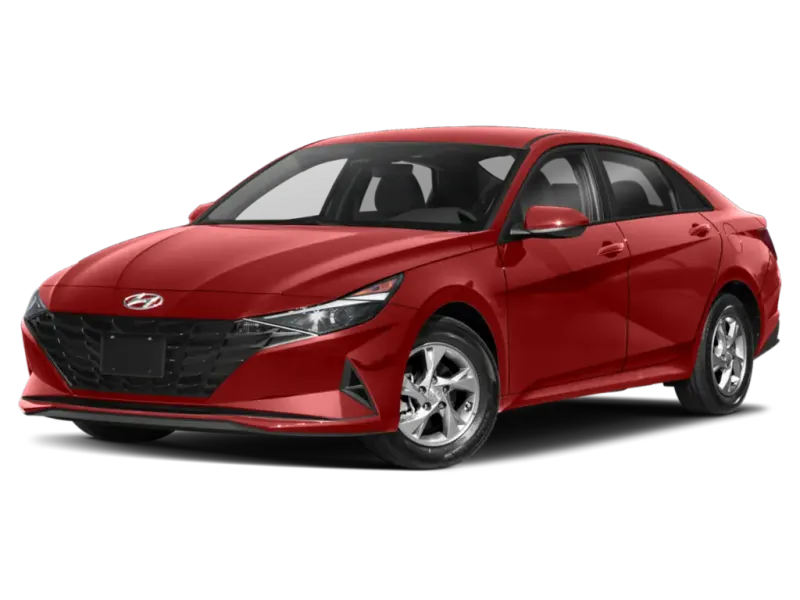
2025 Hyundai Elantra
Score: 87/100
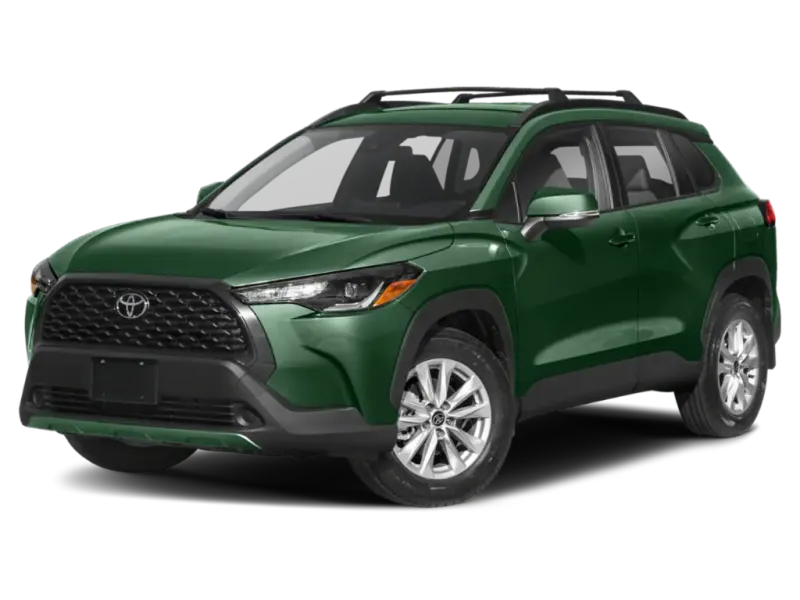
2025 Toyota Corolla Cross
Score: 86/100
See incorrect data? Report an issue