Last updated: 2026-10-10
Honda CR-V vs Toyota RAV4: Reliability Compared
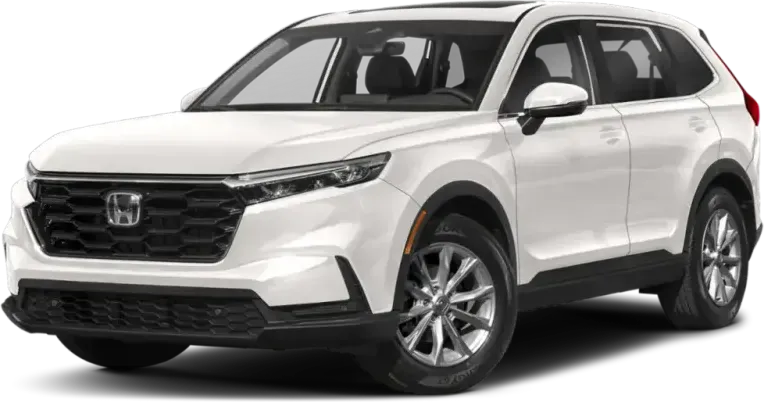
Honda CR-V
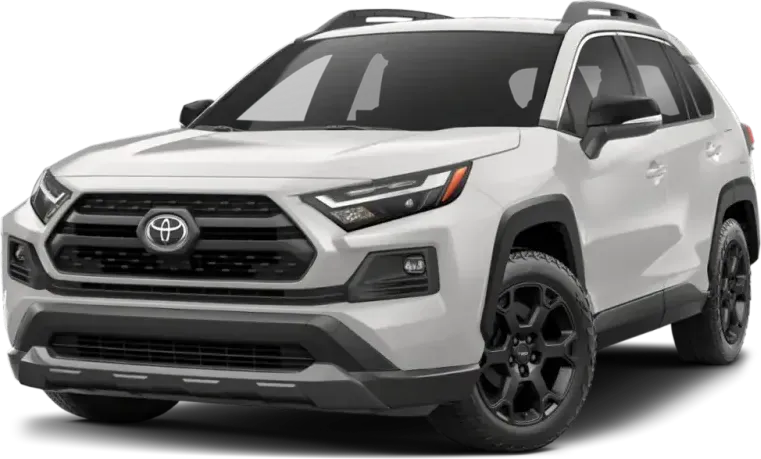
Toyota RAV4
On reliability, the Toyota RAV4 and Honda CR-V are effectively tied. The CR-V draws nearly twice the complaints per car sold, led by sticky steering. The RAV4's most serious pattern is air bags that owners say stayed folded in crashes.
How Do the Honda CR-V and Toyota RAV4 Generations Compare?
Verdict
The Toyota RAV4 is more reliable than the Honda CR-V, scoring 76/100 vs 75/100.
Call this one effectively tied. Independent repair-cost data puts the two within a few dollars a year, with the same rate of unscheduled shop visits and nearly the same odds that a repair is major. The gap shows up in owner complaints. The CR-V draws about 8 per 10,000 sold against 4.4 for the RAV4, driven by steering that sticks and automatic braking that fires with nothing ahead. The RAV4's lower count still includes 71 crash-linked air bag complaints, mostly bags that did not deploy. Neither record is clean, so the better pick depends on which risk you can check for before you buy.
Key Differences
- 1Honda CR-V costs $22 less per year to repair
- 2Honda CR-V has 7 fewer total recalls
- 3Toyota RAV4 has 3.6 fewer complaints per 10k sold
Category Scoreboard
Honda CR-V vs Toyota RAV4: Which Is More Reliable?
| Metric | Honda CR-V | Toyota RAV4 |
|---|---|---|
| Reliability Score | 75/100 | 76/100 |
| Years Tracked | 9 | 8 |
| Total Recalls | 46 | 53 |
| Complaints per 10k Sold | 8 | 4.4 |
| Annual Repair Cost | $407/yr | $429/yr |
| Repair Frequency | 0.3/yr | 0.3/yr |
| Major Repair Risk | 9% | 10% |
| Safety RatingNHTSA overall | 2026 NHTSA | 2025 NHTSA |
| Frontal | ||
| Side | ||
| Rollover | ||
| Year Wins | 3 | 5 |
What Are the Common Problems With the Honda CR-V and Toyota RAV4?
Steering defines the CR-V's record. Owners describe a wheel that catches near center and then lets go, and dealers usually diagnose a failing rack quoted at $3,500 to $4,478. Phantom braking adds a crash-linked area missing from the RAV4's main problems, with the car stopping hard for nothing ahead. The RAV4's crash-linked weak point is air bags, an area absent from the CR-V's main problems: owners report front and side bags that stayed folded in head-on, side, and pole crashes. Its other patterns are hybrid fuel tanks that stop filling early, coolant bypass valve failures, and floods of dashboard warnings. CR-V engine complaints center on highway limp mode and oil diluted by fuel.
| Component | Honda CR-V | Toyota RAV4 |
|---|---|---|
| STEERING | 1.8Low | 0.2Very Low |
| ELECTRICAL SYSTEM | 0.9Very Low | 0.7Very Low |
| ENGINE | 0.7Very Low | 0.5Very Low |
| FORWARD COLLISION AVOIDANCE | 1Very Low | —None |
| UNKNOWN OR OTHER | 0.3Very Low | 0.7Very Low |
| FUEL/PROPULSION SYSTEM | 0.4Very Low | 0.5Very Low |
| AIR BAGS | 0.2Very Low | 0.4Very Low |
| FUEL SYSTEM | 0.6Very Low | —None |
| SERVICE BRAKES | 0.4Very Low | 0.1Very Low |
| POWER TRAIN | 0.2Very Low | 0.3Very Low |
| STRUCTURE | 0.1Very Low | 0.2Very Low |
| VISIBILITY/WIPER | 0.2Very Low | —None |
| VEHICLE SPEED CONTROL | 0.1Very Low | 0.1Very Low |
| SEAT BELTS | —None | —None |
| EXTERIOR LIGHTING | —None | —None |
| SEATS | —None | —None |
| LANE DEPARTURE | —None | —None |
| ENGINE AND ENGINE COOLING | —None | —None |
| TIRES | —None | —None |
| BACK OVER PREVENTION | —None | —None |
Complaints per 10,000 units sold, aggregated across all tracked model years from NHTSA owner reports.
Which Is Cheaper to Maintain: Honda CR-V or Toyota RAV4?
How Does Honda CR-V vs Toyota RAV4 Reliability Compare by Year?
| Year | Honda CR-V | Toyota RAV4 | Edge |
|---|---|---|---|
| 2025 | 80/1006R / 201C | 84/1005R / 49C | Toyota RAV4 |
| 2024 | 77/1004R / 406C | 80/1006R / 150C | Toyota RAV4 |
| 2023 | 72/1007R / 578C | 80/1006R / 147C | Toyota RAV4 |
| 2022 | 76/1005R / 242C | 80/1006R / 133C | Toyota RAV4 |
| 2021 | 77/1003R / 241C | 73/1006R / 450C | Honda CR-V |
| 2020 | 74/10010R / 358C | 70/10011R / 611C | Honda CR-V |
| 2019 | 69/1007R / 996C | 66/10010R / 864C | Honda CR-V |
| 2018 | 65/1004R / 1960C | 76/1003R / 330C | Toyota RAV4 |
Best years to cross-shop: The 2024 Honda CR-V scored 77/100 and the 2024 Toyota RAV4 scored 80/100 — the strongest shared model years that have been on the road for at least two years, where available.
Who Should Buy the Honda CR-V vs the Toyota RAV4?
Honda CR-V vs Toyota RAV4: Common Questions
- Is the Toyota RAV4 more reliable than the Honda CR-V?
- No, the two are effectively tied. The RAV4 draws fewer owner complaints per vehicle sold, while the CR-V costs slightly less a year to repair. Each has a serious crash-linked pattern. CR-V owners report steering that sticks and phantom braking. RAV4 owners report air bags that did not deploy in crashes.
- Which has more recalls, the RAV4 or the CR-V?
- The RAV4 has more. Federal recall records list 53 recalls across 8 RAV4 model years, compared with 46 across 9 CR-V model years. The counts are close, and the CR-V's total covers one more year of cars. Check any specific vehicle's VIN for open recalls before buying.
- What is the Honda CR-V steering problem?
- Owners say the wheel sticks or catches when a turn begins or near center, then releases suddenly, so they overcorrect. Many also report clicking, creaking, or popping and extra effort returning to straight at 40 to 50 mph. Reports cluster around 47,000 to 53,000 miles. Dealers usually blame the steering rack or gearbox.
- Why won't the RAV4 Hybrid fuel tank fill all the way?
- Owners of Hybrid and Prime models say the 14.5-gallon tank takes only 10 to 11 gallons after the low-fuel light comes on. The pump clicks off early, or fuel surges up the filler neck and spills. Real range drops to about 400 miles. Toyota and dealers often call the shortfall normal or within spec.
- Which RAV4 and CR-V years should I avoid?
- Skip the 2019 and 2020 RAV4 and the 2018 and 2019 CR-V, the weakest years for each. If you want a RAV4, the 2022 facelift year ranks among its strongest. The newest CR-V years look strong, but they have had less time on the road to collect complaints.
Related Reliability Comparisons
More Honda CR-V comparisons
Decided between Honda CR-V and Toyota RAV4? Run a VIN check before you buy — uncover hidden accidents, title issues, and open recalls.
How we score the Honda CR-V and Toyota RAV4
Scores weight complaint severity at 35%, repair costs at 30%, recall impact at 20%, and the spread of complaints across systems at 15%, with complaint counts adjusted for US sales. Read the full methodology.
See incorrect data? Report an issue