Last updated: 2026-10-10
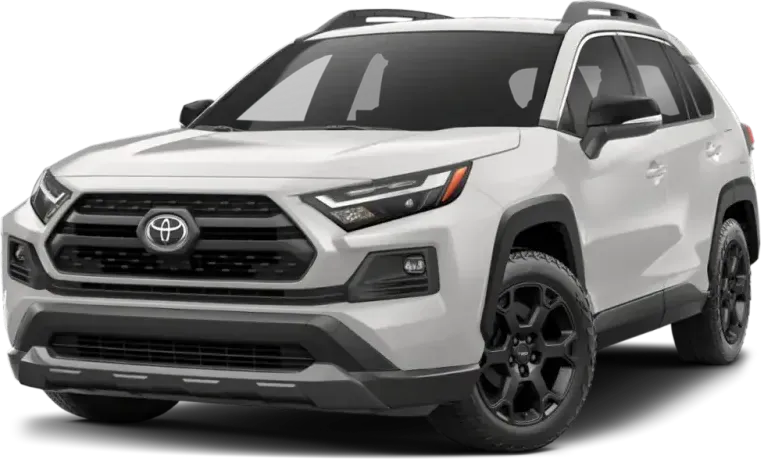
2020 Toyota RAV4 Reliability Report
The 2020 Toyota RAV4 has a good reliability standing, but a failed coolant bypass valve is its most common complaint.
Recalls
11
Complaints
611
Complaint Rate
14.2per 10,000 sold
Est. Repair Cost
$429
Annual Fuel Cost
$2,000–$2,200
Detailed Score Breakdown
Component-weighted complaints normalized by sales volume
Independent repair cost ratings
Recall count weighted by severity
Breadth of reported problem categories
The Verdict
Close to average among 2020 SUVs but weaker than most RAV4 years, with coolant bypass valve failures, battery drain, and 11 recalls.
Top Issues to Watch
- ENGINE (120)
- ELECTRICAL SYSTEM (109)
- FUEL/PROPULSION SYSTEM (79)
Generation & Refresh (US)
2020 is year 2 of the Fifth generation (XA50).
- Redesigned for the 2019 model year.
- A refresh arrives in 2022.
- 5th generation RAV4 (US).
What this means for buyers
Year 2 is typically a safer pick than the first model year — early issues are more likely to be identified, but the platform is still new.
If you're comparing prices, check 2019 (redesign year) vs 2020+ pricing and recalls.
2019: Fifth generation (XA50) Launch
Generation start — new platform.
2020: This Model Year
2020 is year 2 of the Fifth generation (XA50).
2022: Mid-Cycle Refresh
Updated features and styling tweaks.
Should You Buy the 2020 Toyota RAV4?
Good, with caveats. This is one of the weaker years among the eight scored RAV4 years, and it sits close to average against other 2020 SUVs. The 2021 rates better, with fewer complaints and recalls, while the 2019 rates worse. Crash-test results are strong at 5 of 5 stars, and independent repair-cost data puts yearly costs at $429 against $521 for the class.
The headline problem is a failed coolant bypass valve. It triggers an "Engine Maintenance Required, Visit Your Dealer" message that will not clear, often only with the A/C or heater on. Failures run from roughly 30,000 to 66,000 miles, and dealers often quote around $700. Some owners also report dead batteries after a day parked, even on low-mileage cars. Hybrid owners say the tank will not fill fully, so range falls to about 370 to 430 miles. Federal recall records list 11 recalls, including air bags, steering, and the fuel system.
Ask for service records covering the coolant bypass valve and any battery replacements. Confirm every recall, air bags above all, has been completed, since owners describe long waits for parts. A 2021 is worth comparing.
Compared to the 2021 Toyota RAV4, which scored 3 points higher. See also the 2019 Toyota RAV4 for an earlier comparison.
Pros
- +Acceptable reliability score
- +$92 cheaper to maintain than avg compact SUVs
- +Infrequent unscheduled repairs
- +Low major repair risk (10%)
Cons
- −Above-average recall count
- −ENGINE: Failed coolant bypass valve is by far the most common report (120 complaints)
- −ELECTRICAL SYSTEM: Warning messages that cover the speedometer and other gauge readouts lead these... (109 complaints)
Compare 2020 Toyota RAV4 With
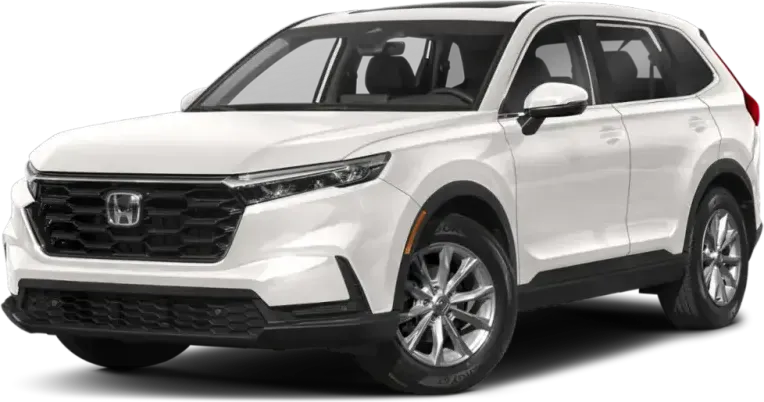
2020 Honda CR-V
Reliability: 74/100
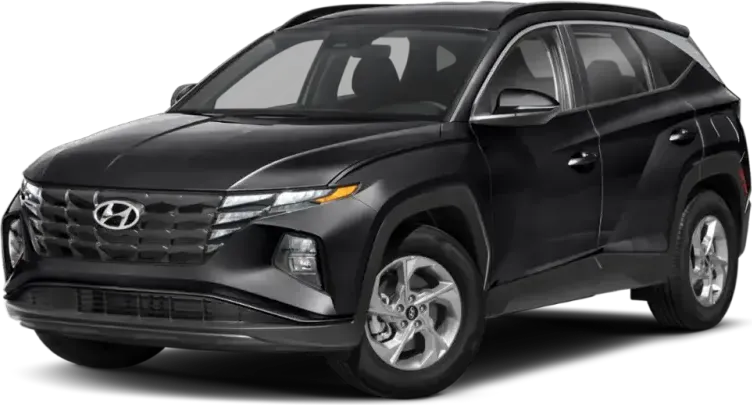
2020 Hyundai Tucson
Reliability: 73/100
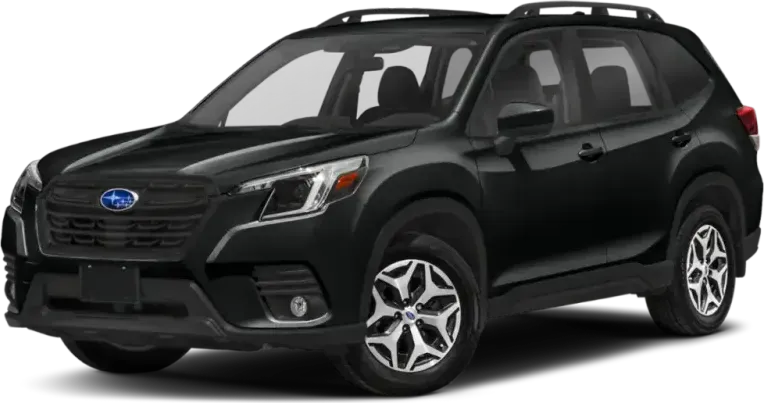
2020 Subaru Forester
Reliability: 71/100
2020 Kia Sportage
Reliability: 69/100
2020 GMC Terrain
Reliability: 68/100
Common Problem Categories
Safety
LOW RISK- 11 manufacturer recalls issued
Other
HIGH RISK- ENGINE (120)
- ELECTRICAL SYSTEM (109)
Recall Overview
11
recalls on record
The 2020 Toyota RAV4 has 11 recalls on record, which is above average. A high count can flag multiple component concerns, though it also shows the manufacturer is actively addressing known issues.
NHTSA.gov →Complaint Breakdown
14.2
per 10,000 soldSegment avg: 20.2
Safety Incidents
16
Crashes
5
Fires
13
Injuries
0
Deaths
NHTSA 5/5 Stars
Data sourced from NHTSA complaint filings and manufacturer recall notices. Complaint narratives are owner-reported.
2020 Toyota RAV4 Recall Details
11 recalls have been issued for the 2020 Toyota RAV4. All recall repairs are performed free of charge at authorized dealerships.
AIR BAGS
Toyota Motor Engineering & Manufacturing (Toyota) is recalling certain 2020-2021 Avalon, Avalon Hybrid, Corolla, Highlander, Highlander Hybrid, RAV4, RAV4 Hybrid, Lexus ES350, Lexus RX350, Lexus RX450H, 2021 Sienna Hybrid, Lexus ES250, 2020-2022 Camry, Camry Hybrid, and ES300H vehicles. A short circuit may develop in the Occupant Classification System (OCS) sensor, preventing the front passenger air bag from deploying.
Consequence
An air bag that does not deploy during a crash increases the risk of injury.
Remedy
Dealers will inspect and replace the sensor as necessary, free of charge. Interim letters notifying owners of the safety risk were mailed in February 2024. Some final remedy owner letters were mailed October 31, 2024. Letters will continue to be mailed in phases through January 2026. Owners may contact Toyota customer service at 1-800-331-4331. Toyota's number for this recall is 23TB15/23TA15 Lexus 23LB03/23LA03.
AIR BAGS, STEERING
Toyota Motor Engineering & Manufacturing (Toyota) is recalling certain 2020-2021 Toyota Avalon and 2020 Avalon Hybrid, RAV4, and RAV4 Hybrid vehicles. Breakaway pins within the steering column, designed to absorb energy and reduce injury during a crash, could have been damaged during production, possibly affecting the performance of the driver's air bag in the event of a crash. As such, these vehicles fail to comply with the requirements of Federal Motor Vehicle Safety Standard number 208, "Occupant Crash Protection."
Consequence
In the event of a crash, an air bag that does not perform as designed can increase the risk of injury.
Remedy
Toyota will notify owners, and dealers will replace the steering column, free of charge. The recall began December 18, 2020. Owners may contact Toyota customer service at 1-800-331-4331. Toyota's number for this recall is 20TB17/20TA17.
FUEL SYSTEM, GASOLINE
Toyota Motor Engineering & Manufacturing (Toyota) is recalling certain 2018-2019 4Runner, 2019-2020 Avalon, 2019 Corolla Hatchback, 2017-2019 Highlander, 2018-2020 Camry, 2020 Corolla, 2018-2019 Land Cruiser, 2017-2020 Tacoma, 2019-2020 RAV4, 2019-2020 Sequoia, 2017-2020 Sienna, 2019-2020 Tundra, 2018-2020 Lexus ES350, 2017 Lexus GS200t, 2017-2019 Lexus GS350, 2019 Lexus GS300, 2018-2020 Lexus LC500h, 2019-2020 Lexus LS500, 2018-2019 Lexus GX460, 2017 Lexus IS200t, 2019 Lexus IS300, 2019 Lexus IS350, 2018-2020 Lexus LC500, 2018 Lexus LS500, 2019 Lexus LS500h, 2018-2019 Lexus LX570, 2017 Lexus RC200t, 2019 Lexus RC300, RC350, 2017 and 2019-2020 Lexus RX350, 2018-2020 RX350L, 2019 Lexus UX200, 2018-2019 Lexus NX300 vehicles. The low-pressure fuel pump inside the fuel tank may fail.
Consequence
If the fuel pump fails, the engine can stall while driving, increasing the risk of a crash.
Remedy
Toyota will notify owners, and dealers will replace the fuel pump assembly with an improved one, free of charge. Owners of specific models were notified that remedy parts were available starting January 21, 2021. Owners of other models will be notified as remedy parts become available. Remedy parts should be available for all affected vehicles by late March 2021. Owners may contact Toyota customer service at 1-888-270-9371 or Lexus customer service at 1-800-255-3987. Note: This recall is an expansion of recall 20V-012. Toyota's number for this recall is 20TA02. Lexus' number for this recall is 20LA01.
Buying a used 2020 Toyota RAV4? Check its history first
Engine problems lead owner complaints about the 2020 Toyota RAV4, and 11 recalls were issued for it. A VIN check shows whether this car's recall work was done, plus accident, title, and odometer history.
- Accidents
- Open Recalls
- Title History
- Odometer Rollback
2020 Toyota RAV4 NHTSA Safety Ratings
Overall Safety Rating
Crash Test Results by Configuration (expand)
Gas Powertrain
Rollover risk: 15.5%
Safety Technologies
HEV Powertrain
Rollover risk: 15.5%
Safety Technologies
Toyota RAV4Repair Costs & Maintenance
Maintenance Rating
4Maintenance rating: 4 out of 5Based on NHTSA complaint patterns, recall severity, and publicly available cost benchmarks.
Est. Annual Maintenance
$429
vs $521 avg for compact SUVs
vs $652 avg for all vehicles
Repair Frequency
0.3
unscheduled repair visits per year
Severe Repair Probability
10%
chance of a major repair
Annual Cost Comparison
Category-level averages derived from publicly available industry reports (AAA, CarMD). Model-level estimates produced by Auto Reliability Index.
Toyota RAV4 Resale Value
The Toyota RAV4 is estimated to retain about 83.1% of its original value after 5 years, based on observed used-car listings.
This benchmark covers the Toyota RAV4 model overall and is not specific to the 2020 model year.
- Value Retained
- 83.1%
- Depreciation
- 16.9%
- Listings Analyzed
- 719
after 5 years
over the same period
U.S. used-car listings
Listings observed in . Actual resale value varies by trim, mileage, condition, and location.
Explore Toyota RAV4 depreciation and resale value on CarResaleValue.comMPG & Annual Running Costs
Gas
27–30 MPG
Running cost: $2,450–$2,650/yr
Fuel + repair
25–28 city / 32–35 hwy MPG
Hybrid
40 MPG
Running cost: $1,950/yr
Fuel + repair
41 city / 38 hwy MPG
Running cost includes EPA fuel-cost estimate and independent repair-cost data (repair cost estimated at model level). Excludes routine maintenance, depreciation, and insurance. Data as of 2020 EPA label cycle.
Gas trims
| Trim | Drive | Trans. | City | Hwy | Comb | Fuel Cost |
|---|---|---|---|---|---|---|
| RAV4 2.5L 4-cyl | Front-Wheel Drive | Automatic (S8) | 27 | 35 | 30 | $2,000 |
| RAV4 2.5L 4-cyl | Front-Wheel Drive | Automatic (S8) | 28 | 35 | 30 | $2,000 |
| RAV4 AWD LE 2.5L 4-cyl | All-Wheel Drive | Automatic (S8) | 27 | 34 | 30 | $2,000 |
| RAV4 AWD 2.5L 4-cyl | All-Wheel Drive | Automatic (S8) | 27 | 33 | 29 | $2,050 |
| RAV4 AWD 2.5L 4-cyl | All-Wheel Drive | Automatic (S8) | 25 | 33 | 28 | $2,150 |
| RAV4 AWD TRD OFFROAD 2.5L 4-cyl | All-Wheel Drive | Automatic (S8) | 25 | 32 | 27 | $2,200 |
Hybrid trims
| Trim | Drive | Trans. | City | Hwy | Comb | Fuel Cost |
|---|---|---|---|---|---|---|
| RAV4 Hybrid AWD 2.5L 4-cyl | All-Wheel Drive | Automatic (AV-S6) | 41 | 38 | 40 | $1,500 |
Used Buying Checklist
Key things to inspect or verify before purchasing a 2020 Toyota RAV4.
Start the engine, turn on the A/C and heater, and watch for an Engine Maintenance Required message that will not clear.
Ask for service records showing whether the coolant bypass valve has already been replaced.
On a hybrid, fill up from the low-fuel light and compare the gallons pumped with the 14.5-gallon rating.
Run the VIN for open recalls and confirm the passenger airbag recall remedy has been completed.
Open and close the liftgate several times and check the hinges for bends, loose bolts, or misalignment.
Inspect the sunroof glass for cracks and the hood paint for peeling, especially on Blueprint cars.
Drive at least 10 minutes and watch for power steering warnings or the car pulling to one side.
Ask whether the battery has been replaced repeatedly or needed jump starts after the car sat overnight.
2020 Toyota RAV4 Common Problems by Component
611 owner complaints grouped by vehicle system.
ENGINE
120 complaintsRAV4 engine problems across all model years
A failed coolant bypass valve is by far the most common report. It triggers an "Engine Maintenance Required, Visit Your Dealer" message that cannot be cleared, often appearing only when the A/C or heater is on. Failures cluster between roughly 27,300 and 55,000 miles, after the basic warranty ends, and dealers usually quote around $700 for the repair. Some technicians warn that leaving it unfixed risks overheating. A smaller group reports batteries that go dead after one day parked on cars under 10,000 miles, with no fault found.
ELECTRICAL SYSTEM
109 complaintsSafety-relatedRAV4 electrical problems across all model years
Warning messages that cover the speedometer and other gauge readouts lead these reports. The cause is usually a coolant bypass valve that leaks into its electrical connector and shorts. The second pattern is battery drain: low-mileage cars go dead after sitting less than 24 hours, and some owners replace the battery several times. One parked car caught fire weeks after a dealer software update for battery drain, though the fire marshal could not determine the cause. One crash report blames a brake failure.
UNKNOWN OR OTHER
84 complaintsSafety-relatedThese reports cover several problems. Coolant bypass valve failures again bring the uncleared engine maintenance warning, and in one case the car would not start and had to be towed. Several owners say the sunroof shattered at highway speed with no impact, once at about 5,000 miles. Other reports include an under-hood fire while driving, a crash blamed on weak braking, lane tracing that steers toward the lane edge, and repeated no-start events that dealers could not reproduce.
FUEL/PROPULSION SYSTEM (79 complaints)
FUEL/PROPULSION SYSTEM
79 complaintsRAV4 fuel system problems across all model years
Hybrid models will not take a full tank. The pump shuts off at roughly 8 to 11 gallons even though the tank is rated at 14.5, so real range runs around 370 to 430 miles instead of the advertised figure near 580. The problem appears from the first fill-up. Some owners say the distance-to-empty reading is wrong and they nearly ran out of fuel. Dealers often call it normal, and some owners say a tank replacement under the recall improved capacity only slightly or not at all.
AIR BAGS (50 complaints)
AIR BAGS
50 complaintsSafety-relatedMost of these filings concern a recall for a front passenger airbag that may not deploy because of faulty occupant classification sensors. Owners report waiting a year or more because the remedy parts are unavailable, and dealers keep telling them no fix exists yet. Separately, there are 7 crash reports in which airbags did not deploy, including frontal, side, and rear impacts, with 3 injuries. Some of these owners got the recall notice only after their crash.
STRUCTURE (42 complaints)
STRUCTURE
42 complaintsSafety-relatedRear liftgate hinges bend, loosen, or tear away from their mounts, so the hatch sits crooked and will not close fully. One report puts this at about 22,500 miles, and owners say they paid for the fix themselves. Other complaints include door lock actuators failing on all four doors after the warranty, sunroof glass shattering on the highway, peeling hood paint on Blueprint-colored cars, water sloshing inside the doors, and costly front-end damage from a very low-speed bump.
POWER TRAIN (34 complaints)
POWER TRAIN
34 complaintsAn engine maintenance warning that will not clear leads these reports, traced to a failed coolant bypass valve between about 38,000 and 59,210 miles. The warning often shows up right after a routine service visit, and the powertrain warranty does not cover it. Hybrid owners also describe sudden power loss on the highway with a "Hybrid System Malfunction" warning, plus grinding in reverse. One car stalled on the highway and set off multiple warning lights. In one report, the car rolled and ran over its owner after they stepped out.
STEERING (26 complaints)
STEERING
26 complaintsSafety-relatedElectric power steering assist cuts out for a moment, a warning flashes, then clears. Some owners see this many times over a few months, mostly in the first minutes of driving. Others get an "Engine Stopped, Steering Power Low" message as the engine shuts off and the car will not move. Cars pulling left or right, with or without lane assist, is another pattern, along with grinding or crunching when turning. One owner says the car had the recalled failure but their VIN was not covered.
ENGINE AND ENGINE COOLING (14 complaints)
ENGINE AND ENGINE COOLING
14 complaintsSafety-relatedRAV4 engine problems across all model years
The same bypass valve fault shows up here, between about 30,000 and 66,000 miles. One owner needed the valve replaced twice, and others waited on backordered parts. Several owners cite an engine cooling recall whose parts were unavailable. More serious cases include overheating and shuddering at highway speed, white smoke from coolant intrusion that required a new engine at about 100,000 miles, and a car that caught fire while parked and unoccupied. The fire department blamed the electrical system or fuel pump.
VEHICLE SPEED CONTROL (7 complaints)
VEHICLE SPEED CONTROL
7 complaintsSafety-relatedTwo crash reports describe the car surging forward at low speed in a parking lot and hitting a building, with 3 injuries between them. A hybrid lost all accelerator response in traffic after a hybrid system warning. Radar cruise control sometimes detects a collision that is not there and brakes hard, including in slushy snow. One dealer fixed this by cleaning the grille emblem that houses the sensor. Lane centering with cruise control can also drift toward the left edge of the lane.
When Do 2020 Toyota RAV4 Problems Start?
Based on owner complaint patterns, here's when common issues tend to appear.
Best & Worst Toyota RAV4 Years
Best Toyota RAV4 Years to Buy
Based on reliability index scoreToyota RAV4 Years to Avoid
Toyota RAV4 Reliability Score Trend
Scores 0–100. Higher is better. Current year highlighted.
| Year | Score | Rating |
|---|---|---|
| 2018 | 76/100 | Good |
| 2019 | 66/100 | Good |
| 2020 | 70/100 | Good |
| 2021 | 73/100 | Good |
| 2022 | 80/100 | Excellent |
| 2023 | 80/100 | Excellent |
| 2024 | 80/100 | Excellent |
| 2025 | 84/100 | Excellent |
Toyota RAV4 Reliability Compared to Other Years
2020 Toyota RAV4 Reliability by Powertrain
The 2020 Toyota RAV4 is available with 2powertrain options. Here's how they compare on reliability.
| Powertrain | Complaints | Recalls | Incidents* | Crash Rating |
|---|---|---|---|---|
| Gas | 598 | 6 | 21 | 5 out of 5 |
| HEV | 13 | 5 | 0 | 5 out of 5 |
| Total | 611 | 11 | 21 |
NHTSA tracks complaints by vehicle configuration when that detail is available. Model-level reports that do not identify a specific powertrain are included in Total but not assigned to a row. A plus sign indicates a confirmed minimum; — means no complaints could be attributed to that specific powertrain. N/T = Not tested by NHTSA.
* Incidents = crash + fire reports. A single complaint can include multiple incident types.
Frequently Asked Questions
Is the 2020 Toyota RAV4 reliable?
What are the most common problems with the 2020 Toyota RAV4?
Does the 2020 Toyota RAV4 have coolant bypass valve problems?
Does the 2020 Toyota RAV4 Hybrid have a fuel tank problem?
How many recalls does the 2020 Toyota RAV4 have?
Don’t buy a 2020 Toyota RAV4 without checking its VIN first — hidden accidents, title issues, and open recalls could cost you thousands.
How we score the 2020 Toyota RAV4
Of the four inputs behind this score, the 2020 Toyota RAV4 does best on repair costs (80/100) and worst on complaint severity (59/100). Scores weight complaint severity at 35%, repair costs at 30%, recall impact at 20%, and the spread of complaints across systems at 15%, with complaint counts adjusted for US sales. Read the full methodology.
Get notified when new recalls or reliability data is added for the Toyota RAV4.
No spam. Only data updates for this model.
Browse More Toyota Models

Toyota 4Runner
Score: 84/100
Toyota Avalon
Score: 80/100
Toyota C-HR
Score: 80/100
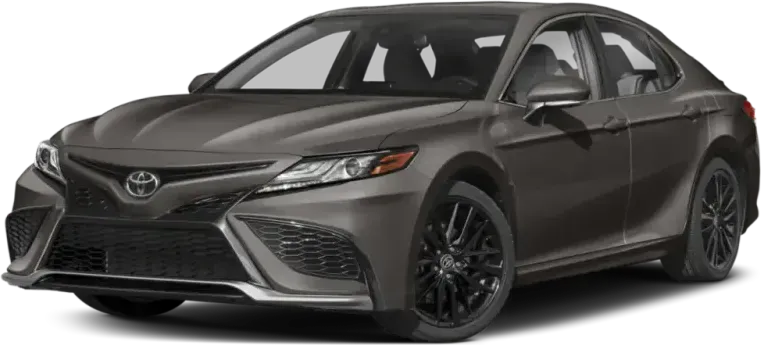
Toyota Camry
Score: 88/100
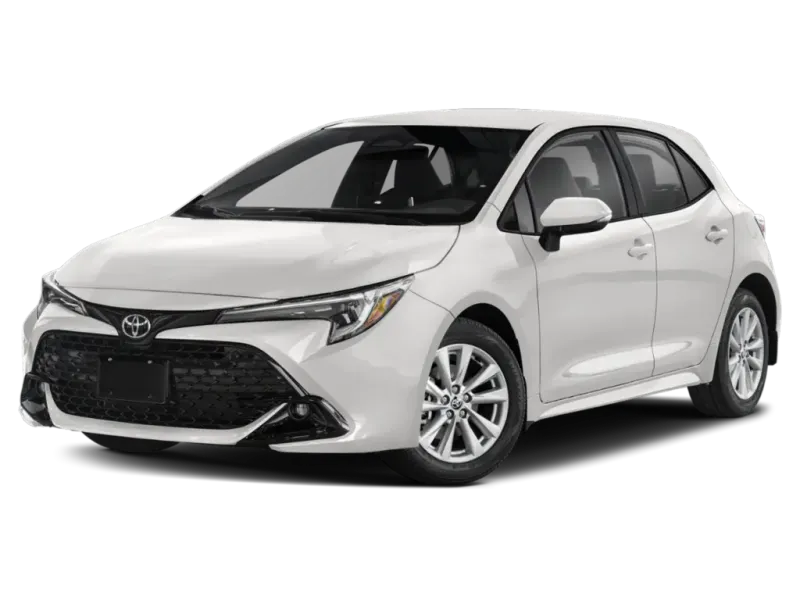
Toyota Corolla
Score: 94/100
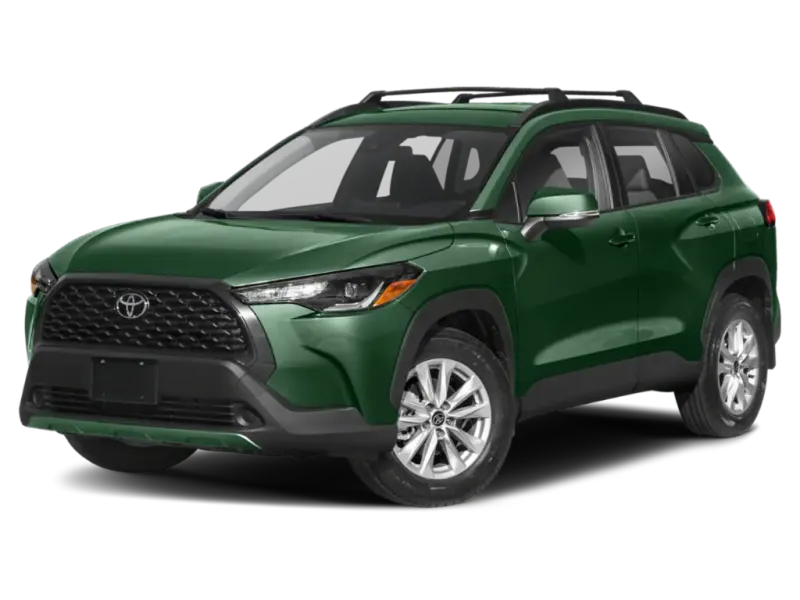
Toyota Corolla Cross
Score: 94/100
Browse More 2020 Vehicles
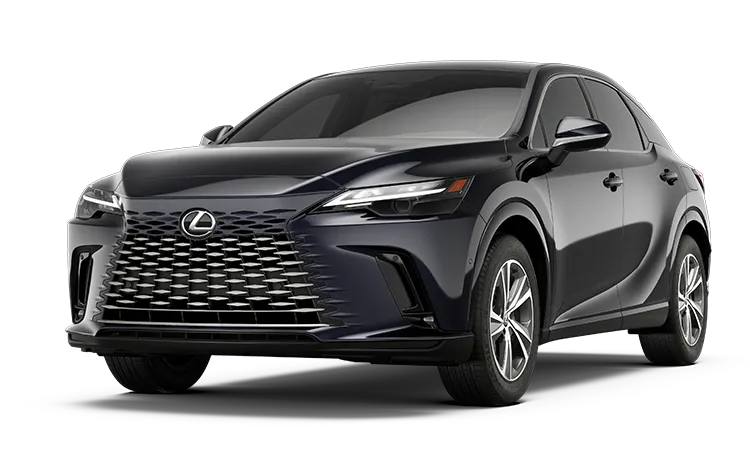
2020 Lexus RX
Score: 86/100
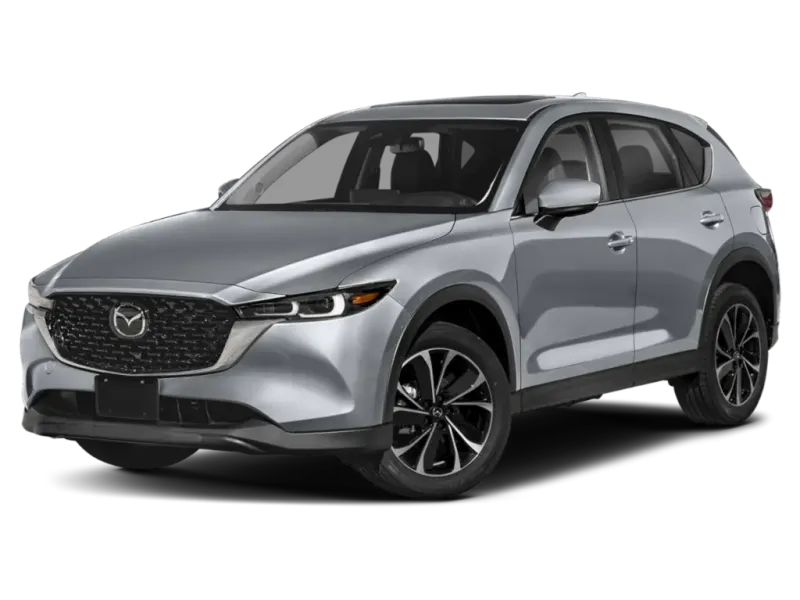
2020 Mazda CX-5
Score: 86/100
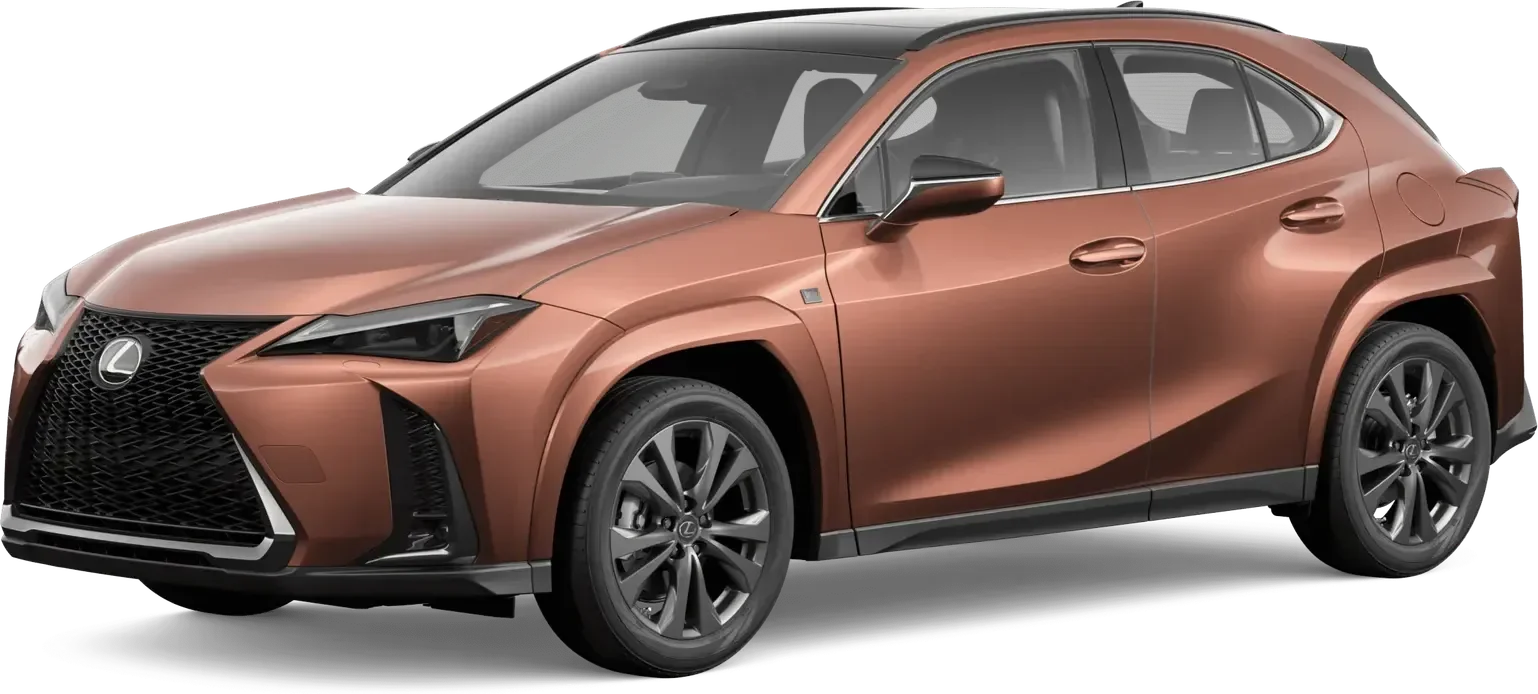
2020 Lexus UX
Score: 84/100
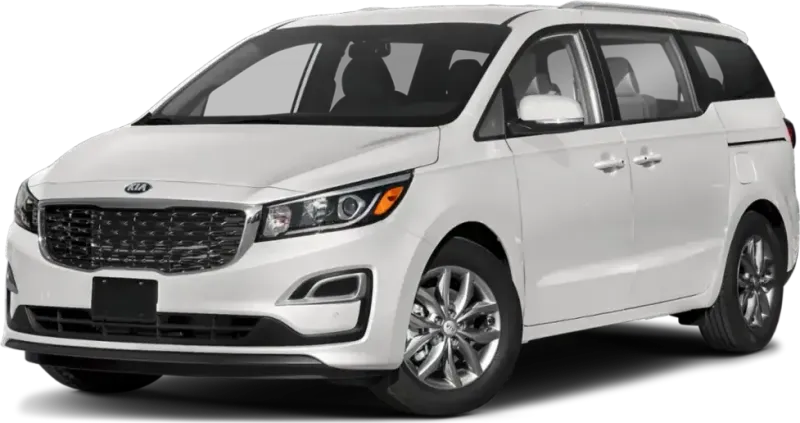
2020 Kia Sedona
Score: 83/100
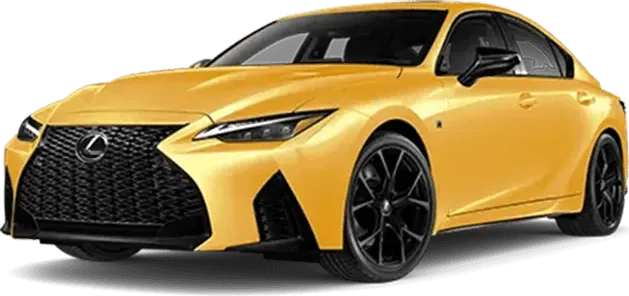
2020 Lexus IS
Score: 83/100
2020 Dodge Grand Caravan
Score: 83/100
See incorrect data? Report an issue