Last updated: 2026-11-20
Kia Sportage vs Mazda CX-5: Reliability Compared
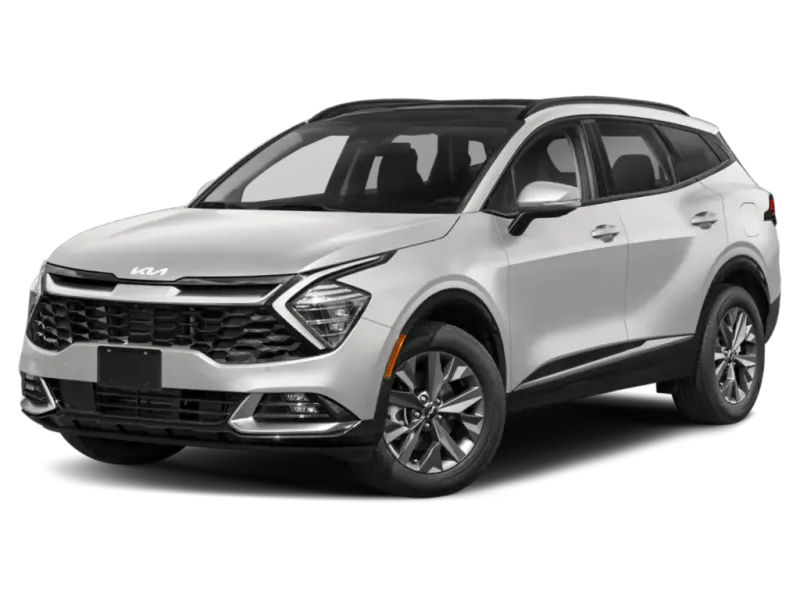 Kia Sportage
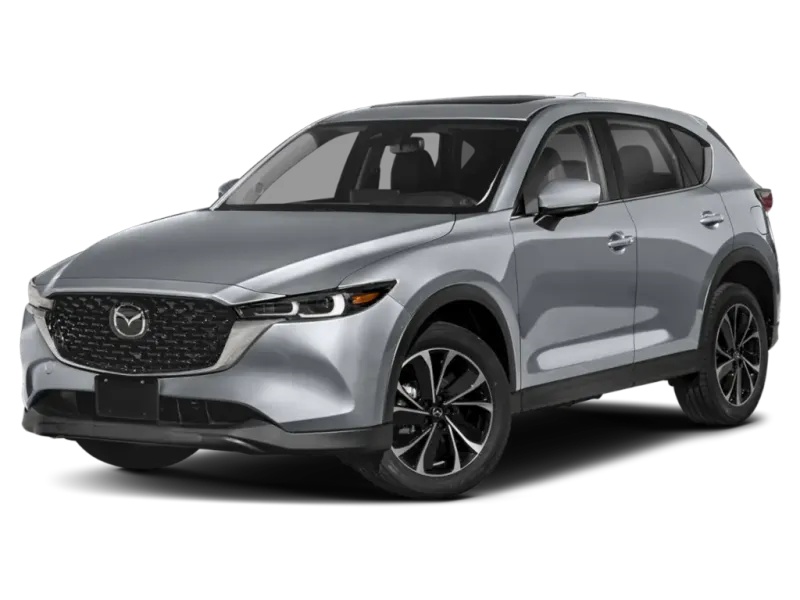 Mazda CX-5
The CX-5 takes 5 of 6 rounds
The Mazda CX-5 beats the Kia Sportage on reliability by a wide margin, mainly on recalls. Federal records show 5 for the CX-5 and 28 for the Sportage. Both models burn oil, but the Sportage also has serious speed control and braking complaints.
How Do the Kia Sportage and Mazda CX-5 Generations Compare?
Verdict
The Mazda CX-5 is more reliable than the Kia Sportage, scoring 84/100 vs 74/100.
Reliability favors the CX-5 by a large margin, and recall history is the deciding reason. Federal recall records show 5 recalls for it against 28 for the Sportage. Independent repair-cost data also gives the CX-5 a lower yearly cost and a lower chance of a major repair. The CX-5 does draw slightly more owner complaints per vehicle sold, mostly about oil use. The Sportage pairs its heavy recall history with some of the more frightening failure reports, including fire and runaway cruise control.
Biggest gaps
- Mazda CX-5 has 23 fewer total recalls
- Kia Sportage needs 0.1 fewer repairs per year
- Mazda CX-5 has 3% lower major repair risk
Round by round
- Reliability ScoreCX-5
- Total RecallsCX-5
- Complaint RateCX-5
- Annual Repair CostCX-5
- Repair FrequencySportage
- Major Repair RiskCX-5
Leaning Kia Sportage or Mazda CX‑5? Check the exact car before you buy
Whichever wins on paper, the car in front of you has its own past. A VIN check shows its accidents, title history and any open recalls.
Kia Sportage vs Mazda CX-5: Which Is More Reliable?
| Metric | Kia Sportage | Mazda CX-5 |
|---|---|---|
| Reliability ScoreOut of 100, higher is better | 74/100 | 84/100 |
| Years Tracked | 9 | 9 |
| Total RecallsLower is better | 28 | 5 |
| Complaints per 10k SoldLower is better | 6.9 | 6.4 |
| Annual Repair CostLower is better | $462/yr | $447/yr |
| Repair FrequencyUnscheduled shop visits a year | 0.2/yr | 0.3/yr |
| Major Repair RiskChance a repair is major | 11% | 8% |
| Year WinsModel years with the higher score | 0 | 9 |
What Are the Common Problems With the Kia Sportage and Mazda CX-5?
Oil loss is the shared weakness. Sportage owners report a quart gone every few hundred miles, sometimes ending in rod bearing damage or total engine failure. CX-5 owners report adding a quart between changes, mostly on turbo engines, and worry about long-term damage. The Sportage also has complaints of cruise control jumping to 110 mph and automatic emergency braking that slams on for nothing. Both models have crash-linked reports in brakes and electrical systems. Only the Sportage shows crash-linked speed control and collision avoidance complaints. The CX-5 adds noisy LED headlights and brake pads and rotors that wear early.
| Kia Sportage | Problem area | Mazda CX-5 |
|---|---|---|
1.9 | Engine | 2.3 |
1.0 | Electrical | 0.7 |
0.6 | Brakes | 0.4 |
0.2 | Transmission | 0.3 |
0.2 | Automatic emergency braking | 0.2 |
0.3 | Acceleration and cruise control | 0.1 |
0.2 | Body and structure | 0.2 |
0.1 | Airbags | 0.2 |
0.1 | Fuel system | 0.1 |
0.1 | Wipers and visibility | 0.1 |
<0.1 | Headlights and exterior lights | 0.2 |
0.1 | Steering | <0.1 |
<0.1 | Trailer hitches | 0 |
<0.1 | Seats | <0.1 |
<0.1 | Lane keeping | <0.1 |
0 | Suspension | <0.1 |
0 | Wheels and tires | <0.1 |
1.0 | Other or unspecified | 0.7 |
Complaints per 10,000 units sold, aggregated across all tracked model years from NHTSA owner reports. Shorter bars mean fewer complaints.
Kia Sportage problem guides
Mazda CX-5 problem guides
Which Is Cheaper to Maintain: Kia Sportage or Mazda CX-5?
How Does Kia Sportage vs Mazda CX-5 Reliability Compare by Year?
| Year | Kia Sportage | Mazda CX-5 | Edge |
|---|---|---|---|
| 2026 | 83/1003 recalls · 47 complaints | 94/1000 recalls · 20 complaints | CX-5+11 |
| 2025 | 81/1002 recalls · 77 complaints | 87/1000 recalls · 29 complaints | CX-5+6 |
| 2024 | 77/1004 recalls · 112 complaints | 87/1000 recalls · 47 complaints | CX-5+10 |
| 2023 | 66/1009 recalls · 316 complaints | 86/1000 recalls · 67 complaints | CX-5+20 |
| 2022 | 78/1001 recall · 47 complaints | 87/1000 recalls · 66 complaints | CX-5+9 |
| 2021 | 75/1002 recalls · 54 complaints | 82/1000 recalls · 150 complaints | CX-5+7 |
| 2020 | 67/1002 recalls · 172 complaints | 85/1000 recalls · 110 complaints | CX-5+18 |
| 2019 | 73/1002 recalls · 72 complaints | 74/1002 recalls · 277 complaints | CX-5+1 |
| 2018 | 67/1003 recalls · 166 complaints | 70/1003 recalls · 357 complaints | CX-5+3 |
Best years to cross-shop: The 2022 Kia Sportage scored 78/100 and the 2024 Mazda CX-5 scored 87/100, the strongest shared model years that have been on the road for at least two years, where available.
Who Should Buy the Kia Sportage vs the Mazda CX-5?
Team CX-5Choose the CX-5 if you want fewer recalls and lower odds of a big repair bill. Target 2022 or 2026, its strongest years, and avoid 2018 and 2019, its weakest. The 2026 is a new generation, so it has had less time to collect complaints. Ask whether the headlights hum, and check brake wear, since pads and rotors often wore out early. On turbo versions, ask about oil top-offs.
Team SportageChoose the Sportage only if you find a well-documented example at a good price and will inspect it carefully. It still earns a good standing, and 2025 is among its strongest years. Skip 2023 and 2018, its weakest. Ask for service records showing oil level checks, and have a shop test the cruise control and driver-assist systems. Confirm every open recall has been done, because the Sportage has many more of them.
Kia Sportage vs Mazda CX-5: Common Questions
- Is the Kia Sportage more reliable than the Mazda CX-5?
- No. The CX-5 rates excellent and the Sportage rates good, and the gap is large. The CX-5 has far fewer recalls, a lower yearly repair cost, and a lower chance that a repair is major. Both have oil consumption complaints, but the Sportage also has crash-linked speed control reports.
- Which has more recalls, the Sportage or the CX-5?
- The Sportage has far more. Federal recall records show 28 recalls across 9 model years for the Sportage and 5 for the CX-5. If you buy a Sportage, check that every open recall has been completed, since some owners reported waiting for parts.
- Which costs less to repair?
- The CX-5 costs slightly less. Independent repair-cost data estimates $447 a year for the CX-5 and $462 for the Sportage. A repair is also less likely to be major on the CX-5, at 8% compared with 11%. The CX-5 does visit the shop a bit more often.
- Do these SUVs have oil consumption problems?
- Yes, both do. Sportage owners describe losing a quart every few hundred miles, with reports clustering between 100,000 and 150,000 miles, and some ending in engine failure. CX-5 owners, mostly with turbo engines, add about a quart between changes, often starting early. Check the oil level and service records.
- What is the most common CX-5 problem besides oil use?
- Brake wear and headlight noise stand out. Owners report pads and rotors wearing out around 15,000 to 21,000 miles. Others report humming or grinding from LED headlight assemblies, often just after the warranty ends. Owners cite quotes up to about $3,000 per side for a full assembly.
Related Reliability Comparisons
More Kia Sportage comparisons
Decided between Kia Sportage and Mazda CX-5? Run a VIN check before you buy — uncover hidden accidents, title issues, and open recalls.
How we score the Kia Sportage and Mazda CX-5
Scores weight complaint severity at 35%, repair costs at 30%, recall impact at 20%, and the spread of complaints across systems at 15%, with complaint counts adjusted for US sales. Read the full methodology.
See incorrect data? Report an issue