Last updated: 2026-11-20
Kia Sportage vs Nissan Rogue: Reliability Compared
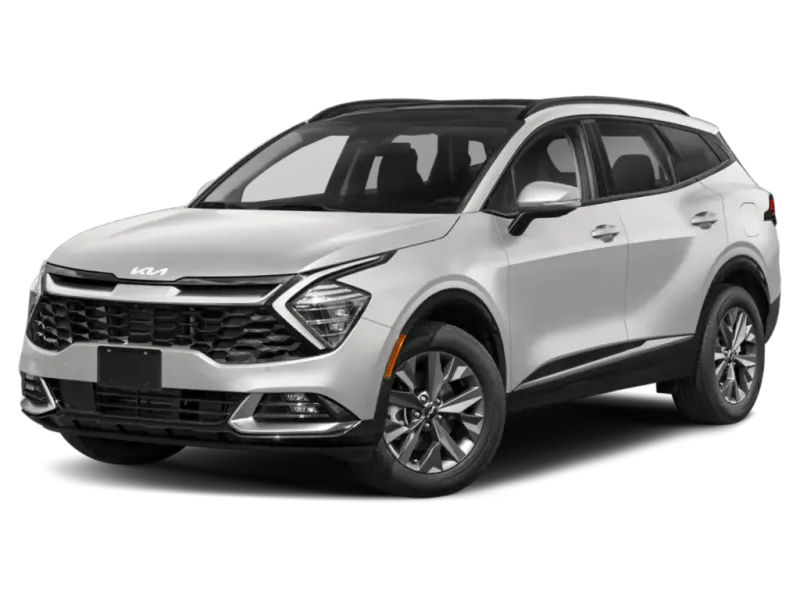 Kia Sportage
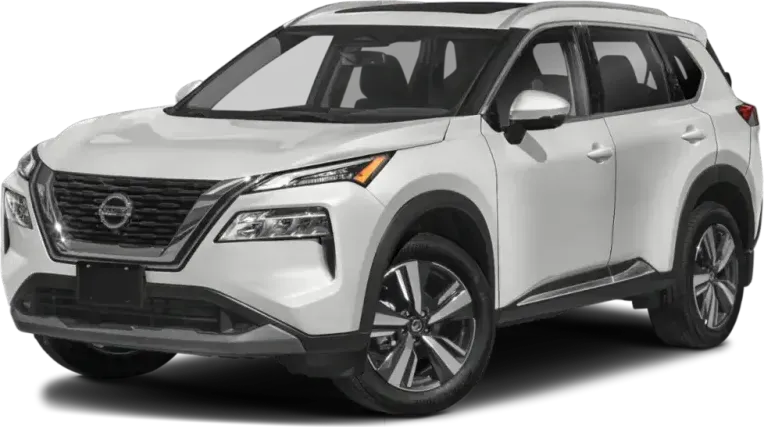 Nissan Rogue
The Sportage takes 6 of 7 rounds (1 drawn)
Reliability is effectively tied between the Nissan Rogue and Kia Sportage. Repair costs and shop visits are nearly the same. The gap that does exist favors the Sportage on recalls, but the bigger difference is what tends to fail: the Rogue's CVT versus the Sportage's oil use.
How Do the Kia Sportage and Nissan Rogue Generations Compare?
Verdict
The Kia Sportage is more reliable than the Nissan Rogue, scoring 74/100 vs 73/100.
Reliability is effectively tied. Both land at a good standing, and repair cost, shop visits, and major-repair odds sit within a hair of each other. The Sportage has fewer recalls and a lower complaint rate per car sold, but that edge is slight. What separates them is the failure you risk. The Rogue's CVT transmission can mean a quoted $6,500 repair, while the Sportage's heavy oil consumption can end in engine failure past 100,000 miles. Pick based on which risk you can better check before buying.
Biggest gaps
- Kia Sportage needs 0.1 fewer repairs per year
- Kia Sportage has 12 fewer total recalls
- Kia Sportage has 1% lower major repair risk
Round by round
- Reliability ScoreSportage
- Total RecallsSportage
- Complaint RateSportage
- Annual Repair CostSportage
- Repair FrequencySportage
- Major Repair RiskSportage
- Safety RatingDraw
Leaning Kia Sportage or Nissan Rogue? Check the exact car before you buy
Whichever wins on paper, the car in front of you has its own past. A VIN check shows its accidents, title history and any open recalls.
Kia Sportage vs Nissan Rogue: Which Is More Reliable?
| Metric | Kia Sportage | Nissan Rogue |
|---|---|---|
| Reliability ScoreOut of 100, higher is better | 74/100 | 73/100 |
| Years Tracked | 9 | 9 |
| Total RecallsLower is better | 28 | 40 |
| Complaints per 10k SoldLower is better | 6.9 | 7.4 |
| Annual Repair CostLower is better | $462/yr | $467/yr |
| Repair FrequencyUnscheduled shop visits a year | 0.2/yr | 0.3/yr |
| Major Repair RiskChance a repair is major | 11% | 12% |
| Safety RatingNHTSA overall | 2026 NHTSA | 2026 NHTSA |
| Frontal | ||
| Side | Not rated | |
| Rollover | ||
| Year WinsModel years with the higher score | 6 | 3 |
What Are the Common Problems With the Kia Sportage and Nissan Rogue?
Phantom automatic emergency braking is the loudest problem in this pairing, and it belongs mostly to the Rogue. Owners describe hard braking on clear roads at city and highway speeds, with 27 crash-linked service brake reports. Its CVT also judders and slips, with 12 crash-linked reports. The Sportage's engine complaints center on oil loss with no leak, sometimes ending in rod bearing damage. It also has a problem the Rogue lacks in this data: cruise control jumping to 110 mph, with 10 crash-linked reports in vehicle speed control.
| Kia Sportage | Problem area | Nissan Rogue |
|---|---|---|
1.9 | Engine | 1.7 |
0.6 | Brakes | 1.0 |
1.0 | Electrical | 0.6 |
0.2 | Automatic emergency braking | 0.6 |
0.1 | Wipers and visibility | 0.5 |
0.2 | Transmission | 0.4 |
0.1 | Fuel system | 0.3 |
0.3 | Acceleration and cruise control | <0.1 |
0.2 | Body and structure | 0.1 |
0.1 | Airbags | 0.2 |
0.1 | Steering | <0.1 |
<0.1 | Seats | <0.1 |
<0.1 | Trailer hitches | 0 |
0 | Seat belts | <0.1 |
<0.1 | Lane keeping | 0 |
<0.1 | Headlights and exterior lights | 0 |
1.0 | Other or unspecified | 1.1 |
Complaints per 10,000 units sold, aggregated across all tracked model years from NHTSA owner reports. Shorter bars mean fewer complaints.
Kia Sportage problem guides
Which Is Cheaper to Maintain: Kia Sportage or Nissan Rogue?
How Does Kia Sportage vs Nissan Rogue Reliability Compare by Year?
| Year | Kia Sportage | Nissan Rogue | Edge |
|---|---|---|---|
| 2026 | 83/1003 recalls · 47 complaints | 80/1002 recalls · 61 complaints | Sportage+3 |
| 2025 | 81/1002 recalls · 77 complaints | 78/1003 recalls · 211 complaints | Sportage+3 |
| 2024 | 77/1004 recalls · 112 complaints | 74/1004 recalls · 244 complaints | Sportage+3 |
| 2023 | 66/1009 recalls · 316 complaints | 64/1006 recalls · 784 complaints | Sportage+2 |
| 2022 | 78/1001 recall · 47 complaints | 69/1006 recalls · 274 complaints | Sportage+9 |
| 2021 | 75/1002 recalls · 54 complaints | 70/10010 recalls · 300 complaints | Sportage+5 |
| 2020 | 67/1002 recalls · 172 complaints | 80/1001 recall · 154 complaints | Rogue+13 |
| 2019 | 73/1002 recalls · 72 complaints | 74/1004 recalls · 342 complaints | Rogue+1 |
| 2018 | 67/1003 recalls · 166 complaints | 71/1004 recalls · 672 complaints | Rogue+4 |
Best years to cross-shop: The 2022 Kia Sportage scored 78/100 and the 2020 Nissan Rogue scored 80/100, the strongest shared model years that have been on the road for at least two years, where available.
Who Should Buy the Kia Sportage vs the Nissan Rogue?
Team SportageChoose the Sportage if you want fewer recalls and a smaller complaint pile. Its 28 recalls compare with 40 for the Rogue, and owners file fewer complaints per car sold. Check the oil-change records and ask whether the oil level has been dropping, since those engine reports cluster between 100,000 and 150,000 miles. Avoid 2023 and 2018, its weakest years.
Team RogueChoose the Rogue if a CVT does not worry you and you can test it. Drive it at length and watch for hesitation, jerking, or revving without pulling. Failures often appeared from about 45,000 miles with little warning, so a service history matters. Test the automatic braking in rain, since owners report false braking there. Skip 2023 and 2022, its weakest years. A 2020 is among its strongest. The 2026 model years of both cars score well, but they have had little time to collect complaints, so do not read that as proof of better durability.
Kia Sportage vs Nissan Rogue: Common Questions
- Is the Nissan Rogue more reliable than the Kia Sportage?
- No, they are effectively tied. Both have a good reliability standing and similar repair costs. The Sportage has slightly fewer complaints per car sold, 6.9 per 10,000 against 7.4 for the Rogue, but the gap is small. The kind of failure you risk differs more than the overall standing.
- Which has more recalls, the Rogue or the Sportage?
- The Rogue has more. Federal recall records show 40 recalls across its 9 model years, against 28 for the Sportage. Check any specific car's VIN for open recalls before you buy, since the count covers the whole model range and not one vehicle.
- Which costs less to repair, the Rogue or the Sportage?
- The Sportage costs slightly less. Independent repair-cost data estimates $462 a year for the Sportage and $467 for the Rogue, about $25 over five years. The Sportage also averages 0.2 unscheduled shop visits a year against 0.3 for the Rogue.
- Do Kia Sportage engines burn oil?
- Owners report it often. Engine complaints for the Sportage center on losing a quart every few hundred miles with no visible leak and often no dash warning. Reports cluster between 100,000 and 150,000 miles, and some end in engine failure. Ask for oil-change records before buying.
- What is the main problem with the Nissan Rogue?
- Phantom automatic emergency braking and the CVT transmission lead the complaints. Owners describe the car braking hard on clear roads, and the CVT hesitating, jerking, or slipping, sometimes from about 45,000 miles. One owner was quoted $6,500 for a transmission repair. Test drive the car at length before buying.
Related Reliability Comparisons
More Kia Sportage comparisons
Decided between Kia Sportage and Nissan Rogue? Run a VIN check before you buy — uncover hidden accidents, title issues, and open recalls.
How we score the Kia Sportage and Nissan Rogue
Scores weight complaint severity at 35%, repair costs at 30%, recall impact at 20%, and the spread of complaints across systems at 15%, with complaint counts adjusted for US sales. Read the full methodology.
See incorrect data? Report an issue