Last updated: 2026-04-16
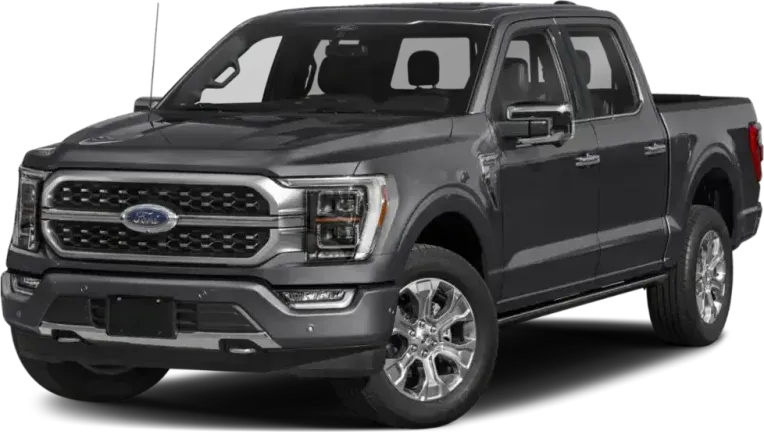
2025 Ford F-150 Reliability Report
The 2025 Ford F-150 scores 75/100 ("Good"). With 13 recalls and 64 owner complaints, reliability is acceptable but not class-leading.
Recalls
13
Complaints
64
Complaint Rate
1.2per 10,000 sold
Est. Repair Cost
$788
Annual Fuel Cost
$2,850–$5,750
Detailed Score Breakdown
Component-weighted complaints normalized by sales volume
Independent repair cost ratings
Recall count weighted by severity
Breadth of reported problem categories
The Verdict
Acceptable reliability — worth considering with a pre-purchase inspection.
Top Issues to Watch
- POWER TRAIN (14)
- ELECTRICAL SYSTEM (13)
- SERVICE BRAKES (9)
Generation & Refresh (US)
2025 is year 5 of the Fourteenth generation (2021–present).
- Redesigned for the 2021 model year.
- Well-established in its generation — most early issues should be resolved.
- 14th generation F-150 (US).
What this means for buyers
Well into the generation cycle — most design and manufacturing issues should be resolved by now.
2021: Fourteenth generation (2021–present) Launch
Generation start — new platform.
2025: This Model Year
2025 is year 5 of the Fourteenth generation (2021–present).
Should You Buy the 2025 Ford F-150?
At 75/100, the 2025 Ford F-150 lands in "Good" territory — acceptable, but not class-leading. 2025 is year 5 of the Fourteenth generation (2021–present).
Owners log 64 complaints on this model year — enough to suggest attention is needed, but no single failure mode dominates yet.
Get a pre-purchase inspection on any used example, with extra attention to power train (14). An extended warranty is worth pricing out.
Compared to the 2026 Ford F-150, which scored 7 points higher. See also the 2024 Ford F-150 for an earlier comparison.
Pros
- +Acceptable reliability score
- +$148 cheaper to maintain than avg fullsize trucks
- +Infrequent unscheduled repairs
- +Low major repair risk (15%)
Cons
- −Above-average recall count
- −POWER TRAIN issues reported (11 complaints)
- −SERVICE BRAKES issues reported (5 complaints)
Compare 2025 Ford F-150 With
2025 Ford F-150 Lightning
Reliability: 60/100

2025 Ram 1500
Reliability: 73/100

2025 Chevrolet Silverado
Reliability: 85/100
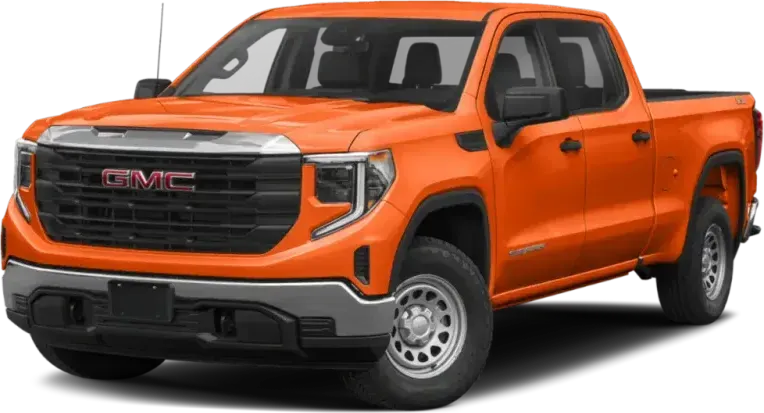
2025 GMC Sierra 1500
Reliability: 80/100

2025 Toyota Tundra
Reliability: 73/100
Common Problem Categories
Safety
LOW RISK- 13 manufacturer recalls issued
Other
HIGH RISK- POWER TRAIN (14)
- ELECTRICAL SYSTEM (13)
Recall Overview
13
recalls on record
The 2025 Ford F-150 has 13 recalls on record, which is above average. A high count can flag multiple component concerns, though it also shows the manufacturer is actively addressing known issues.
NHTSA.gov →Complaint Breakdown
1.2
per 10,000 soldSegment avg: 1.2
Safety Incidents
2
Crashes
1
Fires
1
Injuries
0
Deaths
NHTSA 5/5 Stars
Data sourced from NHTSA complaint filings and manufacturer recall notices. Complaint narratives are owner-reported.
2025 Ford F-150 Recall Details
13 recalls have been issued for the 2025 Ford F-150. All recall repairs are performed free of charge at authorized dealerships.
SERVICE BRAKES, HYDRAULIC
Ford Motor Company (Ford) is recalling certain 2025 Lincoln Navigator, F-150, Expedition, Bronco, and Ranger vehicles. The Electronic Brake Booster (EBB) module may malfunction while driving or when the driver is utilizing an Advanced Driver Assistance System (ADAS) feature, resulting in a loss of power brake assist.
Consequence
An unexpected loss of power brake assist while driving can extend stopping distance and increase the risk of a crash. Additionally, a loss of power brake assist while ADAS features are engaged can result in the vehicle not braking as expected, increasing the risk of a crash.
Remedy
Dealers will replace the electronic brake booster, free of charge. Interim letters, notifying owners of the safety risk, are expected to be mailed December 15, 2025. Additional letters will be sent once the final remedy is available, anticipated in January 2026. Owners may contact Ford customer service at 1-866-436-7332. Ford's number for this recall is 25SD4. Vehicle Identification Numbers (VINs) involved in this recall became searchable on NHTSA.gov on December 3, 2025.
ELECTRICAL SYSTEM
Ford Motor Company (Ford) is recalling certain 2025-2026 F-550 SD, F-450 SD, F-350 SD, F-250 SD, and 2025 F-150 vehicles. The Instrument Panel Cluster (IPC) may fail at startup.
Consequence
An instrument panel display that does not show critical information, such as warning lights or vehicle speed, increases the risk of a crash.
Remedy
The instrument panel cluster software will be updated by a dealer or through an over-the-air (OTA) update, free of charge. Owner notification letters were mailed September 5, 2025. Owners may contact Ford customer service at 1-866-436-7332. Ford's number for this recall is 25S88.
POWER TRAIN
Ford Motor Company (Ford) is recalling certain 2023-2025 F-150 vehicles equipped with the Trailer Tow Max Duty package and a 9.75-inch heavy duty axle with a 3/4 float axle design. The rear axle hub bolt may fatigue and break, which can result in damage to the axle hub splines.
Consequence
Damaged axle hub splines can result in a vehicle rollaway when in park without the parking brake applied or cause a loss of drive power. Either of these conditions can increase the risk of a crash.
Remedy
Dealers will replace the left and right rear axle shaft assemblies, free of charge. This is a phased recall. Ford owners will receive letters in multiple phases, beginning August 2025 through Winter 2025. Phase 1 will include 2023 F-150 model year vehicles. Phase 2 will include 2025 F-150 model year vehicles and Phase 3 will include 2024 F-150 model year vehicles. Interim owner notification letters informing owners of the safety risk were mailed August 22, 2025. Owner notification letters were mailed August 22, 2025. Owners may contact Ford customer service at 1-866-436-7332. Ford's number for this recall is 25S82. This recall expands previous NHTSA recall number 23V896.
Showing 10 of 13 recalls. View all on NHTSA.gov →
Buying a used 2025 Ford F-150? Check its history first
Every 2025 Ford F-150 has a different past. A VIN check reveals hidden accidents, title problems, odometer rollbacks, and open recalls that reliability scores can't show you.
- Accidents
- Open Recalls
- Title History
- Odometer Rollback
2025 Ford F-150 NHTSA Safety Ratings
Overall Safety Rating
Crash Test Results by Configuration (expand)
Gas Powertrain
Rollover risk: 16.4%
Safety Technologies
HEV Powertrain
Safety Technologies
Ford F-150Repair Costs & Maintenance
Maintenance Rating
3.5Maintenance rating: 3.5 out of 5Based on NHTSA complaint patterns, recall severity, and publicly available cost benchmarks.
Est. Annual Maintenance
$788
vs $936 avg for fullsize trucks
Repair Frequency
0.3
unscheduled repair visits per year
Severe Repair Probability
15%
chance of a major repair
Annual Cost Comparison
Category-level averages derived from publicly available industry reports (AAA, CarMD). Model-level estimates produced by Auto Reliability Index.
Ford F-150 Resale Value
The Ford F-150 is estimated to retain about 77.1% of its original value after 5 years, based on observed used-car listings.
This benchmark covers the Ford F-150 model overall and is not specific to the 2025 model year.
- Value Retained
- 77.1%
- Depreciation
- 22.9%
- Listings Analyzed
- 720
after 5 years
over the same period
U.S. used-car listings
Listings observed in . Actual resale value varies by trim, mileage, condition, and location.
Explore Ford F-150 depreciation and resale value on CarResaleValue.comMPG & Annual Running Costs
Gas
12–21 MPG
Running cost: $3,650–$6,550/yr
Fuel + repair
10–19 city / 15–25 hwy MPG
Hybrid
23 MPG
Running cost: $3,400/yr
Fuel + repair
22 city / 24 hwy MPG
Running cost includes EPA fuel-cost estimate and independent repair-cost data (repair cost estimated at model level). Excludes routine maintenance, depreciation, and insurance. Data as of 2025 EPA label cycle.
Gas trims
| Trim | Drive | Trans. | City | Hwy | Comb | Fuel Cost |
|---|---|---|---|---|---|---|
| F150 Pickup 2WD 2.7L 6-cyl | Rear-Wheel Drive | Automatic (S10) | 19 | 25 | 21 | $2,850 |
| F150 Pickup 2WD 3.5L 6-cyl | Rear-Wheel Drive | Automatic (S10) | 17 | 25 | 20 | $3,000 |
| F150 Pickup 4WD 2.7L 6-cyl | Part-time 4-Wheel Drive | Automatic (S10) | 18 | 23 | 20 | $3,000 |
| F150 Pickup 2WD 5.0L 8-cyl | Rear-Wheel Drive | Automatic (S10) | 16 | 24 | 19 | $3,150 |
| F150 Pickup 4WD 3.5L 6-cyl | Part-time 4-Wheel Drive | Automatic (S10) | 16 | 24 | 19 | $3,150 |
| F150 Pickup 4WD 5.0L 8-cyl | Part-time 4-Wheel Drive | Automatic (S10) | 16 | 24 | 19 | $3,150 |
| F150 Pickup Tremor 4WD 3.5L 6-cyl | Part-time 4-Wheel Drive | Automatic (S10) | 16 | 21 | 18 | $3,300 |
| F150 Pickup Tremor 4WD 5.0L 8-cyl | Part-time 4-Wheel Drive | Automatic (S10) | 15 | 20 | 17 | $3,500 |
| F150 RAPTOR 4WD 3.5L 6-cyl | Part-time 4-Wheel Drive | Automatic (S10) | 14 | 18 | 16 | $3,750 |
| F150 RAPTOR R 4WD 5.2L 8-cyl | Part-time 4-Wheel Drive | Automatic (S10) | 10 | 15 | 12 | $5,750 |
Hybrid trims
| Trim | Drive | Trans. | City | Hwy | Comb | Fuel Cost |
|---|---|---|---|---|---|---|
| F150 Pickup 4WD HEV 3.5L 6-cyl | Part-time 4-Wheel Drive | Automatic (S10) | 22 | 24 | 23 | $2,600 |
Used Buying Checklist
Key things to inspect or verify before purchasing a 2025 Ford F-150.
Verify completion of all recall repairs, especially for powertrain
Test brakes thoroughly for responsiveness and check for warning lights
Inspect camera systems for functionality and image clarity
Check for any signs of electrical system malfunctions, such as static noises or burning smells
Test BlueCruise for erratic steering or braking behavior
Ensure parking brake warning lights are not active
2025 Ford F-150 Common Problems by Component
64 owner complaints grouped by vehicle system.
POWER TRAIN
14 complaintsOwners of the 2025 Ford F-150 frequently report issues related to the powertrain, primarily concerning recall repair delays and transmission malfunctions. Many complaints indicate that despite receiving notifications about the availability of recall parts, dealerships often inform owners that parts are still unavailable. Additionally, some owners describe symptoms such as hard shifting, gear shifters freezing in position, and powertrain fault messages, often occurring at low mileages ranging from 280 to 5,330 miles. Safety implications are noted in cases where the gear shifter locks unexpectedly, potentially posing risks in traffic situations. These patterns suggest that prospective buyers should verify the completion of any recall repairs and be aware of potential transmission issues.
ELECTRICAL SYSTEM
13 complaintsOwners report issues with the 2025 Ford F-150's electrical system, specifically involving the electronic instrument cluster and audio system. The instrument cluster may go completely dark, disabling the speedometer, gear indicator, and turn signals, which poses a significant drivability concern. Another issue involves a loud static or popping sound from the audio system, sometimes accompanied by an electrical burning smell, leading to a loss of speaker functionality. This noise can startle drivers, potentially causing distractions during maneuvers like lane changes. These problems do not specify mileage ranges, but they highlight potential safety risks related to loss of control and distraction.
SERVICE BRAKES
9 complaintsSafety-relatedOwners report multiple issues with the brakes on the 2025 Ford F-150, including complete brake failure and lack of trailer brake functionality. Complaints frequently mention a loss of brake response, with some owners describing the brake pedal going completely soft and ineffective, often accompanied by ABS and brake system warning lights. These issues are reported at various mileages, some as low as 2,000 miles. Safety implications are significant, with several owners experiencing near-miss incidents due to the brake failures, and one owner unknowingly towing a trailer without functional brakes. Buyers should be aware of these reported issues, especially concerning the vehicle's braking system and the potential for incomplete trailer brake installations.
UNKNOWN OR OTHER (6 complaints)
UNKNOWN OR OTHER
6 complaintsSafety-relatedOwners of the 2025 Ford F-150 report several issues, notably involving the vehicle's camera systems and a fire hazard. Multiple complaints describe failures of the rear, side, and front cameras, with some owners needing to power cycle the system to temporarily restore function, occurring as early as 30 miles and again around 650 miles. Another significant issue involves a fire risk, where reflective material dislodges from the truck's underside and contacts the tailpipe, leading to potential ignition before reaching 500 miles. Additionally, there is a report of a rear axle half-shaft and hub assembly recall, with parts availability delays and concerns about continued vehicle operation. These issues indicate potential safety implications, including the risk of fire and compromised driver visibility, which buyers should consider.
FORWARD COLLISION AVOIDANCE (6 complaints)
FORWARD COLLISION AVOIDANCE
6 complaintsSafety-relatedOwners of the 2025 Ford F-150 frequently report issues with the vehicle's forward collision avoidance systems. Common symptoms include unexpected brake activation and dashboard error messages related to brake assist and cruise control malfunctions. One complaint involves a crash caused by the brakes releasing unexpectedly while the vehicle was idle, resulting in a rear-end collision. Another owner describes the BlueCruise system unexpectedly engaging the brakes multiple times, even with hands on the wheel, leading to near-collision situations. These issues are reported at low mileages, around 3,000 miles, and have raised safety concerns due to the potential for accidents.
STEERING (5 complaints)
STEERING
5 complaintsOn October 13 at 9:23 PM in Seguin, TX, with Ford BlueCruise hands‑free engaged, the vehicle abruptly steered strong left and headed toward the left barrier. I immediately overrode the system and steered back to avoid a collision. No impact occurred. The maneuver was sudden and without adequate warning, presenting a serious crash risk.
On October 8, 2025, my wife and I purchased a 2025 Ford F-150 Lariat, 3.5L Full Hybrid, with Ford's BlueCruise hands-free driving feature. As first-time users, I reviewed the owner's manual and Ford’s videos to understand BlueCruise. After several uses, I noted unpredictable behavior and now report a serious safety issue warranting federal investigation. On October 15, 2025, while driving north on I-95 near Boston with BlueCruise engaged in hands-free mode on an approved route, I pressed the Memory 1 recall button to adjust my seat. A chime sounded, and the instrument panel stated that Memory Recall is not active while the vehicle is moving. Unexpectedly, pressing the button deactivated BlueCruise, causing immediate deceleration and returning steering control to me. During a shallow left turn, the vehicle proceeded straight, almost deviating from the lane. I quickly regained control, preventing a lane departure. The owner’s manual and Ford’s resources do not mention that Memory Recall can deactivate BlueCruise. This undocumented behavior is highly concerning. On October 20, I contacted Ford (Reference Number [XXX] ), but their response was inadequate, offering only a generic process without technical team access or follow-up commitment. BlueCruise’s lane-centering struggles with unclear or conflicting lane markings. On I-95 sections under resurfacing, temporary markings are placed 1-2 feet from fainter original lines. BlueCruise inconsistently tracks either set, causing unpredictable lateral movements, including sudden lane-edge excursions or rapid shifts over bridges where markings misalign. When another vehicle overtakes closely, crossing into our lane, BlueCruise momentarily loses lane-keeping ability due to obstructed markings, resulting in rapid steering movements. While such overtaking reflects poor driving by others, an automated system must handle these common scenarios reliably. INFORMATION REDACTED PURSUANT TO THE FREEDOM OF INFORMATION ACT (FOIA), 5 U.S.C. 552(B)(6)
Short loss of control with a short period of excessive play and a slight shimmy/shaking sensation when turning left into a curve. The issue seems to only occur when turning to the left.
+ 2 more complaints in this category
VEHICLE SPEED CONTROL (3 complaints)
VEHICLE SPEED CONTROL
3 complaintsIn November, shortly after engaging adaptive cruise control on [XXX] the truck indicated an incorrect speed limit of 45 mph and immediately started braking HARD causing a hazard on a busy roadway. I stomped on the gas trying to override the automation until I could disable the feature. This is a commonly reported issue on forums and local news reports ( [XXX] ) and does not appear to have a fix so I have not bothered to take it to the dealer. INFORMATION REDACTED PURSUANT TO THE FREEDOM OF INFORMATION ACT (FOIA), 5 U.S.C. 552(B)(6)
On November 2nd, 2025 at approximately 6pm, in Houston, Texas, my 2025 Ford F‑150 with Ford BlueCruise engaged in Hands‑Free mode was traveling with traffic at about 70 mph on a major thoroughfare. Without driver input, the system rapidly reduced speed to about 50 mph after it appeared to misinterpret an unknown speed‑limit change. This sudden, uncommanded deceleration created a hazardous speed differential with surrounding traffic. I swiftly took over manual control to maintain traffic flow and prevent a potential rear‑end collision. No crash or injury occurred, but the behavior constitutes phantom braking and false speed‑limit recognition in an Advanced Driver Assistance System feature.
My brand new truck with 3500 miles when the cruise control is set to a speed the truck will randomly accelerate un commanded. This occurs when for no reason the cruise control will select 95 MPH if you at 75 MPH. It will do this at any speed selected. This uncommanded speed can occur multiple times within minutes or can late as long as 30 minutes. Also this uncommanded speed can also occur at lower speed set in the cruise control. This can only be corrected by hitting the brake. This is especially dangerous in traffic and on curves. This has happened in both places as well as on long stretches. I almost rear ended a car in front of me in traffic as I was going 55 and when the speed changed to 95 the truck floored the accelerator with full engine power.
EXTERIOR LIGHTING (2 complaints)
EXTERIOR LIGHTING
2 complaintsWater erosion to the wiring harness to the front headlights led to an outage of the LEDs on glad of the vehicle.
The third brake lights on this generation Raptor are very, very dim. There are three individual/small LED lights, and when the tail lights are on, which includes the third brake light on these vehicles since they act as marker lamps due to the vehicle's width), the third brake lights are not noticeable. This is especially bad in the daytime if the headlights are on, because there is almost no difference in luminescence between the tail lights and brake lights.
STRUCTURE (2 complaints)
STRUCTURE
2 complaintsMy 2025 F-150 Tremor (5.0 V8, 402A package with modular front bumper) has a large open area in the front bumper. Through this opening you can clearly see the front of the engine and related components. This appears to be a design issue rather than a one-off build problem. Other 2025 Tremor owners with the same 402A modular bumper are reporting the same concern and asking whether a cover is missing from the factory. My concern is that the exposed opening could allow rocks, road debris, or off-road obstacles to directly impact vital components at highway speed or when driving on rough/uneven surfaces. This may increase the risk of damage, fluid leaks, or sudden loss of power/steering if components are struck. It also appears inconsistent with typical under-engine protection on off-road-oriented trims. I am asking NHTSA to review whether this bumper configuration provides adequate protection for critical components on the 2025 F-150 Tremor and whether a design change or shield/plate is needed for safety.
The contact owns a 2025 Ford F-150. The contact stated that upon inspecting underneath the vehicle, he noticed an abnormal amount of rust on the exhaust filter, brackets, exhaust system, muffler, bolts, and screws. No warning lights were illuminated. The local dealer was not contacted; however, the vehicle was not repaired. The manufacturer was notified of the failure. The approximate failure mileage was 60.
SUSPENSION (1 complaints)
SUSPENSION
1 complaintThe contact owns a 2025 Ford F-150. The contact received notification of NHTSA Campaign Number: 25V341000 (SUSPENSION). While attempting to schedule a recall repair appointment, several dealers in the area either failed to answer the phone, and several other dealers were unable to schedule an appointment. However, Loveland Ford (3905 Mountain Lion Dr, Loveland, CO 80537, Phone: (970) 744-7101) initially offered to schedule a mobile appointment but later retracted the offer. The contact notified the manufacturer of the issue. The manufacturer attempted to reach the dealers to schedule a recall repair appointment and was unsuccessful. The contact was seeking assistance in resolving the issue. The contact had not experienced a failure. Parts distribution disconnect.
When Do 2025 Ford F-150 Problems Start?
Based on owner complaint patterns, here's when common issues tend to appear.
Best & Worst Ford F-150 Years
Comprehensive reliability analysis based on NHTSA data, owner complaints, and historical performance.
Best Ford F-150 Years to Buy
Based on reliability index scoreThe best Ford F-150 year is 2026 with a reliability score of 82/100, rated excellent. Other strong picks include 2025 (75/100) and 2024 (74/100).
2026
2025
(Current Model)
2024
Ford F-150 Years to Avoid
The worst Ford F-150 year is 2021 with a score of 58/100, primarily due to power train (332) issues. Also avoid 2018 (58/100).
Ford F-150 Reliability Score Trend
Ford F-150 reliability has improved in recent years, with newer models scoring an average of 72/100 compared to 62/100 for older years.
Scores 0–100. Higher is better. Current year highlighted.
| Year | Score | Rating |
|---|---|---|
| 2018 | 58/100 | Mixed |
| 2019 | 65/100 | Good |
| 2020 | 67/100 | Good |
| 2021 | 58/100 | Mixed |
| 2022 | 62/100 | Good |
| 2023 | 68/100 | Good |
| 2024 | 74/100 | Good |
| 2025 | 75/100 | Good |
| 2026 | 82/100 | Excellent |
Ford F-150 Reliability Compared to Other Years
2025 Ford F-150 Reliability by Powertrain
The 2025 Ford F-150 is available with 2powertrain options. Here's how they compare on reliability.
| Powertrain | Complaints | Recalls | Incidents* | Crash Rating |
|---|---|---|---|---|
| Gas | 53 | 11 | 3 | 5 out of 5 |
| HEV | 11 | 2 | 0 | 5 out of 5 |
| Total | 64 | 13 | 3 |
NHTSA tracks complaints by vehicle configuration when that detail is available. Model-level reports that do not identify a specific powertrain are included in Total but not assigned to a row. A plus sign indicates a confirmed minimum; — means no complaints could be attributed to that specific powertrain. N/T = Not tested by NHTSA.
* Incidents = crash + fire reports. A single complaint can include multiple incident types.
Frequently Asked Questions
Is the 2025 Ford F-150 reliable?
What are the most common problems with the 2025 Ford F-150?
How many recalls does the 2025 Ford F-150 have?
Is the 2025 Ford F-150 expensive to maintain?
Don’t buy a 2025 Ford F-150 without checking its VIN first — hidden accidents, title issues, and open recalls could cost you thousands.
How We Calculate Reliability Scores
Auto Reliability Index scores are calculated on a 0–100 scale using a weighted formula that combines multiple public data sources. Each factor is weighted based on its predictive value for real-world ownership experience.
Key Ranking Factors
Complaint Severity
NHTSA owner complaints weighted by component category (e.g., powertrain, safety systems, electronics, cosmetic) — safety-critical issues carry more weight than cosmetic ones. Adjusted for sales volume so high-volume models aren't unfairly penalized.
Repair Costs
Independent reliability ratings based on repair frequency, average repair costs, and severity of typical repairs for each model.
Recall Impact
Number of NHTSA recalls weighted by severity. “Stop driving” and fire-risk recalls are penalized more heavily than minor software or labeling recalls.
Issue Diversity
Measures how many major vehicle systems (engine, transmission, electrical, braking, etc.) have recorded complaints. A vehicle with issues spread across many systems may indicate systemic quality issues.
Scores are grouped into four tiers:
- 80–100: Excellent— Top-tier reliability, minimal issues
- 60–79: Good— Reliable with some minor concerns
- 40–59: Mixed— Notable issues, research before buying
- 0–39: Risky— Significant problems, proceed with caution
Data is sourced from NHTSA recall records, owner complaint filings, and independent repair databases via vehicles.dev. Scores are recalculated as new data becomes available. While the weighting model is proprietary, all underlying data sources are public and traceable.
Get notified when new recalls or reliability data is added for the Ford F-150.
No spam. Only data updates for this model.
Browse More Ford Models
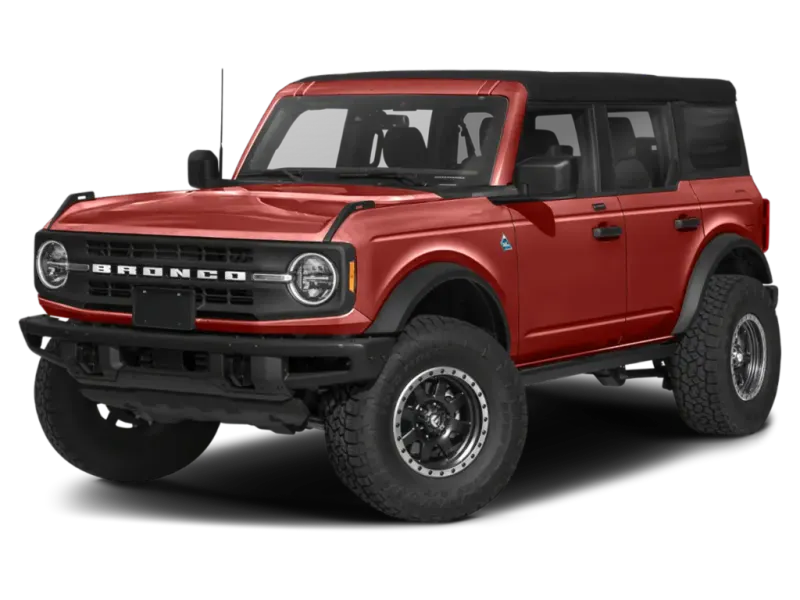
Ford Bronco
Score: 59/100
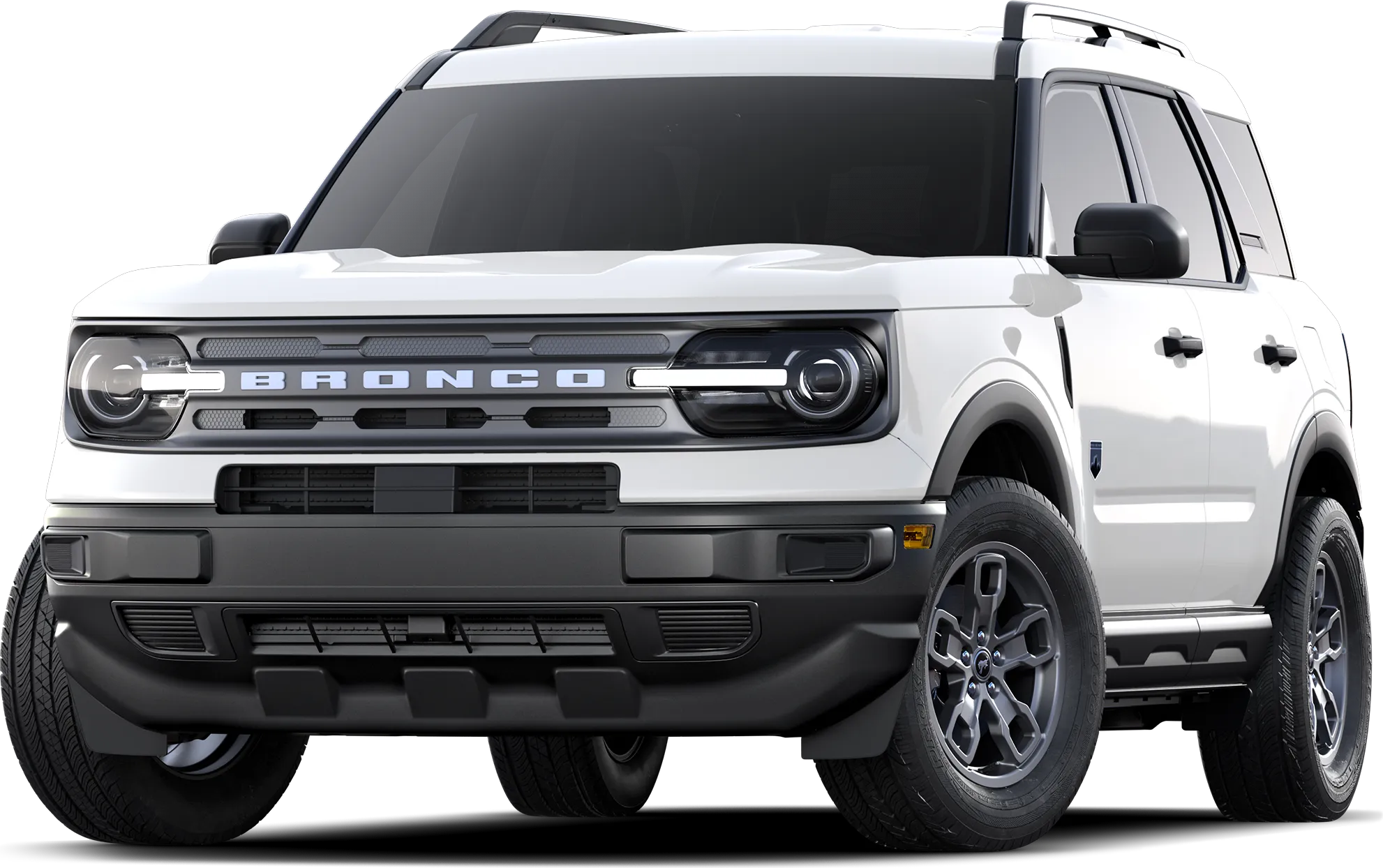
Ford Bronco-Sport
Score: 77/100
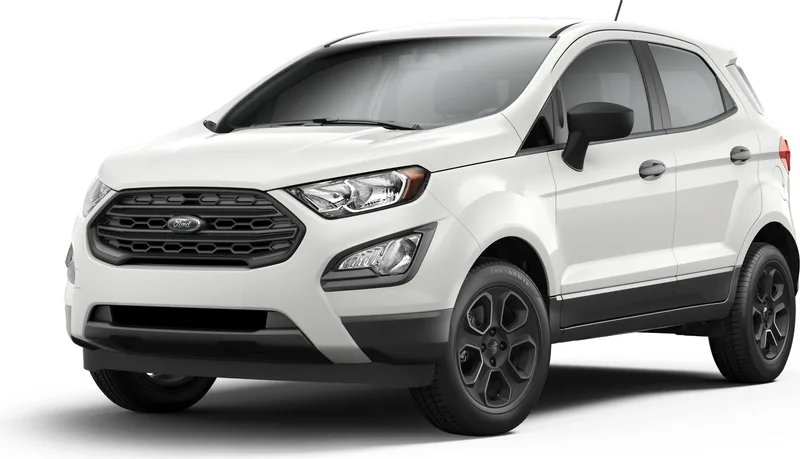
Ford Ecosport
Score: 74/100
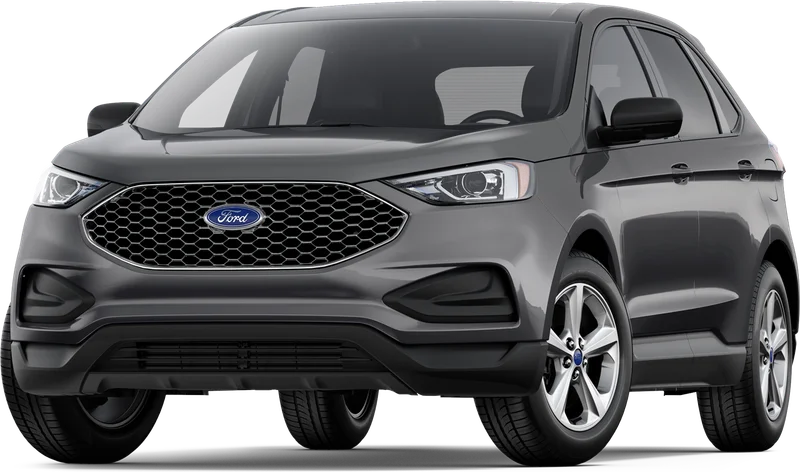
Ford Edge
Score: 76/100
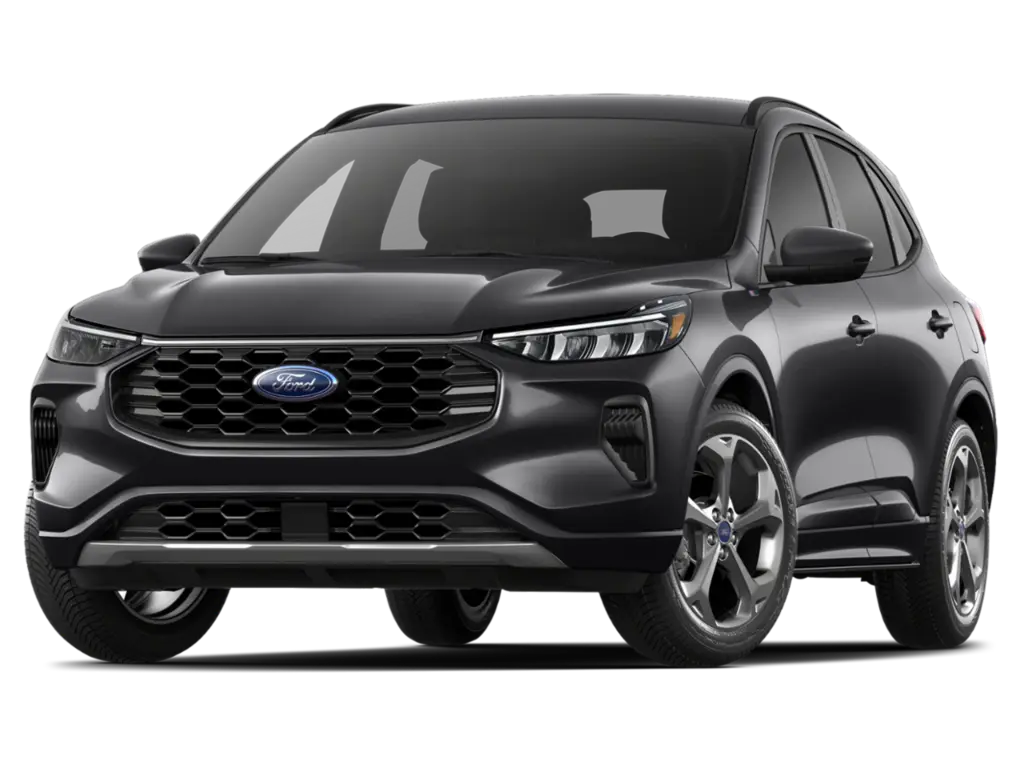
Ford Escape
Score: 77/100
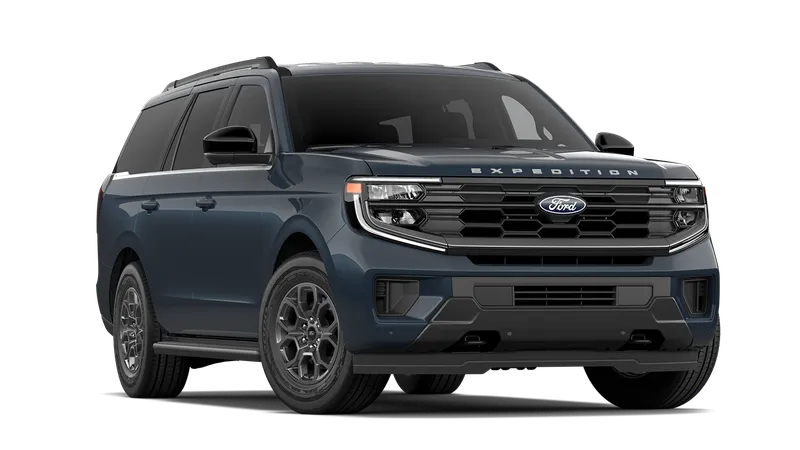
Ford Expedition
Score: 71/100
Browse More 2025 Vehicles
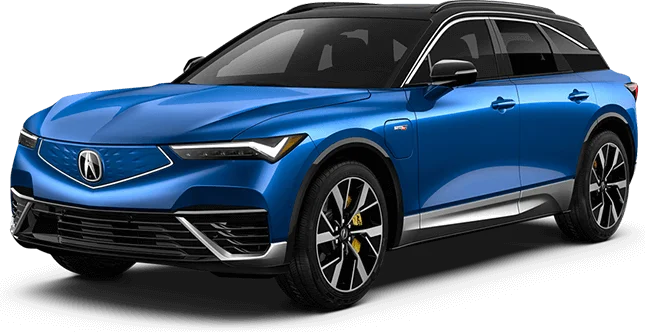
2025 Acura ZDX
Score: 88/100
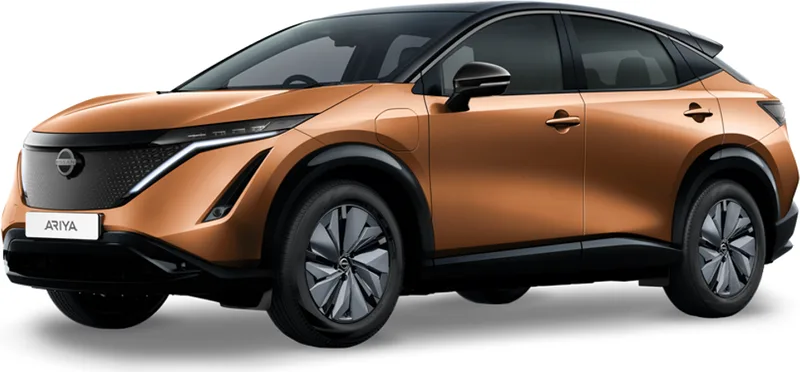
2025 Nissan Ariya
Score: 88/100
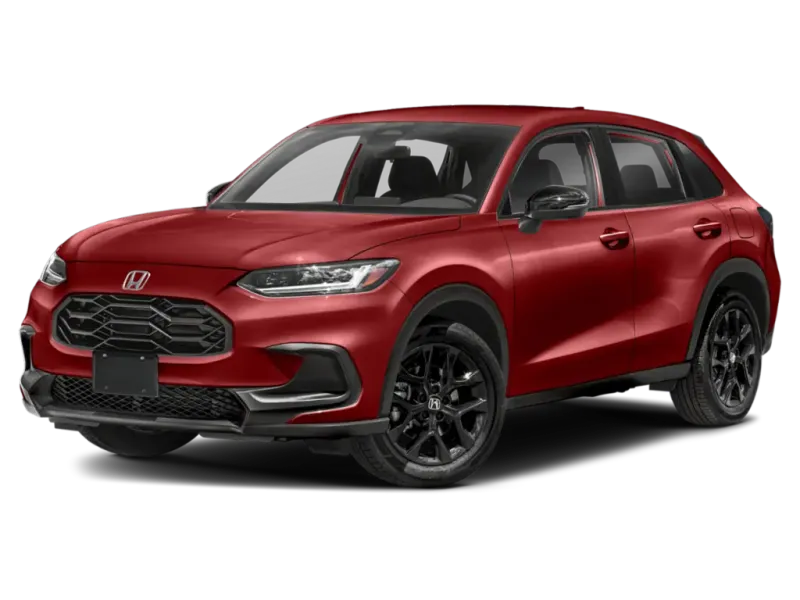
2025 Honda HR-V
Score: 88/100
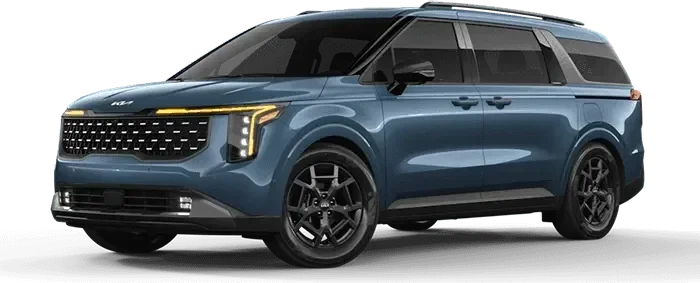
2025 KIA Carnival
Score: 88/100
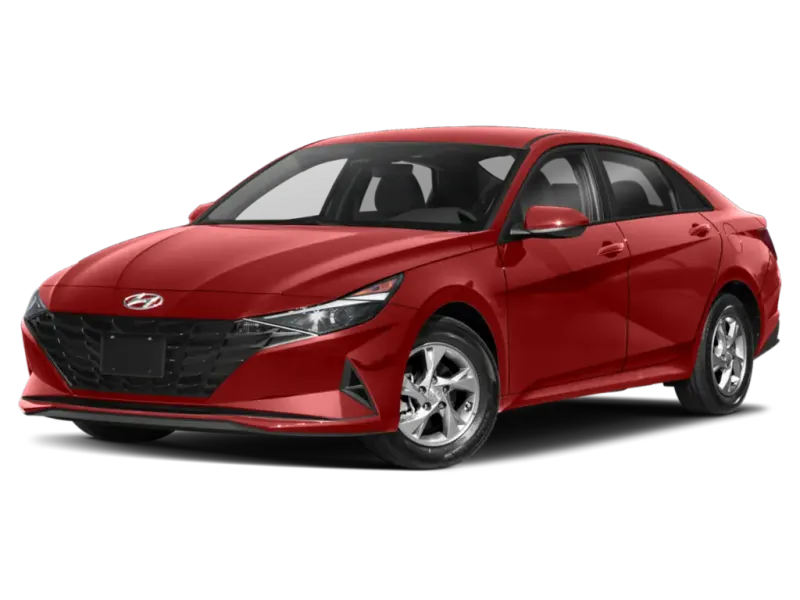
2025 Hyundai Elantra
Score: 87/100
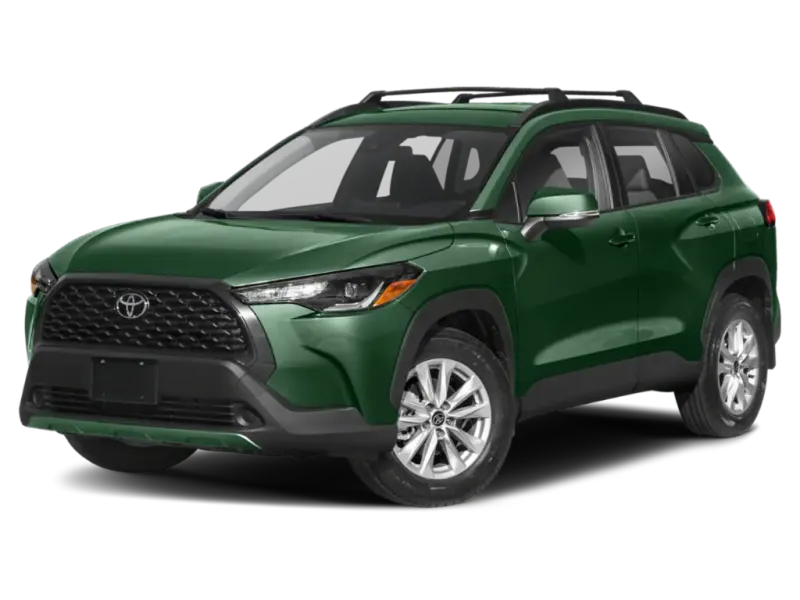
2025 Toyota Corolla Cross
Score: 86/100
See incorrect data? Report an issue