Last updated: 2026-04-16
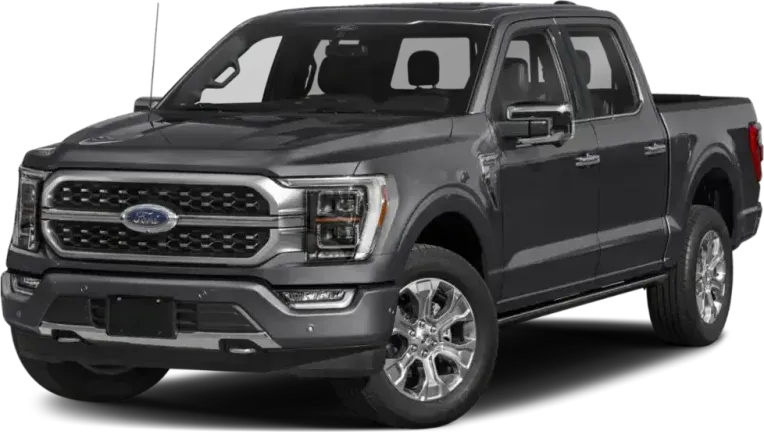
2018 Ford F-150 Reliability Report
The 2018 Ford F-150 scores 58/100 ("Mixed"). With 15 recalls and 1852 owner complaints, buyers should proceed with caution.
Recalls
15
Complaints
1852
Complaint Rate
30.4per 10,000 sold
Est. Repair Cost
$788
Annual Fuel Cost
$2,700–$3,750
Detailed Score Breakdown
Component-weighted complaints normalized by sales volume
Independent repair cost ratings
Recall count weighted by severity
Breadth of reported problem categories
The Verdict
Mixed reliability — proceed with caution and budget for repairs.
Top Issues to Watch
- POWER TRAIN (694)
- ENGINE (281)
- STRUCTURE (160)
Generation & Refresh (US)
2018 received a mid-cycle refresh update for the Thirteenth generation (2015–2020).
- Changes: New front and rear styling; Updated engine lineup.
- Year 4 in this generation (2015–2020).
- 13th generation F-150 (US).
What this means for buyers
Refresh years bring updates but can also introduce new issues. Check early recall data before buying.
2015: Thirteenth generation (2015–2020) Launch
Generation start — new platform.
2018: This Model Year (Refresh)
2018 received a mid-cycle refresh update for the Thirteenth generation (2015–2020).
Should You Buy the 2018 Ford F-150?
A 58/100 score puts the 2018 Ford F-150 in the "Mixed" tier. Buyers should approach with eyes open. 2018 received a mid-cycle refresh update for the Thirteenth generation (2015–2020).
Complaint volume sits above average at 1852 owner complaints alongside 15 recalls. Issues in power train (710) tend to be the costly ones.
Treat an extended warranty as non-negotiable and put power train (710) at the top of the inspection checklist.
Compared to the 2019 Ford F-150, which scored 7 points higher.
Pros
- +$148 cheaper to maintain than avg fullsize trucks
- +Infrequent unscheduled repairs
- +Low major repair risk (15%)
Cons
- −Below-average reliability score
- −Above-average recall count
- −Above-average complaint rate for Truck
- −POWER TRAIN issues reported (538 complaints)
Compare 2018 Ford F-150 With

2018 Ram 1500
Reliability: 64/100

2018 Chevrolet Silverado
Reliability: 70/100
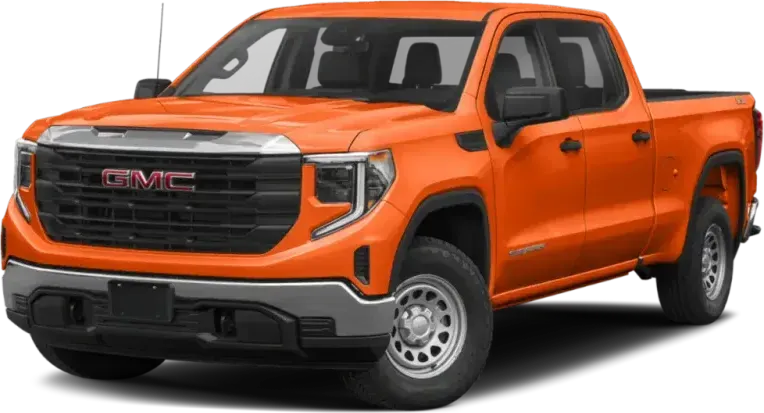
2018 GMC Sierra 1500
Reliability: 66/100

2018 Toyota Tundra
Reliability: 69/100
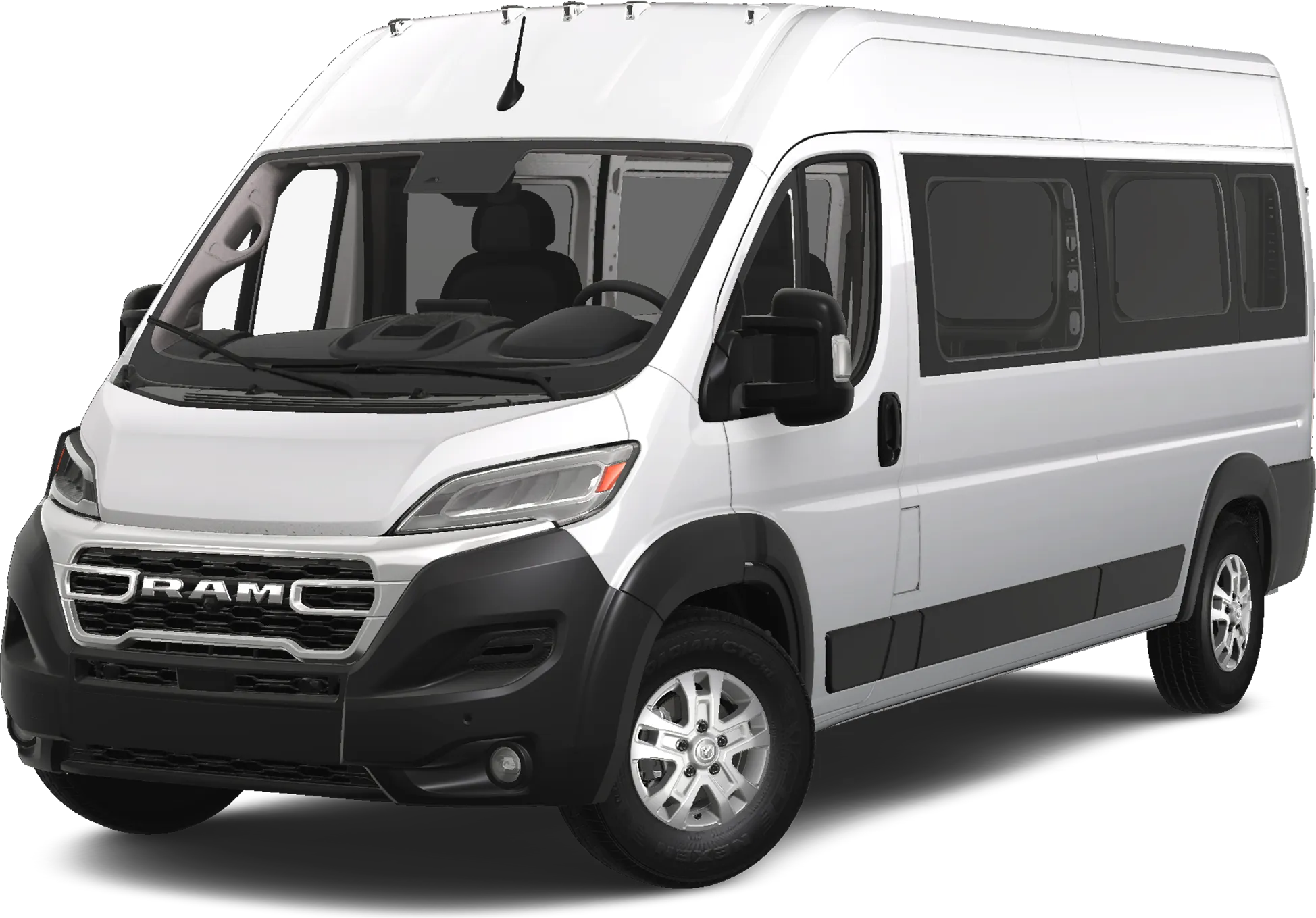
2018 Ram Promaster
Reliability: 68/100
Common Problem Categories
Safety
LOW RISK- 15 manufacturer recalls issued
Other
HIGH RISK- POWER TRAIN (694)
- ENGINE (281)
Recall Overview
15
recalls on record
The 2018 Ford F-150 has 15 recalls on record, which is above average. A high count can flag multiple component concerns, though it also shows the manufacturer is actively addressing known issues.
NHTSA.gov →Complaint Breakdown
30.4
per 10,000 soldSegment avg: 17.5
Safety Incidents
58
Crashes
29
Fires
45
Injuries
3
Deaths
NHTSA 5/5 Stars
Data sourced from NHTSA complaint filings and manufacturer recall notices. Complaint narratives are owner-reported.
2018 Ford F-150 Recall Details
15 recalls have been issued for the 2018 Ford F-150. All recall repairs are performed free of charge at authorized dealerships.
SERVICE BRAKES, HYDRAULIC
Ford Motor Company (Ford) is recalling certain 2016-2017 Ford Expedition, Lincoln Navigator, and 2016-2018 F-150 vehicles equipped with 3.5L Ecoboost engines. The brake master cylinder may allow brake fluid to leak from the front wheel circuit into the brake booster.
Consequence
A loss of brake fluid may result in a change in brake pedal travel, increased pedal effort and reduced front brake function, requiring greater effort and distance to stop the vehicle. These conditions can increase the risk of a crash.
Remedy
Dealers will replace the brake master cylinder. If the master cylinder is leaking, the brake booster will also be replaced. Repairs will be performed free of charge. An interim owner notification letter notifying customers of the safety defect were mailed on April 29, 2022. Owner notification letters were mailed April 29, 2022. This recall is an expansion of NHTSA recall number 20V-332. Owners may contact Ford customer service at 1-866-436-7332. Ford's number for this recall is 22S11.
LATCHES/LOCKS/LINKAGES
Ford Motor Company (Ford) is recalling certain 2018 F-150 vehicles with manual and power release tailgates. The tailgate latches may unlatch unexpectedly while driving.
Consequence
Unexpected tailgate opening may allow unrestrained cargo to fall out of the truck bed and become a road hazard, increasing the risk of a crash.
Remedy
Dealers will replace the left-hand and right-hand tailgate latches, free of charge. An interim notification letter was mailed January 31, 2022. Owner notification letters were mailed on May 31, 2022. Owners may contact Ford customer service at 1-866-436-7332. Ford's number for this recall is 21S53.
SUSPENSION
Tenneco Automotive (DRiV) is recalling certain MOOG K500359 ball joints, for aftermarket installation on 2015-2018 Ford F-150 trucks. The ball joint may have a misaligned dust boot and may be missing alignment hole and installation warning tag, which may lead to improper alignment of the ball joint.
Consequence
An incorrectly installed ball joint may cause the ball joint stud to break, which can compromise front wheel control, increasing the risk of a crash.
Remedy
DRiV will notify owners, and dealers will inspect, and if necessary replace the ball joint, free of charge. Owner letters were mailed May 5, 2021. Owners may contact Tenneco Automotive customer service at 1-877-489-6659.
Showing 10 of 15 recalls. View all on NHTSA.gov →
Buying a used 2018 Ford F-150? Check its history first
Every 2018 Ford F-150 has a different past. A VIN check reveals hidden accidents, title problems, odometer rollbacks, and open recalls that reliability scores can't show you.
- Accidents
- Open Recalls
- Title History
- Odometer Rollback
2018 Ford F-150 NHTSA Safety Ratings
Overall Safety Rating
Crash Test Results by Configuration (expand)
Gas Powertrain
Rollover risk: 19.1%
Safety Technologies
Ford F-150Repair Costs & Maintenance
Maintenance Rating
3.5Maintenance rating: 3.5 out of 5Based on NHTSA complaint patterns, recall severity, and publicly available cost benchmarks.
Est. Annual Maintenance
$788
vs $936 avg for fullsize trucks
Repair Frequency
0.3
unscheduled repair visits per year
Severe Repair Probability
15%
chance of a major repair
Annual Cost Comparison
Category-level averages derived from publicly available industry reports (AAA, CarMD). Model-level estimates produced by Auto Reliability Index.
Ford F-150 Resale Value
The Ford F-150 is estimated to retain about 77.1% of its original value after 5 years, based on observed used-car listings.
This benchmark covers the Ford F-150 model overall and is not specific to the 2018 model year.
- Value Retained
- 77.1%
- Depreciation
- 22.9%
- Listings Analyzed
- 720
after 5 years
over the same period
U.S. used-car listings
Listings observed in . Actual resale value varies by trim, mileage, condition, and location.
Explore Ford F-150 depreciation and resale value on CarResaleValue.comMPG & Annual Running Costs
Gas
16–25 MPG
Running cost: $3,500–$4,550/yr
Fuel + repair
15–22 city / 18–30 hwy MPG
Running cost includes EPA fuel-cost estimate and independent repair-cost data (repair cost estimated at model level). Excludes routine maintenance, depreciation, and insurance. Data as of 2018 EPA label cycle.
Gas trims
| Trim | Drive | Trans. | City | Hwy | Comb | Fuel Cost |
|---|---|---|---|---|---|---|
| F150 2WD BASE PAYLOAD LT TIRE 2.7L 6-cyl | Rear-Wheel Drive | Automatic (S10) | 20 | 25 | 22 | $2,700 |
| F150 Pickup 2WD 2.7L 6-cyl | Rear-Wheel Drive | Automatic (S10) | 20 | 26 | 22 | $2,700 |
| F150 Pickup 2WD 3.3L 6-cyl | Rear-Wheel Drive | Automatic (S6) | 19 | 25 | 22 | $2,700 |
| F150 Pickup 2WD FFV 3.3L 6-cyl | Rear-Wheel Drive | Automatic (S6) | 20 | 25 | 22 | $2,700 |
| F150 2.7L 2WD GVWR>6649 LBS 2.7L 6-cyl | Rear-Wheel Drive | Automatic (S10) | 19 | 25 | 21 | $2,850 |
| F150 2.7L 4WD GVWR>6799 LBS 2.7L 6-cyl | Part-time 4-Wheel Drive | Automatic (S10) | 19 | 24 | 21 | $2,850 |
| F150 2WD BASE PAYLOAD LT TIRE 3.3L 6-cyl | Rear-Wheel Drive | Automatic (S6) | 19 | 24 | 21 | $2,850 |
| F150 2WD FFV BASE PAYLOAD LT TIRE 3.3L 6-cyl | Rear-Wheel Drive | Automatic (S6) | 19 | 24 | 21 | $2,850 |
| F150 Pickup 2WD 3.5L 6-cyl | Rear-Wheel Drive | Automatic (S10) | 18 | 25 | 21 | $2,850 |
| F150 Pickup 4WD 2.7L 6-cyl | Part-time 4-Wheel Drive | Automatic (S10) | 19 | 24 | 21 | $2,850 |
| F150 4WD BASE PAYLOAD LT TIRE 2.7L 6-cyl | Part-time 4-Wheel Drive | Automatic (S10) | 18 | 23 | 20 | $3,000 |
| F150 Pickup 4WD 3.3L 6-cyl | Part-time 4-Wheel Drive | Automatic (S6) | 18 | 23 | 20 | $3,000 |
| F150 Pickup 4WD FFV 3.3L 6-cyl | Part-time 4-Wheel Drive | Automatic (S6) | 18 | 23 | 20 | $3,000 |
| F150 2WD BASE PAYLOAD LT TIRE 3.5L 6-cyl | Rear-Wheel Drive | Automatic (S10) | 17 | 22 | 19 | $3,150 |
| F150 3.5L 2WD GVWR>7599 LBS 3.5L 6-cyl | Rear-Wheel Drive | Automatic (S10) | 17 | 21 | 19 | $3,150 |
| F150 4WD BASE PAYLOAD LT TIRE 3.5L 6-cyl | Part-time 4-Wheel Drive | Automatic (S10) | 17 | 22 | 19 | $3,150 |
| F150 4WD BASE PAYLOAD LT TIRE 3.3L 6-cyl | Part-time 4-Wheel Drive | Automatic (S6) | 17 | 22 | 19 | $3,150 |
| F150 4WD FFV BASE PAYLOAD LT TIRE 3.3L 6-cyl | Part-time 4-Wheel Drive | Automatic (S6) | 17 | 22 | 19 | $3,150 |
| F150 Pickup 2WD 5.0L 8-cyl | Rear-Wheel Drive | Automatic (S10) | 17 | 23 | 19 | $3,150 |
| F150 Pickup 2WD FFV 5.0L 8-cyl | Rear-Wheel Drive | Automatic (S10) | 17 | 23 | 19 | $3,150 |
| F150 Pickup 4WD 3.5L 6-cyl | Part-time 4-Wheel Drive | Automatic (S10) | 17 | 23 | 19 | $3,150 |
| F150 Pickup 2WD 3.0L 6-cyl | Rear-Wheel Drive | Automatic (S10) | 22 | 30 | 25 | $3,250 |
| F150 2WD BASE PAYLOAD LT TIRE 5.0L 8-cyl | Rear-Wheel Drive | Automatic (S10) | 16 | 21 | 18 | $3,300 |
| F150 2WD FFV BASE PAYLOAD LT 5.0L 8-cyl | Rear-Wheel Drive | Automatic (S10) | 16 | 21 | 18 | $3,300 |
| F150 3.5L 4WD GVWR>7599 LBS 3.5L 6-cyl | Part-time 4-Wheel Drive | Automatic (S10) | 16 | 21 | 18 | $3,300 |
| F150 Pickup 4WD 5.0L 8-cyl | Part-time 4-Wheel Drive | Automatic (S10) | 16 | 22 | 18 | $3,300 |
| F150 Pickup 4WD FFV 5.0L 8-cyl | Part-time 4-Wheel Drive | Automatic (S10) | 16 | 22 | 18 | $3,300 |
| F150 2WD BASE PAYLOAD LT TIRE 3.0L 6-cyl | Rear-Wheel Drive | Automatic (S10) | 22 | 28 | 24 | $3,400 |
| F150 Pickup 4WD XL/XLT 3.0L 6-cyl | Part-time 4-Wheel Drive | Automatic (S10) | 21 | 28 | 24 | $3,400 |
| F150 4WD BASE PAYLOAD LT TIRE 5.0L 8-cyl | Part-time 4-Wheel Drive | Automatic (S10) | 16 | 20 | 17 | $3,500 |
| F150 4WD FFV BASE PAYLOAD LT 5.0L 8-cyl | Part-time 4-Wheel Drive | Automatic (S10) | 16 | 20 | 17 | $3,500 |
| F150 5.0L 2WD FFV GVWR>7599 LBS 5.0L 8-cyl | Rear-Wheel Drive | Automatic (S10) | 16 | 20 | 17 | $3,500 |
| F150 5.0L 2WD GVWR>7599 LBS 5.0L 8-cyl | Rear-Wheel Drive | Automatic (S10) | 16 | 20 | 17 | $3,500 |
| F150 5.0L 4WD FFV GVWR>7599 LBS 5.0L 8-cyl | Part-time 4-Wheel Drive | Automatic (S10) | 15 | 19 | 17 | $3,500 |
| F150 5.0L 4WD GVWR>7599 LBS 5.0L 8-cyl | Part-time 4-Wheel Drive | Automatic (S10) | 15 | 19 | 17 | $3,500 |
| F150 4WD BASE PAYLOAD LT TIRE 3.0L 6-cyl | Part-time 4-Wheel Drive | Automatic (S10) | 20 | 25 | 22 | $3,700 |
| F150 Pickup 4WD 3.0L 6-cyl | Part-time 4-Wheel Drive | Automatic (S10) | 20 | 25 | 22 | $3,700 |
| F150 RAPTOR 4WD 3.5L 6-cyl | Part-time 4-Wheel Drive | Automatic (S10) | 15 | 18 | 16 | $3,750 |
Used Buying Checklist
Key things to inspect or verify before purchasing a 2018 Ford F-150.
Test drive to check for transmission slipping or hard shifting
Listen for rattling noises at startup indicating cam phaser issues
Check oil level and consumption history for excessive use
Inspect for any transmission-related warning lights or error codes
Verify if the vehicle has had the transmission or engine replaced
Check for any recalls related to transmission or engine components
Ensure all doors and tailgate latch securely, especially in cold conditions
2018 Ford F-150 Common Problems by Component
1852 owner complaints grouped by vehicle system.
POWER TRAIN
694 complaintsSafety-relatedOwners of the 2018 Ford F-150 frequently report issues with the 10R80 automatic transmission, including hard shifting, unintended downshifting, and the vehicle dropping out of gear into neutral. Symptoms often include the transmission failing to shift correctly, causing the vehicle to jerk, hesitate, or stall, with some reports of the truck being unable to accelerate properly. These issues typically begin around 70,000 to 100,000 miles, although some occur as early as 38,000 miles. Safety implications are significant, with reports of crashes, near misses, and loss of control, particularly when the vehicle unexpectedly shifts or loses power. Buyers considering a used 2018 F-150 should be aware of these potential transmission problems and the associated repair costs.
ENGINE
281 complaintsSafety-relatedOwners report that the 2018 Ford F-150 commonly experiences issues with the cam phasers, leading to rattling noises upon cold start, especially noticeable around 40,000 to 70,000 miles. Complaints frequently mention abnormal engine sounds, rough idling, and in some cases, complete engine failure linked to excessive oil consumption. Some reports indicate that these issues have led to significant repair costs, often exceeding several thousand dollars. Safety implications are noted in incidents where engine failure occurs at highway speeds, resulting in loss of power steering and braking assist. Additionally, two complaints involve engine fires, highlighting a potential safety risk. These patterns suggest potential buyers should be aware of these recurring issues and the associated repair costs.
STRUCTURE
160 complaintsOwners of the 2018 Ford F-150 frequently report issues with door latches failing to operate in freezing temperatures, often resulting in doors that do not latch securely and require occupants to hold them closed while driving. Multiple complaints specifically mention problems occurring when temperatures drop below freezing, with some reports noting that the issue persists even after recall repairs. Additionally, several owners describe the tailgate unexpectedly opening while driving, which can pose a safety risk. These issues are commonly reported at various mileage levels, with some complaints occurring as early as 27,000 miles. Safety implications include the risk of doors opening while the vehicle is in motion, which has reportedly led to at least one injury.
UNKNOWN OR OTHER (139 complaints)
UNKNOWN OR OTHER
139 complaintsSafety-relatedOwners of the 2018 Ford F-150 frequently report issues with the transmission, including jerking, harsh shifting, and unintended gear changes, often at mileages around 40,000 to 75,000 miles. Many complaints involve the Accessory Protocol Interface Module (APIM) failing, resulting in loss of functions such as the backup camera and navigation. Additionally, owners describe problems with door latches failing to close in cold weather and unexpected vehicle shutdowns linked to the Auto Start/Stop feature. Safety concerns include reported crashes, fires, and incidents where drivers experience loss of vehicle control, highlighting the importance of addressing these issues.
ELECTRICAL SYSTEM (106 complaints)
ELECTRICAL SYSTEM
106 complaintsSafety-relatedOwners report several electrical system issues with the 2018 Ford F-150, with common problems including malfunctioning door locks in freezing weather and repeated failures of the accessory protocol interface module (APIM), which affects the radio, backup camera, and climate controls. Multiple complaints mention issues with the vehicle's Auto START/STOP feature, which fails to restart the vehicle at stoplights, sometimes requiring a jump start. The reported failure mileage varies, with some issues appearing as early as 20,000 miles. A crash is noted when the START/STOP feature prevented acceleration, leading to a collision. Additionally, some owners describe complete electrical system failures that leave the vehicle inoperable, posing potential safety risks.
ENGINE AND ENGINE COOLING (82 complaints)
ENGINE AND ENGINE COOLING
82 complaintsOwners of the 2018 Ford F-150 frequently report issues with cam phasers, characterized by abnormal rattling or knocking sounds upon starting the vehicle, often occurring around 60,000 to 70,000 miles. Many complaints also mention excessive engine oil consumption, with some vehicles consuming multiple quarts of oil over short periods, typically around 60,000 to 65,000 miles. A less common but significant issue involves rod bearing failure, leading to engine failure at higher mileages, such as 139,000 miles. While no direct safety incidents like crashes or fires are reported, the recurring engine issues could impact vehicle reliability and performance, which potential buyers should consider.
STEERING (80 complaints)
STEERING
80 complaintsSafety-relatedOwners of the 2018 Ford F-150 frequently report issues with the steering system, particularly involving power steering failures and steering wheel looseness. Many describe the steering wheel seizing or becoming difficult to turn, often without warning lights, with occurrences noted around 50,000 to 140,000 miles. Complaints also mention steering wheel play and wandering, requiring constant correction to maintain lane position. Safety implications are significant, with one crash reported involving hydroplaning and loss of control, and one injury noted. Potential buyers should be aware of these issues, especially the reports of steering locking or loss of power assist, which can occur at highway speeds.
SERVICE BRAKES (50 complaints)
SERVICE BRAKES
50 complaintsSafety-relatedOwners of the 2018 Ford F-150 frequently report issues with the brake master cylinder leaking fluid into the brake booster, resulting in a complete loss of braking power. Typical symptoms include a "low brake fluid" warning light, brake pedal going to the floor, and rapid fluid depletion without visible external leaks. These problems often occur around 26,000 to 41,000 miles. Safety implications are significant, with three reports involving crashes, and several near-miss incidents due to sudden brake failure. Buyers should be aware that while similar issues have led to recalls for certain engine variants, many affected vehicles are not covered under existing recalls.
LATCHES/LOCKS/LINKAGES (39 complaints)
LATCHES/LOCKS/LINKAGES
39 complaintsSafety-relatedOwners of the 2018 Ford F-150 frequently report issues with door latches and tailgates, particularly in cold weather conditions. Common symptoms include doors failing to latch securely, sometimes requiring drivers to manually hold doors closed while driving, and tailgates opening unexpectedly, including while towing. These issues are often noted in vehicles with mileage ranging from 28,000 to 130,000. Safety implications are evident as some owners report doors opening while driving, and one incident involved a passenger being thrown sideways but restrained by a seatbelt. Prospective buyers should be aware of these recurring issues, especially if they live in colder climates.
AIR BAGS (23 complaints)
AIR BAGS
23 complaintsSafety-relatedOwners report frequent issues with airbag deployment in the 2018 Ford F-150, particularly in crash situations. Complaints often mention airbags failing to deploy during collisions, even at moderate speeds (30-45 MPH), leading to injuries such as sternum fractures, lacerations, and whiplash. A few reports also describe the airbag assembly detaching from the steering wheel upon deployment, and two incidents involve post-crash fires attributed to airbag deployment. These issues are noted across a range of mileages, from as low as 2,900 miles to over 137,000 miles. The safety implications include increased risk of injury due to non-deployment and potential fire hazards, which are crucial considerations for used car buyers evaluating this model.
When Do 2018 Ford F-150 Problems Start?
Based on owner complaint patterns, here's when common issues tend to appear.
Best & Worst Ford F-150 Years
Comprehensive reliability analysis based on NHTSA data, owner complaints, and historical performance.
Best Ford F-150 Years to Buy
Based on reliability index scoreThe best Ford F-150 year is 2026 with a reliability score of 82/100, rated excellent. Other strong picks include 2025 (75/100) and 2024 (74/100).
Ford F-150 Years to Avoid
The worst Ford F-150 year is 2021 with a score of 58/100, primarily due to power train (332) issues. Also avoid 2018 (58/100).
2021
2018
(Current Model)
Ford F-150 Reliability Score Trend
Ford F-150 reliability has improved in recent years, with newer models scoring an average of 72/100 compared to 62/100 for older years.
Scores 0–100. Higher is better. Current year highlighted.
| Year | Score | Rating |
|---|---|---|
| 2018 | 58/100 | Mixed |
| 2019 | 65/100 | Good |
| 2020 | 67/100 | Good |
| 2021 | 58/100 | Mixed |
| 2022 | 62/100 | Good |
| 2023 | 68/100 | Good |
| 2024 | 74/100 | Good |
| 2025 | 75/100 | Good |
| 2026 | 82/100 | Excellent |
Ford F-150 Reliability Compared to Other Years
Frequently Asked Questions
Is the 2018 Ford F-150 reliable?
What are the most common problems with the 2018 Ford F-150?
How many recalls does the 2018 Ford F-150 have?
Is the 2018 Ford F-150 expensive to maintain?
Don’t buy a 2018 Ford F-150 without checking its VIN first — hidden accidents, title issues, and open recalls could cost you thousands.
How We Calculate Reliability Scores
Auto Reliability Index scores are calculated on a 0–100 scale using a weighted formula that combines multiple public data sources. Each factor is weighted based on its predictive value for real-world ownership experience.
Key Ranking Factors
Complaint Severity
NHTSA owner complaints weighted by component category (e.g., powertrain, safety systems, electronics, cosmetic) — safety-critical issues carry more weight than cosmetic ones. Adjusted for sales volume so high-volume models aren't unfairly penalized.
Repair Costs
Independent reliability ratings based on repair frequency, average repair costs, and severity of typical repairs for each model.
Recall Impact
Number of NHTSA recalls weighted by severity. “Stop driving” and fire-risk recalls are penalized more heavily than minor software or labeling recalls.
Issue Diversity
Measures how many major vehicle systems (engine, transmission, electrical, braking, etc.) have recorded complaints. A vehicle with issues spread across many systems may indicate systemic quality issues.
Scores are grouped into four tiers:
- 80–100: Excellent— Top-tier reliability, minimal issues
- 60–79: Good— Reliable with some minor concerns
- 40–59: Mixed— Notable issues, research before buying
- 0–39: Risky— Significant problems, proceed with caution
Data is sourced from NHTSA recall records, owner complaint filings, and independent repair databases via vehicles.dev. Scores are recalculated as new data becomes available. While the weighting model is proprietary, all underlying data sources are public and traceable.
Get notified when new recalls or reliability data is added for the Ford F-150.
No spam. Only data updates for this model.
Browse More Ford Models
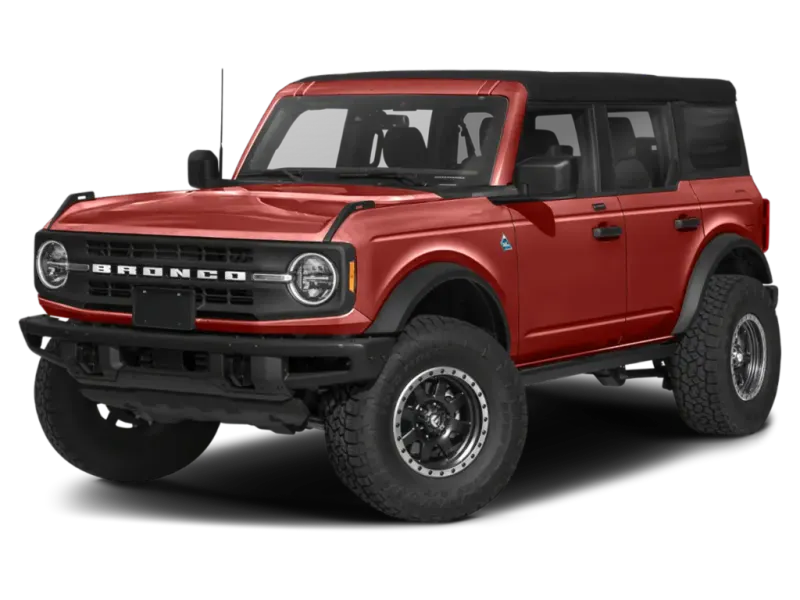
Ford Bronco
Score: 59/100
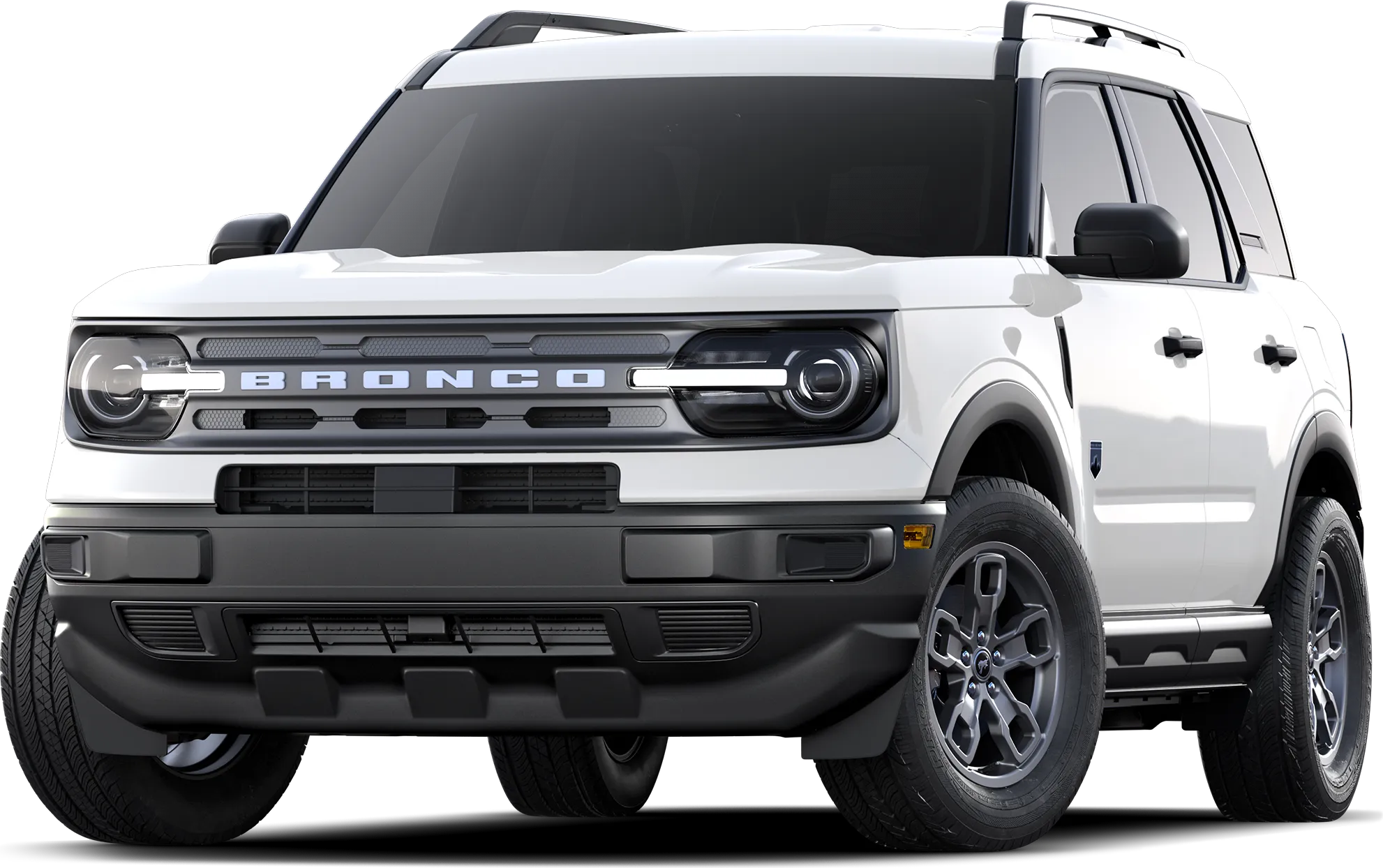
Ford Bronco-Sport
Score: 77/100
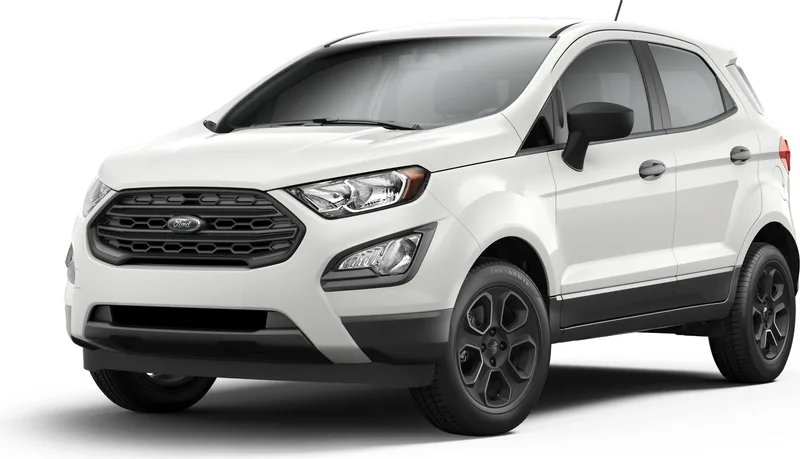
Ford Ecosport
Score: 74/100
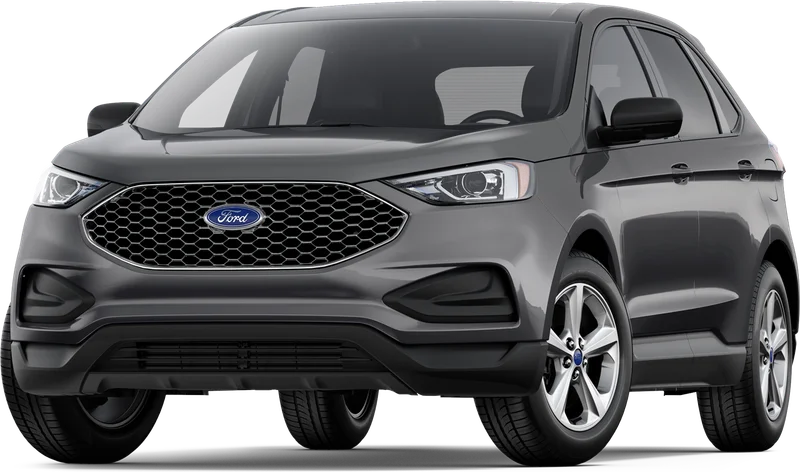
Ford Edge
Score: 76/100
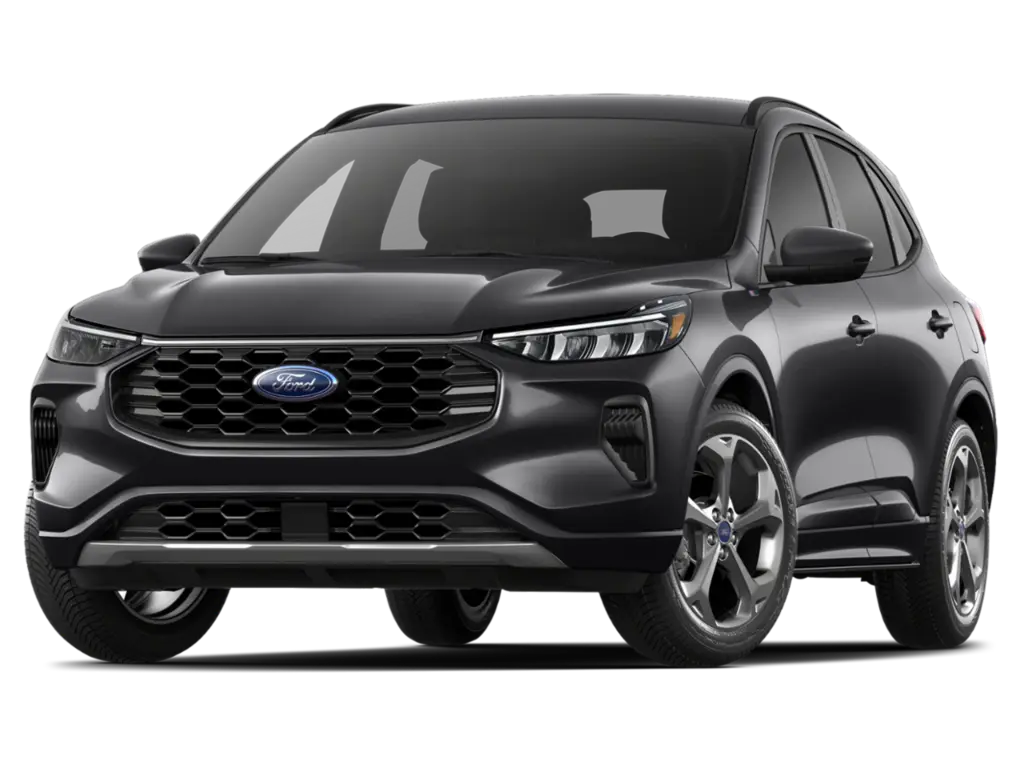
Ford Escape
Score: 77/100
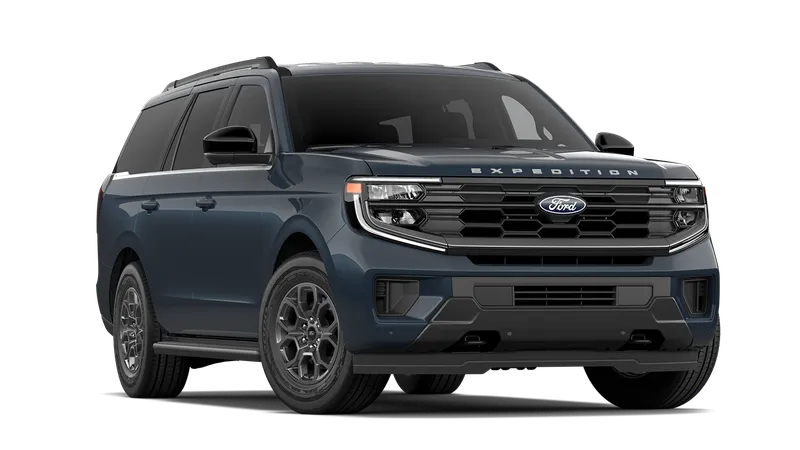
Ford Expedition
Score: 71/100
Browse More 2018 Vehicles
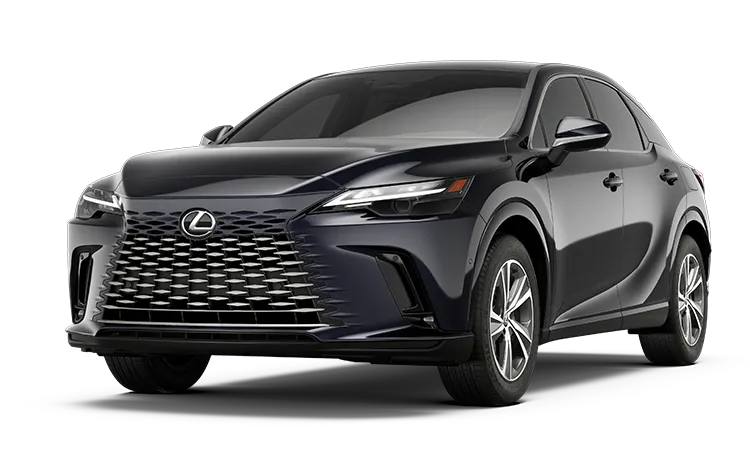
2018 Lexus RX
Score: 85/100
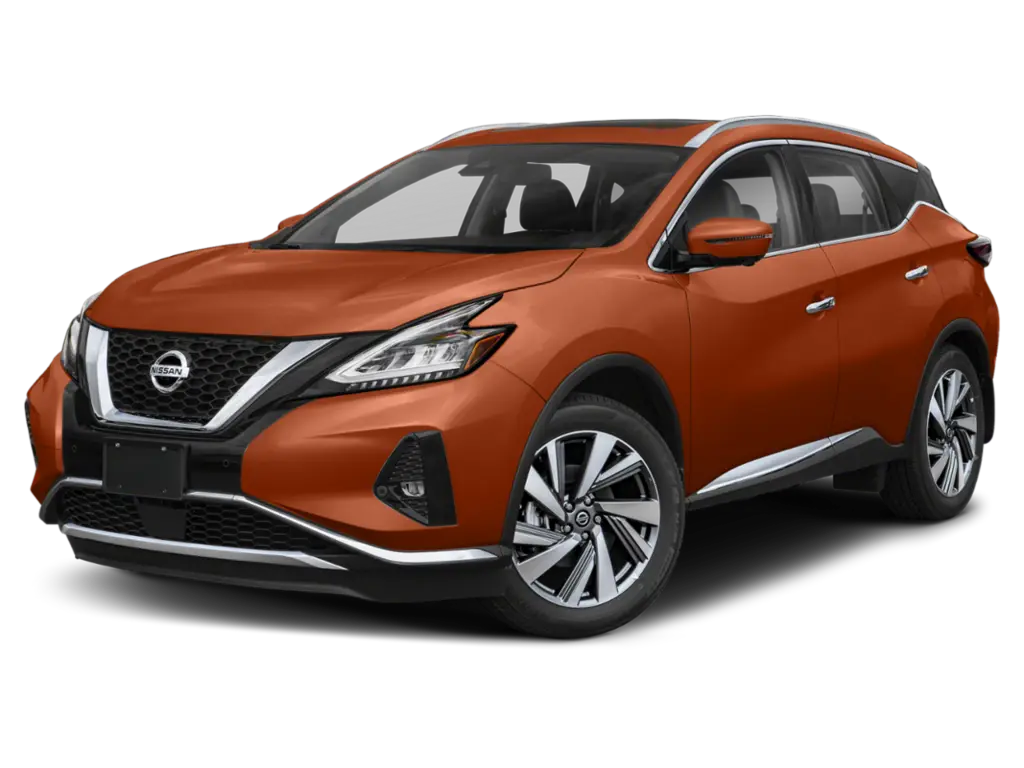
2018 Nissan Murano
Score: 82/100

2018 Lexus IS
Score: 81/100
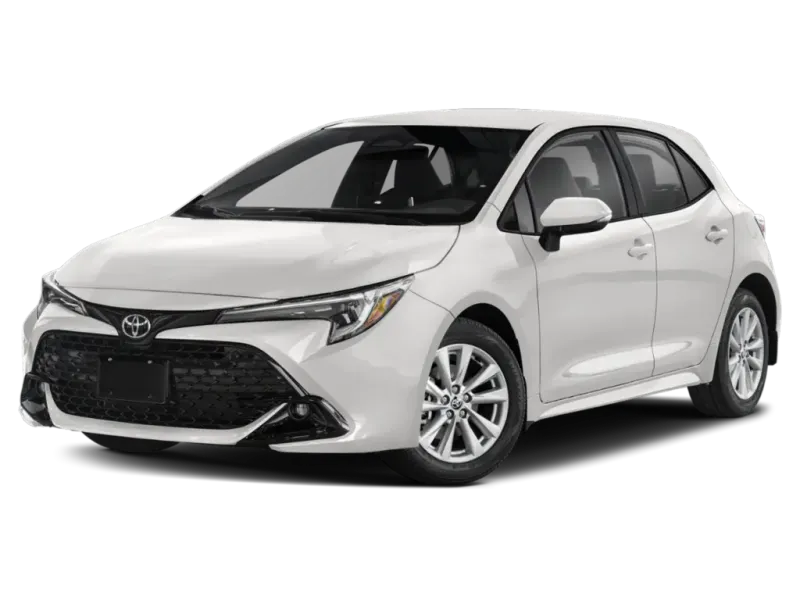
2018 Toyota Corolla
Score: 80/100
2018 Lexus ES
Score: 80/100
2018 Buick Encore
Score: 80/100
See incorrect data? Report an issue