Last updated: 2026-10-10
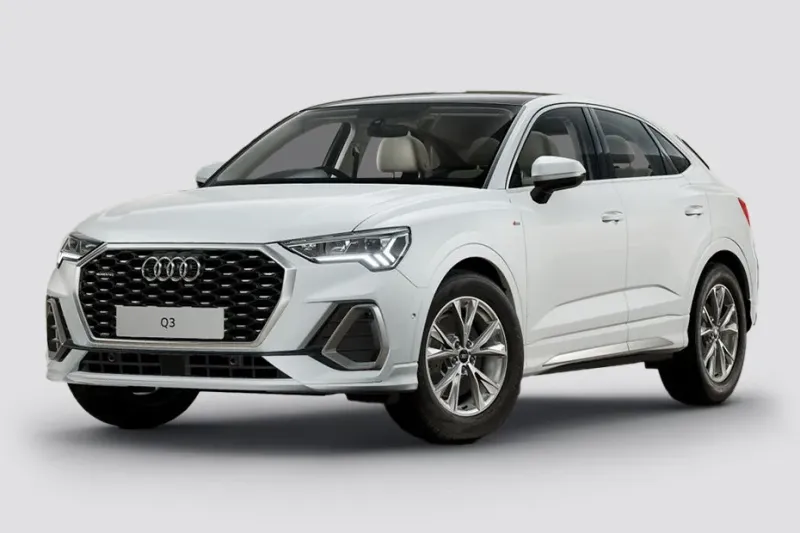
Audi Q3 Years to Avoid
9 scored model years (2018–2026) · model average 74/100
No model year is clearly one to avoid, since every year sits close to the model's own average. What varies is complaint volume and recalls, with 2020 and 2022 the weakest. For a used purchase, 2024 is the year to buy.
Verdict
- Avoid
- No outlier years
- Buy
- 2024 75/100
- Model average
- 74/100
What Are Common Audi Q3 Problems?
ELECTRICAL SYSTEM
37 complaintsMost reported in 2020, 2022, 2024
2020: Water leaking through the sunroof and overhead light panel is the most common report.
UNKNOWN OR OTHER
22 complaintsMost reported in 2020, 2018, 2024
2020: Stalling at stops is the main complaint.
FUEL/PROPULSION SYSTEM
10 complaintsMost reported in 2022, 2021, 2020
2022: Stalling and no-start conditions tied to the fuel pump are the most serious pattern, including an engine cutting off in a drive-through line and a pump replaced twice.
SERVICE BRAKES
9 complaintsMost reported in 2020, 2024, 2022
2020: The brake pedal pulsates and the car shudders when braking at highway speed, and some owners feel shaking above 50 mph.
STEERING
9 complaintsMost reported in 2020
2020: The wheel locks or goes heavy when auto start/stop shuts the engine off at a light.
ENGINE
7 complaintsMost reported in 2018, 2020
2018: Stalling while driving is the main pattern.
Best Audi Q3 Year to Buy Instead
2024 Audi Q3
2024 has been on the road long enough to show a clear record, and it drew far fewer complaints than 2020 or 2022. It also has fewer recalls than 2022. Its known issues are infotainment screen blackouts and fast inner rear brake pad wear, so have both checked before you buy.
Found a Safe Year? Check the Specific Car
Even the 2024 Audi Q3 has 2 recalls on file. A VIN check confirms the recall work on the exact car and shows its accident, title, and service history.
- Accidents
- Open Recalls
- Title History
- Odometer Rollback
All Audi Q3 Years by Generation
Audi Q3 Reliability Scores by Year
First generation (Typ 8U; 2011) (2015–2018)
Second generation (Typ F3; 2019-2024) (2019–2023)
2021 Audi Q3
2 recalls · 13 complaints
2023 Audi Q3
1 recalls · 1 complaints
2019 Audi Q3
3 recalls · 10 complaints
2022 Audi Q3
5 recalls · 28 complaints
2020 Audi Q3
2 recalls · 62 complaints
Third generation (Typ FJ; 2025) (2026–2026)
Frequently Asked Questions
Which Audi Q3 years should I avoid?
Which Audi Q3 year has the most complaints?
Is the 2026 Audi Q3 the most reliable year?
Does the 2022 Audi Q3 have problems?
Is the 2018 Audi Q3 a good used buy?
How we score every Audi Q3 model year
Scores weight complaint severity at 35%, repair costs at 30%, recall impact at 20%, and the spread of complaints across systems at 15%, with complaint counts adjusted for US sales. Read the full methodology.
See incorrect data? Report an issue