Last updated: 2026-10-10
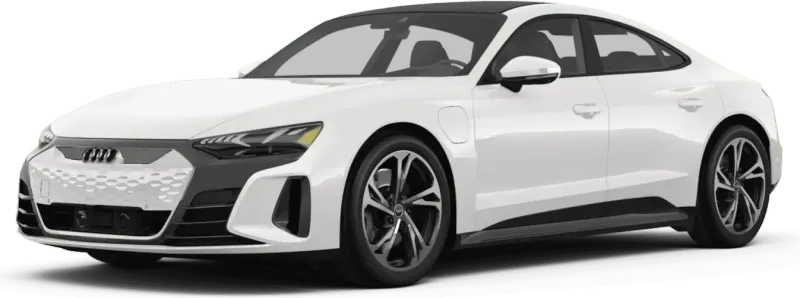
Audi e-tron GT Years to Avoid
4 scored model years (2022–2025) · model average 68/100
No model year of the E-Tron-GT is a clear one to avoid. Recalls and owner complaints vary between years, and they are heaviest on the 2022 and 2023. The 2024 is the year to buy.
Verdict
- Avoid
- No outlier years
- Buy
- 2024 67/100
- Model average
- 68/100
What Are Common Audi e-tron GT Problems?
ELECTRICAL SYSTEM
8 complaintsMost reported in 2023, 2022
2023: Charging stops at 70 percent while owners wait for a battery recall repair that dealers have not completed.
POWER TRAIN
5 complaintsMost reported in 2022
2022: The car shifts itself out of gear without driver input.
Best Audi e-tron GT Year to Buy Instead
2024 Audi e-tron GT
The 2024 has been on the road long enough to judge, and it logged one owner complaint and 10 recalls. The 2022 and 2023 each drew 10 complaints, mostly power train and electrical problems, and carried more recalls. The 2025 looks cleaner but is too new to favor.
Found a Safe Year? Check the Specific Car
Even the 2024 Audi e-tron GT has 10 recalls on file. A VIN check confirms the recall work on the exact car and shows its accident, title, and service history.
- Accidents
- Open Recalls
- Title History
- Odometer Rollback
All Audi e-tron GT Years by Generation
Audi e-tron GT Reliability Scores by Year
Frequently Asked Questions
Which Audi E-Tron-GT years should I avoid?
Which Audi E-Tron-GT years have shifting and power loss problems?
Is the 2025 Audi E-Tron-GT the most reliable year?
Is a 2022 Audi E-Tron-GT worth buying?
Which Audi E-Tron-GT year has the fewest problems?
How we score every Audi e-tron GT model year
Scores weight complaint severity at 35%, repair costs at 30%, recall impact at 20%, and the spread of complaints across systems at 15%, with complaint counts adjusted for US sales. Read the full methodology.
See incorrect data? Report an issue