Last updated: 2026-04-20
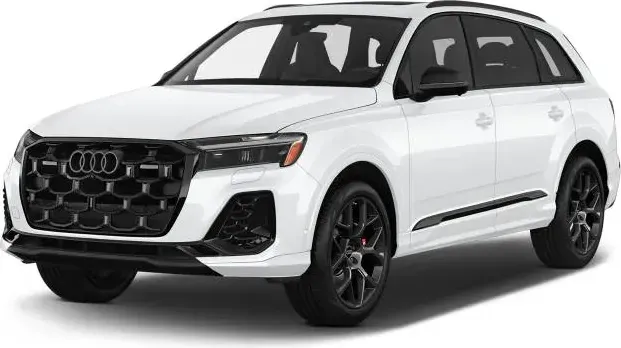
2 Audi Q7 Years to Avoid
Years that score significantly below the Audi Q7 average of 65/100
The Audi Q7 years to avoid are 2018, 2021 based on reliability scores, NHTSA recalls, and owner complaints. The worst year is 2018 with a reliability score of 58/100. The best Audi Q7 year to buy is 2026 70/100.
Verdict
The 2018, 2021 Audi Q7 score significantly below the model average of 65/100. The weakest year is 2018 with a score of 58/100 due to engine (28) issues. The best year to buy instead is 2020 65/100.
Audi Q7 Years to Avoid
These model years score significantly below the Audi Q7 average of 65/100.
Why These Years Should Be Avoided
2018 Audi Q7
The 2018 Audi Q7 has mixed reliability. There are 3 recalls and 134 owner complaints on file for the 2018 Audi Q7. Severity signals include 3 crash-related complaints. The most commonly reported problem areas are: Engine (28), Exterior Lighting (17), Suspension (15).
Top issues: Engine (28), Exterior Lighting (17), Suspension (15), Unknown Or Other (15), Electrical System (13), Steering (7)
View full 2018reliability report →2021 Audi Q7
The 2021 Audi Q7 has mixed reliability. There are 9 recalls and 61 owner complaints on file for the 2021 Audi Q7. Severity signals include 3 crash-related complaints. The most commonly reported problem areas are: Electrical System (33), Unknown Or Other (7), Engine (5).
Top issues: Electrical System (33), Unknown Or Other (7), Engine (5), Steering (4), Seat Belts (2), Tires (2)
View full 2021reliability report →What Are Common Audi Q7 Problems?
Top reported issues across all Audi Q7 model years, based on NHTSA owner complaints.
ELECTRICAL SYSTEM
63 complaintsMost reported in 2018, 2019, 2020
ENGINE
41 complaintsMost reported in 2018, 2019, 2020
UNKNOWN OR OTHER
34 complaintsMost reported in 2018, 2019, 2020
SUSPENSION
25 complaintsMost reported in 2018, 2019
STEERING
21 complaintsMost reported in 2018, 2019, 2021
EXTERIOR LIGHTING
19 complaintsMost reported in 2018, 2019
Best Audi Q7 Year to Buy Instead
2020 Audi Q7
The 2020 Audi Q7 has good reliability. There are 5 recalls and 22 owner complaints on file for the 2020 Audi Q7. Severity signals include 1 fire-related complaint. The most commonly reported problem areas are: Electrical System (9), Engine (4), Power Train (3).
Found a Safe Year? Check the Specific Car
Even the best Audi Q7 year can have hidden problems. A VIN check reveals past accidents, title issues, and service gaps for the exact car you're considering.
- Accidents
- Open Recalls
- Title History
- Odometer Rollback
All Audi Q7 Years by Generation
All model years ranked by reliability score, grouped by generation.
Audi Q7 Reliability Scores by Year
2026 Audi Q7
0 recalls · 0 complaints
2024 Audi Q7
3 recalls · 0 complaints
2025 Audi Q7
2 recalls · 10 complaints
2022 Audi Q7
3 recalls · 13 complaints
2023 Audi Q7
3 recalls · 16 complaints
2020 Audi Q7
5 recalls · 22 complaints
2019 Audi Q7
4 recalls · 58 complaints
2021 Audi Q7
9 recalls · 61 complaints
2018 Audi Q7
3 recalls · 134 complaints
Our data covers 2018–2026 model years.
Frequently Asked Questions
What Audi Q7 years should you avoid?
What is the best year for the Audi Q7?
How many recalls does the Audi Q7 have?
Is a used Audi Q7 worth buying?
What are common Audi Q7 problems?
Is the Audi Q7 reliable long-term?
How much does it cost to maintain a Audi Q7?
Is the 2026 Audi Q7 a good used buy?
How We Calculate Reliability Scores
Auto Reliability Index scores are calculated on a 0–100 scale using a weighted formula that combines multiple public data sources. Each factor is weighted based on its predictive value for real-world ownership experience.
Key Ranking Factors
Complaint Severity
NHTSA owner complaints weighted by component category (e.g., powertrain, safety systems, electronics, cosmetic) — safety-critical issues carry more weight than cosmetic ones. Adjusted for sales volume so high-volume models aren't unfairly penalized.
Repair Costs
Independent reliability ratings based on repair frequency, average repair costs, and severity of typical repairs for each model.
Recall Impact
Number of NHTSA recalls weighted by severity. “Stop driving” and fire-risk recalls are penalized more heavily than minor software or labeling recalls.
Issue Diversity
Measures how many major vehicle systems (engine, transmission, electrical, braking, etc.) have recorded complaints. A vehicle with issues spread across many systems may indicate systemic quality issues.
Scores are grouped into four tiers:
- 80–100: Excellent— Top-tier reliability, minimal issues
- 60–79: Good— Reliable with some minor concerns
- 40–59: Mixed— Notable issues, research before buying
- 0–39: Risky— Significant problems, proceed with caution
Data is sourced from NHTSA recall records, owner complaint filings, and independent repair databases via vehicles.dev. Scores are recalculated as new data becomes available. While the weighting model is proprietary, all underlying data sources are public and traceable.
See incorrect data? Report an issue