Last updated: 2026-10-10
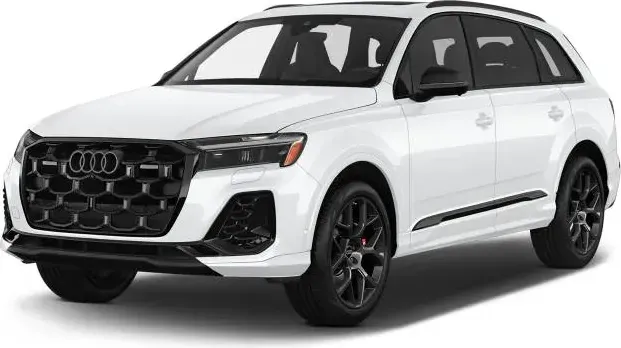
2025 Audi Q7 Reliability Report
The 2025 Audi Q7 has a good reliability standing, but owners report driver-assist faults, including lane departure that turns itself back on.
Recalls
2
Complaints
10
Complaint Rate
5.4per 10,000 sold
Est. Repair Cost
$1185
Annual Fuel Cost
$3,150
Detailed Score Breakdown
Component-weighted complaints normalized by sales volume
Independent repair cost ratings
Recall count weighted by severity
Breadth of reported problem categories
The Verdict
Good standing among the stronger Q7 years, but owners report lane departure that re-enables itself and adaptive cruise braking hard on clear highways, plus two recalls.
Top Issues to Watch
- FORWARD COLLISION AVOIDANCE (2)
- LANE DEPARTURE (2)
- BACK OVER PREVENTION (2)
Should You Buy the 2025 Audi Q7?
Reliability standing is good, and this is among the stronger of the nine Q7 model years we score. Against other 2025 SUVs it rates below average, and estimated yearly repair cost for the model is $1185 against $1127 for its class. The 2024 and 2026 Q7 also rate good and come out about the same.
The complaints that stand out involve driver-assist systems. Owners say lane departure switches itself back on after they turn it off, and it can jerk the steering wheel during a lane change. Dealers call it a software problem, and the fix is still pending. Others say adaptive cruise control brakes hard on clear highways, and dealer inspections found no cause. Two rain-related reverse braking complaints carry identical text, so they likely describe one incident. Federal recall records list two recalls, for back over prevention and seat belts.
Ask the seller or an Audi dealer to confirm by VIN that both recalls were completed. On a test drive, check that lane departure stays off and that adaptive cruise behaves on an open highway.
Compared to the 2026 Audi Q7, which scored 2 points higher. See also the 2024 Audi Q7 for an earlier comparison.
Pros
- +Acceptable reliability score
- +Low major repair risk (13%)
- +Low recall count
Cons
- −Frequent unscheduled repairs
- −Above-average complaint rate for SUV
- −LANE DEPARTURE: System switches itself back on after the driver turns it off (2 complaints)
Compare 2025 Audi Q7 With
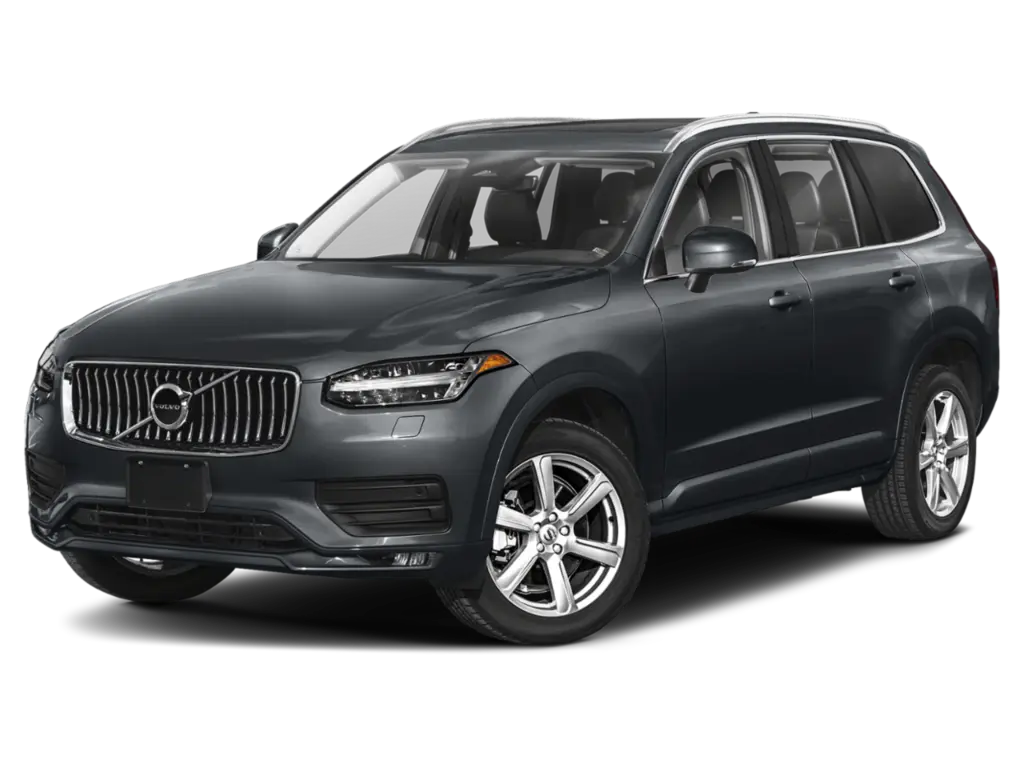
2025 Volvo XC90
Reliability: 74/100
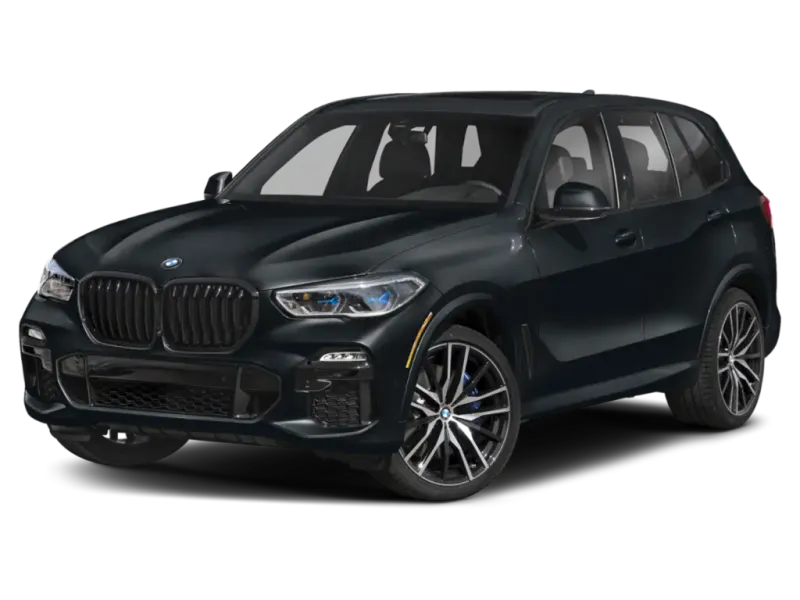
2025 BMW X5
Reliability: 64/100
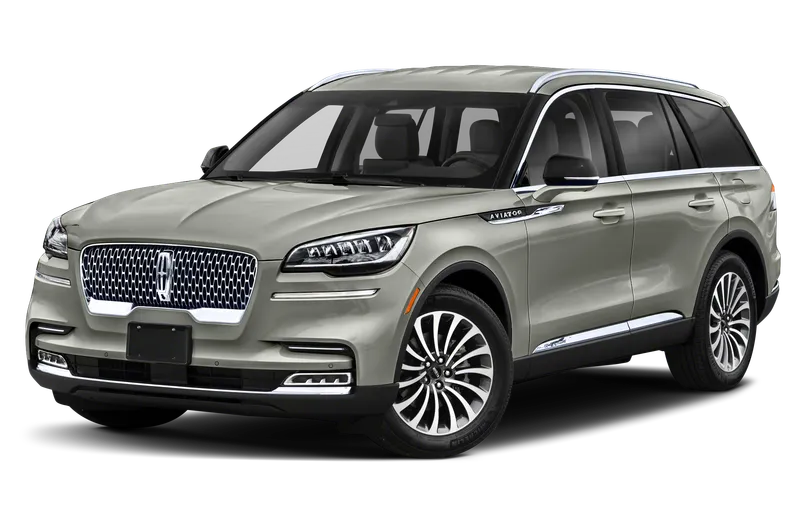
2025 Lincoln Aviator
Reliability: 68/100
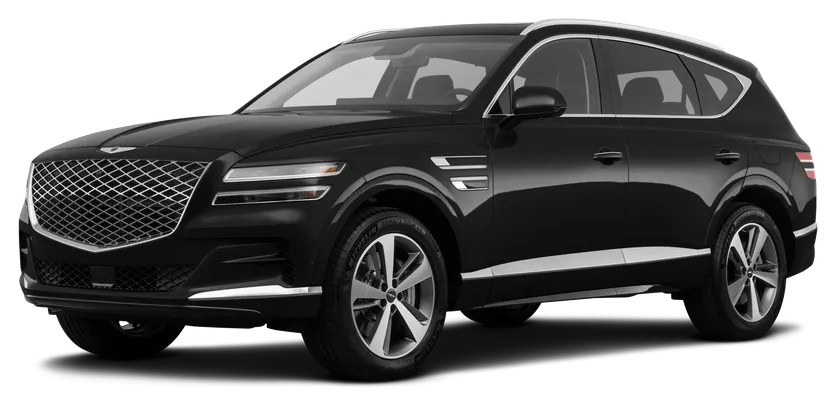
2025 Genesis GV80
Reliability: 64/100
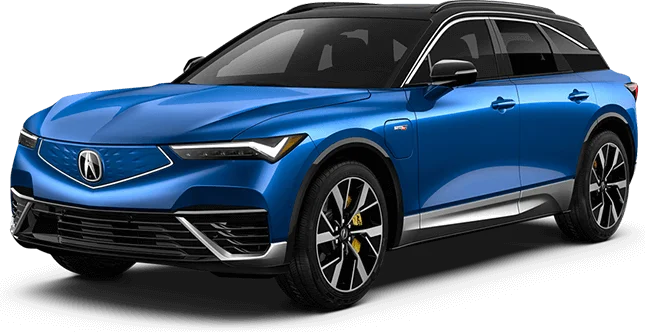
2025 Acura ZDX
Reliability: 88/100
Common Problem Categories
Safety
LOW RISK- 2 manufacturer recalls issued
Other
HIGH RISK- FORWARD COLLISION AVOIDANCE (2)
- LANE DEPARTURE (2)
Recall Overview
2
recalls on record
The 2025 Audi Q7 carries 2 recalls — a low count. Authorized dealers repair any open recall free of charge, regardless of warranty status.
NHTSA.gov →Complaint Breakdown
5.4
per 10,000 soldSegment avg: 3.5
Safety Incidents
0
Crashes
0
Fires
0
Injuries
0
Deaths
NHTSA 5/5 Stars
Data sourced from NHTSA complaint filings and manufacturer recall notices. Complaint narratives are owner-reported.
2025 Audi Q7 Recall Details
2 recalls have been issued for the 2025 Audi Q7. All recall repairs are performed free of charge at authorized dealerships.
BACK OVER PREVENTION
Volkswagen Group of America, Inc. (Audi) is recalling certain 2019-2026 vehicles. Please see the recall report for a complete list of models. A software error may prevent the rearview camera image from displaying as intended. As such, these vehicles fail to comply with the requirements of Federal Motor Vehicle Safety Standard number 111, "Rear Visibility."
Consequence
A rearview image that does not display reduces the driver's view behind the vehicle, increasing the risk of a crash.
Remedy
Dealers will update the software, free of charge. Owner notification letters were mailed January 14, 2026. Owners may contact Audi customer service at 1-800-253-2834. Audi's number for this recall is 90TV. Vehicle Identification Numbers (VINs) involved in this recall became searchable on NHTSA.gov on December 23, 2025.
SEAT BELTS
Volkswagen Group of America, Inc. (Volkswagen) is recalling certain 2025 Audi RS Q8, Audi Q8, Audi Q7, and Audi SQ8 vehicles. The driver and front passenger seat belt buckles may be missing a rivet that secures the buckle to the seat belt stalk.
Consequence
A seat belt that is missing a rivet may not properly restrain an occupant during a crash, increasing the risk of injury.
Remedy
Dealers will replace both front seat belt buckles, free of charge. Owner notification letters were mailed December 3, 2025. Owners may contact Audi at 1-800-253-2834. Audi's number for this recall is 692K. Vehicle Identification Numbers (VINs) involved in this recall became searchable on NHTSA.gov on November 14, 2025.
Buying a used 2025 Audi Q7? Check its history first
Forward collision avoidance problems lead owner complaints about the 2025 Audi Q7, and 2 recalls were issued for it. A VIN check shows whether this car's recall work was done, plus accident, title, and odometer history.
- Accidents
- Open Recalls
- Title History
- Odometer Rollback
2025 Audi Q7 NHTSA Safety Ratings
Overall Safety Rating
Crash Test Results by Configuration (expand)
Gas Powertrain
Rollover risk: 15.5%
Safety Technologies
Audi Q7Repair Costs & Maintenance
Maintenance Rating
2.5Maintenance rating: 2.5 out of 5Based on NHTSA complaint patterns, recall severity, and publicly available cost benchmarks.
Est. Annual Maintenance
$1185
vs $1127 avg for luxury fullsize SUVs
vs $652 avg for all vehicles
Repair Frequency
0.9
unscheduled repair visits per year
Severe Repair Probability
13%
chance of a major repair
Annual Cost Comparison
Category-level averages derived from publicly available industry reports (AAA, CarMD). Model-level estimates produced by Auto Reliability Index.
MPG & Annual Running Costs
Gas
22 MPG
Running cost: $4,350/yr
Fuel + repair
20 city / 26 hwy MPG
Hybrid
20 MPG
Running cost: $4,650/yr
Fuel + repair
18 city / 23 hwy MPG
Running cost includes EPA fuel-cost estimate and independent repair-cost data (repair cost estimated at model level). Excludes routine maintenance, depreciation, and insurance. Data as of 2025 EPA label cycle.
Gas trims
| Trim | Drive | Trans. | City | Hwy | Comb | Fuel Cost |
|---|---|---|---|---|---|---|
| Q7 2.0L 4-cyl | All-Wheel Drive | Automatic (S8) | 20 | 26 | 22 | $3,150 |
Hybrid trims
| Trim | Drive | Trans. | City | Hwy | Comb | Fuel Cost |
|---|---|---|---|---|---|---|
| Q7 3.0L 6-cyl | All-Wheel Drive | Automatic (S8) | 18 | 23 | 20 | $3,450 |
Used Buying Checklist
Key things to inspect or verify before purchasing a 2025 Audi Q7.
Turn off lane departure warning, then restart the car several times and confirm it stays off.
Ask for service records showing any lane assist or driver-assist software updates and complaints.
Use adaptive cruise control on an open highway and watch for hard braking with no vehicle ahead.
Pass exit ramps with cruise control engaged and note any sudden, unexplained deceleration.
If possible, reverse out of a parking space in rain and note any abrupt automatic braking.
Look for repeat dealer visits about phantom braking that ended with no fault found.
2025 Audi Q7 Common Problems by Component
10 owner complaints grouped by vehicle system.
FORWARD COLLISION AVOIDANCE
2 complaintsAdaptive cruise control brakes hard at highway speed with nothing in the way. Drivers report the car slowing sharply, sometimes almost to a stop, on clear divided highways and near exits. Vehicles following closely have nearly hit the car from behind. Drivers have avoided crashes by pressing the accelerator to override the system. The car can also hesitate to accelerate once the braking stops. Dealer inspections find no diagnostic cause, and the braking continues after service.
LANE DEPARTURE
2 complaintsThe system switches itself back on after the driver turns it off. Reports describe it returning at random, sometimes once or twice a week. A driver who doesn't notice it's active can have the steering wheel jerked hard during a lane change. That can lead to an overcorrection and a near miss with oncoming traffic. Complaints start within weeks of delivery. Dealers and Audi call it a software problem and haven't repaired it. A software fix is described as still pending.
BACK OVER PREVENTION
2 complaintsWhen the car reverses in rain, rear automatic braking stops it suddenly. The system appears to treat the rain as an obstacle. It brakes hard on each attempt to back out, with no warning first. The problem appears within weeks of the car being new. The dealer found no faults or error codes stored in the system. Both complaints on file contain identical text, so this category likely reflects one incident filed twice rather than a broad pattern.
SERVICE BRAKES (1 complaints)
SERVICE BRAKES
1 complaintNew Audi Q7 only 1,392 miles driven, front brake failed, Audi NOT willing to remedy under warranty claiming unsubstantiated brakes overheated due to excessive braking ? Clearly manufacturer fault and serious safety hazard - no support from Audi Grapevine
ELECTRICAL SYSTEM (1 complaints)
ELECTRICAL SYSTEM
1 complaintThe contact owns a 2025 Audi Q7. The contact stated that the Lane Departure: Lane Keep Assist unintendedly engaged. While driving 40-70 MPH and attempting to switch lanes, the vehicle jerked abnormally. The contact stated that the Lane Departure: Lane Keep Assist was turned off. The Lane Departure: Lane Keep Assist warning light was illuminated. The vehicle was taken back to the local dealer on two occasions, and the contact was informed that the vehicle was operating as designed. The system was reset, but the failure recurred. The manufacturer was contacted, but no assistance was provided. The failure mileage was unknown.
POWER TRAIN (1 complaints)
POWER TRAIN
1 complaintI am filing a formal complaint regarding serious safety-related defects in a newly purchased Audi vehicle. Immediately upon delivery, the car presented: • A faulty solenoid, a critical engine component, creating risks of engine misfires, sudden stalling, loss of acceleration, and transmission malfunctions while driving. Such failures pose imminent hazards during the cross-country travel that military families like mine regularly undertake. • Defective windshield wipers from the outset, jeopardizing visibility and safety during inclement weather. These defects demonstrate systemic quality control failures by Audi, undermining the safety expectations owed to U.S. consumers. Requested Action I urge NHTSA to: 1. Investigate Audi for potential violations of federal motor vehicle safety standards. 2. Evaluate whether a recall is warranted, as this appears not to be an isolated case. 3. Hold Audi accountable for delivering vehicles with concealed or unaddressed safety defects. As a U.S. military officer, I cannot risk the safety of my family in a vehicle plagued by such defects. American families deserve full confidence that new vehicles meet uncompromising safety standards.
EXTERIOR LIGHTING (1 complaints)
EXTERIOR LIGHTING
1 complaintMatrix adaptive headlights are not working. Night driving with increased adoption of LED headlights become challenging due to high glare level and associated temporary vision sensitivity reduction, I was hoping that matrix adaptive headlights will improve this (especially in states like Michigan where extra side light appreciates due to high amount of deers) but they are not working. Also, It puts some pedestrians under extra danger since they could not been seen in low light conditions (there’s a lack of external lighting poles)
Best & Worst Audi Q7 Years
Best Audi Q7 Years to Buy
Based on reliability index scoreAudi Q7 Years to Avoid
Audi Q7 Reliability Score Trend
Scores 0–100. Higher is better. Current year highlighted.
| Year | Score | Rating |
|---|---|---|
| 2018 | 58/100 | Mixed |
| 2019 | 62/100 | Good |
| 2020 | 65/100 | Good |
| 2021 | 59/100 | Mixed |
| 2022 | 67/100 | Good |
| 2023 | 66/100 | Good |
| 2024 | 70/100 | Good |
| 2025 | 68/100 | Good |
| 2026 | 70/100 | Good |
Audi Q7 Reliability Compared to Other Years
Frequently Asked Questions
Is the 2025 Audi Q7 reliable?
What are the most common problems with the 2025 Audi Q7?
Does the 2025 Audi Q7 have lane departure problems?
Has the 2025 Audi Q7 been recalled?
How much does the 2025 Audi Q7 cost to repair?
Don’t buy a 2025 Audi Q7 without checking its VIN first — hidden accidents, title issues, and open recalls could cost you thousands.
How we score the 2025 Audi Q7
Of the four inputs behind this score, the 2025 Audi Q7 does best on recall impact (80/100) and worst on repair costs (50/100). Scores weight complaint severity at 35%, repair costs at 30%, recall impact at 20%, and the spread of complaints across systems at 15%, with complaint counts adjusted for US sales. Read the full methodology.
Get notified when new recalls or reliability data is added for the Audi Q7.
No spam. Only data updates for this model.
Browse More Audi Models
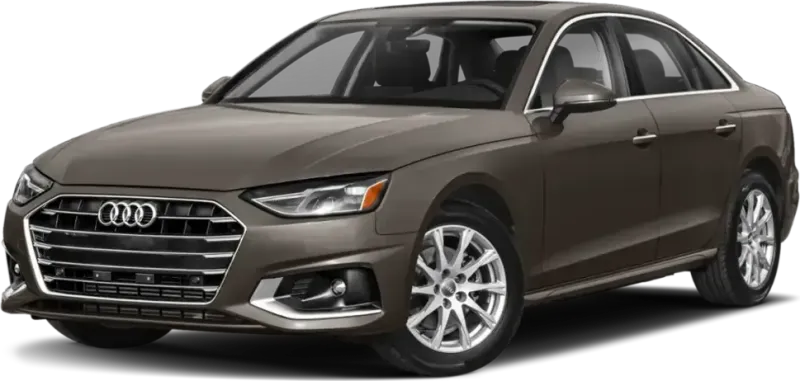
Audi A4
Score: 81/100
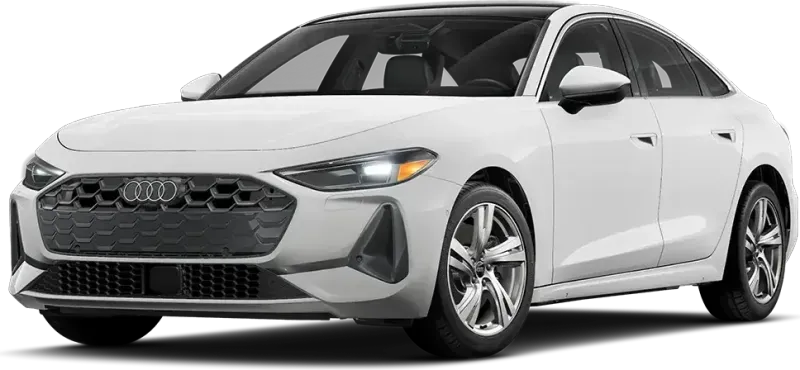
Audi A5
Score: 82/100
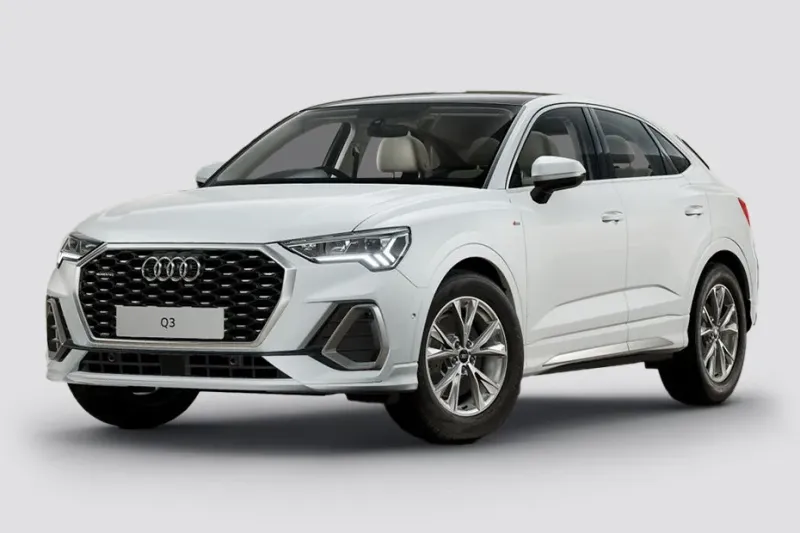
Audi Q3
Score: 82/100
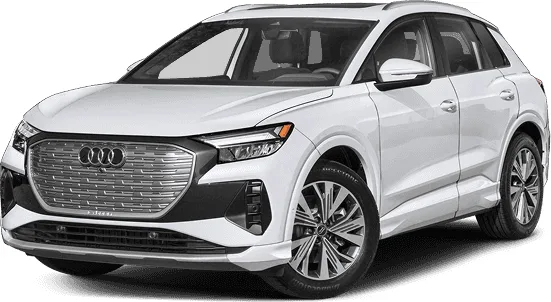
Audi Q4 e-tron
Score: 71/100
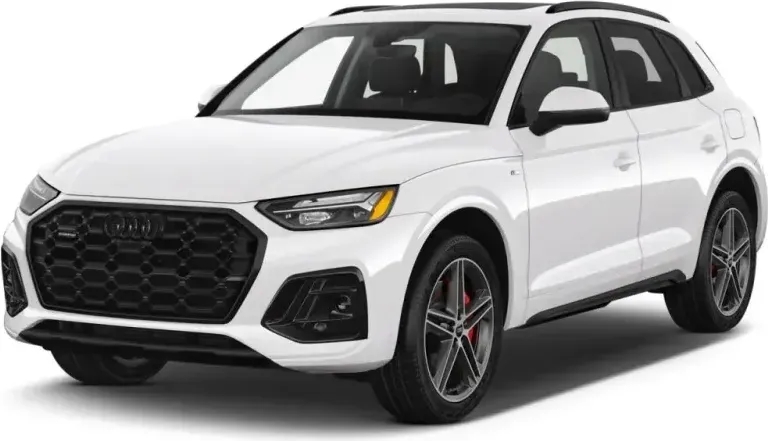
Audi Q5
Score: 76/100
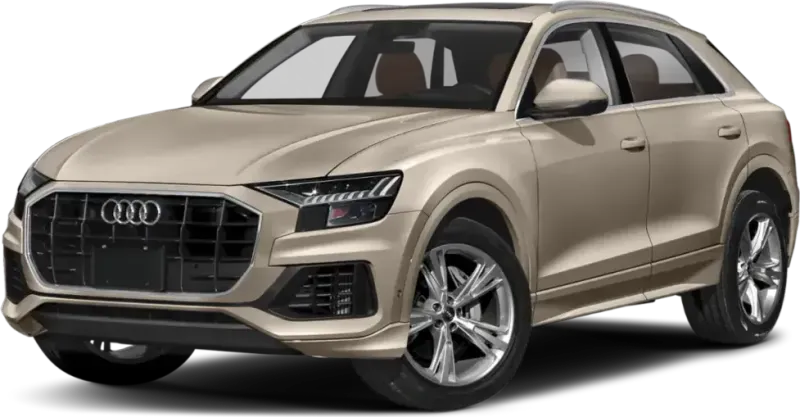
Audi Q8
Score: 70/100
Browse More 2025 Vehicles
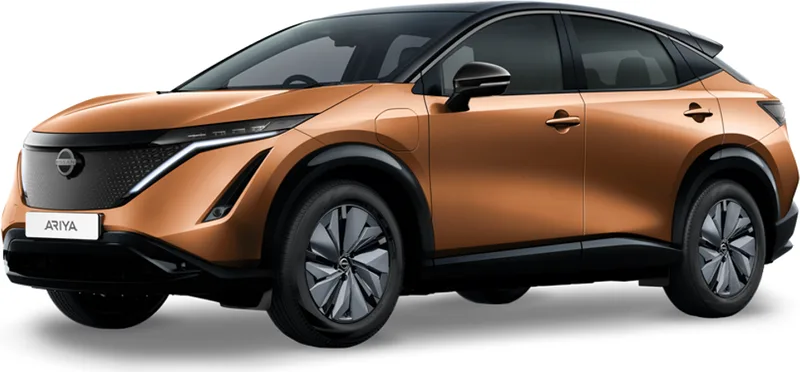
2025 Nissan Ariya
Score: 88/100
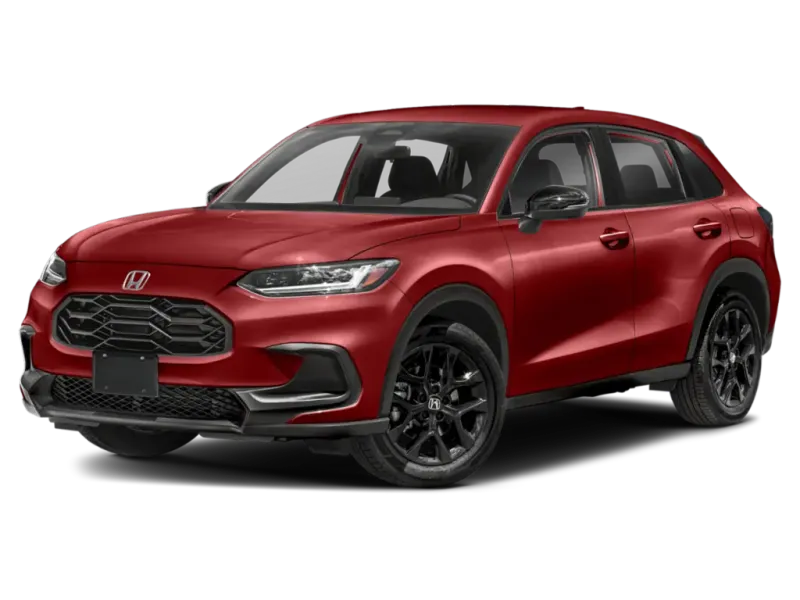
2025 Honda HR-V
Score: 88/100
2025 Acura ZDX
Score: 88/100
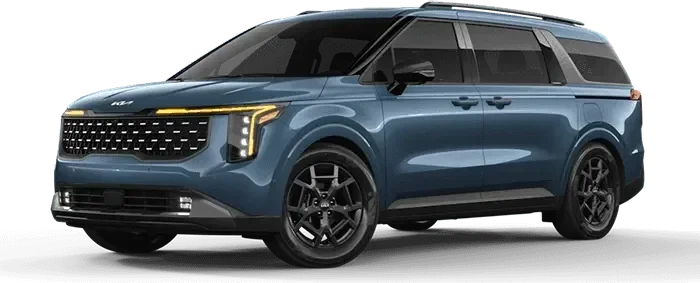
2025 Kia Carnival
Score: 88/100
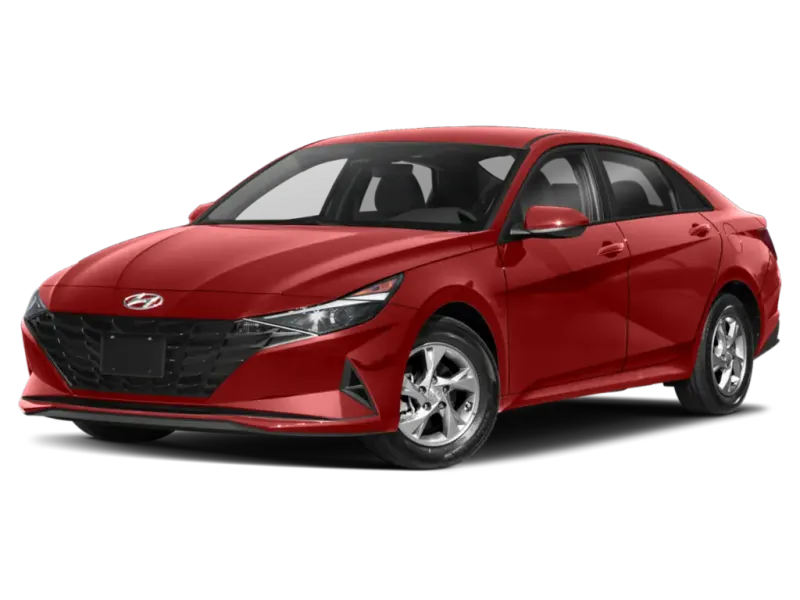
2025 Hyundai Elantra
Score: 87/100
2025 Toyota Corolla Cross
Score: 86/100
See incorrect data? Report an issue