Last updated: 2026-10-10
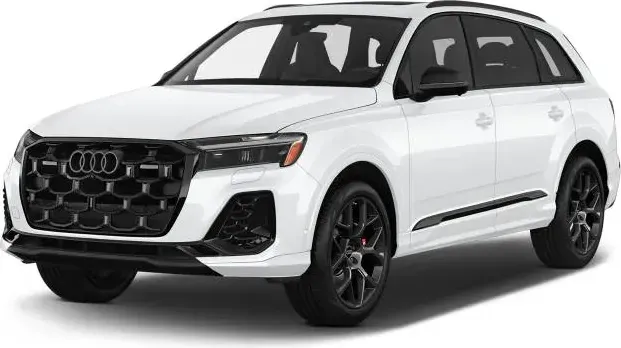
2020 Audi Q7 Reliability Report
The 2020 Audi Q7 has good reliability, but sudden electrical power loss at highway speeds is the main complaint owners report.
Recalls
5
Complaints
22
Complaint Rate
8.7per 10,000 sold
Est. Repair Cost
$1185
Annual Fuel Cost
$3,300
Detailed Score Breakdown
Component-weighted complaints normalized by sales volume
Independent repair cost ratings
Recall count weighted by severity
Breadth of reported problem categories
The Verdict
Middle of the pack among Q7 years, with good reliability and fewer complaints than 2019 or 2021, but sudden electrical failures at highway speed.
Top Issues to Watch
- ELECTRICAL SYSTEM (9)
- ENGINE (4)
- POWER TRAIN (3)
Should You Buy the 2020 Audi Q7?
Reliability is good for this model year, though it rates below average among 2020 SUVs. Within the Q7's scored years it sits in the middle of nine. Both neighbors rate worse: the 2019 is also good on reliability, and the 2021 is mixed. Owners filed 22 complaints, about 8.7 per 10,000 sold. Independent repair-cost data puts yearly repairs at $1,185 model-wide, slightly above the $1,127 class figure.
The serious problem is electrical. Owners describe a warning light, then a loss of all power while driving. Systems drop out one by one until the engine shuts off and will not restart, often at highway speed. Brakes, steering, and lights go with it. Reports run from 50,100 to 70,000 miles, and alternator replacement comes up more than once. One complaint involves a burned wiring harness. Engine reports center on coolant leaks and water pump failures on the 3.0L turbo V6, with repairs over $3,000. Federal recall records show five recalls: back over prevention, forward collision avoidance, fuel system, air bags, and structure.
Ask for proof that all five recalls were completed. Request service records for the alternator, water pump, and coolant system, and have a shop check for leaks. Of the neighboring years, the 2020 rates better than the 2019 or 2021.
Compared to the 2021 Audi Q7, which scored 6 points lower. See also the 2019 Audi Q7 for an earlier comparison.
Pros
- +Acceptable reliability score
- +Low major repair risk (13%)
- +Below-average complaint rate for SUV
Cons
- −Frequent unscheduled repairs
- −Moderate recall count
- −ELECTRICAL SYSTEM: Sudden loss of all electrical power while driving is the main pattern (9 complaints)
Compare 2020 Audi Q7 With
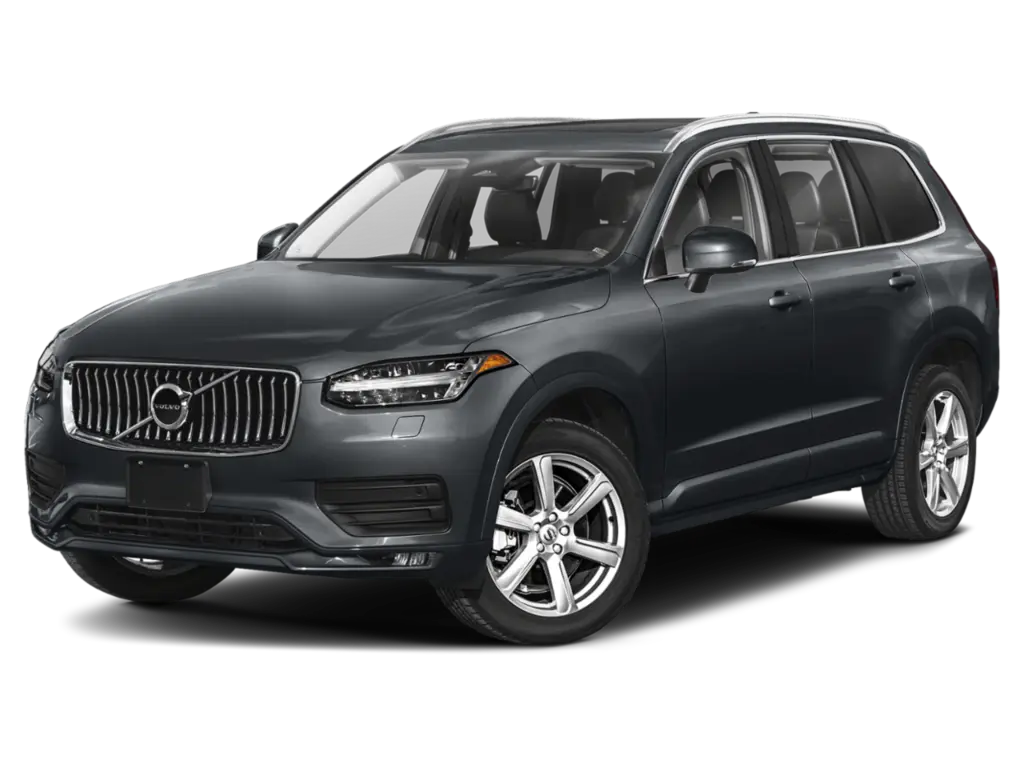
2020 Volvo XC90
Reliability: 71/100
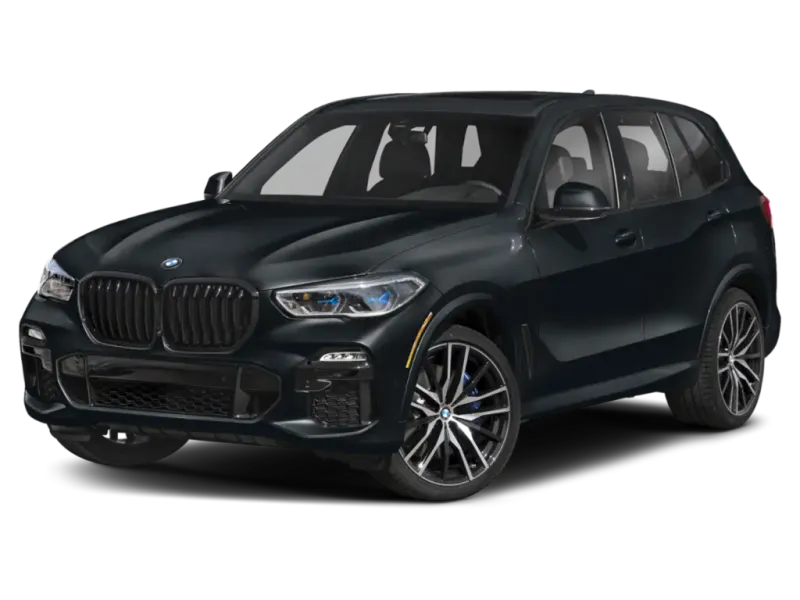
2020 BMW X5
Reliability: 56/100
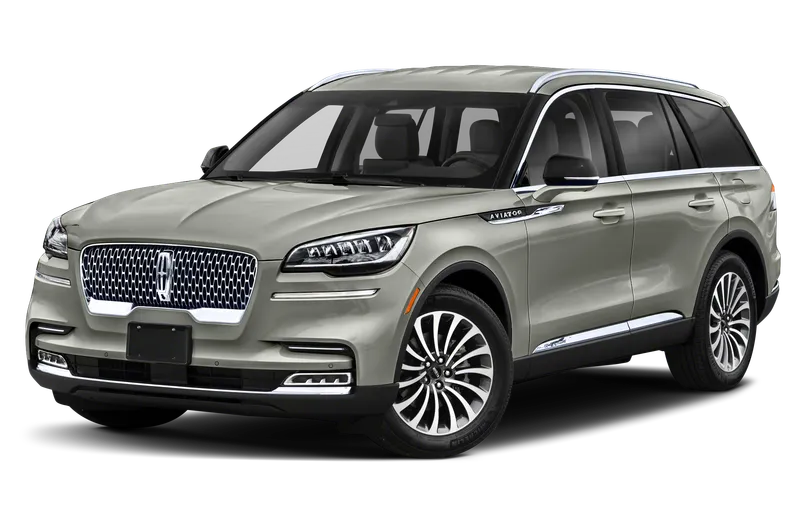
2020 Lincoln Aviator
Reliability: 57/100
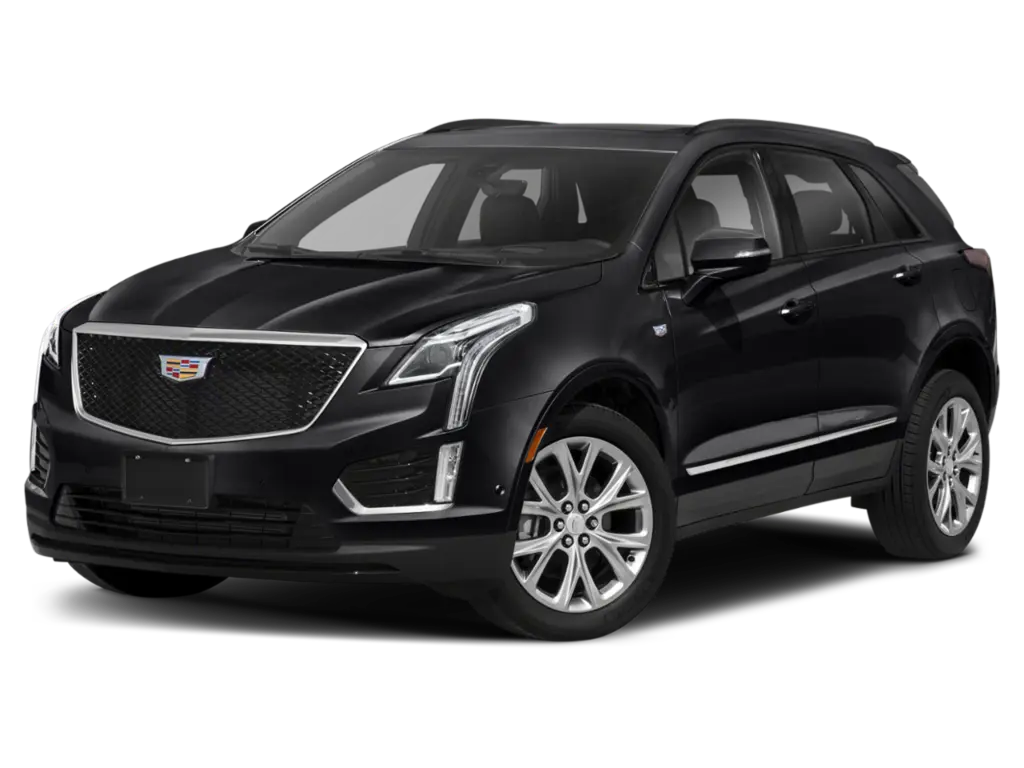
2020 Cadillac XT5
Reliability: 71/100
Common Problem Categories
Safety
LOW RISK- 5 manufacturer recalls issued
Other
HIGH RISK- ELECTRICAL SYSTEM (9)
- ENGINE (4)
Recall Overview
5
recalls on record
A moderate 5 recalls are on file for the 2020 Audi Q7. Each one points to a specific safety or compliance issue identified by the manufacturer or NHTSA — check the list below before buying.
NHTSA.gov →Complaint Breakdown
8.7
per 10,000 soldSegment avg: 20.2
Safety Incidents
0
Crashes
1
Fires
1
Injuries
0
Deaths
Data sourced from NHTSA complaint filings and manufacturer recall notices. Complaint narratives are owner-reported.
2020 Audi Q7 Recall Details
5 recalls have been issued for the 2020 Audi Q7. All recall repairs are performed free of charge at authorized dealerships.
BACK OVER PREVENTION
Volkswagen Group of America, Inc. (Audi) is recalling certain 2019-2026 vehicles. Please see the recall report for a complete list of models. A software error may prevent the rearview camera image from displaying as intended. As such, these vehicles fail to comply with the requirements of Federal Motor Vehicle Safety Standard number 111, "Rear Visibility."
Consequence
A rearview image that does not display reduces the driver's view behind the vehicle, increasing the risk of a crash.
Remedy
Dealers will update the software, free of charge. Owner notification letters were mailed January 14, 2026. Owners may contact Audi customer service at 1-800-253-2834. Audi's number for this recall is 90TV. Vehicle Identification Numbers (VINs) involved in this recall became searchable on NHTSA.gov on December 23, 2025.
FORWARD COLLISION AVOIDANCE
Volkswagen Group of America, Inc. (Audi) is recalling certain 2020 Q7 vehicles. Incompatibility between the front camera control software and the heating element used for the front camera on the windshield may cause the heating element to overheat.
Consequence
An overheated heating element can increase the risk of a fire.
Remedy
Dealers will update the control software and replace the heater element for the front camera, free of charge. Owner notification letters are expected to be mailed May 26, 2023. Owners may contact Audi's customer service at 1-800-253-2834. Audi's number for this recall is 90N7.
FUEL SYSTEM, GASOLINE
Volkswagen Group of America, Inc. (Volkswagen) is recalling certain 2019-2021 Audi Q8, and 2020-2021 Audi Q7 vehicles. A component inside the fuel pump may break, causing the fuel pump to fail.
Consequence
Fuel pump failure can cause an engine stall, increasing the risk of a crash.
Remedy
Dealers will replace the fuel pump, free of charge. Owner notification letters were mailed December 22, 2022. Owners may contact Audi's customer service at 1-800-253-2834. Audi's number for this recall is 20DR.
Buying a used 2020 Audi Q7? Check its history first
Electrical system problems lead owner complaints about the 2020 Audi Q7, and 5 recalls were issued for it. A VIN check shows whether this car's recall work was done, plus accident, title, and odometer history.
- Accidents
- Open Recalls
- Title History
- Odometer Rollback
2020 Audi Q7 NHTSA Safety Ratings
Crash Test Results by Configuration (expand)
Gas Powertrain
Rollover risk: 15.7%
Safety Technologies
Audi Q7Repair Costs & Maintenance
Maintenance Rating
2.5Maintenance rating: 2.5 out of 5Based on NHTSA complaint patterns, recall severity, and publicly available cost benchmarks.
Est. Annual Maintenance
$1185
vs $1127 avg for luxury fullsize SUVs
vs $652 avg for all vehicles
Repair Frequency
0.9
unscheduled repair visits per year
Severe Repair Probability
13%
chance of a major repair
Annual Cost Comparison
Category-level averages derived from publicly available industry reports (AAA, CarMD). Model-level estimates produced by Auto Reliability Index.
MPG & Annual Running Costs
Gas
21 MPG
Running cost: $4,500/yr
Fuel + repair
19 city / 23 hwy MPG
Hybrid
18 MPG
Running cost: $5,050/yr
Fuel + repair
17 city / 21 hwy MPG
Running cost includes EPA fuel-cost estimate and independent repair-cost data (repair cost estimated at model level). Excludes routine maintenance, depreciation, and insurance. Data as of 2020 EPA label cycle.
Gas trims
| Trim | Drive | Trans. | City | Hwy | Comb | Fuel Cost |
|---|---|---|---|---|---|---|
| Q7 2.0L 4-cyl | All-Wheel Drive | Automatic (S8) | 19 | 23 | 21 | $3,300 |
Hybrid trims
| Trim | Drive | Trans. | City | Hwy | Comb | Fuel Cost |
|---|---|---|---|---|---|---|
| Q7 3.0L 6-cyl | All-Wheel Drive | Automatic (S8) | 17 | 21 | 18 | $3,850 |
Used Buying Checklist
Key things to inspect or verify before purchasing a 2020 Audi Q7.
Ask for service records showing any alternator, battery, or Belt Starter Generator replacement and the reason for it.
Take a long test drive and watch for any yellow or red electrical malfunction warning on the dash.
Have a shop scan for stored electrical fault codes before you buy.
Check under the hood for coolant leaks around the water pump and reservoir, and confirm the coolant level is full.
Ask whether the water pump has been replaced, and get a repair estimate if it has not.
Listen for noise from the rear at low speed and confirm the car accelerates normally past 20 mph.
Inspect the panoramic sunroof glass for chips, cracks, or signs of a past replacement.
Test the SOS emergency button and ask whether the MMI software update has been done.
2020 Audi Q7 Common Problems by Component
22 owner complaints grouped by vehicle system.
ELECTRICAL SYSTEM
9 complaintsSafety-relatedSudden loss of all electrical power while driving is the main pattern. An electrical malfunction warning appears, sometimes turning from yellow to red. Systems then drop out one by one until the engine shuts off and will not restart, often at highway speeds. Reports describe lost brakes, steering, and lights, and no way to shift into neutral. Reported mileages run 50,100 to 70,000, and alternator replacement comes up more than once. One dealer reportedly called it a known issue with long parts waits. One fire-related complaint involves a burned wiring harness that later smoked. Others mention false forward collision warnings.
ENGINE
4 complaintsCoolant leaks and water pump failures make up most reports. Owners describe replacing the water pump, vacuum lines, and coolant reservoir as early as 41k miles, with repair bills over $3,000 and as high as $6,000. Complaints tie the problem to the 3.0L turbocharged V6 and cite a class action over water pumps. They warn that ignoring a leak risks overheating, power loss, and engine damage. One separate report describes a turbocharger failure at approximately 30,000 miles.
POWER TRAIN
3 complaintsHighway-speed electrical failure blamed on the Belt Starter Generator also shows up here. In that report, later oil consumption and engine noise led to engine failure that went undiagnosed. Another complaint describes a dangerous stall caused by a failed central control module, which the owner blames on water getting in. A third involves a rear differential failure at approximately 6,200 miles. The car made a noise from the rear passenger side, could not go faster than 20 mph, and had to be towed. Each problem comes from a single report.
UNKNOWN OR OTHER (2 complaints)
UNKNOWN OR OTHER
2 complaintsA panoramic sunroof shattered at freeway speeds and blew glass into the cabin, causing the 1 injury on record. The weather was dry and mild, and the dealer found nothing that contributed to the break. The other complaint involves the SOS emergency calling system. It can lose its connection outside cell range and fail to reconnect afterward, so it may not reach emergency services. The owner reports that dealers charge $276 for the software update that addresses it.
FUEL/PROPULSION SYSTEM (1 complaints)
FUEL/PROPULSION SYSTEM
1 complaintMy 2020 Audi Q7 with 49,500 miles had a complete engine shut down while driving. Towed to Audi. Fuel Pump was recalled and replaced on 1/2023. Audi stated it was the jet suction pump inside the saddle fuel tank. Research discovered that this saddle tank has been problem for this model and year. Audi only covered a portion of the cost. The entire fuel tank had to be replaced. 16 days to complete.
SERVICE BRAKES (1 complaints)
SERVICE BRAKES
1 complaintOften gets warning about Parking Brake malfunction. Dealership already checked once and could not find the problem. Warning comes on speedometer as follows: "Parking brake: malfunction! Please contact Service."
FUEL SYSTEM (1 complaints)
FUEL SYSTEM
1 complaintThe contact owns a 2020 Audi Q7. The contact received notification of NHTSA Campaign Number: 22V516000 (Fuel System, Gasoline); however, the contact was informed by local dealers that parts were on backorder. The manufacturer was not made aware of the issue. The contact had not experienced a failure. Parts distribution disconnect.
FORWARD COLLISION AVOIDANCE (1 complaints)
FORWARD COLLISION AVOIDANCE
1 complaintWHEN DRIVING WITH THE CRUISE CONTROL ON, THE VEHICLE AUTOMATICALLY ADJUSTS THE SPEED TO THE SPEED LIMIT. ON OCCASION, WHEN DRIVING AT FREEWAY SPEEDS, IT WILL PICK UP THE SPEED LIMIT FROM A CROSS STREET (OVER OR UNDER PASS). THIS HAPPENED ON A RECENT TRIP WITH THE VEHICLE SET AT THE SPEED LIMIT OF 75, THEN SUDDENLY AND AUTOMATICALLY BRAKING BECAUSE IT DETECTED A 45 MPH CROSS STREET. WITH MOST TRAFFIC MOVING AT 75 MPH, THIS WAS EXTREMELY DANGEROUS TO SUDDENLY BRAKE FOR NO APPARENT REASON WITH PEOPLE RIGHT BEHIND US. WE CAN NO LONGER US OUR CRUISE CONTROL BECAUSE OF THIS. THE AUDI DEALERSHIP COULD NOT REPLICATE THIS ISSUE. IT ONLY HAPPENED TO US IN A SMALL NUMBER OF CIRCUMSTANCES, BUT WAS DANGEROUS AND FRIGHTENING WHEN IT DID. THE AUTOMATIC SPEED ADJUST ALSO APPARENTLY CANNOT BE TURNED OFF. THE DEALERSHIP DID MENTIONED THEY WERE AWARE OF ANOTHER AUDI VEHICLE THEY HAD SEEN WITH THE SAME ISSUE.
Best & Worst Audi Q7 Years
Best Audi Q7 Years to Buy
Based on reliability index scoreAudi Q7 Years to Avoid
Audi Q7 Reliability Score Trend
Scores 0–100. Higher is better. Current year highlighted.
| Year | Score | Rating |
|---|---|---|
| 2018 | 58/100 | Mixed |
| 2019 | 62/100 | Good |
| 2020 | 65/100 | Good |
| 2021 | 59/100 | Mixed |
| 2022 | 67/100 | Good |
| 2023 | 66/100 | Good |
| 2024 | 70/100 | Good |
| 2025 | 68/100 | Good |
| 2026 | 70/100 | Good |
Audi Q7 Reliability Compared to Other Years
Frequently Asked Questions
Is the 2020 Audi Q7 reliable?
What are the most common problems with the 2020 Audi Q7?
Does the 2020 Audi Q7 lose electrical power while driving?
Does the 2020 Audi Q7 have water pump problems?
Has the 2020 Audi Q7 been recalled?
Don’t buy a 2020 Audi Q7 without checking its VIN first — hidden accidents, title issues, and open recalls could cost you thousands.
How we score the 2020 Audi Q7
Of the four inputs behind this score, the 2020 Audi Q7 does best on how many systems draw complaints (82/100) and worst on repair costs (50/100). Scores weight complaint severity at 35%, repair costs at 30%, recall impact at 20%, and the spread of complaints across systems at 15%, with complaint counts adjusted for US sales. Read the full methodology.
Get notified when new recalls or reliability data is added for the Audi Q7.
No spam. Only data updates for this model.
Browse More Audi Models
Audi A4
Score: 81/100
Audi A5
Score: 82/100
Audi Q3
Score: 82/100
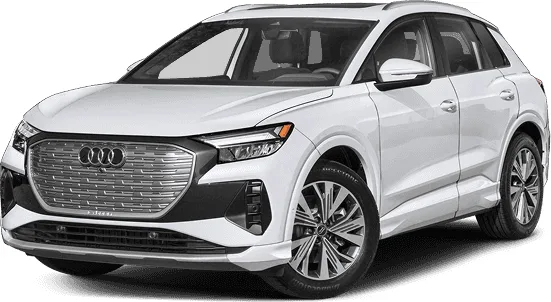
Audi Q4 e-tron
Score: 71/100
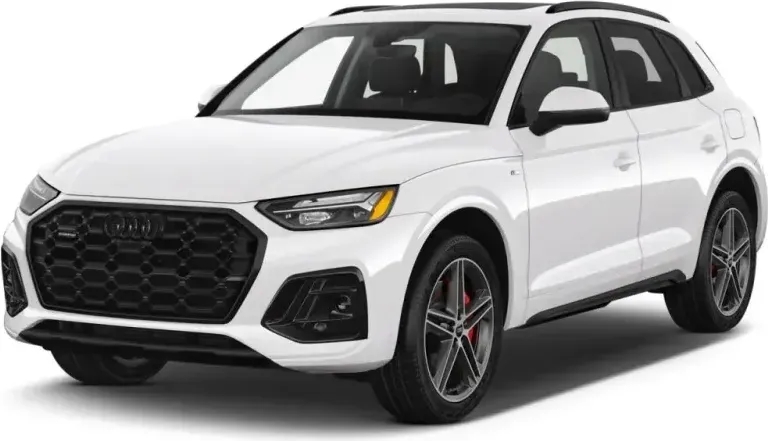
Audi Q5
Score: 76/100
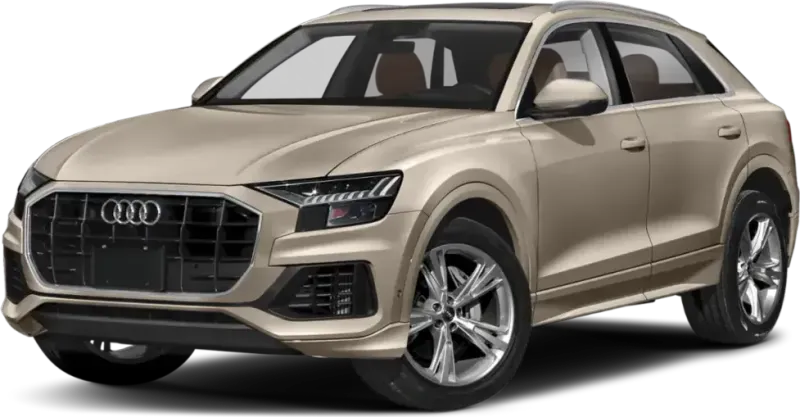
Audi Q8
Score: 70/100
Browse More 2020 Vehicles
2020 Lexus RX
Score: 86/100
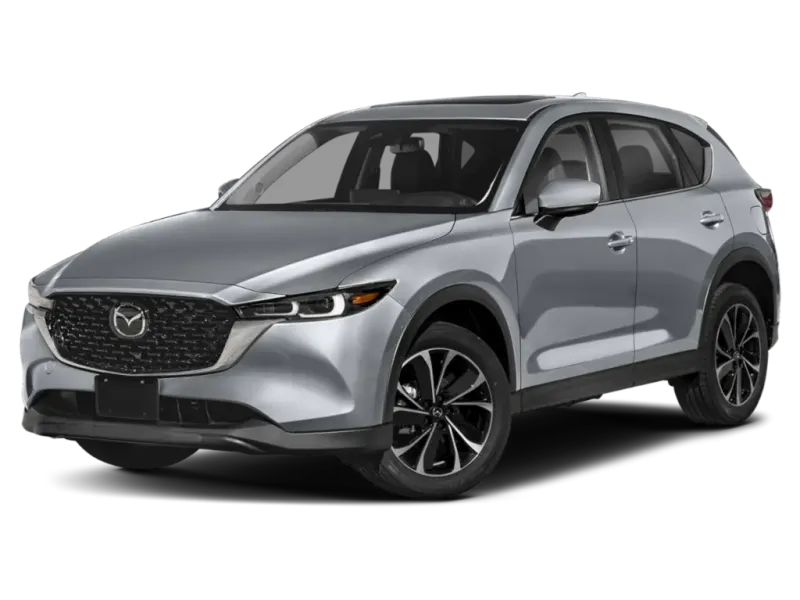
2020 Mazda CX-5
Score: 86/100
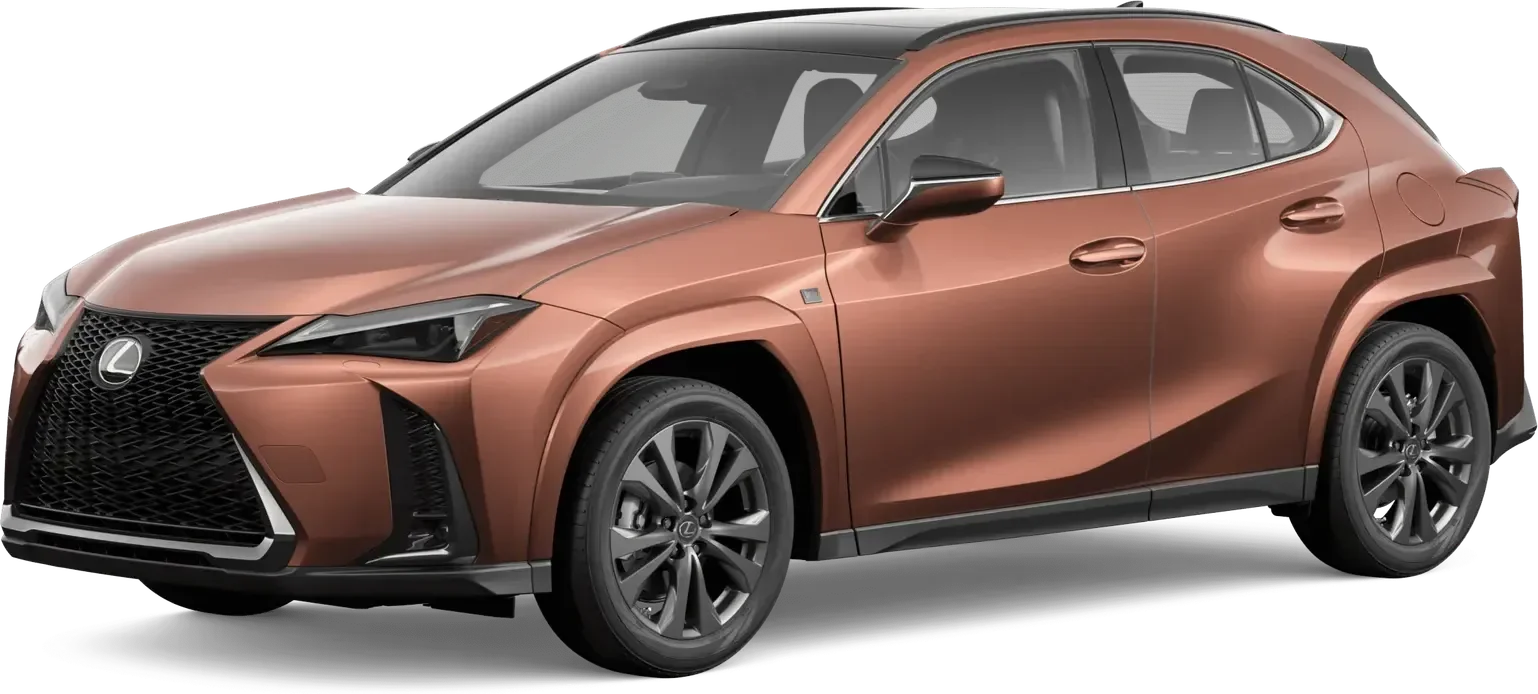
2020 Lexus UX
Score: 84/100
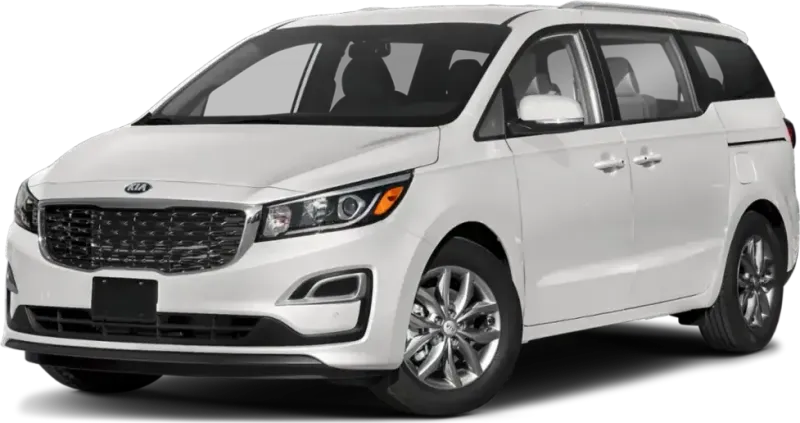
2020 Kia Sedona
Score: 83/100
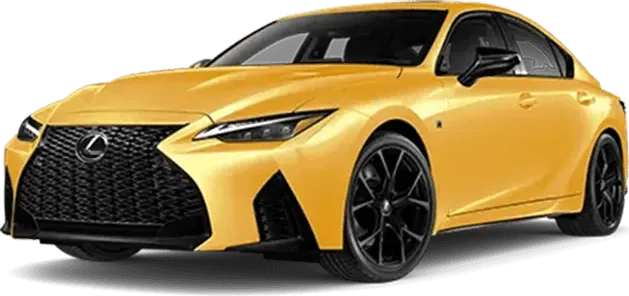
2020 Lexus IS
Score: 83/100
2020 Dodge Grand Caravan
Score: 83/100
See incorrect data? Report an issue