Last updated: 2026-04-20

2025 BMW X5 Reliability Report
The 2025 BMW X5 scores 64/100 ("Good"). With 4 recalls and 49 owner complaints, reliability is acceptable but not class-leading.
Recalls
4
Complaints
49
Complaint Rate
6.4per 10,000 sold
Est. Repair Cost
$1166
Annual Fuel Cost
$2,750–$4,600
Detailed Score Breakdown
Component-weighted complaints normalized by sales volume
Independent repair cost ratings
Recall count weighted by severity
Breadth of reported problem categories
The Verdict
Acceptable reliability — worth considering with a pre-purchase inspection.
Top Issues to Watch
- SERVICE BRAKES (23)
- POWER TRAIN (7)
- ELECTRICAL SYSTEM (4)
Should You Buy the 2025 BMW X5?
At 64/100, the 2025 BMW X5 lands in "Good" territory — acceptable, but not class-leading.
Its complaint rate of 6.4 per 10,000 vehicles sold runs above the SUV segment average of 3.5. The most common reports involve service brakes, hydraulic (16).
Get a pre-purchase inspection on any used example, with extra attention to service brakes, hydraulic (16). An extended warranty is worth pricing out.
Compared to the 2026 BMW X5, which scored 8 points lower. See also the 2024 BMW X5 for an earlier comparison.
Pros
- +Acceptable reliability score
- +4-star NHTSA crash rating
- +Only 49 complaints reported
Cons
- −Frequent unscheduled repairs
- −Moderate recall count
- −Above-average complaint rate for SUV
- −1 fire incident reported in owner complaints
Compare 2025 BMW X5 With

2025 Acura ZDX
Reliability: 88/100

2025 Genesis GV80
Reliability: 64/100

2025 Land Rover Range Rover Sport
Reliability: 68/100
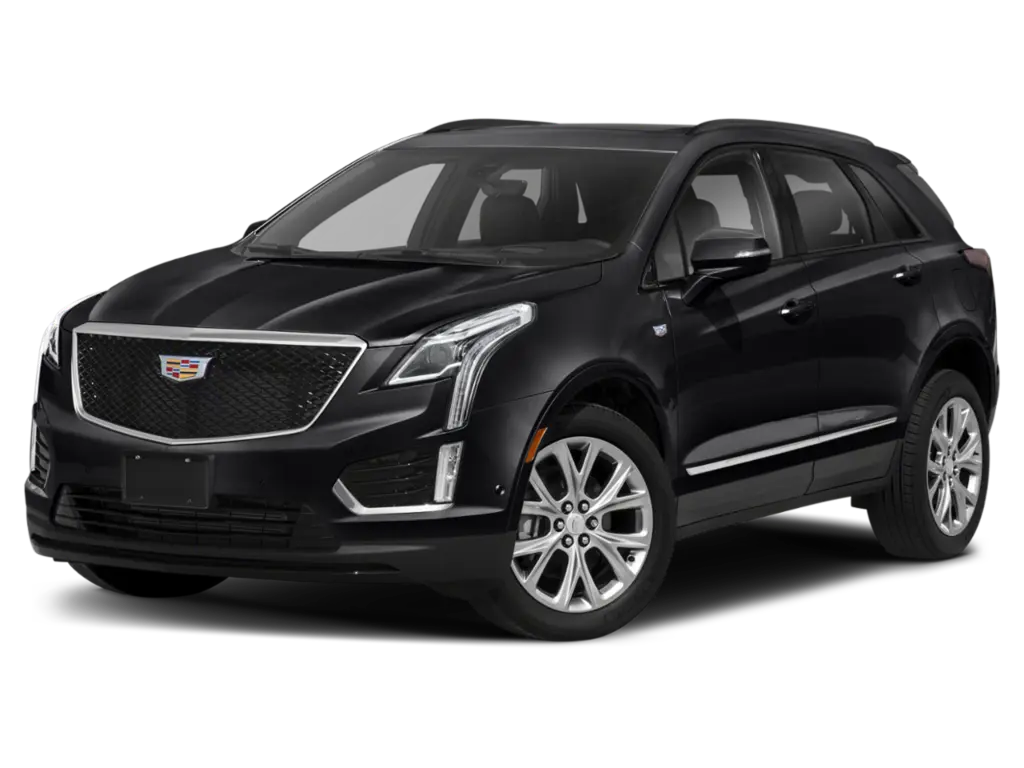
2025 Cadillac XT5
Reliability: 74/100

2025 Audi Q7
Reliability: 68/100
Common Problem Categories
Safety
LOW RISK- 4 manufacturer recalls issued
Other
HIGH RISK- SERVICE BRAKES (23)
- POWER TRAIN (7)
Recall Overview
4
recalls on record
A moderate 4 recalls are on file for the 2025 BMW X5. Each one points to a specific safety or compliance issue identified by the manufacturer or NHTSA — check the list below before buying.
NHTSA.gov →Complaint Breakdown
6.4
per 10,000 soldSegment avg: 3.5
Safety Incidents
5
Crashes
1
Fires
3
Injuries
0
Deaths
NHTSA 4/5 Stars
Data sourced from NHTSA complaint filings and manufacturer recall notices. Complaint narratives are owner-reported.
2025 BMW X5 Recall Details
4 recalls have been issued for the 2025 BMW X5. All recall repairs are performed free of charge at authorized dealerships.
ELECTRONIC STABILITY CONTROL (ESC), SERVICE BRAKES, HYDRAULIC
BMW of North America (BMW) is recalling certain 2023-2024 X1, 2024-2025 X5, 2025 X6, 2023-2025 X7, 740i, 760i, 2024 XM, 530i, 540i, i7, 750e, X2, 2024-2025 i5, 2024 Rolls Royce Spectre, 2025 MINI Countryman S ALL4, JCW Countryman ALL4, and 2025 MINI Hardtop 2 Door (Cooper, Cooper S) vehicles. Please refer to the recall report for the complete list of models. The welds in the servomotor of the integrated brake control module may break, causing a loss of power brake assist and rear brake function. In addition, the Antilock Brake System (ABS) and Dynamic Stability Control (DSC) system may not function.
Consequence
A loss of brake power assist or rear brake function can result in extended stopping distance. A loss of ABS or DSC can cause a loss of vehicle handling and control. Either of these scenarios can increase the risk of a crash.
Remedy
Dealers will replace the integrated brake system, free of charge. Owner notification letters were mailed November 13, 2024. Owners can contact BMW Customer Service at 1-800-525-7417.
SEAT BELTS
BMW of North America, LLC (BMW) is recalling certain 2024 XM, 2025 BMW X5 sDrive40i, X5 xDrive40i, X5 M60i, X5 M, X5 xDrive50e, X6 xDrive40i, X6 M60i, X6 M, X7 xDrive40i, X7 M60i, and Alpina XB7 vehicles. The seat belt system may inaccurately detect that passengers are belted, preventing the seat belt warning light from illuminating and possibly causing the supplemental restraint system to not deploy as intended during a crash. As such, these vehicles fail to comply with the requirements of Federal Motor Vehicle Safety Standard number 208, "Occupant Crash Protection."
Consequence
A seat belt warning light that does not alert occupants of an unbelted seat belt or an SRS system that deploys improperly can both increase the risk of injury in a crash.
Remedy
Dealers will inspect and replace the front seat lower seat belts as necessary, free of charge. Owner notification letters were mailed July 12, 2024. Owners may contact BMW customer service at 1-800-525-7417.
EQUIPMENT
BMW of North America, LLC (BMW) is recalling certain 2024-2025 X5 xDrive40i vehicles. The tire information placard may indicate an incorrect tire size and tire pressure. As such, these vehicles fail to comply with the requirements of Federal Motor Vehicle Safety Standard number 110, "Tire Selection and Rims."
Consequence
Incorrect tire information can allow an incorrectly sized tire to be installed or result in improperly inflated tires, increasing the risk of a crash.
Remedy
Dealers will replace the tire information placard, free of charge. Owner notification letters were mailed July 9, 2024. Owners may contact BMW customer service at 1-800-525-7417.
Buying a used 2025 BMW X5? Check its history first
Every 2025 BMW X5 has a different past. A VIN check reveals hidden accidents, title problems, odometer rollbacks, and open recalls that reliability scores can't show you.
- Accidents
- Open Recalls
- Title History
- Odometer Rollback
2025 BMW X5 NHTSA Safety Ratings
Overall Safety Rating
Crash Test Results by Configuration (expand)
Gas Powertrain
Rollover risk: 15.9%
Safety Technologies
BMW X5Repair Costs & Maintenance
Maintenance Rating
2Maintenance rating: 2 out of 5Based on NHTSA complaint patterns, recall severity, and publicly available cost benchmarks.
Est. Annual Maintenance
$1166
vs $1127 avg for luxury fullsize SUVs
vs $652 avg for all vehicles
Repair Frequency
0.8
unscheduled repair visits per year
Severe Repair Probability
17%
chance of a major repair
Annual Cost Comparison
Category-level averages derived from publicly available industry reports (AAA, CarMD). Model-level estimates produced by Auto Reliability Index.
BMW X5 Resale Value
The BMW X5 is estimated to retain about 49.3% of its original value after 5 years, based on observed used-car listings.
This benchmark covers the BMW X5 model overall and is not specific to the 2025 model year.
- Value Retained
- 49.3%
- Depreciation
- 50.7%
- Listings Analyzed
- 720
after 5 years
over the same period
U.S. used-car listings
Listings observed in . Actual resale value varies by trim, mileage, condition, and location.
Explore BMW X5 depreciation and resale value on CarResaleValue.comMPG & Annual Running Costs
Plug-in Hybrid
15–25 MPG
Running cost: $3,900–$5,750/yr
Fuel + repair
13–23 city / 18–27 hwy MPG
Running cost includes EPA fuel-cost estimate and independent repair-cost data (repair cost estimated at model level). Excludes routine maintenance, depreciation, and insurance. Data as of 2025 EPA label cycle.
Plug-in Hybrid trims
| Trim | Drive | Trans. | City | Hwy | Comb | Fuel Cost |
|---|---|---|---|---|---|---|
| X5 xDrive50e 3.0L 6-cyl | All-Wheel Drive | Automatic (S8) | 22 | 23 | 22 | $3,150 |
Used Buying Checklist
Key things to inspect or verify before purchasing a 2025 BMW X5.
Inspect for drivetrain malfunction warnings at startup
Test brakes for smooth operation and response
Check sunroof glass for integrity and signs of stress
Verify functionality of rear cross traffic alert system
Test hybrid battery charging capability in hot weather
Ensure all safety features like airbags and collision avoidance are operational
Check for any signs of fluid leaks under the vehicle
2025 BMW X5 Common Problems by Component
49 owner complaints grouped by vehicle system.
SERVICE BRAKES
23 complaintsSafety-relatedOwners of the 2025 BMW X5 frequently report issues with the braking system, particularly related to a recall involving the Electronic Stability Control and Service Brakes, Hydraulic. Many complaints highlight that the parts needed for the recall repair are unavailable, leaving owners without a solution for extended periods, sometimes over a year. Symptoms described include the vehicle failing to brake smoothly and, in some cases, not responding to the brake pedal, leading to three reported crashes and one injury. These issues often occur at low to moderate speeds, with one owner specifically mentioning a failure at approximately 25 MPH. Prospective buyers should be aware of the ongoing recall and the potential for unresolved brake system issues in these vehicles.
POWER TRAIN
7 complaintsOwners report multiple issues with the 2025 BMW X5's power train, primarily involving drivetrain malfunctions and electrical failures. Complaints frequently mention the vehicle shutting off unexpectedly, often at stop lights, and displaying warnings such as "Drivetrain fault" and "Power Supply Malfunction." These issues typically arise in new vehicles, some with as few as 710 miles. Safety concerns are noted, as vehicles become immobilized in traffic, increasing the risk of accidents. Additionally, some owners describe persistent electronic issues even after repairs, with reports of cracked transmission casings and fluid leaks leading to mechanical failures. These patterns suggest significant reliability issues that potential buyers should consider.
ELECTRICAL SYSTEM
4 complaintsOwners of the 2025 BMW X5 frequently report issues with the vehicle's electrical system. Common symptoms include multiple warning lights illuminating and displaying numerous failure codes, as well as problems with the hybrid battery not charging properly in hot weather. Some owners describe the inability to use climate control features due to battery issues, with one noting the vehicle's failure to maintain a charge when using a 110v outlet. Additionally, there are reports of inoperable safety features, such as blind spot warning lights and collision avoidance systems. These issues are reported at low mileages, around 80 to 3,165 miles, and may affect vehicle safety by impairing essential systems.
VEHICLE SPEED CONTROL (3 complaints)
VEHICLE SPEED CONTROL
3 complaintsSafety-relatedOwners of the 2025 BMW X5 report issues related to unintended acceleration, particularly at low speeds or while stationary. Symptoms include the vehicle accelerating without driver input, with one incident leading to a crash and injury. These issues are noted shortly after purchase, around 2,000 miles. Additionally, there is mention of the Forward Collision Braking system being deactivated when cruise control is engaged, which some owners find misleading based on previous model experiences. Safety implications include loss of control and potential collisions, with one report of a vehicle accelerating to 60 MPH unexpectedly.
UNKNOWN OR OTHER (3 complaints)
UNKNOWN OR OTHER
3 complaintsSafety-relatedOwners of the 2025 BMW X5 report two primary issues under the unknown or other category. The first and most severe involves a fire incident where a malfunction warning appeared on the infotainment screen, followed by smoke filling the cabin and flames emerging from beneath the vehicle, resulting in a total loss. The second issue involves the panoramic sunroof, with multiple owners describing unexpected explosions of the sunroof glass while driving at highway speeds, without any apparent external impact. These incidents occur within the first year of ownership, highlighting potential safety risks due to the sudden nature of these failures. Buyers considering a used 2025 BMW X5 should be aware of these reports, particularly the fire risk and sunroof integrity concerns.
STEERING (2 complaints)
STEERING
2 complaintsOwners report issues with the 2025 BMW X5 related to steering and software functionality. One complaint describes a software failure causing the vehicle to become immobilized, with the engine not starting and the car stuck in parking mode. Another symptom includes the vehicle unexpectedly slowing down and veering to the side while driving, attributed to a software bug that was reportedly fixed but recurred. These issues appear to occur shortly after purchase, as indicated by the timeline of dealer visits within a week. Safety implications include potential loss of control due to the vehicle's sudden deceleration and veering behavior.
BACK OVER PREVENTION (2 complaints)
BACK OVER PREVENTION
2 complaintsOwners report issues with the rear cross traffic alert system on the 2025 BMW X5, describing it as either non-functional or ineffective. Typical symptoms include a lack of any warning when reversing, or warnings that are too faint to be noticeable. Complaints indicate that these issues persist despite dealer confirmation that the system operates normally. Safety implications are noted, with owners mentioning near-collisions due to the absence of expected alerts. These complaints arise within the first seven months of ownership, suggesting potential early reliability concerns for prospective buyers.
VISIBILITY/WIPER (2 complaints)
VISIBILITY/WIPER
2 complaintsOwners report visibility issues in the 2025 BMW X5 due to reflections from the vehicle's interior materials. Complaints frequently mention that the high gloss finish of the dashboard and center console, along with the glass prism gear and infotainment controller, create reflections on the driver and passenger window glass, obstructing the view of the side mirrors. These reflections can be particularly blinding when sunlight hits the glossy surfaces at certain angles, potentially impairing the driver's ability to see. No specific mileage range is associated with these complaints, and while safety implications such as crashes or loss of control are not explicitly reported, the described visibility obstruction could pose a risk. This information is useful for potential buyers to consider when evaluating the vehicle's interior design and its impact on driving visibility.
ELECTRONIC STABILITY CONTROL (ESC) (2 complaints)
ELECTRONIC STABILITY CONTROL (ESC)
2 complaintsOwners of the 2025 BMW X5 report issues related to a recall involving the Electronic Stability Control (ESC) and service brakes, specifically noting delays in the availability of parts needed for recall repairs. The complaints indicate that while no failures have been experienced yet, there is frustration over the extended wait time for these critical safety components to be addressed. There are no mentions of specific mileage ranges or additional symptoms in the reports. No safety incidents such as crashes, fires, or loss of control are reported in these complaints. Potential buyers should be aware of the ongoing recall and the current unavailability of parts, which may delay necessary repairs.
AIR BAGS (1 complaints)
AIR BAGS
1 complaintSafety-relatedOn September 2, 2025, my 2025 BMW X5 xDrive50e was involved in a head-on collision with another vehicle. Despite the severity of the impact, the following safety systems failed to deploy: Front airbags Driver seatbelt pretensioner BMW Assist / automatic emergency notification Witnesses reported that my vehicle briefly went airborne before landing with the rear wheels up on a curb. I suffered neck injuries, and my vehicle sustained significant frontal damage. BMW later downloaded the Event Data Recorder (EDR) and confirmed: A frontal non-deployment event Three fault codes in the airbag control module (ACSM) post-crash The crash algorithm activated and reset ΔV reached approx. 12.4 mph longitudinal Forward Collision Mitigation system issued an acute warning 0.5 seconds before impact BMW states the “impulse was not sufficient” to trigger restraint deployment BMW has refused to provide: The deployment thresholds (ΔV criteria) for airbags or pre-tensioners Any engineering explanation for why restraint systems did not activate Any technical rationale for the ACSM fault codes Any escalation beyond Customer Relations All I have been given is an unsigned summary letter and the raw EDR file. BMW Customer Relations stated that engineering is “not customer-facing” and that no additional information will be provided. This leaves serious concerns that: The restraint systems did not function properly in a real-world impact. BMW is refusing to disclose the engineering basis for its conclusions. Consumers may be at risk if this is a repeatable failure mode. I am requesting NHTSA review this incident as a potential defect in the airbag, pretensioner, and/or crash-sensing system in the 2025 BMW X5. I can provide the EDR report, photos, BMW’s letter, and full correspondence upon request. VIN: [XXX] Mileage: ~10,700 Crash Date: 09/02/2025 BMW Case #: XXX INFORMATION REDACTED PURSUANT TO THE FREEDOM OF INFORMATION ACT (FOIA), 5 U.S.C. 552(B)(6)
When Do 2025 BMW X5 Problems Start?
Based on owner complaint patterns, here's when common issues tend to appear.
Best & Worst BMW X5 Years
Comprehensive reliability analysis based on NHTSA data, owner complaints, and historical performance.
Best BMW X5 Years to Buy
Based on reliability index scoreThe best BMW X5 year is 2022 with a reliability score of 67/100, rated good. Other strong picks include 2023 (65/100) and 2025 (64/100).
2022
2023
2025
(Current Model)
BMW X5 Years to Avoid
The worst BMW X5 year is 2019 with a score of 52/100, primarily due to electrical system (45) issues.
BMW X5 Reliability Score Trend
BMW X5 reliability has improved in recent years, with newer models scoring an average of 62/100 compared to 56/100 for older years.
Scores 0–100. Higher is better. Current year highlighted.
| Year | Score | Rating |
|---|---|---|
| 2018 | 59/100 | Mixed |
| 2019 | 52/100 | Mixed |
| 2020 | 56/100 | Mixed |
| 2021 | 57/100 | Mixed |
| 2022 | 67/100 | Good |
| 2023 | 65/100 | Good |
| 2024 | 57/100 | Mixed |
| 2025 | 64/100 | Good |
| 2026 | 56/100 | Mixed |
BMW X5 Reliability Compared to Other Years
Frequently Asked Questions
Is the 2025 BMW X5 reliable?
What are the most common problems with the 2025 BMW X5?
How many recalls does the 2025 BMW X5 have?
Is the 2025 BMW X5 expensive to maintain?
Don’t buy a 2025 BMW X5 without checking its VIN first — hidden accidents, title issues, and open recalls could cost you thousands.
How We Calculate Reliability Scores
Auto Reliability Index scores are calculated on a 0–100 scale using a weighted formula that combines multiple public data sources. Each factor is weighted based on its predictive value for real-world ownership experience.
Key Ranking Factors
Complaint Severity
NHTSA owner complaints weighted by component category (e.g., powertrain, safety systems, electronics, cosmetic) — safety-critical issues carry more weight than cosmetic ones. Adjusted for sales volume so high-volume models aren't unfairly penalized.
Repair Costs
Independent reliability ratings based on repair frequency, average repair costs, and severity of typical repairs for each model.
Recall Impact
Number of NHTSA recalls weighted by severity. “Stop driving” and fire-risk recalls are penalized more heavily than minor software or labeling recalls.
Issue Diversity
Measures how many major vehicle systems (engine, transmission, electrical, braking, etc.) have recorded complaints. A vehicle with issues spread across many systems may indicate systemic quality issues.
Scores are grouped into four tiers:
- 80–100: Excellent— Top-tier reliability, minimal issues
- 60–79: Good— Reliable with some minor concerns
- 40–59: Mixed— Notable issues, research before buying
- 0–39: Risky— Significant problems, proceed with caution
Data is sourced from NHTSA recall records, owner complaint filings, and independent repair databases via vehicles.dev. Scores are recalculated as new data becomes available. While the weighting model is proprietary, all underlying data sources are public and traceable.
Get notified when new recalls or reliability data is added for the BMW X5.
No spam. Only data updates for this model.
Browse More BMW Models

BMW 2-Series
Score: 70/100

BMW 3-Series
Score: 76/100
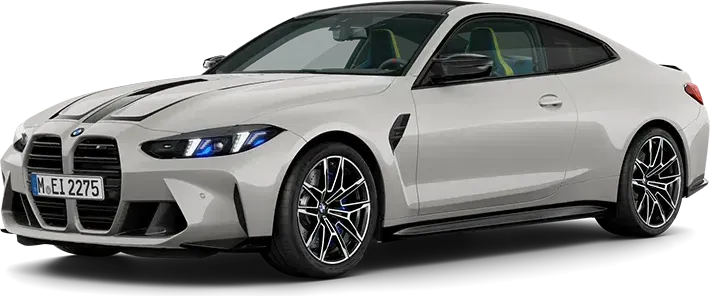
BMW 4-Series
Score: 64/100

BMW 5-Series
Score: 71/100

BMW I4
Score: 78/100

BMW IX
Score: 60/100
Browse More 2025 Vehicles
2025 Acura ZDX
Score: 88/100

2025 Honda HR-V
Score: 88/100
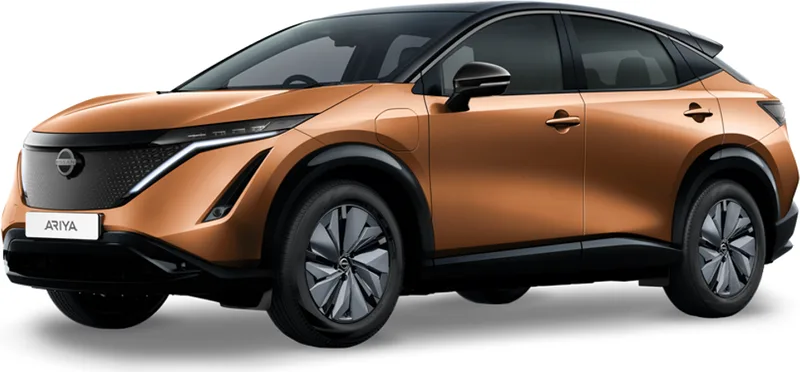
2025 Nissan Ariya
Score: 88/100

2025 KIA Carnival
Score: 88/100
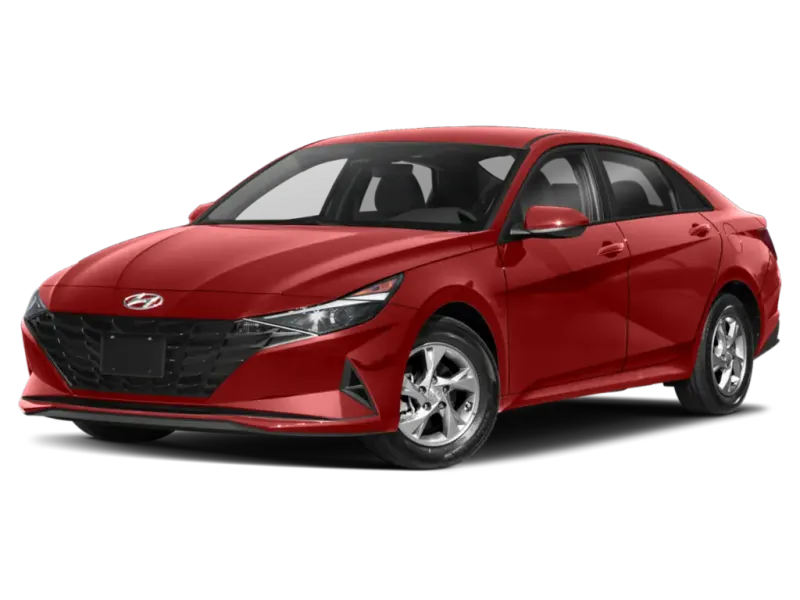
2025 Hyundai Elantra
Score: 87/100
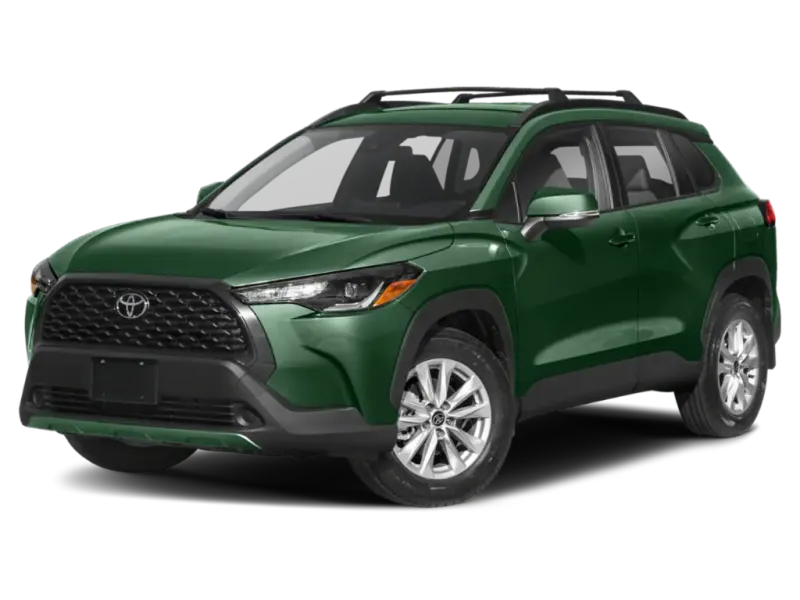
2025 Toyota Corolla Cross
Score: 86/100
See incorrect data? Report an issue