Last updated: 2026-10-10
BMW X5 vs Lincoln Aviator: Reliability Compared
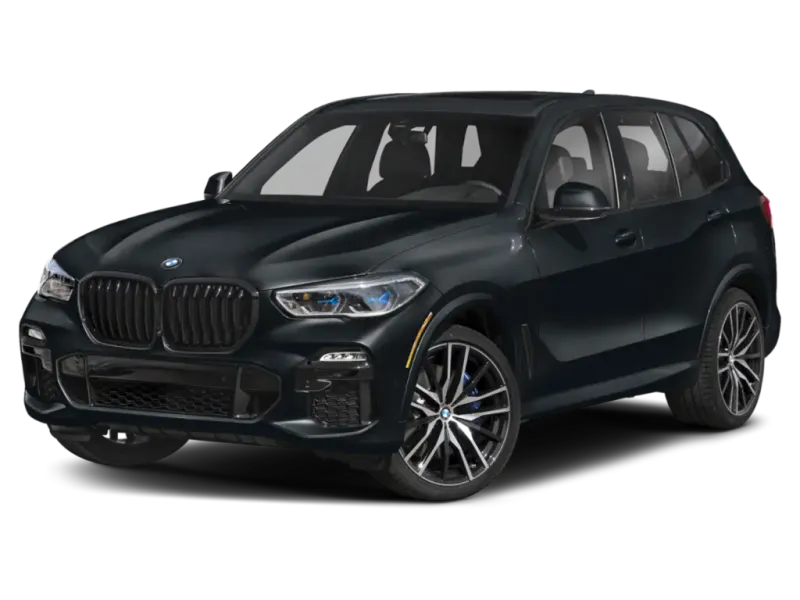
BMW X5
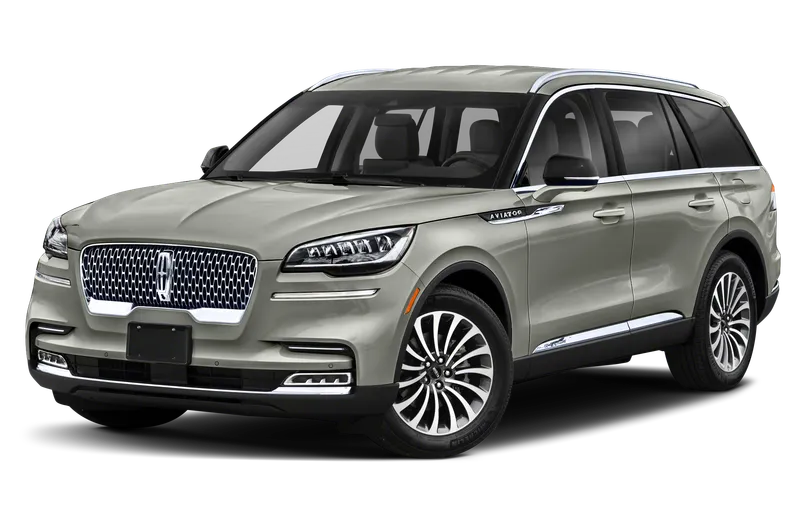
Lincoln Aviator
The Lincoln Aviator beats the BMW X5 on reliability, with a clear edge. It repairs cheaper, and X5 hybrids strand owners with high-voltage faults. The Aviator draws more recalls, but its main complaint is a flickering rear camera, not a car that will not move.
How Do the BMW X5 and Lincoln Aviator Generations Compare?
Verdict
The Lincoln Aviator is more reliable than the BMW X5, scoring 64/100 vs 59/100.
Reliability favors the Lincoln Aviator by a clear margin. Independent repair-cost data shows it costs less to keep running and sends owners to the shop less often. The X5 standing is mixed, and its worst faults are serious: high-voltage failures on the plug-in hybrid that leave the car dead, and brake assist dropouts with repair parts unavailable for months. The Aviator draws more complaints per vehicle sold and more recalls, but many of its complaints trace back to one fault, a flickering rear camera.
Key Differences
- 1Lincoln Aviator costs $359 less per year to repair
- 2BMW X5 has 53 fewer total recalls
- 3BMW X5 has 9.4 fewer complaints per 10k sold
Category Scoreboard
BMW X5 vs Lincoln Aviator: Which Is More Reliable?
| Metric | BMW X5 | Lincoln Aviator |
|---|---|---|
| Reliability Score | 59/100 | 64/100 |
| Years Tracked | 9 | 6 |
| Total Recalls | 63 | 116 |
| Complaints per 10k Sold | 6.3 | 15.7 |
| Annual Repair Cost | $1166/yr | $807/yr |
| Repair Frequency | 0.8/yr | 0.6/yr |
| Safety RatingNHTSA overall | 2026 NHTSA | 2025 NHTSA |
| Frontal | ||
| Side | ||
| Rollover | ||
| Year Wins | 1 | 5 |
What Are the Common Problems With the BMW X5 and Lincoln Aviator?
Severity separates these two. Trouble on the BMW centers on the xDrive50e plug-in hybrid, where owners report a Drivetrain Malfunction warning, lost power, and cars stranded or towed, with fixes that often fail to hold. Brake assist can also drop out with no warning light. Electrical, brake, and power train complaints all include crashes. The Lincoln's biggest issue is the rear camera, which flickers, distorts, or goes blank while owners wait on recall parts. Its plug-in hybrids can go dead after short trips, and seized engines appeared at 4,181 and 5,400 miles. Only back over prevention and engine complaints carry crash links, and those counts are small.
| Component | BMW X5 | Lincoln Aviator |
|---|---|---|
| ELECTRICAL SYSTEM | 1.2Low | 3.9Average |
| UNKNOWN OR OTHER | 0.6Very Low | 2Low |
| POWER TRAIN | 0.9Very Low | 1.5Low |
| SERVICE BRAKES | 1Very Low | 0.4Very Low |
| BACK OVER PREVENTION | 0.1Very Low | 1.2Low |
| ENGINE | 0.3Very Low | 0.9Very Low |
| STRUCTURE | —None | 1.1Low |
| STEERING | 0.3Very Low | 0.3Very Low |
| FUEL SYSTEM | 0.1Very Low | 0.4Very Low |
| ENGINE AND ENGINE COOLING | 0.4Very Low | —None |
| SEATS | —None | 0.4Very Low |
| AIR BAGS | 0.2Very Low | 0.1Very Low |
| VISIBILITY/WIPER | 0.1Very Low | 0.2Very Low |
| SUSPENSION | —None | 0.2Very Low |
| ELECTRONIC STABILITY CONTROL (ESC) | 0.1Very Low | —None |
| EXTERIOR LIGHTING | 0.1Very Low | —None |
| FUEL/PROPULSION SYSTEM | 0.1Very Low | —None |
| VISIBILITY | —None | 0.1Very Low |
| VEHICLE SPEED CONTROL | —None | —None |
| FORWARD COLLISION AVOIDANCE | —None | —None |
| TIRES | —None | —None |
| LANE DEPARTURE | —None | —None |
Complaints per 10,000 units sold, aggregated across all tracked model years from NHTSA owner reports.
Which Is Cheaper to Maintain: BMW X5 or Lincoln Aviator?
How Does BMW X5 vs Lincoln Aviator Reliability Compare by Year?
| Year | BMW X5 | Lincoln Aviator | Edge |
|---|---|---|---|
| 2025 | 64/1004R / 49C | 68/10014R / 13C | Lincoln Aviator |
| 2024 | 57/1007R / 134C | 70/1008R / 5C | Lincoln Aviator |
| 2023 | 65/1004R / 24C | 66/10016R / 21C | Lincoln Aviator |
| 2022 | 67/1001R / 51C | 63/10021R / 43C | BMW X5 |
| 2021 | 57/10013R / 85C | 62/10028R / 38C | Lincoln Aviator |
| 2020 | 56/10011R / 81C | 57/10029R / 99C | Lincoln Aviator |
Best years to cross-shop: The 2022 BMW X5 scored 67/100 and the 2024 Lincoln Aviator scored 70/100 — the strongest shared model years that have been on the road for at least two years, where available.
Who Should Buy the BMW X5 vs the Lincoln Aviator?
BMW X5 vs Lincoln Aviator: Common Questions
- Is the BMW X5 more reliable than the Lincoln Aviator?
- No. The Aviator has the clear edge. Its standing is good, while the X5 is rated mixed. The Aviator also costs less to repair and goes to the shop less often. The X5's worst problems, high-voltage faults and brake assist loss, are more serious than the Aviator's typical rear camera complaints.
- Which has more recalls, the X5 or the Aviator?
- The Aviator has more. Federal recall records show 116 recalls across six Aviator model years, against 63 across nine X5 years. A high recall count does not make it the less reliable car here, since the Aviator still wins on repair cost and shop visits.
- Which costs less to repair, the X5 or the Aviator?
- The Aviator. Independent repair-cost data shows about $807 a year for the Aviator and $1166 for the X5. Over five years that is roughly $1,795 saved. The X5 also has a 17% chance that a repair is major.
- What goes wrong with the BMW X5 plug-in hybrid?
- Owners report a Drivetrain Malfunction warning with a high-voltage fault, after which the SUV loses power or will not move. Many failures start within the first 2000 miles. Dealer fixes include software updates and wiring corrections, and the fault often returns. Parts shipped from Germany have kept cars out of service for weeks.
- Is the Lincoln Aviator rear camera problem serious?
- It can be. The image flickers, distorts, or goes blank while reversing, which hurts visibility behind a large vehicle. Two back over prevention complaints involve crashes. Owners mostly complain about waiting for recall parts, and one replacement camera did not fix the failure.
Related Reliability Comparisons
More BMW X5 comparisons
Decided between BMW X5 and Lincoln Aviator? Run a VIN check before you buy — uncover hidden accidents, title issues, and open recalls.
How we score the BMW X5 and Lincoln Aviator
Scores weight complaint severity at 35%, repair costs at 30%, recall impact at 20%, and the spread of complaints across systems at 15%, with complaint counts adjusted for US sales. Read the full methodology.
See incorrect data? Report an issue