Last updated: 2026-10-10
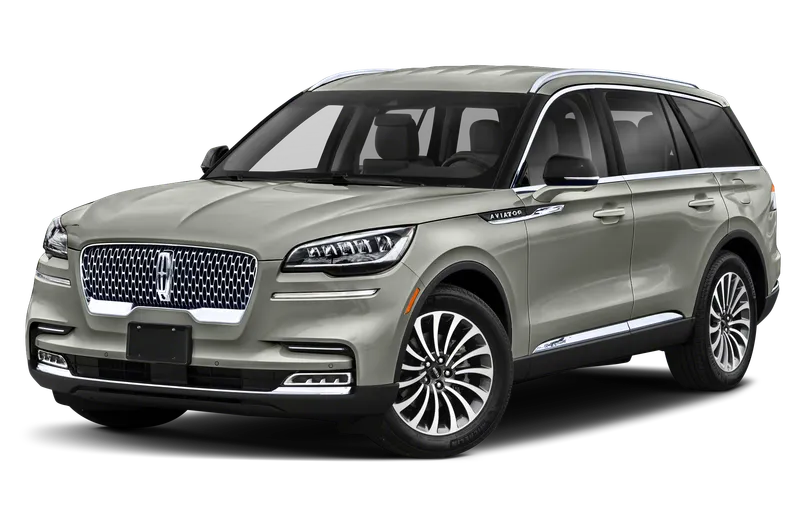
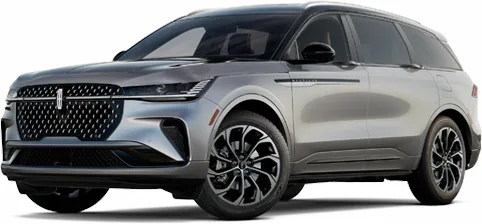
2020 Lincoln Aviator Reliability Report
The 2020 Lincoln Aviator has a mixed record, with door release buttons that fail and transmissions that drop into neutral at highway speed.
Recalls
29
Complaints
99
Complaint Rate
42.9per 10,000 sold
Est. Repair Cost
$807
Annual Fuel Cost
$2,850–$3,000
Detailed Score Breakdown
Component-weighted complaints normalized by sales volume
Independent repair cost ratings
Recall count weighted by severity
Breadth of reported problem categories
The Verdict
First year of the redesign and the weakest of the six scored years, with failing door releases, transmission faults, and backup camera problems.
Top Issues to Watch
- ELECTRICAL SYSTEM (29)
- POWER TRAIN (15)
- STRUCTURE (7)
Generation & Refresh (US)
2020 is the first model year of the Second generation (U611).
- First-year models may have unresolved issues from the new design.
- Redesigned for the 2020 model year.
- Refreshed in 2025.
- 2nd generation Aviator (US).
What this means for buyers
First-year models carry more risk — early production issues are common. Consider waiting for the second year if reliability is a priority.
Compare 2020 pricing and recall counts against 2021+ before deciding.
2020: Second generation (U611) Launch
Generation start — new platform.
2025: Mid-Cycle Refresh
Updated features and styling tweaks.
Should You Buy the 2020 Lincoln Aviator?
Approach this one with caution. It is the first year of the redesigned Aviator, and it is the weakest of the six scored model years. Against other 2020 SUVs it sits well below average on owner complaints and recalls. The 2021 model rates better and has far fewer complaints. The 5 of 5 federal crash-test rating is the main point in its favor.
Electrical faults lead the complaints. Electronic door release buttons stop working and trap passengers, who must roll down a window and use the outside handle. Rear doors fail most often, and one failure came at 2,200 miles. Owners also report transmissions that drop into neutral at highway speed, with one internal failure diagnosed at 4960 miles. Some vehicles rolled after being parked. Panoramic sunroofs have shattered at highway speed. Backup camera screens go blue or blank, and some owners say the recall repair did not fix it or that parts were not available.
If you shop this year, ask for proof that every federal recall was completed, especially the backup camera work. Ask for records of any transmission, door release, or sunroof repairs. A 2021 is the better comparison.
Compared to the 2021 Lincoln Aviator, which scored 5 points higher.
Pros
- +5-star NHTSA crash rating
Cons
- −Below-average reliability score
- −Above-average recall count
- −Above-average complaint rate for SUV
- −ELECTRICAL SYSTEM: Electronic door release buttons stop working and trap passengers, who must roll... (29 complaints)
Compare 2020 Lincoln Aviator With
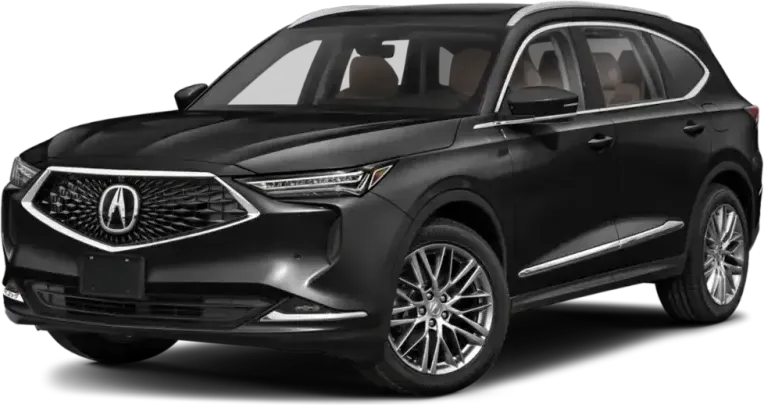
2020 Acura MDX
Reliability: 62/100
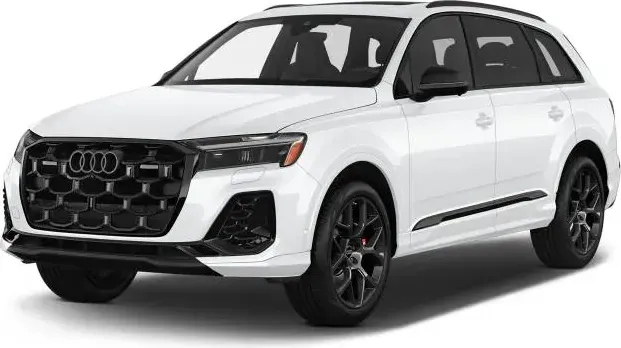
2020 Audi Q7
Reliability: 65/100

2020 BMW X5
Reliability: 56/100
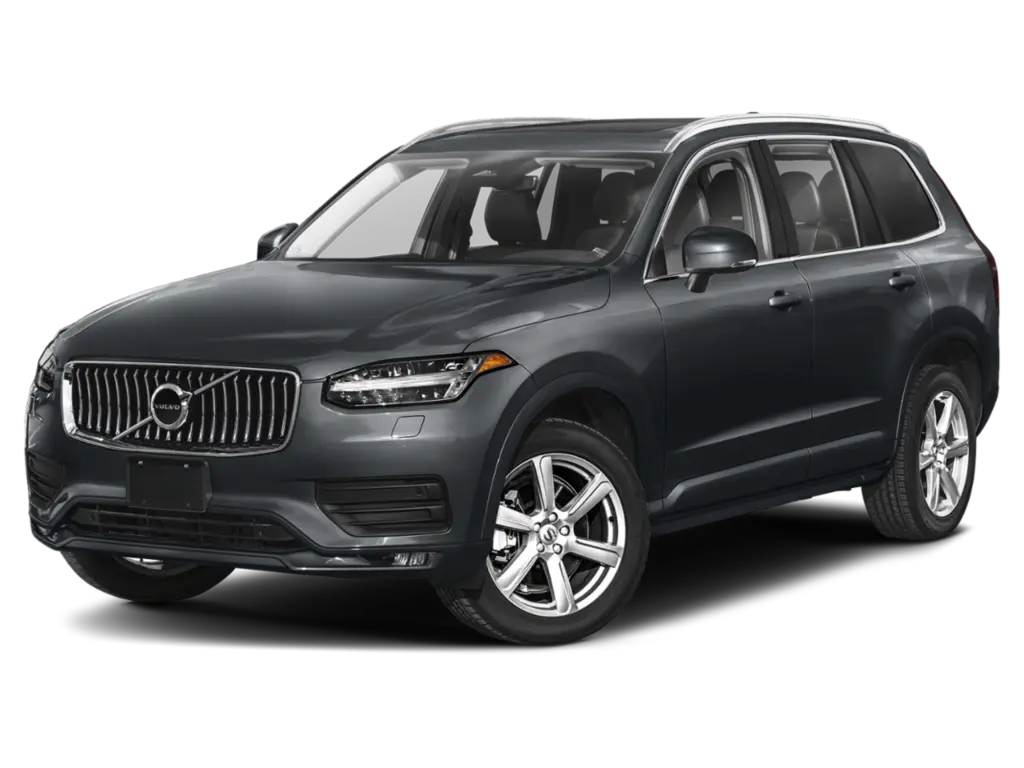
2020 Volvo XC90
Reliability: 71/100
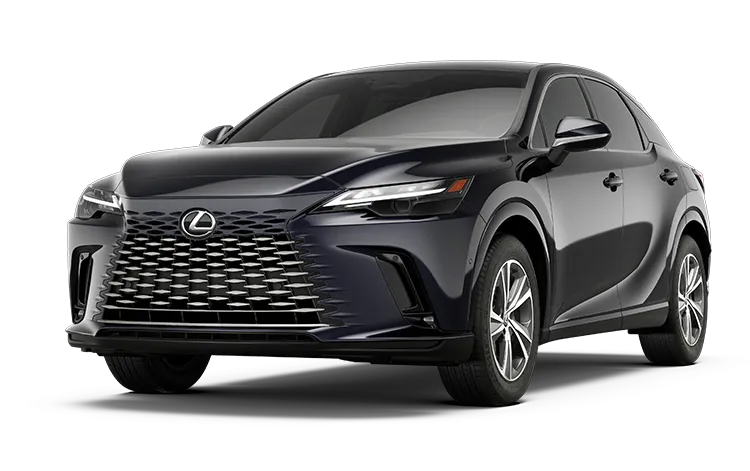
2020 Lexus RX
Reliability: 86/100
Common Problem Categories
Safety
LOW RISK- 29 manufacturer recalls issued
Other
HIGH RISK- ELECTRICAL SYSTEM (29)
- UNKNOWN OR OTHER (16)
Recall Overview
29
recalls on record
The 2020 Lincoln Aviator has 29 recalls on record, which is above average. A high count can flag multiple component concerns, though it also shows the manufacturer is actively addressing known issues.
NHTSA.gov →Complaint Breakdown
42.9
per 10,000 soldSegment avg: 20.2
Safety Incidents
2
Crashes
0
Fires
0
Injuries
0
Deaths
NHTSA 5/5 Stars
Data sourced from NHTSA complaint filings and manufacturer recall notices. Complaint narratives are owner-reported.
2020 Lincoln Aviator Recall Details
29 recalls have been issued for the 2020 Lincoln Aviator. All recall repairs are performed free of charge at authorized dealerships.
SEAT BELTS
Ford Motor Company (Ford) is recalling certain 2020-2026 Explorer and Lincoln Aviator vehicles. The seat belt anchor bolts at the second-row outer seating positions may be improperly secured.
Consequence
A loose seat belt buckle may not properly restrain an occupant during a crash, increasing the risk of injury.
Remedy
Dealers will inspect the second-row outer seat belt lower anchor bolts and replace or repair them as necessary, free of charge. Owner notification letters were mailed March 30, 2026. Owners may contact Ford customer service at 1-866-436-7332. Ford's number for this recall is 26C18. Vehicle Identification Numbers (VINs) involved in this recall became searchable on NHTSA.gov on March 19, 2026.
BACK OVER PREVENTION
Ford Motor Company (Ford) is recalling certain 2020-2021 Explorer, Lincoln Corsair, and Lincoln Aviator vehicles equipped with 360-degree cameras. The video output may fail, preventing the rearview camera image from displaying.
Consequence
A rearview camera that does not display an image reduces the driver's rear view, increasing the risk of a crash.
Remedy
Dealers will update the Image Processing Module (IPMB) software, free of charge. Owner notification letters were mailed November 16, 2021. Owners may contact Ford customer service at 1-866-436-7332. Ford's number for this recall is 21S44.
SEATS
Ford Motor Company (Ford) is recalling certain 2020-2027 Aviator and 2020-2026 Explorer vehicles. The switch for the easy-entry second-row outer seats may bind or stick, resulting in the seats unlatching, tipping, or sliding unexpectedly.
Consequence
A seat that moves unexpectedly may not properly restrain an occupant during a crash, increasing the risk of injury.
Remedy
Dealers will inspect and replace the bezel around the switch as necessary, free of charge. Interim letters explaining the safety risk are expected to be mailed July 27, 2026. Additional letters will be sent once the remedy is available, anticipated in January 2027. Owners may contact Ford customer service at 1-866-436-7332. Ford's number for this recall is 26S52. This recall expands Recall 25V393. Vehicle Identification Numbers (VINs) involved in this recall became searchable on NHTSA.gov on July 16, 2026.
Showing 10 of 29 recalls. View all on NHTSA.gov →
Buying a used 2020 Lincoln Aviator? Check its history first
Electrical system problems lead owner complaints about the 2020 Lincoln Aviator, and 29 recalls were issued for it. A VIN check shows whether this car's recall work was done, plus accident, title, and odometer history.
- Accidents
- Open Recalls
- Title History
- Odometer Rollback
2020 Lincoln Aviator NHTSA Safety Ratings
Overall Safety Rating
Crash Test Results by Configuration (expand)
Gas Powertrain
Rollover risk: 14.7%
Safety Technologies
Lincoln AviatorRepair Costs & Maintenance
Maintenance Rating
3.5Maintenance rating: 3.5 out of 5Based on NHTSA complaint patterns, recall severity, and publicly available cost benchmarks.
Est. Annual Maintenance
$807
Repair Frequency
0.6
unscheduled repair visits per year
Category-level averages derived from publicly available industry reports (AAA, CarMD). Model-level estimates produced by Auto Reliability Index.
MPG & Annual Running Costs
Gas
20–21 MPG
Running cost: $3,650–$3,800/yr
Fuel + repair
17–18 city / 24–26 hwy MPG
Plug-in Hybrid
23 MPG
Running cost: $3,400/yr
Fuel + repair
22 city / 25 hwy MPG
Running cost includes EPA fuel-cost estimate and independent repair-cost data (repair cost estimated at model level). Excludes routine maintenance, depreciation, and insurance. Data as of 2020 EPA label cycle.
Gas trims
| Trim | Drive | Trans. | City | Hwy | Comb | Fuel Cost |
|---|---|---|---|---|---|---|
| Aviator RWD 3.0L 6-cyl | Rear-Wheel Drive | Automatic (S10) | 18 | 26 | 21 | $2,850 |
| Aviator AWD 3.0L 6-cyl | Part-time 4-Wheel Drive | Automatic (S10) | 17 | 24 | 20 | $3,000 |
Plug-in Hybrid trims
| Trim | Drive | Trans. | City | Hwy | Comb | Fuel Cost |
|---|---|---|---|---|---|---|
| Aviator PHEV AWD 3.0L 6-cyl | Part-time 4-Wheel Drive | Automatic (S10) | 22 | 25 | 23 | $2,600 |
Used Buying Checklist
Key things to inspect or verify before purchasing a 2020 Lincoln Aviator.
Press every interior door release button, including both rear doors, and confirm each door opens from inside.
Shift into reverse several times and check the backup camera for a blue, black, or flipped image.
Ask for dealer records showing all open recalls on the VIN are completed, especially camera repairs.
Drive at highway speed and feel for slipping, harsh downshifts, or sudden drops into neutral.
Park on a slight slope, step out, and confirm the vehicle stays put in Park.
After a long test drive, check the dash for AdvanceTrac, 4WD, pre-collision, or hill start assist warnings.
Let the car sit, then check that the front ride height is level and listen for air suspension hissing.
Inspect the headliner near the rearview mirror and the panoramic sunroof area for water stains.
2020 Lincoln Aviator Common Problems by Component
99 owner complaints grouped by vehicle system.
ELECTRICAL SYSTEM
29 complaintsElectronic door release buttons stop working and trap passengers, who must roll down a window and use the outside handle. Rear doors fail most often, and one failure came at 2,200 miles. Other reports describe doors locking on their own, a dead keypad, and a center screen that goes black and takes the cameras and navigation with it. Some owners get false overheating warnings that cut throttle. The most serious reports involve sudden power loss while driving, a shift to neutral at highway speed, hazard lights that will not work, and the vehicle rolling after the driver gets out.
UNKNOWN OR OTHER
16 complaintsBackup camera failures are the most common problem here. The screen goes blue or black in reverse, and the fault returns after camera replacements and repeated dealer visits. One owner reports hitting a person while backing up. Warnings for AdvanceTrac, pre-collision assist, drive control, and 4WD often appear together, sometimes after a clunk. Other reports describe brakes that feel locked and hard while the car still rolls backward in reverse, a car that keeps moving with the brake pressed, a passenger door opening during a turn, and a panoramic sunroof shattering at highway speed.
POWER TRAIN
15 complaintsTransmissions slip out of gear, drop into neutral, or stop accelerating at highway speed, which leaves drivers close to being rear-ended. Other reports describe harsh downshifts, a burning smell, getting stuck in first gear, and valve body or full transmission replacements. One internal failure was diagnosed at 4960 miles. A second pattern is a sudden burst of warnings for AdvanceTrac, hill start assist, pre-collision assist, and 4WD, along with lost drive modes and loose steering. Owners also report the vehicle rolling after being parked, which one dealer traced to a parking pawl solenoid.
STRUCTURE (7 complaints)
STRUCTURE
7 complaintsPanoramic sunroofs shatter at highway speed with no road debris involved, and glass sprays into the cabin. Door problems keep coming up. A rear door flies open while driving, and inside release buttons fail with no mechanical backup on any door except the driver's. Exterior pieces come loose, including C-pillar trim and the glass from a side mirror. Water leaks in from under the overhead light near the rearview mirror and comes back after repeated dealer repairs. Backup camera blue screens are reported in this category too.
BACK OVER PREVENTION (7 complaints)
BACK OVER PREVENTION
7 complaintsBackup camera screens turn blue, green, or blank, or the image flips, when the car is shifted into reverse. Most complaints are about recall repairs. Some owners say the repair did not fix the fault. Others could not get it done because parts were unavailable, so they are left without a working camera while they wait. Several owners say the problem returns after image processing module software updates and multiple dealer visits. Rear brake assist that works only some of the time is also reported.
STEERING (4 complaints)
STEERING
4 complaintsPower steering assist cuts out, sometimes along with the engine and brakes, and drivers have to wrestle the vehicle to a stop. In one low-speed failure the vehicle veered off a driveway into rocks and bushes while showing a Steering Assist Fault message. Other reports describe warnings for drive control, AWD, adaptive cruise control, and collision assist that keep coming on at freeway speeds. Dealers have not fixed them after several visits, even after replacing sensors.
ENGINE (3 complaints)
ENGINE
3 complaintsSafety-relatedVehicles move after the driver puts them in Park and walks away. One rolled through a garage door, the only crash-related report in this category. Other complaints describe a brief loss of power on turns or slight inclines. The pedal stops responding for a few seconds, then the car lurches forward with a clunk. Hard starting after refueling is also reported, with several presses of the start button needed before the engine turns over.
SERVICE BRAKES (3 complaints)
SERVICE BRAKES
3 complaintsBrakes fail to hold or stop the vehicle. Drivers report the car creeping forward in Drive with the brake pressed until they pump the pedal. One describes a complete brake loss at 50 mph that forced a run through an intersection and a stop using the parking brake. In another report, at about 89,635 miles, the car would not move while the engine revved, and warnings appeared for the park brake, the braking system, and AdvanceTrac.
SUSPENSION (3 complaints)
SUSPENSION
3 complaintsThe air suspension leaks and loses pressure. The front end drops below the rear with a loud hiss and a service warning, and the car is unsafe to drive until it is repaired. Other reports describe a tapping from the front passenger side that grows louder over time. It is later joined by squeaks over bumps, while turning, and when people get in or out. One complaint lists repeated suspension service alongside camera and electrical problems.
SEATS (2 complaints)
SEATS
2 complaintsFront seatbacks stop reclining partway, well short of their full range. On the driver's side the fault returned less than a month after a warranty repair, and one owner suspects an automatic system update caused it. The third-row headrest also stops staying in the raised position, which owners see as a risk in a crash, and it has failed again after being repaired once.
Best & Worst Lincoln Aviator Years
Best Lincoln Aviator Years to Buy
Based on reliability index scoreLincoln Aviator Years to Avoid
2020
(Current Model)
Lincoln Aviator Reliability Score Trend
Scores 0–100. Higher is better. Current year highlighted.
| Year | Score | Rating |
|---|---|---|
| 2020 | 57/100 | Mixed |
| 2021 | 62/100 | Good |
| 2022 | 63/100 | Good |
| 2023 | 66/100 | Good |
| 2024 | 70/100 | Good |
| 2025 | 68/100 | Good |
Lincoln Aviator Reliability Compared to Other Years
Frequently Asked Questions
Is the 2020 Lincoln Aviator reliable?
What are the most common problems with the 2020 Lincoln Aviator?
Do the doors on the 2020 Lincoln Aviator have problems?
Does the 2020 Lincoln Aviator have transmission problems?
How many recalls does the 2020 Lincoln Aviator have?
Don’t buy a 2020 Lincoln Aviator without checking its VIN first — hidden accidents, title issues, and open recalls could cost you thousands.
How we score the 2020 Lincoln Aviator
Of the four inputs behind this score, the 2020 Lincoln Aviator does best on how many systems draw complaints (77/100) and worst on recall impact (39/100). Scores weight complaint severity at 35%, repair costs at 30%, recall impact at 20%, and the spread of complaints across systems at 15%, with complaint counts adjusted for US sales. Read the full methodology.
Get notified when new recalls or reliability data is added for the Lincoln Aviator.
No spam. Only data updates for this model.
Browse More Lincoln Models

Browse More 2020 Vehicles
2020 Lexus RX
Score: 86/100

2020 Mazda CX-5
Score: 86/100
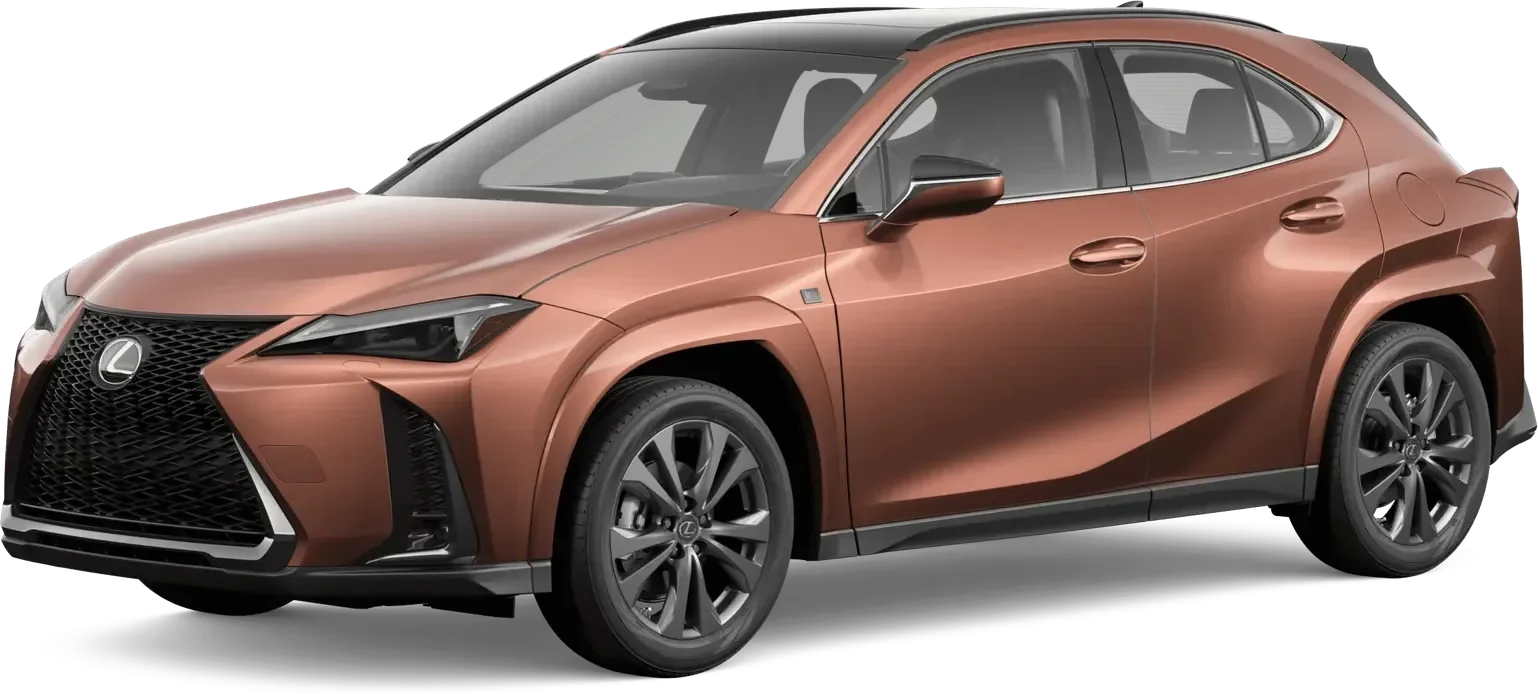
2020 Lexus UX
Score: 84/100
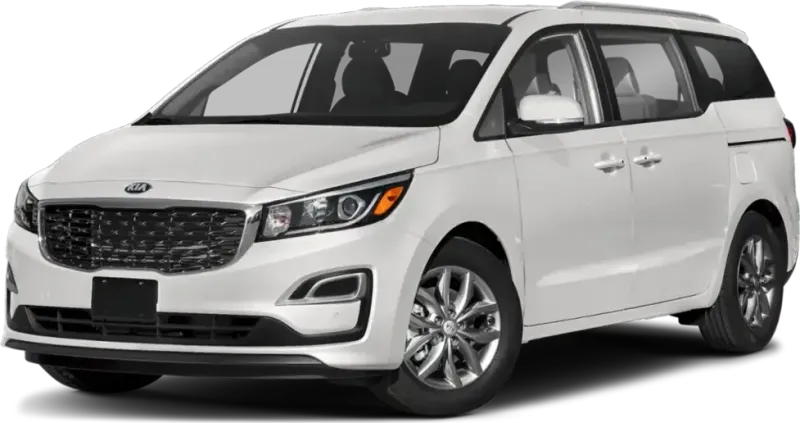
2020 Kia Sedona
Score: 83/100
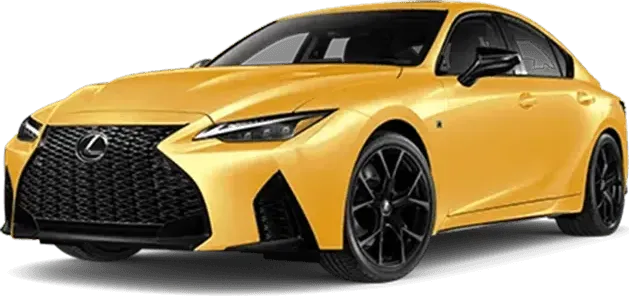
2020 Lexus IS
Score: 83/100
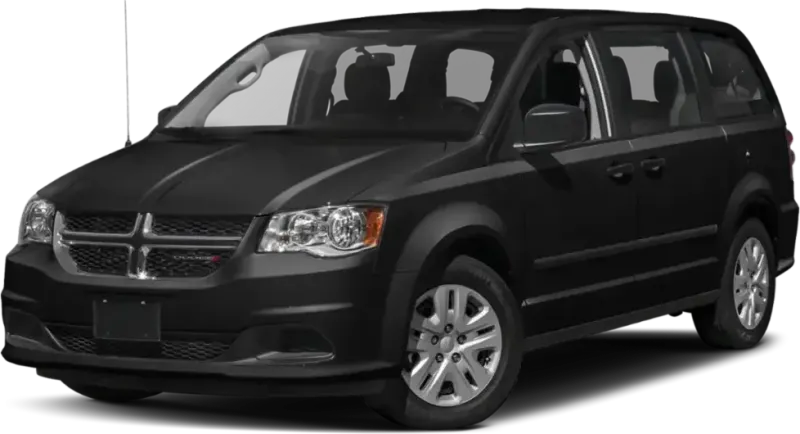
2020 Dodge Grand Caravan
Score: 83/100
See incorrect data? Report an issue