Last updated: 2026-10-10
BMW X5 vs Cadillac XT5: Reliability Compared
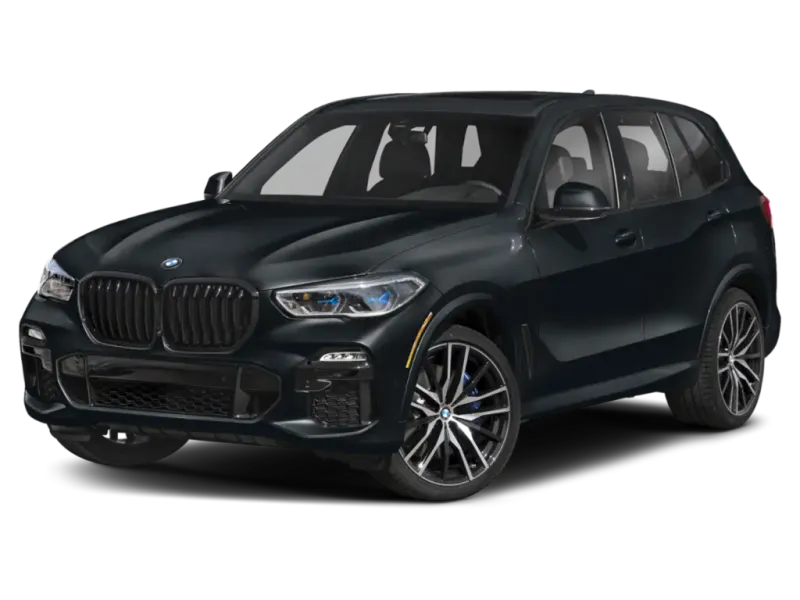
BMW X5
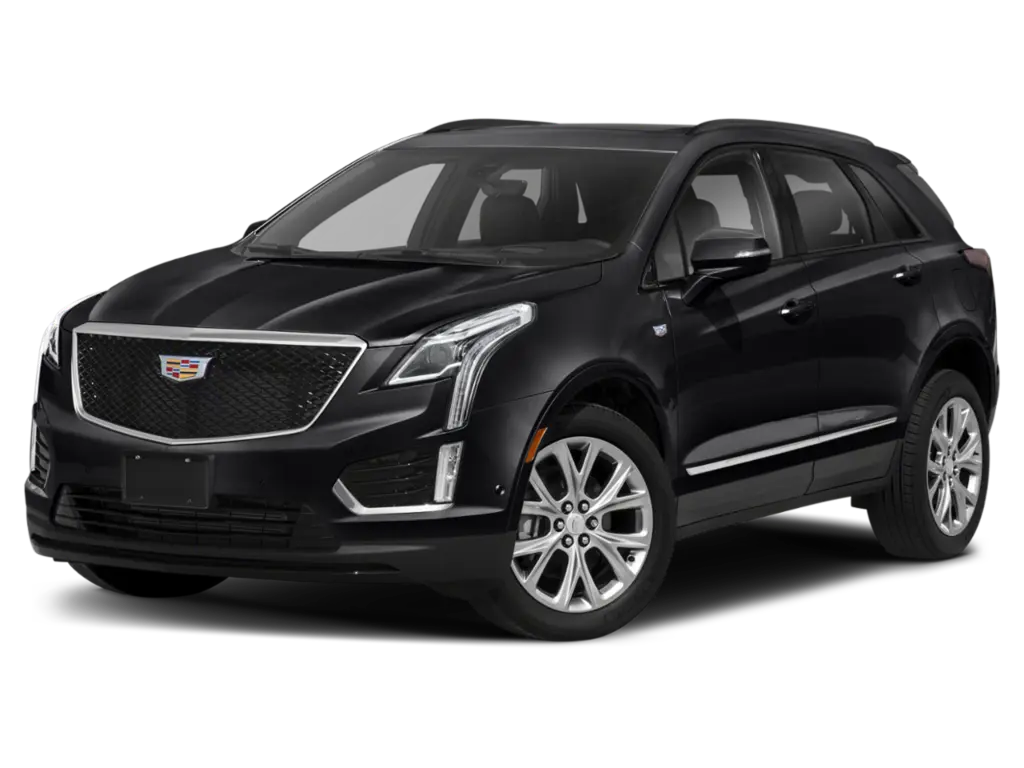
Cadillac XT5
The Cadillac XT5 is far more reliable than the BMW X5, with 16 recalls to the X5's 63. Hybrid X5 faults can leave owners stranded. The XT5 also costs less to repair and sees the shop less often.
How Do the BMW X5 and Cadillac XT5 Generations Compare?
Verdict
The Cadillac XT5 is more reliable than the BMW X5, scoring 75/100 vs 59/100.
A large gap separates these two, and it favors the Cadillac XT5. Federal recall records show far fewer recalls for it, and owners file fewer complaints per vehicle sold. Independent repair-cost data also puts it ahead on yearly cost and shop visits. The BMW X5's problems are more severe. Its plug-in hybrid can lose power or refuse to move, and its brake and electrical complaints include crashes. The XT5 has serious reports of its own, such as steering assist cutting out and stalling, but they are fewer and less tied to one weak system.
Key Differences
- 1Cadillac XT5 costs $359 less per year to repair
- 2Cadillac XT5 has 47 fewer total recalls
- 3Cadillac XT5 scores 16 points higher in reliability
Category Scoreboard
BMW X5 vs Cadillac XT5: Which Is More Reliable?
| Metric | BMW X5 | Cadillac XT5 |
|---|---|---|
| Reliability Score | 59/100 | 75/100 |
| Years Tracked | 9 | 8 |
| Total Recalls | 63 | 16 |
| Complaints per 10k Sold | 6.3 | 4.2 |
| Annual Repair Cost | $1166/yr | $807/yr |
| Repair Frequency | 0.8/yr | 0.6/yr |
| Safety RatingNHTSA overall | 2026 NHTSA | 2026 NHTSA |
| Frontal | ||
| Side | ||
| Rollover | ||
| Year Wins | 0 | 8 |
What Are the Common Problems With the BMW X5 and Cadillac XT5?
Most X5 trouble centers on the xDrive50e plug-in hybrid. High-voltage faults stop the car or keep it from starting, a Drivetrain Malfunction warning strands owners, and parts from Germany can keep cars down for weeks. Brake power assist dropping out under recall 24V104000 is another worry. Crashes are tied to electrical, brake, and power train complaints. The XT5's worst reports are steering assist cutting out, transmissions shuddering or acting like neutral at highway speed, and sudden stalls. Only a few crash-linked filings appear, and the electrical one describes an XT4. Steering and engine have none.
| Component | BMW X5 | Cadillac XT5 |
|---|---|---|
| ELECTRICAL SYSTEM | 1.2Low | 0.4Very Low |
| POWER TRAIN | 0.9Very Low | 0.6Very Low |
| SERVICE BRAKES | 1Very Low | 0.2Very Low |
| STEERING | 0.3Very Low | 0.7Very Low |
| UNKNOWN OR OTHER | 0.6Very Low | 0.3Very Low |
| ENGINE | 0.3Very Low | 0.3Very Low |
| ENGINE AND ENGINE COOLING | 0.4Very Low | —None |
| AIR BAGS | 0.2Very Low | 0.1Very Low |
| BACK OVER PREVENTION | 0.1Very Low | 0.1Very Low |
| EXTERIOR LIGHTING | 0.1Very Low | 0.1Very Low |
| FUEL/PROPULSION SYSTEM | 0.1Very Low | 0.1Very Low |
| ELECTRONIC STABILITY CONTROL (ESC) | 0.1Very Low | —None |
| VISIBILITY/WIPER | 0.1Very Low | —None |
| FUEL SYSTEM | 0.1Very Low | —None |
| VEHICLE SPEED CONTROL | —None | 0.1Very Low |
| STRUCTURE | —None | 0.1Very Low |
| TIRES | —None | 0.1Very Low |
| VISIBILITY | —None | 0.1Very Low |
| WHEELS | —None | 0.1Very Low |
| SEATS | —None | 0.1Very Low |
| SUSPENSION | —None | —None |
| FORWARD COLLISION AVOIDANCE | —None | —None |
| LANE DEPARTURE | —None | —None |
Complaints per 10,000 units sold, aggregated across all tracked model years from NHTSA owner reports.
Which Is Cheaper to Maintain: BMW X5 or Cadillac XT5?
How Does BMW X5 vs Cadillac XT5 Reliability Compare by Year?
| Year | BMW X5 | Cadillac XT5 | Edge |
|---|---|---|---|
| 2026 | 56/1004R / 3C | 81/1000R / 0C | Cadillac XT5 |
| 2025 | 64/1004R / 49C | 74/1001R / 2C | Cadillac XT5 |
| 2024 | 57/1007R / 134C | 72/1003R / 10C | Cadillac XT5 |
| 2023 | 65/1004R / 24C | 72/1004R / 13C | Cadillac XT5 |
| 2021 | 57/10013R / 85C | 73/1003R / 24C | Cadillac XT5 |
| 2020 | 56/10011R / 81C | 71/1005R / 19C | Cadillac XT5 |
| 2019 | 52/10013R / 157C | 78/1000R / 31C | Cadillac XT5 |
| 2018 | 59/1006R / 63C | 77/1000R / 63C | Cadillac XT5 |
Best years to cross-shop: The 2023 BMW X5 scored 65/100 and the 2019 Cadillac XT5 scored 78/100 — the strongest shared model years that have been on the road for at least two years, where available.
Who Should Buy the BMW X5 vs the Cadillac XT5?
BMW X5 vs Cadillac XT5: Common Questions
- Is the BMW X5 more reliable than the Cadillac XT5?
- No. The XT5 comes out well ahead. It has fewer recalls, fewer owner complaints per vehicle sold, lower yearly repair costs, and fewer shop visits. The X5 rates only mixed, mainly because of its plug-in hybrid, which can lose power or fail to start.
- Which has more recalls, the X5 or the XT5?
- The X5 has far more. Federal recall records show 63 recalls across 9 model years for the X5 and 16 across 8 model years for the XT5. X5 owners also report problems getting parts for the brake and starter recalls.
- Which costs less to repair?
- The XT5. Independent repair-cost data estimates $807 a year for the XT5 and $1,166 for the X5. Over five years that is roughly $1,795 more for the BMW. The X5 also averages 0.8 unscheduled shop visits a year, against 0.6.
- What are the most common X5 problems?
- Electrical faults lead, followed by service brakes and the power train. Many reports involve the xDrive50e hybrid, with high-voltage faults, a Drivetrain Malfunction warning, and lost power. Brake complaints center on power assist dropping out under recall 24V104000.
- Does the Cadillac XT5 have any serious problems?
- Yes. Owners report power steering assist cutting out, which makes the wheel very heavy, and transmissions that shudder or act like neutral at highway speed. Some report sudden stalling. Dealers often cannot reproduce these faults. Crash-linked filings are few.
Related Reliability Comparisons
More BMW X5 comparisons
Decided between BMW X5 and Cadillac XT5? Run a VIN check before you buy — uncover hidden accidents, title issues, and open recalls.
How we score the BMW X5 and Cadillac XT5
Scores weight complaint severity at 35%, repair costs at 30%, recall impact at 20%, and the spread of complaints across systems at 15%, with complaint counts adjusted for US sales. Read the full methodology.
See incorrect data? Report an issue