Last updated: 2026-04-20

2025 BMW 3-Series Reliability Report
The 2025 BMW 3-Series scores 71/100 ("Good"). With 1 recall and 1 owner complaints, reliability is acceptable but not class-leading.
Recalls
1
Complaints
1
Complaint Rate
0.3per 10,000 sold
Est. Repair Cost
$773
Annual Fuel Cost
$3,650–$3,850
Detailed Score Breakdown
Component-weighted complaints normalized by sales volume
Independent repair cost ratings
Recall count weighted by severity
Breadth of reported problem categories
The Verdict
Acceptable reliability — worth considering with a pre-purchase inspection.
Top Issues to Watch
- ELECTRICAL SYSTEM (1)
Should You Buy the 2025 BMW 3-Series?
At 71/100, the 2025 BMW 3-Series lands in "Good" territory — acceptable, but not class-leading.
Owners log 1 complaints on this model year — enough to suggest attention is needed, but no single failure mode dominates yet.
Get a pre-purchase inspection on any used example, with extra attention to electrical system and electrical system (1). An extended warranty is worth pricing out.
Compared to the 2026 BMW 3-Series, which scored 5 points higher. See also the 2024 BMW 3-Series for an earlier comparison.
Pros
- +Acceptable reliability score
- +Low major repair risk (12%)
- +Low recall count
- +Below-average complaint rate for Sedan
Cons
- −Frequent unscheduled repairs
- −ELECTRICAL SYSTEM (1)
Compare 2025 BMW 3-Series With
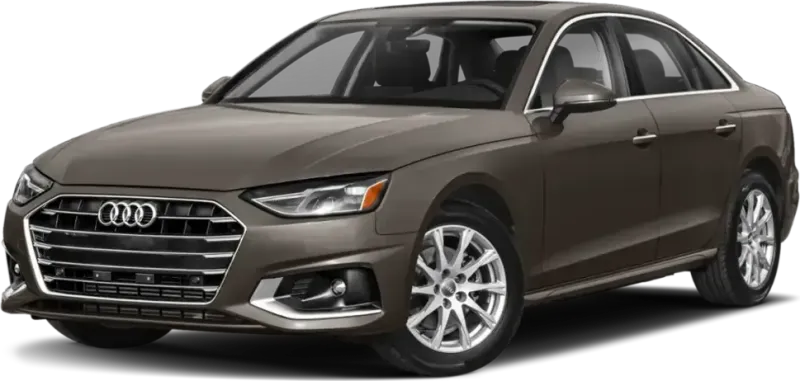
2025 Audi A4
Reliability: 81/100
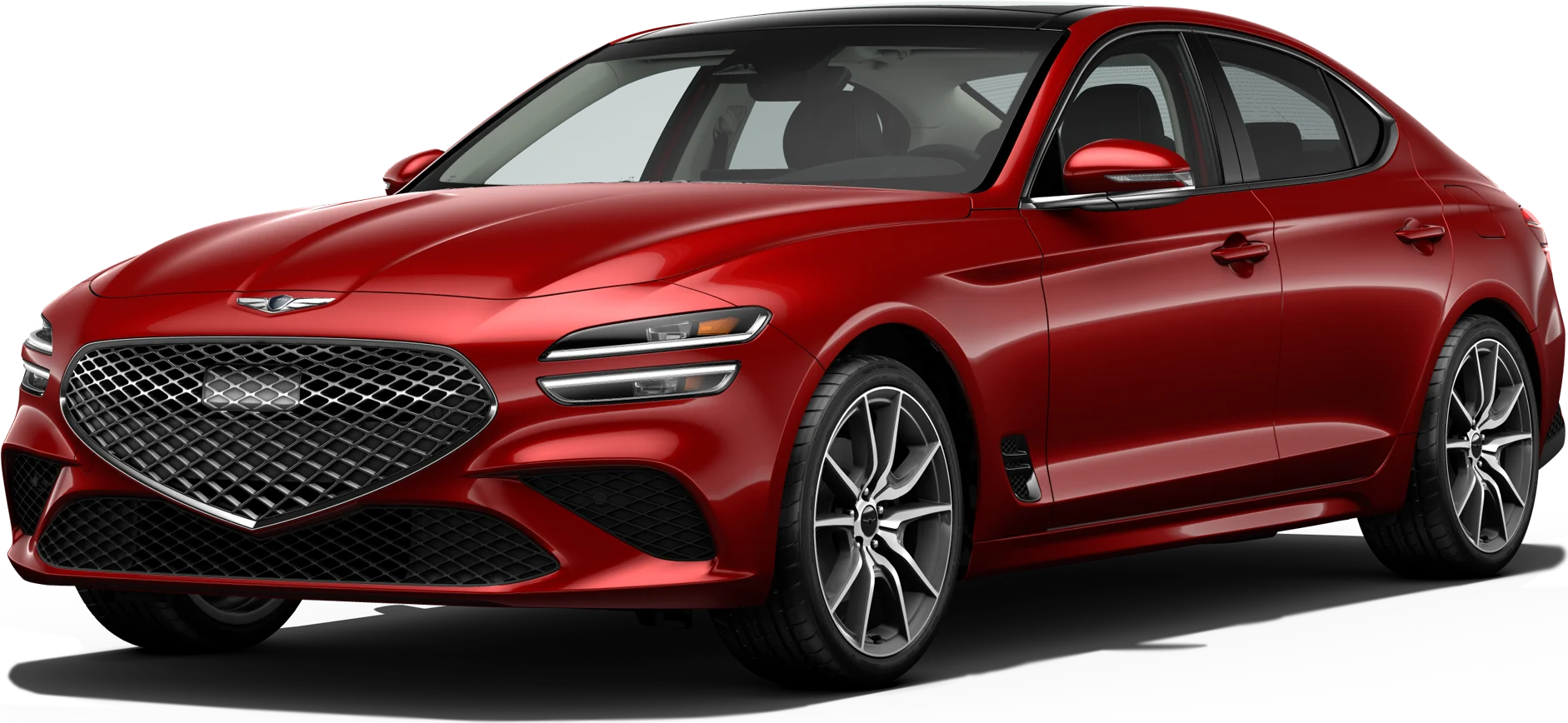
2025 Genesis G70
Reliability: 71/100
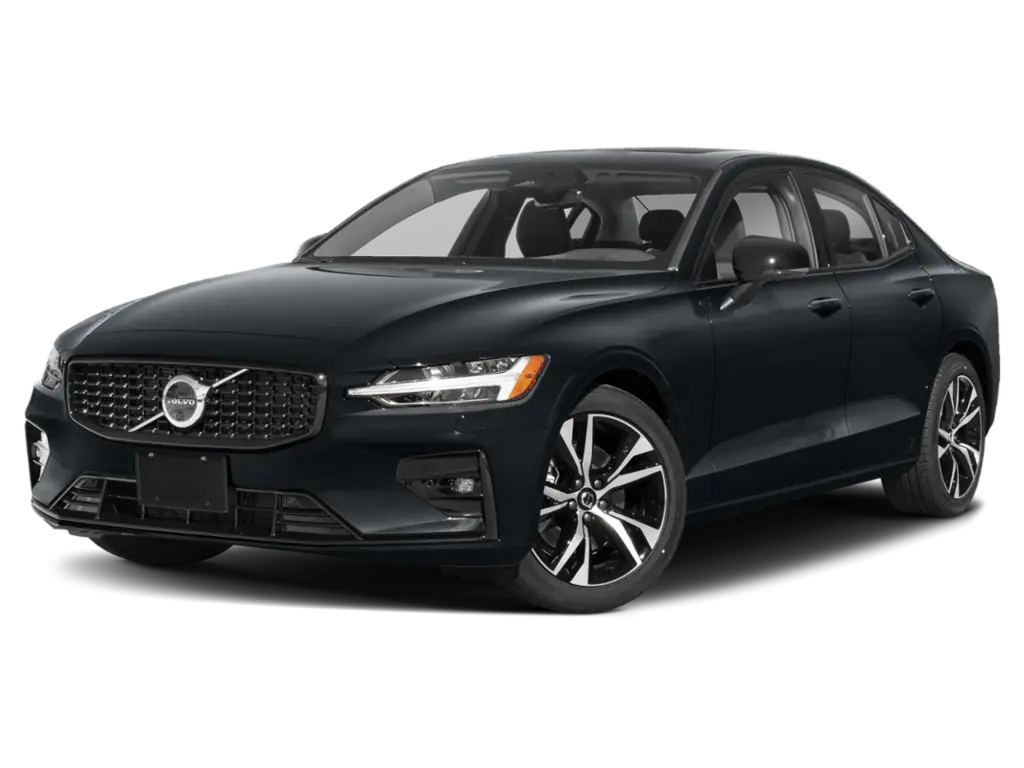
2025 Volvo S60
Reliability: 76/100
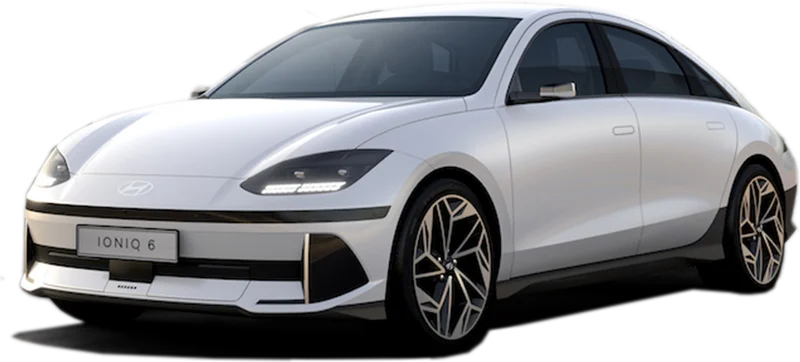
2025 Hyundai Ioniq 6
Reliability: 79/100
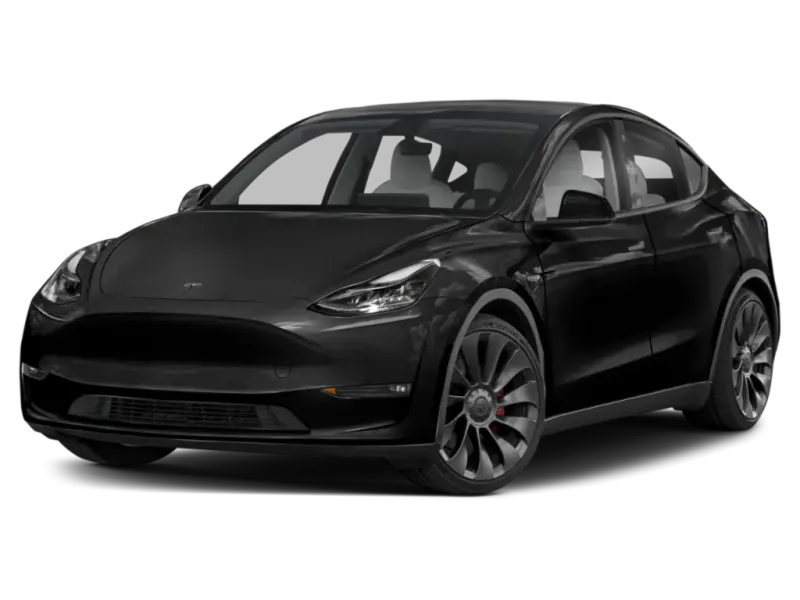
2025 Tesla Model 3
Reliability: 67/100
Common Problem Categories
Safety
LOW RISK- 1 manufacturer recall issued
Other
LOW RISK- ELECTRICAL SYSTEM (1)
Recall Overview
1
recall on record
The 2025 BMW 3-Series carries 1 recall — a low count. Authorized dealers repair any open recall free of charge, regardless of warranty status.
NHTSA.gov →Complaint Breakdown
0.3
per 10,000 soldSegment avg: 2
Safety Incidents
0
Crashes
1
Fires
0
Injuries
0
Deaths
NHTSA 5/5 Stars
Data sourced from NHTSA complaint filings and manufacturer recall notices. Complaint narratives are owner-reported.
2025 BMW 3-Series Recall Details
1 recall has been issued for the 2025 BMW 3-Series. All recall repairs are performed free of charge at authorized dealerships.
ELECTRICAL SYSTEM
BMW of North America, LLC (BMW) is recalling certain 2025 330i, 330i xDrive, 530i, 530i xDrive, 4 Series Coupe (430i, 430i xDrive), 4 Series Convertible (430i, 430i xDrive), 4 Series Gran Coupe (430i, 430i xDrive) and X3 30 xDrive vehicles. The electrical connection between the starter-generator and battery may come loose.
Consequence
A loose starter-generator connection can result in an engine stall, increasing the risk of a crash. In addition, the wiring may overheat, increasing the risk of a fire.
Remedy
Dealers will inspect and replace the starter-generator and positive battery cable as necessary, free of charge. Interim owner letters notifying owners of the safety risk were mailed May 28, 2025. Second letters will be sent once the remedy is available. Owners may contact BMW customer service at 1-800-525-7417.
Buying a used 2025 BMW 3-Series? Check its history first
Every 2025 BMW 3-Series has a different past. A VIN check reveals hidden accidents, title problems, odometer rollbacks, and open recalls that reliability scores can't show you.
- Accidents
- Open Recalls
- Title History
- Odometer Rollback
2025 BMW 3-Series NHTSA Safety Ratings
Overall Safety Rating
Crash Test Results by Configuration (expand)
Gas Powertrain
Rollover risk: 9.2%
Safety Technologies
BMW 3-SeriesRepair Costs & Maintenance
Maintenance Rating
3Maintenance rating: 3 out of 5Based on NHTSA complaint patterns, recall severity, and publicly available cost benchmarks.
Est. Annual Maintenance
$773
Repair Frequency
1
unscheduled repair visits per year
Severe Repair Probability
12%
chance of a major repair
Category-level averages derived from publicly available industry reports (AAA, CarMD). Model-level estimates produced by Auto Reliability Index.
BMW 3-Series Resale Value
The BMW 3-Series is estimated to retain about 56.5% of its original value after 5 years, based on observed used-car listings.
This benchmark covers the BMW 3-Series model overall and is not specific to the 2025 model year.
- Value Retained
- 56.5%
- Depreciation
- 43.5%
- Listings Analyzed
- 707
after 5 years
over the same period
U.S. used-car listings
Listings observed in . Actual resale value varies by trim, mileage, condition, and location.
Explore BMW 3-Series depreciation and resale value on CarResaleValue.com2025 BMW 3-Series Example Repair Prices
National average price ranges for common repairs. These are not model-year-specific failure predictions.
| Repair | Estimated Cost |
|---|---|
| Ignition Switch Replacement | $265 – $314 |
| AC Recharge | $322 – $421 |
| Battery Cable Replacement | $555 – $626 |
| Battery Cable Replacement | $691 – $790 |
| Power Seat Motor Replacement | $1,882 – $1,940 |
| Body Control System Diagnosis & Testing | $61 – $90 |
| Brake Light Switch Replacement | $163 – $213 |
| Power Steering Hose Replacement | $2,656 – $2,901 |
| Tire Pressure Monitor Control Module Replacement | $638 – $781 |
| Rack and Pinion Replacement | $6,618 – $7,005 |
Estimates based on national average repair costs. Actual costs may vary by location and shop.
MPG & Annual Running Costs
Gas
18–19 MPG
Running cost: $4,600–$4,800/yr
Fuel + repair
16 city / 23 hwy MPG
Hybrid
29–31 MPG
Running cost: $3,200–$3,350/yr
Fuel + repair
26–28 city / 33–35 hwy MPG
Running cost includes EPA fuel-cost estimate and independent repair-cost data (repair cost estimated at model level). Excludes routine maintenance, depreciation, and insurance. Data as of 2025 EPA label cycle.
Gas trims
| Trim | Drive | Trans. | City | Hwy | Comb | Fuel Cost |
|---|---|---|---|---|---|---|
| M3 Competition Sedan 3.0L 6-cyl | Rear-Wheel Drive | Automatic (S8) | 16 | 23 | 19 | $3,650 |
| M3 Sedan 3.0L 6-cyl | Rear-Wheel Drive | Manual 6-spd | 16 | 23 | 19 | $3,650 |
| M3 Competition M xDrive Sedan 3.0L 6-cyl | All-Wheel Drive | Automatic (S8) | 16 | 23 | 18 | $3,850 |
Hybrid trims
| Trim | Drive | Trans. | City | Hwy | Comb | Fuel Cost |
|---|---|---|---|---|---|---|
| 330i Sedan 2.0L 4-cyl | Rear-Wheel Drive | Automatic (S8) | 28 | 35 | 31 | $2,250 |
| 330i xDrive Sedan 2.0L 4-cyl | All-Wheel Drive | Automatic (S8) | 26 | 34 | 29 | $2,400 |
| M340i Sedan 3.0L 4-cyl | Rear-Wheel Drive | Automatic (S8) | 27 | 33 | 29 | $2,400 |
| M340i xDrive Sedan 3.0L 4-cyl | All-Wheel Drive | Automatic (S8) | 26 | 33 | 29 | $2,400 |
Used Buying Checklist
Key things to inspect or verify before purchasing a 2025 BMW 3-Series.
Inspect wireless charging tray for overheating issues with metal phone cases
Test wireless charging with different phone cases to ensure no excessive heat generation
Check for any signs of previous fire damage around the center console area
Verify that the wireless charging system has the latest software update to address potential overheating
2025 BMW 3-Series Common Problems by Component
1 owner complaints grouped by vehicle system.
ELECTRICAL SYSTEM
1 complaintSafety-relatedThe car has the fast wireless charging tray. I've attached a picture. The case for my phone has a small metal piece on the case. Its a regular case from Amazon. The wireless charger works fine, but it's also heating the metal phone cases to the point where it starts a small fire. Its a huge fire risk if you're not careful. We tried another case and we had the same problem.
Best & Worst BMW 3-Series Years
Comprehensive reliability analysis based on NHTSA data, owner complaints, and historical performance.
Best BMW 3-Series Years to Buy
Based on reliability index scoreThe best BMW 3-Series year is 2024 with a reliability score of 71/100, rated good. Other strong picks include 2023 (70/100) and 2022 (70/100). The newer 2026 model year scores higher partly because it has had less time to accumulate owner complaints.
BMW 3-Series Years to Avoid
No BMW 3-Series years are statistical outliers in our data.
All model years score consistently well. The BMW 3-Series maintains one of the highest industry standards for long-term durability across its entire production span.
BMW 3-Series Reliability Score Trend
BMW 3-Series reliability has improved in recent years, with newer models scoring an average of 72/100 compared to 66/100 for older years.
Scores 0–100. Higher is better. Current year highlighted.
| Year | Score | Rating |
|---|---|---|
| 2018 | 65/100 | Good |
| 2019 | 66/100 | Good |
| 2020 | 64/100 | Good |
| 2021 | 67/100 | Good |
| 2022 | 70/100 | Good |
| 2023 | 70/100 | Good |
| 2024 | 71/100 | Good |
| 2025 | 71/100 | Good |
| 2026 | 76/100 | Good |
BMW 3-Series Reliability Compared to Other Years
Frequently Asked Questions
Is the 2025 BMW 3-Series reliable?
What are the most common problems with the 2025 BMW 3-Series?
How many recalls does the 2025 BMW 3-Series have?
Is the 2025 BMW 3-Series expensive to maintain?
Don’t buy a 2025 BMW 3-Series without checking its VIN first — hidden accidents, title issues, and open recalls could cost you thousands.
How we score the 2025 BMW 3-Series
Of the four inputs behind this score, the 2025 BMW 3-Series does best on recall impact (88/100) and worst on repair costs (60/100). Scores weight complaint severity at 35%, repair costs at 30%, recall impact at 20%, and the spread of complaints across systems at 15%, with complaint counts adjusted for US sales. Read the full methodology.
Get notified when new recalls or reliability data is added for the BMW 3-Series.
No spam. Only data updates for this model.
Browse More BMW Models
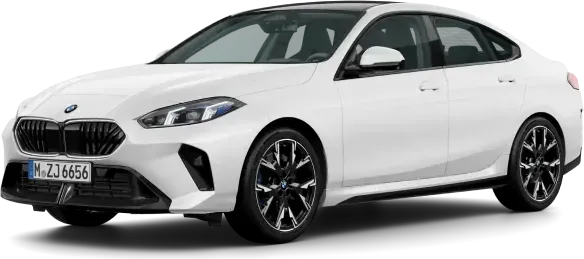
BMW 2-Series
Score: 70/100
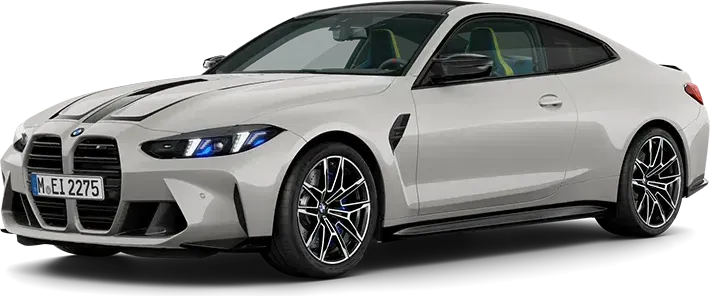
BMW 4-Series
Score: 64/100
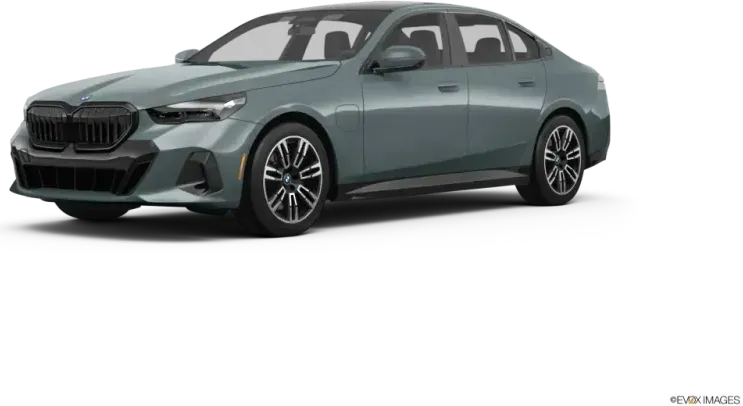
BMW 5-Series
Score: 71/100
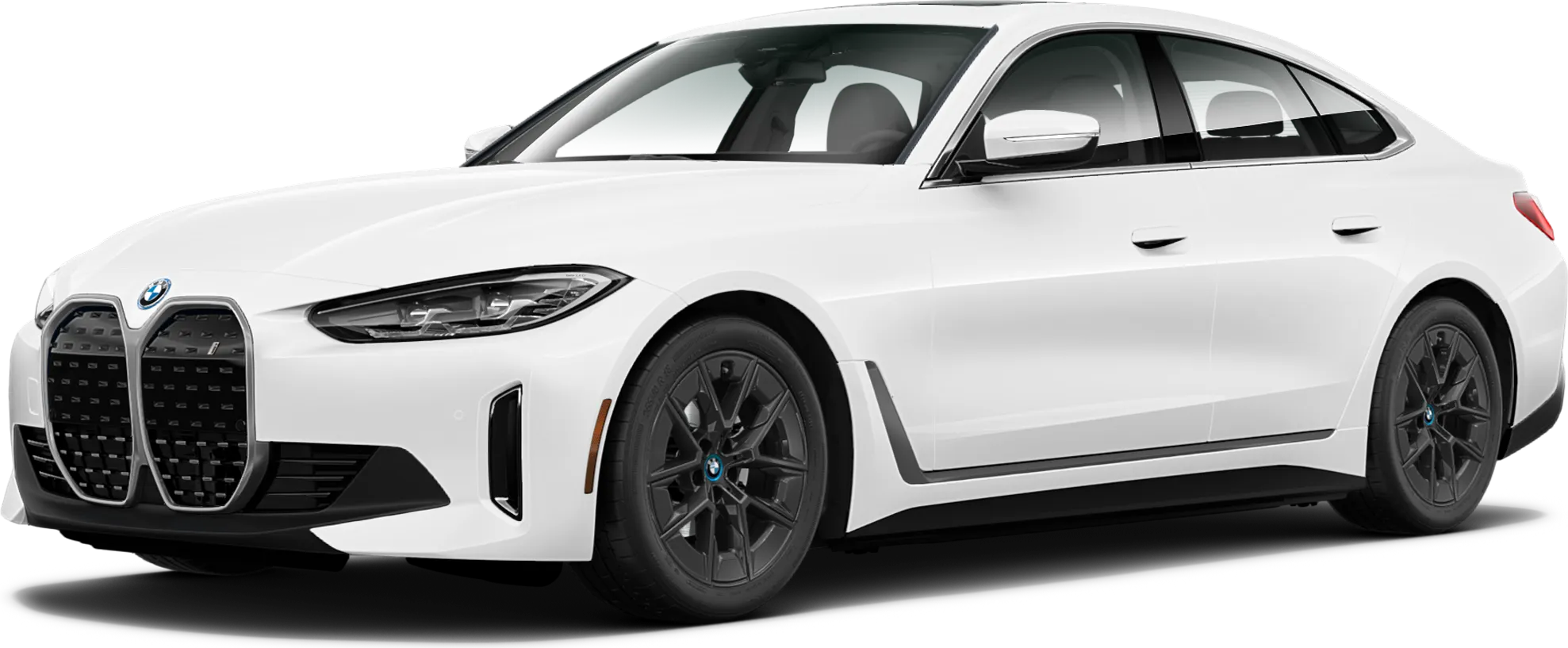
BMW I4
Score: 78/100

BMW IX
Score: 60/100
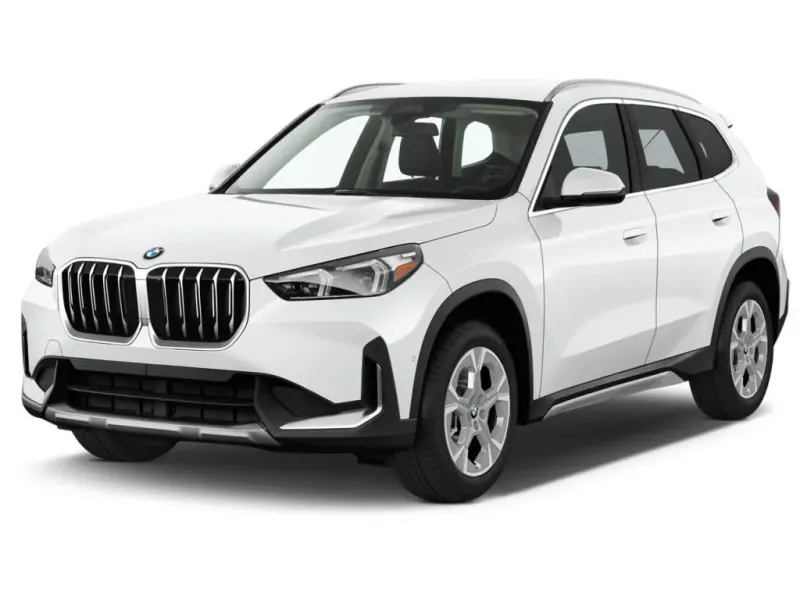
BMW X1
Score: 74/100
Browse More 2025 Vehicles
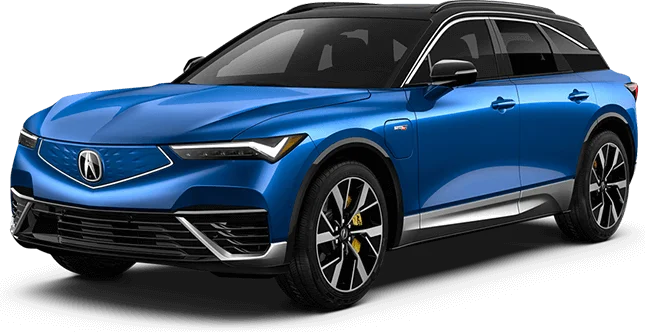
2025 Acura ZDX
Score: 88/100
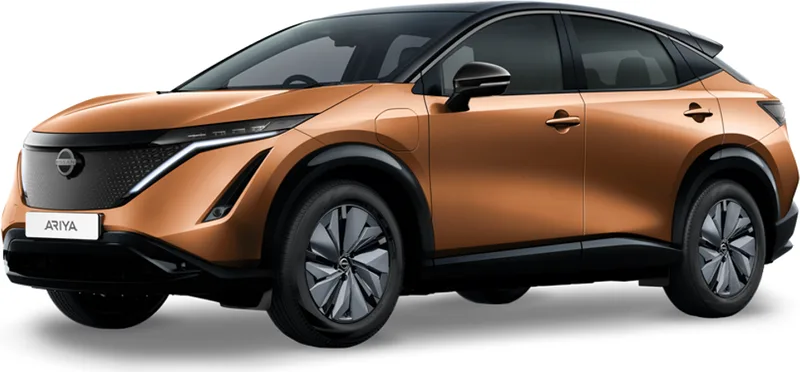
2025 Nissan Ariya
Score: 88/100
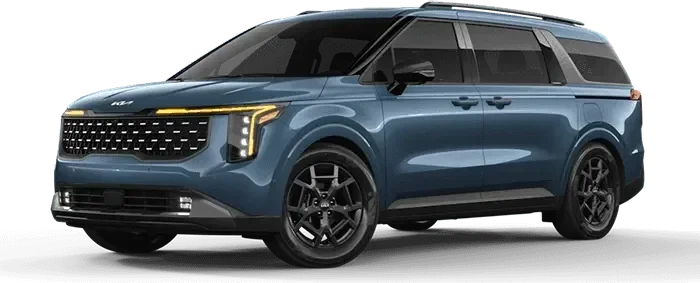
2025 KIA Carnival
Score: 88/100
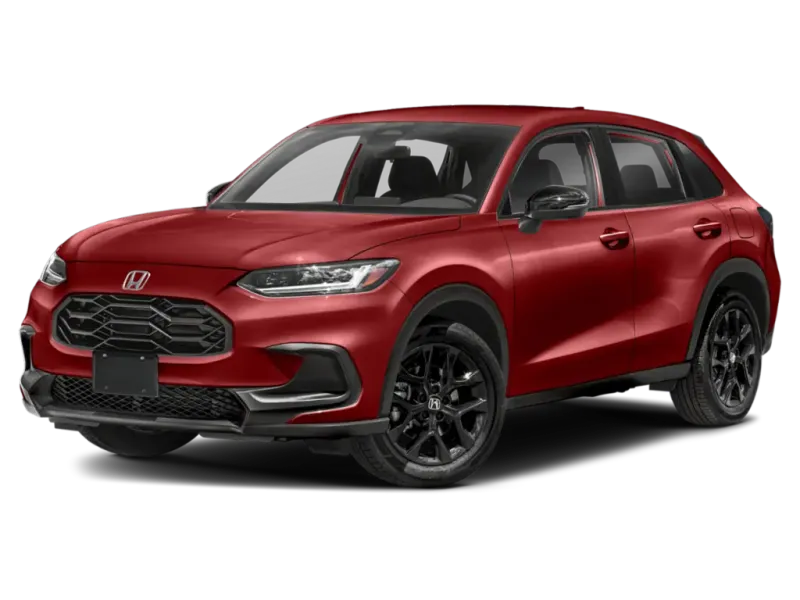
2025 Honda HR-V
Score: 88/100
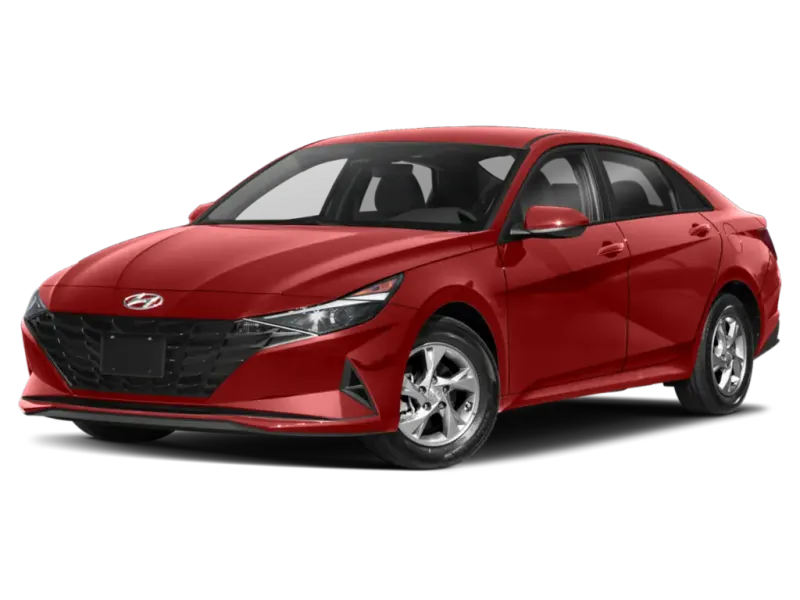
2025 Hyundai Elantra
Score: 87/100
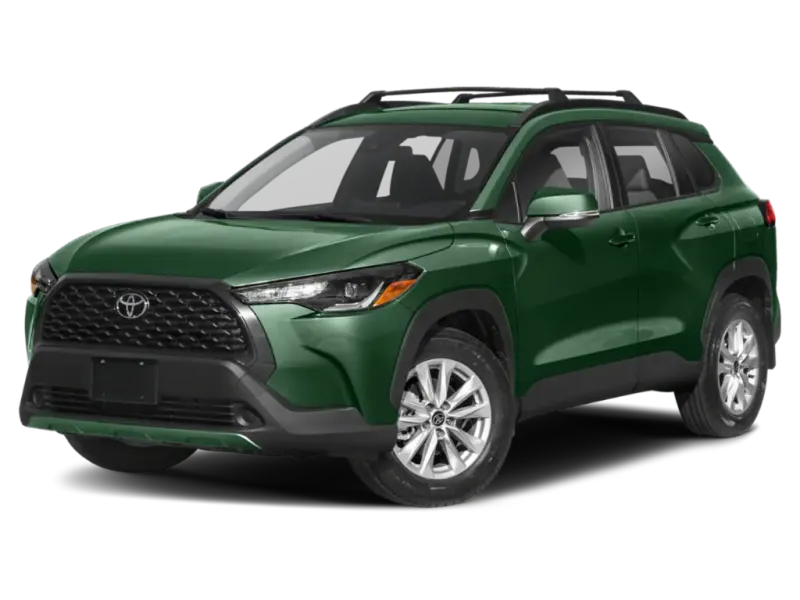
2025 Toyota Corolla Cross
Score: 86/100
See incorrect data? Report an issue