Last updated: 2026-10-10

2019 BMW 3 Series Reliability Report
The 2019 BMW 3-Series has a good standing, but oil and coolant leaks near 40,000 miles and a park-outside fire recall are the main concerns.
Recalls
9
Complaints
34
Complaint Rate
7.1per 10,000 sold
Est. Repair Cost
$773
Annual Fuel Cost
$2,300–$2,550
Detailed Score Breakdown
Component-weighted complaints normalized by sales volume
Independent repair cost ratings
Recall count weighted by severity
Breadth of reported problem categories
The Verdict
Final year of the F30 generation, with nine recalls including a park-outside fire recall, and oil and coolant leaks as the main complaint.
Top Issues to Watch
- AIR BAGS (4)
- POWER TRAIN (4)
- ELECTRICAL SYSTEM (3)
Generation & Refresh (US)
2019 is the last model year of the Sixth generation (F30).
- Final-year models are typically the most refined version of a generation.
- 3 years after the last refresh (2016).
- 6th generation 3 Series (US).
What this means for buyers
Final-year models are usually the most polished version of a generation, but resale value may dip as buyers anticipate the next redesign.
2012: Sixth generation (F30) Launch
Generation start — new platform.
2016: Mid-Cycle Refresh
Updated features and styling tweaks.
2019: This Model Year
2019 is the last model year of the Sixth generation (F30).
Should You Buy the 2019 BMW 3 Series?
Reliability is good and close to average among 2019 sedans, but this is one of the weaker years within the 3-Series. The 2018 and 2020 rate about the same, so neither neighbor clearly beats it. Federal crash tests gave it five stars, and independent repair-cost data puts model-wide yearly repairs at $773.
Leaks come first. Owners report the coolant pump assembly and the plastic oil filter housing leaking around 40,000 miles, with warnings of overheating. One crankshaft damper failed with a loud pop near 37,000 miles. Airbag fault warnings are the most common complaint, sometimes with a message that the airbag will not deploy, and some owners were told the fix was not covered. Fire is the worst risk. One federal recall says to park outside, and one car burned in a driveway at about 57,000 miles. Owners say the recall part was not yet available.
Ask for proof that every recall repair is done, the fire one above all. Ask for records of oil filter housing and coolant leak repairs, and make sure any airbag warnings were fixed.
Compared to the 2020 BMW 3 Series, which scored 2 points lower. See also the 2018 BMW 3 Series for an earlier comparison.
Pros
- +Acceptable reliability score
- +Low major repair risk (12%)
- +Below-average complaint rate for Sedan
Cons
- −Frequent unscheduled repairs
- −Above-average recall count
- −UNKNOWN OR OTHER issues reported (8 complaints)
Compare 2019 BMW 3 Series With
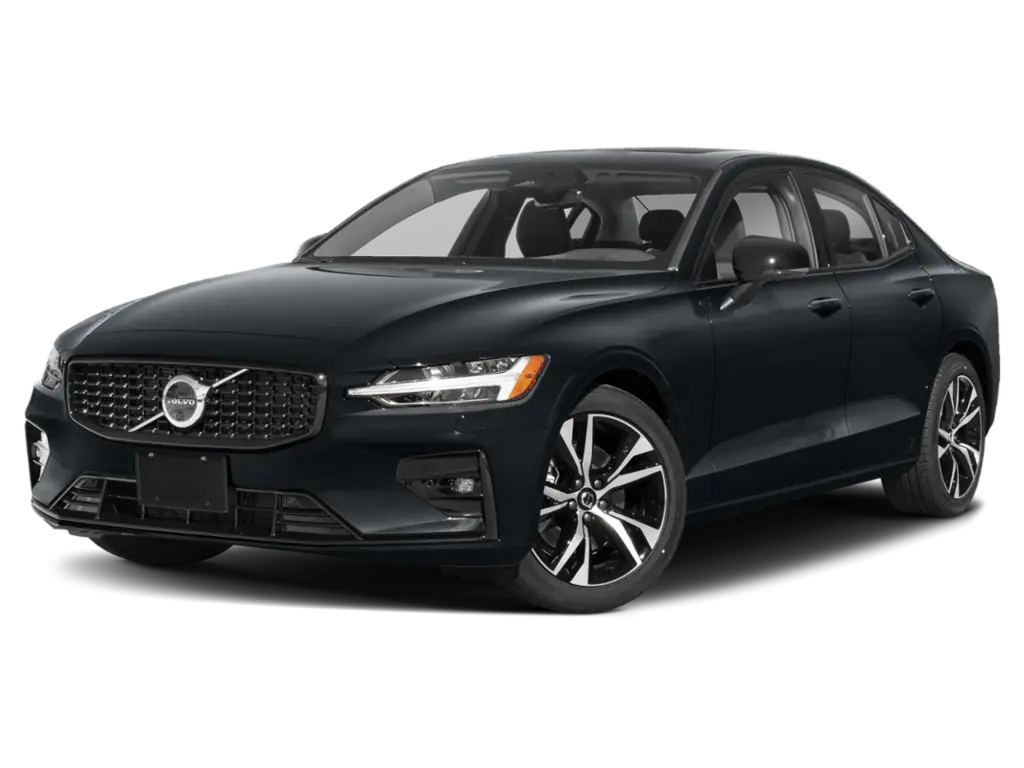
2019 Volvo S60
Reliability: 72/100
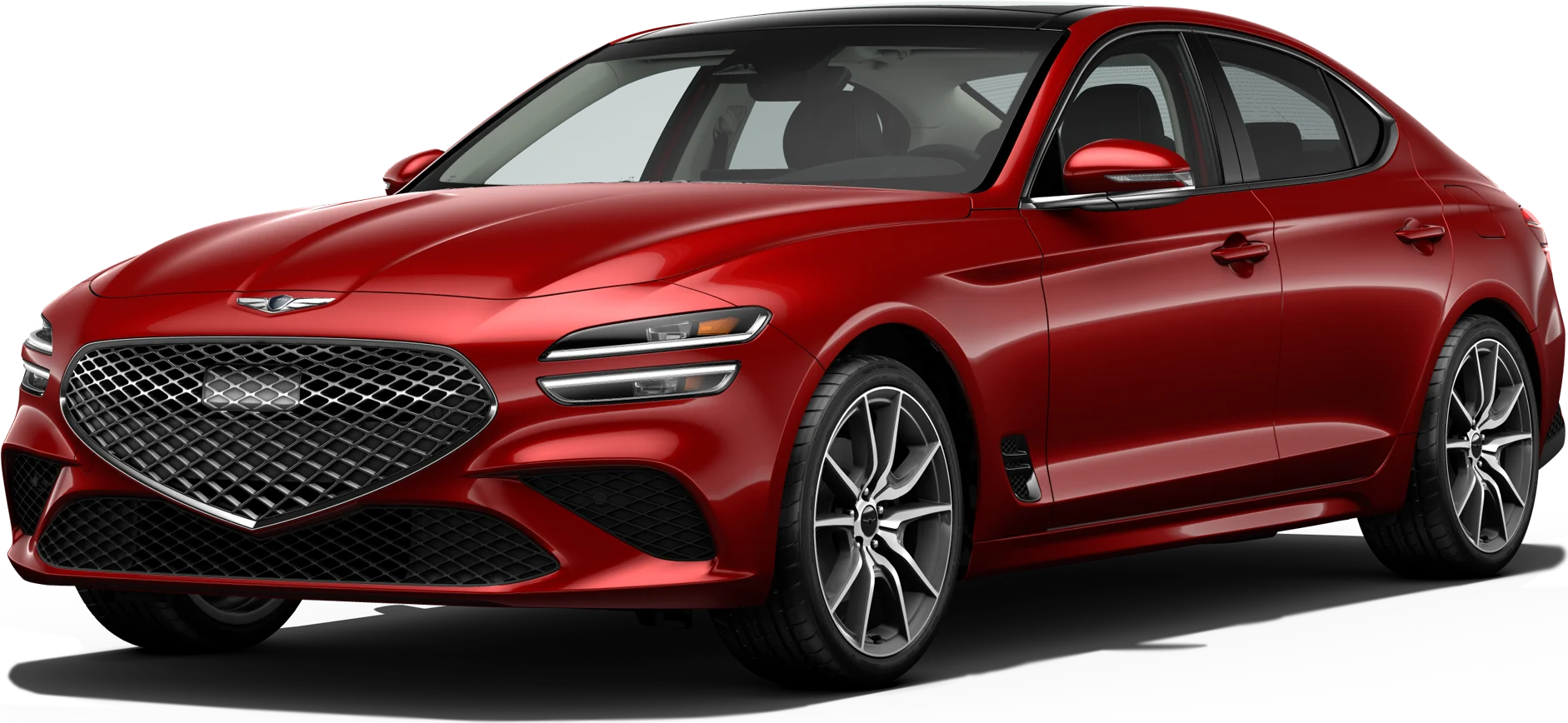
2019 Genesis G70
Reliability: 55/100
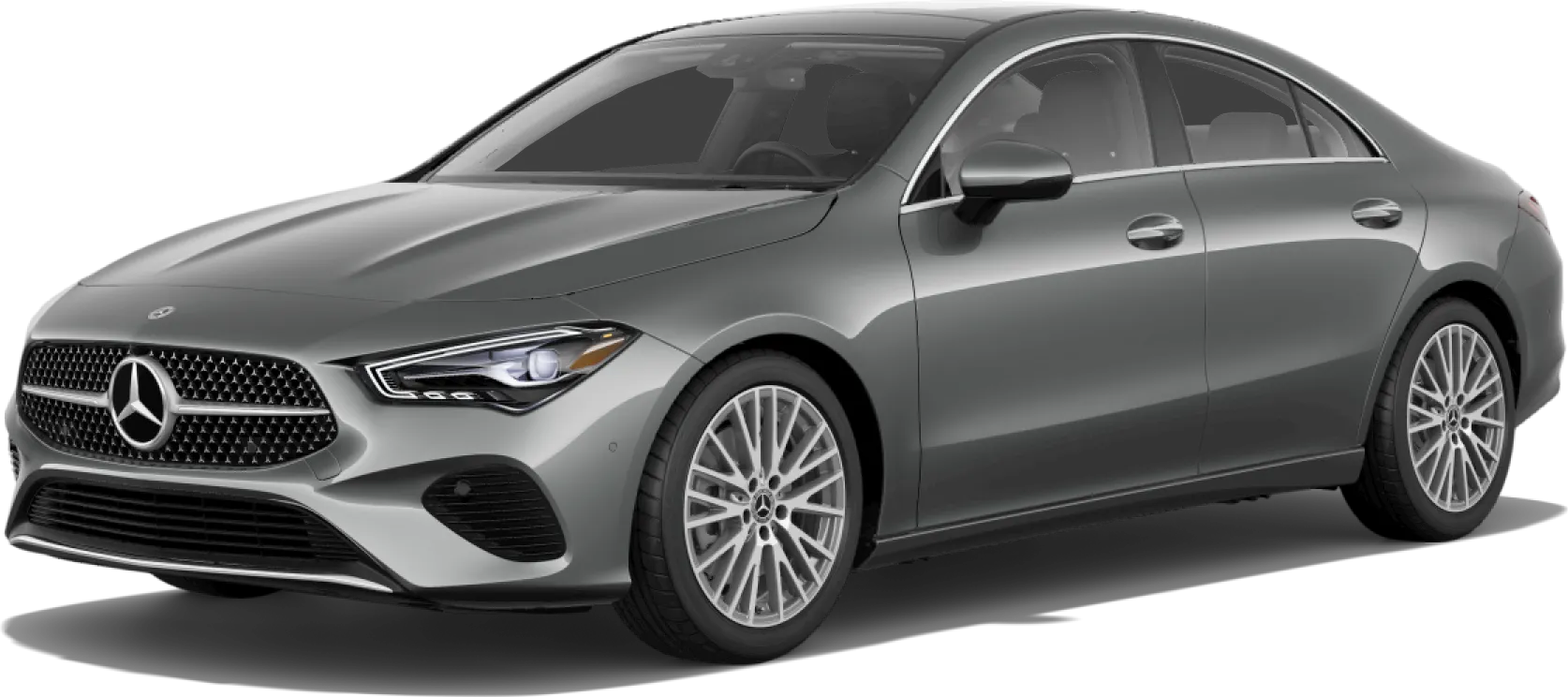
2019 Mercedes-Benz CLA
Reliability: 44/100
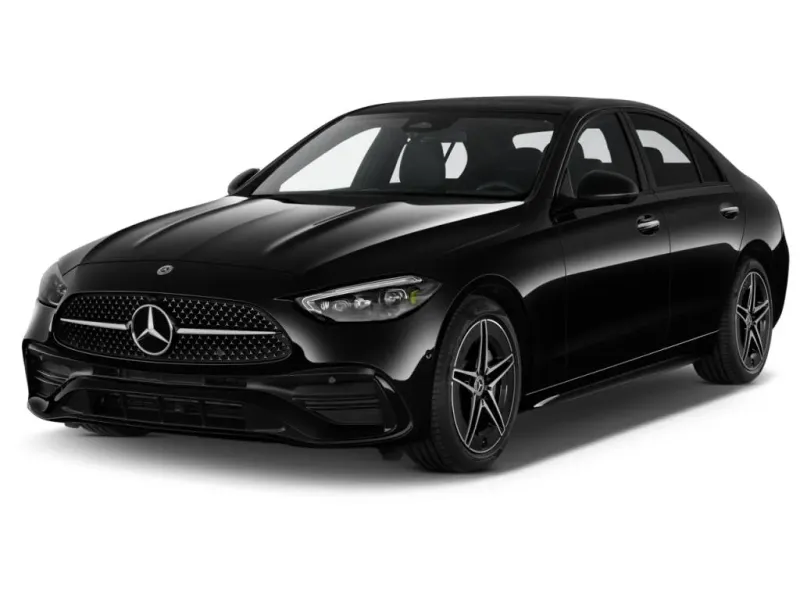
2019 Mercedes-Benz C-Class
Reliability: 50/100
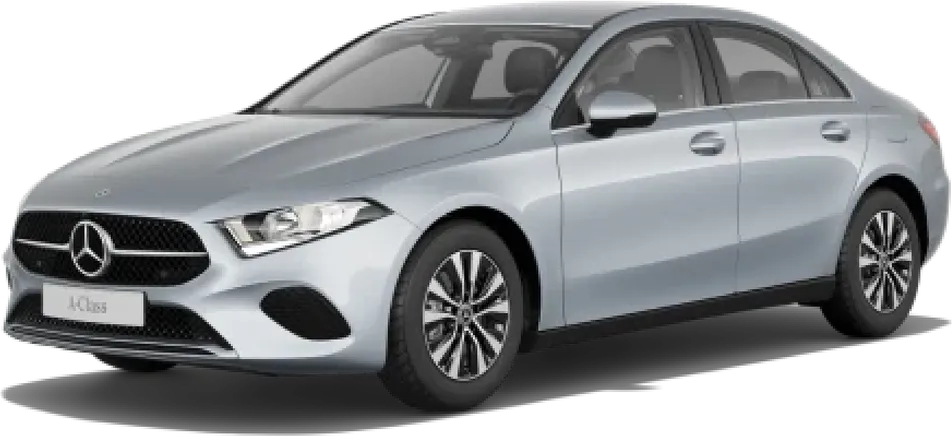
2019 Mercedes-Benz A-Class
Reliability: 55/100
Common Problem Categories
Safety
LOW RISK- 9 manufacturer recalls issued
Other
HIGH RISK- UNKNOWN OR OTHER (8)
- AIR BAGS (4)
Recall Overview
9
recalls on record
The 2019 BMW 3 Series has 9 recalls on record, which is above average. A high count can flag multiple component concerns, though it also shows the manufacturer is actively addressing known issues.
NHTSA.gov →Complaint Breakdown
7.1
per 10,000 soldSegment avg: 19.1
Safety Incidents
2
Crashes
3
Fires
2
Injuries
0
Deaths
NHTSA 5/5 Stars
Data sourced from NHTSA complaint filings and manufacturer recall notices. Complaint narratives are owner-reported.
2019 BMW 3 Series Recall Details
9 recalls have been issued for the 2019 BMW 3 Series. All recall repairs are performed free of charge at authorized dealerships.
SEATS
BMW of North America, LLC (BMW) is recalling certain 2019-2021 330i, 330i xDrive, M340i xDrive, 2020-2021 X3 sDrive30i, X3 xDrive30i, X3 M40i, X3M, 2021 X3 xDrive30e, X4 xDrive30i, and X4M vehicles. The seat frame may not have been welded properly to the seat rails.
Consequence
An improperly welded seat frame may not properly restrain the occupant during a crash, increasing the risk of injury.
Remedy
Dealers will replace the seat frame and back rest, free of charge. Owner notification letters were mailed May 22, 2023. Owners may contact BMW customer service at 1-800-525-7417.
ELECTRICAL SYSTEM
BMW of North America, LLC (BMW) is recalling certain 2019-2021 BMW 330i, 2019-2022 BMW Z4, 2020-2022 BMW 530i, X3, X4, Toyota Supra, 2021-2022 BMW 430i, 430i Convertible, and 2022 BMW 230i vehicles. The engine starter relay may corrode, causing the relay to overheat and short circuit.
Consequence
A short circuit in the starter relay may increase the risk of a fire.
Remedy
Owners are advised to park their vehicles outside and away from structures until the remedy is complete. Dealers will replace the engine starter, free of charge. Owner notification letters were mailed February 6, 2026. Owners may contact BMW customer service at 1-800-525-7417. Vehicle Identification Numbers (VINs) involved in this recall will be searchable on NHTSA.gov beginning November 14, 2025.
SEAT BELTS, ELECTRICAL SYSTEM
BMW of North America, LLC (BMW) is recalling certain 2019-2022 330i, 330i xDrive, M340i, 2022 430i Coupe, 2021-2022 430i, M440i Convertible, and 2020-2022 228i xDrive Gran Coupe vehicles. The receiver audio module control unit software may fail to properly generate audible seat belt warnings to the driver to fasten their seat belt. As such, these vehicles fail to comply with the requirements of Federal Motor Vehicle Safety Standard number 208, "Occupant Crash Protection."
Consequence
An audible chime that does not properly alert the driver to fasten their seat belt increases the risk of injury in a crash.
Remedy
Dealers will update the receiver audio module software, free of charge. Owner notification letters were mailed October 12, 2023. Owners may contact BMW customer service at 1-800-525-7417.
Buying a used 2019 BMW 3 Series? Check its history first
Air bags problems lead owner complaints about the 2019 BMW 3 Series, and 9 recalls were issued for it. A VIN check shows whether this car's recall work was done, plus accident, title, and odometer history.
- Accidents
- Open Recalls
- Title History
- Odometer Rollback
2019 BMW 3 Series NHTSA Safety Ratings
Overall Safety Rating
Crash Test Results by Configuration (expand)
Gas Powertrain
Rollover risk: 9.5%
Safety Technologies
BMW 3 SeriesRepair Costs & Maintenance
Maintenance Rating
3Maintenance rating: 3 out of 5Based on NHTSA complaint patterns, recall severity, and publicly available cost benchmarks.
Est. Annual Maintenance
$773
Repair Frequency
1
unscheduled repair visits per year
Severe Repair Probability
12%
chance of a major repair
Category-level averages derived from publicly available industry reports (AAA, CarMD). Model-level estimates produced by Auto Reliability Index.
BMW 3 Series Resale Value
The BMW 3 Series is estimated to retain about 56.5% of its original value after 5 years, based on observed used-car listings.
This benchmark covers the BMW 3 Series model overall and is not specific to the 2019 model year.
- Value Retained
- 56.5%
- Depreciation
- 43.5%
- Listings Analyzed
- 707
after 5 years
over the same period
U.S. used-car listings
Listings observed in . Actual resale value varies by trim, mileage, condition, and location.
Explore BMW 3 Series depreciation and resale value on CarResaleValue.com2019 BMW 3 Series Example Repair Prices
National average price ranges for common repairs. These are not model-year-specific failure predictions.
| Repair | Estimated Cost |
|---|---|
| Ignition Switch Replacement | $265 – $314 |
| AC Recharge | $322 – $421 |
| Battery Cable Replacement | $555 – $626 |
| Battery Cable Replacement | $691 – $790 |
| Power Seat Motor Replacement | $1,882 – $1,940 |
| Body Control System Diagnosis & Testing | $61 – $90 |
| Brake Light Switch Replacement | $163 – $213 |
| Power Steering Hose Replacement | $2,656 – $2,901 |
| Tire Pressure Monitor Control Module Replacement | $638 – $781 |
| Rack and Pinion Replacement | $6,618 – $7,005 |
Estimates based on national average repair costs. Actual costs may vary by location and shop.
MPG & Annual Running Costs
Gas
27–30 MPG
Running cost: $3,250–$3,500/yr
Fuel + repair
23–26 city / 33–36 hwy MPG
Running cost includes EPA fuel-cost estimate and independent repair-cost data (repair cost estimated at model level). Excludes routine maintenance, depreciation, and insurance. Data as of 2019 EPA label cycle.
Gas trims
| Trim | Drive | Trans. | City | Hwy | Comb | Fuel Cost |
|---|---|---|---|---|---|---|
| 330i 2.0L 4-cyl | Rear-Wheel Drive | Automatic (S8) | 26 | 36 | 30 | $2,300 |
| 330i xDrive 2.0L 4-cyl | All-Wheel Drive | Automatic (S8) | 25 | 34 | 28 | $2,450 |
| 330i xDrive Gran Turismo 2.0L 4-cyl | All-Wheel Drive | Automatic (S8) | 23 | 33 | 27 | $2,550 |
| 330i xDrive Sports Wagon 2.0L 4-cyl | All-Wheel Drive | Automatic (S8) | 23 | 33 | 27 | $2,550 |
Used Buying Checklist
Key things to inspect or verify before purchasing a 2019 BMW 3 Series.
Run the VIN for open recalls, especially campaign 25V636000 for parked-car fire risk, and ask whether the repair part is available.
Watch for airbag or passenger restraint warnings at startup and through a full test drive.
With the hood open, look for coolant or oil seepage around the oil filter housing and coolant pump area.
Ask for records showing whether the oil filter housing or heat management module has been replaced.
Inspect both headlights for fogging or water droplets inside the lens, ideally after rain or a car wash.
Check the inner sidewalls of all four tires for bulges or damage, especially original Pirelli Cinturato P7s.
Run the A/C on high and sniff the vents for a vinegar or mildew smell.
Test whether the car shifts into Park when shut off, and never leave it in Neutral.
2019 BMW 3 Series Common Problems by Component
34 owner complaints grouped by vehicle system.
UNKNOWN OR OTHER
8 complaintsSafety-relatedA parked car with the ignition off catches fire in one report, which the owner links to an open recall for fire risk when parked. The other reports are scattered: a coolant leak with a dead heater and overheating risk that returns after warranty repair, over-the-air software updates that download but never install, a vinegar or mildew smell from the A/C, warnings for the active air flaps behind the grille, a sunroof that shatters on the highway, a car that rolls when shut off in neutral, and chrome trim glare that washes out the screen.
AIR BAGS
4 complaintsSafety-relatedAirbag fault warnings are the most common report. Passenger and knee airbag restraint errors appear, sometimes with a message that the airbag will not deploy in a crash. Dealer repairs include a new wiring harness and then a new airbag control unit. Some owners are told the repair is not covered by warranty, even on a car with less than 20,000 miles. One crash report describes the driver airbag deploying after the car hits road debris at highway speed. The driver suffers a concussion, and the emergency call system fails to activate.
POWER TRAIN
4 complaintsCoolant and oil leaks lead these reports. The heat management module (coolant pump and thermostat assembly) and the oil filter housing both leak around 40,000 miles, and owners warn of overheating and oil reaching hot exhaust parts. Other reports describe a crankshaft vibration damper that fails with a loud pop near 37,000 miles, a sudden loss of acceleration with a "Drivetrain Malfunction" message, and a highway stall with a fully black dashboard. One complaint involves an open electrical recall still waiting on parts.
ELECTRICAL SYSTEM (3 complaints)
ELECTRICAL SYSTEM
3 complaintsSafety-relatedFire while parked is the central risk here, tied to recall campaign 25V636000 for fire risk when the car is off. One car burns in a driveway at about 57,000 miles and is declared a total loss. The other reports are mostly about the recall repair itself: notices arrive, but the part is not yet available, and owners say the wait has gone on too long. One of those owners also sees an intermittent check engine light at 91,000 miles.
ENGINE (3 complaints)
ENGINE
3 complaintsSafety-relatedUnder-hood fire while driving appears in one report at only 4,500 miles. Smoke and then flames come from the hood at low speed, and no cause is found. The other reports center on the plastic oil filter housing cracking. It leaks coolant and oil, triggers a low coolant warning followed by a low oil warning, and owners describe a risk of overheating or fire. One complaint puts failures at around four years or 60,000 miles and names the heat management module as another common failure point.
EXTERIOR LIGHTING (3 complaints)
EXTERIOR LIGHTING
3 complaintsCondensation builds inside the headlight assemblies after rain, in moist weather, or in the cold, and can take days to clear. One report says the moisture throws the beam at an angle and hurts visibility, with the problem appearing at 3,000 miles. In another case a replaced headlight is followed by the other side failing within months, and one owner was quoted 4.5K to replace the headlights. Help from the manufacturer is limited once the warranty runs out.
SERVICE BRAKES (2 complaints)
SERVICE BRAKES
2 complaintsSafety-relatedBraking problems show up in two forms. In one, the automatic emergency braking does not act before a low-speed rear-end collision at 10-15 mph. BMW's data confirms no braking assist was applied, and the crash causes one injury. In the other, the brakes fail to engage as designed at about 35 mph. The driver hears an abnormal sound and sees an "Electronic Stability Control System Malfunctioning" message. The dealer has not found a cause.
WHEELS (2 complaints)
WHEELS
2 complaintsThe original Pirelli Cinturato P7 all-season tires blow out on the inner sidewall, sometimes while the car is sitting still, with no warning from the tire monitoring system. Reports describe two or three tires failing in the first year, at 13,000 to 15,000 miles, with no pothole or impact the driver noticed and no rim damage. One owner points to a recall on Pirelli 19-inch tires, but the failed tires here are the 18-inch size.
ENGINE AND ENGINE COOLING (1 complaints)
ENGINE AND ENGINE COOLING
1 complaintSee attached document for complaint.
VEHICLE SPEED CONTROL (1 complaints)
VEHICLE SPEED CONTROL
1 complaintMy 2019 BMW 330i experienced a serious malfunction. The car intermittently blacked out upon pressing the start engine button, and then it began accelerating on its own without pressing the accelerator pedal. This occurred multiple times, and the issue has not been resolved or explained by the service center, which has resulted in a significant safety concern. What component or system failed or malfunctioned, and is it available for inspection upon request? It appears that the issue might be related to the car's ignition and acceleration system. How was your safety or the safety of others put at risk? The car began accelerating on its own without pressing the accelerator pedal. This could be extremely dangerous if it happened while driving, as it could lead to loss of control and a potential accident. Fortunately, I was parked when this occurred. Has the problem been reproduced or confirmed by a dealer or independent service center? BMW Mountain View, CA service center were not able to reproduce it. They just changed the 12V battery but were not able to provide concrete reason or reproduce the issue. Has the vehicle or component been inspected by the manufacturer, police, insurance representatives, or others? The vehicle has been inspected by the service center but not by the manufacturer, police, insurance representatives, or others. Despite multiple requests from both myself and the dealership for further examination, BMW North America is not willing to involve their engineering team. Were there any warning lamps, messages, or other symptoms of the problem prior to the failure, and when did they first appear? There were no warning lamps or messages prior to the issue. This situation could have been very serious if the unintended acceleration happened while driving. I was fortunately parked at the time and did not try to put the car in gear to avoid any potential accidents.
When Do 2019 BMW 3 Series Problems Start?
Based on owner complaint patterns, here's when common issues tend to appear.
Best & Worst BMW 3 Series Years
Best BMW 3 Series Years to Buy
Based on reliability index scoreBMW 3 Series Years to Avoid
No BMW 3 Series years are statistical outliers in our data.
Scores stay between 64 and 76 across 9 scored model years.
BMW 3 Series Reliability Score Trend
Scores 0–100. Higher is better. Current year highlighted.
| Year | Score | Rating |
|---|---|---|
| 2018 | 65/100 | Good |
| 2019 | 66/100 | Good |
| 2020 | 64/100 | Good |
| 2021 | 67/100 | Good |
| 2022 | 70/100 | Good |
| 2023 | 70/100 | Good |
| 2024 | 71/100 | Good |
| 2025 | 71/100 | Good |
| 2026 | 76/100 | Good |
BMW 3 Series Reliability Compared to Other Years
Frequently Asked Questions
Is the 2019 BMW 3-Series reliable?
What are the most common problems with the 2019 BMW 3-Series?
Does the 2019 BMW 3-Series have oil filter housing and coolant leaks?
Does the 2019 BMW 3-Series have a fire recall?
Is the 2019 BMW 3-Series better than the 2018 or 2020?
Don’t buy a 2019 BMW 3 Series without checking its VIN first — hidden accidents, title issues, and open recalls could cost you thousands.
How we score the 2019 BMW 3 Series
Of the four inputs behind this score, the 2019 BMW 3 Series does best on how many systems draw complaints (84/100) and worst on recall impact (55/100). Scores weight complaint severity at 35%, repair costs at 30%, recall impact at 20%, and the spread of complaints across systems at 15%, with complaint counts adjusted for US sales. Read the full methodology.
Get notified when new recalls or reliability data is added for the BMW 3 Series.
No spam. Only data updates for this model.
Browse More BMW Models
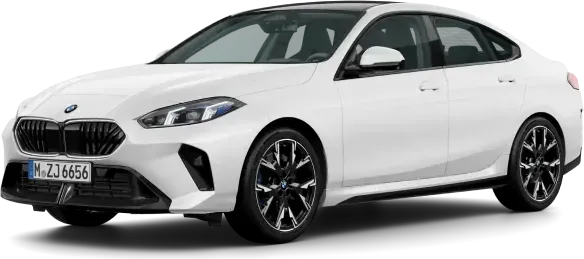
BMW 2 Series
Score: 70/100
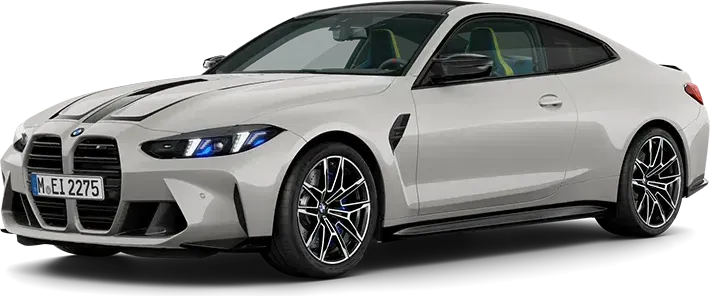
BMW 4 Series
Score: 64/100
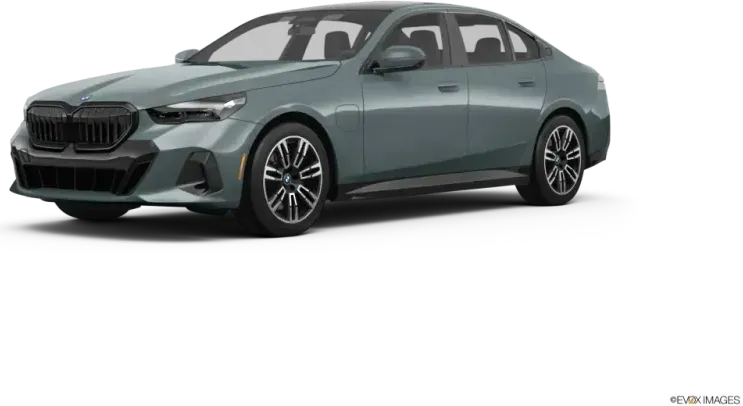
BMW 5 Series
Score: 71/100
BMW X1
Score: 74/100

BMW X3
Score: 65/100
BMW X5
Score: 56/100
Browse More 2019 Vehicles
2019 Lexus RX
Score: 82/100
2019 Nissan Frontier
Score: 80/100

2019 Kia Sedona
Score: 80/100
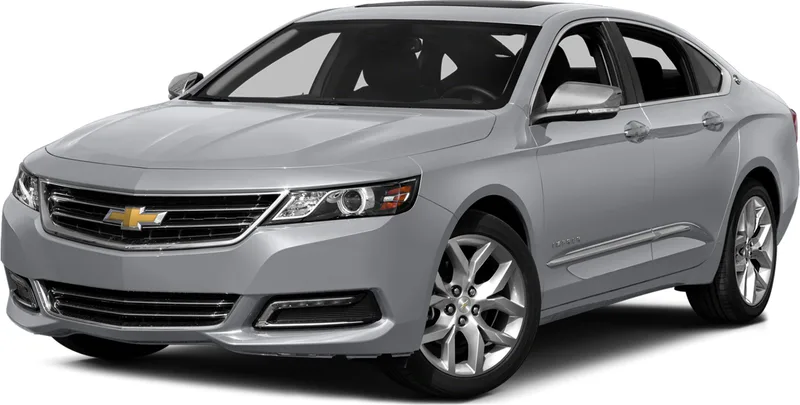
2019 Chevrolet Impala
Score: 79/100
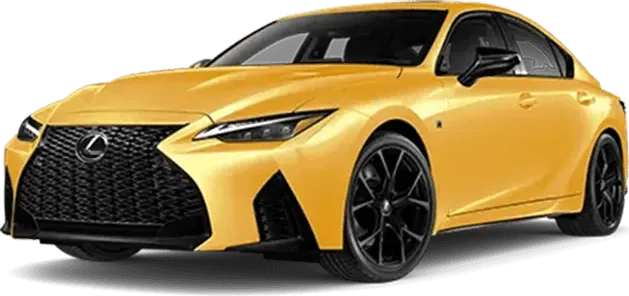
2019 Lexus IS
Score: 79/100
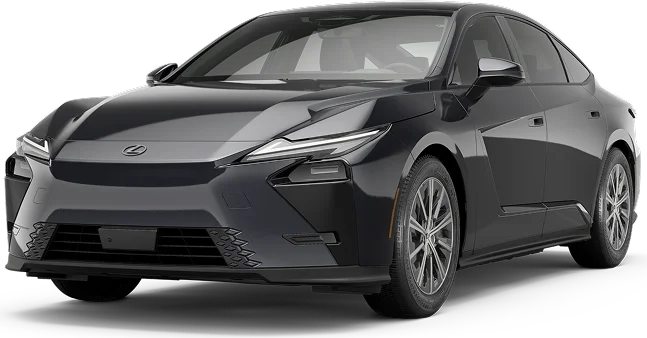
2019 Lexus ES
Score: 78/100
See incorrect data? Report an issue