Last updated: 2026-10-10
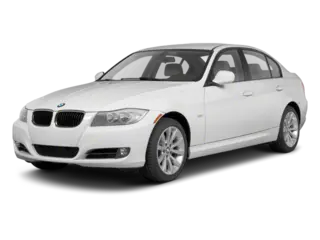
2018 BMW 3 Series Reliability Report
The 2018 BMW 3-Series has good reliability, but coolant leaks from a cracking oil filter housing are the main problem to check.
Recalls
5
Complaints
58
Complaint Rate
13per 10,000 sold
Est. Repair Cost
$773
Annual Fuel Cost
$2,550–$3,650
Detailed Score Breakdown
Component-weighted complaints normalized by sales volume
Independent repair cost ratings
Recall count weighted by severity
Breadth of reported problem categories
The Verdict
Among the weaker of nine scored years, with oil filter housing coolant leaks and rear defroster wiring fires drawing the most serious owner complaints.
Top Issues to Watch
- ENGINE (12)
- ELECTRICAL SYSTEM (9)
- FUEL SYSTEM (7)
Generation & Refresh (US)
2018 is 2 years after the facelift (lci) refresh.
- Year 7 in the Sixth generation (F30) (2012–2019).
- Well-established in its generation — most early issues should be resolved.
- 6th generation 3 Series (US).
What this means for buyers
Post-refresh years tend to be among the most refined — updates have been applied and early kinks worked out.
2012: Sixth generation (F30) Launch
Generation start — new platform.
2016: Mid-Cycle Refresh
Updated features and styling tweaks.
2018: This Model Year
2018 is 2 years after the facelift (lci) refresh.
Should You Buy the 2018 BMW 3 Series?
Reliability is good, and close to average among 2018 sedans. Within the 3-Series, though, this year ranks among the weaker of nine scored years. The 2019 rates about the same, with fewer complaints and more recalls. The federal crash-test rating is 5 of 5 stars.
Coolant leaks lead the engine complaints. The oil filter housing cracks and dumps coolant, usually between 53,000 and 65,000 miles. The low-coolant warning comes only when the tank is nearly empty, so overheating and engine damage can follow. Owners also report fire from the rear seat and rear window area, tied to defroster wiring. On the 328d, owners say the diesel fuel system recall repair cannot be finished because the part is unavailable.
Ask for proof that the oil filter housing and coolant hoses were replaced, and check that every recall is complete. For a 328d, confirm the fuel recall work is done.
Compared to the 2019 BMW 3 Series, which scored 1 points higher.
Pros
- +Acceptable reliability score
- +Low major repair risk (12%)
- +Below-average complaint rate for Sedan
Cons
- −Frequent unscheduled repairs
- −Moderate recall count
- −ENGINE: Coolant leaks dominate (12 complaints)
Compare 2018 BMW 3 Series With
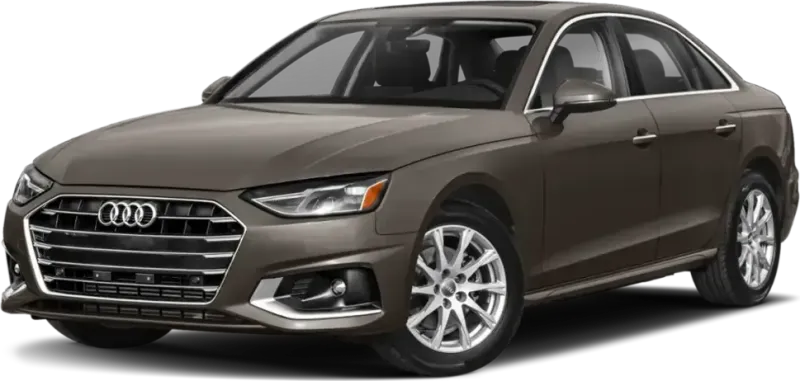
2018 Audi A4
Reliability: 71/100
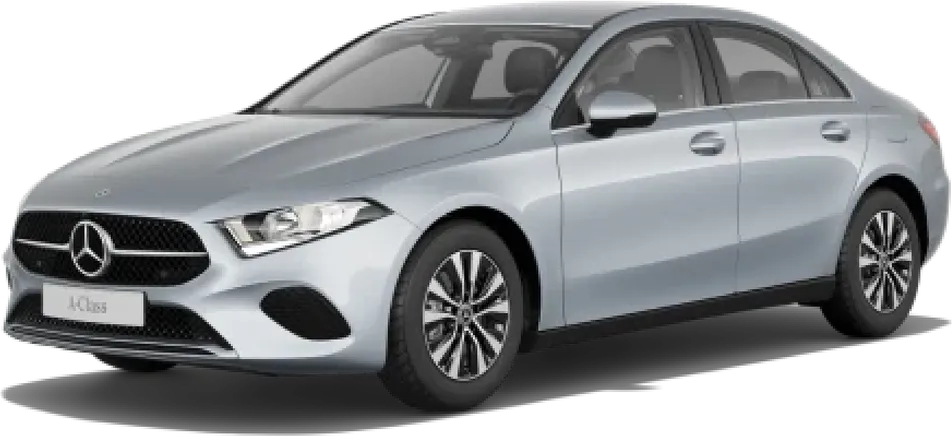
2018 Mercedes-Benz A-Class
Reliability: 48/100
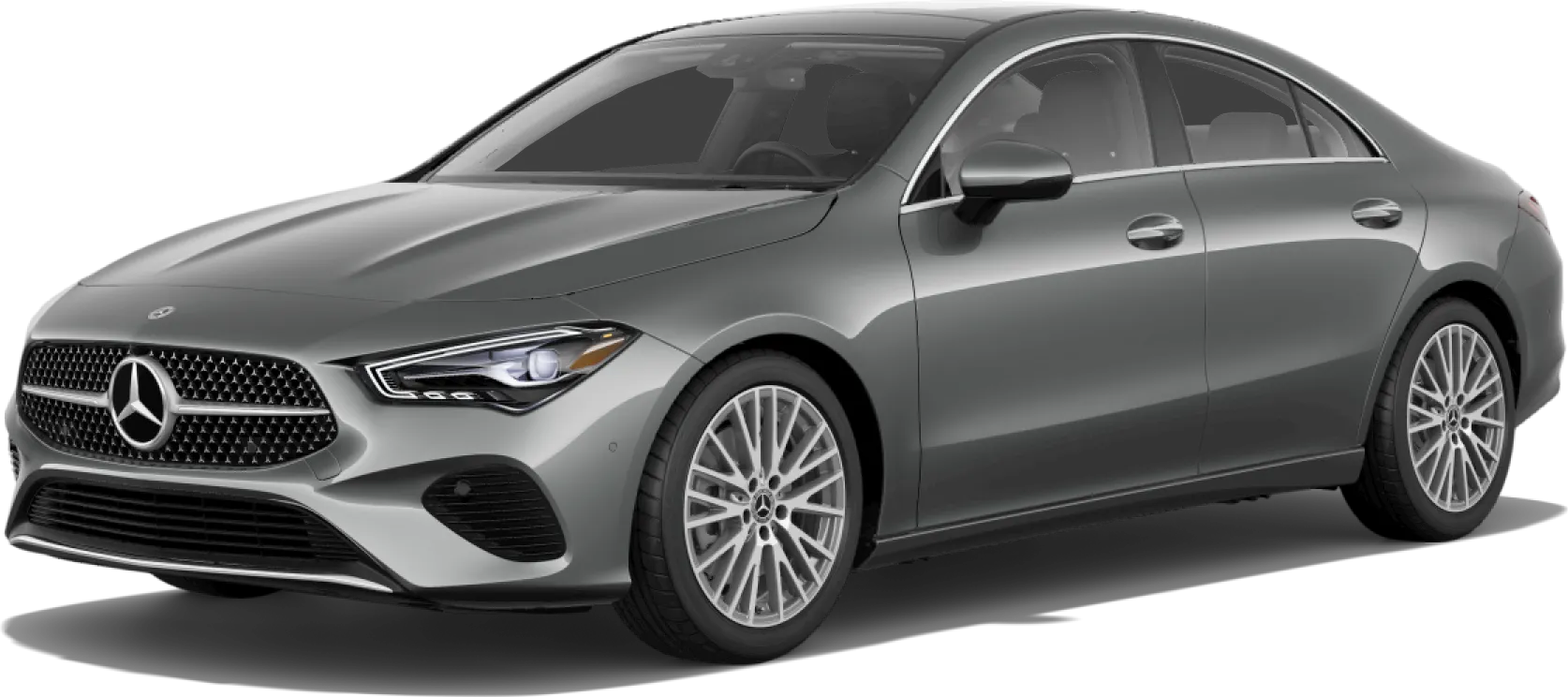
2018 Mercedes-Benz CLA
Reliability: 46/100
2018 Mercedes-Benz C-Class
Reliability: 51/100
2018 Tesla Model 3
Reliability: 46/100
Common Problem Categories
Safety
LOW RISK- 5 manufacturer recalls issued
Other
HIGH RISK- ENGINE (12)
- ELECTRICAL SYSTEM (9)
Recall Overview
5
recalls on record
A moderate 5 recalls are on file for the 2018 BMW 3 Series. Each one points to a specific safety or compliance issue identified by the manufacturer or NHTSA — check the list below before buying.
NHTSA.gov →Complaint Breakdown
13
per 10,000 soldSegment avg: 25.7
Safety Incidents
5
Crashes
4
Fires
4
Injuries
0
Deaths
NHTSA 5/5 Stars
Data sourced from NHTSA complaint filings and manufacturer recall notices. Complaint narratives are owner-reported.
2018 BMW 3 Series Recall Details
5 recalls have been issued for the 2018 BMW 3 Series. All recall repairs are performed free of charge at authorized dealerships.
FUEL SYSTEM, DIESEL
BMW of North America, LLC (BMW) is recalling certain 2013-2018 328d, 328d xDrive, 2014-2018 328d Sports Wagon, 328d xDrive Sports Wagon, 2014-2016 535d, 535d xDrive, 2015 740Ld xDrive, 2015-2017 X3 xDrive28d SAV, and 2014-2017 X5 xDrive35d SAV diesel vehicles equipped with an Exhaust Gas Recirculation (EGR) module with an integrated cooler. The EGR cooler may leak internally, causing coolant to mix with diesel engine soot, which could result in smoldering particles and a melting intake manifold.
Consequence
A melting intake manifold increases the risk of a fire.
Remedy
Dealers will replace the EGR cooler and inspect the intake manifold, replacing it as necessary, free of charge. This recall includes all vehicles previously recalled under 18V-755. Vehicles previously recalled under 18V-755 will need to have the new remedy performed for this recall. An interim owner notification letter was mailed on January 18, 2022. The remedy is expected to be available in June 2022. Owner notification letters were mailed on July 6, 2022. Owners may contact BMW customer service at 1-800-525-7417.
FUEL SYSTEM, DIESEL
BMW of North America, LLC (BMW) is recalling certain 2014-2018 328d, 328d xDrive, X5 xDrive35d, 2014-2016 535d, 535d xDrive, 2015 740Ld xDrive, and 2015-2017 X3 xDrive28d vehicles. The high-pressure fuel pump may fail.
Consequence
Fuel pump failure can cause an engine stall while driving, increasing the risk of a crash.
Remedy
Dealers will replace the high-pressure fuel pump, free of charge. Owner notification letters were mailed on January 14, 2022. Owners may contact BMW customer service at 1-800-525-7417.
ENGINE AND ENGINE COOLING
BMW of North America, LLC (BMW) is recalling certain 2013-2018 BMW 328d and 328d xDrive, 2014-2018 328d Sports Wagon and 328d xDrive Sports Wagon, 2014-2016 535d and 535d xDrive, 2015 740Ld xDrive, 2015-2017 X3 xDrive28d SAV and 2014-2017 X5 xDrive35d SAV vehicles equipped with an Exhaust Gas Recirculation (EGR) module with an integrated cooler. If the EGR cooler leaks internally, the coolant can mix with diesel engine soot. The high EGR temperatures may result in these particles possibly smoldering and melting the intake manifold.
Consequence
The melting intake manifold can increase the risk of a fire.
Remedy
BMW will notify owners, and dealers will inspect and replace the EGR cooler as necessary. If a leak has already occurred, the engine intake manifold will also be replaced. These repairs will be made free of charge. The recall began May 13, 2019. Owners may contact BMW customer service at 1-800-525-7417.
Buying a used 2018 BMW 3 Series? Check its history first
Engine problems lead owner complaints about the 2018 BMW 3 Series, and 5 recalls were issued for it. A VIN check shows whether this car's recall work was done, plus accident, title, and odometer history.
- Accidents
- Open Recalls
- Title History
- Odometer Rollback
2018 BMW 3 Series NHTSA Safety Ratings
Overall Safety Rating
Crash Test Results by Configuration (expand)
Gas / PHEV Powertrain
Rollover risk: 9.5%
Safety Technologies
BMW 3 SeriesRepair Costs & Maintenance
Maintenance Rating
3Maintenance rating: 3 out of 5Based on NHTSA complaint patterns, recall severity, and publicly available cost benchmarks.
Est. Annual Maintenance
$773
Repair Frequency
1
unscheduled repair visits per year
Severe Repair Probability
12%
chance of a major repair
Category-level averages derived from publicly available industry reports (AAA, CarMD). Model-level estimates produced by Auto Reliability Index.
BMW 3 Series Resale Value
The BMW 3 Series is estimated to retain about 56.5% of its original value after 5 years, based on observed used-car listings.
This benchmark covers the BMW 3 Series model overall and is not specific to the 2018 model year.
- Value Retained
- 56.5%
- Depreciation
- 43.5%
- Listings Analyzed
- 707
after 5 years
over the same period
U.S. used-car listings
Listings observed in . Actual resale value varies by trim, mileage, condition, and location.
Explore BMW 3 Series depreciation and resale value on CarResaleValue.com2018 BMW 3 Series Example Repair Prices
National average price ranges for common repairs. These are not model-year-specific failure predictions.
| Repair | Estimated Cost |
|---|---|
| Ignition Switch Replacement | $265 – $314 |
| AC Recharge | $322 – $421 |
| Battery Cable Replacement | $555 – $626 |
| Battery Cable Replacement | $691 – $790 |
| Power Seat Motor Replacement | $1,882 – $1,940 |
| Body Control System Diagnosis & Testing | $61 – $90 |
| Brake Light Switch Replacement | $163 – $213 |
| Power Steering Hose Replacement | $2,656 – $2,901 |
| Tire Pressure Monitor Control Module Replacement | $638 – $781 |
| Rack and Pinion Replacement | $6,618 – $7,005 |
Estimates based on national average repair costs. Actual costs may vary by location and shop.
MPG & Annual Running Costs
Gas
19–27 MPG
Running cost: $3,500–$4,600/yr
Fuel + repair
16–24 city / 22–34 hwy MPG
Plug-in Hybrid
30 MPG
Running cost: $3,250/yr
Fuel + repair
28 city / 34 hwy MPG
Running cost includes EPA fuel-cost estimate and independent repair-cost data (repair cost estimated at model level). Excludes routine maintenance, depreciation, and insurance. Data as of 2018 EPA label cycle.
Gas trims
| Trim | Drive | Trans. | City | Hwy | Comb | Fuel Cost |
|---|---|---|---|---|---|---|
| 330i 2.0L 4-cyl | Rear-Wheel Drive | Automatic (S8) | 24 | 34 | 27 | $2,550 |
| 330i xDrive 2.0L 4-cyl | All-Wheel Drive | Automatic (S8) | 23 | 33 | 27 | $2,550 |
| 330i xDrive Gran Turismo 2.0L 4-cyl | All-Wheel Drive | Automatic (S8) | 23 | 33 | 27 | $2,550 |
| 330i xDrive Sports Wagon 2.0L 4-cyl | All-Wheel Drive | Automatic (S8) | 23 | 33 | 27 | $2,550 |
| 330i 2.0L 4-cyl | Rear-Wheel Drive | Manual 6-spd | 21 | 32 | 25 | $2,750 |
| M3 3.0L 6-cyl | Rear-Wheel Drive | Automatic (AM-S7) | 17 | 24 | 20 | $3,450 |
| M3 3.0L 6-cyl | Rear-Wheel Drive | Manual 6-spd | 17 | 25 | 20 | $3,450 |
| M3 CS 3.0L 6-cyl | Rear-Wheel Drive | Automatic (AM-S7) | 16 | 22 | 19 | $3,650 |
Plug-in Hybrid trims
| Trim | Drive | Trans. | City | Hwy | Comb | Fuel Cost |
|---|---|---|---|---|---|---|
| 330e 2.0L 4-cyl | Rear-Wheel Drive | Automatic (S8) | 28 | 34 | 30 | $2,300 |
Used Buying Checklist
Key things to inspect or verify before purchasing a 2018 BMW 3 Series.
Look for coolant residue around the oil filter housing, coolant hoses and expansion tank, and ask whether the housing has been replaced.
Run the VIN for open recalls and get proof the coolant leak recall was completed.
On a 328d, confirm the diesel fuel system recall repair was actually done, not just scheduled while waiting for parts.
Seat a passenger and confirm no restraint system malfunction warning appears and the passenger airbag indicator works.
Check the rear deck, headliner and rear window defroster area for scorch marks or a burning smell.
On the highway, test the cruise control rocker switch and confirm it releases cleanly without the speed creeping up.
Pull a wheel or inspect the rear brake pads directly, because the wear warning may not alert.
On a 330e, ask for records of any charging malfunction messages and confirm the steering assist works on a long drive.
2018 BMW 3 Series Common Problems by Component
58 owner complaints grouped by vehicle system.
ENGINE
12 complaintsSafety-relatedCoolant leaks dominate. The oil filter housing cracks and dumps coolant, which owners say happens around 50-60k miles. The low-coolant warning shows up only when the tank is nearly empty. Plastic coolant hoses and connectors also crack, sometimes several at once, and the coolant pump can leak too. Overheating, power loss and engine damage follow when the leak goes unnoticed. Two reports involve smoke or fire under the hood. A coolant-leak recall covers part of the problem, and some owners paid for the repair before the recall arrived.
ELECTRICAL SYSTEM
9 complaintsSafety-relatedFire is the most serious pattern. Smoke and flames come from the rear seat and rear window area, and owners link them to the rear defroster wiring. One person was injured. Other reports describe all power cutting out while driving, steering included, on a nearly new car. Water getting into the roof antenna fin disables the emergency call system. Smaller complaints cover rodents chewing wiring, dropped phone calls and Bluetooth audio failures, and no way to shift into neutral when the car is dead.
FUEL SYSTEM
7 complaintsMost of these complaints are about a diesel fuel system recall on the 328d that dealers cannot complete because the replacement part is unavailable. Owners say the wait has gone on too long. Failures that do happen are serious: stalling at 50 mph, heavy shuddering with a check engine light, a no-start that a new fuel pump did not fix, and a high-pressure pump that burst and damaged nearby parts. A gasoline 320i report describes fuel odor and a fuel tank ventilation warning around 47,000 miles.
FUEL/PROPULSION SYSTEM (6 complaints)
FUEL/PROPULSION SYSTEM
6 complaintsStalling and getting stranded are the main risks. A failed high-pressure fuel pump can spread metal shavings through the fuel system, so the injectors, lines, pump and tank all need replacing. Other reports cover a faulty fuel level sensor that leaves the car stuck on the interstate, a collapsed filler hose that blocks refueling, and a fuel tank leaking at the top flange with no warning lamp. Coolant leaks from the cylinder head expansion tank hose also appear here, with overheating and reduced power that repeated dealer repairs fail to cure.
UNKNOWN OR OTHER (5 complaints)
UNKNOWN OR OTHER
5 complaintsCoolant leaks lead again. The cylinder head expansion tank hose and a plastic coolant vent line leak, and the leaks sometimes return after a recall or bulletin repair. One car needed the fix twice by 26K miles. A cracked plastic oil filter housing causes overheating and can let oil mix into the coolant. Owners report this between 60 and 70 thousand miles. Other complaints cover a loud roaring sound with the rear windows down and a buzzing high-pressure fuel pump noise on unlock, which dealers call normal.
POWER TRAIN (4 complaints)
POWER TRAIN
4 complaintsSafety-relatedStalling while driving is the main pattern. Cars shut off at highway speed or when coming to a stop, sometimes with drivetrain malfunction or transmission-not-in-park messages. One repair traced the stalling to a failed fuel pump and fuel rail that sent metal shards into the tank and injectors. Persistent coolant leaks with jerky running and repeated unsuccessful repairs also appear. One crash with an injury is tied to a rattling noise and a loss of control above 30 mph.
AIR BAGS (3 complaints)
AIR BAGS
3 complaintsSafety-relatedThe repeating fault is a failed passenger seat occupancy sensor. A restraint system malfunction warning comes on, and the faulty sensor can stop the airbags from deploying. Repairs cost roughly two thousand dollars, and at least one car had under 34k miles. A separate report describes airbags that did not deploy in a front-left impact at about 45-50 mph, and the driver was injured. Owners note that BMW extends airbag coverage on some other models but not this one.
VEHICLE SPEED CONTROL (3 complaints)
VEHICLE SPEED CONTROL
3 complaintsSafety-relatedUnintended acceleration is the main concern. The car surges forward at low speed while parking, and one report links this to a collision with a parked car. A stuck cruise control rocker switch keeps raising speed past 80 mph. A third complaint is really about a run-flat tire that failed on the freeway, with severe vibration, pulling and grinding despite the reinforced sidewalls. Three complaints are too few to show a clear pattern.
STEERING (2 complaints)
STEERING
2 complaintsBoth complaints describe a sudden loss of steering assist. On the 330e plug-in hybrid, a charging malfunction message comes just before steering and brakes stop working at highway speed, and the car runs off the pavement. The other report describes a popping noise, then collision, steering and pedestrian warning lights, and steering that turns heavy as the electric assist drops out. Both carry a real loss-of-control risk.
SERVICE BRAKES (2 complaints)
SERVICE BRAKES
2 complaintsSafety-relatedTwo unrelated problems appear. In one, the car lunges forward at a stop light while the brake is held, the pedal goes to the floor, and the car hits the vehicle ahead. That report is crash-related. The other is quieter but still risky: rear brake pads wear down to metal around 40000 miles with no brake wear warning. The wear is found only after a rubbing noise appears.
When Do 2018 BMW 3 Series Problems Start?
Based on owner complaint patterns, here's when common issues tend to appear.
Best & Worst BMW 3 Series Years
Best BMW 3 Series Years to Buy
Based on reliability index scoreBMW 3 Series Years to Avoid
No BMW 3 Series years are statistical outliers in our data.
Scores stay between 64 and 76 across 9 scored model years.
BMW 3 Series Reliability Score Trend
Scores 0–100. Higher is better. Current year highlighted.
| Year | Score | Rating |
|---|---|---|
| 2018 | 65/100 | Good |
| 2019 | 66/100 | Good |
| 2020 | 64/100 | Good |
| 2021 | 67/100 | Good |
| 2022 | 70/100 | Good |
| 2023 | 70/100 | Good |
| 2024 | 71/100 | Good |
| 2025 | 71/100 | Good |
| 2026 | 76/100 | Good |
BMW 3 Series Reliability Compared to Other Years
Frequently Asked Questions
Is the 2018 BMW 3-Series reliable?
What are the most common problems with the 2018 BMW 3-Series?
Does the 2018 BMW 3-Series have coolant leak problems?
Has the 2018 BMW 3-Series been recalled?
Is the 2018 BMW 3-Series better than the 2019?
Don’t buy a 2018 BMW 3 Series without checking its VIN first — hidden accidents, title issues, and open recalls could cost you thousands.
How we score the 2018 BMW 3 Series
Of the four inputs behind this score, the 2018 BMW 3 Series does best on how many systems draw complaints (85/100) and worst on repair costs (60/100). Scores weight complaint severity at 35%, repair costs at 30%, recall impact at 20%, and the spread of complaints across systems at 15%, with complaint counts adjusted for US sales. Read the full methodology.
Get notified when new recalls or reliability data is added for the BMW 3 Series.
No spam. Only data updates for this model.
Browse More BMW Models
BMW 2 Series
Score: 70/100
BMW 4 Series
Score: 64/100
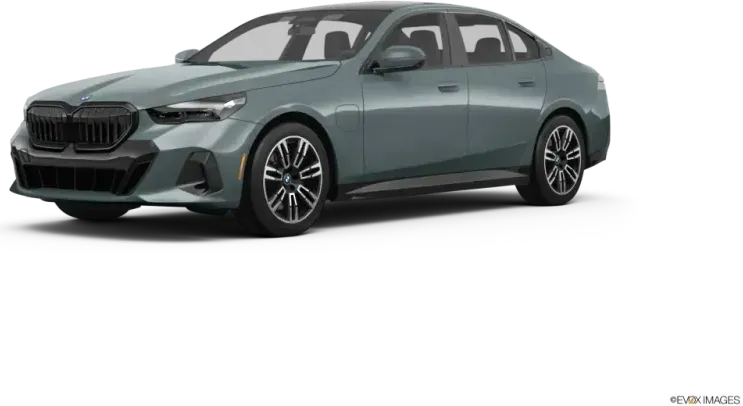
BMW 5 Series
Score: 71/100
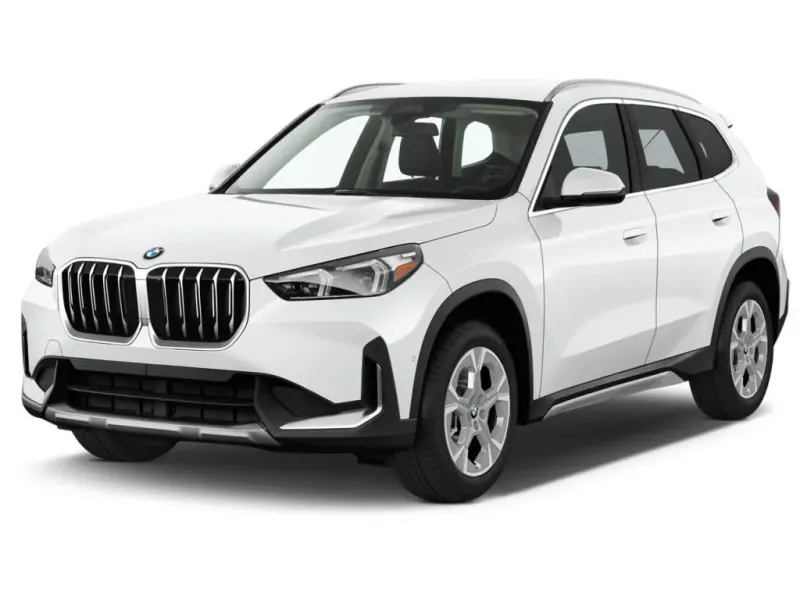
BMW X1
Score: 74/100

BMW X3
Score: 65/100
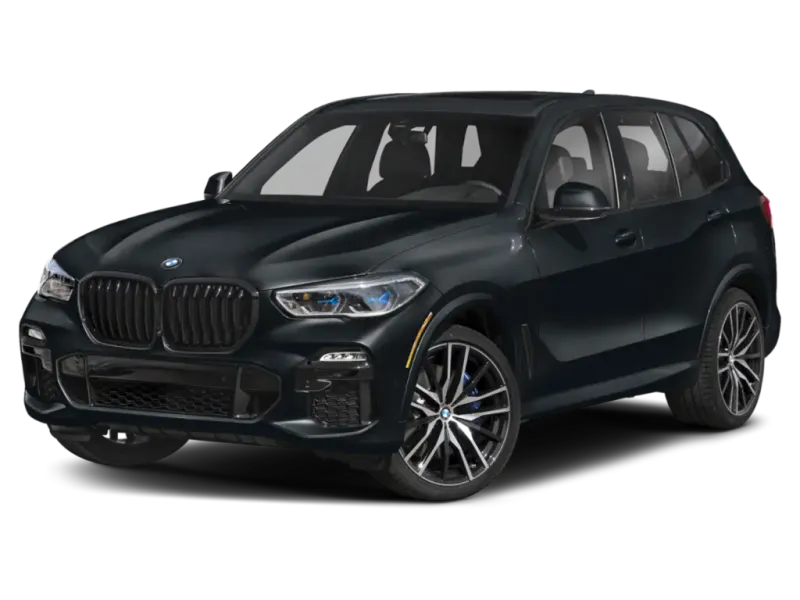
BMW X5
Score: 56/100
Browse More 2018 Vehicles
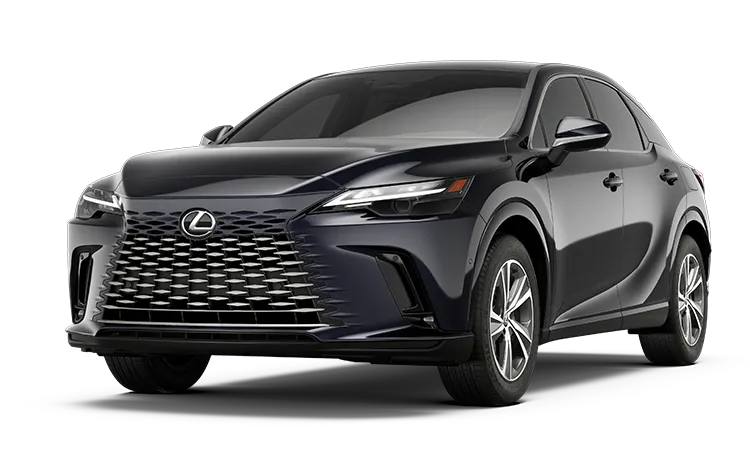
2018 Lexus RX
Score: 85/100
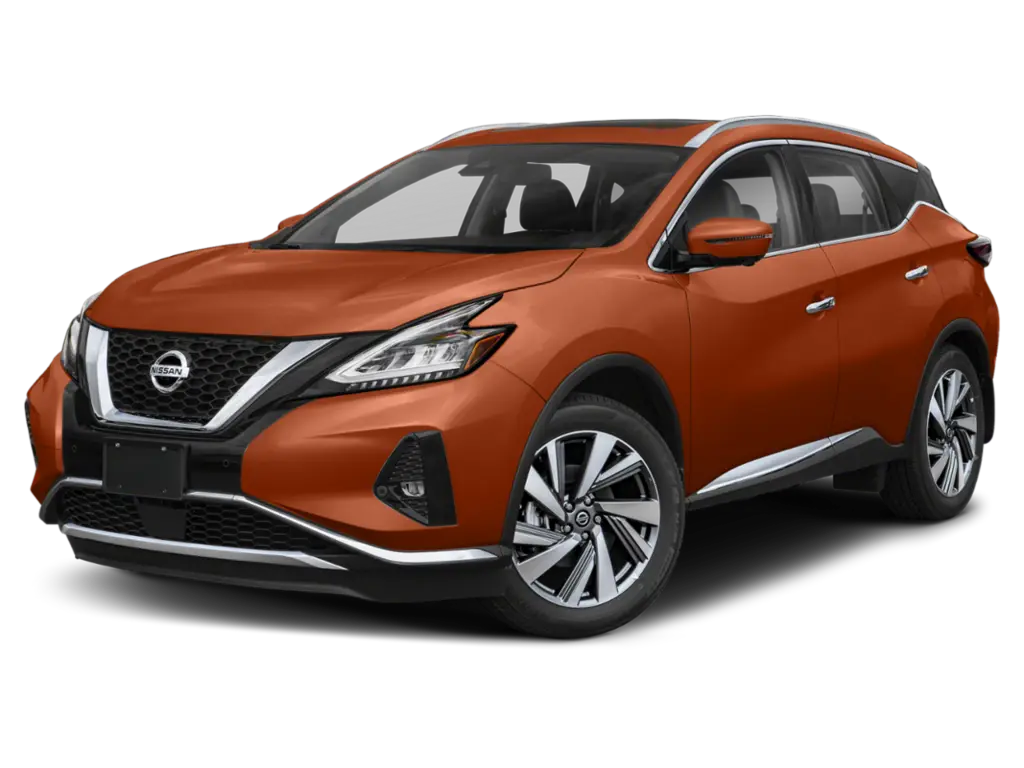
2018 Nissan Murano
Score: 82/100
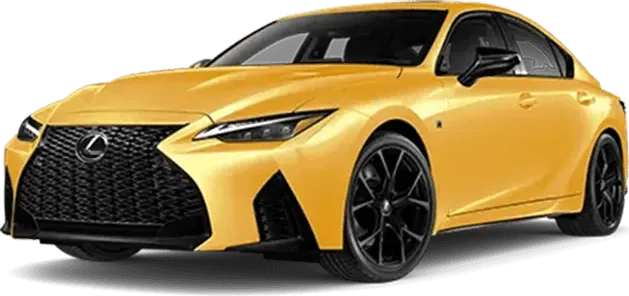
2018 Lexus IS
Score: 81/100
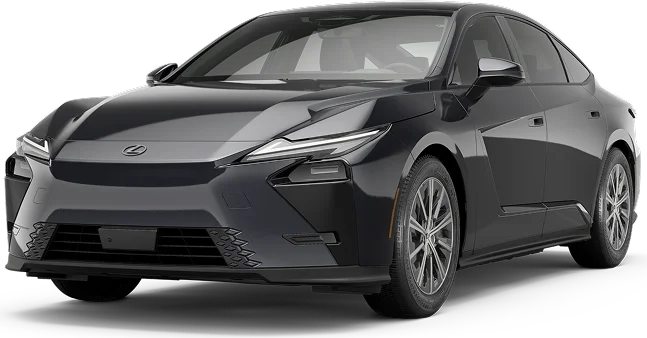
2018 Lexus ES
Score: 80/100
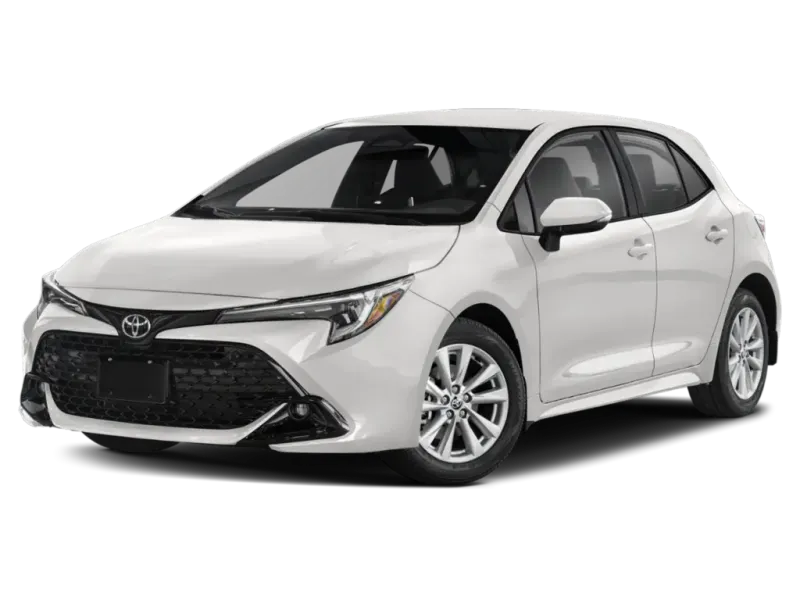
2018 Toyota Corolla
Score: 80/100
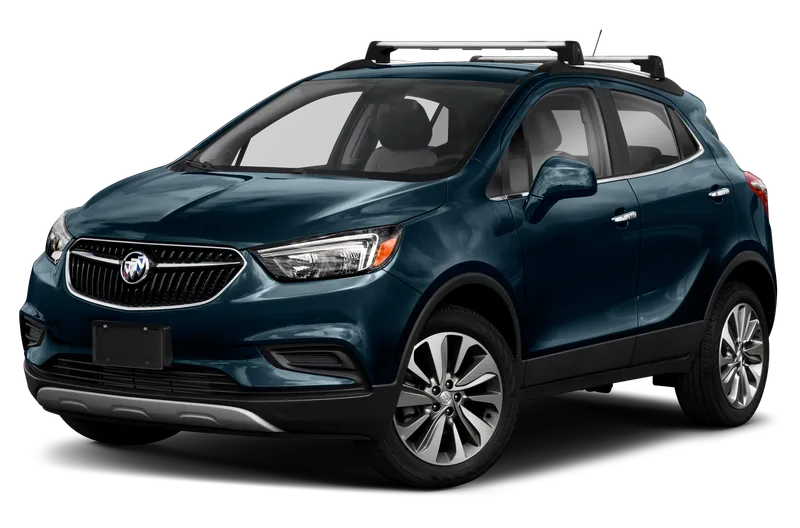
2018 Buick Encore
Score: 80/100
See incorrect data? Report an issue