Last updated: 2026-10-10

2022 BMW 3 Series Reliability Report
The 2022 BMW 3-Series has good reliability and few complaints, but owners report tire sidewalls splitting open, including blowouts at 75 mph.
Recalls
3
Complaints
6
Complaint Rate
2per 10,000 sold
Est. Repair Cost
$773
Annual Fuel Cost
$2,300–$3,850
Detailed Score Breakdown
Component-weighted complaints normalized by sales volume
Independent repair cost ratings
Recall count weighted by severity
Breadth of reported problem categories
The Verdict
Middle of the pack among 3-Series years, with far fewer complaints and recalls than 2021 and a tire sidewall splitting pattern to check.
Top Issues to Watch
- TIRES (3)
- POWER TRAIN (1)
Generation & Refresh (US)
2022 received a facelift (lci) update for the Seventh generation (G20).
- Changes: Exterior design updates; Interior enhancements including infotainment system; Powertrain updates.
- Year 4 in this generation (2019–2023).
- 7th generation 3 Series (US).
What this means for buyers
Refresh years bring updates but can also introduce new issues. Check early recall data before buying.
2019: Seventh generation (G20) Launch
Generation start — new platform.
2022: This Model Year (Refresh)
2022 received a facelift (lci) update for the Seventh generation (G20).
Should You Buy the 2022 BMW 3 Series?
Reliability is good for this model year, and it sits close to average among 2022 sedans. Within the 3-Series lineup, it lands in the middle of the model years. Owners filed only 6 complaints. The 2021 model rates worse, with 22 complaints and 9 recalls. The 2023 rates about the same, with 9 complaints and 4 recalls.
Tires are the one pattern to know about. Three owners describe sidewalls splitting open without warning. Two had a sudden blowout at 75 mph on the highway, with pressure falling to zero and some loss of steering control. In the third case, a gash showed up in the sidewall of a parked car, and no pressure warning came on. The cuts ran from 2.5 to 6 inches, including on the inner sidewall. The reports cite P225/45R18 tires. Federal records list three recalls, covering the electrical system, seat belts and power train.
Inspect all four tires, inner sidewalls included, and ask for the recall repair records for each of those three areas.
Compared to the 2023 BMW 3 Series, which scored the same. See also the 2021 BMW 3 Series for an earlier comparison.
Pros
- +Acceptable reliability score
- +Low major repair risk (12%)
- +Below-average complaint rate for Sedan
Cons
- −Frequent unscheduled repairs
- −Moderate recall count
- −TIRES: Sidewalls split open without warning (3 complaints)
Compare 2022 BMW 3 Series With
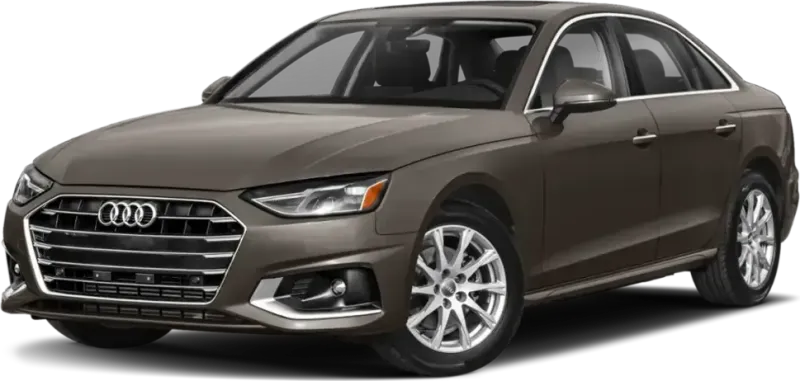
2022 Audi A4
Reliability: 72/100
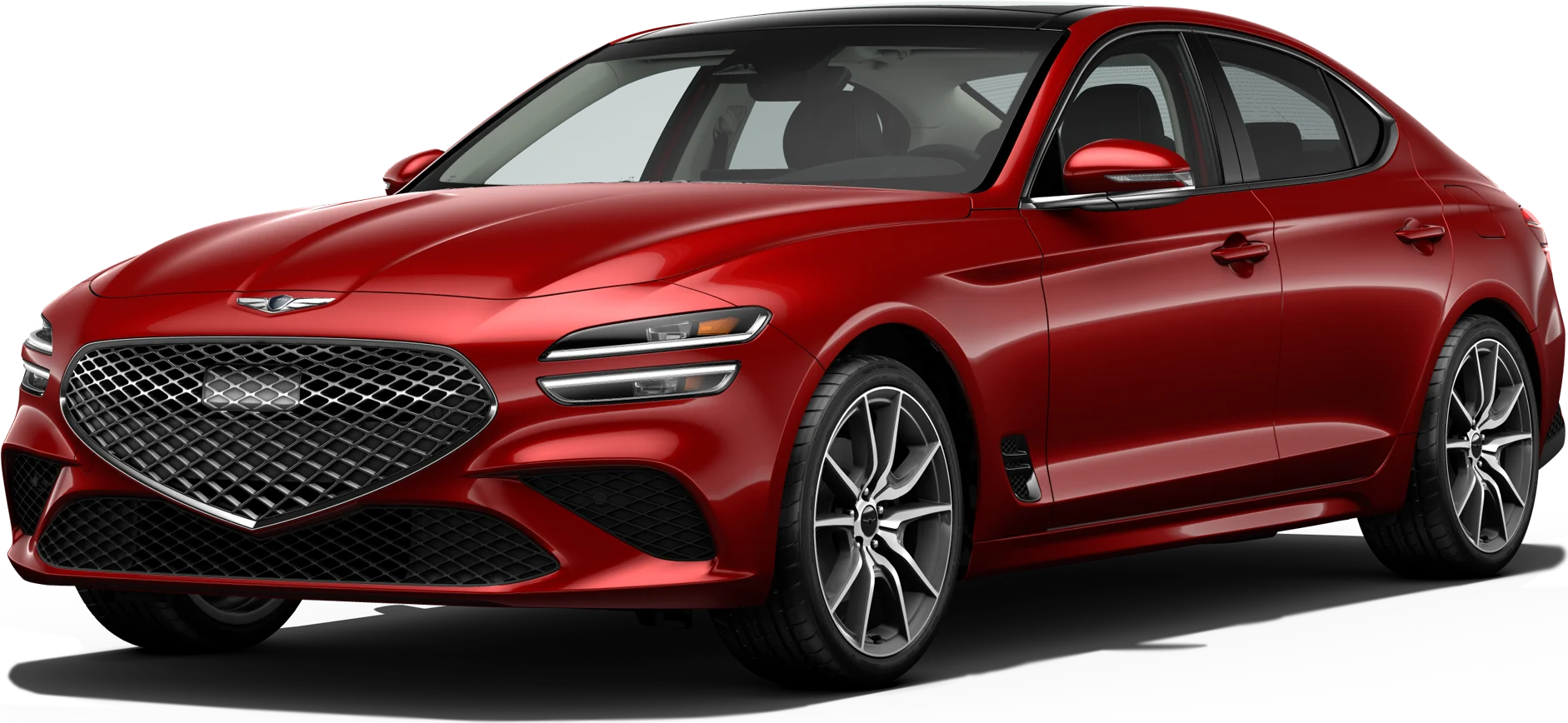
2022 Genesis G70
Reliability: 65/100
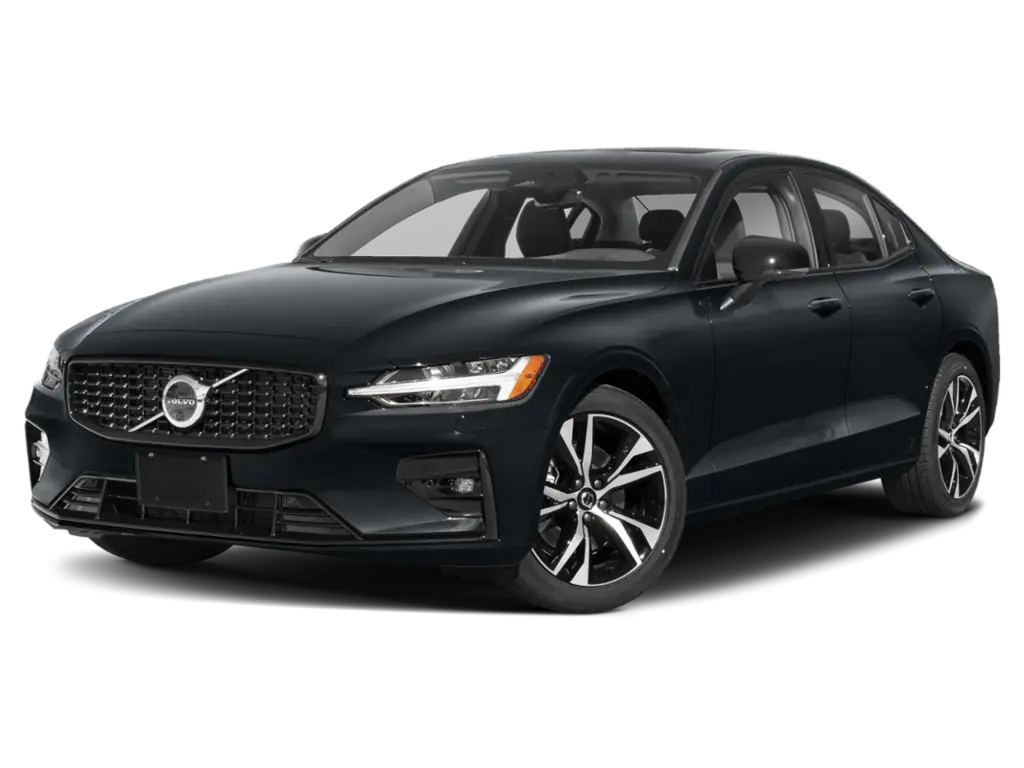
2022 Volvo S60
Reliability: 70/100
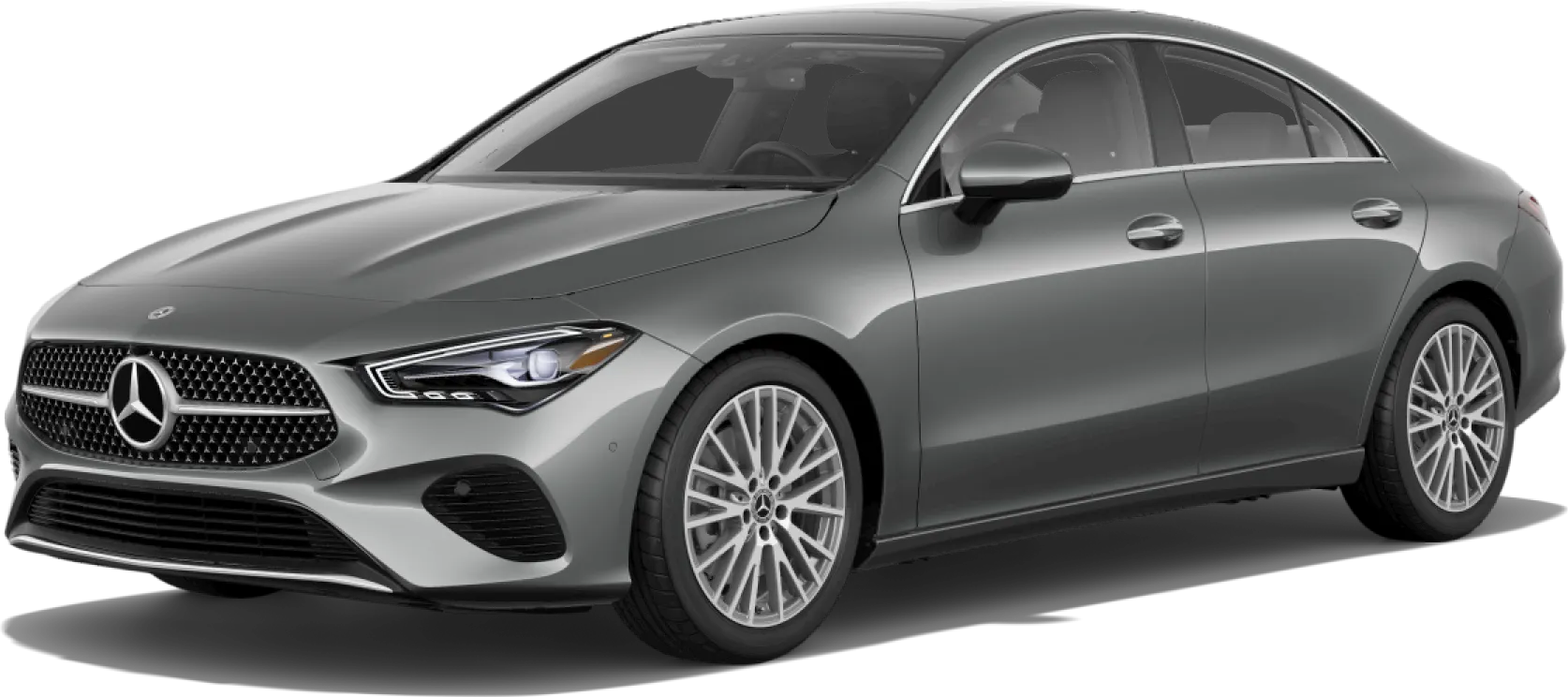
2022 Mercedes-Benz CLA
Reliability: 38/100
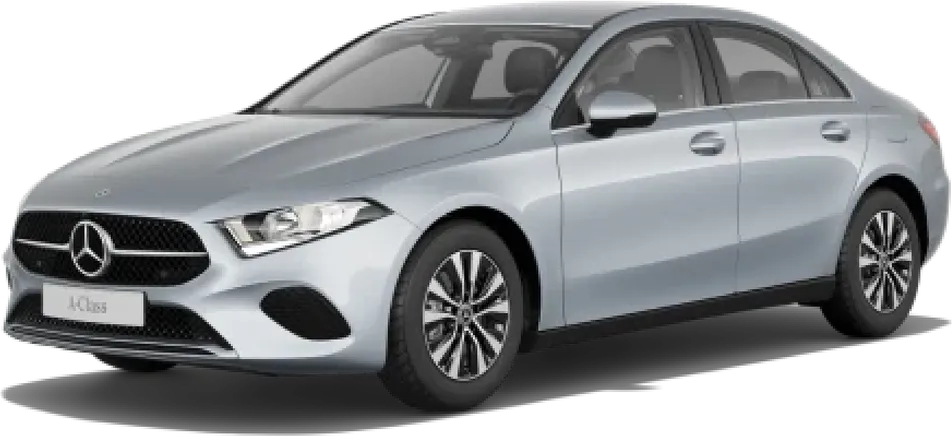
2022 Mercedes-Benz A-Class
Reliability: 65/100
Common Problem Categories
Safety
LOW RISK- 3 manufacturer recalls issued
Other
MODERATE- TIRES (3)
- UNKNOWN OR OTHER (2)
Recall Overview
3
recalls on record
A moderate 3 recalls are on file for the 2022 BMW 3 Series. Each one points to a specific safety or compliance issue identified by the manufacturer or NHTSA — check the list below before buying.
NHTSA.gov →Complaint Breakdown
2
per 10,000 soldSegment avg: 17.8
Safety Incidents
1
Crashes
0
Fires
2
Injuries
0
Deaths
NHTSA 5/5 Stars
Data sourced from NHTSA complaint filings and manufacturer recall notices. Complaint narratives are owner-reported.
2022 BMW 3 Series Recall Details
3 recalls have been issued for the 2022 BMW 3 Series. All recall repairs are performed free of charge at authorized dealerships.
ELECTRICAL SYSTEM
BMW of North America, LLC (BMW) is recalling certain 2021-2023 Toyota Supra, 2022-2023 2 Series Coupe, 2021-2024 5 Series (xDrive), 2021-2022 Z4, 2022-2024 4 Series (Gran Coupe), 2021-2024 4 Series (Convertible and xDrive Convertible), 2021-2023 4 Series (Coupe), 2021-2024 3 Series, 2021-2023 X4, 2021-2024 X3 vehicles. Please see the recall report for a complete list of all models. The engine starter may overheat and catch fire due to wear on an internal component.
Consequence
Fire increases the risk of injury.
Remedy
Dealers will replace the engine starter, free of charge. Owner notification letters are expected to be mailed March 24, 2026. Owners may contact BMW customer service at 1-800-525-7417 or Toyota's customer service at 1-800-331-4331. Vehicle Identification Numbers (VINs) involved in this recall will be searchable on NHTSA.gov beginning March 24, 2026.
SEAT BELTS, ELECTRICAL SYSTEM
BMW of North America, LLC (BMW) is recalling certain 2019-2022 330i, 330i xDrive, M340i, 2022 430i Coupe, 2021-2022 430i, M440i Convertible, and 2020-2022 228i xDrive Gran Coupe vehicles. The receiver audio module control unit software may fail to properly generate audible seat belt warnings to the driver to fasten their seat belt. As such, these vehicles fail to comply with the requirements of Federal Motor Vehicle Safety Standard number 208, "Occupant Crash Protection."
Consequence
An audible chime that does not properly alert the driver to fasten their seat belt increases the risk of injury in a crash.
Remedy
Dealers will update the receiver audio module software, free of charge. Owner notification letters were mailed October 12, 2023. Owners may contact BMW customer service at 1-800-525-7417.
POWER TRAIN
BMW of North America, LLC (BMW) is recalling certain 2022 330i, 530i, X3 xDrive30i, and X4 xDrive30i vehicles. The mechatronics unit inside the transmission may not have been assembled properly, which could result in an internal leak.
Consequence
An internal transmission leak can result in a vehicle rollaway, increasing the risk of a crash or injury.
Remedy
Dealers will replace the transmission mechatronics unit, free of charge. All of the vehicle population for this recall have been repaired. Owner notification letters were not mailed. Owners may contact BMW customer service at 1-800-525-7417.
Buying a used 2022 BMW 3 Series? Check its history first
Tires problems lead owner complaints about the 2022 BMW 3 Series, and 3 recalls were issued for it. A VIN check shows whether this car's recall work was done, plus accident, title, and odometer history.
- Accidents
- Open Recalls
- Title History
- Odometer Rollback
2022 BMW 3 Series NHTSA Safety Ratings
Overall Safety Rating
Crash Test Results by Configuration (expand)
Gas Powertrain
Rollover risk: 9.2%
Safety Technologies
BMW 3 SeriesRepair Costs & Maintenance
Maintenance Rating
3Maintenance rating: 3 out of 5Based on NHTSA complaint patterns, recall severity, and publicly available cost benchmarks.
Est. Annual Maintenance
$773
Repair Frequency
1
unscheduled repair visits per year
Severe Repair Probability
12%
chance of a major repair
Category-level averages derived from publicly available industry reports (AAA, CarMD). Model-level estimates produced by Auto Reliability Index.
BMW 3 Series Resale Value
The BMW 3 Series is estimated to retain about 56.5% of its original value after 5 years, based on observed used-car listings.
This benchmark covers the BMW 3 Series model overall and is not specific to the 2022 model year.
- Value Retained
- 56.5%
- Depreciation
- 43.5%
- Listings Analyzed
- 707
after 5 years
over the same period
U.S. used-car listings
Listings observed in . Actual resale value varies by trim, mileage, condition, and location.
Explore BMW 3 Series depreciation and resale value on CarResaleValue.com2022 BMW 3 Series Example Repair Prices
National average price ranges for common repairs. These are not model-year-specific failure predictions.
| Repair | Estimated Cost |
|---|---|
| Ignition Switch Replacement | $265 – $314 |
| AC Recharge | $322 – $421 |
| Battery Cable Replacement | $555 – $626 |
| Battery Cable Replacement | $691 – $790 |
| Power Seat Motor Replacement | $1,882 – $1,940 |
| Body Control System Diagnosis & Testing | $61 – $90 |
| Brake Light Switch Replacement | $163 – $213 |
| Power Steering Hose Replacement | $2,656 – $2,901 |
| Tire Pressure Monitor Control Module Replacement | $638 – $781 |
| Rack and Pinion Replacement | $6,618 – $7,005 |
Estimates based on national average repair costs. Actual costs may vary by location and shop.
MPG & Annual Running Costs
Gas
18–30 MPG
Running cost: $3,250–$4,800/yr
Fuel + repair
16–26 city / 22–36 hwy MPG
Plug-in Hybrid
25–28 MPG
Running cost: $3,400–$3,700/yr
Fuel + repair
22–25 city / 30–33 hwy MPG
Running cost includes EPA fuel-cost estimate and independent repair-cost data (repair cost estimated at model level). Excludes routine maintenance, depreciation, and insurance. Data as of 2022 EPA label cycle.
Gas trims
| Trim | Drive | Trans. | City | Hwy | Comb | Fuel Cost |
|---|---|---|---|---|---|---|
| 330i Sedan 2.0L 4-cyl | Rear-Wheel Drive | Automatic (S8) | 26 | 36 | 30 | $2,300 |
| 330i xDrive Sedan 2.0L 4-cyl | All-Wheel Drive | Automatic (S8) | 25 | 34 | 28 | $2,450 |
| M3 Competition Sedan 3.0L 6-cyl | Rear-Wheel Drive | Automatic (S8) | 16 | 23 | 19 | $3,650 |
| M3 Sedan 3.0L 6-cyl | Rear-Wheel Drive | Manual 6-spd | 16 | 23 | 19 | $3,650 |
| M3 Competition M xDrive Sedan 3.0L 6-cyl | All-Wheel Drive | Automatic (S8) | 16 | 22 | 18 | $3,850 |
Plug-in Hybrid trims
| Trim | Drive | Trans. | City | Hwy | Comb | Fuel Cost |
|---|---|---|---|---|---|---|
| 330e Sedan 2.0L 4-cyl | Rear-Wheel Drive | Automatic (S8) | 25 | 33 | 28 | $2,450 |
| 330e xDrive Sedan 2.0L 4-cyl | All-Wheel Drive | Automatic (S8) | 22 | 30 | 25 | $2,750 |
Used Buying Checklist
Key things to inspect or verify before purchasing a 2022 BMW 3 Series.
Inspect the inner and outer sidewalls of all four tires for cuts, gashes, or bulges.
Check each tire's pressure with a gauge and confirm the dash tire warning matches.
Ask for tire receipts and note any past sidewall failures or repeated replacements.
Ask whether recent software updates were installed and whether the car acted differently afterward.
Test the brakes firmly at low speed in an empty lot before driving in traffic.
Inspect the sunroof glass for chips, cracks, or signs it has been replaced.
2022 BMW 3 Series Common Problems by Component
6 owner complaints grouped by vehicle system.
TIRES
3 complaintsSidewalls split open without warning. Two of the 3 reports describe a sudden blowout at 75 mph on the highway. Pressure falls to zero, a dash warning appears, and the driver loses some steering control. In the third case, a gash shows up in the sidewall of a parked car, and the pressure warning never comes on. The cuts run from 2.5 to 6 inches, including on the inner sidewall. The reports cite P225/45R18 tires on clear roads with no hazards. Owners still pay for the replacement tire or the labor.
UNKNOWN OR OTHER
2 complaintsSafety-relatedThe 2 reports here are a case of sudden unintended acceleration and a shattered sunroof. The acceleration report is the serious one. Hours after a software update, the car surges forward as the driver pulls into a driveway, and the brakes do not respond. The car crashes and 2 people are hurt, one with a vertebral compression fracture. In the other report, the sunroof glass bursts with no warning and scatters through the cabin. Neither report gives a mileage, and 2 filings are too few to show a pattern.
POWER TRAIN
1 complaintcar had 1,645 miles rear left axle broke. Car would not move. Had this occurred on a highway I easily could have been rear ended. Part must have been defective, Dealer replaced the part left rear CV joint but not the right, nor did the dealer confirm both rear axles were not from the same batch. The failure was catastrophic and sudden with no warnings.
Best & Worst BMW 3 Series Years
Best BMW 3 Series Years to Buy
Based on reliability index score2024
2023
2022
(Current Model)
BMW 3 Series Years to Avoid
No BMW 3 Series years are statistical outliers in our data.
Scores stay between 64 and 76 across 9 scored model years.
BMW 3 Series Reliability Score Trend
Scores 0–100. Higher is better. Current year highlighted.
| Year | Score | Rating |
|---|---|---|
| 2018 | 65/100 | Good |
| 2019 | 66/100 | Good |
| 2020 | 64/100 | Good |
| 2021 | 67/100 | Good |
| 2022 | 70/100 | Good |
| 2023 | 70/100 | Good |
| 2024 | 71/100 | Good |
| 2025 | 71/100 | Good |
| 2026 | 76/100 | Good |
BMW 3 Series Reliability Compared to Other Years
Frequently Asked Questions
Is the 2022 BMW 3-Series reliable?
What are the most common problems with the 2022 BMW 3-Series?
Does the 2022 BMW 3-Series have tire problems?
How many recalls does the 2022 BMW 3-Series have?
Is the 2022 BMW 3-Series better than the 2021 or 2023?
Don’t buy a 2022 BMW 3 Series without checking its VIN first — hidden accidents, title issues, and open recalls could cost you thousands.
How we score the 2022 BMW 3 Series
Of the four inputs behind this score, the 2022 BMW 3 Series does best on recall impact (75/100) and worst on repair costs (60/100). Scores weight complaint severity at 35%, repair costs at 30%, recall impact at 20%, and the spread of complaints across systems at 15%, with complaint counts adjusted for US sales. Read the full methodology.
Get notified when new recalls or reliability data is added for the BMW 3 Series.
No spam. Only data updates for this model.
Browse More BMW Models
BMW 2 Series
Score: 70/100
BMW 4 Series
Score: 64/100
BMW 5 Series
Score: 71/100
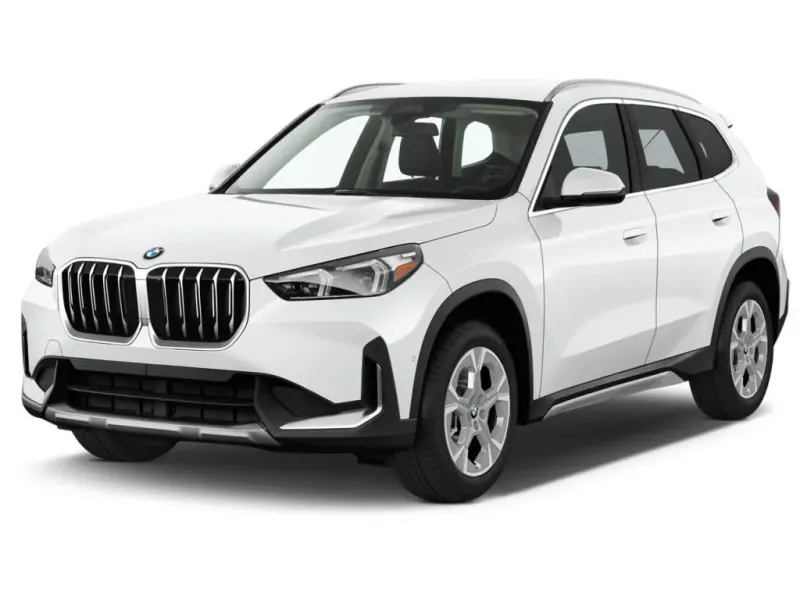
BMW X1
Score: 74/100

BMW X3
Score: 65/100
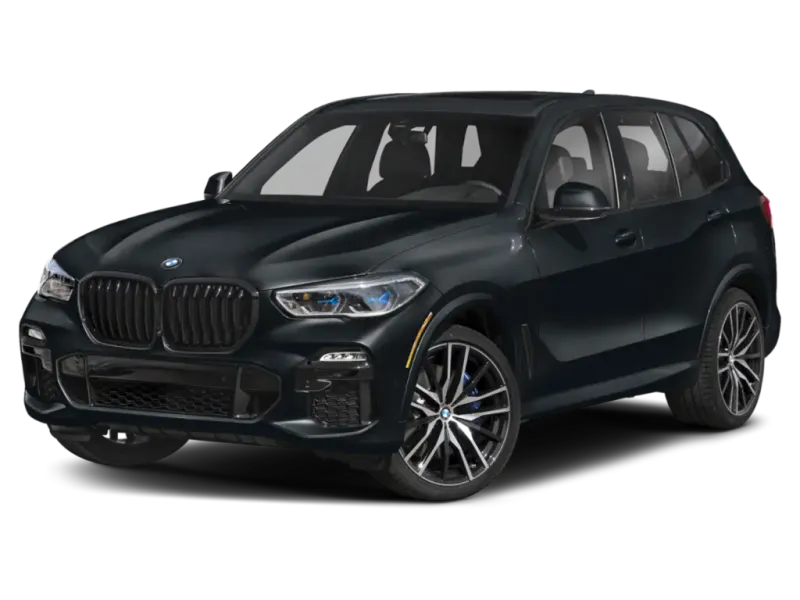
BMW X5
Score: 56/100
Browse More 2022 Vehicles
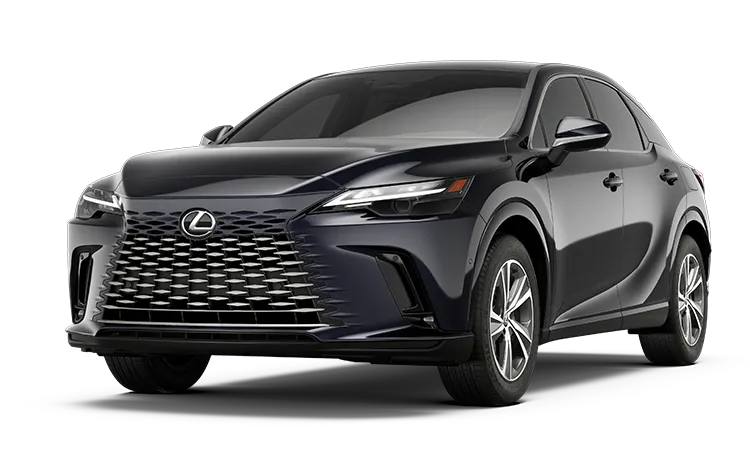
2022 Lexus RX
Score: 90/100
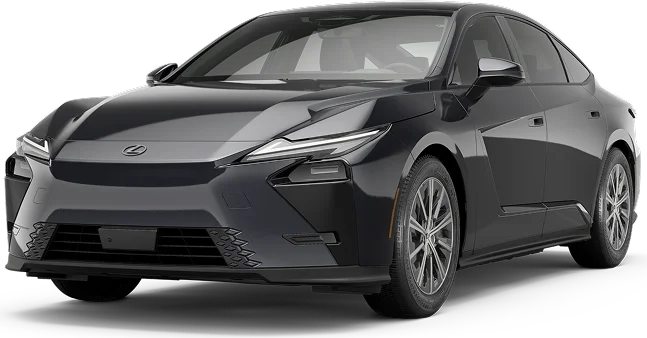
2022 Lexus ES
Score: 88/100
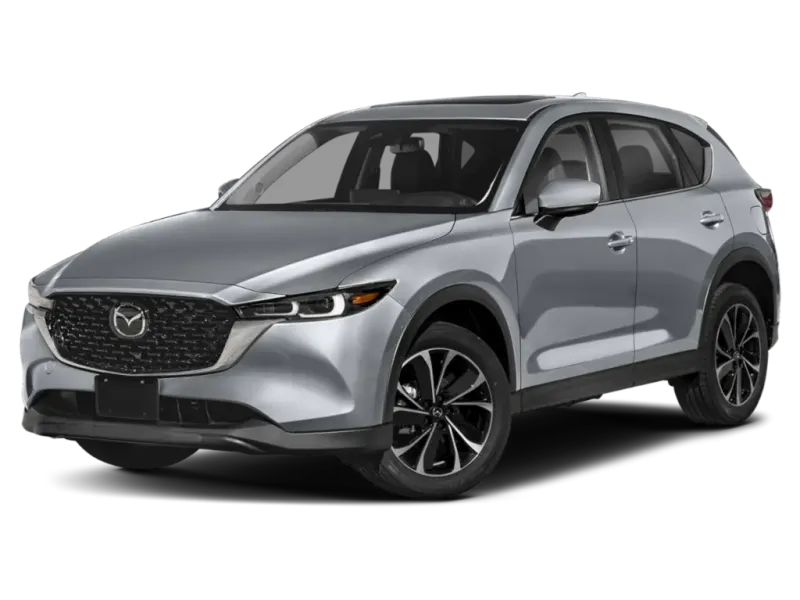
2022 Mazda CX-5
Score: 87/100
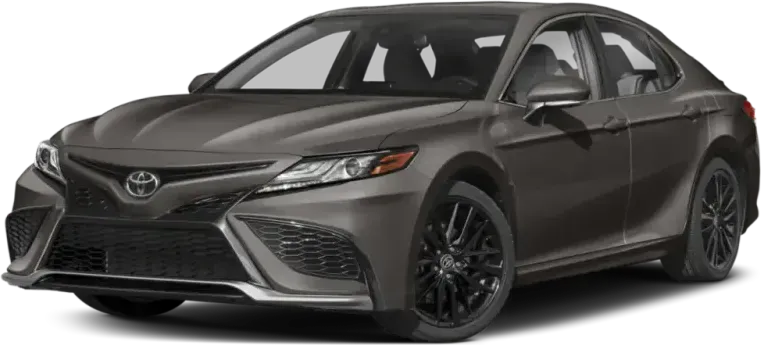
2022 Toyota Camry
Score: 84/100
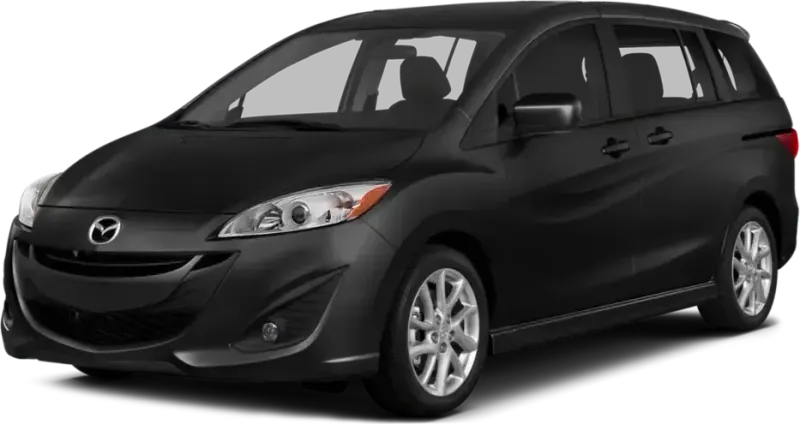
2022 Mazda 5
Score: 83/100
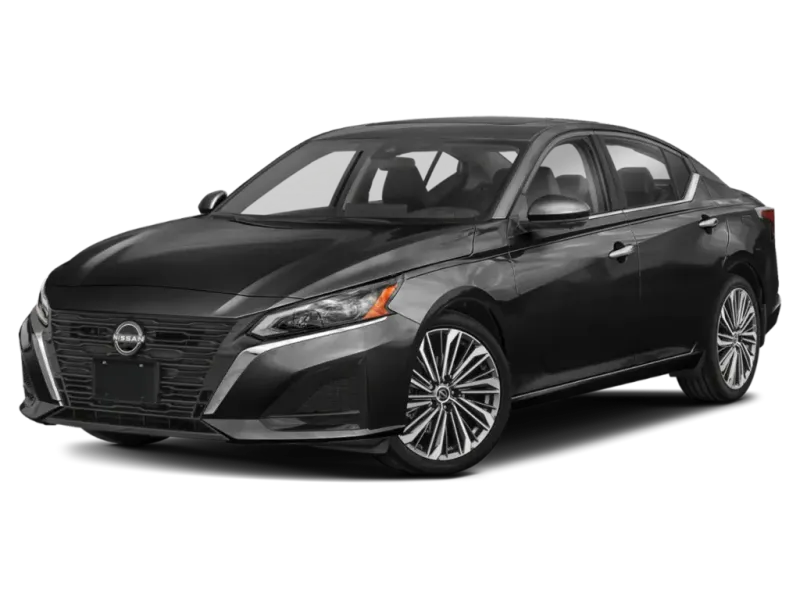
2022 Nissan Altima
Score: 83/100
See incorrect data? Report an issue