Last updated: 2026-10-10

2021 BMW 3 Series Reliability Report
The 2021 BMW 3-Series has good reliability, but an open starter recall with scarce parts is the main thing to check before buying.
Recalls
9
Complaints
22
Complaint Rate
4.4per 10,000 sold
Est. Repair Cost
$773
Annual Fuel Cost
$2,300–$3,650
Detailed Score Breakdown
Component-weighted complaints normalized by sales volume
Independent repair cost ratings
Recall count weighted by severity
Breadth of reported problem categories
The Verdict
Mid-pack among scored years, with a starter recall dealers often cannot repair yet, and fewer complaints than the 2020 but more than the 2022.
Top Issues to Watch
- ELECTRICAL SYSTEM (6)
- ENGINE (2)
- SUSPENSION (2)
Generation & Refresh (US)
2021 is year 3 of the Seventh generation (G20).
- Redesigned for the 2019 model year.
- Well-established in its generation — most early issues should be resolved.
- A refresh arrives in 2022.
- 7th generation 3 Series (US).
What this means for buyers
Well into the generation cycle — most design and manufacturing issues should be resolved by now.
2019: Seventh generation (G20) Launch
Generation start — new platform.
2021: This Model Year
2021 is year 3 of the Seventh generation (G20).
2022: Mid-Cycle Refresh
Updated features and styling tweaks.
Should You Buy the 2021 BMW 3 Series?
Good reliability is the verdict, and it lands close to average among 2021 sedans. Within the 3-Series it sits in the middle of nine scored years. Owners filed 22 complaints, and federal crash testing gave it 5 of 5 stars. The 2020 rates worse, with 45 complaints. The 2022 rates better, though a newer year has had less time to collect complaints.
The starter recall, campaign 25V636000, is the main worry. Dealers often have no parts, so owners wait. Some have seen no failure yet. Others report hard morning starts, auto start-stop failing to restart the engine at a light, and a false "Engine Unable to Start" message while driving. One car caught fire while being driven, with smoke from under the hood. Motor mounts have also failed early, one at 52k miles, and the car is unsafe to drive until they are replaced.
Before buying, check with a VIN lookup that the starter recall is complete. Ask for records of any motor mount work. Federal records list one park-outside fire risk recall, so confirm that one is closed too.
Compared to the 2022 BMW 3 Series, which scored 3 points higher. See also the 2020 BMW 3 Series for an earlier comparison.
Pros
- +Acceptable reliability score
- +Low major repair risk (12%)
- +Below-average complaint rate for Sedan
Cons
- −Frequent unscheduled repairs
- −Above-average recall count
- −ELECTRICAL SYSTEM issues reported (6 complaints)
Compare 2021 BMW 3 Series With
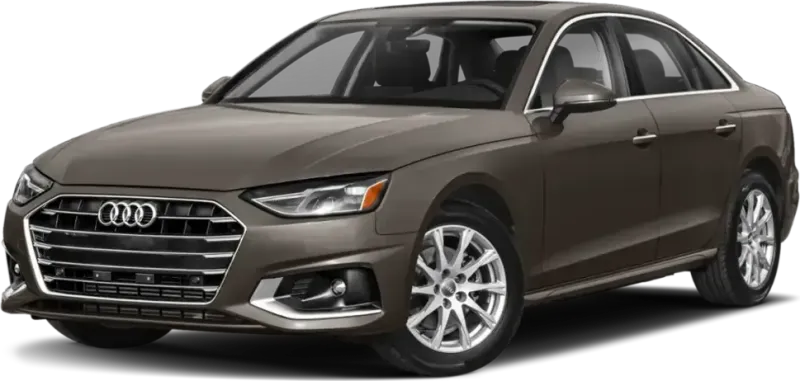
2021 Audi A4
Reliability: 71/100
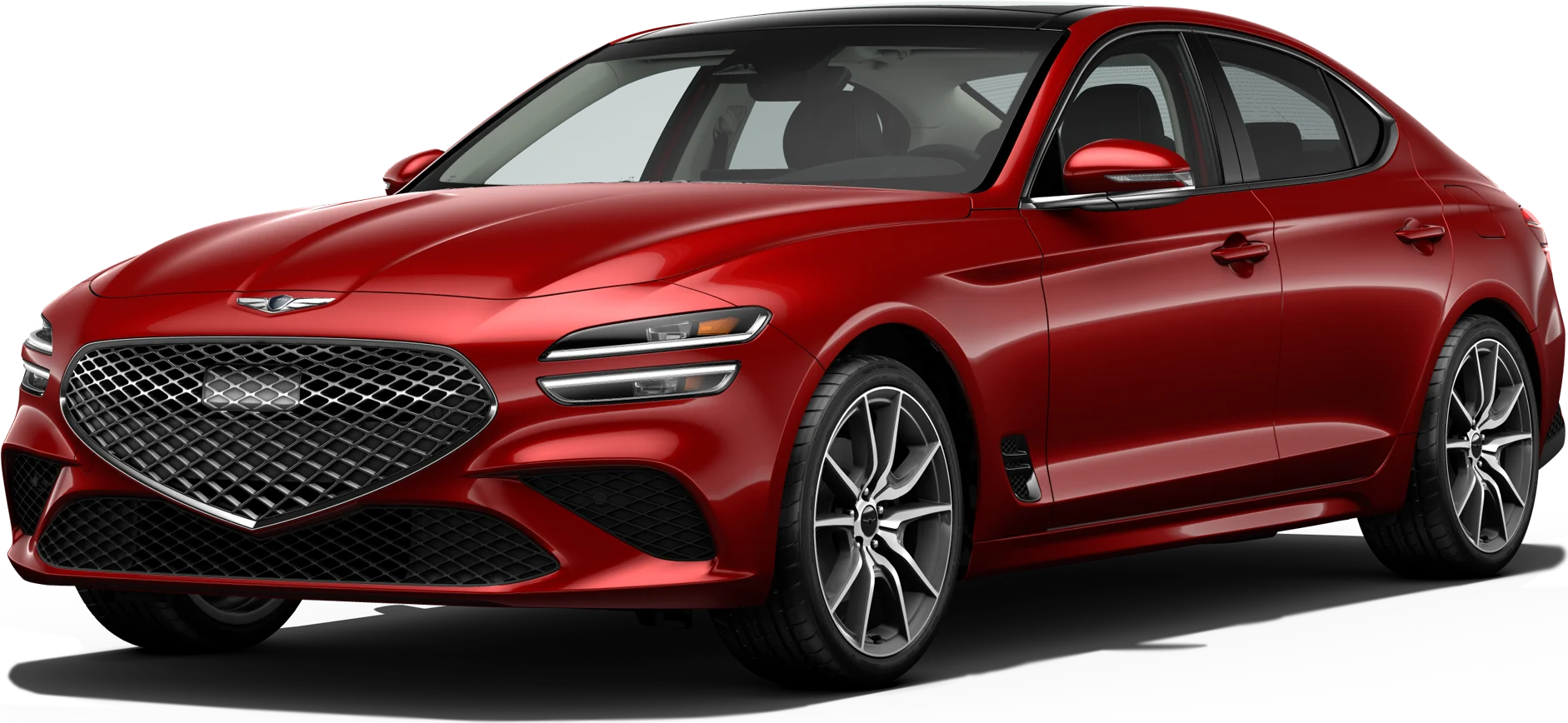
2021 Genesis G70
Reliability: 64/100
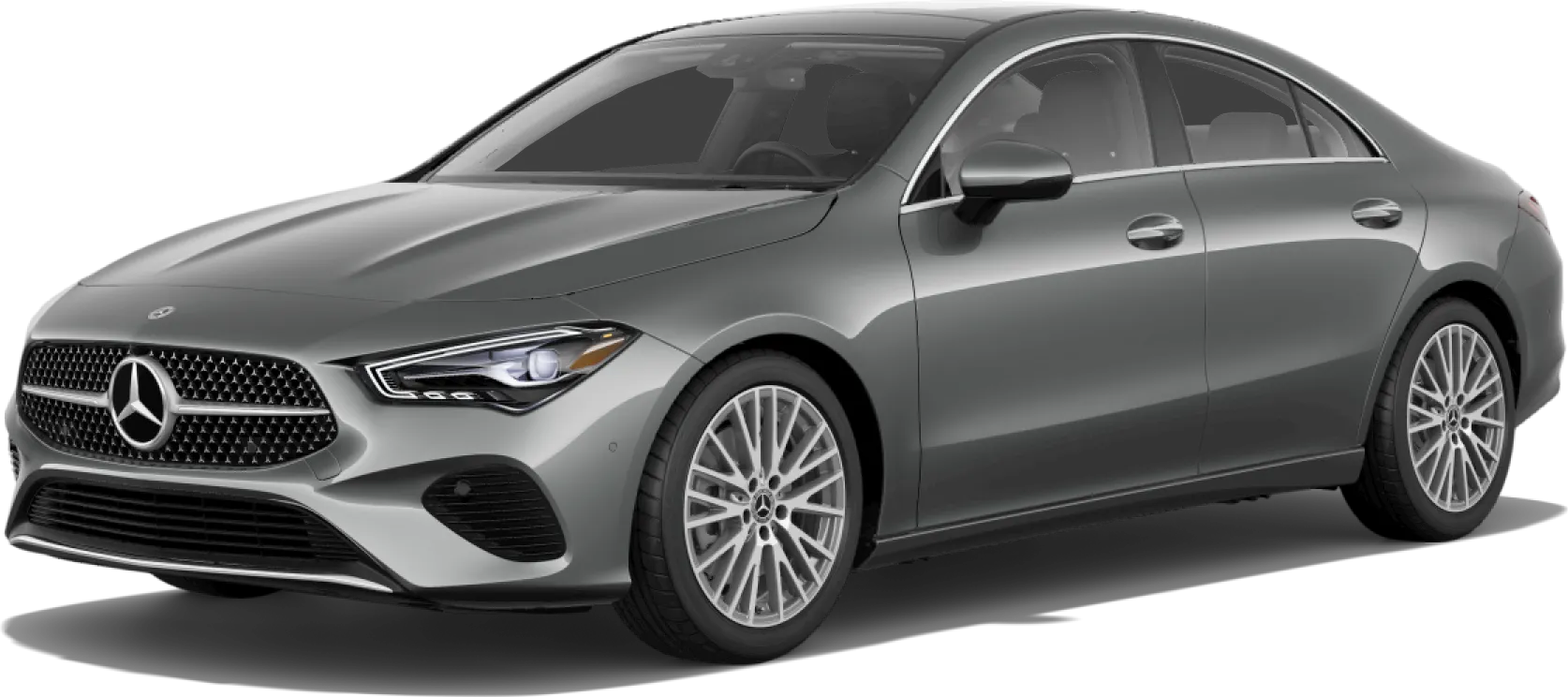
2021 Mercedes-Benz CLA
Reliability: 45/100
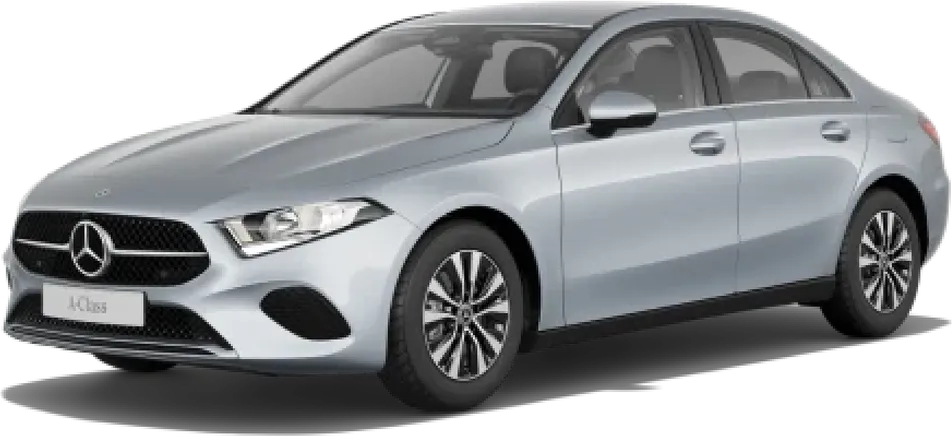
2021 Mercedes-Benz A-Class
Reliability: 58/100
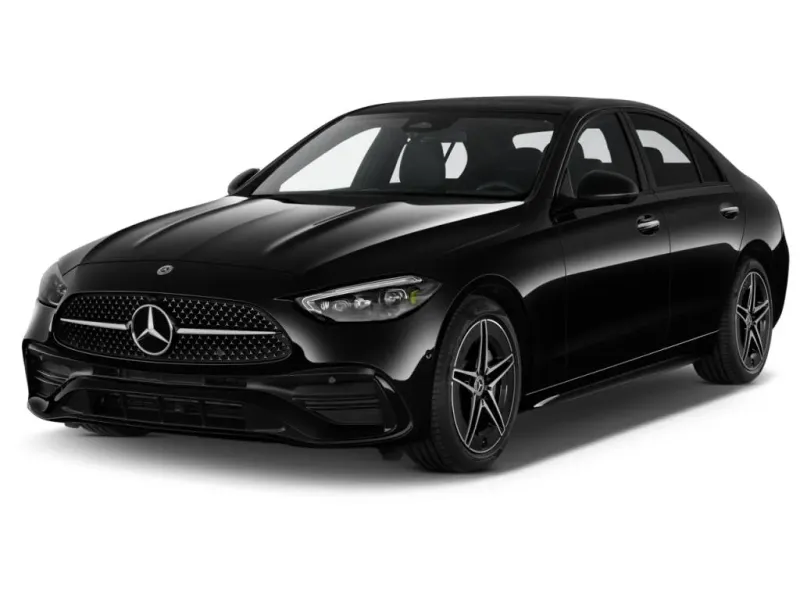
2021 Mercedes-Benz C-Class
Reliability: 47/100
Common Problem Categories
Safety
LOW RISK- 9 manufacturer recalls issued
Other
HIGH RISK- ELECTRICAL SYSTEM (6)
- UNKNOWN OR OTHER (3)
Recall Overview
9
recalls on record
The 2021 BMW 3 Series has 9 recalls on record, which is above average. A high count can flag multiple component concerns, though it also shows the manufacturer is actively addressing known issues.
NHTSA.gov →Complaint Breakdown
4.4
per 10,000 soldSegment avg: 16.7
Safety Incidents
1
Crashes
2
Fires
2
Injuries
0
Deaths
NHTSA 5/5 Stars
Data sourced from NHTSA complaint filings and manufacturer recall notices. Complaint narratives are owner-reported.
2021 BMW 3 Series Recall Details
9 recalls have been issued for the 2021 BMW 3 Series. All recall repairs are performed free of charge at authorized dealerships.
ELECTRICAL SYSTEM
BMW of North America, LLC (BMW) is recalling certain 2021-2023 Toyota Supra, 2022-2023 2 Series Coupe, 2021-2024 5 Series (xDrive), 2021-2022 Z4, 2022-2024 4 Series (Gran Coupe), 2021-2024 4 Series (Convertible and xDrive Convertible), 2021-2023 4 Series (Coupe), 2021-2024 3 Series, 2021-2023 X4, 2021-2024 X3 vehicles. Please see the recall report for a complete list of all models. The engine starter may overheat and catch fire due to wear on an internal component.
Consequence
Fire increases the risk of injury.
Remedy
Dealers will replace the engine starter, free of charge. Owner notification letters are expected to be mailed March 24, 2026. Owners may contact BMW customer service at 1-800-525-7417 or Toyota's customer service at 1-800-331-4331. Vehicle Identification Numbers (VINs) involved in this recall will be searchable on NHTSA.gov beginning March 24, 2026.
ELECTRICAL SYSTEM
BMW of North America, LLC (BMW) is recalling certain 2019-2021 BMW 330i, 2019-2022 BMW Z4, 2020-2022 BMW 530i, X3, X4, Toyota Supra, 2021-2022 BMW 430i, 430i Convertible, and 2022 BMW 230i vehicles. The engine starter relay may corrode, causing the relay to overheat and short circuit.
Consequence
A short circuit in the starter relay may increase the risk of a fire.
Remedy
Owners are advised to park their vehicles outside and away from structures until the remedy is complete. Dealers will replace the engine starter, free of charge. Owner notification letters were mailed February 6, 2026. Owners may contact BMW customer service at 1-800-525-7417. Vehicle Identification Numbers (VINs) involved in this recall will be searchable on NHTSA.gov beginning November 14, 2025.
SEAT BELTS, ELECTRICAL SYSTEM
BMW of North America, LLC (BMW) is recalling certain 2019-2022 330i, 330i xDrive, M340i, 2022 430i Coupe, 2021-2022 430i, M440i Convertible, and 2020-2022 228i xDrive Gran Coupe vehicles. The receiver audio module control unit software may fail to properly generate audible seat belt warnings to the driver to fasten their seat belt. As such, these vehicles fail to comply with the requirements of Federal Motor Vehicle Safety Standard number 208, "Occupant Crash Protection."
Consequence
An audible chime that does not properly alert the driver to fasten their seat belt increases the risk of injury in a crash.
Remedy
Dealers will update the receiver audio module software, free of charge. Owner notification letters were mailed October 12, 2023. Owners may contact BMW customer service at 1-800-525-7417.
Buying a used 2021 BMW 3 Series? Check its history first
Electrical system problems lead owner complaints about the 2021 BMW 3 Series, and 9 recalls were issued for it. A VIN check shows whether this car's recall work was done, plus accident, title, and odometer history.
- Accidents
- Open Recalls
- Title History
- Odometer Rollback
2021 BMW 3 Series NHTSA Safety Ratings
Overall Safety Rating
Crash Test Results by Configuration (expand)
Gas Powertrain
Rollover risk: 9.2%
Safety Technologies
BMW 3 SeriesRepair Costs & Maintenance
Maintenance Rating
3Maintenance rating: 3 out of 5Based on NHTSA complaint patterns, recall severity, and publicly available cost benchmarks.
Est. Annual Maintenance
$773
Repair Frequency
1
unscheduled repair visits per year
Severe Repair Probability
12%
chance of a major repair
Category-level averages derived from publicly available industry reports (AAA, CarMD). Model-level estimates produced by Auto Reliability Index.
BMW 3 Series Resale Value
The BMW 3 Series is estimated to retain about 56.5% of its original value after 5 years, based on observed used-car listings.
This benchmark covers the BMW 3 Series model overall and is not specific to the 2021 model year.
- Value Retained
- 56.5%
- Depreciation
- 43.5%
- Listings Analyzed
- 707
after 5 years
over the same period
U.S. used-car listings
Listings observed in . Actual resale value varies by trim, mileage, condition, and location.
Explore BMW 3 Series depreciation and resale value on CarResaleValue.com2021 BMW 3 Series Example Repair Prices
National average price ranges for common repairs. These are not model-year-specific failure predictions.
| Repair | Estimated Cost |
|---|---|
| Ignition Switch Replacement | $265 – $314 |
| AC Recharge | $322 – $421 |
| Battery Cable Replacement | $555 – $626 |
| Battery Cable Replacement | $691 – $790 |
| Power Seat Motor Replacement | $1,882 – $1,940 |
| Body Control System Diagnosis & Testing | $61 – $90 |
| Brake Light Switch Replacement | $163 – $213 |
| Power Steering Hose Replacement | $2,656 – $2,901 |
| Tire Pressure Monitor Control Module Replacement | $638 – $781 |
| Rack and Pinion Replacement | $6,618 – $7,005 |
Estimates based on national average repair costs. Actual costs may vary by location and shop.
MPG & Annual Running Costs
Gas
19–30 MPG
Running cost: $3,250–$4,600/yr
Fuel + repair
16–26 city / 23–36 hwy MPG
Plug-in Hybrid
25–28 MPG
Running cost: $3,400–$3,700/yr
Fuel + repair
22–25 city / 30–33 hwy MPG
Running cost includes EPA fuel-cost estimate and independent repair-cost data (repair cost estimated at model level). Excludes routine maintenance, depreciation, and insurance. Data as of 2021 EPA label cycle.
Gas trims
| Trim | Drive | Trans. | City | Hwy | Comb | Fuel Cost |
|---|---|---|---|---|---|---|
| 330i 2.0L 4-cyl | Rear-Wheel Drive | Automatic (S8) | 26 | 36 | 30 | $2,300 |
| 330i xDrive 2.0L 4-cyl | All-Wheel Drive | Automatic (S8) | 25 | 34 | 28 | $2,450 |
| M3 3.0L 6-cyl | Rear-Wheel Drive | Manual 6-spd | 16 | 23 | 19 | $3,650 |
| M3 Competition 3.0L 6-cyl | Rear-Wheel Drive | Automatic (S8) | 16 | 23 | 19 | $3,650 |
Plug-in Hybrid trims
| Trim | Drive | Trans. | City | Hwy | Comb | Fuel Cost |
|---|---|---|---|---|---|---|
| 330e 2.0L 4-cyl | Rear-Wheel Drive | Automatic (S8) | 25 | 33 | 28 | $2,450 |
| 330e xDrive 2.0L 4-cyl | All-Wheel Drive | Automatic (S8) | 22 | 30 | 25 | $2,750 |
Used Buying Checklist
Key things to inspect or verify before purchasing a 2021 BMW 3 Series.
Run the VIN through federal recall records and get proof the engine starter recall 25V636000 repair is complete.
Start the car cold several times and confirm it fires on the first attempt.
Let auto start-stop shut the engine off at a light and confirm it restarts promptly when you release the brake.
Check the dash for any restraint system or airbag malfunction messages.
Idle in park and feel for heavy shaking, then shift between drive and reverse and watch for engine lurch.
Inspect the front tires for uneven wear and ask for records showing repeated alignments.
Look under the hood for chewed wiring or signs of rodent nesting.
Check the sunroof glass for chips or cracks and confirm the sunshade works.
2021 BMW 3 Series Common Problems by Component
22 owner complaints grouped by vehicle system.
ELECTRICAL SYSTEM
6 complaintsSafety-relatedA starter-related recall, campaign 25V636000, dominates these reports, and dealers often have no parts to complete the repair. Several owners have not seen a failure yet. Others describe hard morning starts, auto start-stop failing to restart the engine at a light, a false "Engine Unable to Start" message while driving, and rough idling at about 33,672 miles. One car caught fire while being driven, with smoke coming from under the hood. A separate report covers a passenger restraint warning that the dealer suspects comes from a wiring short.
UNKNOWN OR OTHER
3 complaintsThe most serious report is a sunroof that shatters without warning at 70 mph. In that case the closed sunshade kept glass from falling on the occupants. The other complaints are unrelated to each other. They include inaccurate odometer readings on a leased car, tires that failed within 15,000 miles, and front sensors that go off with nothing there, especially in rain or snow. One owner also worries about the starter relay fire recall because a VIN lookup showed no open recall before notices went out.
ENGINE
2 complaintsMotor mounts fail early, with one failure reported at 52k miles on a car bought as certified pre-owned. Until the mounts are replaced, the car is unsafe to drive. The other complaint concerns the engine starter recall, campaign 25V-636. Neither the manufacturer nor the dealer has a remedy for it or a reasonable timeframe for the repair, so owners are left waiting.
SUSPENSION (2 complaints)
SUSPENSION
2 complaintsFailed engine mounts show up here too. In one case they were found during routine service at 43,000 miles, just after the warranty ran out, with a $3000 quote and a warning that the car was dangerous to drive. A separate report describes a car that keeps going out of alignment, with the owner suspecting the front axle support and a control arm bracket are separating. Repeated alignments have not fixed it, and the tires wear quickly.
AIR BAGS (2 complaints)
AIR BAGS
2 complaintsSafety-relatedRestraint system warnings appear on the screen even though the car has never been damaged. The message says airbag, seatbelt tensioner, and belt force limiter functions are reduced. The other report is a parking lot crash in which the driver says the car did not brake and instead accelerated into another vehicle and a barrier before the airbags deployed. That crash caused 1 injury and totaled the car.
POWER TRAIN (2 complaints)
POWER TRAIN
2 complaintsThe car stalls when pulling away from a light while running in all-electric mode, then jolts forward hard as the gears catch. The owner suspects the transmission slipped and later found a shoulder injury. The other complaint involves rodents chewing through engine wiring, which the dealer confirmed. That damage reduced engine power and turned on the engine service light, and broken circuits can also knock out lights and wipers. The two reports do not point to a shared defect.
STRUCTURE (1 complaints)
STRUCTURE
1 complaintMy sunroof exploded randomly, without warning as I was traveling on the highway at approximately 65 MPH. There was no impact from an object. The cloth cover beneath the sunroof was fully intact and undamaged after the incident.
ENGINE AND ENGINE COOLING (1 complaints)
ENGINE AND ENGINE COOLING
1 complaintSafety-relatedThe contact owns a 2021 BMW 330I. The contact stated while driving 50 MPH and coming to a stop at a red traffic light, the contact started smelling smoke. There was no warning light illuminated. The contact turned off the vehicle, but the vehicle failed to restart with a message that the vehicle was unable to be restarted displayed. The contact turned on the hazard lights with the vehicle stopped in the middle of the road. The contact then noticed that there was smoke coming from the front end of the vehicle and immediately called 911. The contact stated that while a Metro service employee was attempting to assist the contact in towing the vehicle to the side of the road, the worker noticed that fire had started underneath the vehicle and called the Fire Department. The contact exited the vehicle and noticed that there was fire underneath the front end. The contact stated that the front end of the vehicle then burst into flames. The fire was extinguished by the Fire Department. A Fire Department report was filed. The front end of the vehicle was significantly burned. A Police Officer arrived at the scene but had not filed a report because there was no injury sustained. The Police Officer provided his badge number to the contact. The vehicle was towed to a tow lot, where it was being evaluated by the Insurance Company. The contact stated that the vehicle was a total loss; however, the Insurance Company had not yet confirmed that the vehicle was a total loss. The dealer and the manufacturer were not notified of the failure. The vehicle was not yet diagnosed or repaired. The failure mileage was approximately 30,000.
STEERING (1 complaints)
STEERING
1 complaintOn 5/22/24 had a catastrophic failure of the Electric Motor Electronics and 12v Battery. I have requested that the BMW Serice Assistant provide me with all affected parts for inspection. Shutdown of the vehicle high voltage system could result in a crash. When this part fails along with the 12v battery you lose control of all vehicle electronics (steering, braking, electrical power, and propulsion). Yes, there was a previous voluntary recall campaign 19V-599s Service Information Bulletin (Revision 2) which replaced SI B12 27 19 dated October 2019 by BMW for this device. The vehicle and component has been inspected by the Richmond BMW Service Technician. I started to experience problems with the vehicle in late April and took it in for servicing and repair in early May. I was told that the problem was a computer programming recall that was fixed.
VISIBILITY/WIPER (1 complaints)
VISIBILITY/WIPER
1 complaintWhile I was driving down the highway, sunroof has exploded without any apparent reason. I really didn’t realize what had happened at first, all I heard was a loud bang which could’ve lead to distraction and cause an accident. Luckily it wasn’t the case for me. Although, broken pieces of the sunroof has came off and flown to roadway. I brought the vehicle to BMW dealership, by the time I got there there was an apparent hole in the sunroof, they inspected it and saying it happened because something making contact with sunroof but when I asked for a proof for their claim they told me there is no physical evidence to provide.
Best & Worst BMW 3 Series Years
Best BMW 3 Series Years to Buy
Based on reliability index scoreBMW 3 Series Years to Avoid
No BMW 3 Series years are statistical outliers in our data.
Scores stay between 64 and 76 across 9 scored model years.
BMW 3 Series Reliability Score Trend
Scores 0–100. Higher is better. Current year highlighted.
| Year | Score | Rating |
|---|---|---|
| 2018 | 65/100 | Good |
| 2019 | 66/100 | Good |
| 2020 | 64/100 | Good |
| 2021 | 67/100 | Good |
| 2022 | 70/100 | Good |
| 2023 | 70/100 | Good |
| 2024 | 71/100 | Good |
| 2025 | 71/100 | Good |
| 2026 | 76/100 | Good |
BMW 3 Series Reliability Compared to Other Years
Frequently Asked Questions
Is the 2021 BMW 3-Series reliable?
What are the most common problems with the 2021 BMW 3-Series?
Does the 2021 BMW 3-Series have starter problems?
How many recalls does the 2021 BMW 3-Series have?
Is the 2021 BMW 3-Series better than the 2020 or 2022?
Don’t buy a 2021 BMW 3 Series without checking its VIN first — hidden accidents, title issues, and open recalls could cost you thousands.
How we score the 2021 BMW 3 Series
Of the four inputs behind this score, the 2021 BMW 3 Series does best on how many systems draw complaints (81/100) and worst on recall impact (55/100). Scores weight complaint severity at 35%, repair costs at 30%, recall impact at 20%, and the spread of complaints across systems at 15%, with complaint counts adjusted for US sales. Read the full methodology.
Get notified when new recalls or reliability data is added for the BMW 3 Series.
No spam. Only data updates for this model.
Browse More BMW Models
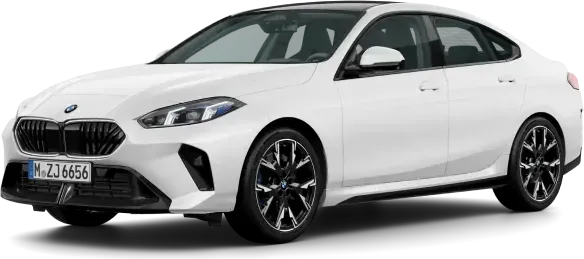
BMW 2 Series
Score: 70/100
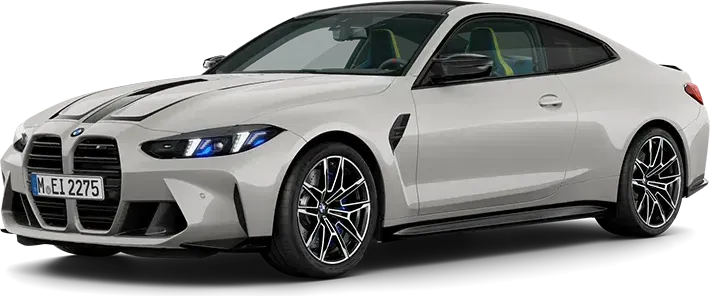
BMW 4 Series
Score: 64/100
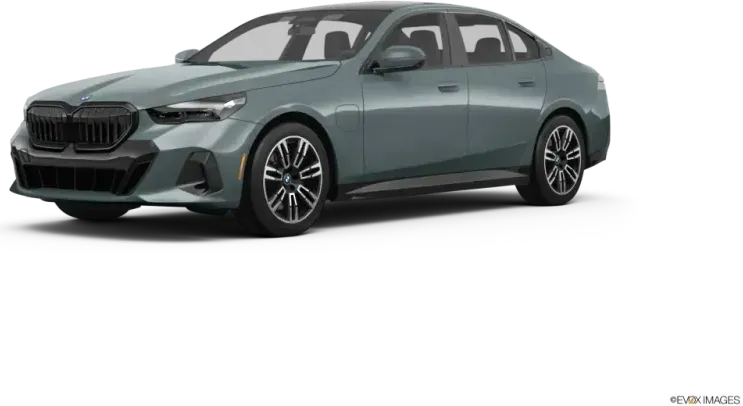
BMW 5 Series
Score: 71/100
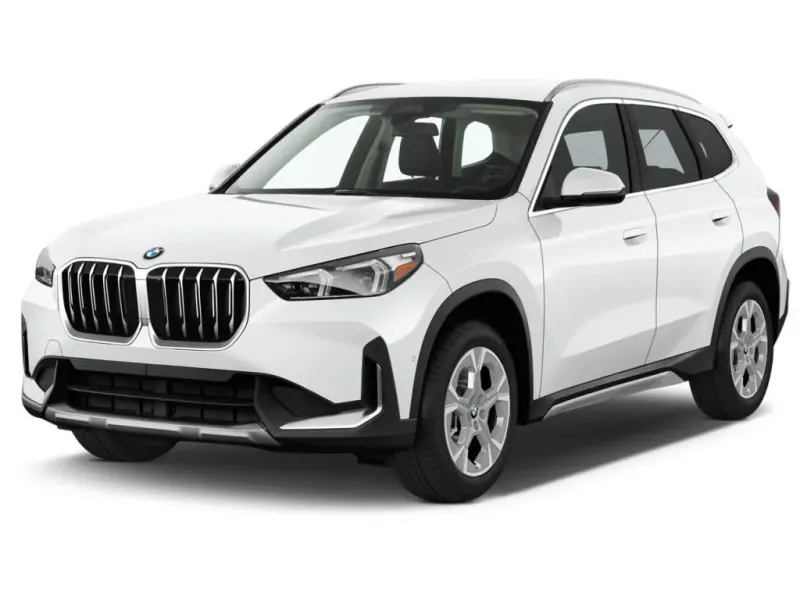
BMW X1
Score: 74/100

BMW X3
Score: 65/100
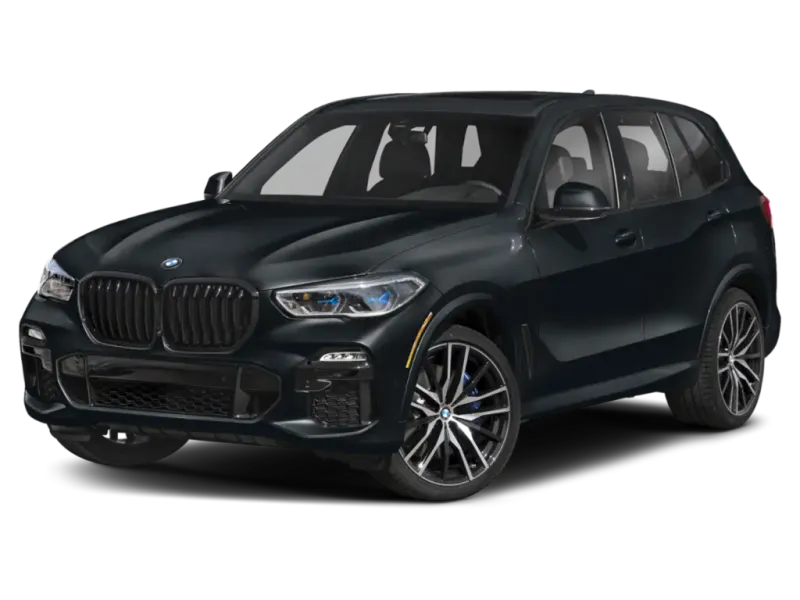
BMW X5
Score: 56/100
Browse More 2021 Vehicles
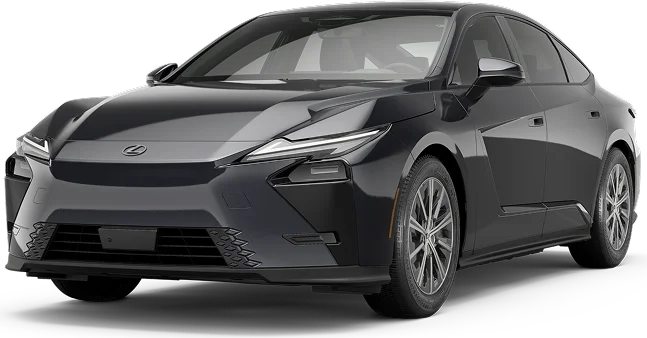
2021 Lexus ES
Score: 88/100
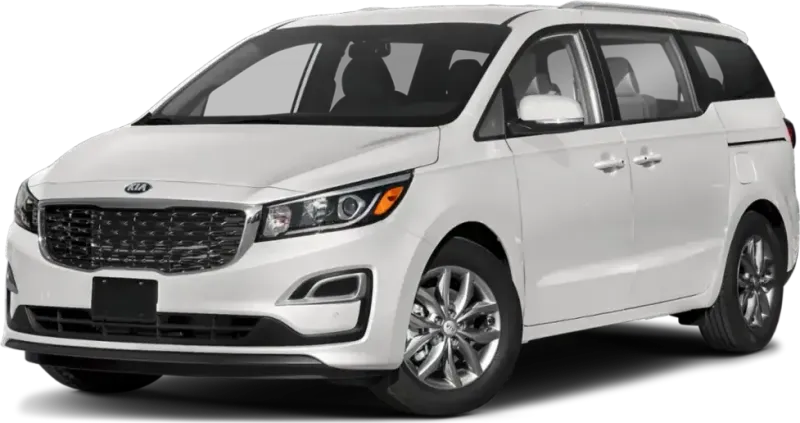
2021 Kia Sedona
Score: 88/100
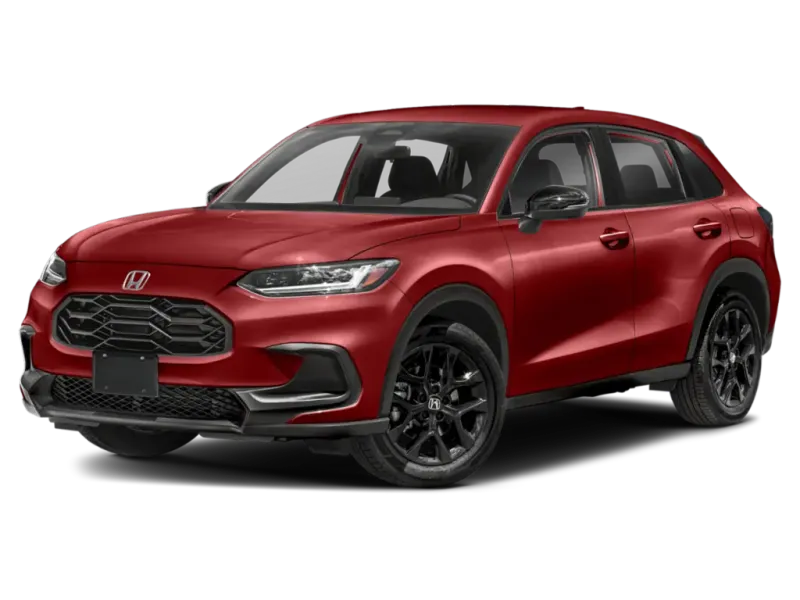
2021 Honda HR-V
Score: 86/100
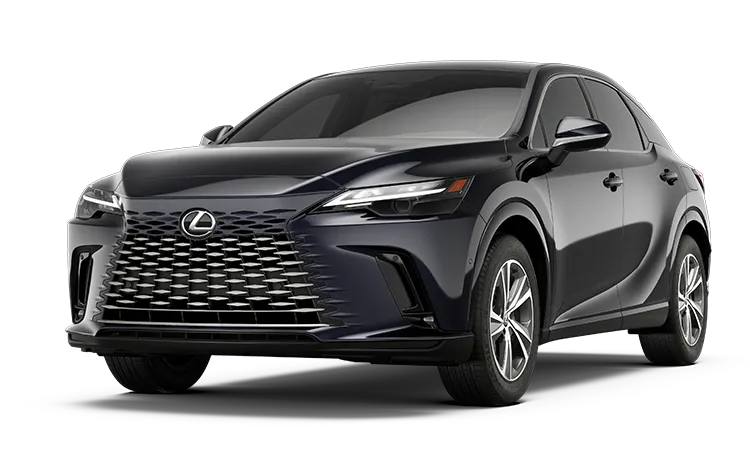
2021 Lexus RX
Score: 86/100
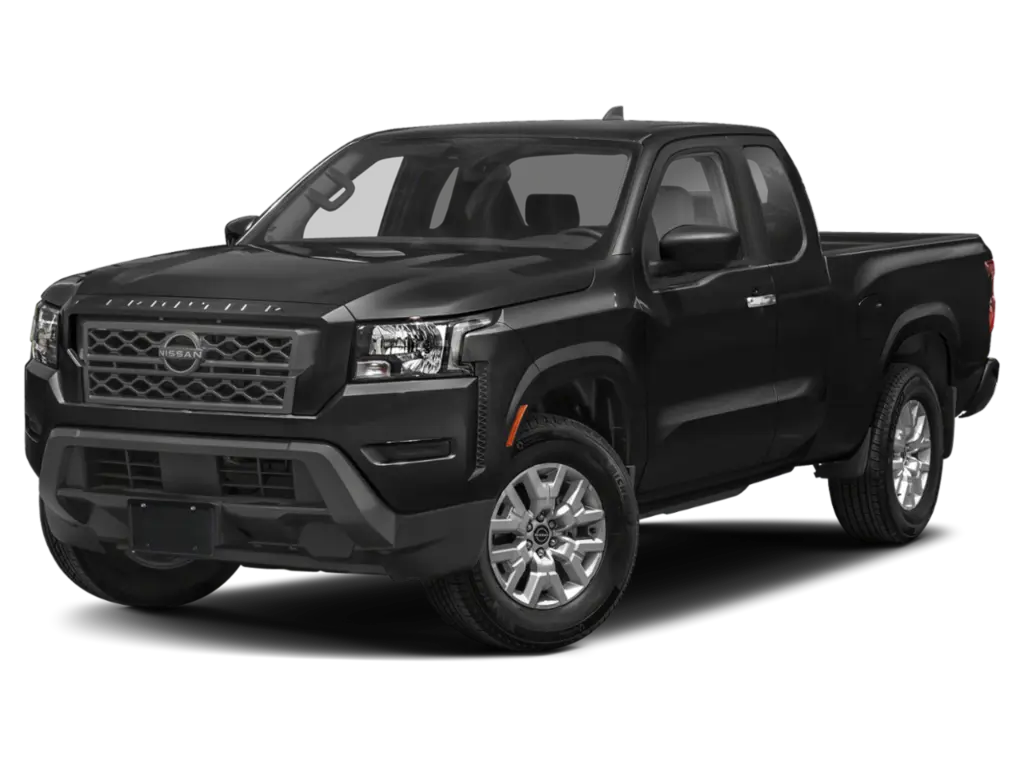
2021 Nissan Frontier
Score: 84/100
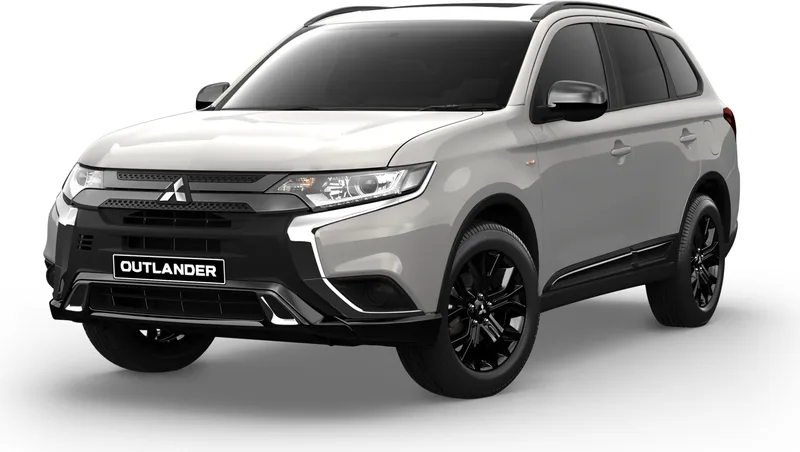
2021 Mitsubishi Outlander
Score: 84/100
See incorrect data? Report an issue