Last updated: 2026-10-10
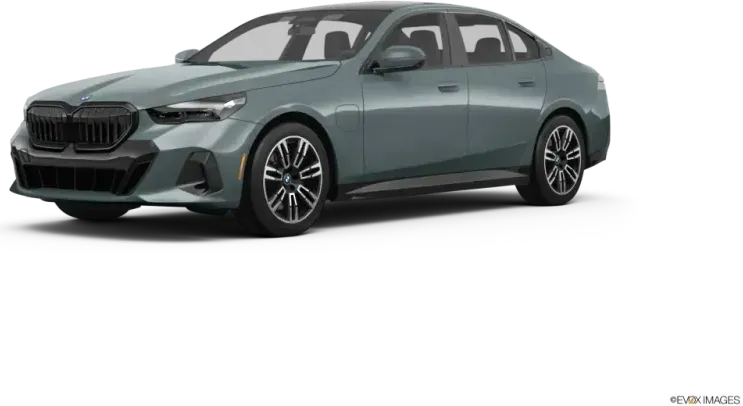
2018 BMW 5 Series Reliability Report
The 2018 BMW 5-Series rates mixed and well below other 2018 sedans, mainly for faulty passenger seat sensors and coolant leaks.
Recalls
17
Complaints
212
Complaint Rate
48.3per 10,000 sold
Est. Repair Cost
$968
Annual Fuel Cost
$2,550–$4,050
Detailed Score Breakdown
Component-weighted complaints normalized by sales volume
Independent repair cost ratings
Recall count weighted by severity
Breadth of reported problem categories
The Verdict
Weakest 5-Series year we score, with 212 owner complaints centered on passenger seat sensor faults and oil filter housing coolant leaks.
Top Issues to Watch
- AIR BAGS (34)
- ELECTRICAL SYSTEM (19)
- ENGINE (18)
Generation & Refresh (US)
2018 is year 2 of the Seventh generation (G30).
- Redesigned for the 2017 model year.
- A refresh arrives in 2020.
- 7th generation 5 Series (US).
What this means for buyers
Year 2 is typically a safer pick than the first model year — early issues are more likely to be identified, but the platform is still new.
If you're comparing prices, check 2017 (redesign year) vs 2018+ pricing and recalls.
2017: Seventh generation (G30) Launch
Generation start — new platform.
2018: This Model Year
2018 is year 2 of the Seventh generation (G30).
2020: Mid-Cycle Refresh
Updated features and styling tweaks.
Should You Buy the 2018 BMW 5 Series?
Mixed is the honest verdict. Against other 2018 sedans this one sits well below average, and it is the weakest year of the 5-Series that we score. The 2019 rates better, with 67 complaints against 212 here. Crash protection is not the issue, since the federal crash-test rating is five stars.
The most common complaint is a "Passenger restraint system malfunction" warning, blamed on a failed passenger seat occupancy sensor or mat. Dealers say the fault can keep the passenger airbag from deploying, and repairs can top $2,500. Coolant loss is the main engine problem. The plastic oil filter housing cracks and dumps coolant, typically between 50,000 and 70,000 miles, and owners say the low-coolant warning comes late. Fires are rare but reported, and the electrical fire reports trace to rear window defroster wiring.
Federal recall records list 17 recalls, including engine cooling and air bags, so run the VIN for open ones. Ask whether the seat sensor and oil filter housing have been replaced. The 2019 is the safer comparison.
Compared to the 2019 BMW 5 Series, which scored 3 points higher.
Pros
- +5-star NHTSA crash rating
- +Not a first-year model
Cons
- −Below-average reliability score
- −Above-average recall count
- −Above-average complaint rate for Sedan
- −AIR BAGS: "Passenger restraint system malfunction" warning makes up most of this category (34 complaints)
- −4 fire incidents reported in owner complaints
Compare 2018 BMW 5 Series With

Common Problem Categories
Safety
LOW RISK- 17 manufacturer recalls issued
Other
HIGH RISK- AIR BAGS (34)
- ELECTRICAL SYSTEM (19)
Recall Overview
17
recalls on record
The 2018 BMW 5 Series has 17 recalls on record, which is above average. A high count can flag multiple component concerns, though it also shows the manufacturer is actively addressing known issues.
NHTSA.gov →Complaint Breakdown
48.3
per 10,000 soldSegment avg: 25.7
Safety Incidents
15
Crashes
4
Fires
14
Injuries
0
Deaths
NHTSA 5/5 Stars
Data sourced from NHTSA complaint filings and manufacturer recall notices. Complaint narratives are owner-reported.
2018 BMW 5 Series Recall Details
17 recalls have been issued for the 2018 BMW 5 Series. All recall repairs are performed free of charge at authorized dealerships.
ENGINE AND ENGINE COOLING
BMW of North America, LLC. (BMW) is recalling certain 2018 540d xDrive vehicles equipped with an Exhaust Gas Recirculation (EGR) module with an integrated cooler. The EGR cooler may leak internally, causing coolant to mix with diesel engine soot, which could result in smoldering particles and a melting intake manifold.
Consequence
A melting intake manifold increases the risk of fire.
Remedy
Dealers will replace the EGR module, and the intake manifold will be inspected and replaced, if necessary, free of charge. Interim owner notification letters were mailed on October 7, 2022. Owner notification letters were mailed December 30, 2022. Owners may contact BMW customer service at 1-800-525-7417.
FUEL SYSTEM, DIESEL
BMW of North America, LLC (BMW) is recalling certain 2013-2018 328d, 328d xDrive, 2014-2018 328d Sports Wagon, 328d xDrive Sports Wagon, 2014-2016 535d, 535d xDrive, 2015 740Ld xDrive, 2015-2017 X3 xDrive28d SAV, and 2014-2017 X5 xDrive35d SAV diesel vehicles equipped with an Exhaust Gas Recirculation (EGR) module with an integrated cooler. The EGR cooler may leak internally, causing coolant to mix with diesel engine soot, which could result in smoldering particles and a melting intake manifold.
Consequence
A melting intake manifold increases the risk of a fire.
Remedy
Dealers will replace the EGR cooler and inspect the intake manifold, replacing it as necessary, free of charge. This recall includes all vehicles previously recalled under 18V-755. Vehicles previously recalled under 18V-755 will need to have the new remedy performed for this recall. An interim owner notification letter was mailed on January 18, 2022. The remedy is expected to be available in June 2022. Owner notification letters were mailed on July 6, 2022. Owners may contact BMW customer service at 1-800-525-7417.
FUEL SYSTEM, DIESEL
BMW of North America, LLC (BMW) is recalling certain 2014-2018 328d, 328d xDrive, X5 xDrive35d, 2014-2016 535d, 535d xDrive, 2015 740Ld xDrive, and 2015-2017 X3 xDrive28d vehicles. The high-pressure fuel pump may fail.
Consequence
Fuel pump failure can cause an engine stall while driving, increasing the risk of a crash.
Remedy
Dealers will replace the high-pressure fuel pump, free of charge. Owner notification letters were mailed on January 14, 2022. Owners may contact BMW customer service at 1-800-525-7417.
Buying a used 2018 BMW 5 Series? Check its history first
Air bags problems lead owner complaints about the 2018 BMW 5 Series, and 17 recalls were issued for it. A VIN check shows whether this car's recall work was done, plus accident, title, and odometer history.
- Accidents
- Open Recalls
- Title History
- Odometer Rollback
2018 BMW 5 Series NHTSA Safety Ratings
Overall Safety Rating
Crash Test Results by Configuration (expand)
Gas Powertrain
Rollover risk: 9.5%
Safety Technologies
PHEV Powertrain
Rollover risk: 0.0%
Safety Technologies
BMW 5 SeriesRepair Costs & Maintenance
Maintenance Rating
3Maintenance rating: 3 out of 5Based on NHTSA complaint patterns, recall severity, and publicly available cost benchmarks.
Est. Annual Maintenance
$968
Category-level averages derived from publicly available industry reports (AAA, CarMD). Model-level estimates produced by Auto Reliability Index.
2018 BMW 5 Series Example Repair Prices
National average price ranges for common repairs. These are not model-year-specific failure predictions.
| Repair | Estimated Cost |
|---|---|
| Crankshaft Position Sensor Replacement | $161 – $354 |
| Hood Release Cable Replacement | $257 – $331 |
| Window Regulator Replacement | $644 – $773 |
| Brake Light Switch Replacement | $121 – $157 |
| Body Control Module Replacement | $724 – $817 |
| Fuel Level Sending Unit Replacement | $1,780 – $1,845 |
| Wheel Speed Sensor Replacement | $237 – $279 |
| Powertrain Control Module Replacement | $544 – $594 |
| Heater Core Replacement | $1,741 – $2,421 |
| Fuel Evaporative Canister Replacement | $800 – $870 |
Estimates based on national average repair costs. Actual costs may vary by location and shop.
MPG & Annual Running Costs
Gas
17–30 MPG
Running cost: $3,500–$5,000/yr
Fuel + repair
15–26 city / 21–36 hwy MPG
Plug-in Hybrid
28–29 MPG
Running cost: $3,350–$3,400/yr
Fuel + repair
27 city / 31 hwy MPG
Running cost includes EPA fuel-cost estimate and independent repair-cost data (repair cost estimated at model level). Excludes routine maintenance, depreciation, and insurance. Data as of 2018 EPA label cycle.
Gas trims
| Trim | Drive | Trans. | City | Hwy | Comb | Fuel Cost |
|---|---|---|---|---|---|---|
| 530i 2.0L 4-cyl | Rear-Wheel Drive | Automatic (S8) | 24 | 34 | 27 | $2,550 |
| 530i xDrive 2.0L 4-cyl | All-Wheel Drive | Automatic (S8) | 23 | 33 | 27 | $2,550 |
| 540d xDrive 3.0L 6-cyl | All-Wheel Drive | Automatic (S8) | 26 | 36 | 30 | $2,700 |
| 540i 3.0L 6-cyl | Rear-Wheel Drive | Automatic (S8) | 21 | 30 | 24 | $2,900 |
| 540i xDrive 3.0L 6-cyl | All-Wheel Drive | Automatic (S8) | 20 | 29 | 23 | $3,000 |
| M550i xDrive 4.4L 8-cyl | All-Wheel Drive | Automatic (S8) | 16 | 25 | 19 | $3,650 |
| M5 4.4L 8-cyl | All-Wheel Drive | Automatic (S8) | 15 | 21 | 17 | $4,050 |
Plug-in Hybrid trims
| Trim | Drive | Trans. | City | Hwy | Comb | Fuel Cost |
|---|---|---|---|---|---|---|
| 530e 2.0L 4-cyl | Rear-Wheel Drive | Automatic (S8) | 27 | 31 | 29 | $2,400 |
| 530e xDrive 2.0L 4-cyl | All-Wheel Drive | Automatic (S8) | 27 | 31 | 28 | $2,450 |
Used Buying Checklist
Key things to inspect or verify before purchasing a 2018 BMW 5 Series.
Drive with the passenger seat empty, then with a light bag on it, and watch for restraint malfunction or seat belt warnings.
Ask for records showing whether the passenger seat occupancy sensor mat has been replaced, and when.
Check under the hood for coolant residue near the oil filter housing, and confirm the expansion tank is full.
Ask whether the oil filter housing, coolant hoses and water pump have been replaced, and get the repair receipts.
Run the VIN through federal recall records and confirm the coolant hose and fuel system recalls are closed.
Inspect the rear deck, headliner and rear window edges for scorch marks or a burning smell.
On a 530e, check electric range on a full charge and look for drivetrain malfunction messages.
Test the emergency call button and check for a telematics backup battery warning on the dashboard.
2018 BMW 5 Series Common Problems by Component
212 owner complaints grouped by vehicle system.
AIR BAGS
34 complaintsSafety-relatedA "Passenger restraint system malfunction" warning makes up most of this category. Owners trace it to a failed passenger seat occupancy sensor or seat mat. The warning appears at random or every few minutes. The seat belt reminder can also go off when only a wallet or a bag of groceries is on the seat. Dealers say the fault can keep the passenger airbag from deploying. Repairs can cost over $2,500 and are often not covered by warranty. One failure came before 34k miles. One crash report with an injury describes airbags that did not deploy in a front-left impact.
ELECTRICAL SYSTEM
19 complaintsSafety-relatedWiring for the rear window defroster is behind both fire reports. Owners describe smoke, then flames from the back seat area, with damage to the headliner, rear deck and C-pillar. Some 530e plug-in hybrid owners report "Drivetrain malfunction" warnings, shrinking electric range and high-voltage battery replacements disputed under warranty. Other reports describe a total power loss, including steering, at 45 mph, a flickering digital gauge cluster, and emergency call faults after water gets into the roof antenna. Several reports here name 3-Series models.
ENGINE
18 complaintsSafety-relatedCoolant loss is the dominant failure. The plastic oil filter housing cracks around 50-60k miles and dumps coolant. Owners say the low-coolant warning comes on only when the tank is nearly empty, which risks overheating and oil mixing with coolant. Dealer quotes reach almost 3,500. Coolant pumps, radiators and plastic hoses also leak, sometimes several at once around 65k miles. Two reports describe engine fires, one after shutdown in a garage. Less common are rod bearing failure at 36,500 miles and a broken swirl flap linkage on the 540d that causes heavy black smoke.
UNKNOWN OR OTHER (12 complaints)
UNKNOWN OR OTHER
12 complaintsSafety-relatedSudden acceleration with no foot on the pedal led to the one crash in this group, which injured 2 people in a car under 17,000 miles. Coolant leaks from the plastic oil filter housing and the cylinder head expansion tank hose come up repeatedly, sometimes again after recall or dealer repairs. A failing backup battery in the telematics unit can disable emergency calls, and BMW extended coverage in December 2024. Other reports cover weak lane-departure steering vibration, unreliable rear cross-traffic alerts, a shattered sunroof and a driver door that unlatched at 40 mph.
SEAT BELTS (11 complaints)
SEAT BELTS
11 complaintsSafety-relatedFalse passenger seat warnings are the main pattern. The "Passenger restraint system malfunction" message and seat belt reminders appear with the seat empty, sometimes on startup or on damp mornings. Dealers usually replace the passenger seat sensor mat, quoted at $2000 to $2800, and the fault can return after a warranty repair. Some owners say the system shuts off the passenger airbag. One crash report describes a passenger belt that kept locking and unlocking and injured the rider's chest. One report describes a rear belt that would not latch.
FUEL SYSTEM (7 complaints)
FUEL SYSTEM
7 complaintsA recall for a diesel fuel system defect (21V586000) dominates this category. Several owners report waiting on recall repairs because dealers had no parts. Failures include a high-pressure pump that exploded and stalled the car at 50 mph, heavy shuddering at about 102,000 miles, and a no-start that a new fuel pump did not fix. A gasoline car had a fuel odor and a tank ventilation warning at about 47,000 miles. Every report here names a 3-Series model, mostly the 328d.
FUEL/PROPULSION SYSTEM (6 complaints)
FUEL/PROPULSION SYSTEM
6 complaintsEngines stall while driving when the high-pressure fuel pump fails. In one case the pump failed at about 7400 miles and spread metal shavings through the system, so the injectors, lines, pump and tank all needed replacing. Other owners report a fuel tank leaking at the top flange with no warning light, a faulty fuel level sensor that left a car stranded, and a collapsed filler hose that made refueling impossible. Coolant leaking from the expansion tank and its hose causes overheating and, in one case, loss of power on the highway.
POWER TRAIN (5 complaints)
POWER TRAIN
5 complaintsSafety-relatedBoth crash reports here involve loss of control. In one, the car surged from a stop while braking, with "Drive Train Malfunction" flashing, and the driver suffered a fractured back. The other cites a rattle above 30 mph. Stalling is the other pattern: one car shut off at 65 mph after a fuel pump and fuel rail failure sent metal shards into the tank and injectors, and a 320i cuts out at stops. One owner has spent $3400 chasing a coolant leak that causes jerking.
VEHICLE SPEED CONTROL (4 complaints)
VEHICLE SPEED CONTROL
4 complaintsSafety-relatedSudden unintended acceleration is behind both crash reports, one of them a head-on collision with a parked car while pulling into a space. In a separate failure, the cruise control rocker switch stuck and the car sped up from 61 mph to past 80 mph. One complaint filed here is actually about a run-flat tire blowout that caused severe vibration and pulling.
SERVICE BRAKES (2 complaints)
SERVICE BRAKES
2 complaintsSafety-relatedUnintended forward motion while stopped is behind the one crash report. The car surged at a light with the brake pedal pressed to the floor and was stopped only by the vehicle ahead. The other complaint describes rear brake pads worn to metal at 40000 miles, with no brake wear warning light. With only 2 complaints, no wider pattern shows.
When Do 2018 BMW 5 Series Problems Start?
Based on owner complaint patterns, here's when common issues tend to appear.
Best & Worst BMW 5 Series Years
Best BMW 5 Series Years to Buy
Based on reliability index scoreBMW 5 Series Years to Avoid
2018
(Current Model)
BMW 5 Series Reliability Score Trend
Scores 0–100. Higher is better. Current year highlighted.
| Year | Score | Rating |
|---|---|---|
| 2018 | 59/100 | Mixed |
| 2019 | 62/100 | Good |
| 2020 | 67/100 | Good |
| 2021 | 66/100 | Good |
| 2022 | 68/100 | Good |
| 2023 | 70/100 | Good |
| 2025 | 71/100 | Good |
| 2026 | 71/100 | Good |
BMW 5 Series Reliability Compared to Other Years
2018 BMW 5 Series Reliability by Powertrain
The 2018 BMW 5 Series is available with 2powertrain options. Here's how they compare on reliability.
| Powertrain | Complaints | Recalls | Incidents* | Crash Rating |
|---|---|---|---|---|
| Gas | 135 | 11 | 14 | 5 out of 5 |
| PHEV | 77 | 6 | 5 | N/T |
| Total | 212 | 17 | 19 |
NHTSA tracks complaints by vehicle configuration when that detail is available. Model-level reports that do not identify a specific powertrain are included in Total but not assigned to a row. A plus sign indicates a confirmed minimum; — means no complaints could be attributed to that specific powertrain. N/T = Not tested by NHTSA.
* Incidents = crash + fire reports. A single complaint can include multiple incident types.
2018 BMW 5 Series Common Questions
10 questions from 2018 BMW 5 Series owners.
Ignition trouble
If i replace the ignition switch does that include the cylinder tumbler in it,it was thought possibly the cylinder tumbler might need replacing since key will only turn just a little A few days
When turning key car wont start or click on solenoid.
1996 BMW Z3. Is there a relay that controls the starter? all fuses are fine. I replaced the starter and car still wont start or click! Car won't start More than a week
Crank no start
I started my car the other morning and it was about 29° outside. When I started it there was a loud pop under the hood. The car kept running so I drove it about 40 miles. Later that afternoon I went to leave and it would crank but no start I went and bought a battery and it started so I went back home. It's been 3 weeks and it still won't start. Now it's a slow rough crank with no start More than a week
2006 BMW X3 3.0i Coolant leak
Coolant leak-even when car is not running. Have replaced the coolant reservoir, the mounting plate for the reservoir and radiator, the heater control valve and the oil cooler have been replaced. It’s still just dousing the coolant out. Not a drop leak more consistent stream. I’m at a loss for what to do. Leaks regardless of engine on or off A few days
Oil leaking
When driving car smokes on and off I was told it could be valve cover gasket it gas been sitting for 2 months and now is hard to start More than a month
Frequently Asked Questions
Is the 2018 BMW 5-Series reliable?
What are the most common problems with the 2018 BMW 5-Series?
Does the 2018 BMW 5-Series have oil filter housing coolant leaks?
How much does the passenger seat sensor repair cost on a 2018 BMW 5-Series?
Is the 2019 BMW 5-Series more reliable than the 2018?
Don’t buy a 2018 BMW 5 Series without checking its VIN first — hidden accidents, title issues, and open recalls could cost you thousands.
How we score the 2018 BMW 5 Series
Of the four inputs behind this score, the 2018 BMW 5 Series does best on how many systems draw complaints (80/100) and worst on complaint severity (50/100). Scores weight complaint severity at 35%, repair costs at 30%, recall impact at 20%, and the spread of complaints across systems at 15%, with complaint counts adjusted for US sales. Read the full methodology.
Get notified when new recalls or reliability data is added for the BMW 5 Series.
No spam. Only data updates for this model.
Browse More BMW Models
BMW 2 Series
Score: 70/100

BMW 3 Series
Score: 76/100
BMW 4 Series
Score: 64/100
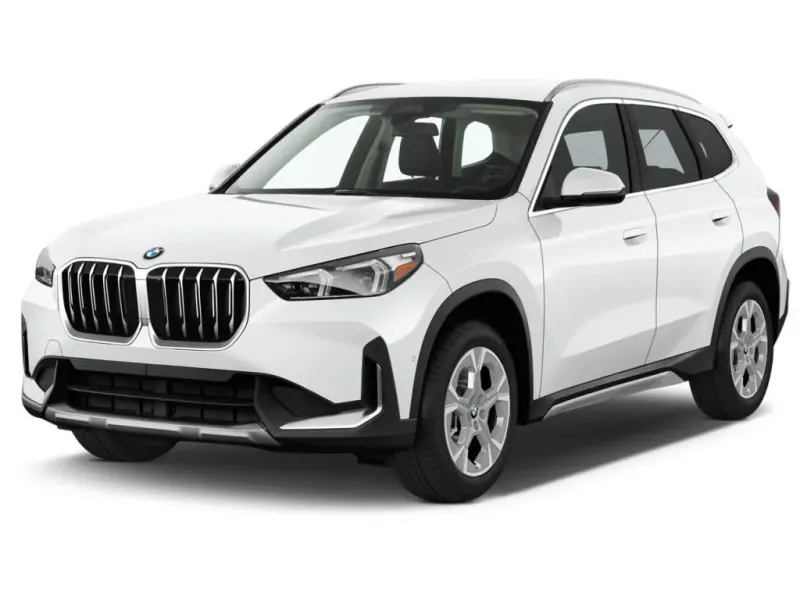
BMW X1
Score: 74/100

BMW X3
Score: 65/100
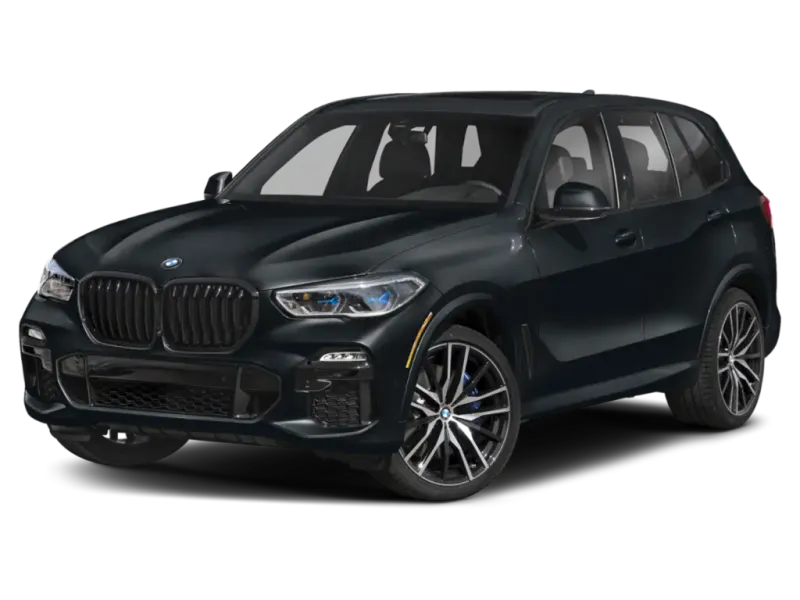
BMW X5
Score: 56/100
Browse More 2018 Vehicles
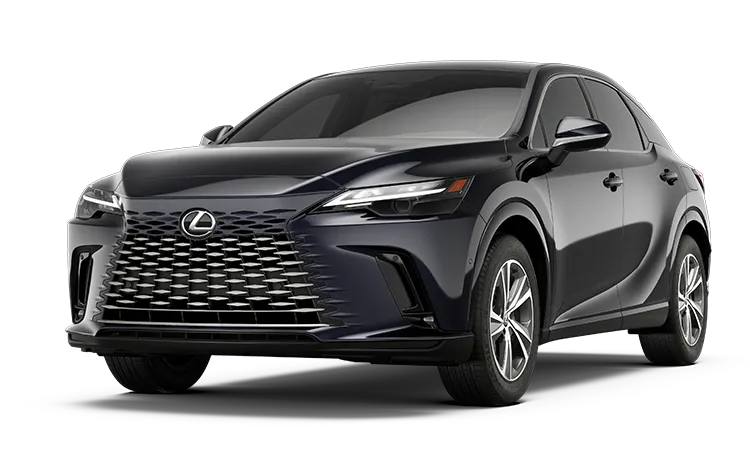
2018 Lexus RX
Score: 85/100
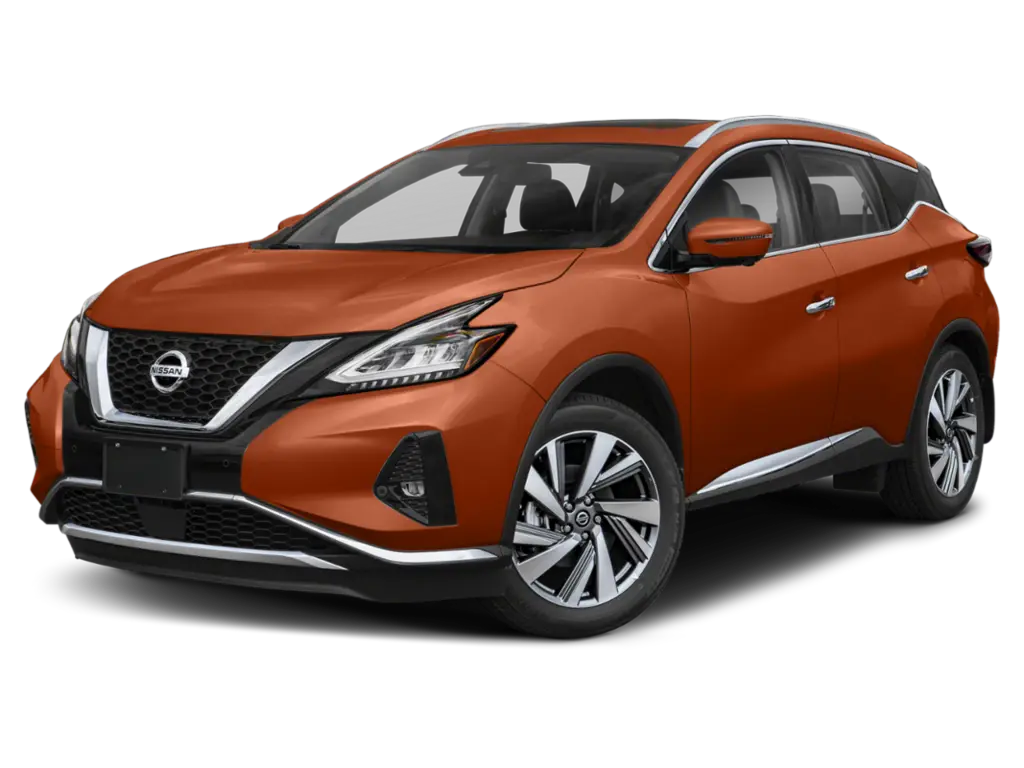
2018 Nissan Murano
Score: 82/100
2018 Lexus IS
Score: 81/100
2018 Lexus ES
Score: 80/100
2018 Toyota Corolla
Score: 80/100
2018 Buick Encore
Score: 80/100
See incorrect data? Report an issue