Last updated: 2026-10-10
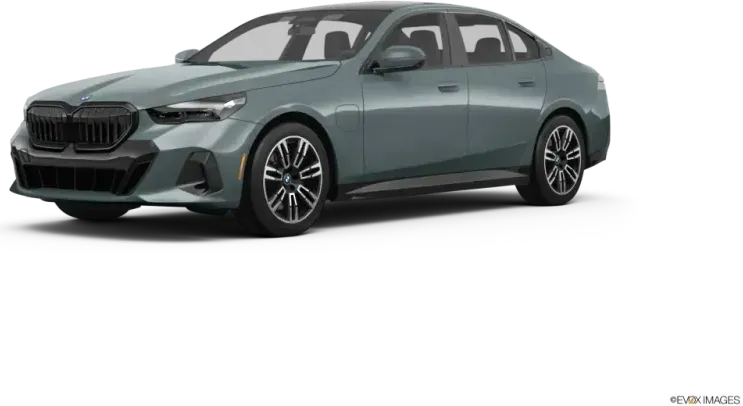
2023 BMW 5 Series Reliability Report
The 2023 BMW 5-Series has good reliability, close to the sedan average, but one owner reported a forward surge when braking.
Recalls
2
Complaints
7
Complaint Rate
3.1per 10,000 sold
Est. Repair Cost
$968
Annual Fuel Cost
$2,450–$4,050
Detailed Score Breakdown
Component-weighted complaints normalized by sales volume
Independent repair cost ratings
Recall count weighted by severity
Breadth of reported problem categories
The Verdict
Final year of the G30 generation, with good reliability, fewer complaints and recalls than 2022, and one report of forward surge under braking.
Top Issues to Watch
- STRUCTURE (2)
- TIRES (1)
- SERVICE BRAKES (1)
Generation & Refresh (US)
2023 is the last model year of the Seventh generation (G30).
- Final-year models are typically the most refined version of a generation.
- 3 years after the last refresh (2020).
- 7th generation 5 Series (US).
What this means for buyers
Final-year models are usually the most polished version of a generation, but resale value may dip as buyers anticipate the next redesign.
2017: Seventh generation (G30) Launch
Generation start — new platform.
2020: Mid-Cycle Refresh
Updated features and styling tweaks.
2023: This Model Year
2023 is the last model year of the Seventh generation (G30).
Should You Buy the 2023 BMW 5 Series?
Reliability is good for this final year of the G30 generation. It sits close to average among 2023 sedans and ranks among the stronger 5-Series model years. The 2022 model rates about the same, but it drew more complaints and one more recall.
Owners filed only seven complaints, so no firm pattern shows yet. The most serious describes the car surging forward when the brake pedal is pressed. That owner reported a crash at very low speed into a neighbor's property, and an earlier surge on a downhill stretch that was controlled by pumping the brake. The other structure complaint is minor by comparison: the front license plate holder came off the bumper while parked and damaged it. No mileages were given. Two complaints involved crashes, and one involved an injury. Federal recall records list two recalls, covering the electrical system and the power train.
Run the VIN through federal recall records and confirm both recalls were completed. Ask the seller for any repair history tied to braking or unexpected acceleration. The 2022 model is a fair alternative, though it has more recalls.
Compared to the 2025 BMW 5 Series, which scored 1 points higher. See also the 2022 BMW 5 Series for an earlier comparison.
Pros
- +Acceptable reliability score
- +Low recall count
- +Below-average complaint rate for Sedan
- +Well-established generation
Cons
- −STRUCTURE: Car surges forward when the brake pedal is pressed, according to one of the 2... (2 complaints)
Compare 2023 BMW 5 Series With
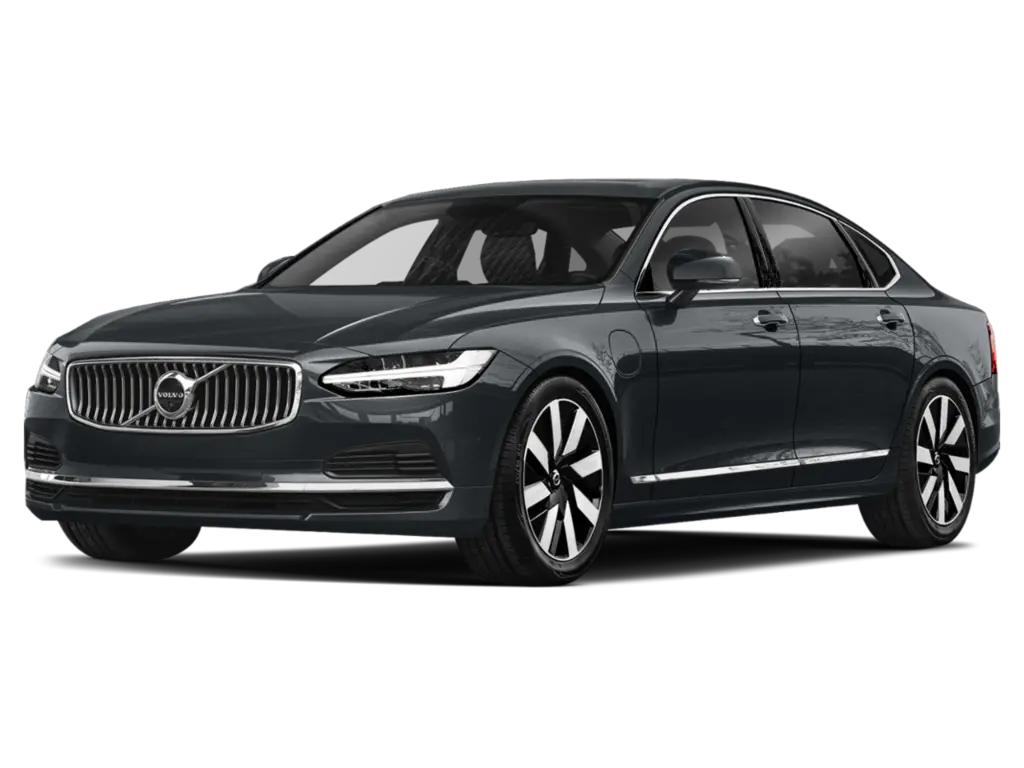
2023 Volvo S90
Reliability: 65/100
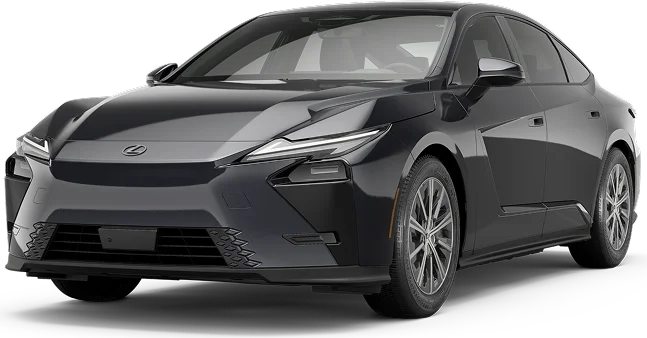
2023 Lexus ES
Reliability: 80/100

2023 Land Rover Range Rover Sport
Reliability: 52/100
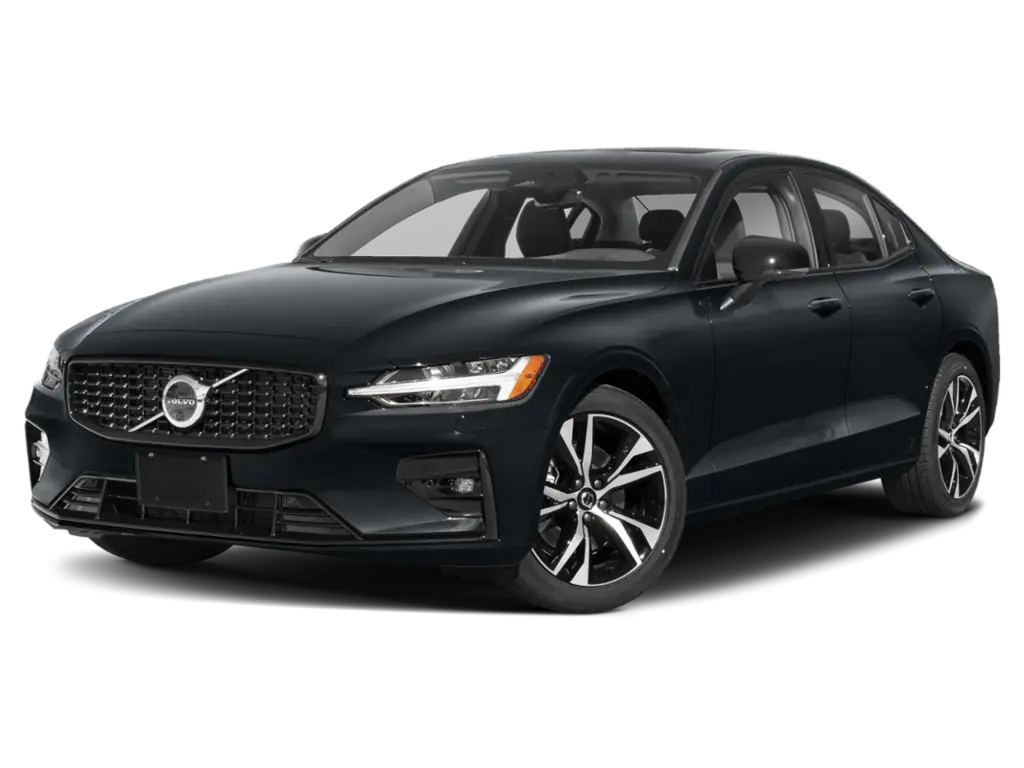
2023 Volvo S60
Reliability: 70/100
Common Problem Categories
Safety
LOW RISK- 2 manufacturer recalls issued
Other
HIGH RISK- STRUCTURE (2)
- TIRES (1)
Recall Overview
2
recalls on record
The 2023 BMW 5 Series carries 2 recalls — a low count. Authorized dealers repair any open recall free of charge, regardless of warranty status.
NHTSA.gov →Complaint Breakdown
3.1
per 10,000 soldSegment avg: 14.4
Safety Incidents
2
Crashes
0
Fires
1
Injuries
0
Deaths
Data sourced from NHTSA complaint filings and manufacturer recall notices. Complaint narratives are owner-reported.
2023 BMW 5 Series Recall Details
2 recalls have been issued for the 2023 BMW 5 Series. All recall repairs are performed free of charge at authorized dealerships.
ELECTRICAL SYSTEM
BMW of North America, LLC (BMW) is recalling certain 2021-2023 Toyota Supra, 2022-2023 2 Series Coupe, 2021-2024 5 Series (xDrive), 2021-2022 Z4, 2022-2024 4 Series (Gran Coupe), 2021-2024 4 Series (Convertible and xDrive Convertible), 2021-2023 4 Series (Coupe), 2021-2024 3 Series, 2021-2023 X4, 2021-2024 X3 vehicles. Please see the recall report for a complete list of all models. The engine starter may overheat and catch fire due to wear on an internal component.
Consequence
Fire increases the risk of injury.
Remedy
Dealers will replace the engine starter, free of charge. Owner notification letters are expected to be mailed March 24, 2026. Owners may contact BMW customer service at 1-800-525-7417 or Toyota's customer service at 1-800-331-4331. Vehicle Identification Numbers (VINs) involved in this recall will be searchable on NHTSA.gov beginning March 24, 2026.
POWER TRAIN
BMW of North America, LLC (BMW) is recalling certain 2023 Toyota GR Supra, 3 Series Sedan (330i xDrive, M340i xDrive, M3), 5 Series Sedan (530i, 530i xDrive, M5), 4 Series Gran Coupe (430i, 430i xDrive), 4 Series Coupe (430i, 430i xDrive, M440i xDrive), 4 Series Convertible (430i, 430i xDrive, M440i xDrive), 8 Series Coupe (840i, M850i xDrive, M8), 8 Series Convertible (840i, M850i xDrive, M8), 8 Series Gran Coupe (850i xDrive, M8), X3 SAV (X3 xDrive30i, X3M), X4 SAV (X4 xDrive30i), X5 SAV (X5 xDrive40i, X5 M50i, X5M), X6 SAV (X6 xDrive40i, X6 M50i, X6M), and Z4 sDrive30i, Z4 M40i vehicles. The weld seam of the integrated transmission control unit's cover may not have been manufactured properly, which could allow automatic transmission oil to leak into the transmission control unit.
Consequence
Transmission oil that leaks into the control unit can lead to a seizure of the transmission gears, causing a sudden loss of drive power and increasing the risk of a crash.
Remedy
Dealers will replace the transmission mechatronics module and the automatic transmission fluid, as necessary, free of charge. Owner notification letters were mailed January 26, 2024. Owners may contact BMW customer service at 1-800-525-7417.
Buying a used 2023 BMW 5 Series? Check its history first
Structure problems lead owner complaints about the 2023 BMW 5 Series, and 2 recalls were issued for it. A VIN check shows whether this car's recall work was done, plus accident, title, and odometer history.
- Accidents
- Open Recalls
- Title History
- Odometer Rollback
2023 BMW 5 Series NHTSA Safety Ratings
Crash Test Results by Configuration (expand)
Gas / HEV Powertrain
Rollover risk: 0.0%
Safety Technologies
BMW 5 SeriesRepair Costs & Maintenance
Maintenance Rating
3Maintenance rating: 3 out of 5Based on NHTSA complaint patterns, recall severity, and publicly available cost benchmarks.
Est. Annual Maintenance
$968
Category-level averages derived from publicly available industry reports (AAA, CarMD). Model-level estimates produced by Auto Reliability Index.
2023 BMW 5 Series Example Repair Prices
National average price ranges for common repairs. These are not model-year-specific failure predictions.
| Repair | Estimated Cost |
|---|---|
| Crankshaft Position Sensor Replacement | $161 – $354 |
| Hood Release Cable Replacement | $257 – $331 |
| Window Regulator Replacement | $644 – $773 |
| Brake Light Switch Replacement | $121 – $157 |
| Body Control Module Replacement | $724 – $817 |
| Fuel Level Sending Unit Replacement | $1,780 – $1,845 |
| Wheel Speed Sensor Replacement | $237 – $279 |
| Powertrain Control Module Replacement | $544 – $594 |
| Heater Core Replacement | $1,741 – $2,421 |
| Fuel Evaporative Canister Replacement | $800 – $870 |
Estimates based on national average repair costs. Actual costs may vary by location and shop.
MPG & Annual Running Costs
Gas
17–28 MPG
Running cost: $3,400–$5,000/yr
Fuel + repair
15–25 city / 21–33 hwy MPG
Plug-in Hybrid
25–27 MPG
Running cost: $3,500–$3,700/yr
Fuel + repair
22–25 city / 28–32 hwy MPG
Running cost includes EPA fuel-cost estimate and independent repair-cost data (repair cost estimated at model level). Excludes routine maintenance, depreciation, and insurance. Data as of 2023 EPA label cycle.
Gas trims
| Trim | Drive | Trans. | City | Hwy | Comb | Fuel Cost |
|---|---|---|---|---|---|---|
| 530i Sedan 2.0L 4-cyl | Rear-Wheel Drive | Automatic (S8) | 25 | 33 | 28 | $2,450 |
| 530i xDrive Sedan 2.0L 4-cyl | All-Wheel Drive | Automatic (S8) | 23 | 32 | 26 | $2,650 |
| M550i xDrive Sedan 4.4L 8-cyl | All-Wheel Drive | Automatic (S8) | 17 | 25 | 20 | $3,450 |
| M5 Competition Sedan 4.4L 8-cyl | All-Wheel Drive | Automatic (S8) | 15 | 21 | 17 | $4,050 |
| M5 Sedan 4.4L 8-cyl | All-Wheel Drive | Automatic (S8) | 15 | 21 | 17 | $4,050 |
Plug-in Hybrid trims
| Trim | Drive | Trans. | City | Hwy | Comb | Fuel Cost |
|---|---|---|---|---|---|---|
| 530e Sedan 2.0L 4-cyl | Rear-Wheel Drive | Automatic (S8) | 24 | 29 | 26 | $2,650 |
| 530e xDrive Sedan 2.0L 4-cyl | All-Wheel Drive | Automatic (S8) | 22 | 28 | 25 | $2,750 |
Used Buying Checklist
Key things to inspect or verify before purchasing a 2023 BMW 5 Series.
In an empty lot, brake repeatedly at walking speed and confirm the car slows without surging forward.
On a downhill road, apply the brakes gently and firmly and watch for any unexpected acceleration.
Ask the seller about any episodes of the car accelerating while braking, and get dealer records for any related visits.
Tug lightly on the front license plate holder to confirm it sits firmly against the bumper.
Inspect the front bumper around the plate mount for cracks, broken clips, or signs of repair.
Run a vehicle history report and look for body shop repairs or crash damage.
2023 BMW 5 Series Common Problems by Component
7 owner complaints grouped by vehicle system.
STRUCTURE
2 complaintsSafety-relatedThe car surges forward when the brake pedal is pressed, according to one of the 2 complaints in this category. That report describes a crash at very low speed into a neighbor's property, and an earlier surge on a downhill stretch that the driver controlled by pumping the brake. The other complaint is unrelated. The front license plate holder comes off the bumper while the car is parked, with no outside force, and damages the bumper. The reports give no mileages. With only 2 filings, no broader pattern shows yet.
TIRES
1 complaintsize 19. I have had two tires fail in 3 months. Less than 3k miles on both. There was no road hazard but both tires blew out on the side.
SERVICE BRAKES
1 complaintSafety-relatedCar did not fully stop when brakes engaged. Caused collision with a wall. Mechanics are currently evaluating the braking system but it appears to be consistent with the brake recall issued for other 2023-4 BMW vehicles—loss of power brake assist or antilock brake to not function properly. (See National Highway Traffic Safety Administration Campaign Number 24V-104 reported on February 12, 2024).
VEHICLE SPEED CONTROL (1 complaints)
VEHICLE SPEED CONTROL
1 complaintI purchased a 2021 BMW 530e from a BMW dealership still under warranty. Upon driving the vehicle I have noticed that there is a significant jerk forward when the car shifts from first to second. I have owned multiple BMW vehicles in the past and none of them exhibited this condition, but the three times it has been at the dealership for service they state it is normal. This jerking or unintended acceleration for first to second gear has almost cost me to get into multiple accidents and had to hit the brakes to keep it from rear ending the vehicle in front. This jerking motion has also caused some pain in my neck and nauseous feeling due to the fact that I am not commanding the vehicle to go faster but it does on its own.
ELECTRICAL SYSTEM (1 complaints)
ELECTRICAL SYSTEM
1 complaintI am unknown of what system has failed but the issue is that while the car is in motion, it will completely shut off. All Electrical will disengage and there have been times where a pop up has come on my screen stating that air bags and seat belts are non functioning to get to a service station as soon as possible. It has happened multiple times while driving on a large highway. This is a severe safety issue and I am so thankful I have not suffered serious injuries due to a major accident. The vehicle is unsafe and I do not feel comfortable driving it with myself nor guest in the car.
BACK OVER PREVENTION (1 complaints)
BACK OVER PREVENTION
1 complaintThe rear cross tracking warning system does not provide an audible warning or apply brakes. The settings have been set, and verified with the dealer, including the most sensitive sensor level and loudest audio alert level. I have gone to two different dealers in Ohio and Florida and got the same response, “it works as designed”. My brother in law has a 2023 BMW 440i and has the same issue, with the same results with dealer responses. It’s a well known issue in the BMW community since 2019 models, yet the company doesn’t fix. Not only is it dangerous backing out of parking spaces etc., but it causes a lack of faith in the other critical safety features which you rely on, but cannot easily check; like adaptive cruise and forward collision features.
Best & Worst BMW 5 Series Years
Best BMW 5 Series Years to Buy
Based on reliability index score2023
(Current Model)
2022
2020
BMW 5 Series Years to Avoid
BMW 5 Series Reliability Score Trend
Scores 0–100. Higher is better. Current year highlighted.
| Year | Score | Rating |
|---|---|---|
| 2018 | 59/100 | Mixed |
| 2019 | 62/100 | Good |
| 2020 | 67/100 | Good |
| 2021 | 66/100 | Good |
| 2022 | 68/100 | Good |
| 2023 | 70/100 | Good |
| 2025 | 71/100 | Good |
| 2026 | 71/100 | Good |
BMW 5 Series Reliability Compared to Other Years
2023 BMW 5 Series Common Questions
10 questions from 2023 BMW 5 Series owners.
Ignition trouble
If i replace the ignition switch does that include the cylinder tumbler in it,it was thought possibly the cylinder tumbler might need replacing since key will only turn just a little A few days
When turning key car wont start or click on solenoid.
1996 BMW Z3. Is there a relay that controls the starter? all fuses are fine. I replaced the starter and car still wont start or click! Car won't start More than a week
Crank no start
I started my car the other morning and it was about 29° outside. When I started it there was a loud pop under the hood. The car kept running so I drove it about 40 miles. Later that afternoon I went to leave and it would crank but no start I went and bought a battery and it started so I went back home. It's been 3 weeks and it still won't start. Now it's a slow rough crank with no start More than a week
2006 BMW X3 3.0i Coolant leak
Coolant leak-even when car is not running. Have replaced the coolant reservoir, the mounting plate for the reservoir and radiator, the heater control valve and the oil cooler have been replaced. It’s still just dousing the coolant out. Not a drop leak more consistent stream. I’m at a loss for what to do. Leaks regardless of engine on or off A few days
Oil leaking
When driving car smokes on and off I was told it could be valve cover gasket it gas been sitting for 2 months and now is hard to start More than a month
Frequently Asked Questions
Is the 2023 BMW 5-Series reliable?
What are the most common problems with the 2023 BMW 5-Series?
Does the 2023 BMW 5-Series have brake or surging problems?
Has the 2023 BMW 5-Series been recalled?
Is the 2023 BMW 5-Series more reliable than the 2022?
Don’t buy a 2023 BMW 5 Series without checking its VIN first — hidden accidents, title issues, and open recalls could cost you thousands.
How we score the 2023 BMW 5 Series
Of the four inputs behind this score, the 2023 BMW 5 Series does best on recall impact (80/100) and worst on repair costs (60/100). Scores weight complaint severity at 35%, repair costs at 30%, recall impact at 20%, and the spread of complaints across systems at 15%, with complaint counts adjusted for US sales. Read the full methodology.
Get notified when new recalls or reliability data is added for the BMW 5 Series.
No spam. Only data updates for this model.
Browse More BMW Models
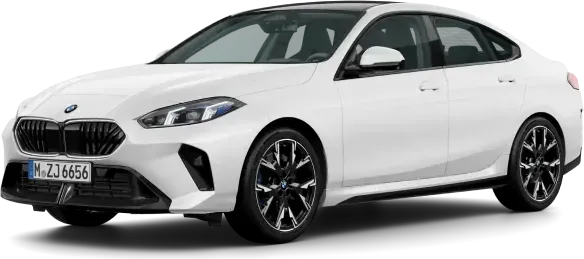
BMW 2 Series
Score: 70/100

BMW 3 Series
Score: 76/100
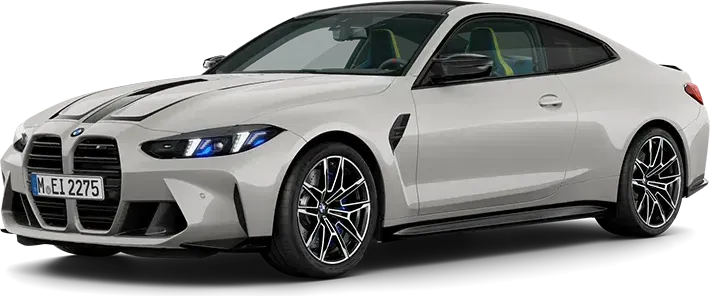
BMW 4 Series
Score: 64/100

BMW X1
Score: 74/100

BMW X3
Score: 65/100

BMW X5
Score: 56/100
Browse More 2023 Vehicles
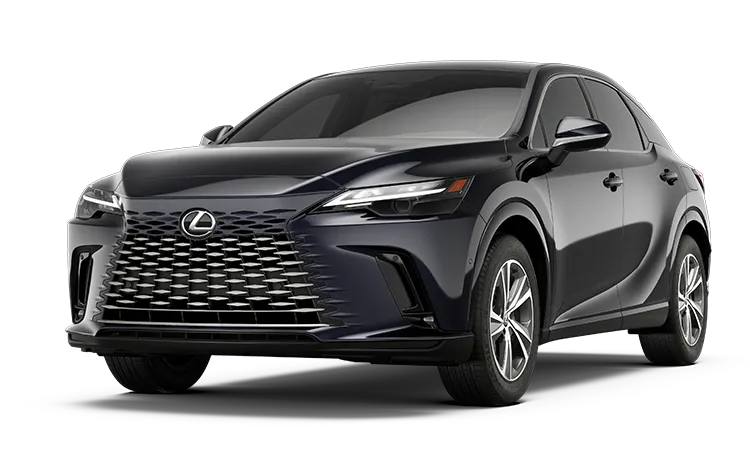
2023 Lexus RX
Score: 85/100
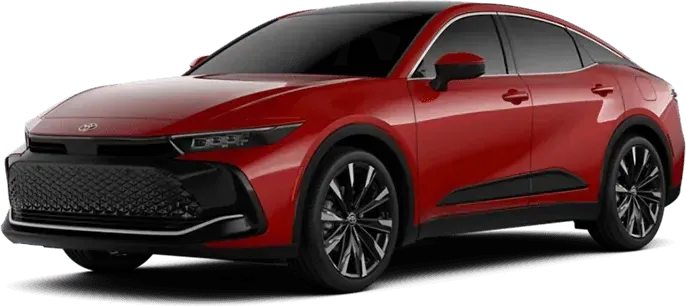
2023 Toyota Crown
Score: 84/100
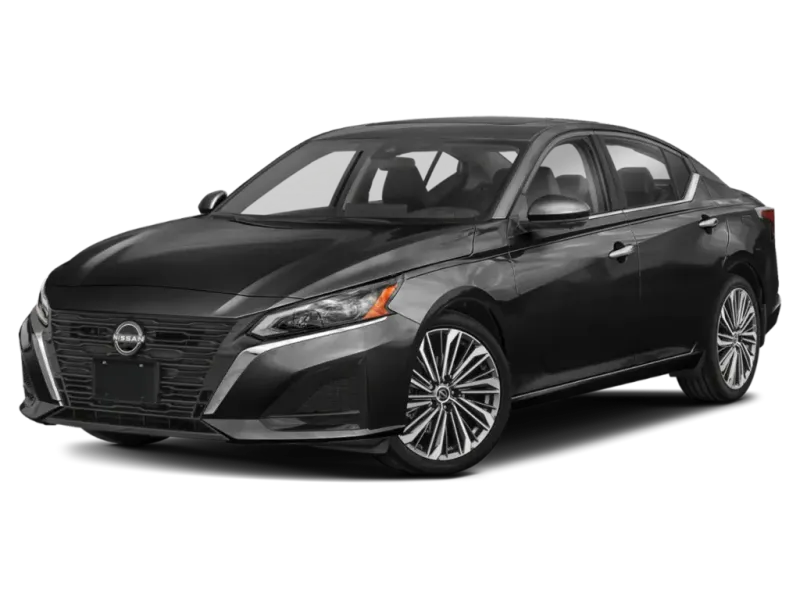
2023 Nissan Altima
Score: 84/100
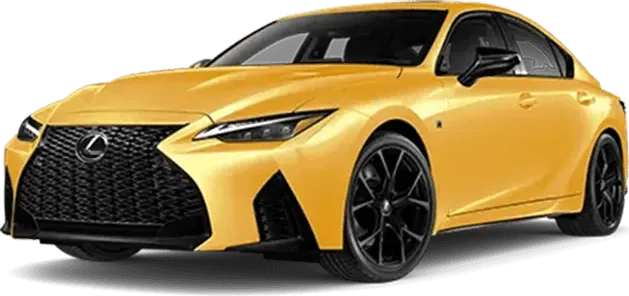
2023 Lexus IS
Score: 83/100
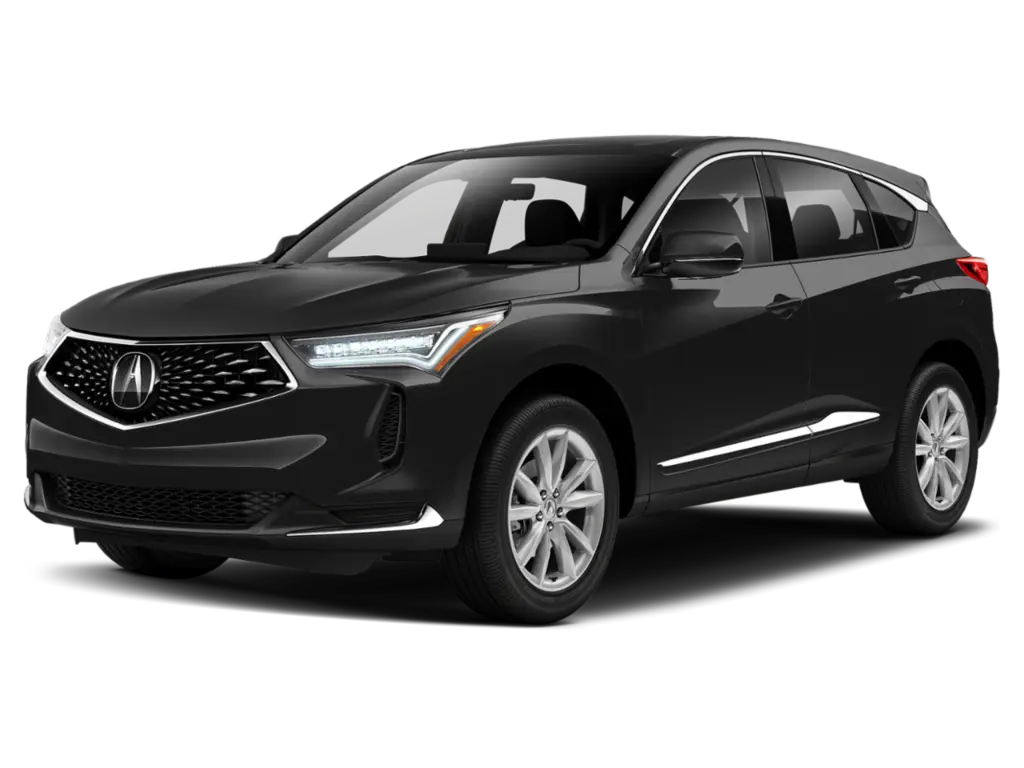
2023 Acura RDX
Score: 82/100
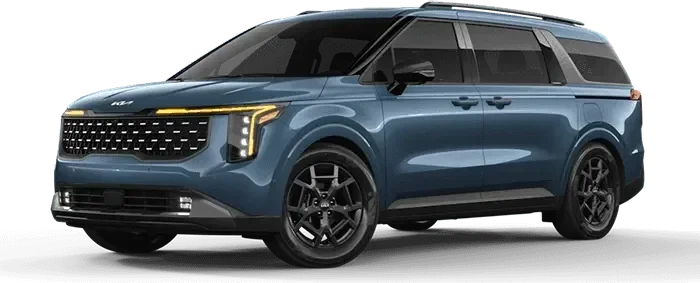
2023 Kia Carnival
Score: 82/100
See incorrect data? Report an issue