Last updated: 2026-10-10
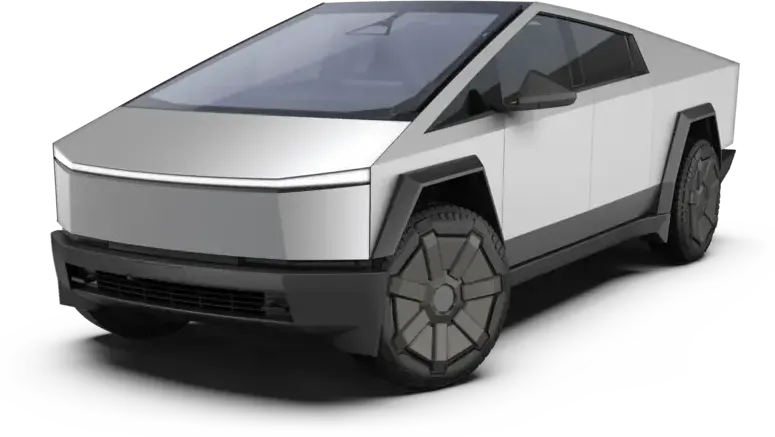
Tesla Cybertruck Years to Avoid
3 scored model years (2024–2026) · model average 59/100
Skip a 2024 if you can, mainly for loose stainless trim, doors that do not latch, and ten recalls. It is also the site's pick to buy, because it is the only year with two or more years on the road and a known record.
Verdict
- Avoid
- 2024 52/100
- Buy
- 2024 52/100
- Model average
- 59/100
Tesla Cybertruck Years to Avoid
These model years score significantly below the Tesla Cybertruck average of 59/100.
| # | Year | Score | Rating | Recalls | Complaints | Top Issue |
|---|---|---|---|---|---|---|
| 1 | 2024 | 52/100 | Mixed | 10 | 104 | Structure (28) |
Why These Years Should Be Avoided
2024 Tesla Cybertruck
Owners filed the most complaints here, led by body structure. Stainless trim above the doors can peel off and fly away at highway speeds. Doors swing open while driving or fail to latch. The single wiper quits, sometimes in rain, and charging can stop with no warning. Two fire reports are on file.
Top issues: Structure (28), Unknown Or Other (13), Visibility Wiper (12), Electrical System (10), Steering (10), Exterior Lighting (8)
View full 2024reliability report →What Are Common Tesla Cybertruck Problems?
STRUCTURE
30 complaintsMost reported in 2024, 2025
2024: Stainless steel trim above the doors and on the rear quarters comes loose and can fly off at highway speeds.
UNKNOWN OR OTHER
13 complaintsMost reported in 2024
2024: With Full Self-Driving active, the truck swerves into oncoming lanes, makes an illegal U-turn, or accelerates suddenly, and two of these reports involve crashes.
STEERING
12 complaintsMost reported in 2024, 2025
2024: Critical steering warnings appear while driving, often along with overheating or "loss of system redundancy" messages.
ELECTRICAL SYSTEM
12 complaintsMost reported in 2024, 2025
2024: Charging stops completely, at home and at Superchargers alike, when the power conversion system fails.
VISIBILITY/WIPER
12 complaintsMost reported in 2024
2024: The single windshield wiper stops working without warning, sometimes in the rain, and some blades and arms come off.
EXTERIOR LIGHTING
8 complaintsMost reported in 2024
2024: Snow and ice pack into the recessed headlights above the front bumper, so the beams fade until night driving becomes nearly impossible.
Best Tesla Cybertruck Year to Buy Instead
2024 Tesla Cybertruck
The 2024 is the only year that has been on the road at least two years, so its problems are well documented and you can check for them. The 2025 and 2026 years show far fewer complaints, but mostly because they have had less time to collect them. That is not proof they are better.
Found a Safe Year? Check the Specific Car
Even the 2024 Tesla Cybertruck has 10 recalls on file. A VIN check confirms the recall work on the exact car and shows its accident, title, and service history.
- Accidents
- Open Recalls
- Title History
- Odometer Rollback
All Tesla Cybertruck Years by Generation
Tesla Cybertruck Reliability Scores by Year
Frequently Asked Questions
Which Tesla Cybertruck year should I avoid?
Why is 2024 both a year to avoid and the year to buy?
Are the 2025 and 2026 Cybertrucks safe to buy?
Which Cybertruck years have trim or door problems?
Do 2024 Cybertrucks have fire concerns?
How we score every Tesla Cybertruck model year
Scores weight complaint severity at 35%, repair costs at 30%, recall impact at 20%, and the spread of complaints across systems at 15%, with complaint counts adjusted for US sales. Read the full methodology.
See incorrect data? Report an issue