Last updated: 2026-04-20
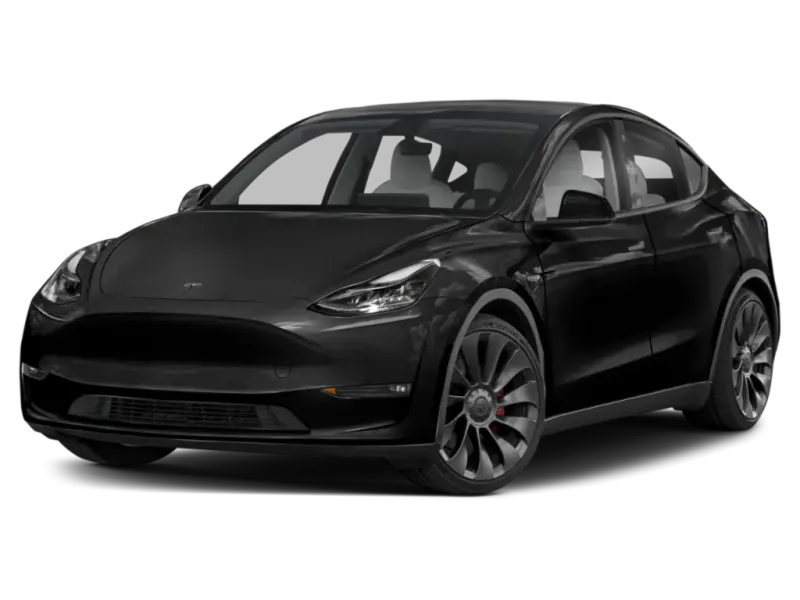
2018 Tesla Model 3 Reliability Report
The 2018 Tesla Model 3 scores 46/100 ("Mixed"). With 18 recalls and 951 owner complaints, buyers should proceed with caution.
Recalls
18
Complaints
951
Complaint Rate
67.8per 10,000 sold
Est. Repair Cost
$832
EV Range
260–310 mi
Detailed Score Breakdown
Component-weighted complaints normalized by sales volume
Independent repair cost ratings
Recall count weighted by severity
Breadth of reported problem categories
The Verdict
Mixed reliability — proceed with caution and budget for repairs.
Top Issues to Watch
- ELECTRICAL SYSTEM (139)
- SUSPENSION (128)
- AIR BAGS (111)
Generation & Refresh (US)
2018 is year 2 of the First generation.
- Redesigned for the 2017 model year.
- A refresh arrives in 2021.
- 1st generation Model 3 (US).
What this means for buyers
Year 2 is typically a safer pick than the first model year — early issues are more likely to be identified, but the platform is still new.
If you're comparing prices, check 2017 (redesign year) vs 2018+ pricing and recalls.
2017: First generation Launch
Generation start — new platform.
2018: This Model Year
2018 is year 2 of the First generation.
2021: Mid-Cycle Refresh
Updated features and styling tweaks.
Should You Buy the 2018 Tesla Model 3?
A 46/100 score puts the 2018 Tesla Model 3 in the "Mixed" tier. Buyers should approach with eyes open. 2018 is year 2 of the First generation.
Complaint volume sits above average at 951 owner complaints alongside 18 recalls. Issues in electrical system (139) tend to be the costly ones.
Treat an extended warranty as non-negotiable and put electrical system (139) at the top of the inspection checklist.
Compared to the 2019 Tesla Model 3, which scored 3 points higher.
Pros
- +5-star NHTSA crash rating
- +Not a first-year model
Cons
- −Below-average reliability score
- −Above-average recall count
- −Above-average complaint rate for Sedan
- −ELECTRICAL SYSTEM issues reported (139 complaints)
- −4 fire incidents reported in owner complaints
Compare 2018 Tesla Model 3 With
2018 Toyota Camry
Reliability: 65/100

2018 BMW 3-Series
Reliability: 65/100
2018 Ford Mustang
Reliability: 65/100
2018 Mercedes-Benz CLA
Reliability: 46/100
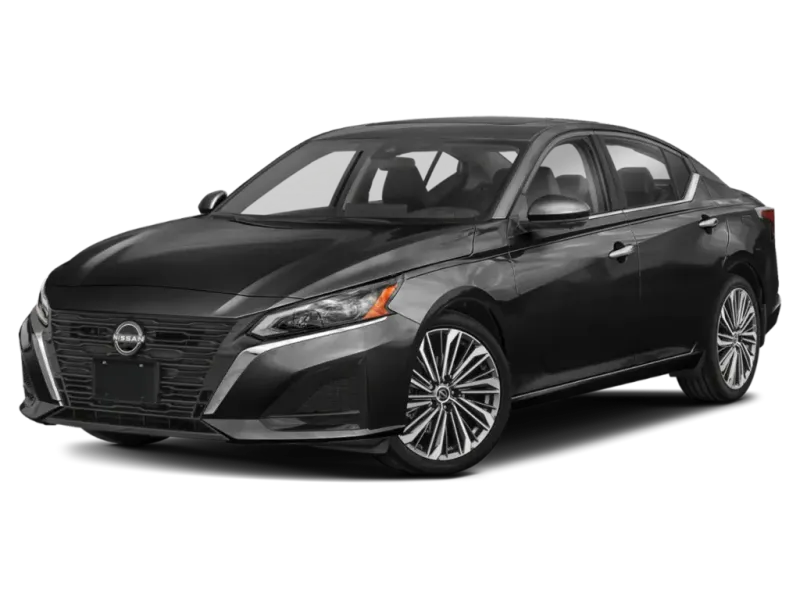
2018 Nissan Altima
Reliability: 76/100
Common Problem Categories
Safety
LOW RISK- 18 manufacturer recalls issued
Other
HIGH RISK- ELECTRICAL SYSTEM (139)
- SUSPENSION (128)
Recall Overview
18
recalls on record
The 2018 Tesla Model 3 has 18 recalls on record, which is above average. A high count can flag multiple component concerns, though it also shows the manufacturer is actively addressing known issues.
NHTSA.gov →Complaint Breakdown
67.8
per 10,000 soldSegment avg: 25.7
Safety Incidents
100
Crashes
4
Fires
40
Injuries
0
Deaths
NHTSA 5/5 Stars
Data sourced from NHTSA complaint filings and manufacturer recall notices. Complaint narratives are owner-reported.
2018 Tesla Model 3 Recall Details
18 recalls have been issued for the 2018 Tesla Model 3. All recall repairs are performed free of charge at authorized dealerships.
TIRES
Tesla, Inc. (Tesla) is recalling certain 2024 Cybertruck, 2017-2025 Model 3, and 2020-2025 Model Y vehicles. The tire pressure monitoring system (TPMS) warning light may not remain illuminated between drive cycles, failing to warn the driver of low tire pressure. As such, these vehicles fail to comply with the requirements of Federal Motor Vehicle Safety Standard number 138, "Tire Pressure Monitoring Systems."
Consequence
Driving with improperly inflated tires increases the risk of a crash.
Remedy
Tesla released an over-the-air (OTA) software update, free of charge. Owner notification letters were mailed February 15, 2025. Owners may contact Tesla customer service at 1-877-798-3752. Tesla's number for this recall is SB-24-00-018.
SEAT BELTS
Tesla, Inc. (Tesla) is recalling certain 2012-2024 Model S, 2015-2024 Model X, 2017-2023 Model 3, and 2020-2023 Model Y vehicles. In the event of an unbelted driver, the seat belt warning light and audible chime may not activate as intended. As such, these vehicles fail to comply with the requirements of Federal Motor Vehicle Safety Standard number 208, "Occupant Crash Protection."
Consequence
A seat belt warning system that fails to alert occupants of an unbelted seat belt can increase the risk of injury during a crash.
Remedy
Tesla will release an over-the-air (OTA) software update. Owner notification letters were mailed July 26, 2024. Owners may contact Tesla customer service at 1-877-798-3752. Tesla's number for this recall is SB-24-00-008.
FORWARD COLLISION AVOIDANCE, ELECTRICAL SYSTEM
Tesla, Inc. (Tesla) is recalling certain 2013, 2018-2021 Model S, 2020-2021 Model X, 2018-2022 Model 3, and 2020-2022 Model Y vehicles. A factory reset muted the Pedestrian Warning System (PWS) sounds. As such, these vehicles fail to comply with the requirements of Federal Motor Vehicle Safety Standard number 141, "Minimum Sound Requirements for Hybrid and Electric Vehicles."
Consequence
Pedestrians may be unaware of an approaching vehicle if the PWS sounds are muted, increasing the risk of a crash.
Remedy
Tesla released an over-the-air (OTA) software update, release 2023.44.30.14, free of charge. Owner notification letters were mailed April 27, 2024. Owners may contact Tesla customer service at 1-877-798-3752. Tesla's number for this recall is SB-24-00-006.
Showing 10 of 18 recalls. View all on NHTSA.gov →
18 recalls and a score of 46 — check any 2018 Tesla Model 3 before buying
With a below-average reliability score, a VIN check is especially important. Uncover hidden accidents, title problems, odometer rollbacks, and open recalls that data alone can't show you.
- Accidents
- Open Recalls
- Title History
- Odometer Rollback
2018 Tesla Model 3 NHTSA Safety Ratings
Overall Safety Rating
Crash Test Results by Configuration (expand)
Gas Powertrain
Rollover risk: 6.6%
Safety Technologies
Tesla Model 3Repair Costs & Maintenance
Maintenance Rating
2Maintenance rating: 2 out of 5Based on NHTSA complaint patterns, recall severity, and publicly available cost benchmarks.
Est. Annual Maintenance
$832
Category-level averages derived from publicly available industry reports (AAA, CarMD). Model-level estimates produced by Auto Reliability Index.
Tesla Model 3 Resale Value
The Tesla Model 3 is estimated to retain about 49.4% of its original value after 5 years, based on observed used-car listings.
This benchmark covers the Tesla Model 3 model overall and is not specific to the 2018 model year.
- Value Retained
- 49.4%
- Depreciation
- 50.6%
- Listings Analyzed
- 535
after 5 years
over the same period
U.S. used-car listings
Listings observed in . Actual resale value varies by trim, mileage, condition, and location.
Explore Tesla Model 3 depreciation and resale value on CarResaleValue.com2018 Tesla Model 3 Example Repair Prices
National average price ranges for common repairs. These are not model-year-specific failure predictions.
| Repair | Estimated Cost |
|---|---|
| Tire Pressure Monitor Lamp Diagnosis | $122 – $179 |
| General Diagnosis | $122 – $179 |
| Noise Diagnosis | $122 – $179 |
| Vibration Diagnosis | $122 – $179 |
| No Start Diagnosis | $122 – $179 |
| Pre-Purchase Car Inspection | $183 – $269 |
| Engine Oil Light Diagnosis | $122 – $179 |
| Check Engine Light Diagnosis & Testing | $122 – $179 |
| AC Diagnosis | $122 – $179 |
| Air Conditioning System Leak Inspection | $122 – $179 |
Estimates based on national average repair costs. Actual costs may vary by location and shop.
MPG & Annual Running Costs
Electric
260–310 mi range
Fuel cost: $600–$650/yr
Fuel only
25.878–28.946 kWh/100mi · 10 hrs @ 240V
Based on EPA fuel-cost estimates. Excludes routine maintenance, depreciation, and insurance. Data as of 2018 EPA label cycle.
Electric trims
| Trim | Drive | Trans. | Range | kWh/100mi | Fuel Cost |
|---|---|---|---|---|---|
| Model 3 Long Range | Rear-Wheel Drive | Automatic (A1) | 310 mi | 25.9 | $600 |
| Model 3 Mid Range | Rear-Wheel Drive | Automatic (A1) | 260 mi | 27.5 | $600 |
| Model 3 Long Range AWD | All-Wheel Drive | Automatic (A1) | 310 mi | 28.9 | $650 |
| Model 3 Long Range AWD Performance | All-Wheel Drive | Automatic (A1) | 310 mi | 28.9 | $650 |
Used Buying Checklist
Key things to inspect or verify before purchasing a 2018 Tesla Model 3.
Inspect suspension for noise and wear, especially control arms
Check for airbag system alerts on the dashboard
Test for unexpected braking during Autopilot or FSD use
Verify power conversion system functionality and charging ability
Examine brake lines for rust and potential leaks
Ensure seat belts lock properly during sudden stops
Test steering for smooth operation and absence of locking
2018 Tesla Model 3 Common Problems by Component
951 owner complaints grouped by vehicle system.
ELECTRICAL SYSTEM
139 complaintsSafety-relatedOwners report frequent issues with the electrical system of the 2018 Tesla Model 3, notably involving the center display going blank and the failure of the Full Self-Driving system, which can lead to a loss of critical driving information and safety features like Blind Spot Monitoring and Lane Departure Warning. Complaints often describe symptoms such as the vehicle's primary computer rebooting during high electrical load, loss of camera feeds, and sudden uncommanded acceleration. These issues sometimes occur after software updates or when multiple electrical systems are in use, such as HVAC and seat heaters. Safety implications are significant, with 11 complaints involving crashes and 4 reporting injuries, highlighting potential risks of loss of control and situational awareness. Buyers should be aware that these problems are reported across various mileages, with some incidents occurring well after 50,000 miles.
SUSPENSION
128 complaintsSafety-relatedOwners of the 2018 Tesla Model 3 frequently report issues with the suspension system, particularly involving the control arms and lateral links. Common symptoms include loud noises such as grinding, squeaking, or clanking, often noticeable during turning or when driving over bumps. These problems often arise around 30,000 to 60,000 miles, with some complaints noting premature wear or loose components. Safety implications are significant, with some owners reporting crashes and one injury due to suspension failures leading to loss of vehicle control. Buyers should be aware of potential repair costs and the possibility of unresolved safety concerns, particularly if purchasing a vehicle that has not been subject to a recall for these issues.
AIR BAGS
111 complaintsSafety-relatedOwners report that the 2018 Tesla Model 3 frequently experiences issues with the safety restraint system, particularly involving the passenger seat's Occupant Classification System (OCS) and associated wiring. Common symptoms include dashboard alerts such as "Front passenger safety restraint system issue" and "Front left safety restraint system fault," which can disable the airbag system. These problems are often attributed to faulty wiring or sensor malfunctions, with multiple reports indicating the issue arises around 50,000 miles. Safety implications are significant, as 13 complaints involve crashes, and 8 report injuries, with some owners noting the airbags failed to deploy during collisions. Used car buyers should be aware that repairs for these issues are typically not covered under warranty and can be costly.
UNKNOWN OR OTHER (106 complaints)
UNKNOWN OR OTHER
106 complaintsSafety-relatedOwners of the 2018 Tesla Model 3 frequently report issues related to software updates and their impact on vehicle functionality, including failures in PTC heating and audio systems. Complaints often describe problems with the horn, which sometimes fails entirely, and rear door manual release mechanisms, posing a safety risk during power loss. Several reports involve the vehicle's autonomous features, such as sudden deceleration on autopilot and crashes during automated driving. Safety implications are noted, with incidents involving crashes and injuries, and two reports of fires. These issues typically emerge after software updates or over time, with some owners mentioning recurring problems despite previous fixes.
FORWARD COLLISION AVOIDANCE (88 complaints)
FORWARD COLLISION AVOIDANCE
88 complaintsSafety-relatedOwners of the 2018 Tesla Model 3 frequently report issues with the forward collision avoidance system, particularly related to the Autopilot and Full Self-Driving features. Common symptoms include phantom braking, where the vehicle brakes abruptly without any apparent obstacle, and failure to detect vehicles or obstacles, leading to crashes. Multiple reports involve crashes, with some incidents resulting in injuries, often occurring when the vehicle fails to follow road lines or unexpectedly changes lanes. Complaints often mention these issues at highway speeds and during specific driving conditions like curves or when approaching overpasses. Many reports indicate these problems arise at various mileage points, with some occurring as early as 27,000 miles. Buyers should be aware of the potential for sudden braking and lane-following errors that could impact safety.
STEERING (71 complaints)
STEERING
71 complaintsSafety-relatedOwners report frequent issues with the steering system of the 2018 Tesla Model 3, particularly involving sudden loss of power steering assist and control arm failures. Symptoms typically include difficulty turning the steering wheel, grinding noises, and creaking sounds from the suspension, with some incidents leading to complete steering lock-up. These issues often arise around the 40,000 to 50,000-mile mark. Safety implications are significant, with six complaints involving crashes and one reported injury, highlighting the potential for loss of control. Prospective buyers should be aware of these patterns and the potential for costly repairs if these issues manifest.
VEHICLE SPEED CONTROL (60 complaints)
VEHICLE SPEED CONTROL
60 complaintsSafety-relatedOwners of the 2018 Tesla Model 3 frequently report issues with vehicle speed control, particularly involving unexpected and aggressive braking, often referred to as "phantom braking." Complaints describe occurrences both with cruise control and Full Self Driving (FSD) features engaged, where the car brakes suddenly without clear obstacles, sometimes interpreting shadows or road imperfections as hazards. This issue is noted across various speeds and conditions, with some reports involving crashes and injuries. Mileage at which these issues occur varies, but some reports mention incidents occurring as early as 16,600 miles. Safety implications are significant, with multiple reports of crashes and near-misses due to sudden braking, highlighting a potential risk for buyers considering this model.
SERVICE BRAKES (51 complaints)
SERVICE BRAKES
51 complaintsSafety-relatedOwners of the 2018 Tesla Model 3 frequently report issues with the service brakes, particularly involving unexpected braking when using Autopilot or Full Self-Driving features. Complaints often describe the vehicle braking suddenly without visible obstacles, a phenomenon sometimes referred to as "phantom braking." Additionally, several owners mention significant rust and corrosion in brake lines, leading to brake fluid leaks and, in some cases, complete brake failure. These issues are reported across various mileage ranges, with some vehicles experiencing problems as early as 107,000 miles. Safety implications are notable, with seven crashes and two injuries reported in connection to these brake issues. Buyers considering a used 2018 Tesla Model 3 should be aware of these potential braking system concerns.
STRUCTURE (38 complaints)
STRUCTURE
38 complaintsSafety-relatedOwners of the 2018 Tesla Model 3 frequently report issues with door handles, specifically the peeling of chrome plating, which creates sharp edges that can cause injuries. Complaints also commonly describe problems with the rear doors lacking manual release mechanisms, potentially trapping passengers in emergencies. Additionally, several owners report structural issues such as undercarriage components detaching, particularly in wet conditions, and rear bumpers falling off, which may pose safety risks to other road users. These issues are noted at various mileages, with some occurring as early as 30,000 miles. Safety implications are underscored by reports of crashes and injuries related to these structural problems.
POWER TRAIN (24 complaints)
POWER TRAIN
24 complaintsSafety-relatedOwners report several recurring issues with the 2018 Tesla Model 3's power train. Complaints frequently mention sudden unintended acceleration, with incidents occurring during low-speed maneuvers like parking or while stopped, occasionally leading to crashes. Some owners describe power reduction modes due to battery management system failures, often linked with coolant leaks or PTC heater failures, which can leave the vehicle unresponsive and unable to start. These issues typically arise around the 17,000 to 63,000-mile range. Safety implications are noted, including crashes and one reported fire, underscoring potential risks of loss of control or thermal events. This information is crucial for used car buyers considering the reliability and safety of the vehicle.
When Do 2018 Tesla Model 3 Problems Start?
Based on owner complaint patterns, here's when common issues tend to appear.
Best & Worst Tesla Model 3 Years
Comprehensive reliability analysis based on NHTSA data, owner complaints, and historical performance.
Best Tesla Model 3 Years to Buy
Based on reliability index scoreThe best Tesla Model 3 year is 2025 with a reliability score of 67/100, rated good. Other strong picks include 2024 (62/100) and 2026 (59/100).
Tesla Model 3 Years to Avoid
The worst Tesla Model 3 year is 2018 with a score of 46/100, primarily due to electrical system (139) issues. Also avoid 2021 (48/100).
2018
(Current Model)
2021
Tesla Model 3 Reliability Score Trend
Tesla Model 3 reliability has improved in recent years, with newer models scoring an average of 59/100 compared to 49/100 for older years.
Scores 0–100. Higher is better. Current year highlighted.
| Year | Score | Rating |
|---|---|---|
| 2018 | 46/100 | Mixed |
| 2019 | 49/100 | Mixed |
| 2020 | 54/100 | Mixed |
| 2021 | 48/100 | Mixed |
| 2022 | 50/100 | Mixed |
| 2023 | 57/100 | Mixed |
| 2024 | 62/100 | Good |
| 2025 | 67/100 | Good |
| 2026 | 59/100 | Mixed |
Tesla Model 3 Reliability Compared to Other Years
2018 Tesla Model 3 Common Questions
1 question from 2018 Tesla Model 3 owners.
Can you tell me if you can switch the 3 antennas in your old side mirrors to your new side mirrors that don't come with them?
2018 Tesla model 3 Can you tell me if you can switch the 3 antennas in your old side mirrors to your new side mirrors that don't come with them? Comes with blue connector but not the 2 antenna connectors in the RH mirror and the 1 antennas connector in the LH mirror. Wanting to use these antennas on new mirror. Are they easy to switch to new mirrors that do not come with the antennas?
Frequently Asked Questions
Is the 2018 Tesla Model 3 reliable?
What are the most common problems with the 2018 Tesla Model 3?
How many recalls does the 2018 Tesla Model 3 have?
Is the 2018 Tesla Model 3 expensive to maintain?
Don’t buy a 2018 Tesla Model 3 without checking its VIN first — hidden accidents, title issues, and open recalls could cost you thousands.
How We Calculate Reliability Scores
Auto Reliability Index scores are calculated on a 0–100 scale using a weighted formula that combines multiple public data sources. Each factor is weighted based on its predictive value for real-world ownership experience.
Key Ranking Factors
Complaint Severity
NHTSA owner complaints weighted by component category (e.g., powertrain, safety systems, electronics, cosmetic) — safety-critical issues carry more weight than cosmetic ones. Adjusted for sales volume so high-volume models aren't unfairly penalized.
Repair Costs
Independent reliability ratings based on repair frequency, average repair costs, and severity of typical repairs for each model.
Recall Impact
Number of NHTSA recalls weighted by severity. “Stop driving” and fire-risk recalls are penalized more heavily than minor software or labeling recalls.
Issue Diversity
Measures how many major vehicle systems (engine, transmission, electrical, braking, etc.) have recorded complaints. A vehicle with issues spread across many systems may indicate systemic quality issues.
Scores are grouped into four tiers:
- 80–100: Excellent— Top-tier reliability, minimal issues
- 60–79: Good— Reliable with some minor concerns
- 40–59: Mixed— Notable issues, research before buying
- 0–39: Risky— Significant problems, proceed with caution
Data is sourced from NHTSA recall records, owner complaint filings, and independent repair databases via vehicles.dev. Scores are recalculated as new data becomes available. While the weighting model is proprietary, all underlying data sources are public and traceable.
Get notified when new recalls or reliability data is added for the Tesla Model 3.
No spam. Only data updates for this model.
Browse More Tesla Models
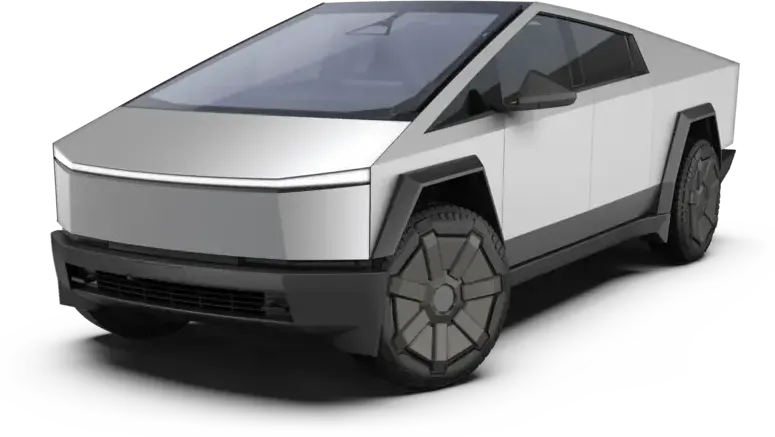
Tesla Cybertruck
Score: 59/100
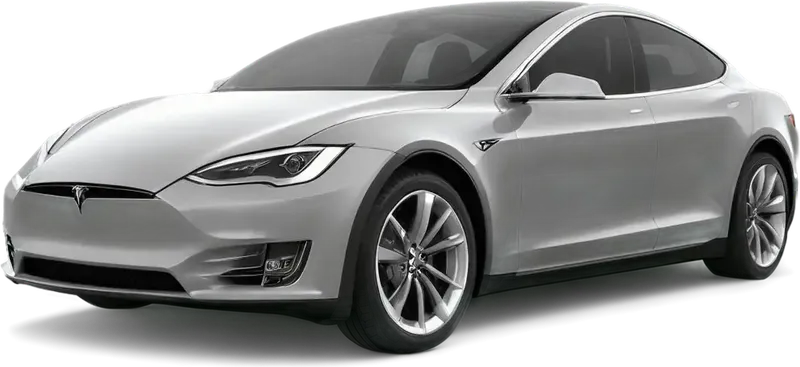
Tesla Model S
Score: 50/100
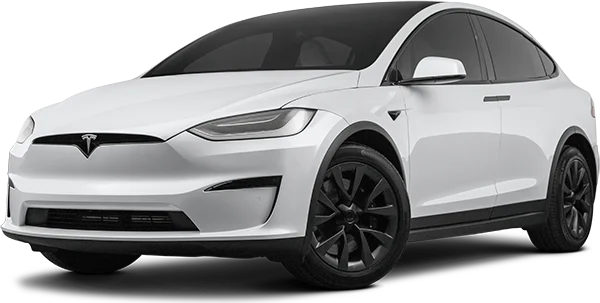
Tesla Model X
Score: 66/100
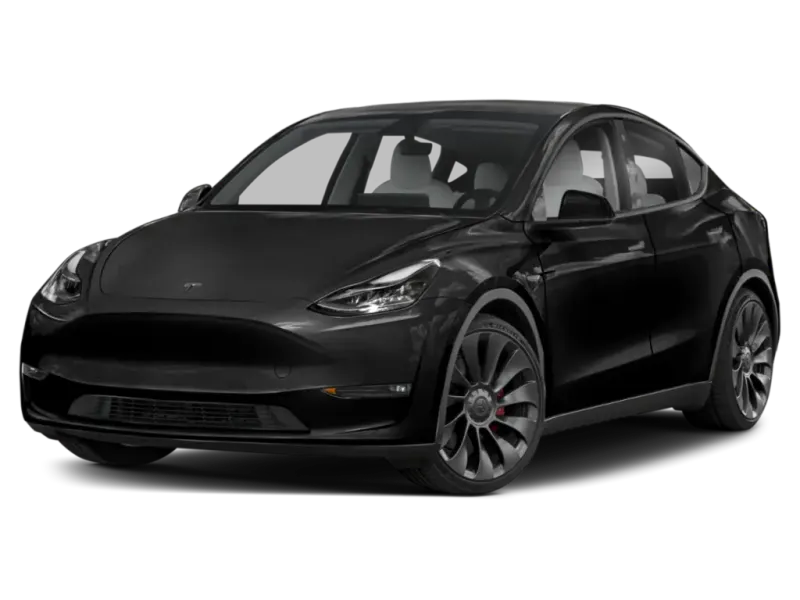
Tesla Model Y
Score: 70/100
Browse More 2018 Vehicles
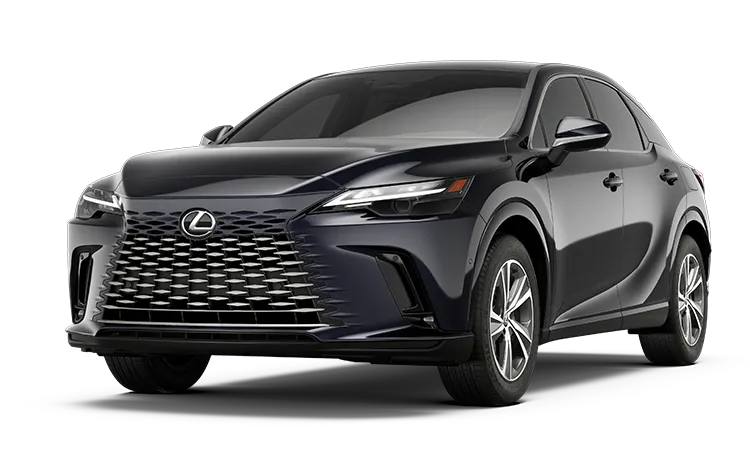
2018 Lexus RX
Score: 85/100
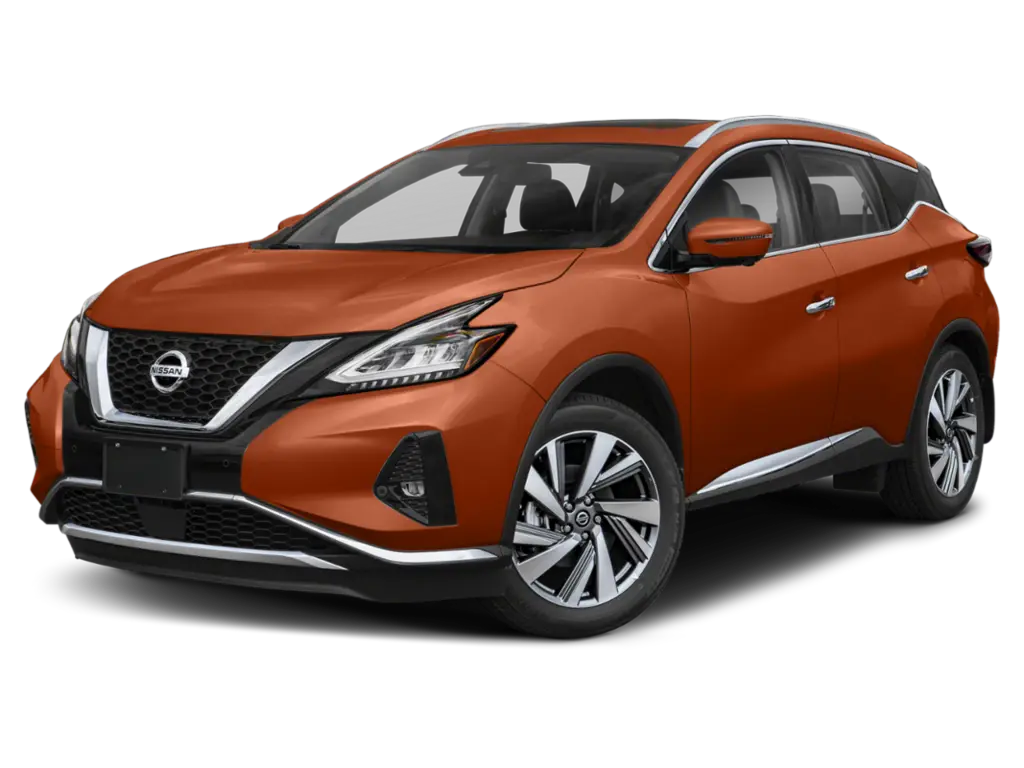
2018 Nissan Murano
Score: 82/100
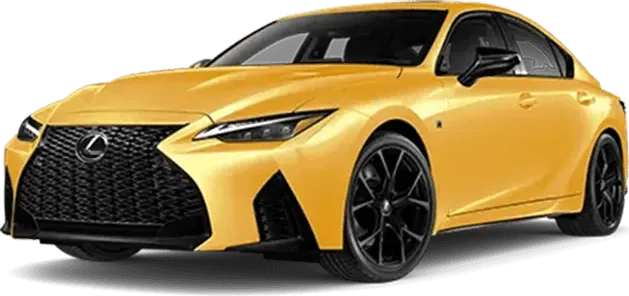
2018 Lexus IS
Score: 81/100
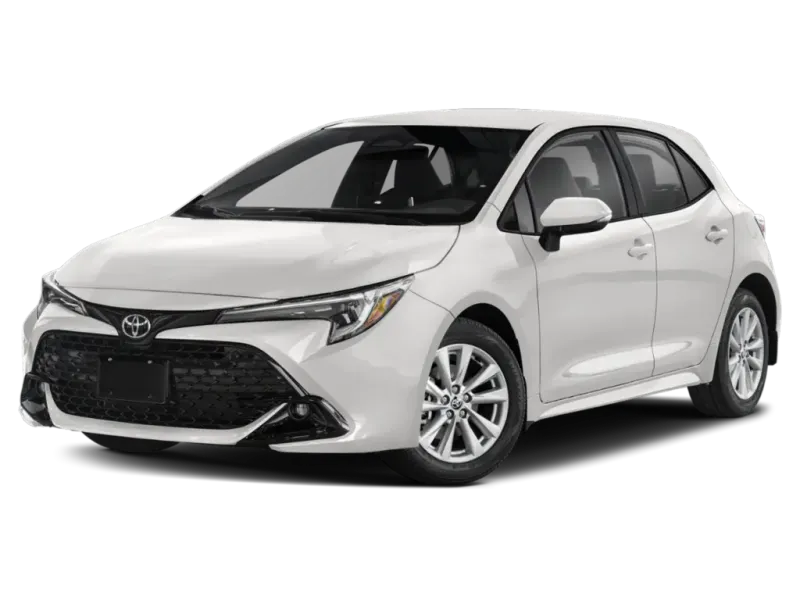
2018 Toyota Corolla
Score: 80/100
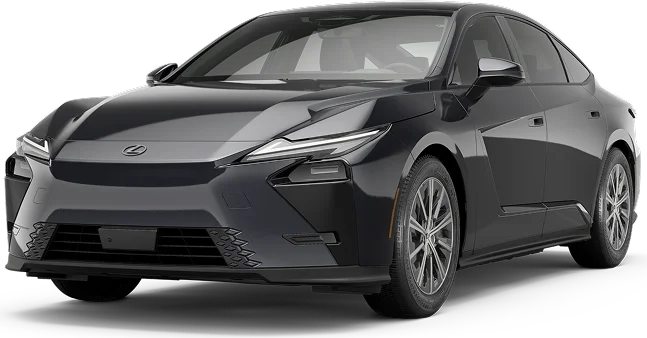
2018 Lexus ES
Score: 80/100
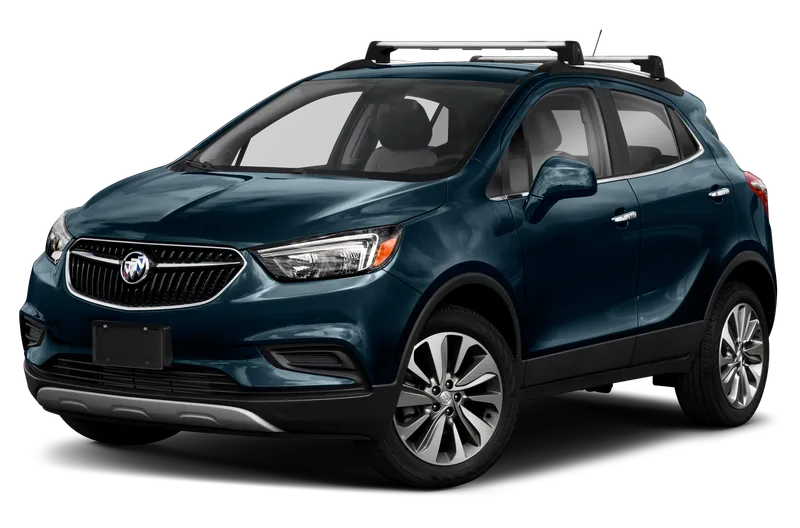
2018 Buick Encore
Score: 80/100
See incorrect data? Report an issue