Last updated: 2026-04-20
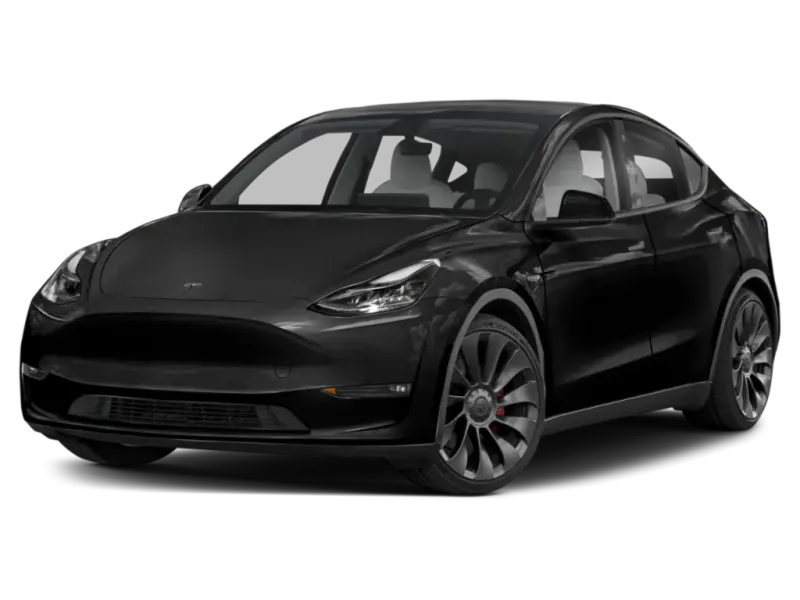
2022 Tesla Model 3 Reliability Report
The 2022 Tesla Model 3 scores 50/100 ("Mixed"). With 16 recalls and 729 owner complaints, buyers should proceed with caution.
Recalls
16
Complaints
729
Complaint Rate
37.3per 10,000 sold
Est. Repair Cost
$832
EV Range
272–358 mi
Detailed Score Breakdown
Component-weighted complaints normalized by sales volume
Independent repair cost ratings
Recall count weighted by severity
Breadth of reported problem categories
The Verdict
Mixed reliability — proceed with caution and budget for repairs.
Top Issues to Watch
- FORWARD COLLISION AVOIDANCE (275)
- VEHICLE SPEED CONTROL (153)
- SERVICE BRAKES (91)
Generation & Refresh (US)
2022 is 1 year after the 2020 styling changes refresh.
- Year 6 in the First generation (2017–2023).
- Well-established in its generation — most early issues should be resolved.
- 1st generation Model 3 (US).
What this means for buyers
Post-refresh years tend to be among the most refined — updates have been applied and early kinks worked out.
2017: First generation Launch
Generation start — new platform.
2021: Mid-Cycle Refresh
Updated features and styling tweaks.
2022: This Model Year
2022 is 1 year after the 2020 styling changes refresh.
Should You Buy the 2022 Tesla Model 3?
A 50/100 score puts the 2022 Tesla Model 3 in the "Mixed" tier. Buyers should approach with eyes open. 2022 is 1 year after the 2020 styling changes refresh.
Complaint volume sits above average at 729 owner complaints alongside 16 recalls. Issues in forward collision avoidance (275) tend to be the costly ones.
Treat an extended warranty as non-negotiable and put forward collision avoidance (275) at the top of the inspection checklist.
Compared to the 2023 Tesla Model 3, which scored 7 points higher. See also the 2021 Tesla Model 3 for an earlier comparison.
Pros
- +5-star NHTSA crash rating
- +Well-established generation
Cons
- −Below-average reliability score
- −Above-average recall count
- −Above-average complaint rate for Sedan
- −FORWARD COLLISION AVOIDANCE: Phantom braking and overly sensitive collision warnings (275 complaints)
- −1 fatality report in owner complaints
- −3 fire incidents reported in owner complaints
Compare 2022 Tesla Model 3 With
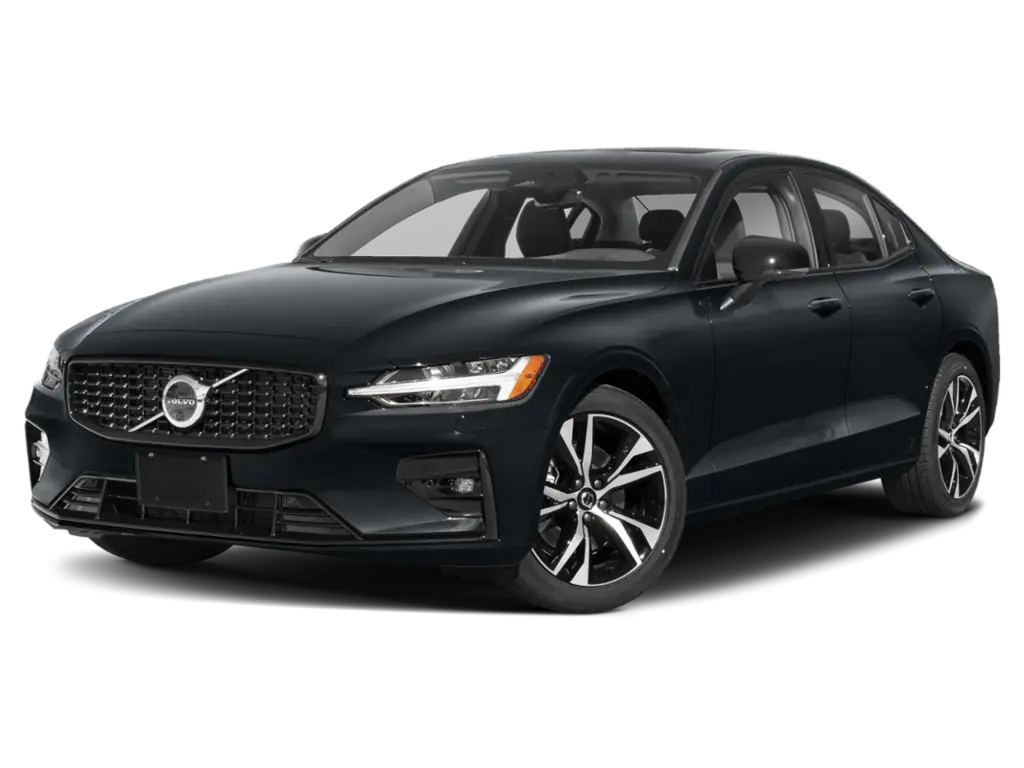
2022 Volvo S60
Reliability: 70/100
2022 BMW 3-Series
Reliability: 70/100
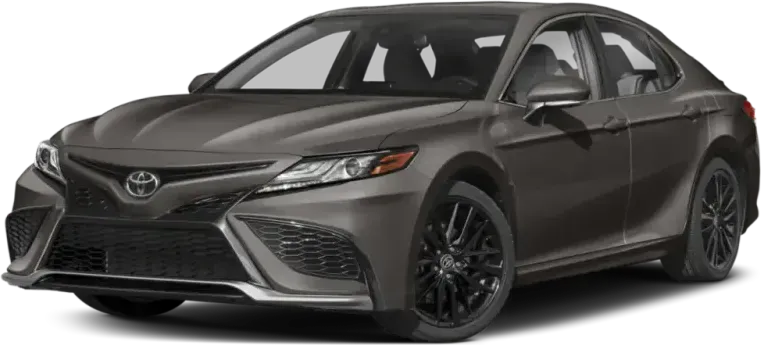
2022 Toyota Camry
Reliability: 84/100
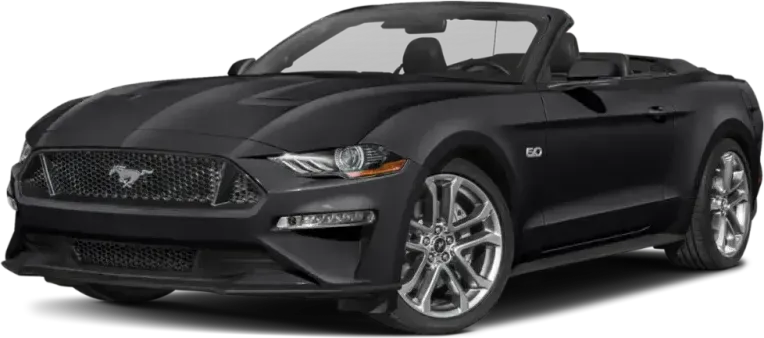
2022 Ford Mustang
Reliability: 59/100
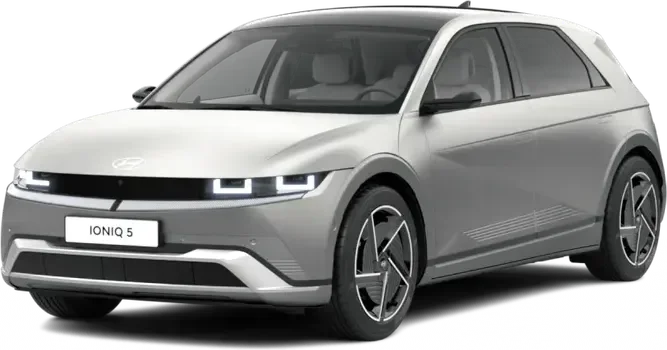
2022 Hyundai Ioniq 5
Reliability: 46/100
Common Problem Categories
Safety
LOW RISK- 16 manufacturer recalls issued
Other
HIGH RISK- FORWARD COLLISION AVOIDANCE (275)
- VEHICLE SPEED CONTROL (153)
Recall Overview
16
recalls on record
The 2022 Tesla Model 3 has 16 recalls on record, which is above average. A high count can flag multiple component concerns, though it also shows the manufacturer is actively addressing known issues.
NHTSA.gov →Complaint Breakdown
37.3
per 10,000 soldSegment avg: 17.8
Safety Incidents
51
Crashes
3
Fires
42
Injuries
1
Deaths
NHTSA 5/5 Stars
Data sourced from NHTSA complaint filings and manufacturer recall notices. Complaint narratives are owner-reported.
2022 Tesla Model 3 Recall Details
16 recalls have been issued for the 2022 Tesla Model 3. All recall repairs are performed free of charge at authorized dealerships.
TIRES
Tesla, Inc. (Tesla) is recalling certain 2024 Cybertruck, 2017-2025 Model 3, and 2020-2025 Model Y vehicles. The tire pressure monitoring system (TPMS) warning light may not remain illuminated between drive cycles, failing to warn the driver of low tire pressure. As such, these vehicles fail to comply with the requirements of Federal Motor Vehicle Safety Standard number 138, "Tire Pressure Monitoring Systems."
Consequence
Driving with improperly inflated tires increases the risk of a crash.
Remedy
Tesla released an over-the-air (OTA) software update, free of charge. Owner notification letters were mailed February 15, 2025. Owners may contact Tesla customer service at 1-877-798-3752. Tesla's number for this recall is SB-24-00-018.
LATCHES/LOCKS/LINKAGES, ELECTRICAL SYSTEM
Tesla, Inc. (Tesla) is recalling certain 2021-2024 Model 3, Model S, Model X, and 2020-2024 Model Y vehicles. The hood latch assembly may fail to detect an unlatched hood condition after the hood has been opened.
Consequence
An unlatched hood can fully open, obstructing the driver's view and increasing the risk of a crash.
Remedy
Tesla has released an over-the-air (OTA) software update, free of charge. Owner notification letters were mailed September 24, 2024. Owners may contact Tesla customer service at 1-877-798-3752. Tesla's number for this recall is SB-24-00-012.
SEAT BELTS
Tesla, Inc. (Tesla) is recalling certain 2012-2024 Model S, 2015-2024 Model X, 2017-2023 Model 3, and 2020-2023 Model Y vehicles. In the event of an unbelted driver, the seat belt warning light and audible chime may not activate as intended. As such, these vehicles fail to comply with the requirements of Federal Motor Vehicle Safety Standard number 208, "Occupant Crash Protection."
Consequence
A seat belt warning system that fails to alert occupants of an unbelted seat belt can increase the risk of injury during a crash.
Remedy
Tesla will release an over-the-air (OTA) software update. Owner notification letters were mailed July 26, 2024. Owners may contact Tesla customer service at 1-877-798-3752. Tesla's number for this recall is SB-24-00-008.
Showing 10 of 16 recalls. View all on NHTSA.gov →
Buying a used 2022 Tesla Model 3? Check its history first
Every 2022 Tesla Model 3 has a different past. A VIN check reveals hidden accidents, title problems, odometer rollbacks, and open recalls that reliability scores can't show you.
- Accidents
- Open Recalls
- Title History
- Odometer Rollback
2022 Tesla Model 3 NHTSA Safety Ratings
Overall Safety Rating
Crash Test Results by Configuration (expand)
Gas Powertrain
Rollover risk: 6.6%
Safety Technologies
Tesla Model 3Repair Costs & Maintenance
Maintenance Rating
2Maintenance rating: 2 out of 5Based on NHTSA complaint patterns, recall severity, and publicly available cost benchmarks.
Est. Annual Maintenance
$832
Category-level averages derived from publicly available industry reports (AAA, CarMD). Model-level estimates produced by Auto Reliability Index.
Tesla Model 3 Resale Value
The Tesla Model 3 is estimated to retain about 49.4% of its original value after 5 years, based on observed used-car listings.
This benchmark covers the Tesla Model 3 model overall and is not specific to the 2022 model year.
- Value Retained
- 49.4%
- Depreciation
- 50.6%
- Listings Analyzed
- 535
after 5 years
over the same period
U.S. used-car listings
Listings observed in . Actual resale value varies by trim, mileage, condition, and location.
Explore Tesla Model 3 depreciation and resale value on CarResaleValue.com2022 Tesla Model 3 Example Repair Prices
National average price ranges for common repairs. These are not model-year-specific failure predictions.
| Repair | Estimated Cost |
|---|---|
| Tire Pressure Monitor Lamp Diagnosis | $122 – $179 |
| General Diagnosis | $122 – $179 |
| Noise Diagnosis | $122 – $179 |
| Vibration Diagnosis | $122 – $179 |
| No Start Diagnosis | $122 – $179 |
| Pre-Purchase Car Inspection | $183 – $269 |
| Engine Oil Light Diagnosis | $122 – $179 |
| Check Engine Light Diagnosis & Testing | $122 – $179 |
| AC Diagnosis | $122 – $179 |
| Air Conditioning System Leak Inspection | $122 – $179 |
Estimates based on national average repair costs. Actual costs may vary by location and shop.
MPG & Annual Running Costs
Electric
272–358 mi range
Fuel cost: $550–$650/yr
Fuel only
25.493–29.957 kWh/100mi · 10–11.5 hrs @ 240V
Based on EPA fuel-cost estimates. Excludes routine maintenance, depreciation, and insurance. Data as of 2022 EPA label cycle.
Electric trims
| Trim | Drive | Trans. | Range | kWh/100mi | Fuel Cost |
|---|---|---|---|---|---|
| Model 3 RWD | Rear-Wheel Drive | Automatic (A1) | 272 mi | 25.5 | $550 |
| Model 3 Long Range AWD | All-Wheel Drive | Automatic (A1) | 358 mi | 25.8 | $600 |
| Model 3 Performance AWD | All-Wheel Drive | Automatic (A1) | 315 mi | 30.0 | $650 |
Used Buying Checklist
Key things to inspect or verify before purchasing a 2022 Tesla Model 3.
Inspect tires for air bubbles or uneven wear
Test adaptive cruise control for phantom braking
Check for suspension noises or instability
Verify power steering functionality
Ensure seat belt sensors and airbags function properly
Test infotainment system for responsiveness
Check for any unusual odors indicating mold
2022 Tesla Model 3 Common Problems by Component
729 owner complaints grouped by vehicle system.
FORWARD COLLISION AVOIDANCE
275 complaintsSafety-relatedOwners report frequent issues with the forward collision avoidance system in the 2022 Tesla Model 3, primarily involving phantom braking and overly sensitive collision warnings. Complaints often describe the vehicle abruptly applying brakes without clear obstacles, sometimes triggered by objects such as roof-mounted straps or glare from other vehicles. These incidents occur across various mileage ranges and can lead to dangerous situations, including near-misses and three reported crashes, with two injuries linked to these events. Additionally, multiple owners mention that the automatic emergency braking reactivates by default after each restart, requiring manual deactivation on every trip. Used car buyers should be aware of these reported issues, as they may affect driving experience and safety.
VEHICLE SPEED CONTROL
153 complaintsSafety-relatedOwners report frequent issues with the 2022 Tesla Model 3's vehicle speed control, notably "phantom braking" where the vehicle unexpectedly applies brakes without apparent obstacles. Complaints frequently mention this occurring during cruise control, causing abrupt deceleration from highway speeds, often from around 70 mph to 30-40 mph, which poses a risk of rear-end collisions. Some reports involve the Full Self-Driving mode, where unexpected lane changes or acceleration occur, sometimes leading to crashes, including incidents with injuries. Additionally, some owners describe failures of safety features in low-speed scenarios, such as when a vehicle accelerates unintentionally. These issues are reported across various mileage ranges, indicating they may not be limited to a specific usage period.
SERVICE BRAKES
91 complaintsSafety-relatedOwners of the 2022 Tesla Model 3 frequently report issues with phantom braking, where the vehicle abruptly brakes without any apparent obstacles, often when using autopilot or cruise control. Symptoms typically include sudden deceleration, sometimes from highway speeds, which can be alarming and potentially dangerous if other vehicles are following closely. Complaints often describe these incidents occurring across various mileage ranges and timelines, with some owners experiencing multiple occurrences over short periods. Safety implications are significant, with seven reported crashes and three injuries linked to these braking issues. Prospective buyers should be aware of these patterns, as they suggest potential risks associated with the vehicle's automated driving features.
UNKNOWN OR OTHER (59 complaints)
UNKNOWN OR OTHER
59 complaintsSafety-relatedOwners of the 2022 Tesla Model 3 frequently report issues related to the HVAC system, with complaints about moldy or musty odors causing health concerns like headaches and allergies. Additionally, there are multiple reports of failures in the Full Self-Driving (FSD) system, leading to unintended acceleration and loss of control, with some incidents resulting in crashes and injuries. Complaints also highlight software-related issues, such as the vehicle stalling or slowing unexpectedly, which can pose safety risks in traffic. These problems often emerge early in the vehicle's life, with some owners noting persistent issues despite repeated service visits. Safety implications are notable, with several complaints involving crashes and injuries linked to these failures.
ELECTRICAL SYSTEM (37 complaints)
ELECTRICAL SYSTEM
37 complaintsSafety-relatedOwners of the 2022 Tesla Model 3 frequently report failures in the vehicle’s computer and electrical systems, with symptoms including complete loss of safety and driver-assistance features, blacked-out center displays, and malfunctioning cameras. Complaints often involve incidents where the vehicle’s Autopilot or self-driving features fail to operate correctly, leading to crashes and injuries. Reports also mention issues with the HVAC system, such as chemical fumes entering the cabin and persistent musty odors suggestive of mold. Some complaints describe incidents of fire, both while driving and when the vehicle is parked, with significant safety implications including entrapment due to electronic door failures. These issues appear across varying mileages, with some occurring shortly after purchase and others at higher mileages, such as 79,000 miles.
STEERING (29 complaints)
STEERING
29 complaintsSafety-relatedOwners report intermittent power steering failure and unexpected steering wheel lock-ups in the 2022 Tesla Model 3, often leading to difficulty in maintaining lane control. Typical symptoms include heavy steering, steering wheel pulling sharply to one side, and multiple alert messages indicating reduced steering assist or disabled traction control. These issues frequently occur without warning and have been reported at various mileages, with some incidents leading to crashes and injuries. Several complaints involve the vehicle unexpectedly veering off course or losing control entirely, which has resulted in collisions and, in one case, a fire. Potential buyers should be aware of these recurring steering issues and the associated safety implications.
POWER TRAIN (10 complaints)
POWER TRAIN
10 complaintsOwners of the 2022 Tesla Model 3 frequently report issues with the vehicle's power train, particularly involving unexpected disengagement of drive units and free rolling when both pedals are accidentally pressed. Complaints often describe the car entering a neutral-like state, leading to uncontrolled rolling on inclines, or the vehicle suddenly stopping and becoming immovable, sometimes on highways or busy roads. These incidents typically occur without prior warning, and some owners mention these issues persisting for several years, suggesting no resolution through software updates. Safety implications are evident, as multiple reports describe scenarios where the car's unexpected behavior could lead to potential accidents, especially in traffic or on inclines. Used car buyers should be aware of these recurring power train complaints and their potential safety risks.
AIR BAGS (10 complaints)
AIR BAGS
10 complaintsSafety-relatedOwners report frequent issues with the airbag system in the 2022 Tesla Model 3, particularly related to the passenger safety restraint system fault. Complaints commonly mention warning lights for both the driver and passenger sides, with some owners experiencing these issues intermittently starting from as low as 15,000 miles. A significant concern is the failure of airbags to deploy during crashes, as evidenced by multiple incidents resulting in injuries, including a collision with a school bus and another involving a high-speed impact. These reports indicate potential safety risks, particularly if airbags and seatbelt tensioners do not function properly in an accident. Potential buyers should be aware of these recurring airbag system faults and the associated safety implications.
SEAT BELTS (9 complaints)
SEAT BELTS
9 complaintsOwners of the 2022 Tesla Model 3 report several issues with the seat belt and safety restraint systems. Common problems include passenger safety restraint system alerts and sensor malfunctions, which may cause airbags to not deploy properly. Complaints frequently mention front passenger seat sensors failing intermittently, often after service visits, and some reports indicate these issues persist beyond the warranty period, leading to costly repairs. Multiple owners also describe problems with seat belts not latching or locking, with some issues occurring as early as 35,400 miles. Safety implications include potential risks related to airbag deployment and seat belt functionality, which are critical for occupant protection.
ENGINE (3 complaints)
ENGINE
3 complaintsSafety-relatedOwners of the 2022 Tesla Model 3 report issues related to engine performance and control. One complaint describes a significant safety incident where the vehicle lost control and crashed into a concrete divider without any warning lights, indicating a potential issue with vehicle stability or control systems. Another owner reports a sudden reduction in speed to a maximum of 50 mph, accompanied by a yellow turtle icon, which suggests a fault in the vehicle's power management system; this issue was resolved under warranty. Additionally, there is a mention of excessive noise while driving, though details are sparse. These reports do not specify mileage, but the presence of a crash highlights potential safety implications for prospective buyers.
When Do 2022 Tesla Model 3 Problems Start?
Based on owner complaint patterns, here's when common issues tend to appear.
Best & Worst Tesla Model 3 Years
Comprehensive reliability analysis based on NHTSA data, owner complaints, and historical performance.
Best Tesla Model 3 Years to Buy
Based on reliability index scoreThe best Tesla Model 3 year is 2025 with a reliability score of 67/100, rated good. Other strong picks include 2024 (62/100) and 2026 (59/100).
Tesla Model 3 Years to Avoid
The worst Tesla Model 3 year is 2018 with a score of 46/100, primarily due to electrical system (139) issues. Also avoid 2021 (48/100).
Tesla Model 3 Reliability Score Trend
Tesla Model 3 reliability has improved in recent years, with newer models scoring an average of 59/100 compared to 49/100 for older years.
Scores 0–100. Higher is better. Current year highlighted.
| Year | Score | Rating |
|---|---|---|
| 2018 | 46/100 | Mixed |
| 2019 | 49/100 | Mixed |
| 2020 | 54/100 | Mixed |
| 2021 | 48/100 | Mixed |
| 2022 | 50/100 | Mixed |
| 2023 | 57/100 | Mixed |
| 2024 | 62/100 | Good |
| 2025 | 67/100 | Good |
| 2026 | 59/100 | Mixed |
Tesla Model 3 Reliability Compared to Other Years
2022 Tesla Model 3 Common Questions
2 questions from 2022 Tesla Model 3 owners.
wipers are not working
my tesla Y wipers are not working and water is coming from bottom
Can you tell me if you can switch the 3 antennas in your old side mirrors to your new side mirrors that don't come with them?
2018 Tesla model 3 Can you tell me if you can switch the 3 antennas in your old side mirrors to your new side mirrors that don't come with them? Comes with blue connector but not the 2 antenna connectors in the RH mirror and the 1 antennas connector in the LH mirror. Wanting to use these antennas on new mirror. Are they easy to switch to new mirrors that do not come with the antennas?
Frequently Asked Questions
Is the 2022 Tesla Model 3 reliable?
What are the most common problems with the 2022 Tesla Model 3?
How many recalls does the 2022 Tesla Model 3 have?
Is the 2022 Tesla Model 3 expensive to maintain?
Don’t buy a 2022 Tesla Model 3 without checking its VIN first — hidden accidents, title issues, and open recalls could cost you thousands.
How We Calculate Reliability Scores
Auto Reliability Index scores are calculated on a 0–100 scale using a weighted formula that combines multiple public data sources. Each factor is weighted based on its predictive value for real-world ownership experience.
Key Ranking Factors
Complaint Severity
NHTSA owner complaints weighted by component category (e.g., powertrain, safety systems, electronics, cosmetic) — safety-critical issues carry more weight than cosmetic ones. Adjusted for sales volume so high-volume models aren't unfairly penalized.
Repair Costs
Independent reliability ratings based on repair frequency, average repair costs, and severity of typical repairs for each model.
Recall Impact
Number of NHTSA recalls weighted by severity. “Stop driving” and fire-risk recalls are penalized more heavily than minor software or labeling recalls.
Issue Diversity
Measures how many major vehicle systems (engine, transmission, electrical, braking, etc.) have recorded complaints. A vehicle with issues spread across many systems may indicate systemic quality issues.
Scores are grouped into four tiers:
- 80–100: Excellent— Top-tier reliability, minimal issues
- 60–79: Good— Reliable with some minor concerns
- 40–59: Mixed— Notable issues, research before buying
- 0–39: Risky— Significant problems, proceed with caution
Data is sourced from NHTSA recall records, owner complaint filings, and independent repair databases via vehicles.dev. Scores are recalculated as new data becomes available. While the weighting model is proprietary, all underlying data sources are public and traceable.
Get notified when new recalls or reliability data is added for the Tesla Model 3.
No spam. Only data updates for this model.
Browse More Tesla Models
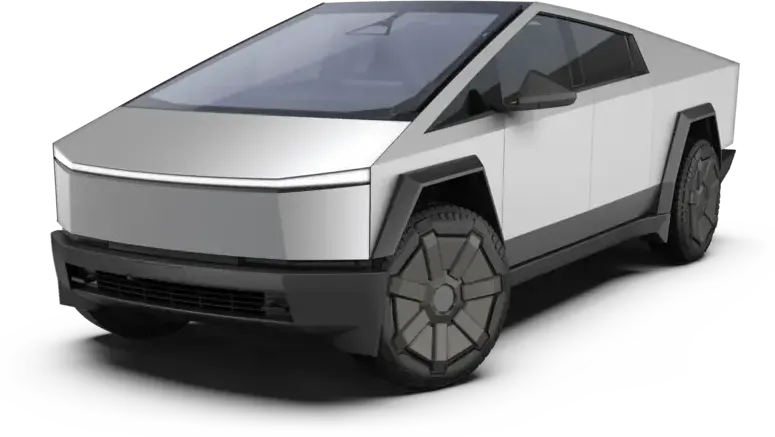
Tesla Cybertruck
Score: 59/100
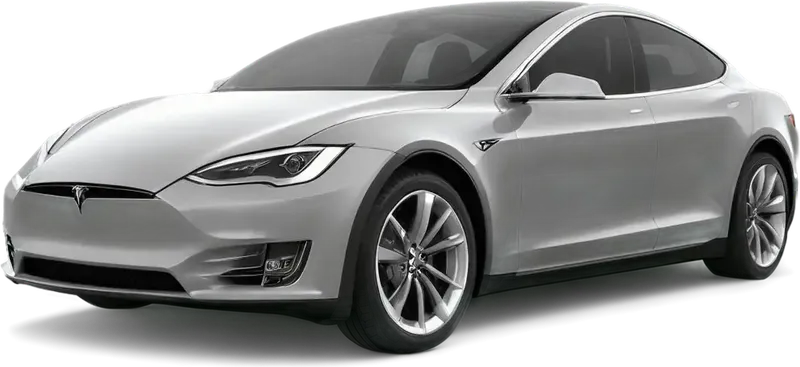
Tesla Model S
Score: 50/100
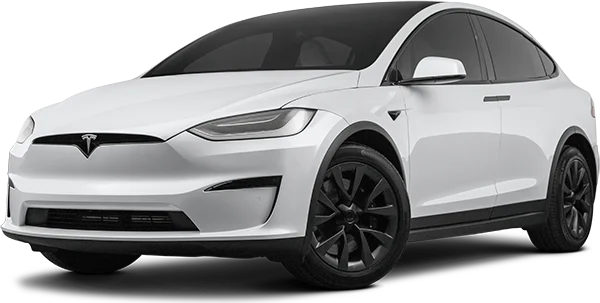
Tesla Model X
Score: 66/100
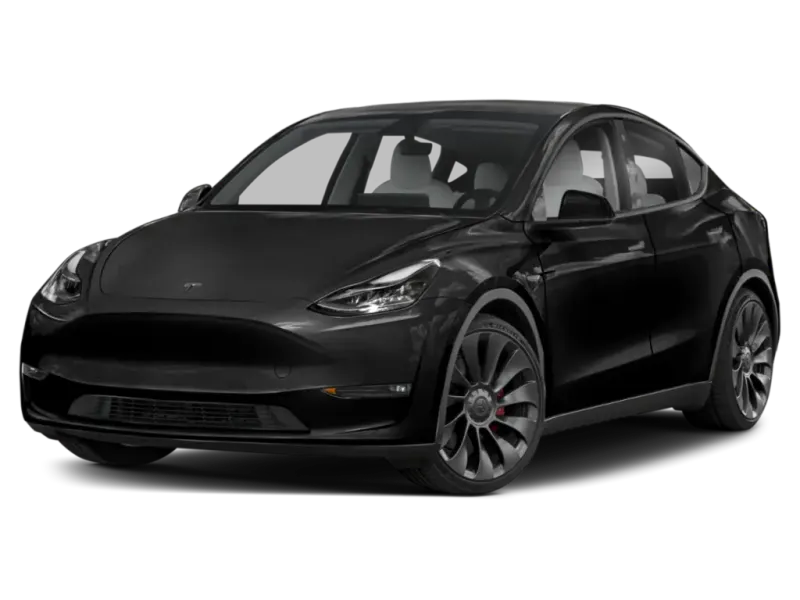
Tesla Model Y
Score: 70/100
Browse More 2022 Vehicles
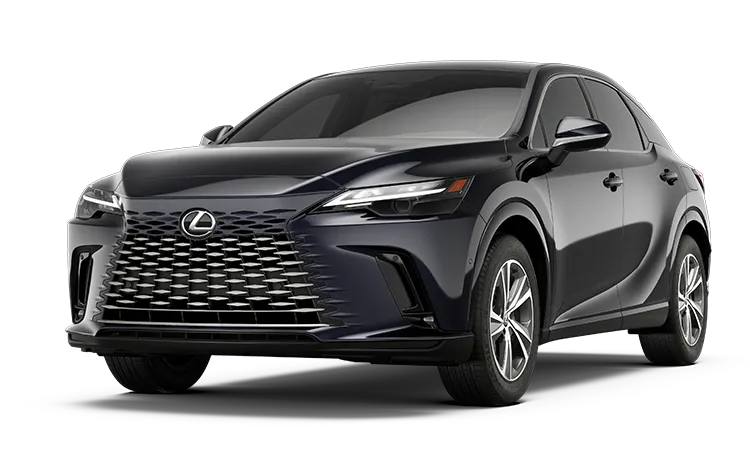
2022 Lexus RX
Score: 90/100
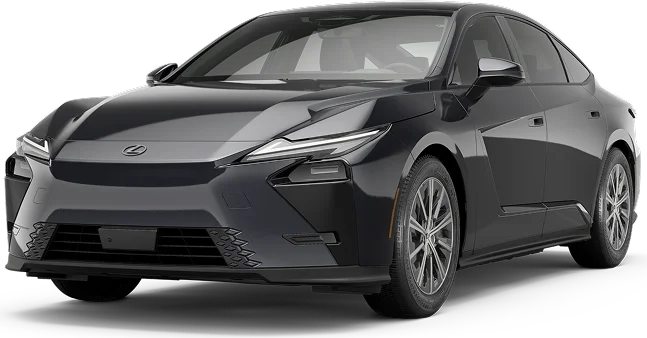
2022 Lexus ES
Score: 88/100
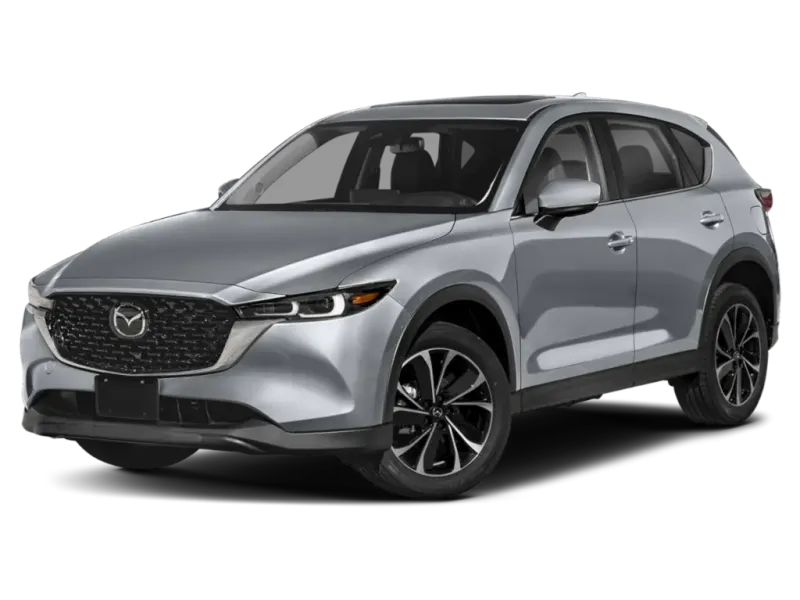
2022 Mazda CX-5
Score: 87/100
2022 Toyota Camry
Score: 84/100
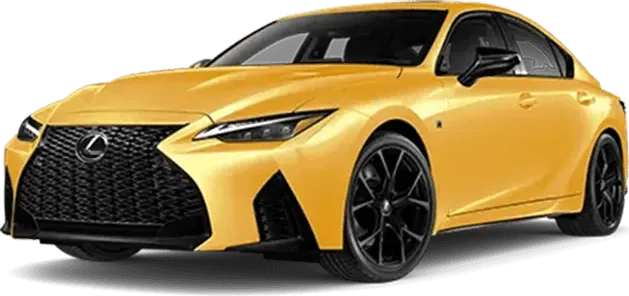
2022 Lexus IS
Score: 83/100
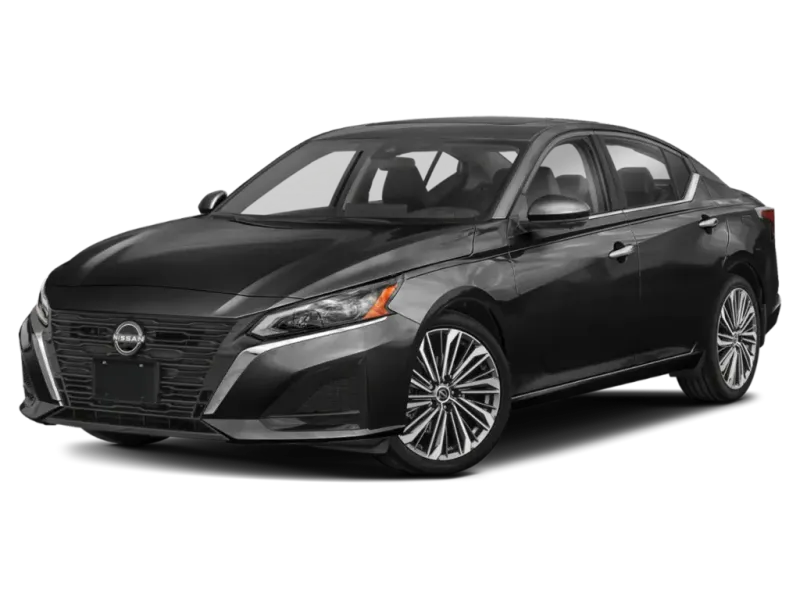
2022 Nissan Altima
Score: 83/100
See incorrect data? Report an issue