Last updated: 2026-10-10
Chevrolet Blazer vs Toyota 4Runner: Reliability Compared
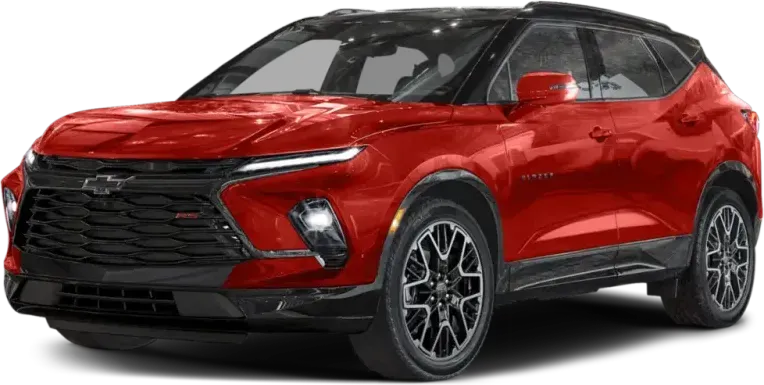
Chevrolet Blazer

Toyota 4Runner
On reliability, the Toyota 4RUNNER edges the Chevrolet Blazer, with fewer owner complaints per vehicle sold and a slightly lower repair bill. The gap is slight. The Blazer's transmission failures and recurring coolant temperature faults are the main reason it trails.
How Do the Chevrolet Blazer and Toyota 4Runner Generations Compare?
Verdict
The Toyota 4Runner is more reliable than the Chevrolet Blazer, scoring 80/100 vs 76/100.
Reliability favors the 4Runner by a slight margin. Its standing is excellent against good for the Blazer, and owners filed fewer complaints per vehicle sold, 1.5 per 10,000 versus 2.1. Repair costs are nearly identical, so the gap is not wide. The Blazer's complaints center on transmission failures and a coolant temperature fault that spills into steering and electrical warnings. The 4Runner's lead complaints are a highway-speed shake and brake noise. The Blazer does have fewer unscheduled shop visits, which keeps this close.
Key Differences
- 1Toyota 4Runner costs $7 less per year to repair
- 2Toyota 4Runner scores 4 points higher in reliability
- 3Toyota 4Runner has 2 fewer total recalls
Category Scoreboard
Chevrolet Blazer vs Toyota 4Runner: Which Is More Reliable?
| Metric | Chevrolet Blazer | Toyota 4Runner |
|---|---|---|
| Reliability Score | 76/100 | 80/100 |
| Years Tracked | 8 | 9 |
| Total Recalls | 19 | 17 |
| Complaints per 10k Sold | 2.1 | 1.5 |
| Annual Repair Cost | $521/yr | $514/yr |
| Repair Frequency | 0.3/yr | 0.4/yr |
| Safety RatingNHTSA overall | 2026 NHTSA | 2026 NHTSA |
| Frontal | ||
| Side | ||
| Rollover | ||
| Year Wins | 1 (1 tied) | 6 (1 tied) |
What Are the Common Problems With the Chevrolet Blazer and Toyota 4Runner?
Power train trouble sets the Blazer apart. Transmissions fail around 82,000 to 84,000 miles, with jerking, metal in the fluid, or sudden loss of drive at highway speed. Cracked radiators and a coolant temperature fault also trigger "Steering Assist Reduced" warnings and a fan that runs after shutdown. The 4Runner's top complaints are a wheel shake between 50 and 70 mph that shops often cannot cure, and brake squeaks. Its air bag area has 20 crash-linked complaints, including front bags that did not deploy. The Blazer has five crash-linked brake complaints, against one for the 4Runner.
| Component | Chevrolet Blazer | Toyota 4Runner |
|---|---|---|
| ELECTRICAL SYSTEM | 0.4Very Low | 0.1Very Low |
| UNKNOWN OR OTHER | 0.3Very Low | 0.2Very Low |
| STEERING | 0.3Very Low | 0.2Very Low |
| POWER TRAIN | 0.4Very Low | —None |
| SERVICE BRAKES | 0.1Very Low | 0.2Very Low |
| ENGINE | 0.2Very Low | —None |
| FORWARD COLLISION AVOIDANCE | 0.1Very Low | —None |
| SUSPENSION | —None | 0.1Very Low |
| AIR BAGS | —None | 0.1Very Low |
| STRUCTURE | —None | 0.1Very Low |
| FUEL SYSTEM | —None | 0.1Very Low |
| VISIBILITY/WIPER | —None | —None |
| TIRES | —None | —None |
| FUEL/PROPULSION SYSTEM | —None | —None |
| PARKING BRAKE | —None | —None |
| EXTERIOR LIGHTING | —None | —None |
| VEHICLE SPEED CONTROL | —None | —None |
| BACK OVER PREVENTION | —None | —None |
| SEAT BELTS | —None | —None |
| VISIBILITY | —None | —None |
Complaints per 10,000 units sold, aggregated across all tracked model years from NHTSA owner reports.
Which Is Cheaper to Maintain: Chevrolet Blazer or Toyota 4Runner?
How Does Chevrolet Blazer vs Toyota 4Runner Reliability Compare by Year?
| Year | Chevrolet Blazer | Toyota 4Runner | Edge |
|---|---|---|---|
| 2026 | 88/1000R / 0C | 84/1000R / 0C | Chevrolet Blazer |
| 2025 | 77/1004R / 26C | 81/1001R / 36C | Toyota 4Runner |
| 2024 | 70/1006R / 99C | 79/1001R / 8C | Toyota 4Runner |
| 2023 | 78/1002R / 29C | 82/1001R / 28C | Toyota 4Runner |
| 2022 | 79/1001R / 33C | 79/1003R / 36C | Tie |
| 2021 | 74/1001R / 104C | 82/1001R / 31C | Toyota 4Runner |
| 2020 | 71/1003R / 178C | 82/1001R / 30C | Toyota 4Runner |
| 2019 | 69/1002R / 170C | 77/1004R / 61C | Toyota 4Runner |
Best years to cross-shop: The 2022 Chevrolet Blazer scored 79/100 and the 2023 Toyota 4Runner scored 82/100 — the strongest shared model years that have been on the road for at least two years, where available.
Who Should Buy the Chevrolet Blazer vs the Toyota 4Runner?
Chevrolet Blazer vs Toyota 4Runner: Common Questions
- Is the Toyota 4RUNNER more reliable than the Chevrolet Blazer?
- Yes, by a slight margin. The 4Runner's reliability standing is excellent and the Blazer's is good. Owners filed 1.5 complaints per 10,000 4Runners sold against 2.1 for the Blazer. The Blazer does need fewer unscheduled shop visits, so the two are closer than the standings alone suggest.
- Which has more recalls, the 4Runner or the Blazer?
- The Blazer has slightly more. Federal recall records show 19 recalls across 8 Blazer model years and 17 across 9 4Runner model years. Per model year, the Blazer's load is heavier. Check any specific vehicle's VIN for open recall work before you buy.
- Which is cheaper to repair, the 4Runner or the Blazer?
- They cost almost the same. Independent repair-cost data puts the 4Runner at $514 a year and the Blazer at $521. Over five years that is about $35 apart. The bigger difference is the type of failure, since Blazer owners report transmission replacements and repeat radiator jobs.
- What goes wrong with the Chevrolet Blazer transmission?
- Reports cluster around 82,000 to 84,000 miles. Owners describe jerking, a roaring noise with metal in the fluid, and sudden loss of drive at highway speed while the engine revs. Several ended in a full transmission replacement. Some cars shuddered from a stop up to 40 mph beforehand.
- Why does the 4Runner shake at highway speed?
- Owners report a shaking and wobbling through the steering wheel, usually between 50 and 70 mph. Balancing, rotation, new tires and alignment checks often do not cure it. One dealer pointed to a possible steering rack issue. It is worth testing at those speeds before you buy.
Related Reliability Comparisons
More Chevrolet Blazer comparisons
Decided between Chevrolet Blazer and Toyota 4Runner? Run a VIN check before you buy — uncover hidden accidents, title issues, and open recalls.
How we score the Chevrolet Blazer and Toyota 4Runner
Scores weight complaint severity at 35%, repair costs at 30%, recall impact at 20%, and the spread of complaints across systems at 15%, with complaint counts adjusted for US sales. Read the full methodology.
See incorrect data? Report an issue